
Tennessee is packed with incredible places that won’t drain your wallet. From jaw-dropping natural wonders to fascinating museums and historic sites, you can explore the entire state without spending a fortune.
Whether you’re planning a weekend getaway or a longer adventure, these budget-friendly stops prove that the best experiences don’t always come with a hefty price tag.
1. Discovery Park of America — Union City
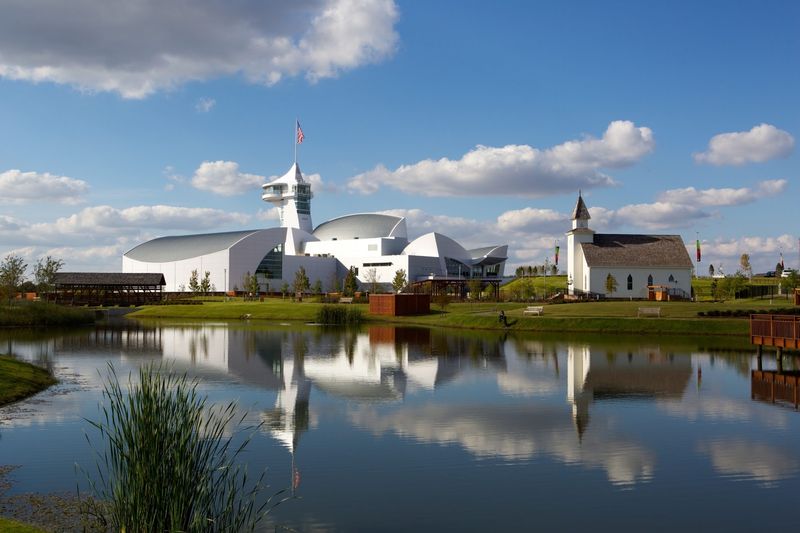
Way up in the northwest corner of Tennessee sits one of the state’s best-kept secrets. Discovery Park of America sprawls across a 50-acre campus that feels more like a theme park than a traditional museum. You’ll find everything from dinosaur skeletons to military history, all under one impressive roof.
The admission price is incredibly reasonable considering what you get. Inside, kids can explore a replica pioneer cabin, watch earthquakes shake in a simulator, and stand beneath a full-size replica of a space shuttle.
The natural history section features taxidermied animals from around the world, displayed in realistic habitat scenes that make you feel like you’re on safari.
Outside, the gardens are free to walk through even if you don’t buy a museum ticket. Fountains, sculptures, and perfectly manicured lawns make it a peaceful spot for a picnic lunch.
The earthquake simulator is a crowd favorite, letting you experience what different magnitudes feel like while standing on a shaking platform.
One wing focuses entirely on Tennessee history, from Native American settlements through the Civil War and beyond. Interactive displays keep even reluctant learners engaged. The military gallery honors local veterans and displays authentic uniforms, weapons, and vehicles from various conflicts.
Plan to spend at least three hours here, though you could easily fill an entire day. The facility is spotless, well-organized, and staffed by friendly volunteers who genuinely love sharing knowledge.
Parking is free and plentiful. Pack snacks or grab lunch at the on-site cafe, which serves reasonably priced sandwiches and salads.
For families traveling through West Tennessee, this stop delivers incredible educational value without breaking the bank.
2. Reelfoot Lake State Park — Tiptonville
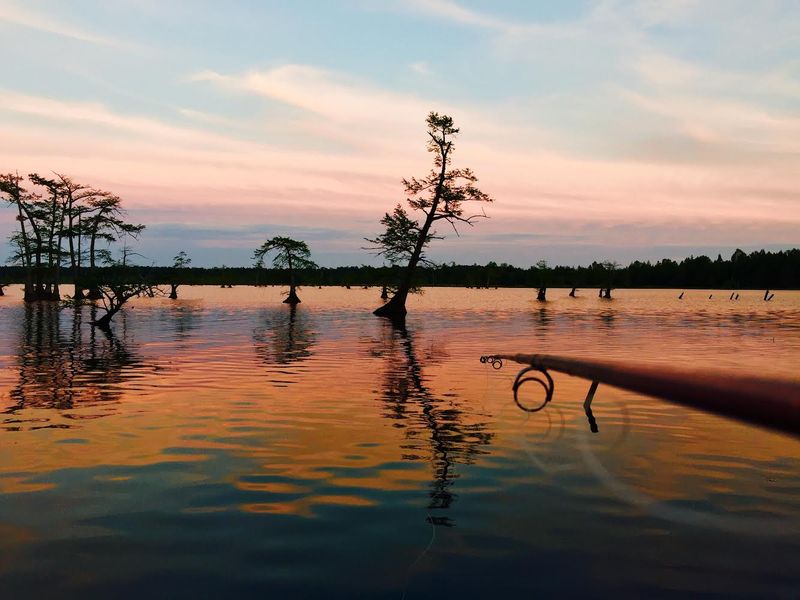
Created by massive earthquakes in the early 1800s, Reelfoot Lake looks like something out of a Louisiana bayou. Bald cypress trees rise straight out of the shallow water, their knobby knees breaking the surface.
Spanish moss drapes from branches, and eagles patrol the skies year-round.
Admission to the park is completely free, making it perfect for budget travelers. The visitor center offers educational displays about the lake’s formation and ecology without charging a dime.
Rangers lead free guided boat tours during certain seasons, giving you up-close views of the cypress forest and wildlife.
Birdwatchers flock here during winter when bald eagles migrate south. You can spot dozens of these magnificent birds fishing and roosting in the tall trees.
Bring binoculars and a camera because photo opportunities are endless. Great blue herons, egrets, and pelicans also call this place home.
Several hiking trails wind through the park, ranging from easy boardwalk strolls to longer woodland paths. The trails are well-maintained and clearly marked.
Fishing is popular here too, with crappie, bass, and catfish abundant in the shallow waters. You’ll need a Tennessee fishing license, but bank fishing spots are free to access.
Camping facilities offer incredibly affordable overnight options if you want to extend your visit. The sunsets over the lake are legendary, painting the sky in oranges and purples that reflect off the still water.
Pack a cooler with food since dining options nearby are limited. The park remains relatively uncrowded even during peak seasons, giving you a peaceful escape into nature’s strange and beautiful creation.
3. The Mindfield — Brownsville

Standing in the town square of Brownsville is possibly the weirdest art installation you’ll ever see. The Mindfield towers over visitors, a chaotic assembly of military parts, scrap metal, and random objects welded together by artist Billy Tripp.
It’s completely free to view and absolutely unforgettable.
Tripp has been building this sprawling sculpture since 1989, continuously adding pieces as inspiration strikes. Rusted metal beams jut out at odd angles, old machinery parts dangle overhead, and cryptic messages are welded into the framework.
Some people see genius, others see junk, but nobody walks away without an opinion.
The sculpture has no official interpretation, which makes it endlessly fascinating. You can spend ten minutes or an hour here, circling the structure and discovering new details.
Tank parts, airplane pieces, and industrial equipment all find new life in this towering creation. Photography enthusiasts love the dramatic angles and textures.
Located right on the courthouse square, you can easily combine this stop with a stroll through downtown Brownsville. A few local shops and cafes offer affordable bites and drinks.
The town embraces its unusual attraction, with locals happy to share stories about Tripp and his evolving masterpiece.
Visiting costs absolutely nothing except the time to pull over and explore. There’s parking right along the square, and you can walk all around the installation.
Kids find it fascinating too, playing a game of spotting different objects hidden in the metalwork. It’s the kind of authentic, off-beat roadside attraction that makes road trips memorable.
Whether you appreciate it as art or just enjoy the sheer oddity, The Mindfield represents pure creative freedom without any admission price.
4. Shiloh National Military Park — Shiloh
One of the bloodiest battles of the Civil War unfolded across these rolling hills in April 1862. Today, Shiloh National Military Park preserves that history with remarkable care and zero admission cost.
You can drive or walk through the battlefield, following the same ground where 23,000 soldiers fell in just two days of fighting.
The visitor center provides excellent context before you explore the grounds. A short film explains the battle’s significance, and museum displays showcase authentic artifacts, uniforms, and weapons.
Rangers are available to answer questions and provide insights that bring the history to life.
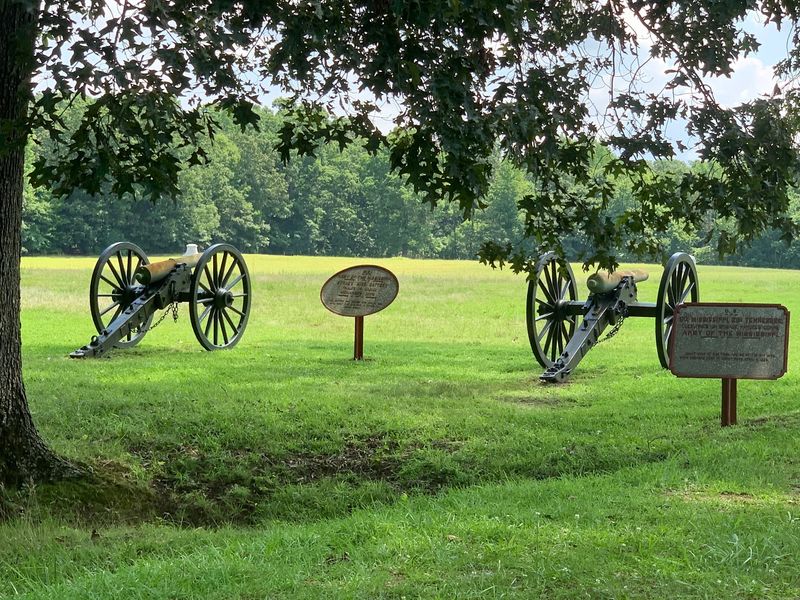
A self-guided driving tour takes you past key locations like the Hornet’s Nest, Bloody Pond, and various monuments erected by states to honor their fallen soldiers. Interpretive signs at each stop explain what happened there.
The preserved trenches and artillery positions help you visualize the chaos of battle.
Walking trails crisscross the park if you prefer exploring on foot. The paths are easy to moderate, winding through forests and open fields.
Spring brings wildflowers, while fall colors create stunning backdrops for the historic monuments. The park remains peaceful and contemplative, a stark contrast to its violent past.
Plan at least two hours to truly appreciate the site, though history buffs could easily spend half a day here. The national cemetery adjacent to the battlefield contains rows of white headstones marking soldiers’ graves.
Picnic areas offer spots to rest and reflect. Bring water and snacks since facilities are basic.
The park rarely feels crowded, allowing for quiet reflection on this pivotal moment in American history, all without spending a cent.
5. Tennessee State Museum — Nashville

Nashville’s Tennessee State Museum relocated to a stunning new building in 2018, and here’s the best part: admission is completely free. This isn’t some dusty collection of random artifacts.
It’s a world-class facility that traces Tennessee history from prehistoric times through the present day with engaging, interactive exhibits.
The permanent collection spans multiple floors, each dedicated to different eras. You’ll see ancient Native American pottery, frontier rifles, Civil War uniforms, and even pieces of Tennessee’s music history.
The exhibits are thoughtfully designed with multimedia elements that appeal to all ages. Touch screens, audio stations, and video displays supplement the physical artifacts.
One gallery focuses entirely on the state’s role in the Civil War, displaying battle flags, personal letters, and military equipment. Another section celebrates Tennessee’s contributions to music, from early country pioneers to modern rock and soul.
You’ll find original instruments, costumes, and recording equipment that shaped American sound.
The building itself is architecturally impressive, with soaring ceilings and natural light flooding the galleries. Located in the Bicentennial Capitol Mall area, it’s easy to reach and has nearby parking options.
The museum shop sells reasonably priced books and souvenirs if you want a memento.
Allow two to three hours to see everything properly. The museum does an excellent job making history accessible and interesting rather than overwhelming.
Special temporary exhibitions rotate regularly, giving repeat visitors fresh content. School groups frequent the place during weekdays, so weekend mornings tend to be quieter.
The climate-controlled environment makes it a perfect rainy-day activity. For a comprehensive introduction to Tennessee’s rich and complex history, you won’t find better value than free admission to this exceptional museum.
6. Bicentennial Capitol Mall State Park — Nashville

Right in the heart of downtown Nashville sits a 19-acre park that most tourists overlook. Bicentennial Capitol Mall State Park opened in 1996 to commemorate Tennessee’s 200th anniversary, and it packs impressive features into a relatively compact space. Best of all, it’s open to the public with no admission fee whatsoever.
The park’s design cleverly incorporates Tennessee history and geography into its layout. A 200-foot granite map shows all 95 counties, with rivers carved into the stone.
A World War II memorial honors Tennessee veterans with a striking circular design and eternal flame.
The Carillon bell tower chimes throughout the day, its 95 bells representing each county. Fountains arranged in a grid represent major Tennessee rivers, shooting water in choreographed patterns during warmer months. On hot days, children play in the water while parents relax on nearby benches.
Walking paths connect various monuments and memorials scattered throughout the grounds. You’ll find tributes to different aspects of state history, from Native American heritage to civil rights struggles.
Informational plaques provide context without being overwhelming. The park offers clear views of the State Capitol building perched on the hill above.
Street parking and nearby garages make access easy, though you might pay for parking depending on where you land. The park hosts occasional free concerts and events, especially during summer months.
Bring a picnic lunch and enjoy the green space in the middle of the city. The flat terrain makes it accessible for strollers and wheelchairs.
For a quick, educational break between other Nashville activities, this park delivers Tennessee pride and history in a beautiful outdoor setting that costs nothing to enjoy.
7. Stones River National Battlefield — Murfreesboro
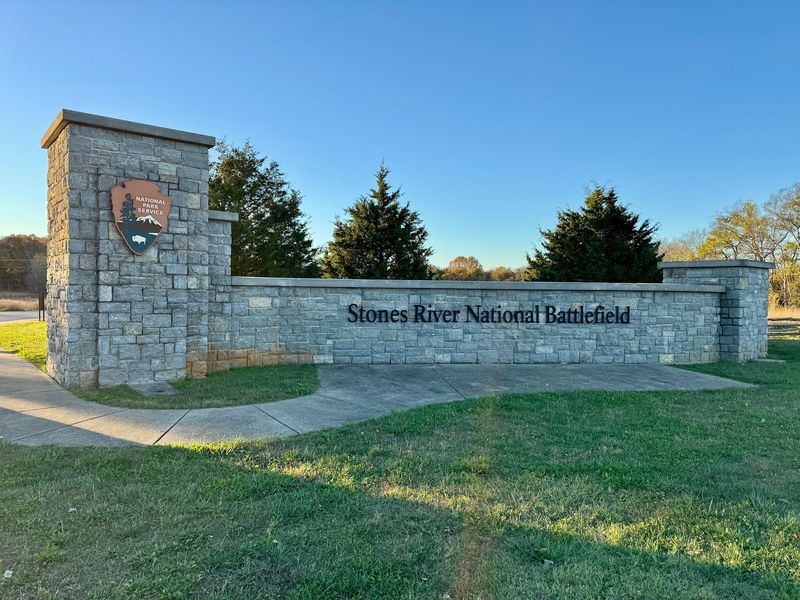
Another devastating Civil War battle took place just outside Murfreesboro at the end of 1862. Stones River National Battlefield preserves that history with the same care as Shiloh, and like all National Park Service sites of its kind, charges no entrance fee.
The battle resulted in over 23,000 casualties during three days of winter fighting.
Start at the visitor center where exhibits and a film set the stage. Park rangers offer guided tours during peak seasons, providing personal stories and tactical explanations that textbooks never capture.
The museum displays authentic artifacts recovered from the battlefield, including bullets, buttons, and personal items carried by soldiers.
A driving tour with eight stops guides you through key battle locations. Each stop features interpretive signs explaining troop movements and significant events.
The Hazen Brigade Monument, erected in 1863, is the oldest intact Civil War memorial in the country. It stands where Union soldiers held their ground against repeated Confederate attacks.
Walking trails allow closer exploration of the battlefield terrain. The paths are mostly flat and easy to navigate.
The national cemetery contains thousands of Union soldiers’ graves, their white markers arranged in precise rows. It’s a sobering reminder of the battle’s human cost.
The park’s 600 acres include forests, fields, and the actual Stones River that gave the battle its name. Wildlife has reclaimed much of the land, with deer and birds abundant.
Spring and fall offer the most comfortable weather for exploring. Pack water and wear comfortable shoes since you’ll want to walk around.
Murfreesboro has grown up around the battlefield, but the park maintains its historical integrity. It’s less crowded than some Civil War sites, offering peaceful reflection on this crucial but often overlooked battle that helped shape the war’s outcome.
8. Cookeville Depot Museum — Cookeville
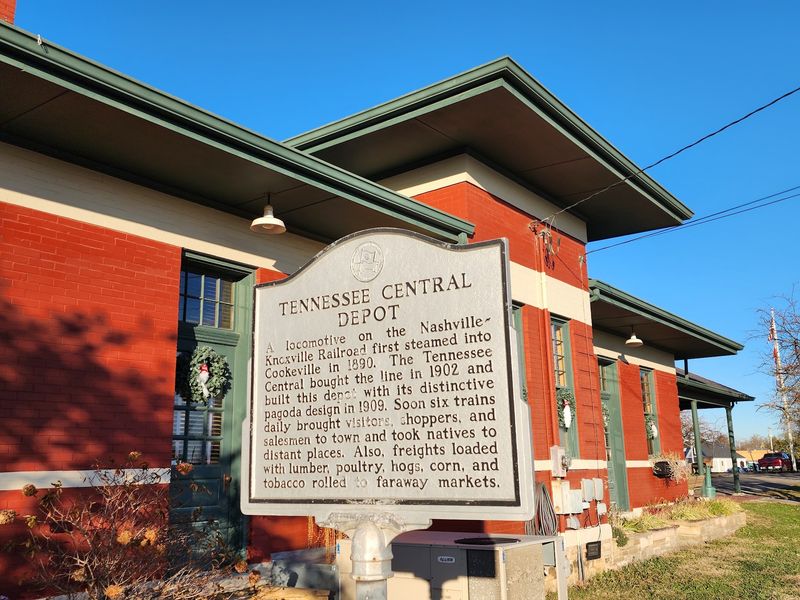
Cookeville’s beautifully restored 1909 train depot now houses a charming museum dedicated to railroad history and local heritage. Admission is free, though donations are appreciated.
The building itself is worth seeing, with its classic depot architecture and period details preserved throughout.
Inside, you’ll find exhibits covering the railroad’s impact on Cookeville’s development. Vintage photographs show the depot in its heyday when trains were the primary transportation method. Display cases hold railroad lanterns, tickets, uniforms, and tools used by depot workers. A detailed model train layout delights kids and adults alike.
The museum also covers broader Cookeville history beyond just railroads. You’ll see artifacts from local businesses, schools, and families that shaped the community.
Old advertisements, household items, and clothing provide glimpses into daily life from decades past. The volunteers who staff the museum are often longtime residents with personal stories to share.
Outside, an actual caboose sits on a short section of track, open for visitors to climb aboard and explore. Kids especially love checking out the cramped crew quarters and imagining life on the rails.
The surrounding grounds include benches and a small picnic area.
The depot’s location in downtown Cookeville makes it easy to combine with lunch at a local restaurant or shopping at nearby stores. The museum is small enough to see thoroughly in 30 to 45 minutes, perfect for a quick stop during a road trip.
Hours can be limited, so check ahead before visiting.
This gem represents small-town museums at their best: personal, well-maintained, and genuinely interested in preserving local history. The free admission removes any barrier to stopping in and learning something new.
For anyone interested in railroads or Tennessee’s smaller communities, the Cookeville Depot Museum offers authentic charm without tourist trap pricing.
9. Lodge Museum of Cast Iron — South Pittsburg

South Pittsburg is home to Lodge Cast Iron, the oldest cast iron cookware manufacturer in America. Their factory museum celebrates over a century of skillet-making history, and admission won’t cost you a penny.
If you’ve ever cooked with cast iron, this quirky museum will fascinate you.
The museum occupies space within Lodge’s sprawling manufacturing complex. Displays trace the company’s evolution from 1896 to present day.
You’ll see vintage cookware designs, old advertising materials, and examples of specialty pieces no longer in production. Some of the antique skillets and dutch ovens are true works of craftsmanship.
Photographs and text panels explain the casting process and how it’s changed over the decades. You’ll learn about the sand molds, the pouring process, and the finishing techniques that give Lodge products their distinctive qualities.
It’s more interesting than it sounds, especially when you realize how much skill goes into making something as simple as a skillet.
The adjacent Lodge Factory Store offers cookware at discounted prices if you want to take home a souvenir. You’ll find factory seconds with minor cosmetic flaws at significant savings, plus a full selection of current products.
The museum itself is small and won’t take more than 20 or 30 minutes to see completely. But it’s a unique stop that celebrates American manufacturing and a product most people have in their kitchens.
The town of South Pittsburg is tiny, so don’t expect many other attractions nearby.
Visiting hours align with the factory store’s schedule, typically weekday business hours. Free parking is plentiful right outside. For anyone who appreciates quality cookware, industrial history, or just enjoys offbeat roadside attractions, the Lodge Museum delivers unexpected entertainment at the unbeatable price of free.
10. Chattanooga Riverwalk — Chattanooga
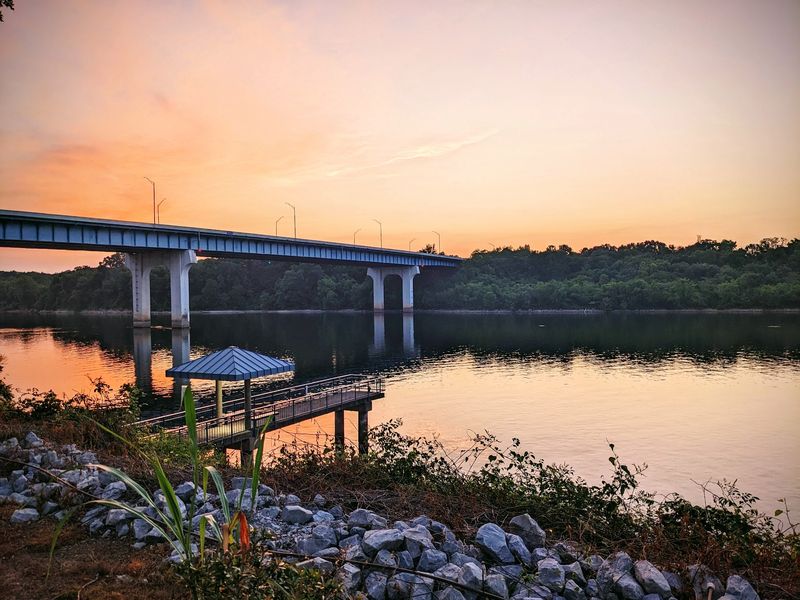
Chattanooga transformed its riverfront into one of the South’s best urban trails. The Riverwalk stretches over 13 miles along the Tennessee River, offering completely free access to pedestrians, runners, and cyclists.
You can enjoy stunning water views, public art installations, and connections to downtown attractions without spending anything.
The paved path is smooth and wide, accommodating everyone from serious cyclists to families with strollers. You’ll pass under historic bridges, alongside parks, and through areas where the city’s industrial past meets its revitalized present.
Benches and overlooks provide spots to rest and take in the scenery.
Public art dots the Riverwalk, from sculptures to murals that add visual interest to your journey. The path connects to several free or low-cost attractions including Coolidge Park and Renaissance Park.
You might see rowing teams practicing on the river or boats cruising past.
The southern section runs through the Southside neighborhood, where local cafes and shops offer reasonably priced refreshments if you need a break. The northern portions feel more natural, with trees and vegetation creating a green corridor through the city.
Wildlife is surprisingly abundant, with birds, turtles, and fish visible from the path.
You don’t need to walk the entire Riverwalk to enjoy it. Pick a section that suits your time and energy level.
Early mornings are popular with joggers and dog walkers, while evenings draw people out for sunset strolls. The path is well-lit and generally safe, though using common sense about personal belongings is always smart.
Parking is available at various access points, some free and others metered depending on location. Bring water, especially during summer when temperatures and humidity climb.
The Riverwalk showcases Chattanooga’s commitment to public spaces and outdoor recreation, offering locals and visitors alike a beautiful, free way to experience the city from its most scenic angle.
11. Knoxville Museum of Art — Knoxville
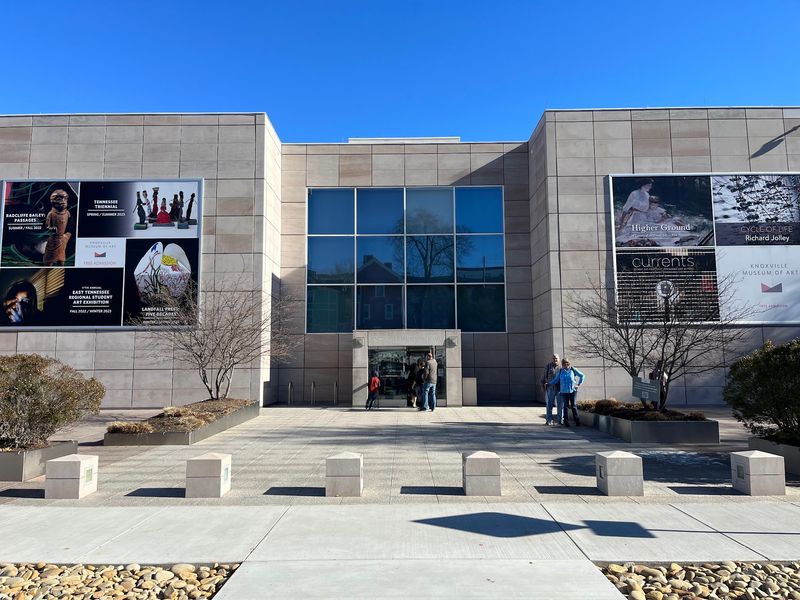
Perched on a hill overlooking downtown Knoxville, the Knoxville Museum of Art offers free admission every single day. The building itself is striking, clad in Tennessee pink marble that glows in certain light.
Inside, you’ll find galleries dedicated to regional and contemporary art that rivals collections in much larger cities.
The permanent collection focuses heavily on East Tennessee artists and themes related to the region. You’ll see everything from traditional landscapes to cutting-edge contemporary pieces.
The museum does an excellent job showcasing how artists interpret and respond to their Appalachian surroundings. Some works are beautiful, others challenging, but all are thought-provoking.
Rotating exhibitions bring in works from outside the region, keeping the experience fresh for repeat visitors. Past shows have featured everything from glass sculpture to photography to textile arts.
The galleries are spacious and well-lit, with plenty of room to view each piece without feeling crowded.
The museum’s education programs include free family activities on weekends, artist talks, and gallery tours. Check their schedule before visiting to catch special events.
The gift shop sells locally made crafts and art books at reasonable prices.
Located in the World’s Fair Park area, you can easily combine your museum visit with a walk around the park and its iconic Sunsphere tower. Several restaurants and cafes within walking distance offer lunch options.
The museum has its own parking lot with free spaces, a rarity for downtown attractions.
Plan to spend one to two hours exploring the galleries. The museum maintains a quiet, contemplative atmosphere perfect for actually looking at art rather than just rushing through.
Air conditioning makes it a comfortable retreat during hot summer days. For anyone interested in art, especially regional artists working in Appalachia, the Knoxville Museum of Art provides exceptional quality without any admission barrier.
12. Great Smoky Mountains National Park
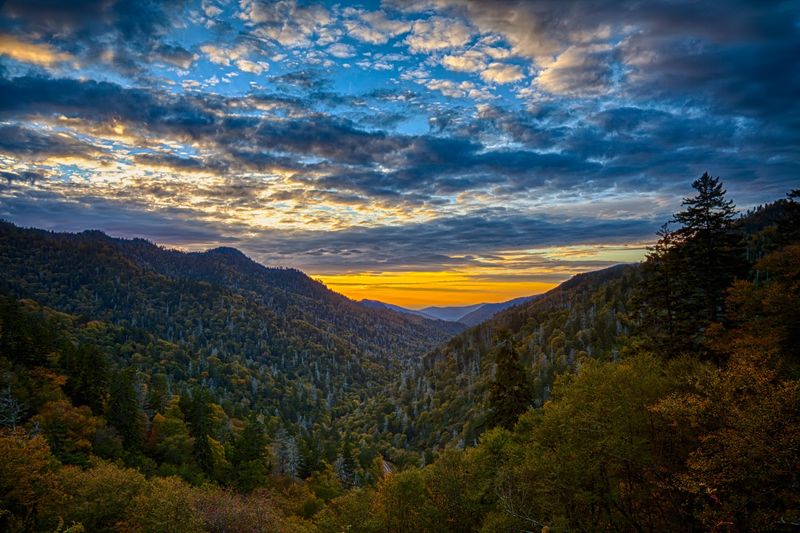
America’s most visited national park charges absolutely zero entrance fees. Great Smoky Mountains National Park straddles the Tennessee-North Carolina border, offering over 800 square miles of protected wilderness.
You can hike, drive scenic roads, watch wildlife, and camp without paying admission, making it the ultimate budget-friendly destination.
The park contains more than 800 miles of trails ranging from easy nature walks to challenging backcountry treks. Cades Cove Loop Road is a must-drive, an 11-mile one-way route through a historic valley where deer, bears, and turkeys are commonly spotted.
Historic buildings from early settlers dot the landscape, all free to explore.
Newfound Gap Road cuts through the heart of the park, climbing to over 5,000 feet elevation. Pull-offs provide jaw-dropping mountain views where the famous blue haze hangs over ridge after ridge.
The road is open year-round except during severe weather, offering different experiences each season.
Waterfalls are abundant, with trails leading to dozens of cascades. Laurel Falls, Grotto Falls, and Abrams Falls are popular choices with moderate difficulty levels.
Some waterfalls are just short walks from parking areas, perfect for families with young children. The sound of rushing water and cool mist provides natural air conditioning.
Wildlife viewing opportunities are exceptional. Black bears, elk, deer, and wild turkeys roam freely throughout the park. Keep a safe distance and never feed animals. Early morning and evening hours offer the best chances for sightings.
Synchronized fireflies put on a spectacular show during a two-week period each summer.
Developed campgrounds charge modest fees, but backcountry camping is free with a permit. Picnic areas with tables and restrooms are scattered throughout the park.
Cell service is spotty or nonexistent in many areas, so download maps before arriving. The park’s free admission policy, established when it was created, ensures everyone can experience these ancient mountains regardless of their budget.
13. Sycamore Shoals State Historic Park — Elizabethton
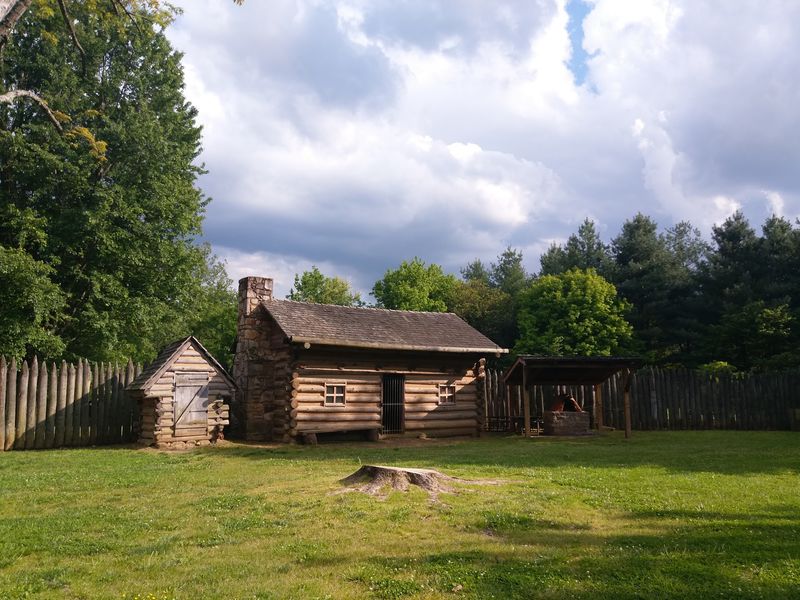
Way up in the northeast corner of Tennessee, where the first permanent American settlement outside the original colonies took root, Sycamore Shoals preserves crucial frontier history. The park charges no admission, offering visitors a chance to walk the ground where pioneers gathered before crossing the mountains into Kentucky and where Overmountain Men mustered before marching to Kings Mountain during the Revolutionary War.
A reconstructed fort stands on the original site, its wooden palisade walls enclosing several period buildings. You can walk through the fort, imagining what life was like for families who lived on the edge of civilization in the 1770s.
Interpreters in period dress occasionally demonstrate frontier skills like blacksmithing, weaving, and cooking.
The visitor center provides excellent context through exhibits and a short film. You’ll learn about the Transylvania Purchase, the Watauga Association, and other events that shaped early Tennessee history.
These stories rarely make it into mainstream American history classes, making them all the more interesting to discover.
Walking trails along the Watauga River let you explore the natural setting that attracted settlers to this location. The river provided transportation, power, and food for the frontier community.
Interpretive signs along the trails explain the area’s ecology and history. The paths are easy and suitable for all fitness levels.
The park hosts living history events throughout the year, with reenactors bringing the 18th century to life through demonstrations and programs. These events are typically free or very low cost.
Even without special events, the site offers a peaceful, educational stop off the beaten path.
Elizabethton is a small town with limited dining options, so plan accordingly. The park has picnic facilities if you prefer bringing your own food.
For anyone interested in early American history, frontier life, or the Revolutionary War’s lesser-known stories, Sycamore Shoals delivers authentic historical education without any admission charge.