Stained glass, soaring towers, and quiet mountain chapels reveal a side of Colorado that can be easy to miss between scenic overlooks. Across the state, basilicas, cathedrals, shrines, and other sacred landmarks combine striking architecture with stories of faith, community, and local history.
Some rise prominently in busy cities, while others feel especially peaceful against foothills, valleys, and dramatic mountain scenery. Whether you visit for spiritual reflection, historic details, or simply beautiful craftsmanship, each stop adds something different to the journey. These 13 Colorado sacred places can turn an ordinary road trip into one filled with moments worth slowing down for.
Shrine of the Stations of the Cross, San Luis
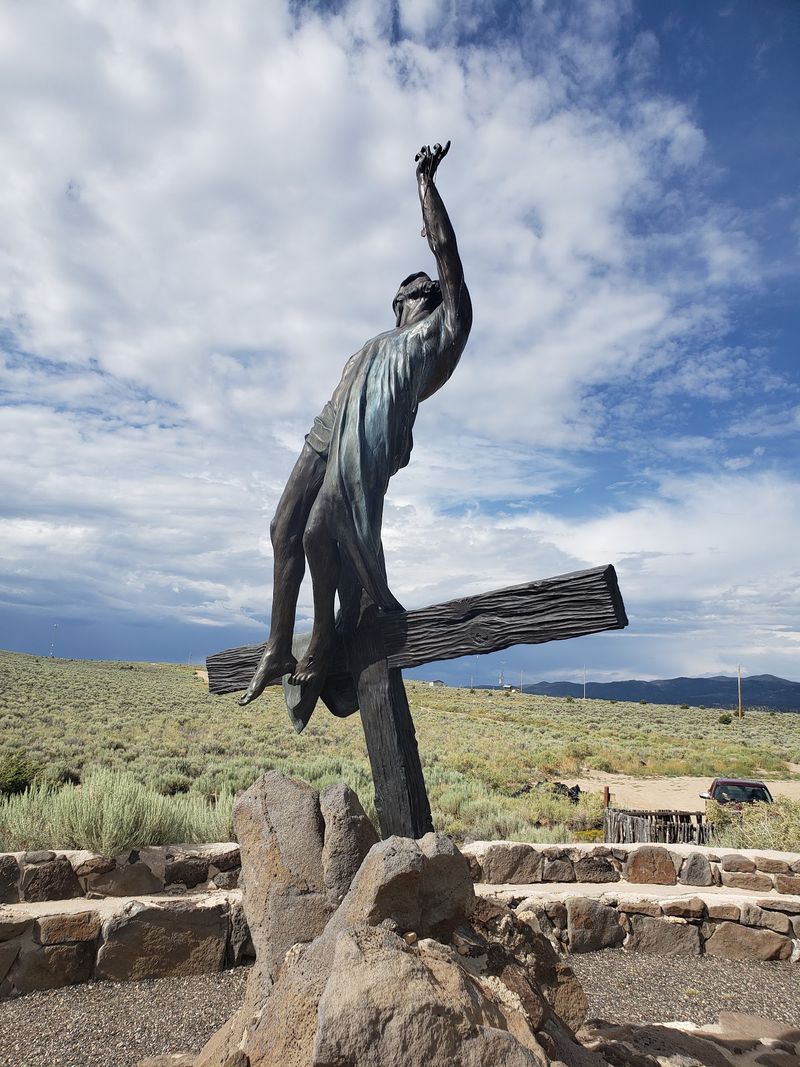
Start here if the goal is a road-trip stop that combines art, exercise, and big southern Colorado scenery in one place. The Shrine of the Stations of the Cross near San Luis turns a simple walk into a slow, thoughtful climb, with large bronze sculptures guiding the route up the mesa.
The path stretches about half a mile, so it is manageable for many travelers, but the uphill grade can still catch people off guard. Comfortable shoes, water, and a little extra time make the visit easier, especially on warm afternoons when the open landscape offers more sun than shade.
Along the way, the figures by artist Huberto Maestas add strong visual drama without needing complicated explanation. Even visitors who are not on a religious pilgrimage often connect with the craftsmanship, the scale of the statues, and the way each scene breaks up the climb into natural stopping points.
One of the best parts is how the site works on two levels at once. It is a devotional route tied to Christ’s Passion and Resurrection, and it is also a viewpoint above San Luis where the valley opens wide and the wind, sky, and distance become part of the experience.
At the top, an adobe chapel gives the walk a clear destination instead of a random turnaround spot. That ending matters because it gives visitors a moment to sit, look back down the trail, and notice how the landscape shapes the visit just as much as the sculpture does.
San Luis itself adds context, since it is one of Colorado’s oldest towns and carries a deep sense of regional heritage. Pair the shrine with a slow drive through the valley, keep the schedule loose, and treat this stop less like a checklist item and more like a place meant for unhurried attention.
Christ of the Mines Shrine, Silverton
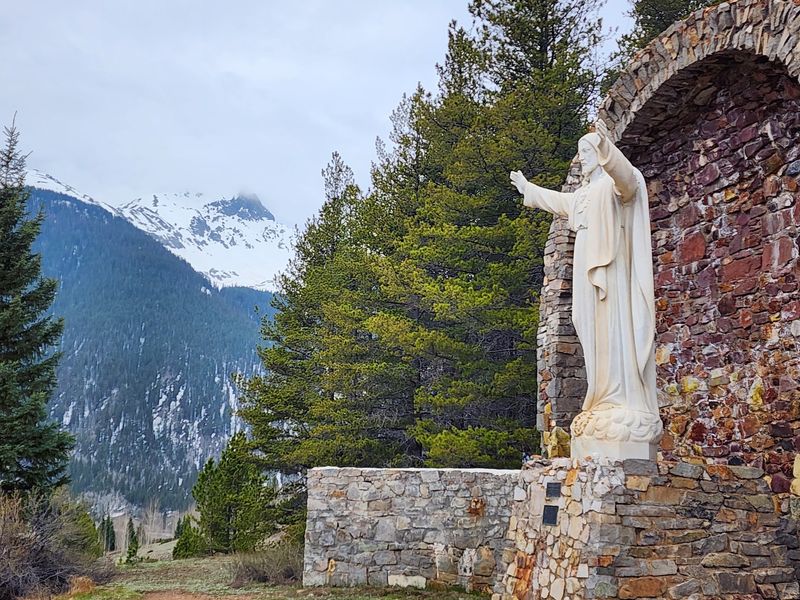
Silverton already looks dramatic before any landmark enters the picture, and that is exactly why the Christ of the Mines Shrine lands so strongly. Set against Anvil Mountain, the marble figure looks out over a town shaped by hard work, rough weather, and a mining history that still defines the local identity.
Built in 1959, the shrine has a connection to a difficult period in Silverton’s mining economy, which gives the site more weight than a scenic overlook alone. Local Catholics created it for their community, so the monument ties faith directly to the town’s struggles, hopes, and stubborn endurance.
Carrara marble brings a bright, clean contrast to the darker slopes around it. On a sunny day, the statue can stand out sharply against the mountain backdrop, while on cloudy days the setting leans quieter and more solemn, which changes the mood without changing the landmark itself.
Because Silverton is a road-trip favorite anyway, this stop fits easily into a larger San Juan route. Travelers heading the Million Dollar Highway can fold it into a day of historic streets, old rail scenery, and mountain views without adding a huge detour or an overly packed schedule.
Altitude is part of the experience here, so slower pacing helps. Taking a few minutes to breathe, look around town, and notice the mountain scale makes the stop more comfortable and more memorable than rushing in for a single photo.
For families, history fans, and visitors interested in local culture, the shrine opens a useful conversation about how public religious landmarks often reflect community memory. Silverton has plenty of eye-catching places, but this one stands apart because it connects the landscape to a specific chapter in the town’s past with unusual clarity.
Shrine of Our Lady of Guadalupe, Mother of the Divine Redeemer, Colorado Springs
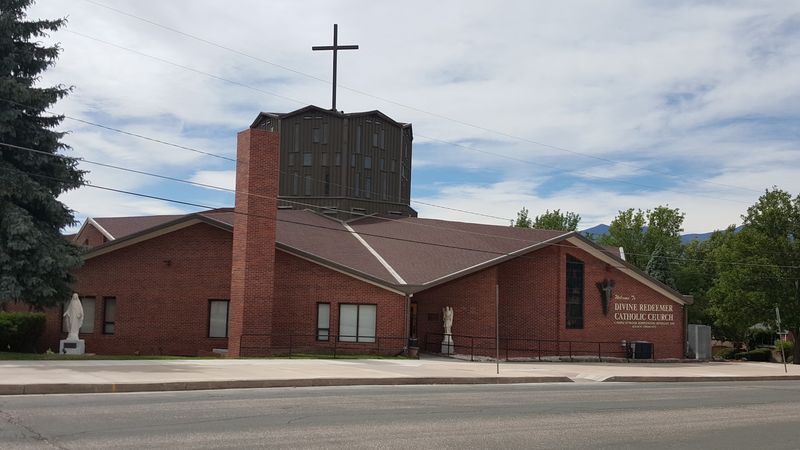
Not every meaningful stop needs soaring spires, elaborate stonework, or a famous downtown address. The Shrine of Our Lady of Guadalupe, Mother of the Divine Redeemer in Colorado Springs offers a more intimate kind of visit, one that works well for travelers who want a reflective break between the city’s busier attractions and mountain scenery.
Colorado Springs is often associated with outdoor landmarks first, which actually helps this shrine stand out. After a morning at Garden of the Gods or time spent exploring the city, a smaller spiritual site can shift the pace in a welcome way.
The shrine was formally dedicated in 2025, making it a relatively new addition to Colorado’s collection of sacred destinations. Rather than arriving for centuries of architectural history, come ready to appreciate a living place of devotion that continues to serve its surrounding Catholic community.
That practical scale makes it easy to include on a broader road-trip plan. Travelers do not have to build an entire day around the visit, and that flexibility is especially useful in Colorado Springs, where mountain drives, historic neighborhoods, museums, and outdoor landmarks can quickly fill an itinerary.
It also adds another layer to the variety represented on this list. Colorado’s sacred landmarks are not all historic cathedrals and remote mountain chapels, and a stop like this shows how newer religious spaces can become meaningful destinations while remaining closely connected to everyday community life.
If visiting, keep the rhythm relaxed and pair the stop with lunch in Colorado Springs or an afternoon exploring nearby attractions. That combination works especially well because the shrine can provide a calm counterpoint to a day filled with dramatic scenery, adding a quieter moment to a road trip that might otherwise move quickly from one major landmark to the next.
St. Catherine of Siena Chapel on the Rock at Camp St. Malo, Allenspark
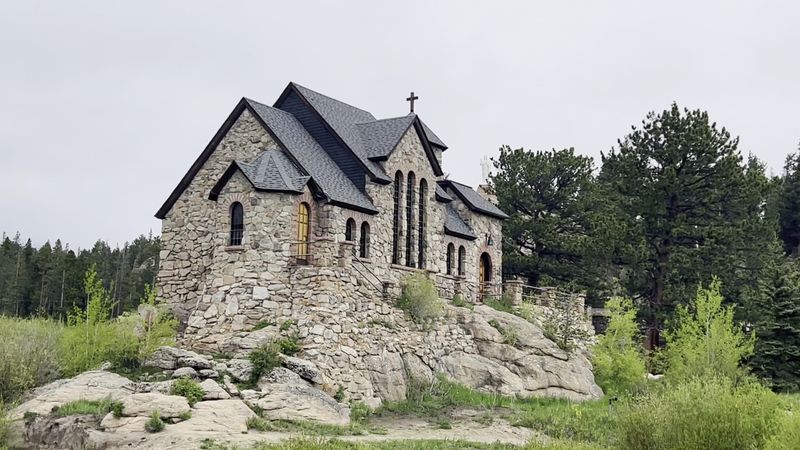
Few Colorado chapels know how to make an entrance quite like this one. St. Catherine of Siena Chapel on the Rock sits atop a huge rock formation near Allenspark, turning a small stone building into one of the most striking roadside religious landmarks in the state.
The setting does a lot of the work, of course. Along the Peak to Peak Scenic Byway, the chapel appears in a landscape already packed with forests, mountain views, and changing light, so even a short stop can feel visually rich without needing a long itinerary.
Its size is part of the charm. Instead of overwhelming visitors with scale, the chapel draws attention through placement, proportion, and the neat contrast between sturdy stonework and the wild terrain around it.
Road trippers heading toward Rocky Mountain National Park should seriously consider fitting this stop into the day. It works well as a scenic pause before crowded park entrances, busy trailheads, or weather shifts that can make mountain travel less predictable later in the afternoon.
Photography fans usually find plenty to work with here, but timing matters. Early light or late light can add more dimension to the rock and chapel exterior, while midday can flatten the scene a bit, especially in bright summer conditions.
Because it is a chapel in a camp setting, visitors should keep expectations respectful and practical. Check access details before going, stay aware of private property boundaries, and remember that the best visit may be a brief one that leaves time for the rest of the byway, nearby lakes, or a loop through the surrounding mountain communities.
Among Colorado sacred sites, this stop excels at blending architecture with geology in a way that is immediately memorable. Even people who know the chapel only from photographs often find the real-life view stronger, partly because the changing weather and elevation give the place a different personality every hour.
Shrine of St. Therese, Pueblo
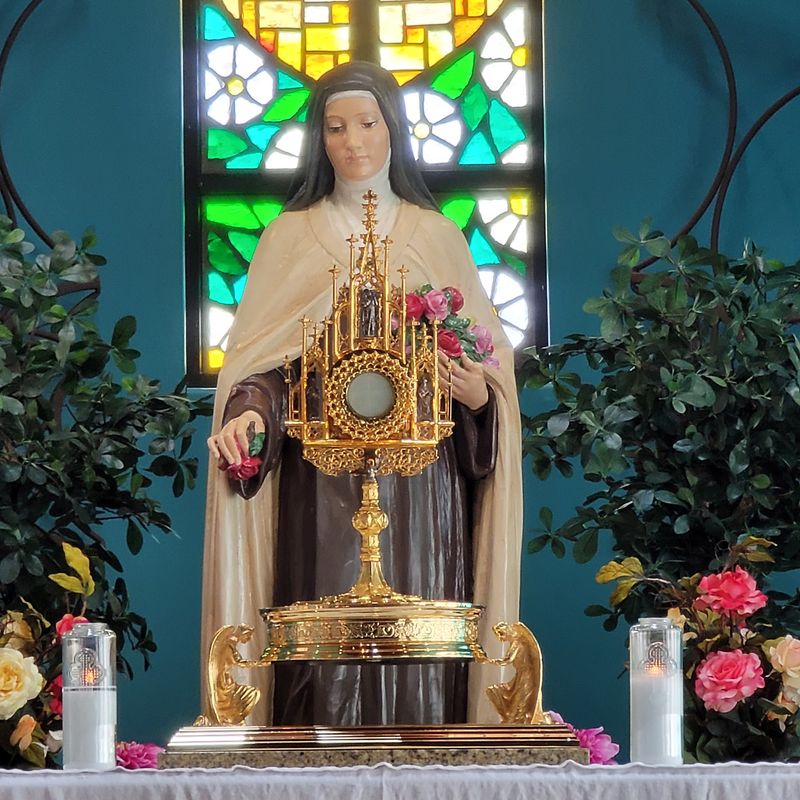
Quiet places can leave the strongest impression, and the Shrine of St. Therese in Pueblo leans into that strength. Dedicated to St. Thérèse of Lisieux, it offers a smaller, more personal stop for travelers who want a break from busy streets, packed schedules, and grander church interiors.
That difference matters on a road trip built around sacred architecture. After seeing large cathedrals with soaring ceilings and major visual drama, an intimate shrine changes the tone and reminds visitors that devotion can also be expressed through modest scale and simple stillness.
Pueblo is a useful city for this contrast because it holds more than one significant stop on this route. Pairing the shrine with the Cathedral of the Sacred Heart creates a natural side-by-side comparison between private-feeling reflection and the civic presence of a historic cathedral.
Travelers who tend to rush from landmark to landmark may want to slow down here on purpose. A shorter visit can still be meaningful, but it helps to leave a little room for silence, a bench, or a few unplanned minutes instead of treating the shrine as a quick photo stop alone.
For families, this can also be an easier introduction to sacred travel than a larger formal building. The scale is less overwhelming, and the visit can open simple conversations about saints, prayer, and why communities create places specifically meant for pause and remembrance.
Pueblo’s wider character adds another layer. The city blends industry, history, neighborhoods, and long local roots, so a shrine like this fits into a landscape that is practical and lived-in rather than staged for tourism.
As part of a meaningful Colorado road trip, the Shrine of St. Therese works best when approached with modest expectations and an open schedule. Its power comes from restraint, not spectacle, and that makes it a useful reminder that not every memorable stop needs to announce itself from blocks away.
Cathedral of the Sacred Heart, Pueblo
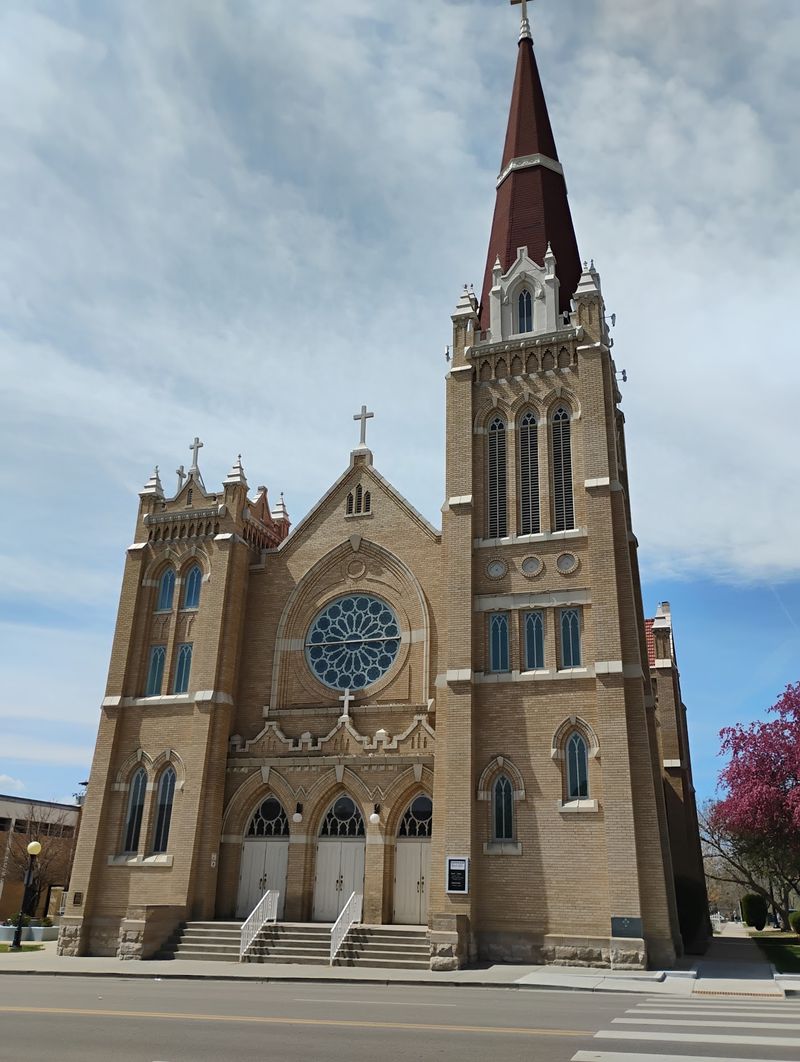
Pueblo’s Cathedral of the Sacred Heart brings a different kind of presence than the city’s smaller shrine stops. With Romanesque-inspired architecture, stained glass, and prominent towers, it reads as a major civic landmark as well as a religious one, giving downtown exploration a solid anchor point.
Even before stepping inside, the massing of the building sets expectations. Rounded forms, sturdy walls, and the weight of the towers create a grounded look that contrasts nicely with the vertical pull people often associate with Gothic churches.
Inside, stained glass adds color and detail, while the broader historic setting helps explain why the cathedral matters to Pueblo’s Catholic community. Visitors do not need a full lecture in church architecture to notice that this building was meant to serve both worship and public identity over many years.
That long local connection makes the cathedral especially useful on a road trip focused on meaning rather than speed. It is one thing to admire a beautiful building, and another to recognize it as a place that has stood through changing generations, neighborhood patterns, and city life.
Because Pueblo offers more than one sacred stop, planning helps. A morning visit can pair well with other downtown sights, lunch nearby, and then a quieter later stop at the Shrine of St. Therese, creating a day with strong variety instead of visual overload.
Travelers interested in photography should give attention to exterior angles as much as interior details. Towers, entryways, and surrounding streets can frame the cathedral in ways that show how it sits within the city rather than apart from it.
Among Colorado’s sacred landmarks, this cathedral stands out for blending architectural character with local history in a clear, readable way. It does not need mountain drama or a hilltop perch to hold attention, because its strength comes from structure, craftsmanship, and the role it continues to play in Pueblo.
Shrine of St. Anne, Arvada
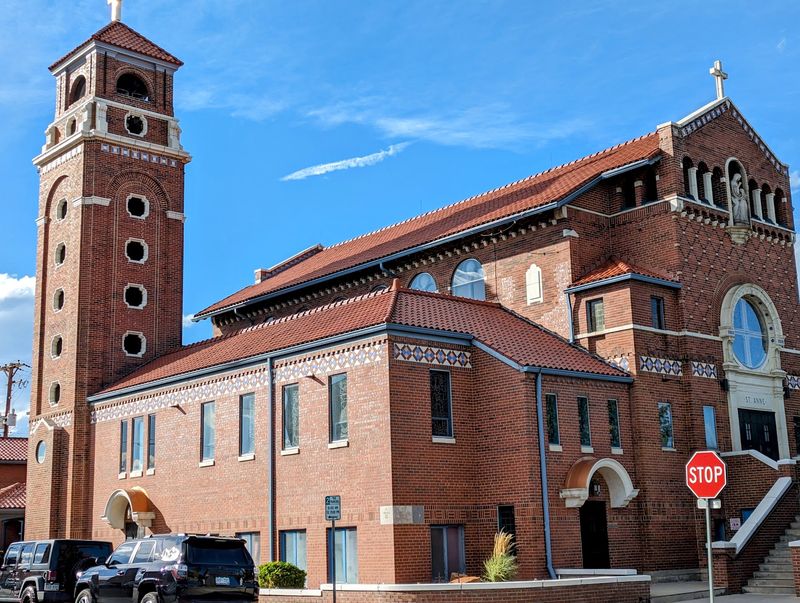
Arvada may not be the first place travelers name when planning sacred architecture stops, and that surprise is part of the appeal. The Shrine of St. Anne offers a calm devotional setting near historic Olde Town Arvada, making it an easy addition to a Front Range day trip without heavy logistical work.
Dedicated to St. Anne, traditionally regarded as the mother of the Virgin Mary, the shrine carries a family-centered thread that many visitors find approachable. Even people with limited knowledge of saints can connect with that basic relationship and the way it shapes the site’s devotional focus.
Location helps a lot here. Because Olde Town Arvada is nearby, the shrine can be paired with coffee, a relaxed walk, local shops, or a casual meal, which gives the day a nice rhythm instead of making every stop feel formal or tightly scheduled.
That blend of neighborhood life and sacred space is useful on a longer Colorado route. Not every destination needs to dominate the entire day, and smaller stops like this can act as breathing room between Denver landmarks, mountain drives, or more elaborate cathedral visits.
Visitors should approach the shrine with a simple plan. Allow enough time to be present, keep noise low, and avoid treating the stop as a rush-through errand just because it sits close to other attractions.
What stands out most is how naturally the shrine fits into ordinary community surroundings. Rather than relying on grand scale, it invites attention through purpose, dedication, and the contrast between a peaceful devotional place and the everyday movement of a nearby town.
For travelers building a meaningful road trip, that local quality matters. Colorado’s sacred landscape is not only found in famous downtown churches or mountain pilgrimage sites, and Arvada proves the point by offering a quieter stop that pairs spiritual reflection with the easy charm of one of the metro area’s most walkable historic districts.
St. Mary’s Cathedral, Colorado Springs
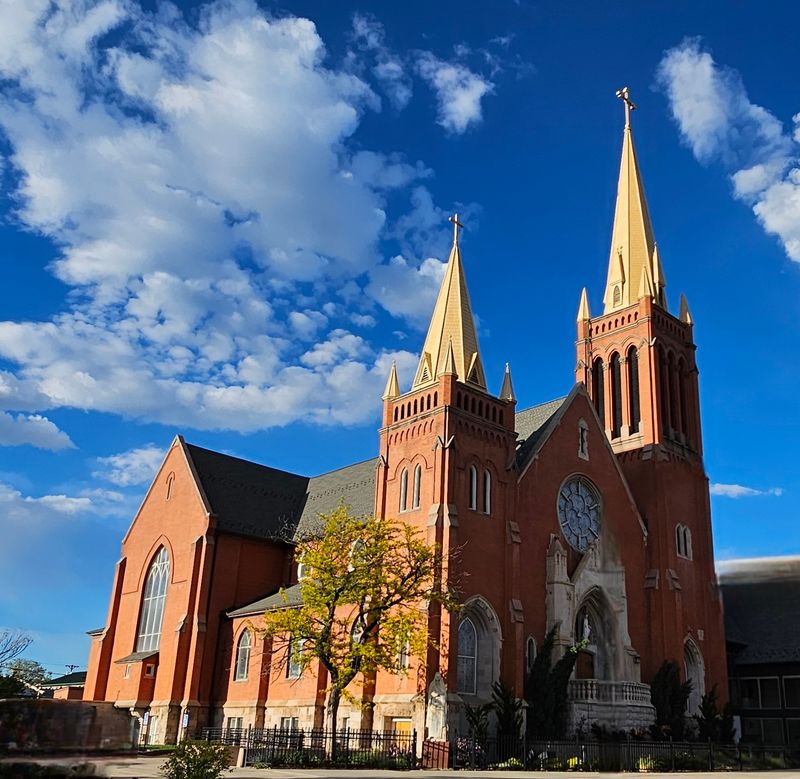
Downtown Colorado Springs has no shortage of places to keep a visitor busy, which is exactly why St. Mary’s Cathedral works so well on a road trip. Its central location makes it easy to add between other city landmarks, and its Gothic Revival architecture gives the day an immediate visual shift.
Pointed forms, historic detailing, and stained-glass windows help define the building’s character. Even a short stop can show how different architectural traditions shape mood, with Gothic design drawing the eye upward and turning light into one of the main features of the visit.
Because the cathedral stands in an active downtown area, timing can shape the experience. A visit early in the day may feel calmer and easier for parking, while later hours can pair naturally with lunch, museum stops, or a broader walk through central Colorado Springs.
The building also serves as a good introduction for travelers learning to notice church design across the state. After seeing Romanesque forms in Pueblo or Orthodox interiors in Denver, St. Mary’s offers another piece of the puzzle without requiring deep technical knowledge to appreciate the difference.
Families often benefit from keeping the visit simple and focused. A few minutes spent looking at the windows, entry details, and overall shape of the space can hold attention better than trying to cover every architectural term or historical date.
Colorado Springs itself adds practical value to the stop. Since many visitors are already heading there for parks, scenic drives, or mountain views, the cathedral fits naturally into an existing itinerary rather than demanding a special detour across the state.
Among sacred landmarks on this list, St. Mary’s stands out for accessibility and urban convenience. It offers beauty, history, and a sense of continuity right in the middle of a lively city, making it a smart stop for travelers who want meaningful architecture without giving up the flexibility of a wider Colorado Springs day.
Holy Transfiguration of Christ Orthodox Cathedral, Denver
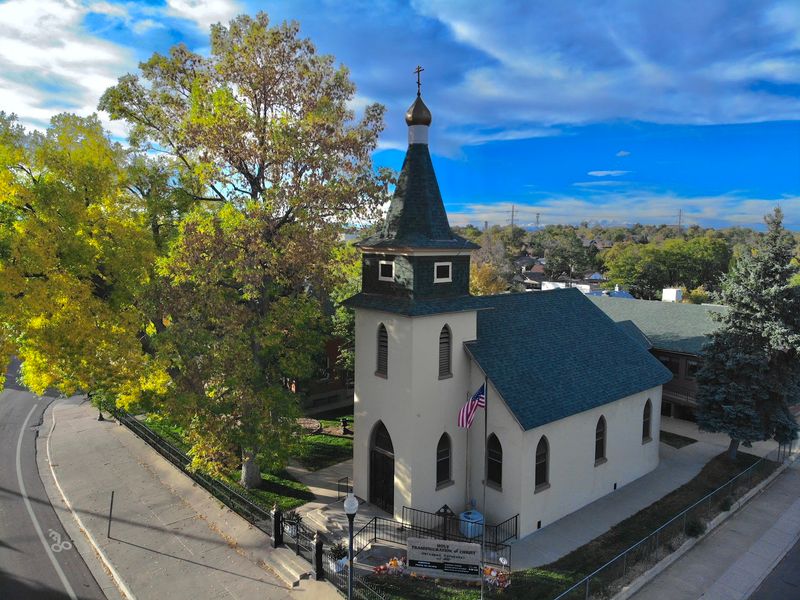
For a major change in visual language, head to Holy Transfiguration of Christ Orthodox Cathedral in Denver. Visitors who have spent days looking at Catholic Gothic arches or Romanesque stonework will notice right away that the artistic tradition here speaks through iconography, symbolism, and Byzantine influence.
The interior is often the key draw in an Orthodox cathedral, where sacred images do much more than decorate walls. Rich iconography can create an immersive setting that encourages slower looking, because every panel, color choice, and arrangement may carry meaning beyond surface beauty.
That makes this stop especially rewarding for curious travelers, even those with little background in Orthodox Christianity. A respectful visit can broaden the road trip by showing that Colorado’s sacred architecture includes more than one branch of Christian design and devotional practice.
Denver is the right place for this kind of comparison because several notable churches and cathedrals sit within the wider metro area. Adding an Orthodox cathedral to the route helps the city read less like a single-style destination and more like a layered map of different communities and traditions.
Interior etiquette matters here, as it does in any active house of worship. Modest dress, quiet voices, and awareness of services or prayer time help visitors enjoy the site respectfully while also keeping the experience comfortable for regular worshippers.
Photographers and art lovers may find themselves studying details instead of reaching for wide exterior shots first. Icons, lighting, and ornamental elements can hold attention longer than expected, especially when compared with the more structural drama of stone facades elsewhere on this list.
As a road-trip stop, Holy Transfiguration of Christ Orthodox Cathedral adds variety in the best possible way. It shifts the conversation from height and exterior silhouette to image, ritual, and interior symbolism, giving Denver one of the most distinctive sacred experiences in the state.
Assumption of the Theotokos Greek Orthodox Cathedral, Denver
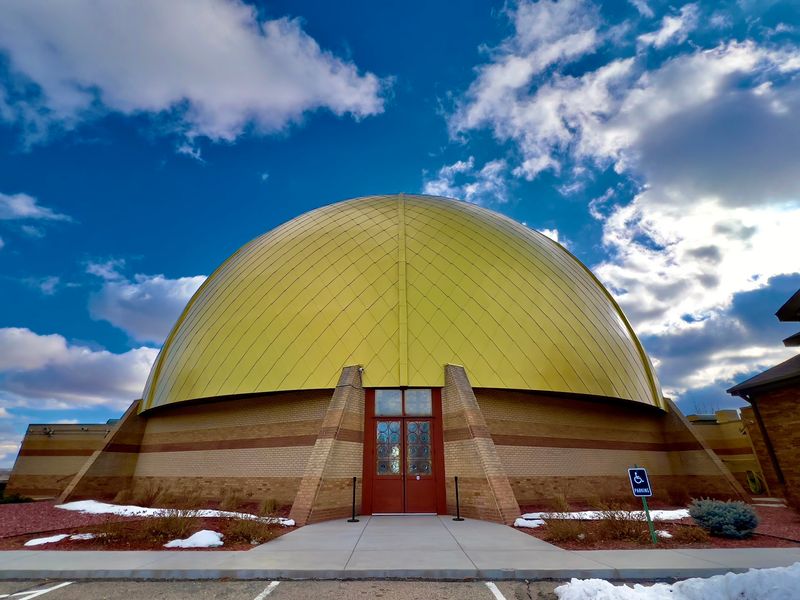
Denver’s sacred architecture gets much more interesting once Greek Orthodox design enters the picture. Assumption of the Theotokos Greek Orthodox Cathedral showcases a visual tradition shaped by iconography, ceremonial form, and richly detailed interiors that stand apart from the stone-heavy look many travelers expect.
Even the name signals a different branch of Christian history, and that alone can make this stop a useful learning moment. For visitors building a meaningful road trip, seeing how Greek Orthodox spaces express theology through layout, imagery, and ornament adds real depth to the overall route.
The interior is likely to command most of the attention. Elaborate details, icons, and the broader architectural language create a strong sense of order and symbolism, encouraging visitors to slow down and notice how sacred art functions as part of worship rather than decoration alone.
Placed alongside Denver’s other historic churches, this cathedral helps reveal the city’s religious and cultural variety. That comparison is one of the best reasons to include it, because the stop expands the road trip from a list of beautiful buildings into a wider look at how communities shape public space through faith.
Travel planning is straightforward if Denver is already on the route. The cathedral can pair well with Saint John’s Cathedral, the Cathedral Basilica of the Immaculate Conception, or other Capitol Hill and central-city sites, making it easy to create a full day centered on architectural contrast.
As always, visitors should be attentive to worship schedules and house rules. Sacred spaces work best as travel stops when approached with patience, quiet observation, and a willingness to adapt if a service or community event is taking place.
Among Colorado landmarks, this cathedral stands out less for roadside drama and more for interior richness. That distinction is valuable, because a good road trip should not repeat the same kind of stop all day, and this Denver church brings a fresh visual vocabulary that changes the pace in a smart, memorable way.
Saint John’s Cathedral, Denver
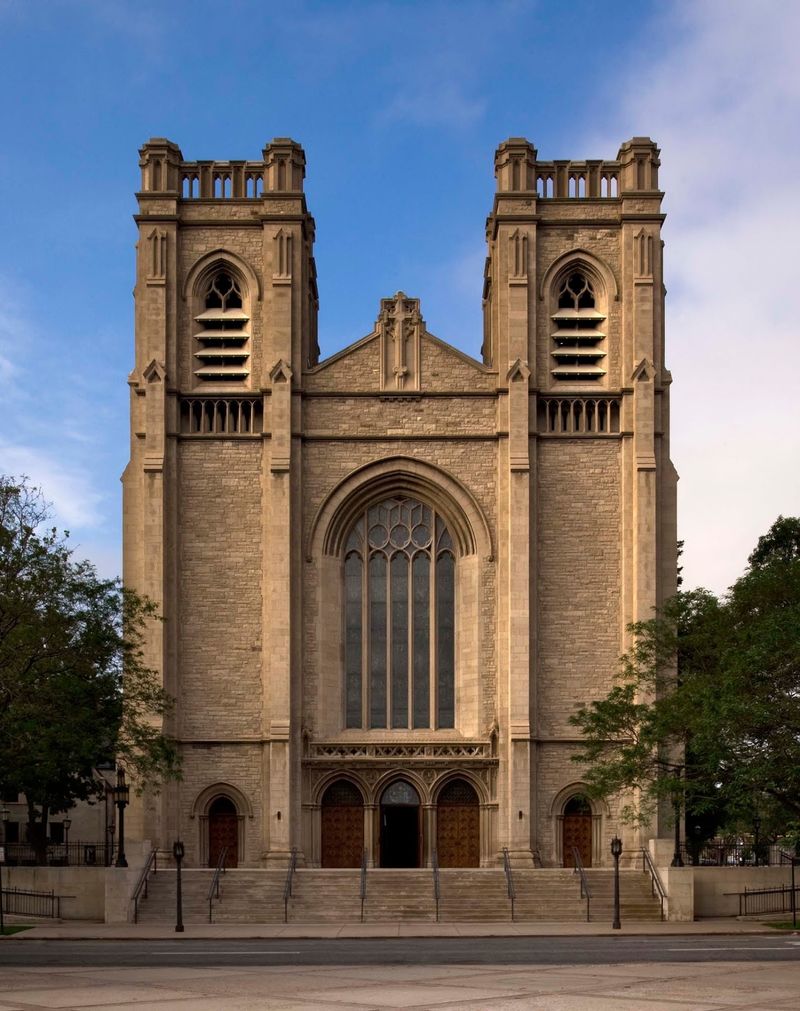
Capitol Hill gives Denver some of its strongest historic character, and Saint John’s Cathedral fits that setting with confidence. Gothic-inspired architecture, soaring stonework, stained glass, and fine craftsmanship combine to create a building that reads as both neighborhood landmark and major destination.
The exterior has real presence, especially for travelers who enjoy masonry, vertical lines, and carefully worked details. In a city filled with competing visual signals, the cathedral still manages to hold attention through structure alone, which says a lot about the strength of its design.
Inside, stained glass and scale continue the story, but the building’s role as an active Episcopal cathedral matters just as much. It is not frozen as a museum piece, and that living function adds energy and continuity to the experience.
One smart way to visit is to use Saint John’s as part of a broader Denver architecture loop. Because other important sacred sites sit within reach, the cathedral becomes a strong middle chapter in a day that can move from Catholic to Orthodox to Episcopal traditions without leaving the city behind.
Capitol Hill itself rewards slow exploration, so the stop pairs well with a walk through nearby streets lined with historic buildings. That neighborhood context helps visitors notice how cathedrals do more than stand alone, they also shape the tone and memory of the blocks around them.
Travelers with limited time should focus on a few key impressions rather than trying to absorb everything at once. Look up at the stonework, pay attention to the windows, and give the craftsmanship a few quiet minutes before heading to the next destination.
Saint John’s Cathedral earns its place on this list by bringing together architectural ambition and ongoing community life in one of Denver’s most interesting districts. It is a city stop, not a remote pilgrimage site, but it still offers the kind of pause that can reset a busy day and sharpen attention for the miles ahead.
Cathedral Basilica of the Immaculate Conception, Denver
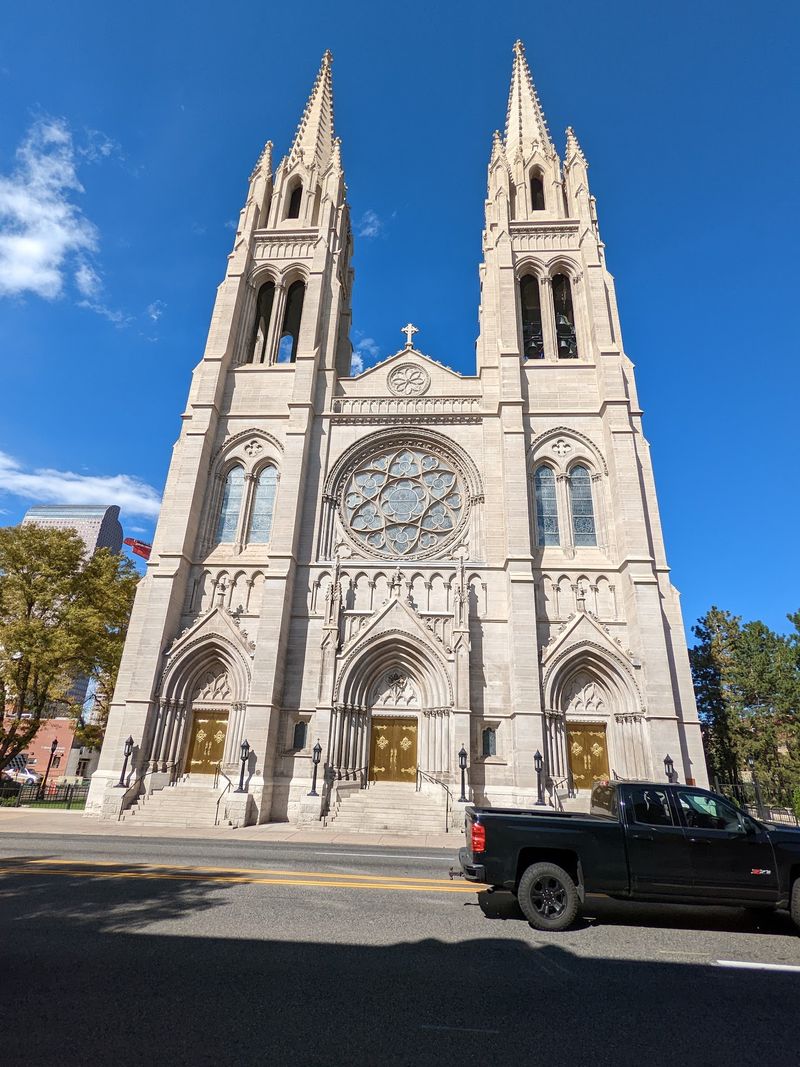
Some Colorado sacred landmarks announce themselves from a distance, and the Cathedral Basilica of the Immaculate Conception does exactly that. Its soaring twin spires and French Gothic design make it one of Denver’s most recognizable religious buildings, especially near the Colorado State Capitol area.
For road trippers focused on architecture, this is a natural centerpiece. The scale alone gives the building a commanding role in the city skyline, while the interior offers the kind of expansive space and stained glass that can slow down even fast-moving travelers.
French Gothic design brings a strong upward pull, and that vertical energy shapes the visit before any detail is studied closely. Doors, windows, columns, and light all work together to create a sense of height that differs sharply from the heavier grounded feeling of Romanesque structures elsewhere on the route.
Because the basilica sits in a busy urban setting, planning ahead helps. Parking, event schedules, and city traffic can affect the stop, so building in a little flexibility makes the visit smoother and leaves room to explore nearby Denver landmarks without turning the day into a rush.
The interior rewards patient looking. Stained glass, large volumes of space, and layered design details can blur together if visitors move too quickly, but a slower pace lets the building unfold in a more memorable way.
This is also a helpful place to compare sacred architecture across traditions and scales. After seeing small shrines in places like Colorado Springs or Pueblo, the basilica shows how a major urban church can serve as a visual and cultural focal point for an entire region.
On a meaningful Colorado road trip, the Cathedral Basilica of the Immaculate Conception works as one of the biggest statements on the itinerary. It blends public prominence, historic design, and artistic richness in a way that makes Denver feel essential to the statewide story of sacred places.
Mother Cabrini Shrine, Golden
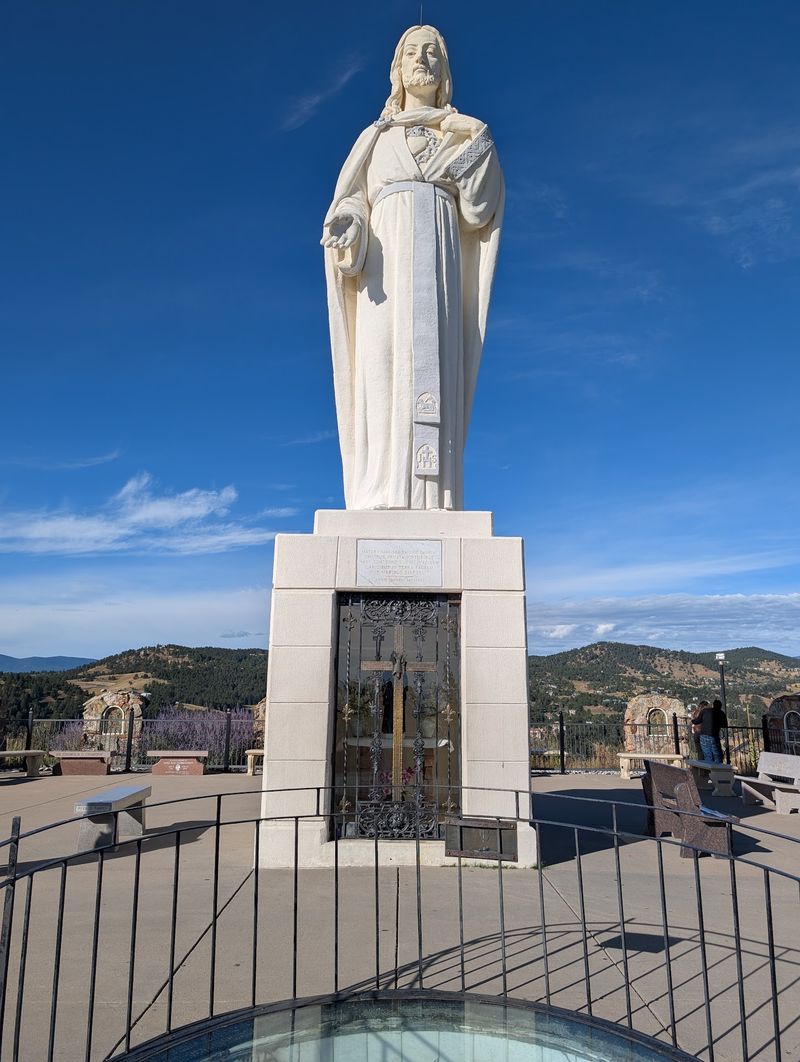
Save room on the itinerary for Golden, because Mother Cabrini Shrine brings a lot more than a single building. Set in the foothills above town, this active pilgrimage site combines chapels, gardens, a meditation walk, grotto, and a pilgrim path leading toward the Sacred Heart statue.
That variety makes the stop especially useful for travelers who want movement built into the visit. Instead of arriving, stepping inside, and leaving right away, visitors can spend time walking the grounds and choosing a pace that matches the day, the weather, and their energy level.
Practical details strengthen its road-trip value. The shrine remains active in 2026 with daily Mass, and the grounds are currently open from 7 a.m. to 4:30 p.m., which gives travelers a clear planning window and helps with morning or early afternoon scheduling.
Golden’s location is another advantage. Since many Colorado visitors already pass through the area for mountain drives, museums, or foothills scenery, the shrine fits naturally into a Front Range route without requiring a far-flung detour.
Because the site includes several elements, a little strategy helps. Comfortable shoes, water, and realistic timing will make the experience better, especially for anyone planning to explore more than one area of the grounds instead of treating it as a brief overlook stop.
The foothill setting adds visual reward without overpowering the devotional purpose. Gardens, pathways, and elevated views work together with the religious features, creating a visit that can appeal to pilgrims, architecture fans, and travelers simply looking for a calmer chapter in a busy Colorado week.
Among the destinations on this list, Mother Cabrini Shrine may be the most flexible. It can function as a short spiritual pause, a longer reflective walk, or a scenic foothills outing with a strong sacred focus, which is exactly why it earns such a strong place in a meaningful statewide road trip.
Share this story