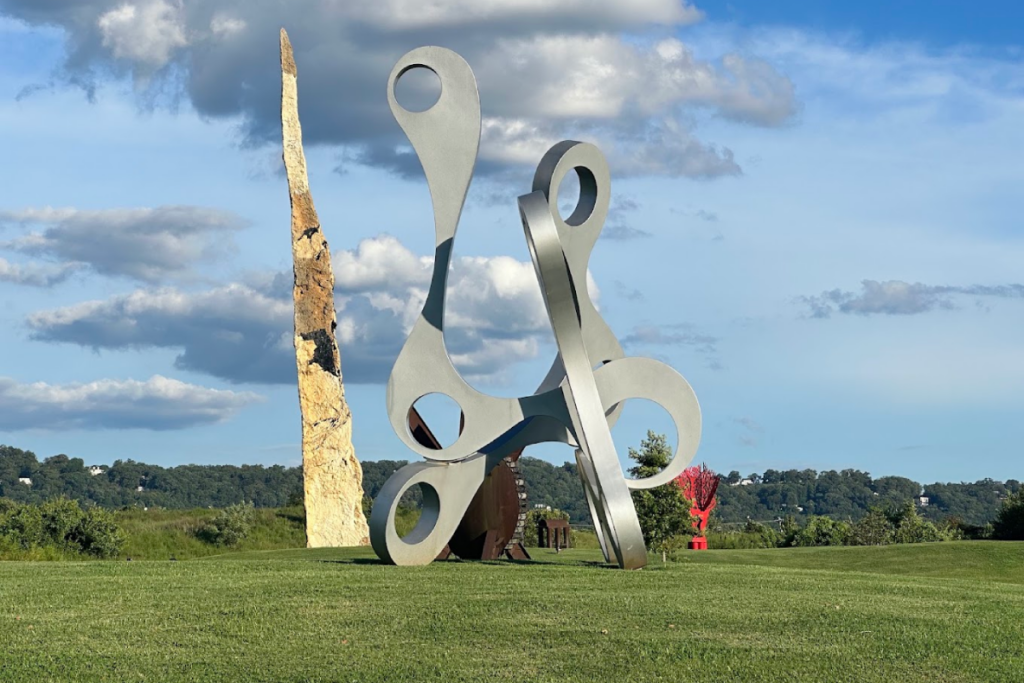
Tennessee is packed with free adventures that kids actually enjoy, not just tolerate. From walking across the Mississippi River to exploring ancient Native American sites, the state offers way more than the usual playground visit.
Whether you’re looking for outdoor trails, interactive museums, or splashy fountains on a hot day, these 13 picks won’t cost you a dime and will keep the whole family entertained.
1. Cross Big River Crossing in Memphis
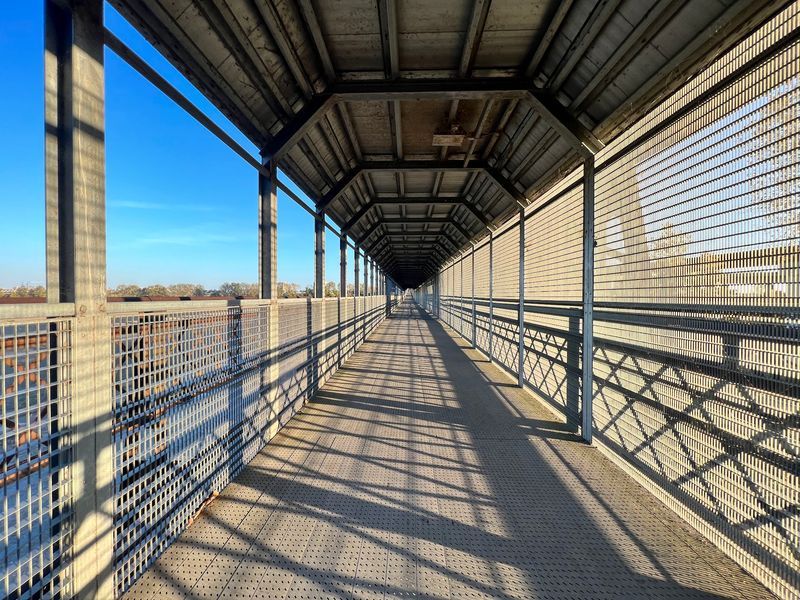
Walking across the Mississippi River sounds like the kind of adventure that requires a boat or serious planning, but Big River Crossing makes it ridiculously easy. This pedestrian bridge stretches nearly a mile across the river, connecting Tennessee to Arkansas with dedicated lanes for walkers and bikers.
Kids get a kick out of the novelty factor alone, standing in the middle and technically being in two states at once.
The views from up there are legitimately impressive. You’re high enough to watch barges chug along below and see the Memphis skyline from a totally different angle.
Bring bikes if you have them, because the smooth path and gentle incline make it perfect for younger riders who want to feel like they conquered something big.
Go at sunset if you can swing it. The bridge lights up with LED colors that change throughout the evening, turning the whole crossing into a glowing spectacle.
It’s free, it’s memorable, and it gives kids bragging rights about crossing the mighty Mississippi on foot.
Parking is available on both the Memphis and Arkansas sides, so you can make it a one-way adventure or loop back. Either way, it’s one of those rare freebies that feels like a genuine destination rather than just a way to kill an hour.
Pack water and maybe a snack, because once kids realize they’re walking across a major river, they’ll want to take their time and soak it all in.
2. Explore Sculpture Fields at Montague Park in Chattanooga
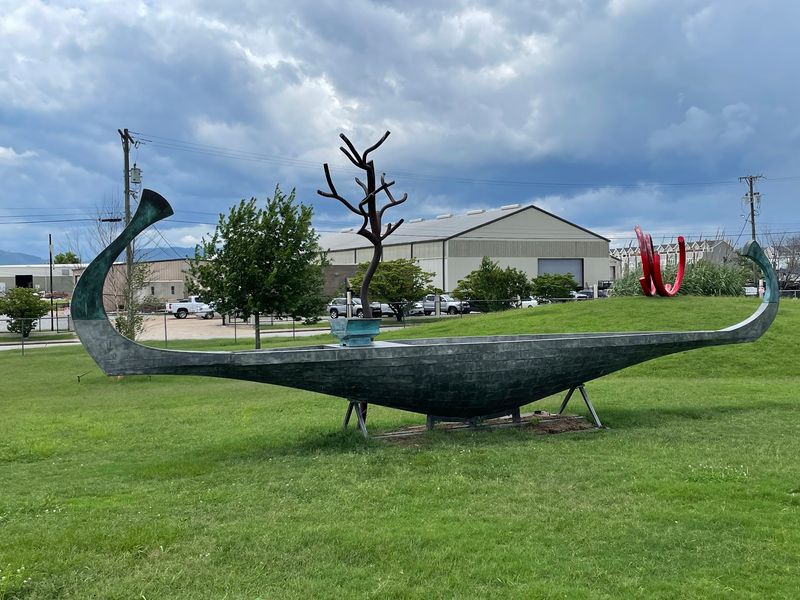
Art museums can feel stuffy and full of rules, but Sculpture Fields tosses all that out the window. Spread across a wide-open park, enormous sculptures made from metal, stone, and recycled materials sit waiting to be explored.
Kids can walk around them, under them, and sometimes even climb on them, depending on the piece.
The setting itself is half the appeal. Rolling hills, open sky, and plenty of room to run make this feel more like a nature outing than a cultural stop.
There’s no admission fee, no tickets to buy, and no pressure to whisper or stay on a specific path.
Each sculpture is different, which keeps things interesting as you wander. Some are abstract and towering, others are whimsical or interactive.
Kids naturally turn it into a game, picking favorites or making up stories about what each piece represents.
Bring a picnic if you want to stretch the visit. There’s plenty of space to spread out a blanket, and the lack of crowds means you won’t feel rushed or boxed in.
It’s also a great spot for photos without feeling like you’re staging a whole production.
The park is open year-round, and because it’s outdoors, it works in almost any weather except heavy rain. Spring and fall are especially nice when the temperatures are mild and the grass is green.
This is one of those places that surprises people because it’s completely free yet feels like a hidden gem most tourists miss.
3. Splash and Play at Coolidge Park in Chattanooga

Coolidge Park is the kind of place where kids can blow off steam without parents spending a fortune on admission tickets. The seasonal interactive fountains are the main draw during warm months, with water jets that shoot up from the ground in patterns kids can run through, jump over, or just stand in until they’re soaked.
Bring towels and a change of clothes, because there’s zero chance they’ll stay dry.
Beyond the splash zone, the park has massive open lawns perfect for running, tossing a frisbee, or letting toddlers practice their wobbly walking skills. There’s also a vintage carousel that costs a small fee, but everything else is completely free.
The location right along the Tennessee River adds to the appeal, with pathways for strolling and benches where parents can sit while keeping an eye on the action.
The park is clean, well-maintained, and rarely feels overcrowded even on busy weekends. Shade trees offer relief from the midday sun, and there are restrooms nearby, which is a huge plus when you’re dealing with little kids and wet swimsuits.
Food trucks sometimes set up shop in the area, but you’re also welcome to bring your own snacks and make an afternoon of it.
Plan your visit between late spring and early fall when the fountains are running. Mornings tend to be less busy if your kids prefer a quieter scene, but afternoons bring more energy and excitement.
Either way, it’s one of the best free warm-weather stops in Chattanooga for families who want active fun without the hefty price tag.
4. Visit the Tennessee State Museum in Nashville

Free admission to a state museum this good feels almost too generous. The Tennessee State Museum covers everything from ancient Native American artifacts to Civil War history to modern Tennessee culture, all under one roof.
Kids won’t get bored because the exhibits mix artifacts, interactive displays, and visual storytelling that keeps things moving.
The natural history section is a hit with younger visitors. Life-size dioramas show Tennessee wildlife in realistic settings, and fossil displays let kids imagine what the state looked like millions of years ago.
Older kids tend to gravitate toward the Civil War galleries, where uniforms, weapons, and personal stories bring history to life in a way textbooks never manage.
The museum is located in downtown Nashville, making it easy to combine with other free stops like Bicentennial Capitol Mall or a walk around the city. Inside, the building is spacious and modern, with plenty of room to move around without feeling cramped.
Elevators and wide hallways make it stroller-friendly, and restrooms are clean and accessible.
Plan for at least two hours if you want to cover the highlights without rushing. The museum also hosts rotating exhibits and special programs, so check their schedule before you go.
Some activities are geared specifically toward families and include hands-on elements that make history feel relevant and engaging.
Rainy days and hot summer afternoons are perfect times to visit since the climate-controlled building offers a comfortable escape. Parking nearby isn’t free, but it’s affordable and convenient.
This is one of those rare attractions where you leave feeling like you learned something valuable without spending a cent on admission.
5. Explore Bicentennial Capitol Mall State Park in Nashville
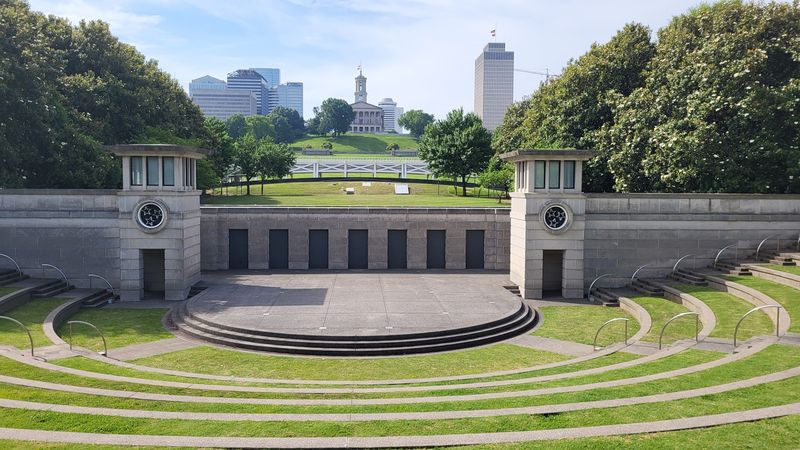
Right in the heart of downtown Nashville sits a state park that feels part playground, part history lesson, and part outdoor adventure. Bicentennial Capitol Mall State Park is free, open year-round, and packed with features that keep kids entertained while parents soak in the views of the State Capitol building.
The giant map of Tennessee is usually the first stop, with kids racing to find their hometown or see how big the state really is from above.
Fountains shaped like a river flow through the park, and during warmer months, kids can wade in the shallow water or just splash around the edges. Monuments and historical markers are scattered throughout, but they’re designed to be interactive and visually interesting rather than just plaques with dense text.
The 95-bell carillon tower chimes on the hour, and kids often stop to listen and count the bells.
Wide-open lawns make this a great spot for picnics, and the pathways are smooth enough for strollers, scooters, or bikes. The park connects to other downtown attractions, so it’s easy to walk over from the museum or the Farmers Market.
Restrooms are available, and the park is well-lit and feels safe even when it’s busy.
Visit in the morning for cooler temps and fewer crowds, or come in the evening when the fountains are lit up and the Capitol building glows against the skyline. Either way, it’s one of those places where kids can run, explore, and learn without anyone feeling like they’re being dragged through a boring tourist trap.
Pack sunscreen and water, and let them loose.
6. Hike to a Waterfall at Fall Creek Falls State Park
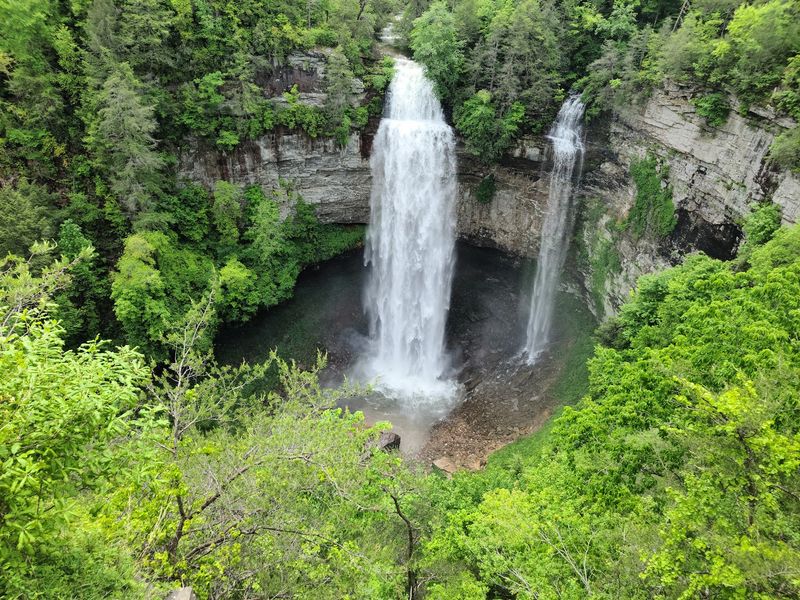
Fall Creek Falls State Park is home to some of the most dramatic waterfalls in the eastern United States, and the best part is you don’t need to pay an entrance fee to see them. The main waterfall drops 256 feet into a gorge, and the viewing area is accessible enough that even younger kids can make the hike without too much complaining.
The sound of rushing water and the mist that rises from the plunge pool make it feel like a real wilderness adventure.
Beyond the namesake waterfall, the park has multiple other cascades, overlooks, and creeks to explore. Trails range from easy paved paths to more challenging hikes through the forest, so you can pick a route that matches your family’s energy level.
Kids love spotting wildlife, hopping across streams, and scrambling over rocks, and there’s enough variety here to keep everyone engaged for hours.
Pack snacks and plenty of water, because once you start exploring, it’s easy to lose track of time. The trails are well-marked, and maps are available at the visitor center. Restrooms and picnic areas are scattered throughout the park, making it easy to take breaks and recharge.
Spring brings wildflowers and fuller waterfalls thanks to seasonal rains, while fall offers cooler temps and brilliant foliage. Summer can get hot and crowded, but the shade from the forest canopy helps. Winter is quieter and still beautiful, though some trails may be icy or closed depending on conditions.
No matter when you visit, this is one of Tennessee’s best free outdoor adventures for families who want big scenery and memorable moments.
7. Go Waterfall Hunting at Burgess Falls State Park
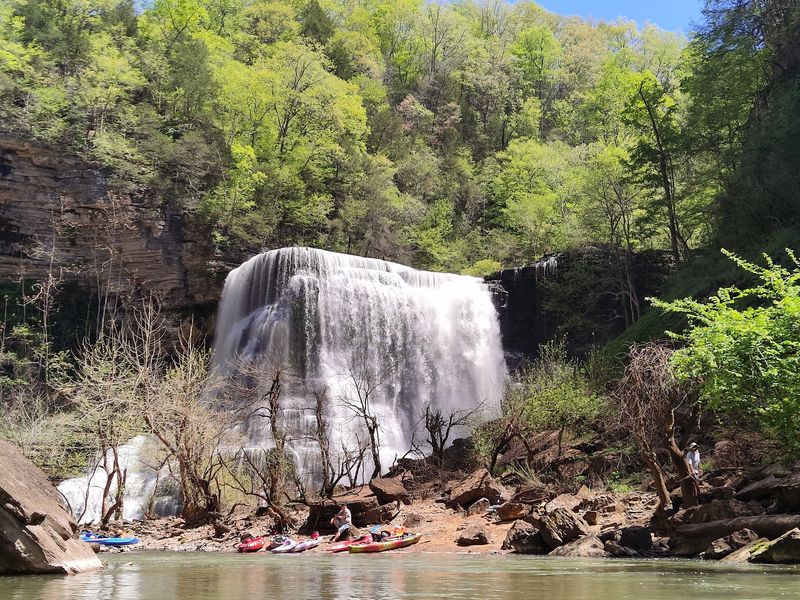
Burgess Falls State Park proves you don’t need an all-day hike to see something spectacular. The main waterfall drops 136 feet into a rocky gorge, and the trail to reach it is short enough that even kids who complain about walking will make it without too much drama.
The payoff is huge, with powerful cascades, mist rising from the pool below, and viewing platforms that let you get close to the action.
The trail follows the Falling Water River, passing smaller cascades and rapids along the way. Kids enjoy the variety because there’s always something new to see around each bend.
The path is mostly shaded, which helps on hot days, and the sound of rushing water drowns out any bickering about tired legs.
Bring a camera, because the views are legitimately Instagram-worthy, and kids will want proof they conquered the trail. The observation deck at the main falls is sturdy and safe, with railings that let everyone get a good look without anyone worrying about slippery edges.
Benches are available if you want to sit and soak in the scenery before heading back.
The park gets busy on weekends, especially during peak fall foliage season, so aim for a weekday or early morning visit if you prefer a quieter experience. Restrooms are located near the trailhead, and parking is free but can fill up quickly.
The entire hike is about a mile one-way, so plan for roughly an hour round-trip depending on how often your crew stops to explore. This is one of those rare free outings that delivers big thrills without requiring serious hiking skills or an entire day.
8. Explore Big South Fork National River & Recreation Area near Oneida
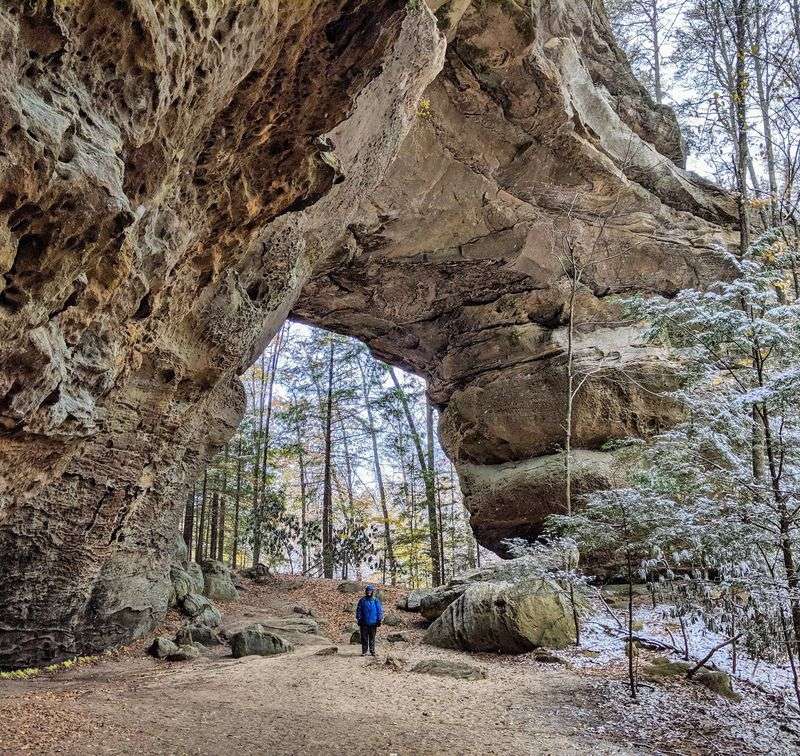
Big South Fork is the kind of place where kids can feel like real explorers. Spanning the Tennessee-Kentucky border, this massive recreation area offers rugged gorges, sandstone cliffs, river views, and miles of trails, all without an entrance fee.
The scenery is wild and dramatic, with overlooks that make everyone stop and stare, even kids who usually tune out nature.
Trails range from easy riverside walks to more challenging scrambles over rocky terrain. Families often head to the Twin Arches, where natural stone bridges stretch overhead like something out of an adventure movie.
Kids love the sense of discovery that comes from hiking through the forest and suddenly finding themselves under a massive rock arch.
The park is huge, so pick a specific area or trail before you arrive. Maps are available at the visitor center, and rangers can recommend family-friendly routes based on your group’s abilities.
Creeks, swimming holes, and picnic spots are scattered throughout, making it easy to turn a hike into an all-day outing.
Wildlife sightings are common, with deer, wild turkeys, and occasionally black bears making appearances. Teach kids to stay quiet and observant, and they’ll feel like junior naturalists.
Spring wildflowers and fall colors add extra visual interest, but summer and winter have their own appeal for families who prefer fewer crowds.
Pack plenty of snacks, water, and sunscreen, because once you’re on the trails, amenities are sparse. Cell service can be spotty, so download maps ahead of time.
This is one of Tennessee’s best free outdoor adventures for families who want big views, real wilderness, and the kind of memories that stick around long after the trip ends.
9. Visit Andrew Johnson National Historic Site in Greeneville
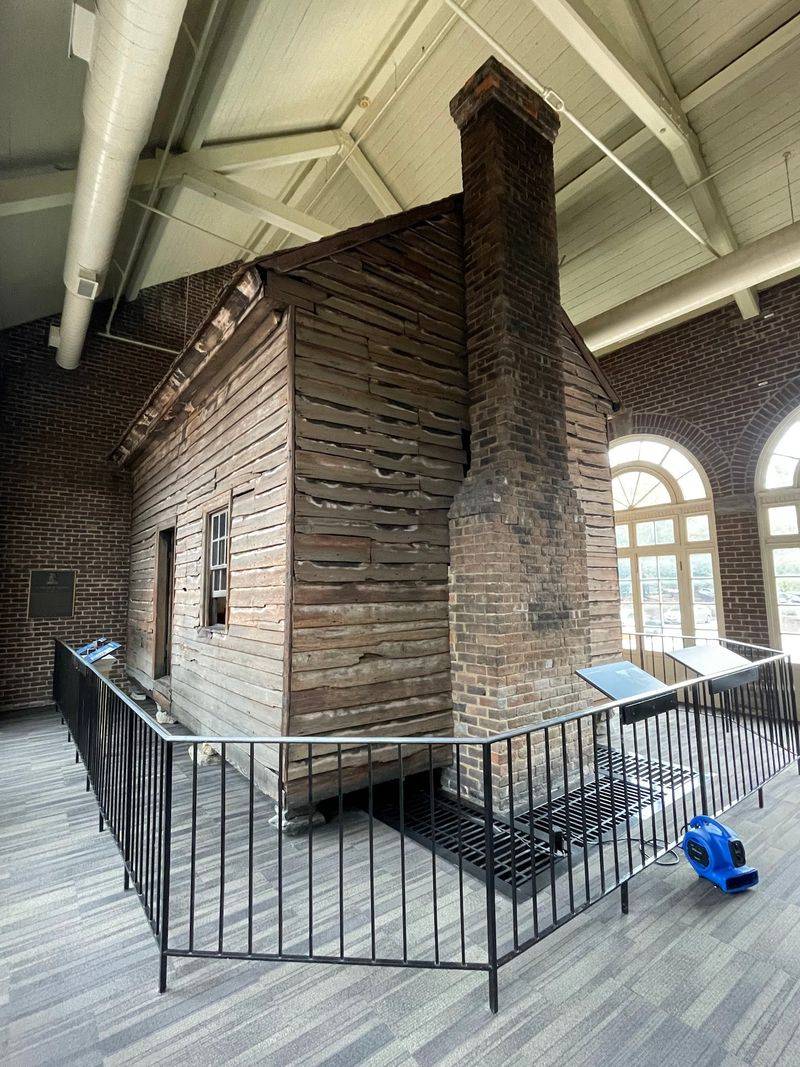
Presidential history doesn’t always grab kids’ attention, but Andrew Johnson’s story has enough drama and local color to keep things interesting. The National Historic Site in Greeneville includes a free visitor center and museum, plus the tailor shop where Johnson worked before becoming the 17th president.
Kids are often surprised to learn that a president once sewed clothes for a living, and the hands-on exhibits help bring that era to life.
The museum covers Johnson’s rise from poverty to the presidency, his impeachment trial, and his complicated legacy. It’s presented in a way that’s accessible without being dumbed down, and older kids who enjoy history or civics will find plenty to discuss.
Younger visitors gravitate toward the artifacts and period rooms, where they can see how people lived and worked in the 1800s.
Guided tours of Johnson’s home are available, and rangers are great at answering questions and making history feel relevant. The grounds are small but well-maintained, with a few benches and shaded areas if you need a break.
The whole visit takes about an hour, making it a perfect stop if you’re passing through East Tennessee or looking for a rainy-day activity.
The site is open most days, but check the schedule before you go since hours can vary by season. Parking is free and easy, and the visitor center has clean restrooms and a small bookstore.
This isn’t a flashy attraction, but it’s one of those quietly educational stops that sneaks learning into the day without feeling like a chore. Kids leave knowing more about Tennessee history and presidential politics, and that’s worth the zero-dollar admission price.
10. Walk the Knoxville Museum of Art
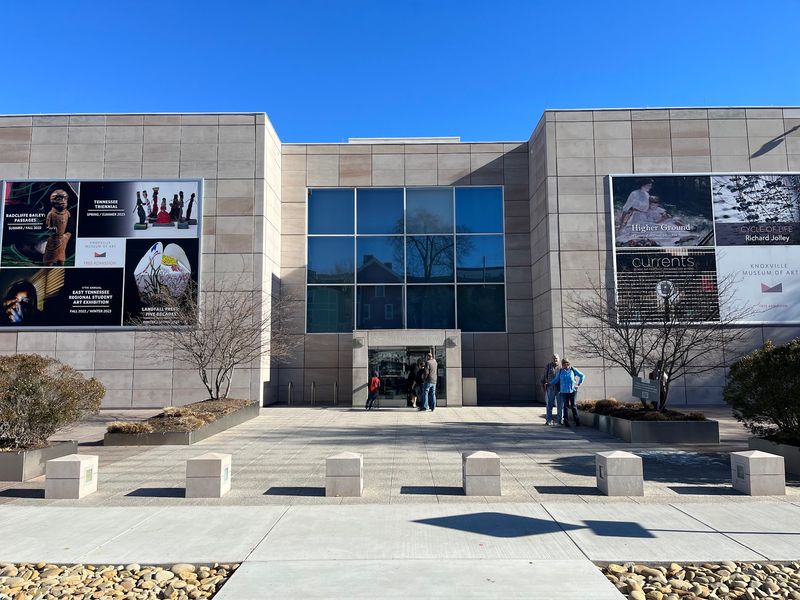
Free art museums are rare, and free art museums that actually engage kids are even rarer. The Knoxville Museum of Art manages both, with rotating exhibits, family programs, and hands-on activities that make art feel approachable rather than intimidating.
The building itself is bright and modern, with big windows and open galleries that don’t feel stuffy or overly formal.
Exhibits focus on regional and contemporary art, which means kids see work that feels fresh and relevant rather than dusty old paintings they’ve seen in textbooks. Interactive stations and kid-friendly programs are often available, especially on weekends, giving younger visitors a chance to create their own art or explore themes from the exhibits.
The museum also hosts special events and workshops, many of which are free or low-cost.
The visit doesn’t take all day, which is perfect for families with short attention spans. You can walk through the main galleries in about an hour, or stretch it longer if your kids get hooked on a particular exhibit.
The museum shop has fun art supplies and gifts, though you’ll need to budget for those separately.
Located near downtown Knoxville, the museum is easy to combine with other free stops like a walk through Market Square or a visit to a nearby park. Parking is free, and the building is fully accessible with elevators and family restrooms.
Air conditioning makes it a great summer escape, and the calm atmosphere offers a nice contrast to louder, busier attractions.
Check the museum’s calendar before you visit to see if any family programs or special exhibits are happening. Even without scheduled activities, the permanent collection and rotating shows offer plenty to see and discuss.
This is one of those low-key cultural stops that proves art museums don’t have to be boring or expensive to be worthwhile.
11. Explore the Trails at Roan Mountain State Park
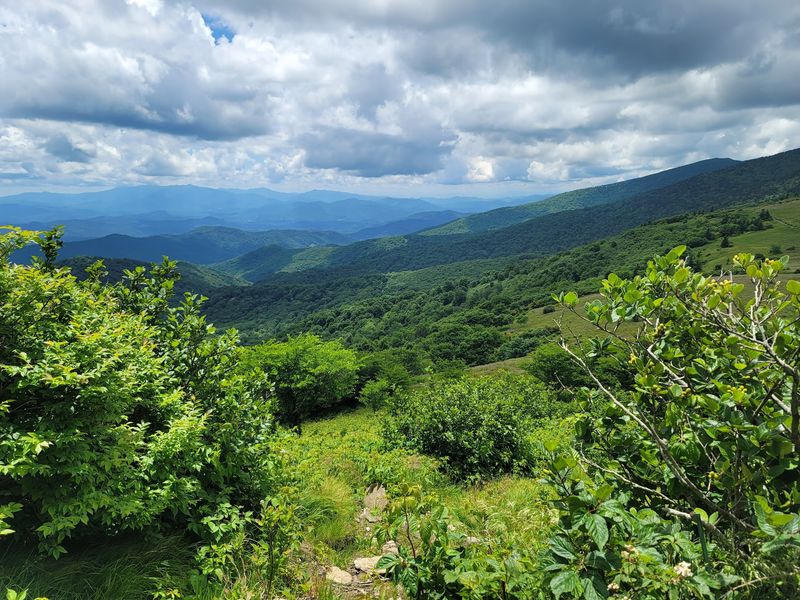
Roan Mountain State Park sits high in the Appalachian Mountains, where the air is cooler, the views stretch for miles, and the trails wind through forests that feel untouched. Admission is free, and the scenery rivals any paid attraction in the state.
Kids who grumble about hiking tend to change their tune once they’re surrounded by towering trees, babbling creeks, and the chance to spot wildlife.
The park has trails for every skill level, from short nature walks to longer backcountry routes. Families often start with the easier paths that follow streams and offer frequent stopping points for skipping rocks or wading in shallow water.
Spring brings blooming rhododendrons that turn the mountainsides into a sea of pink and purple, while fall foliage draws visitors from across the region.
Picnic areas and shelters are scattered throughout the park, making it easy to pack a lunch and turn a hike into a full day outdoors. The park also has a visitor center with maps, restrooms, and information about the area’s natural and cultural history.
Rangers are friendly and helpful, especially when it comes to recommending trails that match your family’s abilities.
Summer temps are milder here than in lower elevations, which makes it a popular escape from the heat. Winter brings snow and ice, transforming the park into a quiet wonderland, though some trails may be closed or difficult to navigate.
Pack layers no matter the season, because mountain weather changes quickly.
This is one of East Tennessee’s best free nature stops for families who want mountain scenery, fresh air, and trails that feel like genuine adventures. Bring snacks, water, and a sense of curiosity, and let the mountains work their magic.
12. Visit Shiloh National Military Park
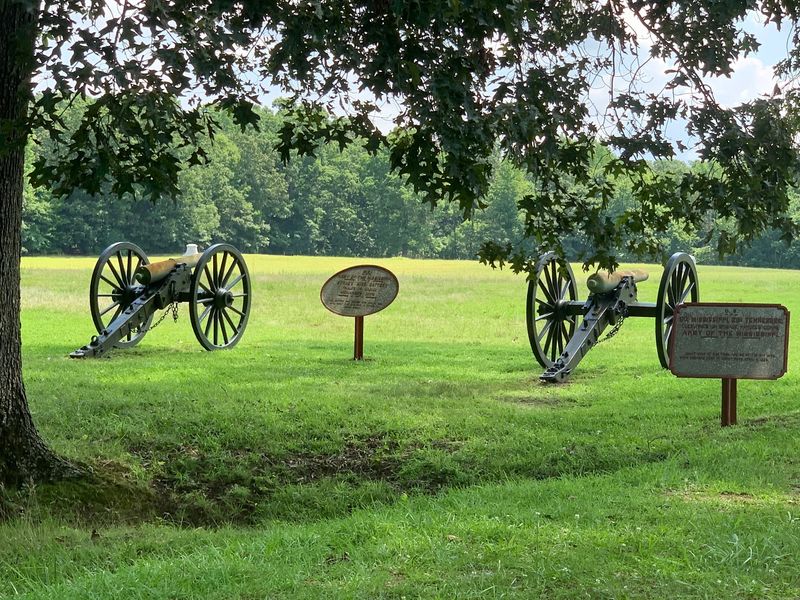
Shiloh National Military Park preserves the site of one of the Civil War’s bloodiest battles, and admission is completely free. The park covers thousands of acres, with monuments, historic buildings, walking trails, and a visitor center that sets the stage for what happened here in 1862.
Older kids who enjoy history, strategy, or Junior Ranger-style activities find plenty to explore, while younger visitors appreciate the open spaces and chance to run around outside.
The battlefield itself is surprisingly peaceful, with rolling hills, shaded roads, and markers explaining key moments from the two-day battle. Families can drive the auto tour route, stopping at significant sites, or park and walk the trails that wind through the grounds.
The scale of the battlefield helps kids understand the size and scope of the conflict in a way that classroom lessons never quite capture.
The visitor center has exhibits, artifacts, and a short film that provides context before you head out to explore. Rangers are available to answer questions, and the Junior Ranger program gives kids a structured way to engage with the site.
Restrooms and picnic areas are available, and the park is well-maintained and easy to navigate.
Spring and fall are ideal times to visit when temperatures are comfortable and the landscape is at its most beautiful. Summer can get hot and humid, so bring water and plan for breaks in the shade. Winter is quiet and offers a different perspective, though some areas may be less accessible.
This is one of those free attractions that surprises people with how much there is to see and do. Kids leave with a deeper understanding of history, and parents appreciate the combination of education, outdoor time, and zero admission cost.
13. Explore Old Stone Fort State Archaeological Park in Manchester
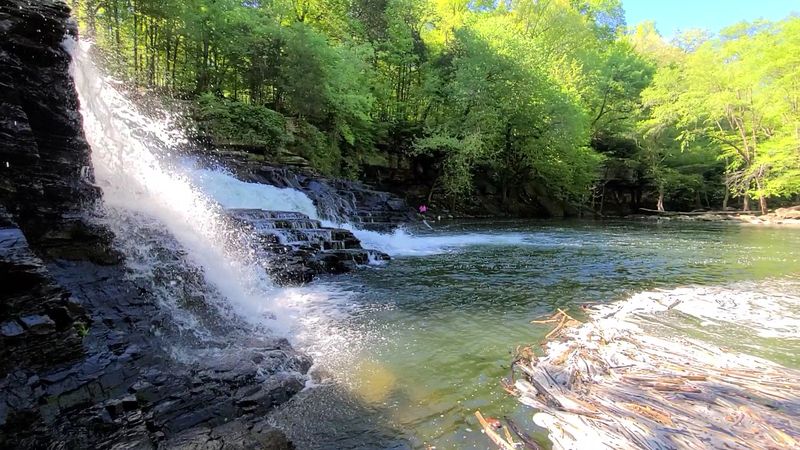
Old Stone Fort State Archaeological Park combines ancient history, waterfalls, rivers, and hiking trails into one unusual free attraction. The stone walls aren’t actually a fort but rather ceremonial earthworks built by Native Americans nearly 2,000 years ago.
Kids find the mystery intriguing, and the setting along two rivers makes the whole visit feel like an outdoor adventure rather than a history lesson.
Trails loop through the park, passing waterfalls, river overlooks, and the ancient walls that snake through the forest. The paths are well-maintained and shaded, with plenty of spots to stop and explore.
Kids enjoy hopping across rocks, wading in shallow water, and imagining what life was like for the people who built the earthworks centuries ago.
The park’s museum provides context about the site’s history and the cultures that inhabited the area. Exhibits are small but informative, and the staff can answer questions about the archaeological significance of the stone walls.
The park also hosts events and programs throughout the year, many of which are free and family-friendly.
Picnic areas near the trailheads make it easy to pack a lunch and spend the afternoon exploring. Restrooms are available, and the park is rarely crowded, even on weekends.
The combination of waterfalls, rivers, and ancient history gives families multiple reasons to explore rather than just checking off one quick sight.
Spring and fall are the best times to visit, with comfortable temperatures and beautiful scenery. Summer brings lush greenery but also heat and humidity, so plan accordingly.
This is one of Tennessee’s more unique state parks, offering a blend of natural beauty and cultural history that keeps everyone engaged from start to finish.
Share this story