Ohio has no shortage of old buildings, but its historic theaters hold a special kind of mystery because they mix music, memory, and ghost stories in the very same rooms where people once dressed up for a night out, applauded actors under glowing lights, and whispered to each other between scenes. Across the state, from busy downtown blocks to smaller river towns, many of these grand places have stood for more than a century, and over time they have gathered legends about shadowy figures, strange footsteps, cold spots, moving objects, and voices that seem to come from empty balconies or dark backstage halls.
Some visitors love the stories because they make local history feel alive, while others simply enjoy learning how these theaters survived fires, renovations, changing crowds, and years of wear without losing their beauty or their eerie charm. If you like old Ohio landmarks, spooky tales, and places that seem to remember the past, these haunted theaters are worth knowing about because each one gives a different look at how history, folklore, and community memory can stay on stage long after the curtain falls.
1. Cincinnati Music Hall – 1241 Elm St, Cincinnati, OH 45202
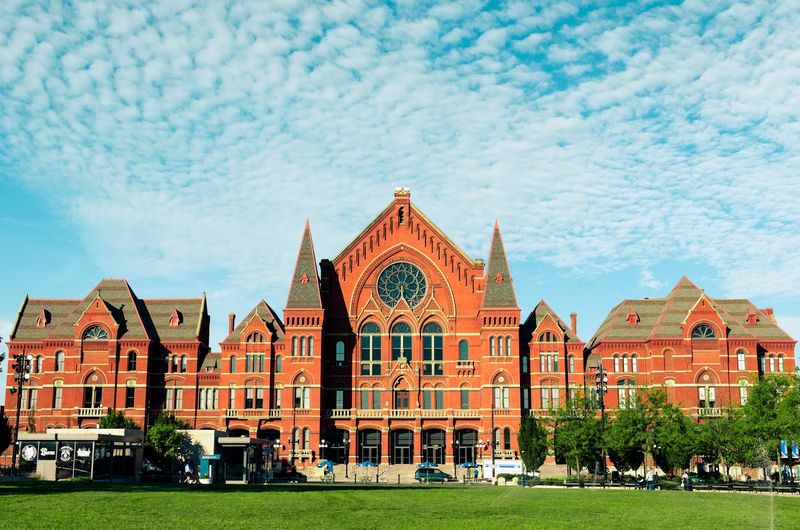
Few buildings in Ohio feel as dramatic as this one after sunset, when the tall brick walls and pointed arches seem to hold onto every sound. Cincinnati Music Hall is famous for performances, but it is also tied to some of the state’s best known ghost stories.
People have long said the land beneath the hall has a troubled past, since the area was once linked to potter’s field burials and older institutions.
That history helps explain why so many strange reports have followed the building for years. Workers and visitors have spoken about shadowy figures crossing halls, sudden cold patches in empty rooms, and whispers that seem to float out of nowhere.
Some have even claimed seats move or odd noises echo through backstage spaces when no show is happening.
Beyond the spooky talk, the hall matters because it shows how deeply a city can connect to one landmark. Opened in the late 1800s, it remains one of Cincinnati’s most striking cultural sites.
Even if you do not believe every tale, the setting alone can make your imagination work overtime, especially when you picture all the performers and crowds who have passed through its doors.
If you visit, go with respect for both the stories and the history. Take a tour when possible, look closely at the architecture, and listen to guides who explain the hall’s long past.
Ghost hunters may hope for a chill or a strange sound, but regular visitors can still enjoy something special here: a theater where Ohio history feels close enough to tap you on the shoulder.
2. Twin City Opera House – 15 W Main St, McConnelsville
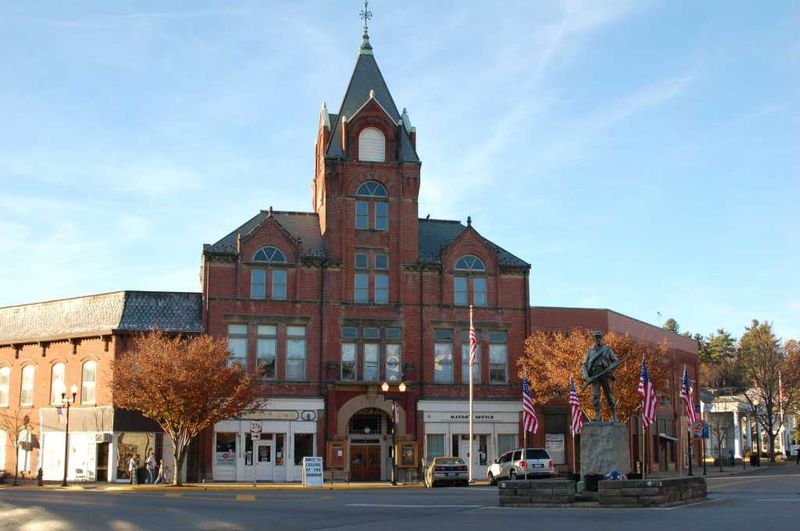
Small towns often keep the biggest stories, and that is certainly true here. The Twin City Opera House in McConnelsville looks charming from the outside, yet locals have passed down tales that give the place a much stranger reputation.
Built in the 1890s, it has seen plays, music, movies, and generations of neighbors gathering under one roof.
Many of the most talked about reports center on the upper areas and backstage sections. People have described hearing footsteps with no one nearby, doors shifting on their own, and the uneasy feeling that someone is watching from the dark.
A favorite local legend mentions a ghostly woman, though details change depending on who is telling the story.
Part of the reason the opera house stands out is its strong connection to community memory. In a city theater, spooky stories can spread fast and vanish just as quickly, but in a place like McConnelsville, families remember what parents and grandparents once heard.
That gives the haunting a personal quality, as if the building is woven into everyday life instead of sitting apart from it.
Visitors interested in Ohio history should notice more than the ghost lore. The theater is also a reminder that culture once thrived in smaller towns through live entertainment and shared public spaces.
If you stop by, ask about the building’s restoration and older uses, then pay attention to the atmosphere around the stairs and seats. Whether you leave with a paranormal story or just admiration for a rare old opera house, you will understand why locals have not forgotten it.
3. Victoria Theatre – 138 N Main St, Dayton
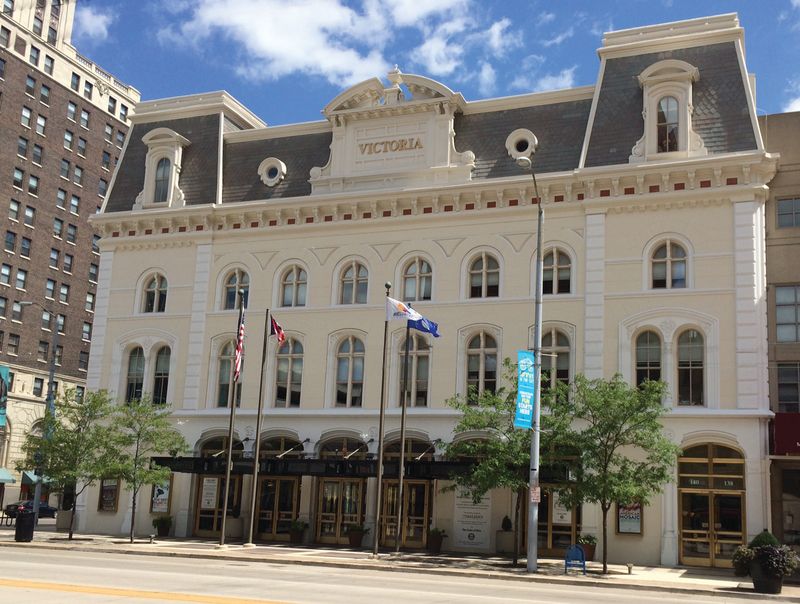
Some theaters feel lively even when nobody is inside, and that strange energy is part of the appeal here. Dayton’s Victoria Theatre has been part of the city’s entertainment story for generations, but it also carries whispers of unexplained activity.
With roots stretching back to the 1800s, the building has lived through fires, rebuilds, and changing times, which only adds to its eerie pull.
People connected to the theater have shared stories about odd sounds in empty spaces and figures glimpsed for only a second. A few accounts mention lights acting strangely or the sense that someone is moving just out of view near the stage.
Those details may sound small, yet in a quiet historic theater they can feel much bigger than they would anywhere else.
What makes the Victoria especially memorable is the contrast between beauty and unease. It is a graceful downtown landmark, meant for music, laughter, and applause, but it also seems built to stir the imagination.
Rich décor, shadowy corners, and backstage passages can make even a calm visit feel like the start of a ghost story.
For readers exploring haunted Ohio places, this theater works on two levels. You can appreciate its role in Dayton’s cultural life and still enjoy the thrill of local legends.
Try attending a show, then picture how many performers, workers, and audience members have stood in the same space over the years. Sometimes that sense of layered history is what keeps a haunting alive in people’s minds, even when no one can prove exactly what they saw or heard.
4. Ohio Theatre – 39 E State St, Columbus
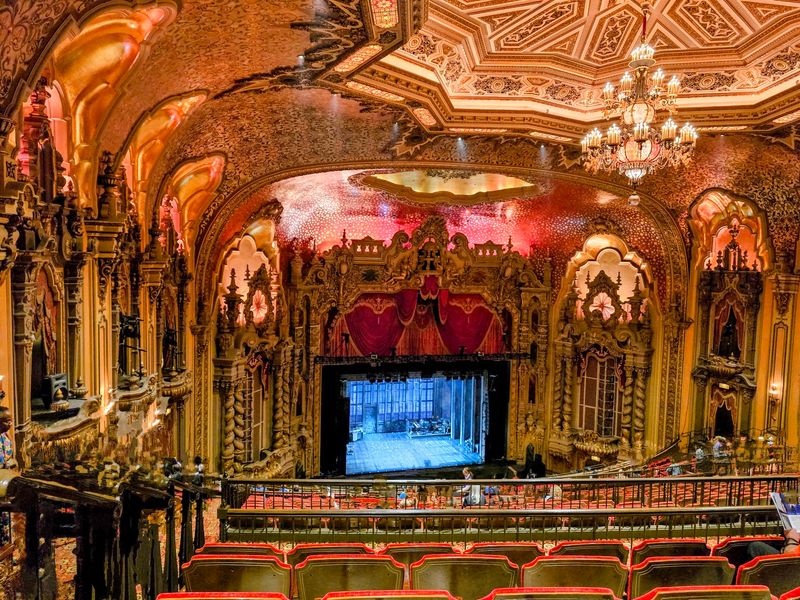
Walking into a movie palace this grand can feel like stepping into another time. The Ohio Theatre in Columbus is loved for its rich design, huge chandelier, and glowing stage, yet it also has a reputation for unexplained happenings that keep ghost lovers curious.
Since opening in 1928, it has welcomed countless crowds, and all that history seems to cling to the walls.
Stories from the theater often focus on strange sounds, moving shadows, and odd sensations during quiet moments. Some workers have reported hearing footsteps or noticing activity in areas that should have been empty.
Others mention a feeling that the building is never fully still, as if old routines continue long after everyone has gone home.
There is something fitting about a haunted legend in a place built for spectacle. The Ohio Theatre already feels larger than life, with details that draw your eyes upward and corners that disappear into darkness.
In a setting like that, even a small creak can sound dramatic, and one quick glimpse in the balcony can become a story people repeat for years.
Anyone visiting should take time to enjoy both the architecture and the folklore. The theater is one of Columbus’s best preserved historic attractions, so it offers plenty to admire even if ghost tales are not your thing.
Still, those legends add another layer to the experience. They remind people that old Ohio theaters are not just pretty buildings.
They are places where memory, performance, and mystery all sit side by side, waiting for the house lights to dim.
5. Lorain Palace Theatre – 617 Broadway, Lorain
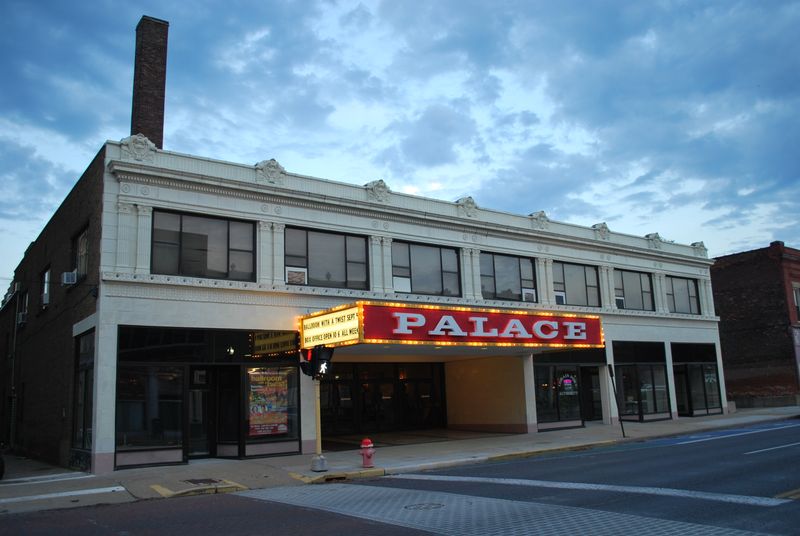
An old theater near Lake Erie already sounds like the setting for a ghost tale, and the Lorain Palace Theatre lives up to that mood. Opened in the 1920s, it brought movies and entertainment to downtown Lorain with all the glamour people could want.
Over the years, though, local stories have given the palace a second identity as one of Ohio’s spookier historic venues.
Reports tied to the theater include unexplained noises, strange cold areas, and the sense that unseen company lingers in the building. Some accounts point to backstage and upper sections where activity feels strongest.
Like many long running legends, the details shift from person to person, but the overall message stays the same: people often feel something unusual there.
One reason the theater remains so memorable is its atmosphere. Palace theaters were designed to impress, and that same style can feel haunting when the seats are empty and the halls go quiet.
Decorative walls, fading light, and hidden work spaces behind the stage create a setting where everyday sounds become spooky very fast.
If you care about Ohio history, the Lorain Palace is worth attention even beyond the ghost angle. It reflects the era when downtown theaters acted as social centers and symbols of local pride.
Learning about its past helps explain why residents continue to protect its story. A haunting, whether real or legendary, can become part of that protection because it keeps people talking, visiting, and remembering.
For many locals, the palace is not only an old theater. It is a place where entertainment history and hometown folklore still share the spotlight.
6. Canton Palace Theatre – 605 Market Ave N, Canton
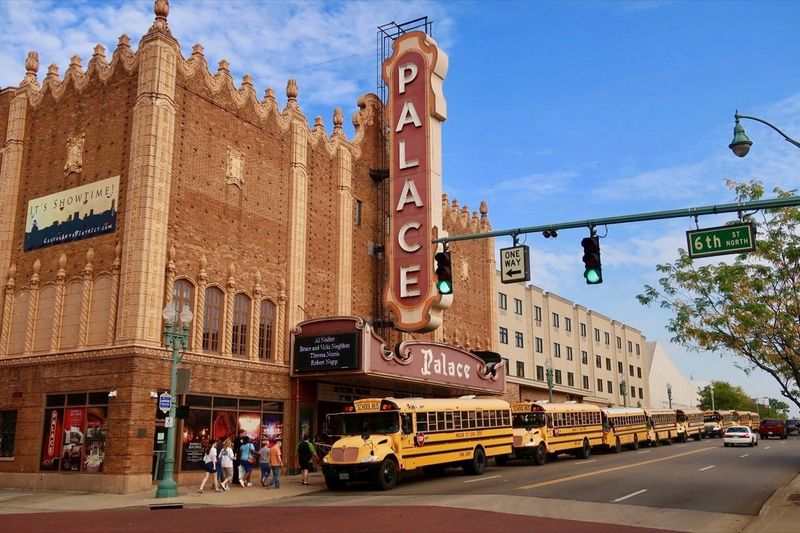
Grand theaters can hide small mysteries in plain sight, and the Canton Palace Theatre has gathered plenty over the years. Built in 1926, it still shines as one of Canton’s most treasured landmarks, but beauty has not kept ghost stories away.
In fact, places with long histories and strong personalities often attract more tales than plain modern buildings ever could.
People connected to the theater have described odd noises, shifting lights, and moments when empty rooms do not feel empty at all. Some stories mention movement in the balcony or backstage areas, where shadows can play tricks on the eyes.
Even so, the reports have lasted long enough that many locals treat them as part of the theater’s identity rather than just random rumors.
What gives this spot its staying power is the blend of elegance and uncertainty. The palace style was made to feel magical, and that magic can lean eerie once the audience leaves.
You can imagine workers closing up for the night, hearing one extra footstep, and wondering whether the building is settling or someone unseen is still hanging around.
A visit here offers more than a thrill. The theater helps tell the story of how Ohio communities built rich cultural spaces during the early twentieth century.
Paying attention to the architecture, old signage, and stage area makes the past feel close. If you hear a ghost story while you are there, take it as part of the full experience.
Haunted legends do not erase the theater’s value. They add a layer of wonder that keeps people curious about what the walls may have witnessed through all those decades.
7. Ritz Theatre – 30 S Washington St, Tiffin
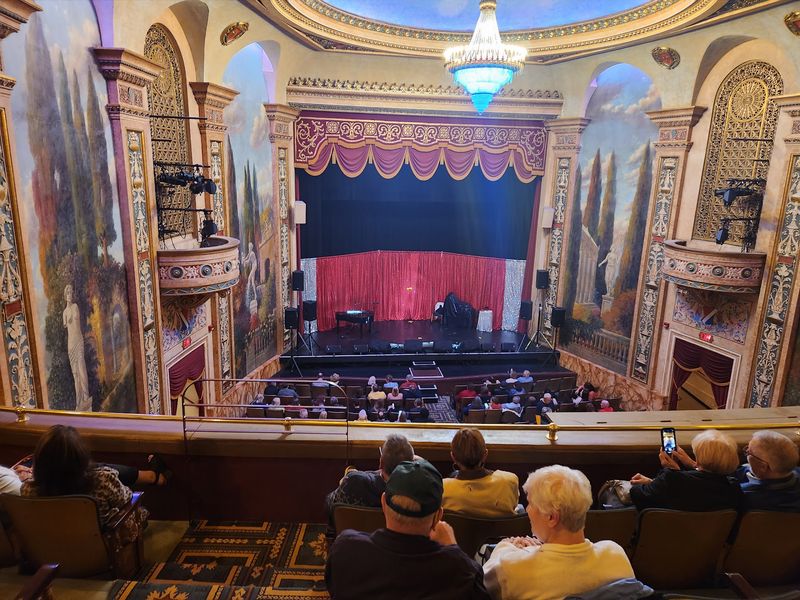
Not every haunting belongs to a huge city landmark. The Ritz Theatre in Tiffin proves that a smaller venue can carry just as much mystery, especially when it has served the community for decades.
The building has welcomed entertainment in different forms through the years, and that long life has helped spark stories that still circle through town.
People have shared accounts of odd sounds, unusual sensations, and moments of movement seen from the corner of the eye. Some tales focus on backstage areas where quiet can feel heavy and every creak seems to mean something.
In an older theater, ordinary building noises can be startling, but repeated stories often turn those moments into local legend.
The charm of the Ritz plays a big part in why the haunting sticks in people’s minds. It is the kind of place that invites nostalgia, with classic details and the feeling of a downtown gathering spot from another era.
When a building already makes visitors think about the past, ghost stories seem to fit naturally, almost like one more layer of history.
For travelers interested in haunted Ohio sites, the Ritz offers a gentler kind of spooky experience. It is less about shocking scares and more about atmosphere, memory, and community storytelling.
That can be even more powerful because the tales feel rooted in real local affection for the theater. If you get the chance to visit, notice how sound carries in the room and how the older spaces seem to hold onto silence.
Places like this remind us that sometimes the most unforgettable legends grow in theaters where neighbors, not tourists, kept the stories alive.
8. Strand Theatre – 28 E Winter St, Delaware
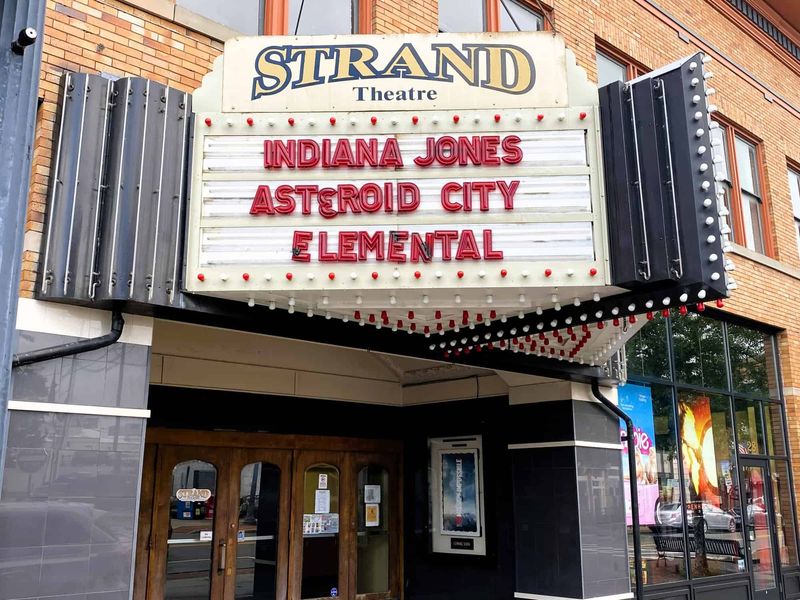
There is something wonderfully old fashioned about a downtown theater that still anchors the block, and the Strand Theatre in Delaware carries that feeling with style. It is one of the state’s cherished historic entertainment spaces, and with age comes the kind of mystery people love to talk about.
Local ghost stories have helped turn an already memorable building into a place of curious whispers.
Some visitors and staff members have spoken about unexplained sounds and unsettling moments inside the theater. A sudden chill, a noise from an empty section, or the impression of movement near the stage can be enough to spark a story that lasts for years.
In a place where lights dim and attention focuses forward, anything unusual behind or above you feels extra intense.
The Strand stands out because it combines everyday community use with the romance of the past. Families may come for a show or event, but the building itself quietly reminds them how many others came before.
That sense of continuity can make the paranormal tales feel believable, or at least hard to dismiss completely.
Anyone exploring haunted theaters in Ohio should appreciate that stories like these also protect old places. When a theater becomes part of local folklore, people tend to care more about saving it and sharing its history.
The Strand is a good example of that link between legend and preservation. You do not have to witness anything strange to enjoy the experience.
Just sit for a moment, look around, and imagine the theater in a different decade with different voices filling the room. Sometimes that simple act is enough to understand why locals still talk about what may linger there.
9. Majestic Theatre – 45 E 2nd St, Chillicothe
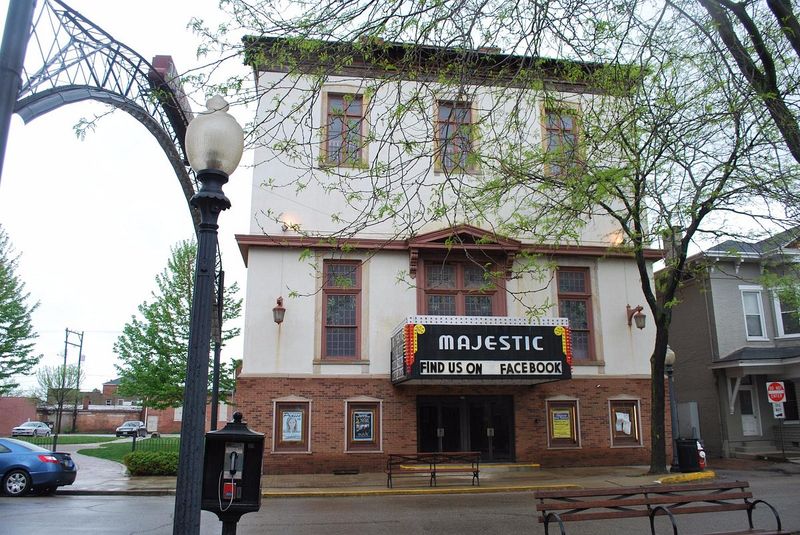
Old stage houses often feel like they are keeping secrets, and the Majestic Theatre in Chillicothe gives off exactly that mood. As one of Ohio’s long standing theatrical landmarks, it has hosted audiences for well over a century.
With so much life passing through one building, it is no surprise that ghost stories have found a home there too.
Accounts linked to the Majestic include footsteps, strange noises, and unexplained feelings in quiet areas of the theater. Backstage spaces, in particular, tend to inspire the most nervous curiosity.
Curtains, ropes, narrow hallways, and dim corners can turn a simple sound into something people remember long after they leave.
What makes this theater especially compelling is its age and survival. Buildings from the 1800s carry layers of change that newer places simply do not have.
Every renovation, performance, and busy night adds to the feeling that the structure has absorbed more than just applause. Whether the stories are paranormal or not, they reflect how strongly people respond to spaces that seem alive with memory.
Chillicothe visitors should see the Majestic as both a haunted legend and a major historical treasure. The theater helps show how entertainment shaped Ohio communities long before streaming and giant multiplexes.
If you attend an event or tour, take in the details that make old theaters so atmospheric, from the stage setup to the hidden work areas. Then listen for the stories locals share.
A place does not stay unforgettable for generations unless it leaves people with something to talk about, and the Majestic clearly has.
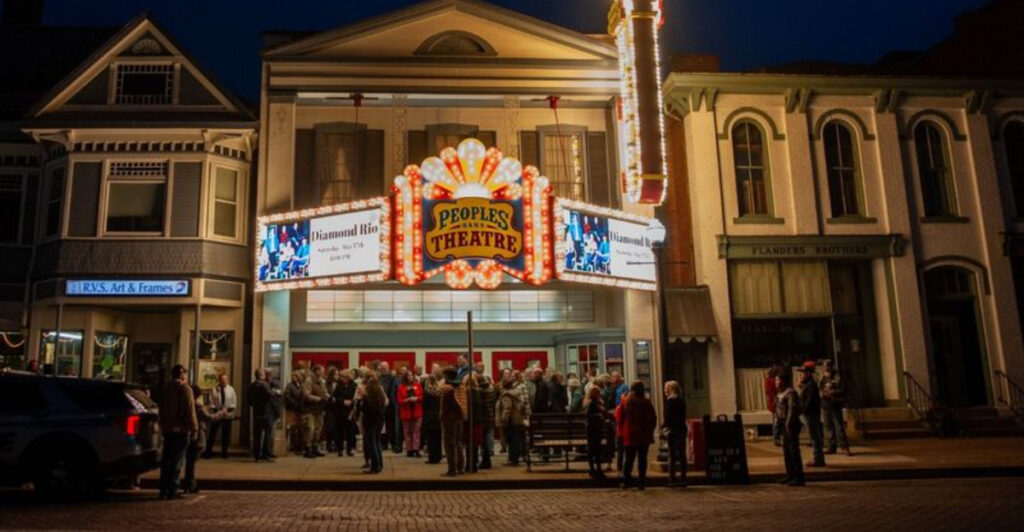
10. Peoples Bank Theatre – 222 Putnam St, Marietta
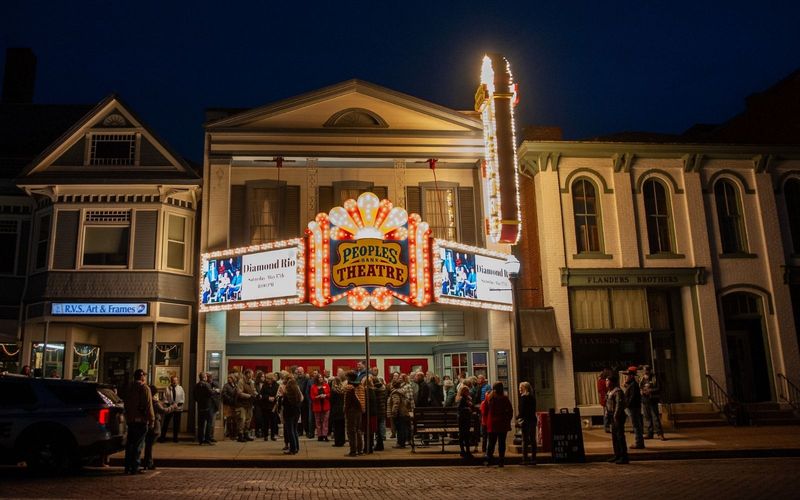
River towns already have a deep sense of history, so a grand old theater in one of them almost seems made for a haunting. Marietta’s Peoples Bank Theatre, originally opened as the Hippodrome in 1919, is a standout local landmark with a past that feels close at hand.
That strong historic character has helped fuel stories of unusual activity that still interest residents and visitors.
Among the tales are reports of odd sounds, unexplained movements, and strange feelings in parts of the building that should be quiet. Staff and guests in old theaters often notice the same kinds of things, but here the stories carry extra weight because the venue sits in a city known for its long history.
In a place like Marietta, people naturally pay attention to buildings that seem to hold onto older energy.
The theater’s appeal comes from more than ghost lore. Its restoration and continued use show how Ohio communities can protect important gathering places while giving them new life.
Yet that new life does not erase the old atmosphere. If anything, bringing people back into the space makes the stories feel more vivid because the building is still active, not frozen in the past.
When you visit, enjoy the architecture and think about all the changing eras the theater has seen, from silent films to modern performances. Haunted stories often thrive where history remains visible, and this place offers exactly that.
Even a skeptic can understand why locals keep talking about it. A theater with a river town backdrop, a century of memories, and a few unexplained moments has all the ingredients needed to stay unforgettable in Ohio folklore.
11. Hanna Theatre – 2067 E 14th St, Cleveland
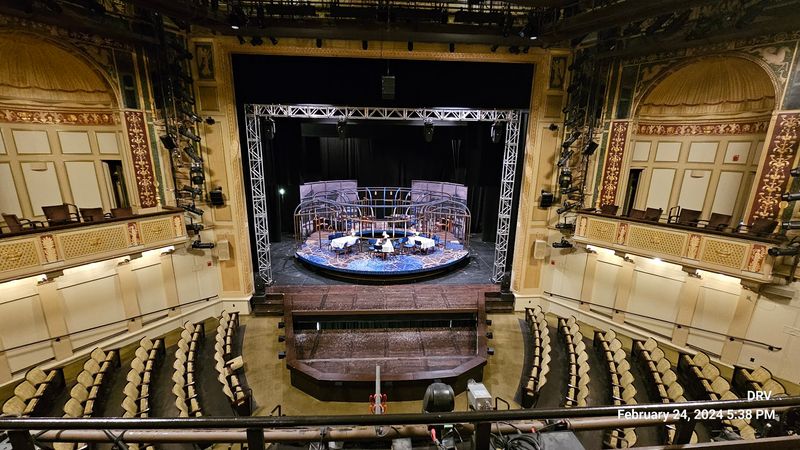
Big city theaters have their own kind of eerie glamour, and the Hanna Theatre in Cleveland carries it well. Located in the Playhouse Square district, the theater blends historic character with the energy of one of Ohio’s most famous performance centers.
Along with its cultural importance, it has also earned a place in conversations about haunted venues.
Stories tied to the Hanna often mention unexplained noises, odd presences, and moments when people feel they are not alone. In a busy theater district, that may sound surprising, but empty hours can feel very different from showtime.
Once the crowd disappears, the architecture takes over, and the silence in a large old theater can be deeply unsettling.
One thing that makes the Hanna memorable is the contrast between polished restoration and lingering legend. Renovation can refresh a building, but it does not wipe away its past.
Ghost stories survive because they are attached to place, routine, and memory. Every backstage hallway and shadowed seating section gives those tales room to grow.
For anyone exploring haunted theaters in Ohio, the Hanna offers a useful reminder that folklore thrives even in active, successful arts spaces. It is not a forgotten ruin or a closed down shell.
It is a working theater where history stays in view, which may be exactly why the stories endure. If you visit Playhouse Square, look beyond the bright marquees and imagine the quieter hours when workers lock doors, finish tasks, and hear one sound too many.
That image alone helps explain why locals have kept the Hanna in Ohio’s haunted theater conversation.
12. Akron Civic Theatre – 182 S Main St, Akron
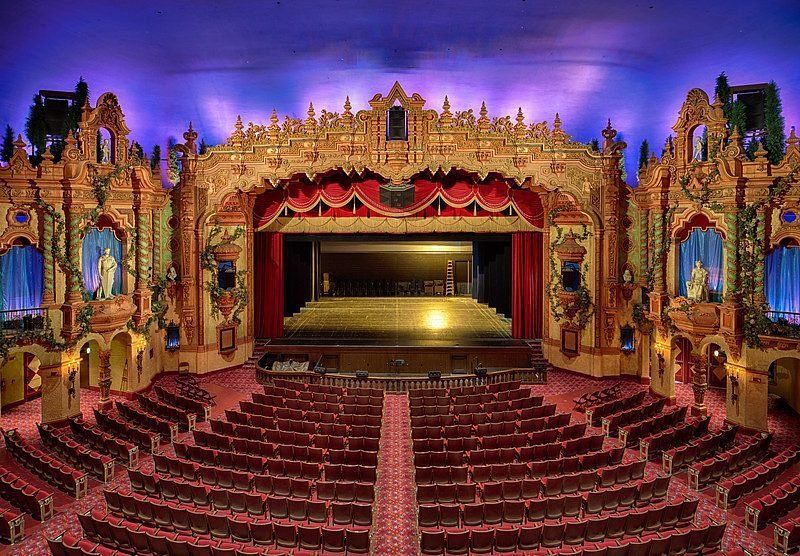
Some places do not need a ghost story to feel magical, but the Akron Civic Theatre has both magic and mystery. Opened in 1929, it is famous for its striking interior, including a ceiling that looks like a night sky.
That dreamy design makes the building unforgettable, and it also creates the perfect backdrop for tales of unexplained activity.
People have long shared stories about strange sounds, shadowy movement, and eerie sensations inside the theater. In a room built to resemble an outdoor courtyard under stars, the line between beauty and unease can get thin very quickly.
A quiet moment there feels different from a quiet moment in an ordinary building, which may be why the haunting stories have held on.
Another reason the Akron Civic stands out is how strongly it reflects the theater palace era. It was built to transport guests into another world, and in some ways it still does.
Ghost lore fits neatly into that experience because visitors already expect the unexpected once they step inside. The setting invites wonder first, then curiosity, and finally a little nervous excitement.
If you are planning to explore historic Ohio theaters, this one deserves time and attention. Admire the architecture, learn about its downtown role, and notice how the atmosphere changes when the room grows still.
You do not have to be a believer to appreciate why stories gather here. Sometimes a building’s design, age, and reputation combine in a way that keeps imaginations active for generations.
The Akron Civic Theatre is exactly that kind of place, and locals clearly have not forgotten it.
13. Stambaugh Auditorium – 1000 5th Ave, Youngstown
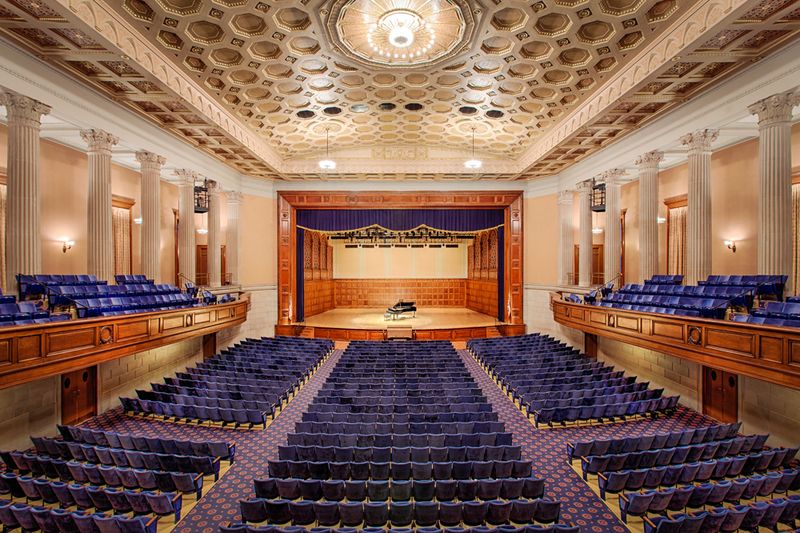
Not every haunted performance venue in Ohio is called a theater, but Stambaugh Auditorium belongs in the conversation because of its age, beauty, and strong local legends. Standing proudly in Youngstown since the 1920s, it has hosted concerts, events, and public gatherings in a setting that feels formal and deeply rooted in the city’s history.
That long public life has also invited stories that are harder to explain.
People have described odd sounds, unusual feelings, and strange moments in parts of the auditorium when activity should be low. Large halls can naturally create echoes and tricks of sound, yet repeated experiences tend to leave a mark on local memory.
In Stambaugh’s case, the building’s solemn elegance seems to make every unexplained detail feel more meaningful.
The atmosphere here is a little different from a playful ghost tale at a neighborhood movie house. Stambaugh feels stately, almost ceremonial, and that gives its haunting reputation a serious tone.
Instead of jump scares, the stories lean toward the idea that the past still lingers quietly in the room, especially during still, empty hours.
For readers interested in haunted Ohio landmarks, Stambaugh shows how paranormal folklore can attach itself to any cherished cultural space, not just classic cinemas. It is also a reminder that architecture shapes emotion.
Tall spaces, older materials, and fading evening light can stir the imagination before anything unusual even happens. If you visit Youngstown, notice how the building carries both civic pride and a hint of mystery at the same time.
That blend is likely why locals continue to remember Stambaugh as more than just an auditorium.
Share this story