Pennsylvania is full of places where history feels close enough to touch. Across the state, old forts, battlefields, ironworks, farms, forests, and villages help visitors see how people lived, worked, fought, and dreamed long ago. These historic places offer more than old buildings and markers; they give visitors a chance to stand in the same landscapes where important events unfolded and where generations of Pennsylvanians built their lives.
These parks matter because they protect real places tied to the American Revolution, the Civil War, early industry, Native and colonial history, and everyday family life. Walking their trails, exploring their grounds, and touring their historic buildings can make the past feel much more personal and easier to understand. Whether you are a history enthusiast or simply curious about the stories behind the places you visit, these parks can turn a simple trip into a story you remember.
1. Fort Necessity National Battlefield
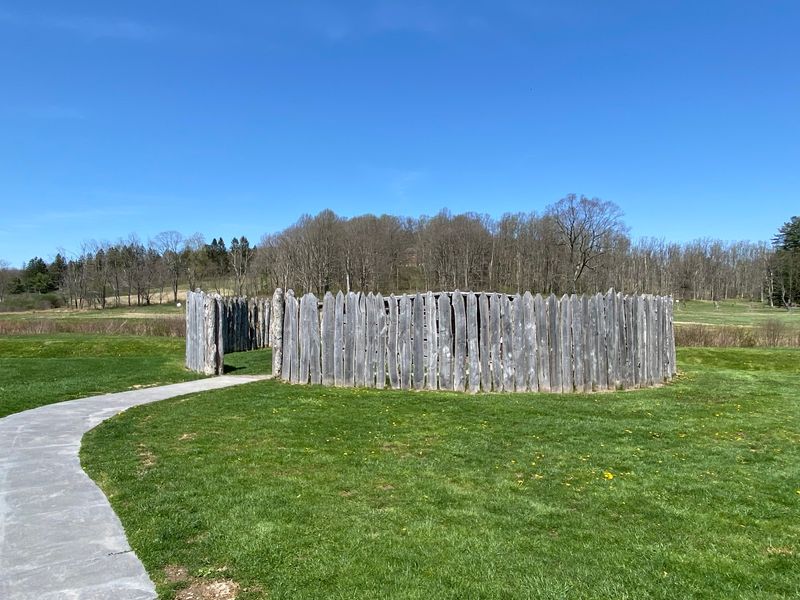
A small meadow in the Laurel Highlands once became the stage for a mistake that helped start a world war.
Young George Washington came here in 1754, long before he became president, and built a rough fort after a clash with French forces.
Fort Necessity National Battlefield helps visitors understand the opening moments of the French and Indian War.
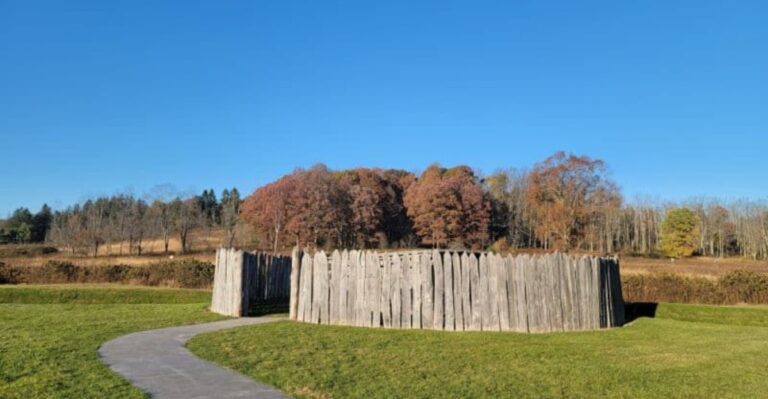
The reconstructed fort is simple, low, and surrounded by open grass, which makes it easy to picture how exposed the soldiers must have felt.
Start at the visitor center, where exhibits explain the fight between British, French, and Native interests in western Pennsylvania.
The story is not just about one battle, but about land, trade, alliances, and choices that shaped North America.
A short walk leads to the fort site, so families can explore without needing a long hike.
Kids often enjoy seeing how small the fort looks compared with the huge events connected to it.
Nearby, the Mount Washington Tavern adds another layer of history.
It tells the story of the National Road, one of the early highways that carried travelers, wagons, and goods across the mountains.
Wear comfortable shoes, especially if you want to walk the grounds and read the outdoor signs.
Weather can change quickly in the highlands, so a jacket is a smart idea.
For a richer visit, think about how Washington was still learning here.
The battlefield shows that history is often shaped by young people, hard decisions, and moments that do not go as planned.
2. Eckley Miners’ Village
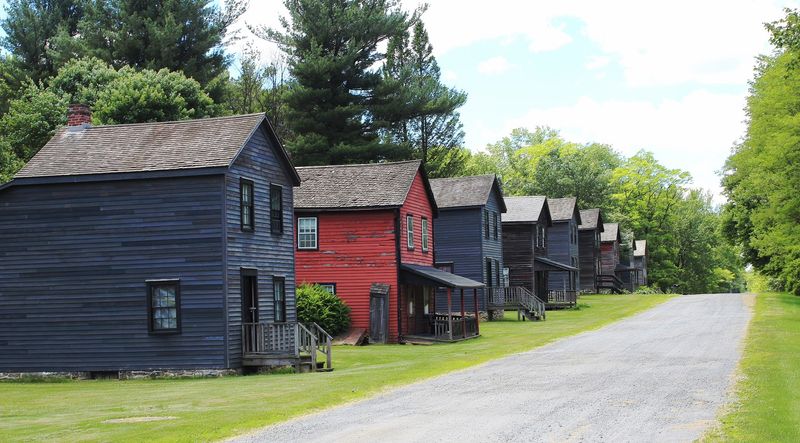
Rows of little houses along a quiet road can tell a louder story than a giant monument.
At Eckley Miners’ Village, the past is found in porches, kitchens, company buildings, and the hard lives of coal families.
This preserved village in Pennsylvania’s anthracite region shows what life was like for miners and their families during the 1800s and early 1900s.
Many workers came from Europe hoping for steady pay, but coal mining was dangerous and exhausting.
The village layout teaches a clear lesson about company towns.
Homes, stores, churches, and workplaces were tied together, and many families depended on the coal company for nearly everything.
Visitors can walk the main street and compare different homes.
Some houses show how workers lived with very few comforts, while others reveal how status and job rank affected daily life.
The museum exhibits explain mining tools, immigrant traditions, labor struggles, and the role of children in coal communities.
It is a good place to talk with kids about fairness, safety, and the value of hard work.
Plan for walking outdoors, because the village is spread out along a road.
Good shoes help, and a cooler day can make the visit more pleasant since shade may be limited in spots.
Movie fans may recognize the village from the film Molly Maguires, which used Eckley because it looked so authentic.
Still, the real story is even stronger than a movie set.
Leave time to slow down and imagine smoke in the air, lunch pails by the door, and families waiting for miners to come home.
Eckley makes industrial history feel deeply personal.
3. Graeme Park
Some historic homes feel polished, but Graeme Park carries a slightly mysterious charm.
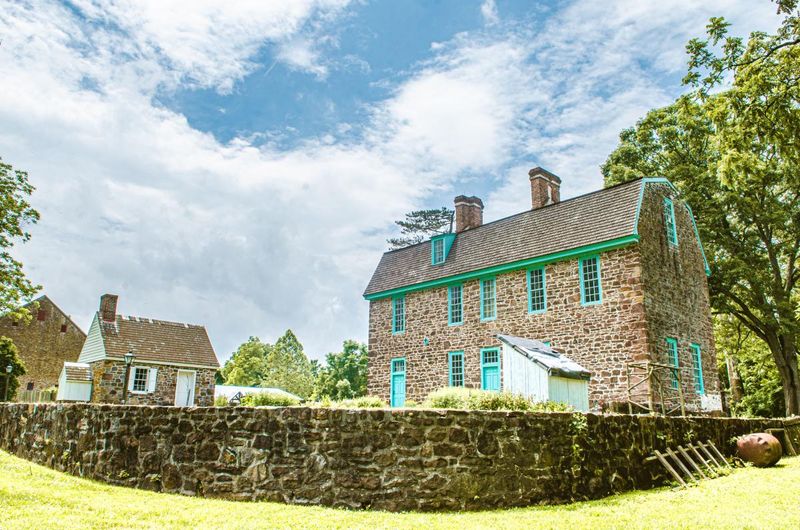
Its old stone mansion, called the Keith House, has watched Pennsylvania change from a colony into a modern state.
Located in Horsham, Graeme Park preserves the home of colonial governor Sir William Keith and later the Graeme family.
The house dates to the 1700s, and its thick walls, fireplaces, and rooms help visitors imagine life before electricity, cars, and indoor plumbing.
The site is often linked with Elizabeth Graeme Fergusson, a talented writer and well-known woman of colonial society.
Her story adds emotion to the visit because it includes family pressure, political trouble, and personal loss during the American Revolution.
A tour of the Keith House is the best way to understand the place.
Guides often share details about architecture, daily chores, social life, and the complicated choices people faced when the colonies moved toward independence.
The grounds are quiet and pleasant, making them a nice stop for travelers who enjoy history without big crowds.
Bring a camera, because the stone house looks especially beautiful against green grass and old trees.
Check tour times before you go, since historic houses often have seasonal schedules.
Special events may include colonial demonstrations, holiday programs, or local history talks.
Graeme Park also reminds visitors that the Revolution was not simple for everyone.
Neighbors and families sometimes disagreed about loyalty, safety, and the future.
For students, writers, or anyone who likes personal stories, this park offers more than dates and names.
It shows how private lives can be shaken by public events, and how one house can hold centuries of memory.
4. Brandywine Battlefield Park
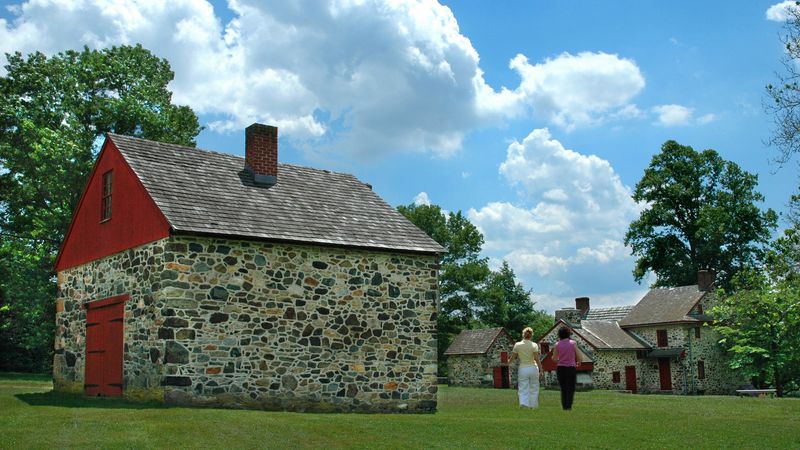
Peaceful fields can hide a day of confusion, courage, and hard marching.
Brandywine Battlefield Park marks the area where American and British forces fought one of the largest battles of the Revolutionary War.
The battle took place on September 11, 1777, as British troops moved toward Philadelphia.
George Washington tried to block them, but British General William Howe used clever movements to attack from unexpected directions.
At the park, visitors can learn why geography mattered so much.
Creeks, roads, hills, and fords shaped the choices commanders made, and a wrong guess could change the entire day.
The visitor center gives helpful background before you explore the grounds.
Exhibits and maps make the troop movements easier to follow, especially for anyone who finds battle history confusing at first.
Historic houses connected to the battle, including the Gideon Gilpin House and the Benjamin Ring House, add a human side.
They remind visitors that families lived in the middle of war and sometimes watched armies pass through their farms.
Bring water and allow time to drive or walk to nearby points connected with the larger battlefield.
The fighting covered a broad area, so the park is only part of the full story.
Brandywine is also a good place to think about leadership under pressure.
Washington lost the battle, but the Continental Army survived to fight again.
Autumn visits can be especially pretty, with colorful trees and cool air.
Even then, the quiet landscape asks visitors to remember the noise, fear, and bravery of a day that helped decide the fate of Philadelphia.
5. Cook Forest State Park
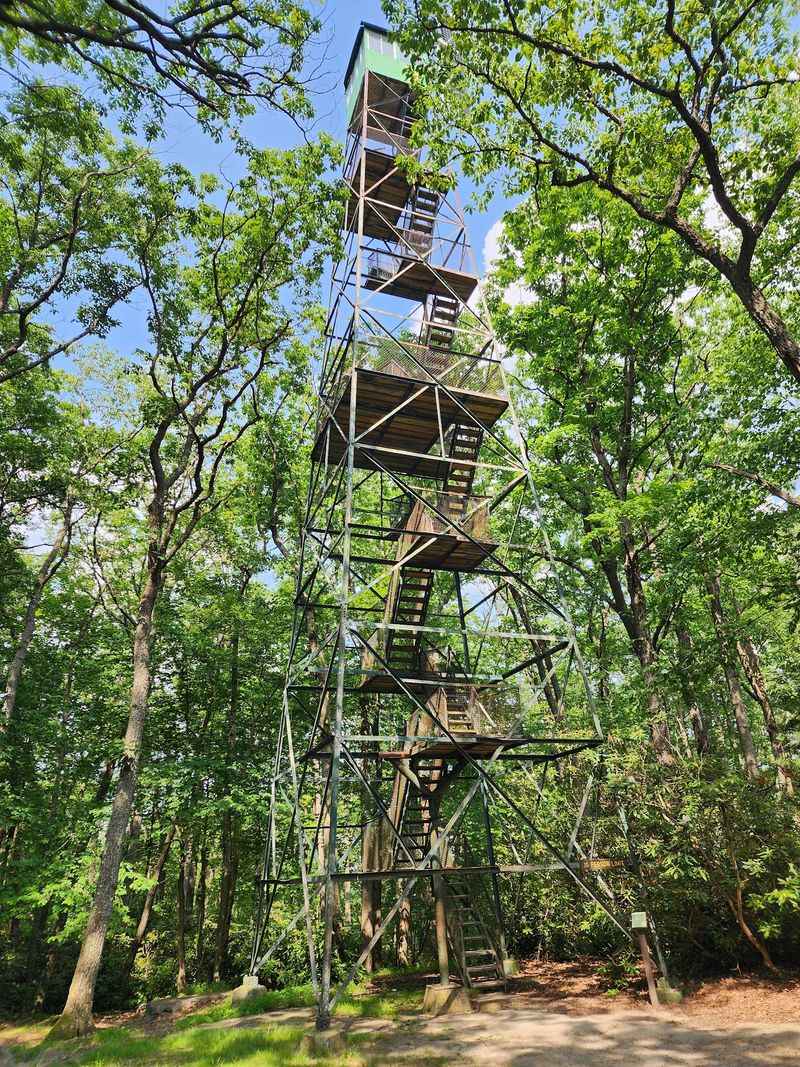
Towering trees can be history books too, especially when they have stood for centuries.
Cook Forest State Park protects one of Pennsylvania’s most treasured old-growth forest areas, where hemlocks and white pines rise like living cathedrals.
While many historic parks focus on buildings or battles, this place tells the story of conservation.
In the late 1800s and early 1900s, logging changed huge parts of Pennsylvania, but citizens worked to save this forest from being cut.
The Forest Cathedral is the park’s most famous section.
Walking there feels different from walking in younger woods because the trees are massive, the shade is deep, and the forest floor seems calm and ancient.
Families can enjoy hiking, picnicking, fishing, canoeing, and wildlife watching.
Trails range from easy walks to more challenging routes, so visitors should choose paths that match their energy and time.
The park also has fire towers, rustic cabins, and Civilian Conservation Corps history.
During the Great Depression, CCC workers improved many parks in Pennsylvania, leaving behind structures and trails that people still use.
Wear sturdy shoes because roots, rocks, and damp spots are common on forest trails.
Bug spray and layers can also help, especially near water or during cool mornings.
A fun way to visit is to slow down and compare tree sizes with your group.
Some trunks are so wide that kids may try to wrap their arms around them and fail.
Cook Forest reminds visitors that saving a place can be just as historic as fighting over one.
Its past comes alive in birdsong, bark, sunlight, and the simple act of looking up.
6. Bushy Run Battlefield
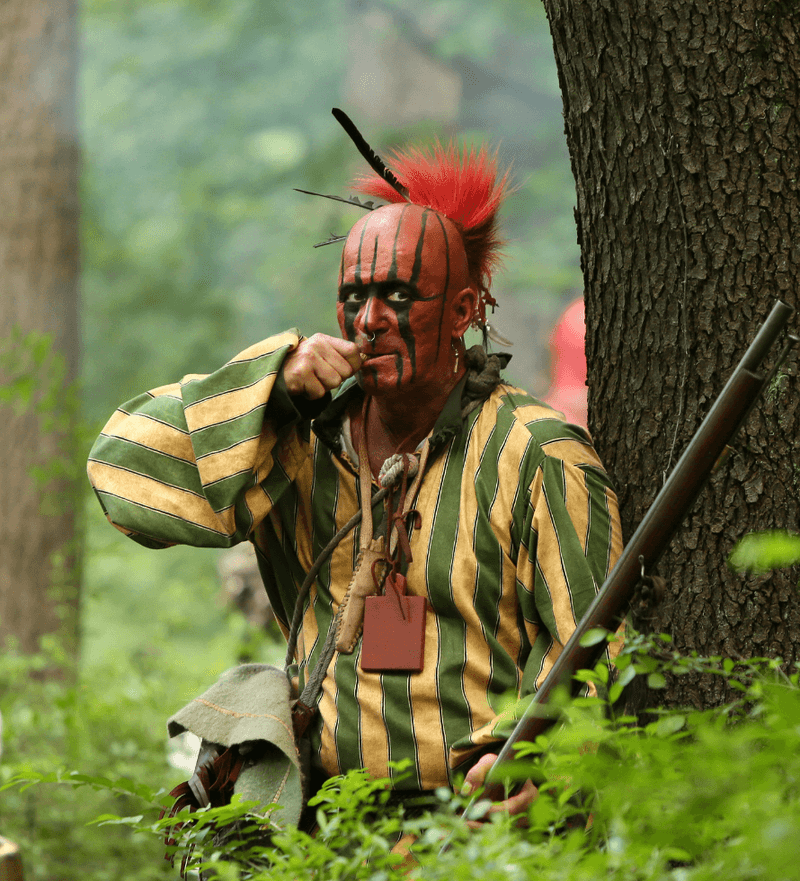
A quiet hillside near Jeannette holds a fierce frontier story that many travelers miss.
Bushy Run Battlefield marks a 1763 fight during Pontiac’s War, when British forces clashed with Native warriors after the French and Indian War.
The battle happened as Colonel Henry Bouquet led troops to relieve Fort Pitt.
His men were attacked by Native forces, including warriors connected to a wider resistance against British control in the Ohio Country.
Visitors can follow trails across the battlefield and see how terrain affected the fighting.
Woods, slopes, and open ground mattered greatly when soldiers were tired, short on water, and far from easy help.
The visitor center explains the conflict from several angles.
That is important because the story includes British military plans, Native resistance, broken promises, and the struggle over land after a major empire changed hands.
Bushy Run is a good stop for people who want history beyond the most famous Revolutionary and Civil War sites.
It shows that Pennsylvania’s past includes complex frontier events that shaped relations between Native peoples and European settlers.
Bring comfortable walking shoes, since the trail gives the best sense of the battlefield.
On hot days, carry water, because the open areas can feel warm.
Reenactments and special programs sometimes bring extra energy to the park.
Watching living historians explain uniforms, weapons, and camp life can help younger visitors picture the 1760s more clearly.
The site encourages careful thinking, not just quick answers.
Bushy Run asks visitors to consider how fear, expansion, survival, and power collided on the Pennsylvania frontier.
Stand still for a moment near the fields, and the modern world feels far away.
The park’s strength is its ability to turn an overlooked chapter into a vivid lesson.
7. Drake Well Museum and Park
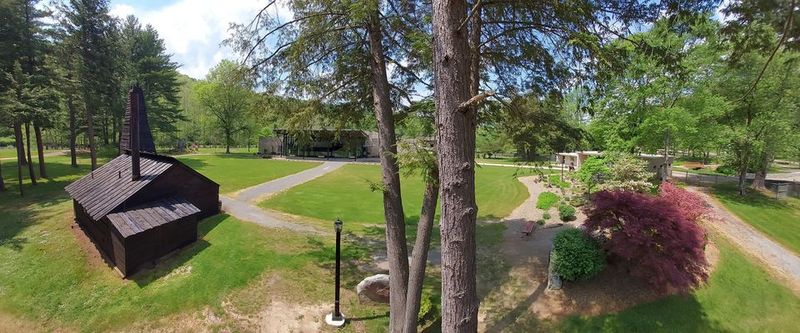
A wooden derrick in Titusville changed the way the world used energy.
Drake Well Museum and Park tells the story of the 1859 oil well that helped launch the modern petroleum industry.
Edwin Drake drilled here when many people doubted his idea would work.
When oil came up from the ground, Pennsylvania became the center of a rush that brought workers, investors, inventors, and boomtown dreams.
The museum explains drilling in a way that is easy to follow.
Visitors can see tools, engines, pipes, photographs, and displays showing how early oil workers solved problems with limited technology.
Outside, the replica derrick and historic equipment make the site feel active and hands-on.
Depending on the schedule, demonstrations may show machinery moving, pumping, or steaming, which is much more exciting than reading a label alone.
This park is also a smart place to talk about both progress and consequences.
Oil powered lamps, machines, cars, and factories, but it also changed landscapes and raised questions about pollution and energy use.
Families should allow enough time for both indoor exhibits and outdoor walking.
The grounds are pleasant, and the nearby Oil Creek area adds natural beauty to the industrial story.
Students who like science may enjoy thinking about geology.
Oil formed underground over long periods, and drilling required people to understand rock, pressure, and engineering.
A visit here connects Pennsylvania to world history in a surprising way.
From one well in a small town, an industry grew that touched transportation, business, war, homes, and daily life across the globe.
Drake Well makes the past feel oily, noisy, inventive, and very real.
8. Washington Crossing Historic Park
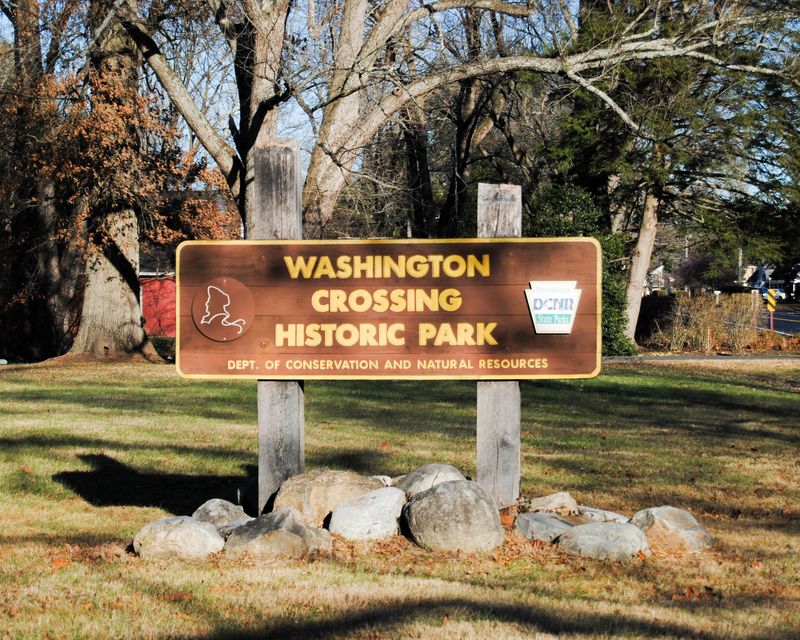
Cold river air makes the story feel sharper at Washington Crossing Historic Park.
This is where George Washington and his army crossed the Delaware River on Christmas night in 1776 before marching to victory at Trenton.
The crossing came at a desperate time for the American cause.
Soldiers were tired, enlistments were ending, and many people wondered whether the Revolution could survive.
At the park, visitors can explore historic buildings, river views, and exhibits that explain the daring plan.
The Delaware River is a powerful part of the experience because it helps you imagine icy water, darkness, and boats loaded with men, horses, and supplies.
The visitor center is a helpful first stop.
Maps, artifacts, and displays explain why the Trenton victory boosted American morale and kept the fight for independence alive.
Families may especially enjoy seeing replica Durham boats.
These long, sturdy boats were used to move goods on rivers, and they became part of one of the most famous moments in American history.
Every December, the park often hosts a reenactment of the crossing, weather and river conditions permitting.
It can be crowded, but it gives visitors a memorable sense of the event’s drama.
Dress warmly if you visit in winter, since the wind near the river can bite.
In warmer months, the grounds are easier for strolling, photography, and relaxed learning.
The park also reminds visitors that bold choices can happen when hope is nearly gone.
Washington Crossing is not just about a general in a painting; it is about real people taking a risky step in freezing darkness.
That mix of courage and uncertainty still gives the place its power.
9. Gettysburg National Military Park
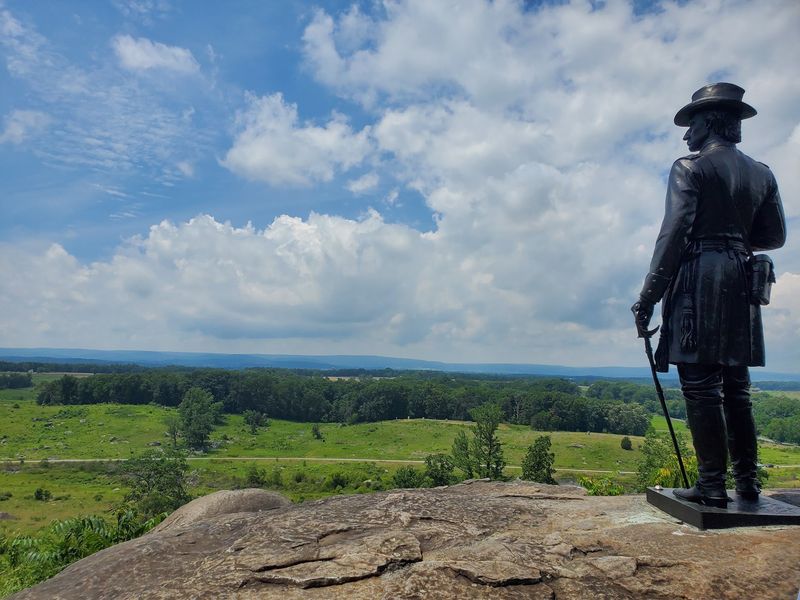
Cannons, stone walls, and quiet fields make Gettysburg feel both peaceful and heavy.
Gettysburg National Military Park preserves the ground where Union and Confederate armies fought for three terrible days in July 1863.
The battle was a turning point in the Civil War.
More than 50,000 soldiers were killed, wounded, captured, or missing, and the Union victory helped stop General Robert E.
Lee’s invasion of the North.
Begin at the museum and visitor center if you can.
The film, exhibits, and cyclorama painting give useful background before you head onto the battlefield roads.
The park is large, so planning matters.
Many visitors follow the auto tour route, which leads to major places such as Little Round Top, Devil’s Den, the Wheatfield, the Peach Orchard, and Pickett’s Charge.
Licensed battlefield guides can make the story easier to understand.
They connect the landscape to the choices made by soldiers and commanders, turning hills and fences into clear parts of the battle.
Gettysburg is also tied to President Abraham Lincoln’s Gettysburg Address.
At the Soldiers’ National Cemetery, his short speech honored the dead and explained the meaning of the war in words still studied today.
Wear comfortable shoes, bring water, and expect to spend several hours if you want more than a quick look.
Summer can be hot, while winter offers fewer crowds and a quieter mood.
Respect is important here.
Many people visit because ancestors fought or died on these fields, and the park is both a classroom and a memorial.
Gettysburg does not glorify war.
Instead, it helps visitors face sacrifice, division, courage, and the high cost of a nation deciding what freedom should mean.
10. Pennypacker Mills
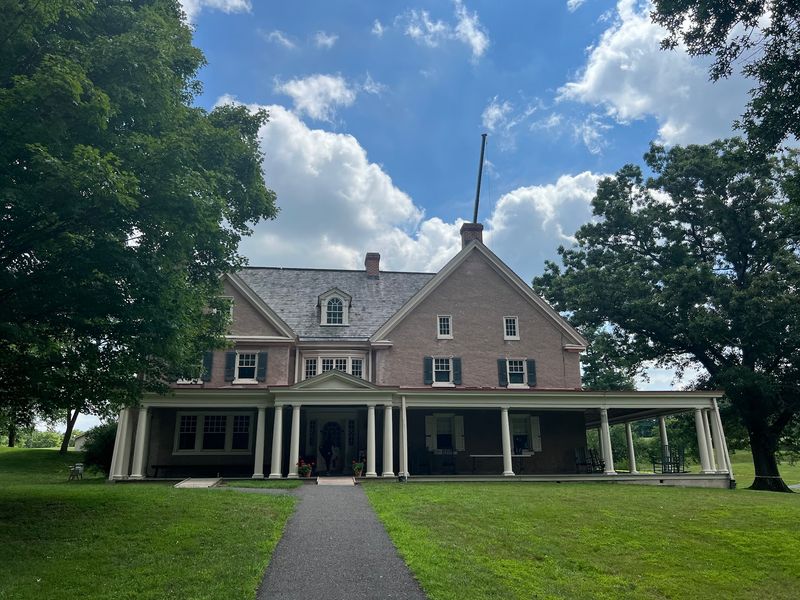
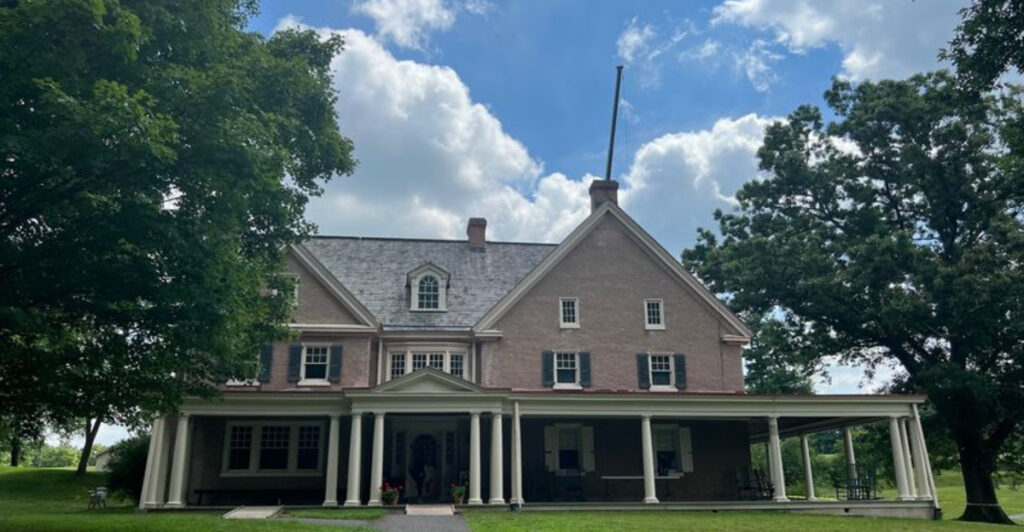
A grand porch, family rooms, and everyday objects make Pennypacker Mills feel like someone just stepped out for a walk.
This historic estate in Montgomery County shares the life of Pennsylvania governor Samuel W.
Pennypacker and his family.
The mansion is filled with original furnishings, which gives the house a lived-in feeling.
Visitors can see furniture, books, clothing, art, and household items that show how a well-to-do family lived in the late 1800s and early 1900s.
Samuel Pennypacker served as governor from 1903 to 1907.
He was also a historian, collector, and writer, so the site naturally blends politics, family life, and a love of preserving the past.
Guided tours help guests notice details they might miss alone.
A chair, a desk, or a kitchen tool can lead to stories about manners, work, education, and technology during the Victorian and Edwardian periods.
The grounds are pleasant for walking, with lawns, outbuildings, and open space that make the estate feel calm.
Seasonal events may include craft days, living history programs, and holiday tours.
This is a good park for visitors who prefer social history over battlefield history.
Instead of troop movements, the focus is on home life, public service, and how families used rooms, objects, and routines.
Check tour hours before traveling, since access to the mansion may depend on the day and season.
Photography rules can vary indoors, so ask before taking pictures.
Children may enjoy comparing old household items with things they use now.
A visit can spark fun conversations about laundry, lighting, travel, school, and entertainment before smartphones and streaming.
Pennypacker Mills proves that history can live in teacups, staircases, letters, and the quiet corners of a family home.
11. Valley Forge National Historical Park
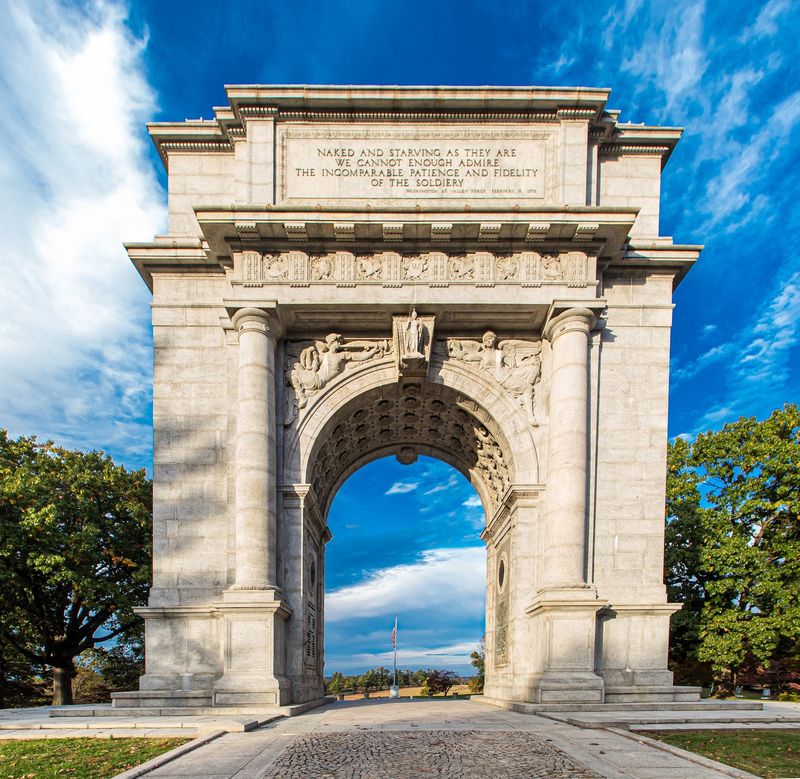
Winter hardship is the heart of Valley Forge, but the story is also about patience and growth.
During 1777 and 1778, the Continental Army camped here while the American Revolution hung in the balance.
Many people picture Valley Forge only as a place of suffering.
Soldiers did face cold, hunger, sickness, and poor supplies, yet the army also trained, reorganized, and became stronger during the encampment.
The park covers wide fields, wooded areas, historic roads, monuments, and reconstructed log huts.
Seeing the huts helps visitors imagine crowded quarters and the daily work required just to survive.
Start at the visitor center for maps and exhibits.
The park is large, and a driving tour makes it easier to reach key stops such as Washington’s Headquarters, the National Memorial Arch, and the Muhlenberg Brigade area.
Washington’s Headquarters is one of the most meaningful places in the park.
The stone house served as the command center, where decisions were made while soldiers waited through a difficult season.
Valley Forge is also popular for walking, biking, jogging, and birdwatching.
That mix of recreation and history makes it a favorite for local families as well as travelers.
Wear good shoes if you plan to explore beyond the main stops.
The open fields can be windy, so layers help in cooler months.
One helpful way to understand the park is to think of it as a training ground, not a battlefield.
No major battle happened there, but what happened during the winter shaped the army’s future.
Valley Forge teaches that history is not always made in one loud moment.
Sometimes it is made through endurance, practice, leadership, and people refusing to quit.
12. Hopewell Furnace National Historic Site
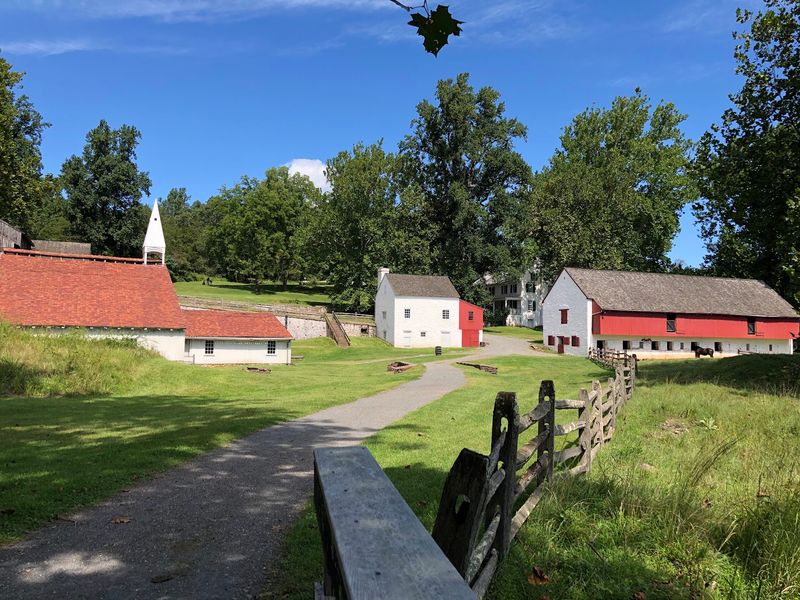
Smoke, heat, and hard labor once filled this quiet village in southeastern Pennsylvania.
Hopewell Furnace National Historic Site preserves an early American iron-making community that operated from the late 1700s into the 1800s.
The furnace produced iron goods used in homes, farms, and industries.
Workers made items such as stoves, tools, and other cast-iron products that helped build daily life in a growing nation.
What makes Hopewell special is that it shows an entire iron plantation, not just one building.
Visitors can see the furnace, charcoal areas, worker houses, barns, store, and the ironmaster’s home.
The site explains how natural resources worked together.
Forests supplied wood for charcoal, nearby hills held iron ore, streams provided power, and workers turned raw materials into useful objects.
Walking through the village helps visitors understand different jobs.
Colliers made charcoal, miners dug ore, teamsters moved supplies, founders handled molten iron, and families kept the community running.
Hopewell also raises important questions about labor and society.
The workforce included free workers, indentured servants, and enslaved people at different points in its history, so the story is broader than machines and metal.
Families may enjoy seasonal demonstrations, farm animals, gardens, and apple picking when available.
The mix of industry and rural life makes the site feel active and easy to picture.
Wear comfortable shoes because the grounds include paths, slopes, and uneven surfaces.
A visit pairs well with nearby natural areas, since the setting is green and peaceful today.
For curious kids, the furnace itself is the star.
Standing near it makes the danger and skill of ironmaking easier to understand.
Hopewell Furnace brings Pennsylvania’s industrial roots to life with sparks you can almost imagine, even when the fires are long gone.
13. Fort Washington State Park
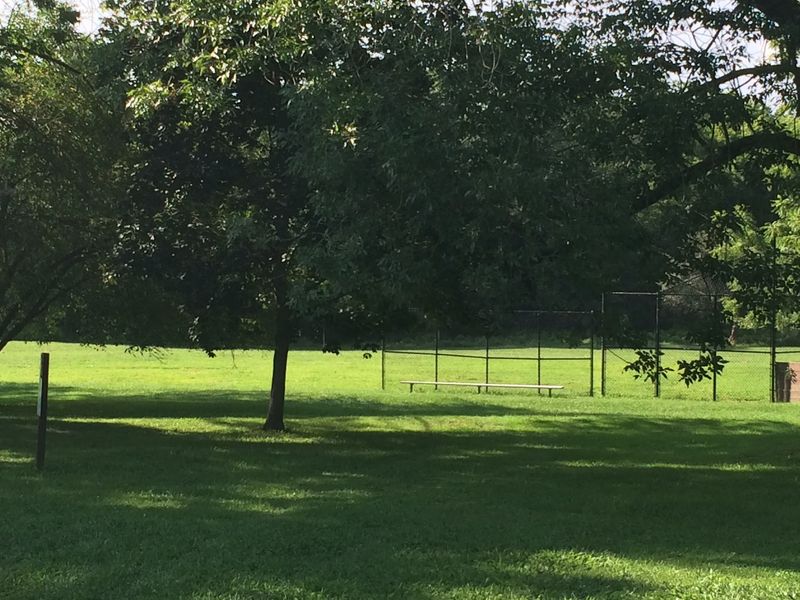
A busy suburb may not seem like the place to find a Revolutionary War camp, but Fort Washington State Park surprises visitors.
Its hills and woods protect land connected to the Continental Army’s movements after the Battle of Germantown.
In 1777, American troops camped in this area before moving to Valley Forge.
The high ground gave them a strong defensive position, and the location helped protect routes near Philadelphia.
Today, the park blends history with outdoor fun.
Visitors come for walking, birdwatching, picnics, sledding, and quiet breaks from nearby roads and neighborhoods.
Militia Hill is one of the key historic areas.
Interpretive signs help explain how the land was used during the Revolution and why elevation mattered for watching enemy movements.
The park is also known for hawk watching, especially during fall migration.
That natural feature gives visitors another reason to bring binoculars and spend time looking at the sky.
Trails vary in length and difficulty, so families can choose a short walk or a longer outing.
Because the park can be popular, arriving earlier in the day may make parking and picnicking easier.
Fort Washington works well for people who want history without giving up recreation.
You can read about soldiers from the 1700s, then enjoy a shaded trail or lunch under the trees.
Bring water, comfortable shoes, and a simple map if you plan to explore beyond the main picnic areas.
In winter, check conditions before sledding or walking icy paths.
The park’s strongest lesson is that historic places do not always look dramatic at first glance.
Sometimes the past is tucked into familiar landscapes, waiting for visitors to slow down and notice why the ground mattered.
Share this story