Tennessee holds onto its past in ways many states don’t. Walk down the right street in the right town, and you’ll feel transported—not by gimmicks or theme park recreations, but by real buildings, real sidewalks, and real stories that have survived centuries. These 13 streets aren’t just old; they’re living proof that history doesn’t have to be locked behind museum glass.
From colonial-era main streets to legendary music districts, these Tennessee thoroughfares still pulse with the character of the people who built them.
1. Main Street — Jonesborough
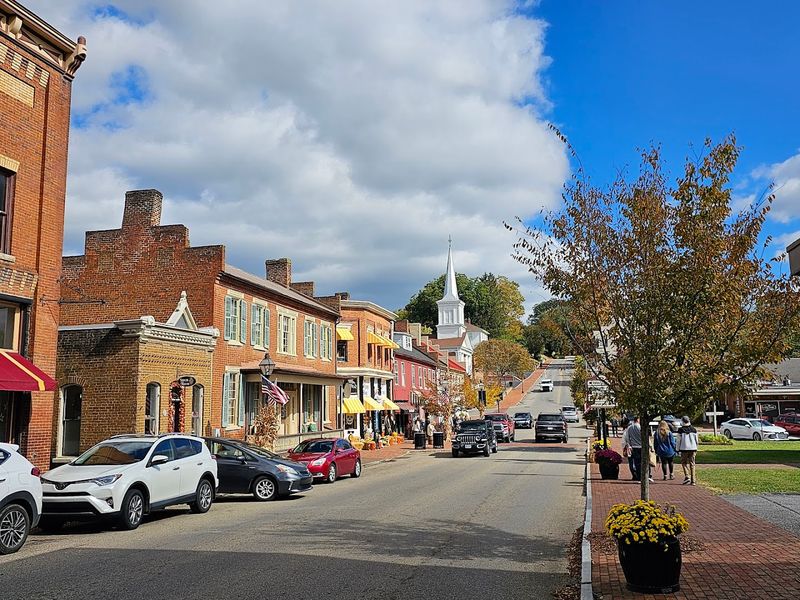
Jonesborough earned its title as Tennessee’s oldest town, and Main Street proves it every day. Red-brick storefronts line both sides of the street, many dating back to the 1700s and 1800s. The architecture hasn’t been scrubbed clean or modernized—it still carries the weight of centuries.
Walking these blocks feels different from most historic districts. There’s no forced nostalgia here, just honest preservation. Old inns still welcome guests, antique shops occupy buildings that once served entirely different purposes, and the whole street hums with that quiet Appalachian energy that refuses to be rushed.
Jonesborough takes its storytelling heritage seriously. The town hosts the National Storytelling Festival every fall, drawing thousands of people who gather to hear tales told the old-fashioned way. But even on regular days, Main Street feels like a place where stories linger in doorways and under awnings.
The buildings themselves tell plenty. Some have been carefully restored, others simply maintained through generations of use. Either way, they share a common thread: they’re still part of daily life, not museum pieces roped off from the public.
Local shops mix with galleries and cafes, all tucked into structures that watched Tennessee become a state. The streetscape hasn’t been overtaken by chains or modern construction. Instead, it remains a working example of what small-town America looked like when the country was young.
Main Street doesn’t try to recreate history—it simply refuses to let it go. The result is a thoroughfare that feels genuinely old, genuinely lived-in, and genuinely worth the visit. Jonesborough understood preservation before it became trendy, and Main Street remains the proof.
2. Main Street — Rogersville
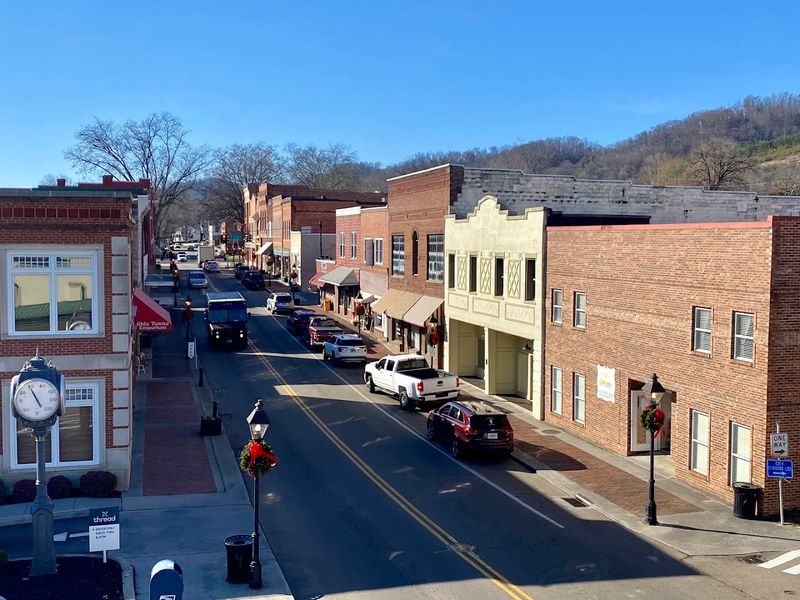
Rogersville’s Main Street hasn’t changed much since 1789, and that’s not an exaggeration. The Rogersville Heritage Association confirms that this street has remained virtually intact for over two centuries. Few places in America can make that claim without stretching the truth.
This was once part of the Wilderness Road, the route that carried settlers westward through the Appalachian Mountains. Standing on Main Street today, you’re walking the same path pioneers took when Tennessee was still frontier territory. The buildings watched those wagons roll past, and somehow, they’re still standing.
The street feels deeply connected to a time when America was figuring out what it wanted to be.
Rogersville doesn’t get the tourist attention that some Tennessee towns attract, which actually works in its favor. Main Street remains functional rather than performative. People live here, work here, and go about their daily routines surrounded by centuries-old structures.
The preservation effort has been steady and thoughtful. Buildings have been maintained without losing their character, and new additions have been kept minimal and respectful. The result is a streetscape that genuinely transports you backward in time.
Walking Main Street feels like flipping through a history book, except everything around you is three-dimensional and tangible. The weight of all those years presses down gently but unmistakably. Rogersville understood that some things are worth keeping exactly as they are, and Main Street stands as a testament to that belief.
3. Gay Street — Knoxville
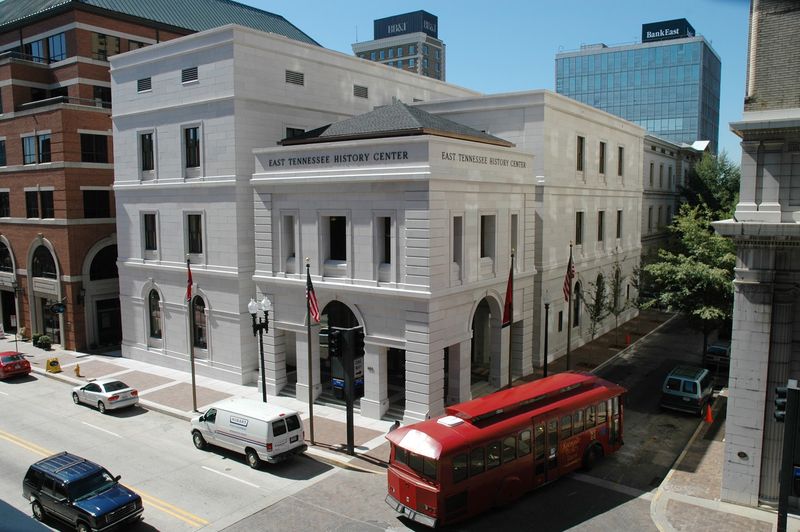
Gay Street cuts straight through the heart of downtown Knoxville, and it’s been doing that since the 1790s. This isn’t some quiet country lane—it’s an urban historic thoroughfare with serious credentials. Many buildings along Gay Street hold spots on the National Register of Historic Places, which tells you something about their significance.
The street showcases layers of Knoxville’s evolution. Early commercial buildings stand alongside structures from different decades, each one reflecting the architectural preferences of its time. Theaters with ornate facades, old storefronts with original details, and museums housed in historic structures all share the same blocks.
You can spend hours here just looking up at the buildings, noticing the craftsmanship that went into cornices, window frames, and doorways. Modern cities often sacrifice these details for efficiency, but Gay Street kept them.
The street never stopped being useful, which probably saved it. While other historic districts became ghost towns or tourist traps, Gay Street remained a functioning part of Knoxville’s downtown. Businesses moved in and out, but the bones of the street stayed intact.
Today, it blends history with contemporary city life. You’ll find restaurants, shops, and entertainment venues operating inside buildings that are older than most American cities. The juxtaposition works because nobody tried to freeze Gay Street in time—they just respected what was already there.
Walking Gay Street gives you a sense of Knoxville’s long memory. The city grew up around this street, and instead of erasing the old to make room for the new, it found ways to honor both.
4. Bluff View Avenue / East 2nd Street — Chattanooga
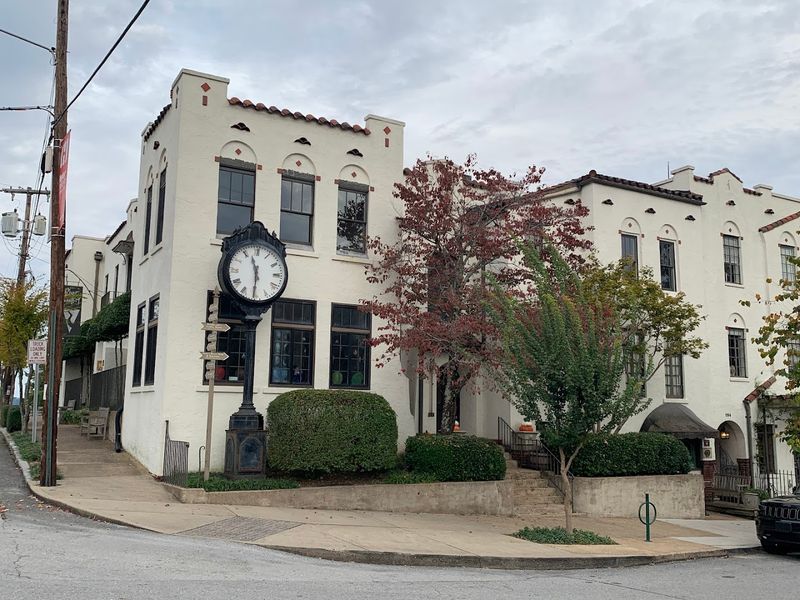
Chattanooga’s Bluff View Art District occupies about 1.5 city blocks, but it feels like a secret neighborhood tucked above the Tennessee River. The area mixes historic buildings with carefully tended gardens, art galleries, and sweeping views that remind you why people settled here in the first place.
Bluff View Avenue and East 2nd Street form the backbone of this district. The buildings here aren’t massive or grand in the typical sense—they’re human-scaled, approachable, and filled with character. Many date back over a century, and they’ve been adapted for modern use without losing their historic charm.
The location itself is part of the appeal. Standing on the bluff, you can see the Tennessee River winding below and the Walnut Street Bridge stretching across it. That bridge, by the way, is one of the longest pedestrian bridges in the world, and it’s historic in its own right.
The art focus gives Bluff View a different energy than typical historic districts. Instead of just preserving old buildings, the area fills them with galleries, studios, and creative spaces. Art and history layer together naturally here, each one enhancing the other.
The gardens deserve mention too. They’re not afterthoughts—they’re integral to the district’s identity. Walking paths wind between historic structures and green spaces, creating a village-like atmosphere that feels removed from the rest of downtown Chattanooga, even though it’s just minutes away.
5. State Street — Bristol
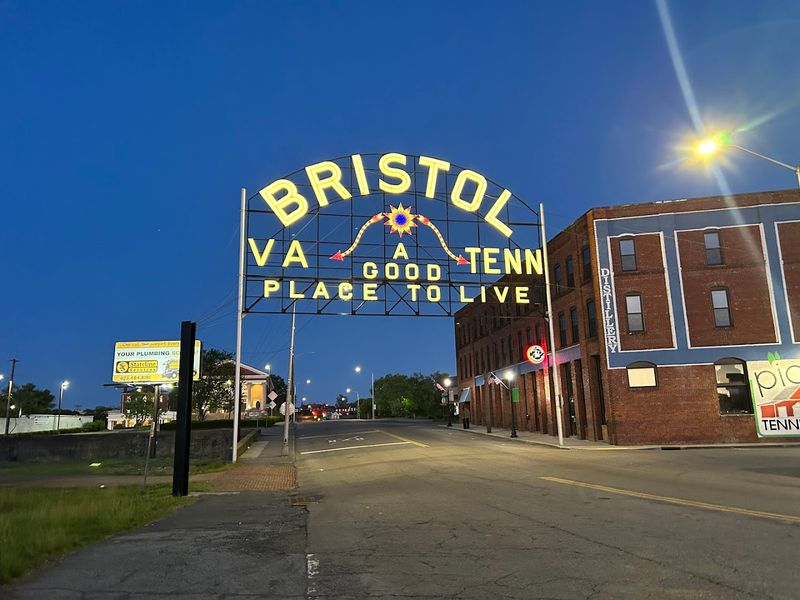
State Street does something no other street in Tennessee can claim—it literally straddles two states. The Tennessee-Virginia line runs right down the middle, making this one of America’s most unusual historic thoroughfares. You can stand with one foot in each state, which never gets old.
But the geography is just the beginning. Congress officially recognized Bristol as the Birthplace of Country Music, and State Street is ground zero for that legacy. The 1927 Bristol Sessions happened here, recording sessions that captured the Carter Family, Jimmie Rodgers, and other pioneers who shaped American music.
The historic downtown area still reflects that musical heritage. Buildings from that era remain standing, many with plaques and markers explaining their role in music history. The street doesn’t just tell you about the past—it shows you where it happened.
State Street’s architecture spans multiple decades, creating a visual timeline of Bristol’s growth. Victorian-era structures share blocks with early 20th-century commercial buildings. The mix works because everything stayed in use, adapting to new purposes while maintaining original character.
The bi-state nature creates interesting quirks. Different laws, different regulations, same street. Businesses on one side operate under Tennessee rules, while neighbors across the street follow Virginia’s.
It’s a practical lesson in federalism, played out daily on a historic downtown street.
Music remains central to State Street’s identity. Live performances happen regularly, honoring the street’s role in country music’s birth. The sound echoes off old buildings, creating connections between past and present that feel almost physical.
6. Lower Broadway — Nashville
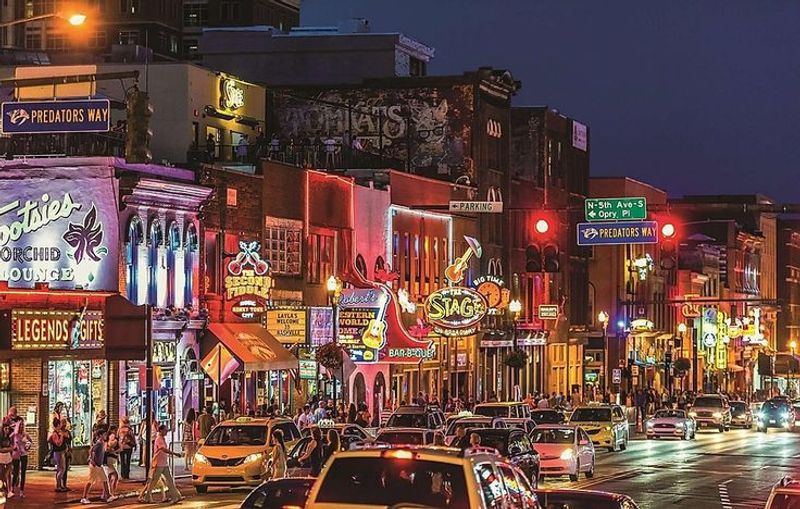
Lower Broadway is touristy now—there’s no point pretending otherwise. But underneath all the neon and noise sits one of Tennessee’s most historically significant music streets.
Live music plays here 365 days a year, a tradition that stretches back generations. The honky-tonks themselves occupy buildings with serious history. Tootsie’s Orchid Lounge, Robert’s Western World, Layla’s—these aren’t themed attractions built to look old. They’re actual historic venues that watched country music evolve from regional sound to global phenomenon.
The architecture tells part of the story. Victorian-era commercial buildings line both sides of Lower Broadway, their facades weathered by decades of Tennessee weather and Nashville ambition. Modern additions have crept in, but the historic bones remain visible if you look past the crowds.
Lower Broadway served as Nashville’s main commercial district long before it became a music destination. Merchants, traders, and early Nashville residents conducted business on these blocks. The street connected the river to the heart of downtown, making it essential to the city’s growth.
The music legacy transformed everything. As Nashville became Music City, Lower Broadway became its most visible stage. Aspiring musicians still come here hoping to get discovered, just like they did in the 1950s and 60s.
The dream hasn’t changed, even if the street has gotten louder and more crowded.
Yes, it’s commercial. Yes, it’s packed with tourists. But Lower Broadway earned its place on this list because the history isn’t manufactured—it’s real, lived, and still unfolding.
7. Main Street — Franklin
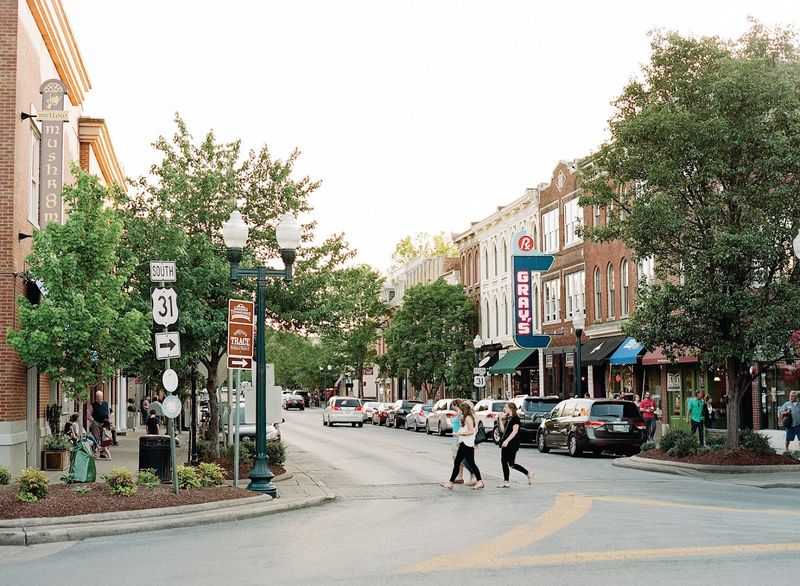
Franklin’s Main Street might be the most polished historic thoroughfare in Tennessee. The 16-block historic district showcases Victorian architecture that’s been meticulously maintained, creating a downtown that feels both authentic and refined. It’s picture-perfect without feeling fake, which is harder to achieve than it sounds.
The state tourism site highlights Franklin’s blend of architecture, shopping, and dining, and that combination defines the street’s character. Buildings from the 1800s house modern boutiques, antique shops, and restaurants. The contrast works because the preservation effort has been thoughtful—update the interiors, respect the exteriors.
Franklin takes its Civil War history seriously. The Battle of Franklin happened in 1864, and Main Street bears witness to that chapter. Several buildings show battle scars, and historic markers throughout the district explain what happened here.
The past isn’t just preserved—it’s integrated into daily life.
The shopping scene gives Main Street contemporary relevance. You won’t find chain stores dominating here. Instead, locally owned shops fill the historic buildings, creating a retail experience that feels connected to place.
Antique hunters particularly love Franklin, as the concentration of quality shops rivals anywhere in the South.
Architecture enthusiasts could spend days studying the details. Victorian-era craftsmanship shows in the cornices, columns, and window treatments. Each building tells its own story through design choices that reflect the tastes and ambitions of Franklin’s early residents.
Main Street manages to feel upscale without losing accessibility. Yes, it’s well-maintained and somewhat upscale, but it remains a functioning downtown rather than an exclusive enclave. People live in the surrounding neighborhoods, work in the district, and use Main Street the way it was intended—as the heart of their community.
8. Main Street — Columbia
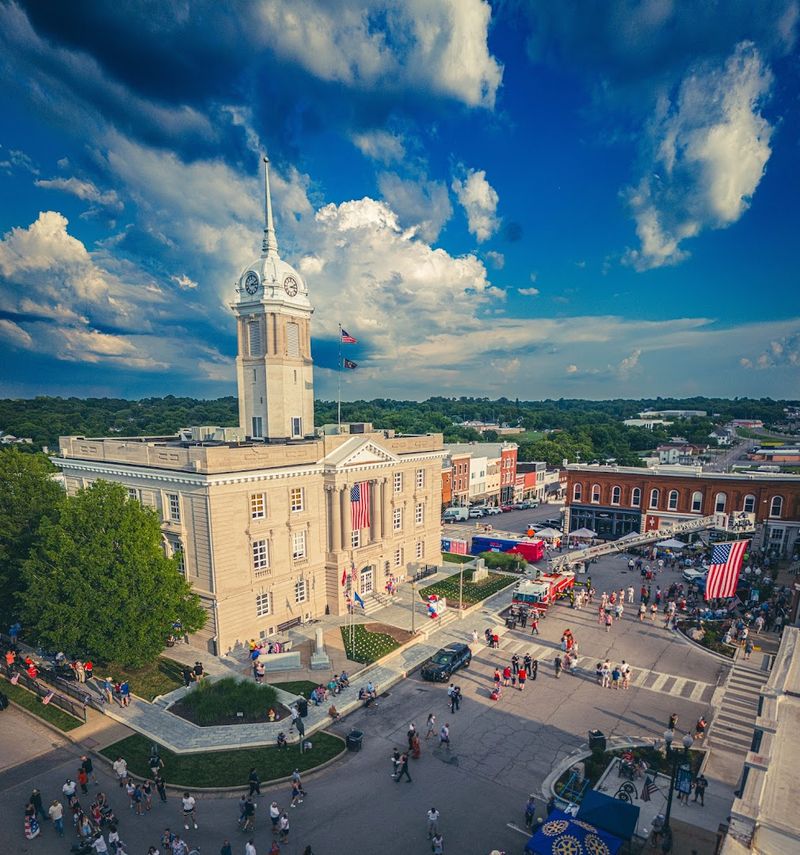
Columbia’s Main Street carries the kind of Southern small-town character that’s becoming harder to find. The street stretches through downtown, lined with buildings that reflect different eras of Columbia’s history. It’s not as polished as Franklin, not as busy as Nashville, but it holds its own particular charm.
The architecture here spans roughly a century, from late 1800s structures to early 20th-century additions. Many buildings retain original storefronts, the kind with large display windows and recessed entrances that were standard in American downtowns before suburban malls changed everything. Columbia kept these features intact.
Main Street serves as Columbia’s commercial and social center, a role it’s played since the town’s early days. Local businesses occupy most of the historic buildings, creating an authentic downtown economy rather than a tourist-dependent one. That distinction matters—it means Main Street functions for residents first.
The street has seen ups and downs, like most small-town main streets across America. Periods of neglect left some buildings empty or underutilized. But recent revitalization efforts have brought new life without erasing the old character.
Columbia’s location in Middle Tennessee, roughly halfway between Nashville and the Alabama border, gives it a distinct regional flavor. The town grew as an agricultural center, and Main Street reflects that heritage. These weren’t buildings designed to impress outsiders—they were built to serve farmers, merchants, and townsfolk going about their daily business.
Walking Main Street today, you get a sense of what Tennessee towns looked like before interstate highways redirected traffic and commerce. The scale is human, the pace is slower, and the buildings tell honest stories about the people who built them.
9. Railroad Square — Bell Buckle
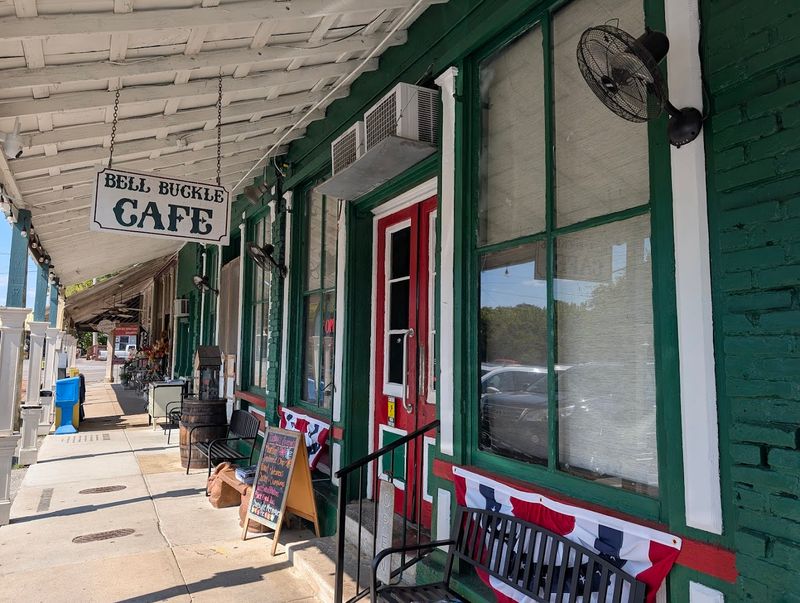
Bell Buckle brings Victorian railroad-era charm in concentrated form. The town was established in 1852, and Railroad Square remains its heart. This isn’t a sprawling historic district—it’s compact, walkable, and filled with the kind of details that make small Tennessee towns special.
The railroad connection is central to Bell Buckle’s identity. Like many Tennessee towns, Bell Buckle grew up around the tracks, serving as a stop for passengers and freight. Railroad Square reflects that heritage, with buildings positioned to serve travelers and locals alike. The scale is intimate, designed for an era when people arrived by train rather than car.
Today, Railroad Square functions as an antiques and crafts destination.
The town hosts events throughout the year that draw visitors from across Tennessee and beyond. The RC Cola and Moon Pie Festival is particularly beloved, celebrating two Southern staples with small-town enthusiasm. Railroad Square serves as the venue, proving that historic spaces can host contemporary traditions without losing their character.
Bell Buckle’s size works in its favor. With a population under 500, the town never faced pressure to modernize or expand in ways that would have erased its historic character. Railroad Square survived because Bell Buckle stayed small, preserving what larger towns often bulldozed.
The buildings themselves are modest but well-maintained. This was never a wealthy town, so the architecture reflects practical needs rather than grand ambitions. That honesty makes Railroad Square more relatable—it looks like a place where real people lived and worked, not a carefully curated museum display.
10. Main Street / Courthouse Square — Lynchburg
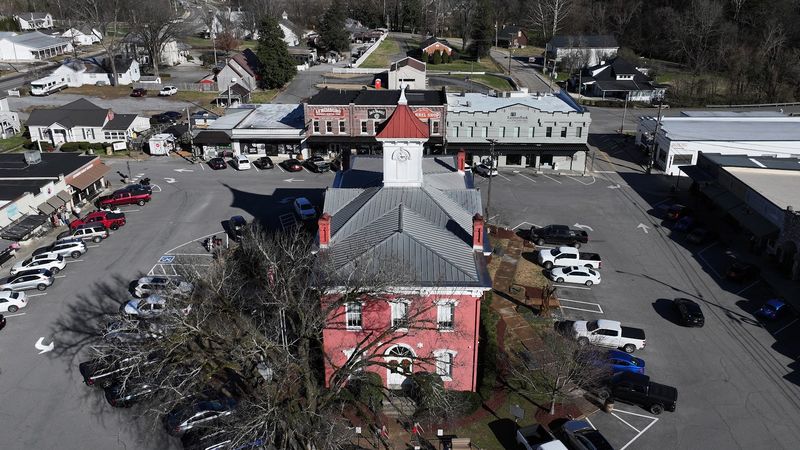
Lynchburg’s courthouse square feels suspended in another century, which makes sense given the town’s most famous resident. Jack Daniel’s Distillery, the oldest registered distillery in the United States, sits just outside the square. That heritage permeates everything, giving Lynchburg an identity that’s both historic and distinctly Tennessee.
The square itself centers on the Moore County Courthouse, a classic Southern courthouse that anchors the surrounding buildings. Old storefronts ring the square, many operating as shops, restaurants, and businesses connected to the distillery’s tourism draw. It’s commercialized, yes, but in a way that feels organic to the town’s character.
Lynchburg is tiny—population around 600—but the courthouse square punches above its weight in terms of historic atmosphere. The buildings date back to the 1800s, and the whole setup reflects small-town Tennessee before automobiles reshaped everything. The square was designed for people to gather, conduct business, and connect with neighbors.
Jack Daniel’s influence is impossible to ignore. The distillery brings thousands of visitors to Lynchburg every year, and many of them end up on the courthouse square. But the town has managed to accommodate tourism without completely surrendering to it.
The square still feels like a real place rather than a themed attraction.
The architecture is modest and functional, reflecting Lynchburg’s working-class roots. These weren’t buildings meant to impress—they were meant to last. The fact that they’re still standing and still in use testifies to their solid construction and the town’s commitment to preservation.
11. Franklin Street — Clarksville
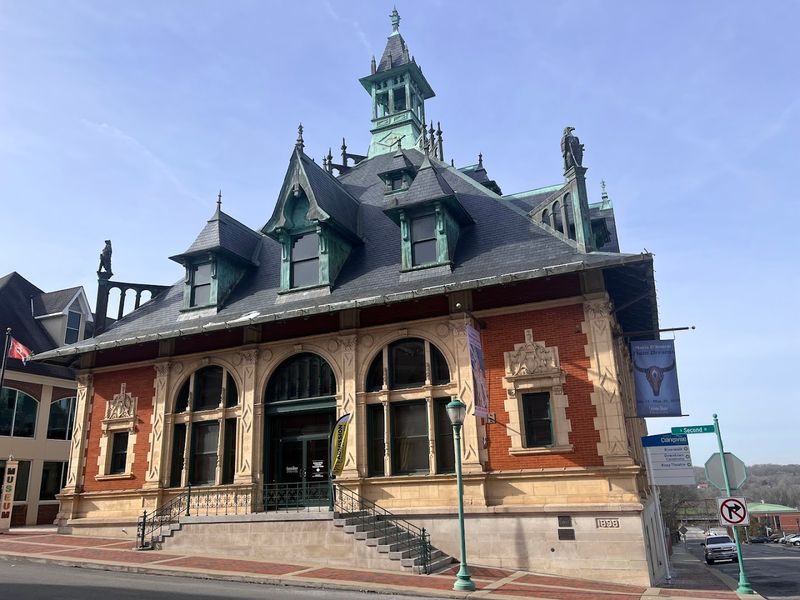
Franklin Street gives Clarksville its historic downtown identity. The area mixes restaurants, breweries, coffee shops, boutiques, galleries, public art, and entertainment venues, all housed in buildings with serious age and ornate architectural details.
Clarksville’s location near Fort Campbell has shaped its character for generations. The military presence brought people, money, and change, but Franklin Street managed to retain its historic fabric through decades of growth. The buildings reflect late 19th and early 20th-century styles, with the kind of decorative elements that modern construction rarely bothers with.
The ornate architecture is Franklin Street’s standout feature. Cast-iron columns, detailed cornices, arched windows, and brick facades create visual interest at every turn. These weren’t utilitarian structures—they were built to impress, reflecting Clarksville’s ambitions during its growth years.
Revitalization efforts have transformed Franklin Street from a struggling downtown into a genuine destination. Empty buildings found new life as breweries and restaurants. Galleries and boutiques moved into spaces that had sat vacant for years.
Public art added contemporary energy without overwhelming the historic character.
The street’s entertainment focus gives it nighttime vitality that many historic districts lack. Live music, brewery events, and restaurant crowds keep Franklin Street active after dark. It’s become Clarksville’s social hub, fulfilling the same role it played a century ago when downtown was the only show in town.
12. Downtown Square — Gallatin
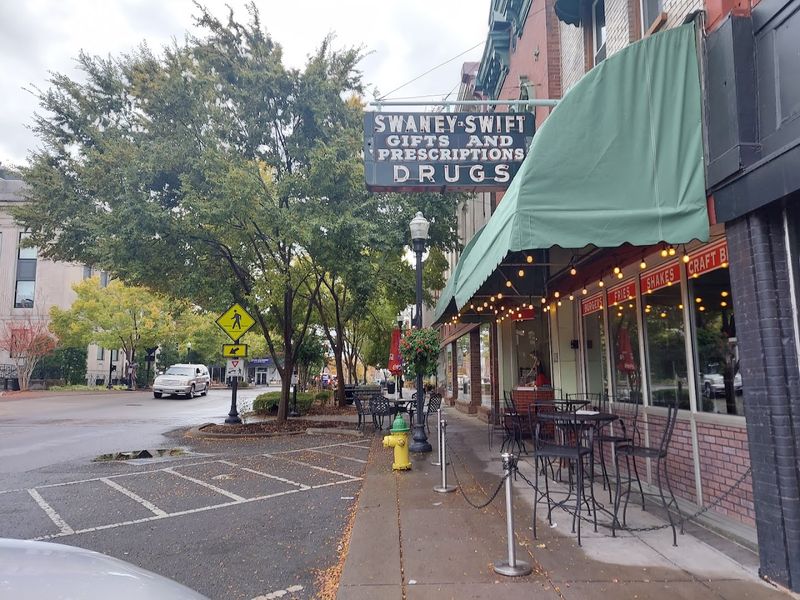
Gallatin’s downtown square dates back to 1802, making it one of Tennessee’s oldest continuously functioning town centers. The city describes Downtown Gallatin Square as a historic gathering place that’s evolved through two centuries while maintaining its essential character. That’s not easy to pull off, but Gallatin has managed it.
The square layout is classic early American town planning. A central courthouse or public building surrounded by commercial structures, all arranged to facilitate commerce and community interaction. Gallatin followed this template, and the basic design remains intact despite everything that’s changed around it.
Buildings ringing the square reflect different eras of Gallatin’s growth. Some date to the early 1800s, others to later decades. The architectural variety creates visual interest and tells the story of how the town expanded and adapted over time.
Each building is a chapter in Gallatin’s ongoing narrative.
Today, the square functions as Gallatin’s downtown hub. Shops, restaurants, and local businesses occupy the historic buildings, creating an active commercial district that serves residents and visitors alike. The square hosts events throughout the year, from farmers markets to festivals, maintaining its role as a community gathering place.
Gallatin’s proximity to Nashville—just 30 miles northeast—could have turned the square into a bedroom community afterthought. Instead, the city invested in preservation and revitalization, ensuring downtown remained relevant. The square’s historic character became an asset rather than a liability.
Walking the square, you’re tracing paths that Gallatin residents have followed for over 200 years. The buildings have changed hands countless times, served countless purposes, and witnessed countless lives. Yet the essential layout and character endure, connecting present-day Gallatin to its founding generation.
13. Beale Street — Memphis
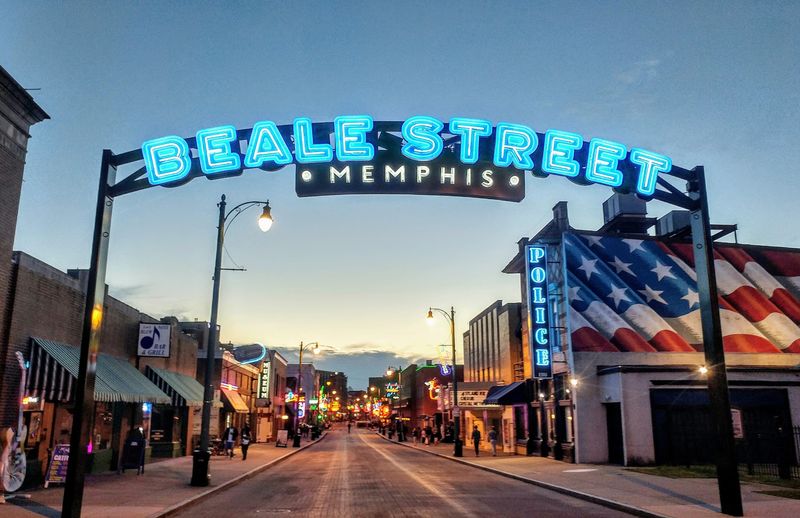
Beale Street is West Tennessee’s most legendary historic thoroughfare, period. The street dates back to 1841, and by the late 19th and early 20th centuries, it had become a major hub for Black culture, businesses, and music.
Blues music was born here, or at least raised here. W.C. Handy, the Father of the Blues, made Beale Street his base.
B.B. King got his start here. Countless musicians passed through, played the clubs, and absorbed the sound that would influence rock, soul, R&B, and every genre that came after.
Beale Street’s musical legacy is unmatched.
The street’s role as a Black cultural center makes it historically vital beyond music. During segregation, Beale Street was one of the few places where Black businesses could thrive and Black culture could flourish openly. Churches, theaters, shops, and restaurants created a self-sustaining community that defied the limitations imposed elsewhere.
That history deserves recognition and respect.
Today’s Beale Street is touristy and commercial, dominated by bars, clubs, and souvenir shops. The neon signs and crowds can feel overwhelming. But underneath the modern tourism layer, the bones of historic Beale remain visible.
Buildings from the street’s golden era still stand, many restored and repurposed but recognizable.
Live music still defines Beale Street. Every night, blues pours out of clubs and onto the sidewalk. The tradition continues, even if the audience has changed.
Musicians still come to Beale hoping to make it, carrying on a tradition that’s over a century old.
Beale Street isn’t what it was in 1920 or even 1960. But it remains a living connection to Memphis’s musical soul and Black cultural heritage. The street has survived urban decay, revitalization, and commercialization.
Through it all, Beale Street has remained Beale Street—loud, proud, and historically essential to understanding Tennessee and American music.
Share this story