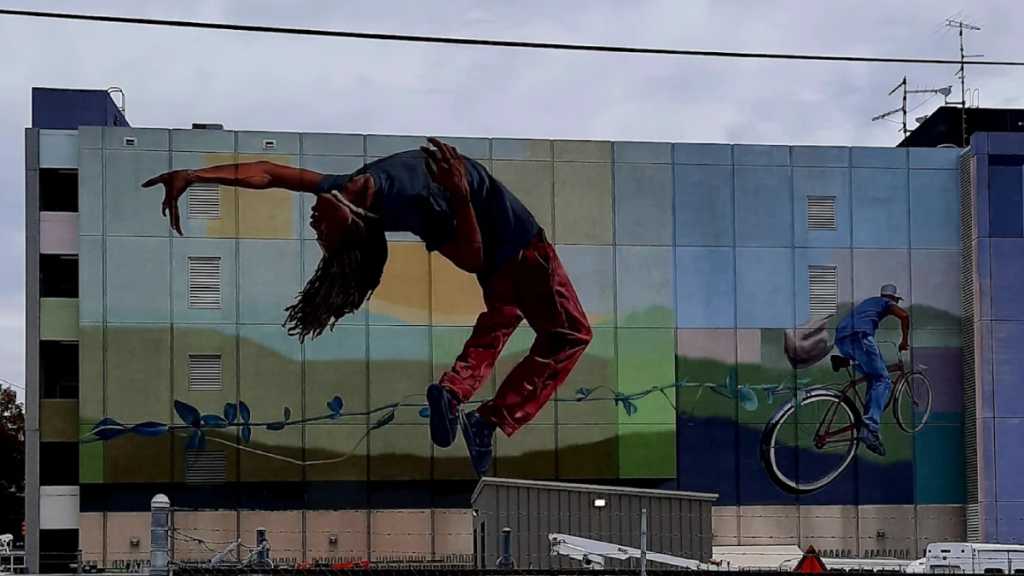
Tennessee walls are telling stories that stretch three stories high and span entire city blocks. From Memphis to the Smoky Mountain foothills, artists have transformed bland brick into bold statements that capture local pride, history, and creativity.
These murals have become landmarks in their own right, drawing visitors who want that perfect photo and locals who feel a swell of hometown pride every time they pass by.
1. What Lifts You Wings Mural — Nashville
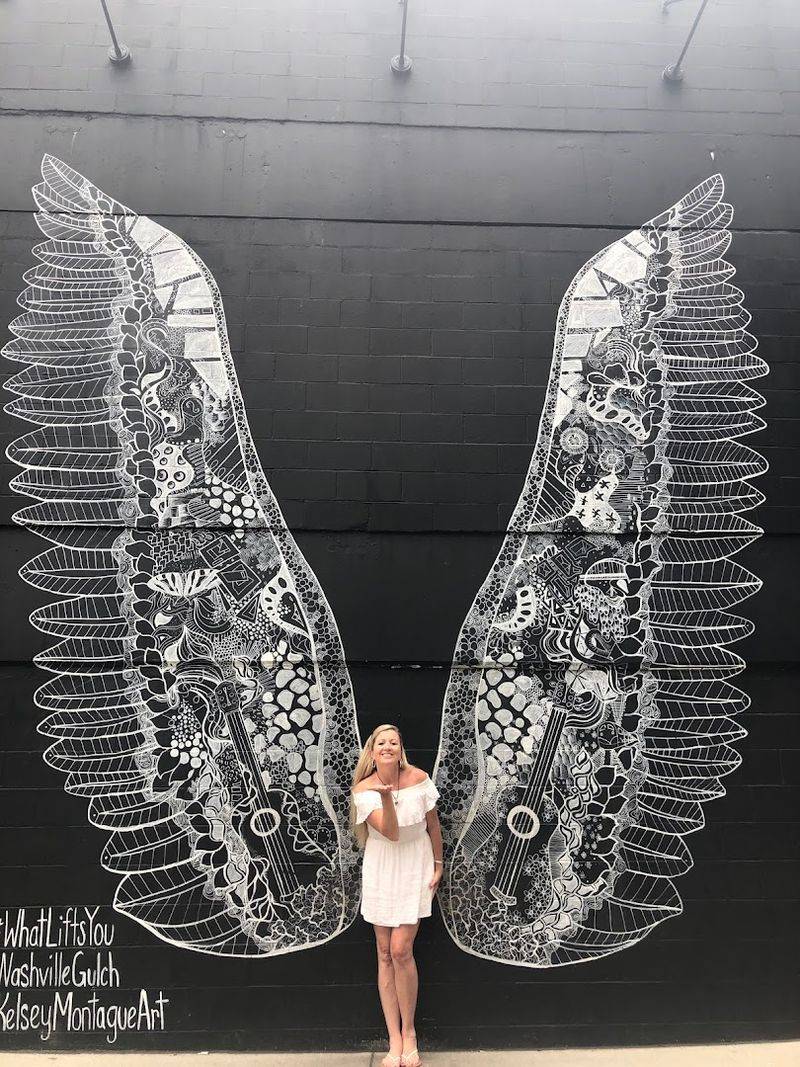
Kelsey Montague created something magical when she painted these oversized wings on Nashville’s 12 South neighborhood wall. The interactive design invites everyone to step up, spread their arms, and become part of the artwork itself.
The mural sits along one of Nashville’s trendiest walking districts, surrounded by boutiques and cafes that draw crowds daily. What makes this piece special isn’t just its visual appeal but how it democratizes art—anyone can be the subject. Families, couples, solo travelers, and locals all take their turn becoming temporary winged creatures.
Montague designed the piece to spark joy and encourage people to think about what gives them wings metaphorically. Some visitors contemplate dreams and aspirations while posing. Others simply enjoy the whimsy of pretending to fly for a moment.
The wings have been repainted and refreshed over time to maintain their brilliance against Tennessee weather. Despite countless photos taken daily, the mural never seems to lose its appeal. Each person brings their own interpretation and energy to the artwork, making every photo unique despite the same backdrop.
2. I Believe in Nashville Mural — Nashville
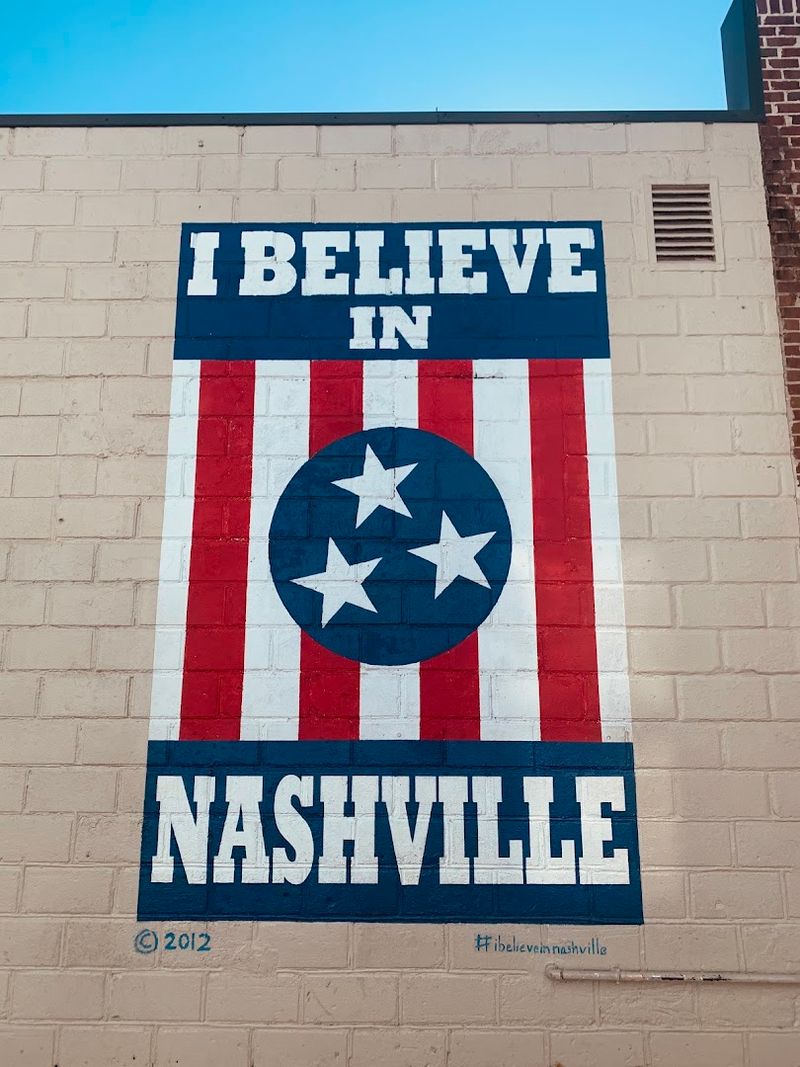
Sometimes the simplest statements carry the most weight. This bold declaration appeared in Nashville’s Gulch neighborhood and immediately resonated with residents who’ve watched their city transform over decades. The oversized lettering makes an unmistakable statement about civic pride and community identity that feels both personal and universal.
Artist Adrien Saporiti created this piece during a period of rapid growth and change in Nashville. The mural became a rallying point for locals who wanted to celebrate their city’s evolution while maintaining its unique character.
The location in the Gulch places it among some of Nashville’s most photographed streets, surrounded by restaurants, bars, and music venues. The mural has become shorthand for Nashville itself in social media posts and travel blogs. Its message transcends simple boosterism—it represents genuine affection for a place and community.
3. Dolly Parton Mural / Strong Alley — Knoxville
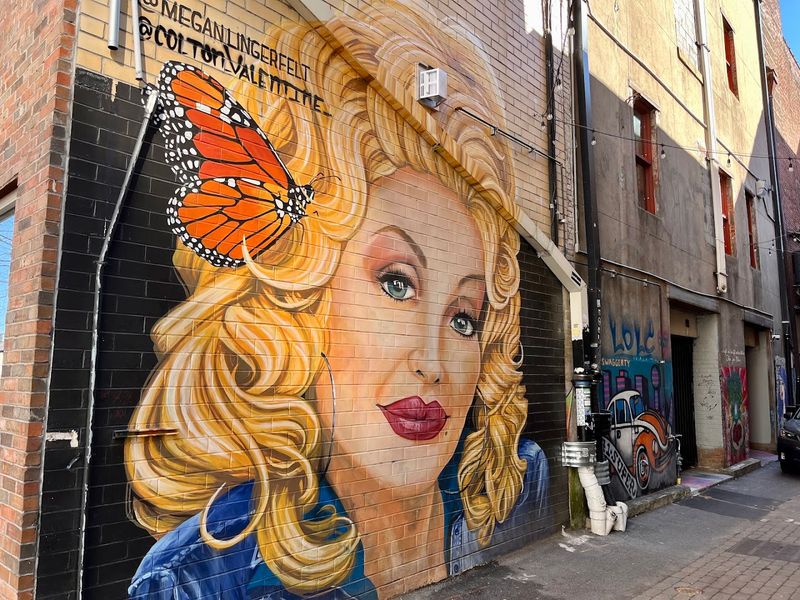
Knoxville honors its most famous daughter with a vibrant portrait that captures Dolly’s signature style and infectious smile. The mural in Strong Alley has become a pilgrimage site for fans who want to pay tribute to the Queen of Country herself. Artist Kim Radford painted Dolly with her characteristic big hair, bright smile, and that unmistakable sparkle that defines her public persona.
Strong Alley has transformed from a forgotten downtown passage into a destination specifically because of this artwork. The mural doesn’t just depict Dolly—it channels her spirit of generosity, optimism, and East Tennessee pride. Visitors often leave flowers, notes, and small tokens of appreciation at the mural’s base.
The artwork captures Dolly in her prime, radiating the confidence and warmth that made her an international icon. Her connection to the Smoky Mountains and East Tennessee runs deep, making Knoxville a fitting location for this tribute.
4. I Love Memphis Mural — Memphis
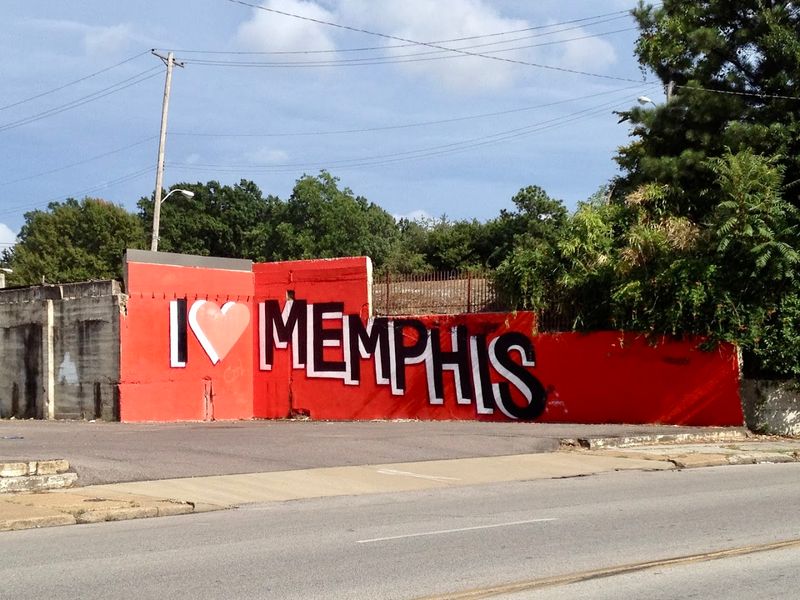
Memphis wears its heart on its sleeve—or rather, on a prominent downtown wall where this declaration of affection has become the city’s unofficial welcome sign.
The piece sits in a high-traffic area where locals and visitors naturally congregate. Unlike some murals that fade into the urban landscape, this one demands attention with its size and confident proclamation.
Memphis has earned its place in American cultural history through music, civil rights activism, and distinctive Southern character. This mural encapsulates that pride in three simple words.
The mural has required periodic maintenance to combat weather and the occasional graffiti tag, but the community rallies to keep it pristine. Local artists and volunteers view protecting this piece as protecting Memphis’s image and reputation. Standing before these oversized letters, visitors understand they’ve arrived somewhere that takes pride in itself seriously.
5. Mural Alley Chattanooga — Chattanooga
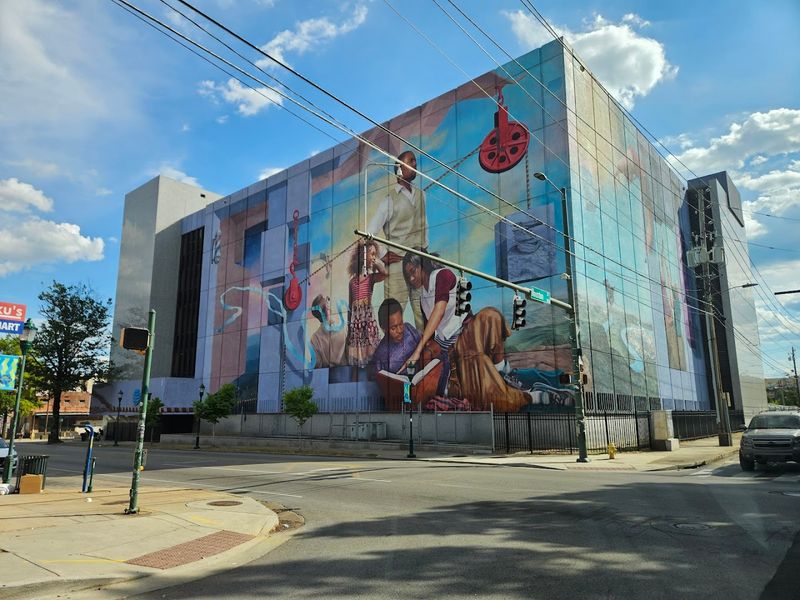
Chattanooga transformed an entire alleyway into an ever-changing outdoor gallery that showcases local and visiting artists. Rather than a single mural, this space features multiple works that create an immersive art experience. Wandering through feels like flipping through a street art magazine where every surface tells a different story.
The alley’s rotating nature means return visitors often discover new pieces replacing older works. This approach keeps the space fresh and gives emerging artists opportunities to showcase their talents publicly. Some murals last months, others years, depending on community response and the artists’ intentions.
Business owners initially worried that dedicating alley space to art might attract unwanted activity. Instead, the opposite occurred—the murals drew foot traffic, reduced unauthorized tagging, and created a destination that benefits surrounding establishments.
Chattanooga’s commitment to maintaining and expanding this art space demonstrates how cities can activate underutilized areas through creativity. The alley proves that art investment pays dividends in community pride, tourism appeal, and urban vitality.
6. Gibson Mural at Gibson City Hall — Gibson
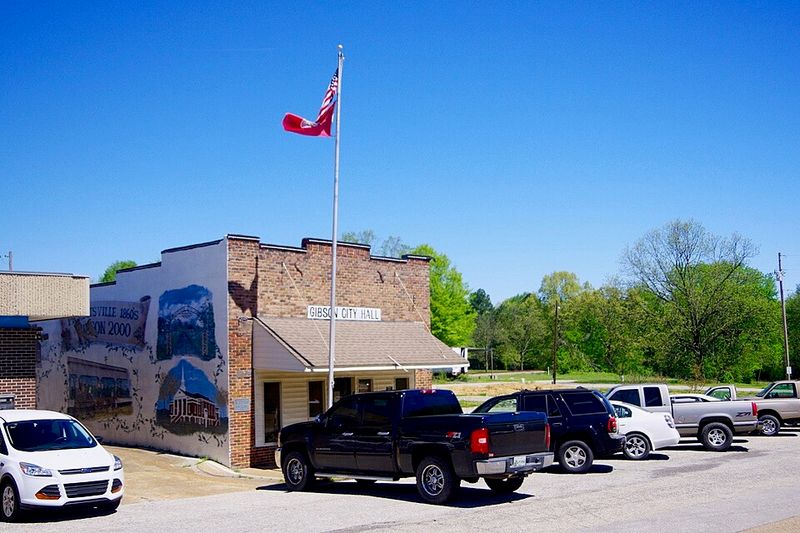
Small-town Tennessee proves that you don’t need a major metropolis to create impactful public art. Gibson’s City Hall mural celebrates local history, agriculture, and community values that define rural West Tennessee life. The artwork serves as both decoration and education, depicting scenes and symbols meaningful to longtime residents.
Artists worked with community members to determine what imagery should represent Gibson on such a prominent public building. The collaborative process ensured the final product reflected genuine local identity rather than an outsider’s interpretation. Farmers, teachers, business owners, and students all contributed ideas that shaped the mural’s content.
The piece includes agricultural imagery that honors Gibson’s farming heritage and economic foundation. Tractors, crops, and rural landscapes share space with more abstract elements representing community connection and small-town values. Visitors passing through Gibson often stop to photograph the mural, surprised to find such sophisticated artwork in a modest-sized town.
City Hall’s central location means residents encounter the mural regularly during their daily routines. This constant visibility reinforces community identity and pride in ways that hidden artwork cannot achieve. School groups visit to learn about local history through the mural’s imagery.
7. Last Train to Clarksville Mural — Clarksville
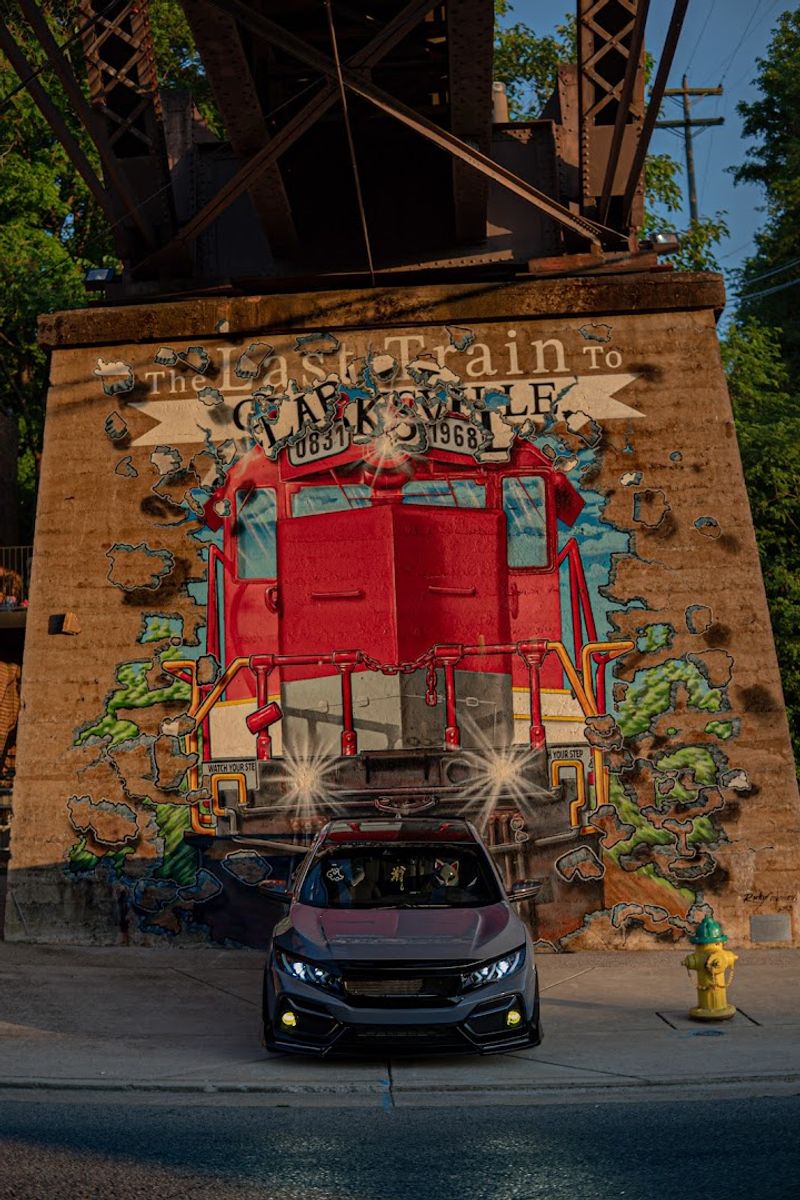
Clarksville embraces its unexpected connection to pop culture history with a mural celebrating The Monkees’ 1966 hit song. While the band never actually visited Clarksville when writing the tune, the city has claimed this piece of musical heritage with pride. The mural depicts vintage train imagery combined with musical elements that capture 1960s nostalgia.
Downtown Clarksville benefits from the mural’s tourist appeal, as Monkees fans and music history enthusiasts make pilgrimages to see this tribute. Local businesses have leaned into the theme, with some playing the song regularly and offering Monkees-related merchandise. The mural has become Clarksville’s most photographed landmark outside of Fort Campbell.
Artists incorporated train imagery that references both the song’s lyrics and Clarksville’s actual railroad history. The dual meaning adds depth beyond a simple pop culture reference. Bright colors and bold graphics make the mural visible from blocks away, drawing curious visitors closer for a better look.
The song’s enduring popularity means new generations discover Clarksville through this musical connection. Young people who’ve never heard of The Monkees learn about 1960s pop music through the mural. Older visitors experience waves of nostalgia, remembering when the song first topped charts.
Clarksville’s willingness to embrace this quirky claim to fame demonstrates the power of leaning into unexpected cultural connections. The mural proves that sometimes the best stories come from happy accidents rather than deliberate planning.
8. Wings Of Wander Mural — Sevierville
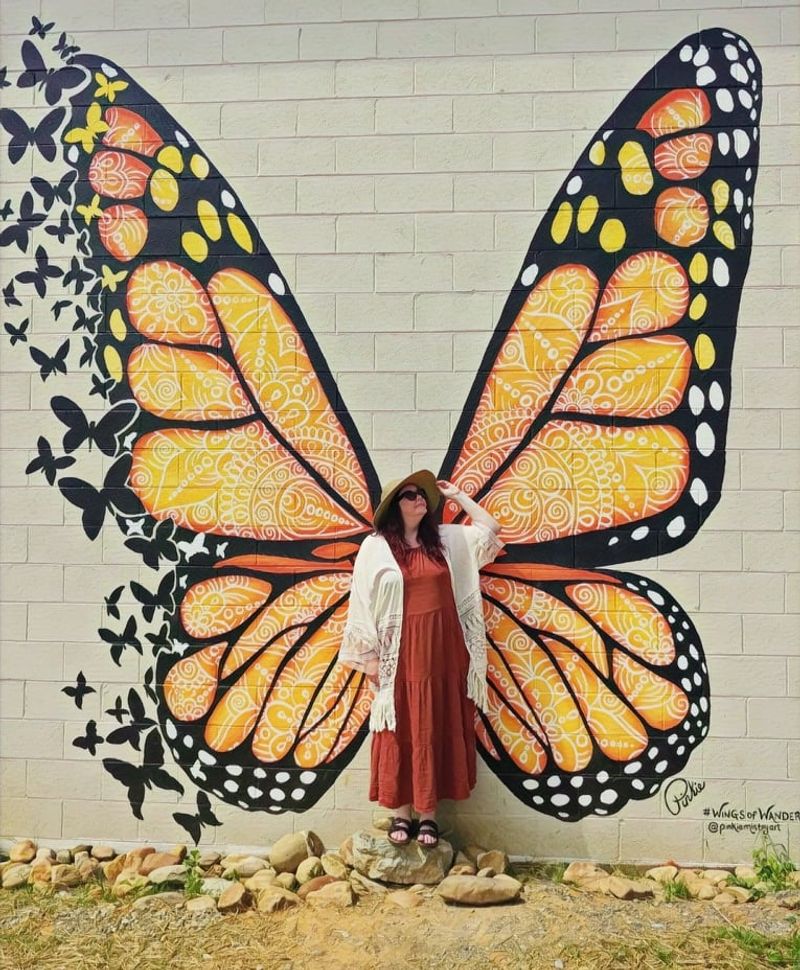
Gateway cities to the Smoky Mountains understand the importance of creating memorable photo opportunities for the millions of annual visitors passing through. Sevierville’s Wings of Wander mural taps into the travel and adventure spirit that brings people to East Tennessee. The design features elaborate, colorful wings that invite interaction and photography.
Located strategically along routes leading to Pigeon Forge and Gatlinburg, the mural catches tourists during their mountain vacation journeys. Families pile out of cars to snap photos before continuing to their cabin rentals or theme park destinations. The wings have become an unofficial welcome marker signaling arrival in Smoky Mountain country.
The mural’s name cleverly plays on wanderlust themes that resonate with travelers. Wings symbolize freedom, adventure, and the transformative power of travel—exactly what visitors hope to experience in the mountains.
Sevierville’s commitment to public art helps distinguish it from neighboring tourist towns competing for attention. The Wings of Wander proves that thoughtful art placement can enhance visitor experience while celebrating the wandering spirit that brings people to the Tennessee mountains.
9. Lantern Light Mural — Tracy City
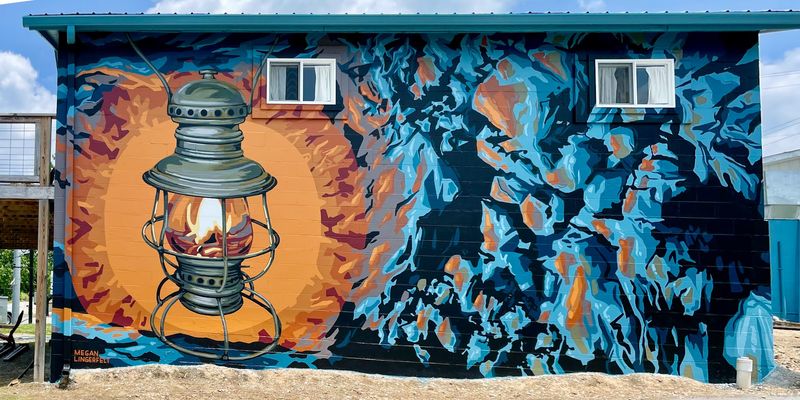
Tracy City’s mining heritage comes to life through a mural depicting the lanterns that once lit underground coal passages. This small Cumberland Plateau community honors the miners who built the town’s foundation through dangerous, difficult work. The artwork serves as both a memorial and a history lesson for younger generations who never experienced mining culture firsthand.
The lantern imagery carries powerful symbolism beyond its literal mining connection. Light in darkness represents hope, guidance, and human perseverance—themes that resonate universally. Artists rendered the lanterns with careful attention to historical accuracy, consulting old photographs and mining equipment to ensure authentic representation.
Tracy City’s population has declined since mining’s heyday, but the mural reminds remaining residents of their town’s significant industrial past. Visitors exploring the Plateau’s natural beauty often stumble upon Tracy City and discover this unexpected artistic gem. The contrast between the quiet modern town and its robust industrial history creates a poignant reflection.
Local schools use the mural as a teaching tool when covering regional history and economic development. Students learn how single industries shaped entire communities and what happens when those industries disappear. The artwork prompts important conversations about economic transition and community identity.
Tracy City’s investment in this mural demonstrates that even small, economically challenged towns can use art to honor their past while working toward their future. The Lantern Light stands as testimony that some stories deserve permanent telling regardless of town size or current prosperity.
10. Waves of Lace Mural — Lawrenceburg
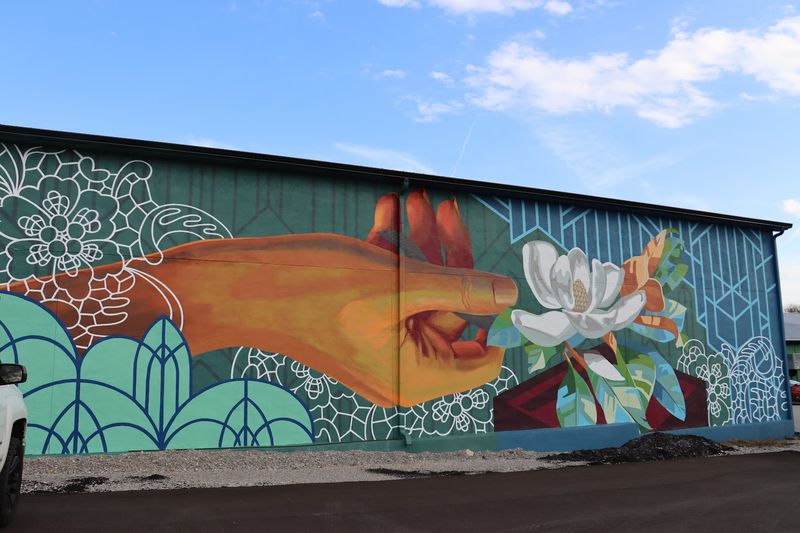
Lawrenceburg celebrates its textile manufacturing heritage with an elegant mural featuring flowing lace patterns that seem to ripple across the wall. The design honors the factory workers, predominantly women, who created intricate fabrics that shipped worldwide. Delicate patterns contrast beautifully against rough brick, creating visual tension that makes the artwork memorable.
Artists researched actual lace patterns produced in Lawrenceburg factories to ensure historical authenticity. The resulting mural functions as both art and historical documentation of local industry. Older residents remember working in or knowing people employed by the textile mills, making the mural personally meaningful rather than abstractly decorative.
The feminine aesthetic brings softness to downtown Lawrenceburg’s industrial architecture.
Lawrenceburg’s choice to honor textile work through public art acknowledges industries often overlooked in historical narratives. Manufacturing work, especially that performed by women, rarely receives artistic commemoration despite its economic importance. This mural corrects that oversight beautifully.
The Waves of Lace demonstrates how communities can use art to preserve industrial heritage as factories close and economic landscapes shift. Physical buildings may disappear, but murals ensure that the work, workers, and industries that built towns remain visible. Lawrenceburg’s commitment to this piece shows respect for its past while embracing contemporary artistic expression.
11. The Walls Art Park — Waverly
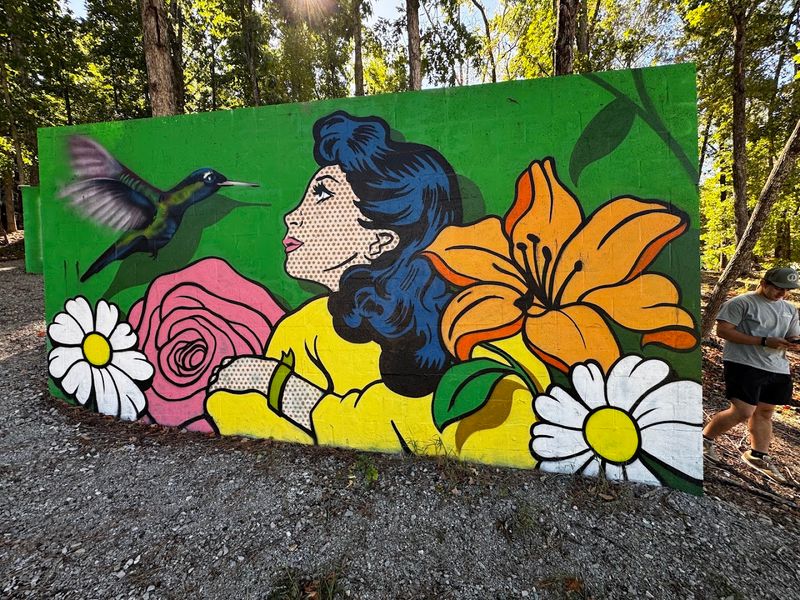
Waverly took the concept of a single mural and expanded it into an entire outdoor art park featuring multiple installations. The space transforms what could have been forgotten industrial structures into a celebration of creativity and community expression. Local and regional artists contributed pieces that range from abstract designs to representational imagery, celebrating Humphreys County culture.
The park concept allows for artistic diversity, impossible with a single mural. Visitors experience multiple styles, techniques, and messages as they walk through the space. Some pieces provoke thought, others simply delight the eye, and a few invite physical interaction through their design.
Waverly’s downtown benefits from foot traffic generated by the art park. Visitors who come specifically for the murals often discover local shops, restaurants, and businesses they might otherwise have missed. The economic impact of public art becomes tangible when vacant storefronts fill and new businesses open nearby.
Community events and festivals now use the art park as a gathering space, adding functionality beyond visual appeal. Musicians perform against mural backdrops, food vendors set up among the artwork, and children play in a space that stimulates creativity. The park has become Waverly’s living room—a place where residents naturally congregate.
The Walls Art Park proves that ambitious public art projects can succeed in small Tennessee towns with vision and community support. Waverly’s investment demonstrates confidence in art’s power to transform spaces, strengthen community bonds, and attract positive attention to places often overlooked.
12. Honey Bee Haven Mural — Sweetwater
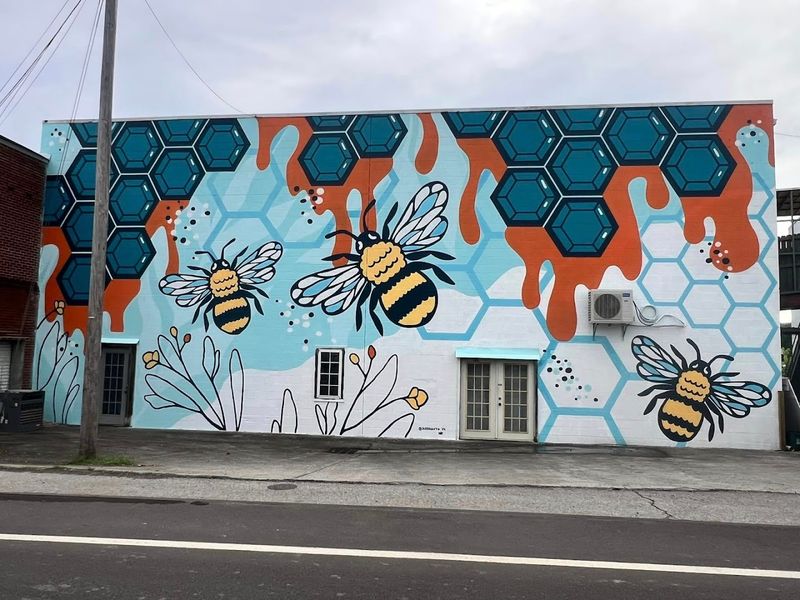
Sweetwater lives up to its name with a charming mural celebrating honey bees and the vital role these pollinators play in agriculture and ecosystems. The artwork features oversized bees, flowers, and honeycomb patterns rendered in warm golds, bright florals, and natural greens.
The mural serves educational purposes beyond aesthetics, raising awareness about pollinator conservation and environmental stewardship. Local schools coordinate field trips to view the mural while learning about bee biology and agricultural importance. Teachers appreciate having a visual anchor for lessons about ecology and food production.
Sweetwater’s agricultural community connects deeply with the bee theme, given their dependence on pollination for crop success. Farmers and gardeners understand that healthy bee populations directly impact their livelihoods. The mural honors this relationship between human agriculture and natural pollination processes.
Artists incorporated scientifically accurate bee anatomy and behavior into the design while maintaining playful appeal. The balance between education and entertainment makes the mural accessible to all ages.
The Honey Bee Haven demonstrates how public art can champion environmental causes while beautifying communities. Sweetwater’s choice to celebrate these small but crucial creatures shows thoughtfulness about what messages deserve prominent public display. The mural reminds daily passersby about nature’s interconnected systems and humanity’s role within them.
13. Visit Monroe County Mural — Madisonville
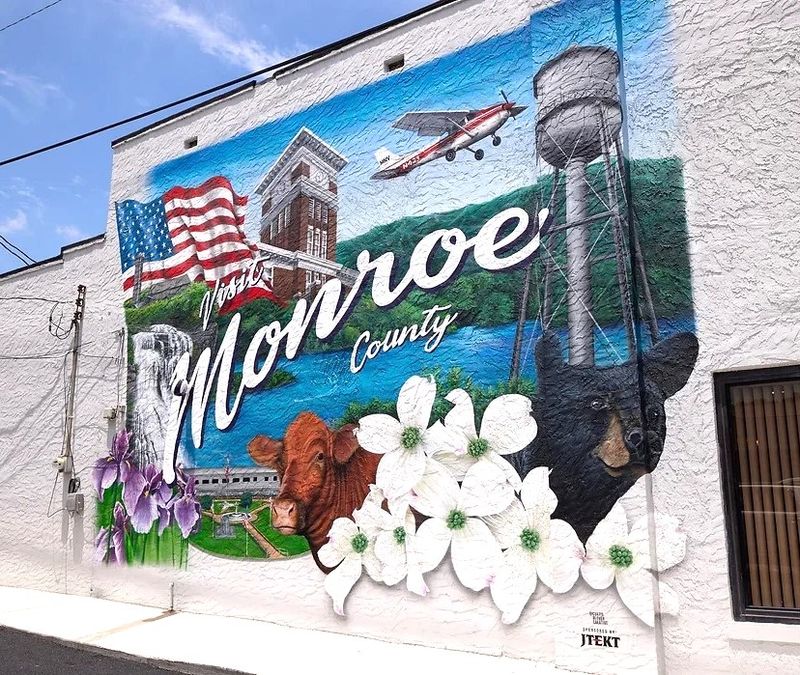
Madisonville welcomes visitors with a mural that functions as both art and a tourism advertisement, showcasing Monroe County’s natural beauty and attractions. The piece incorporates recognizable local landmarks, scenic vistas, and outdoor recreation opportunities that define the region. Artists created a cohesive composition that feels like a love letter to the county rather than a simple promotional poster.
The mural’s location in downtown Madisonville places it where travelers naturally pass through while exploring the area. Visitors often photograph the mural as a memento of their Monroe County visit. The artwork serves as a visual checklist of places to explore, inspiring longer stays and return visits.
Local residents take pride in seeing their county’s best features celebrated publicly through art. The mural validates what residents already know—that Monroe County offers beauty and experiences worth sharing. Community members frequently bring out-of-town guests to see the mural as part of showing off their hometown.
Monroe County’s investment in this promotional mural demonstrates smart thinking about how public art can serve multiple purposes simultaneously. The piece beautifies downtown Madisonville, promotes tourism, and strengthens community identity—proving that well-conceived public art delivers returns beyond aesthetics alone.
Share this story