Some lakes are pretty, and then there is one in southern Oregon that makes people pull over, stop talking, and stare for a long time. It sits inside the collapsed top of an old volcano, and its water reaches down 1,943 feet, deeper than any other lake in the United States. Plenty of travelers never planned to see it and changed their whole road trip once they heard about it.
Keep reading to learn how it formed, where the best views are, what it costs to get in, and why snow can still show up in summer.
A Volcano’s Blue Bowl in Southern Oregon
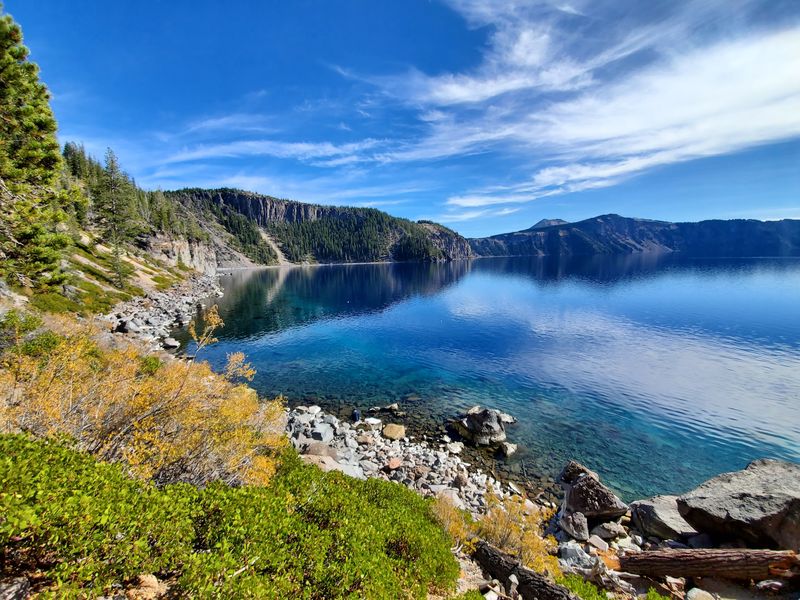
Oregon’s most famous body of water does not sit in a valley or along a river. Crater Lake fills the hollow of an old volcano in southern Oregon, and its mailing location is listed simply as Oregon 97604, in the United States.
The lake is the centerpiece of Crater Lake National Park. Everything here, from the cliffs to the trails, wraps around that single bowl of water.
Its claim to fame is depth. At 1,943 feet, it is the deepest lake in the country, a fact that pops up again and again among people who make the trip.
The other claim to fame is color. The water is known for a blue so strong that many guests struggle to describe it, and the clear surface often reflects clouds overhead.
People have given the lake a 4.8 star average across more than 2,400 opinions, which says a lot for a place that takes some effort to reach. It is a bit out of the way, yet travelers keep calling it worth every mile.
For Oregonians, it is a familiar landmark that still manages to surprise. For out-of-state guests, it is often the stop they talk about most once they get home.
The Mountain That Fell In
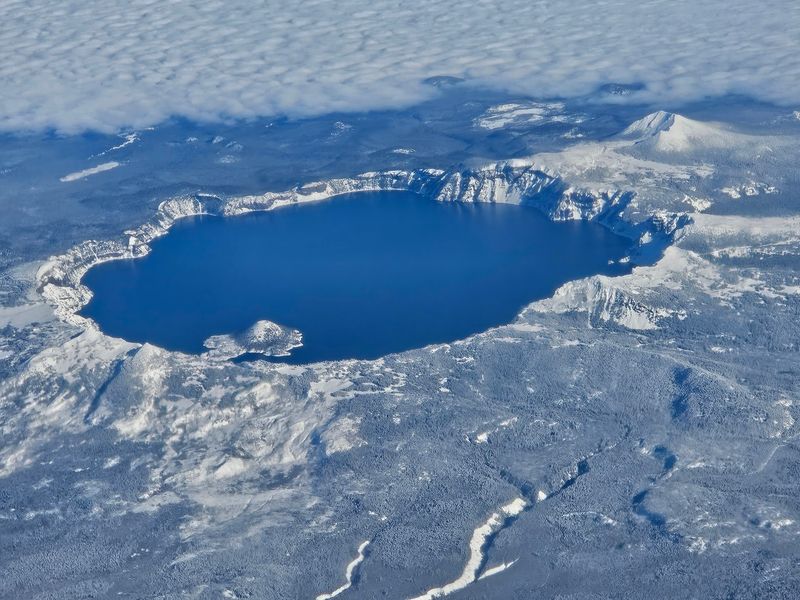
About 7,700 years ago, a volcano called Mount Mazama stood where the lake is now. Then it collapsed in on itself, leaving a huge bowl behind.
Over time, that bowl filled with water. The result is the lake seen today, ringed by dramatic cliffs that show off the old volcano’s bones.
That history explains a lot about the scenery. The steep walls, the rocky formations, and even the island in the middle all trace back to volcanic activity.
Geology fans tend to find plenty to study here. Educational signs at overlooks help explain what happened, so nobody needs a science degree to follow along.
A stop at the historic lodge is another good way to learn the backstory. Guests often suggest taking a few minutes there to read up on the area’s past before heading out to the viewpoints.
Knowing the story changes how the lake looks. It stops being just a pretty view and becomes the leftover crater of a mountain that once towered over the region.
Rim Drive and Its Lineup of Overlooks
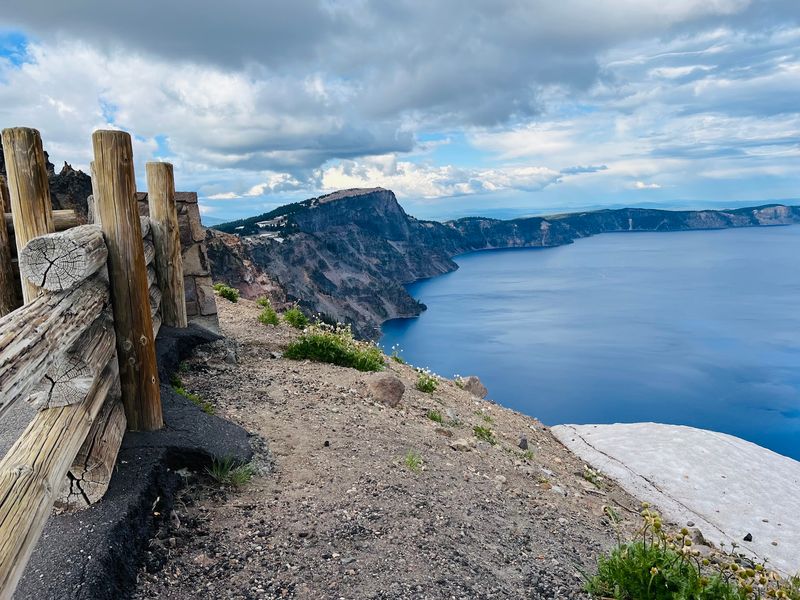
Hiking boots are optional here. The road that circles the lake, called Rim Drive, offers some of the best views in the entire park.
Pull-offs line the route, and each one shows the lake from a new angle. Wizard Island shifts position, the cliffs change shape, and the scenery keeps rearranging itself as the drive continues.
Many travelers in cars and RVs say the drive alone is enough to make the trip worthwhile. That makes it a strong option for anyone who does not plan to hike much.
Parking at the stops is usually manageable. Even on busy afternoons, guests have found open spaces, and weekday trips tend to feel calmer.
The visitor center area also delivers lovely views, though some of the standouts come from overlooks farther along the road. It pays to stop more than once.
Bring a camera and some patience. With so many photo spots and quiet corners, a loop around the rim can easily fill a whole afternoon.
Wizard Island, the Lake’s Little Cone
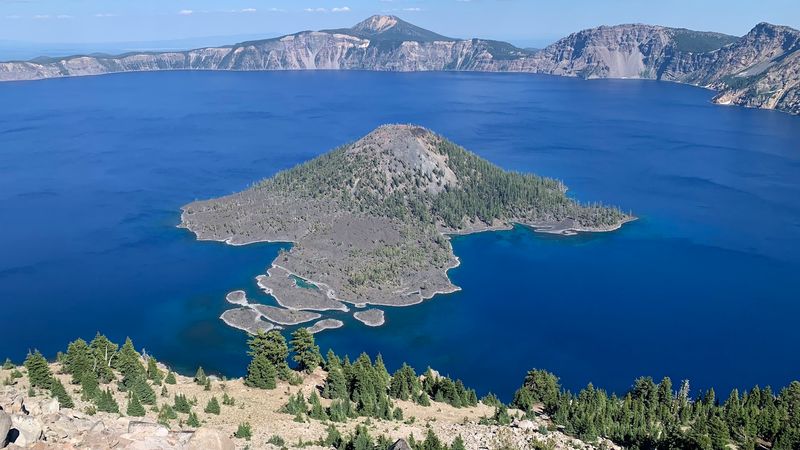
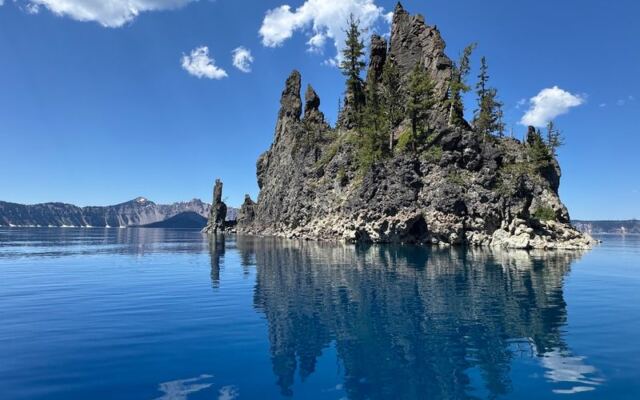
Every great lake needs a star, and this one has a small volcanic island stealing the show. Wizard Island rises from the water near the western side, shaped like a cone.
From the rim, it gives the lake a sense of scale. Without it, the vast blue surface might be hard to measure by eye.
Wizard Island appears in many of the most popular photos of the park. Each overlook frames it differently, so it rarely looks the same twice.
Boat tours have historically been a way to get closer to the water and the island. However, the trail down to the lakeshore has been closed for construction, and boat rides and shoreline access were off limits during that work.
Plans can change from season to season, so checking current park updates before a trip is smart. Those hoping for a boat ride should confirm it is running.
Even from above, the island earns its spot on the must-see list. It is the kind of landmark that turns a nice view into a memorable one.
Trails for Every Kind of Hiker
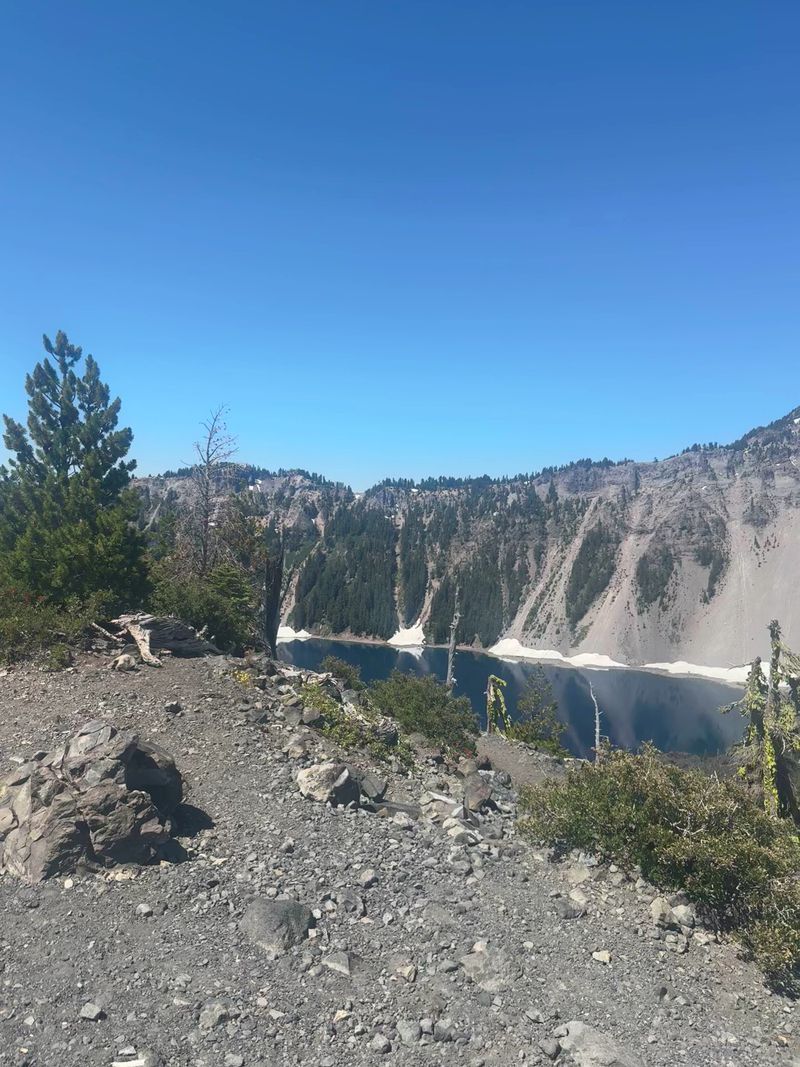
Hiking comes up constantly when people talk about this park, and for good reason. The trail network suits beginners, families, and seasoned hikers alike.
Garfield Peak is a favorite climb. It rewards the effort with a wide view over the lake, and late afternoon is a popular time to head up.
Other trails lead to waterfalls, interesting rock formations, and wildflower areas. Even with the shoreline trail closed, a long list of routes remained open.
Short walks to viewpoints are easy for most people. Those who prefer not to hike at all can still enjoy plenty from the overlooks.
Families with small children have found the park manageable, with clear signs and clean restrooms helping things go smoothly. Some parents plan return trips once the kids are older and ready for longer trails.
Trail conditions depend heavily on the season. Snow can linger well into the year, so checking which routes are open before lacing up is a wise move.
The Pinnacles Detour
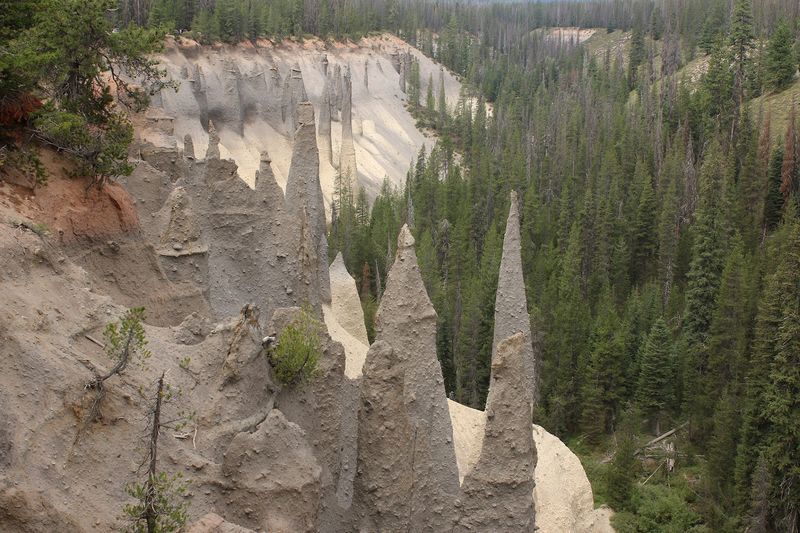
Not every highlight in the park involves the lake. A short detour leads to the Pinnacles, a group of unusual volcanic spires that look nothing like the rest of the scenery.
These formations add variety to a day spent mostly at the rim. Guests who make the side trip often say it was well worth the extra time.
The spires are another reminder of the area’s volcanic past. They stand as tall, narrow columns, giving photographers something completely different to shoot.
Between the lake, Wizard Island, Rim Drive, and the Pinnacles, the park offers more than a single viewpoint. It rewards people who explore beyond the first parking lot.
Time is the main thing to plan for. Adding the Pinnacles to a visit means budgeting extra driving, so an early start helps fit everything in.
For anyone who thinks the park is just one big lake, this stop makes a strong case otherwise.
Snow in May, Flowers in June
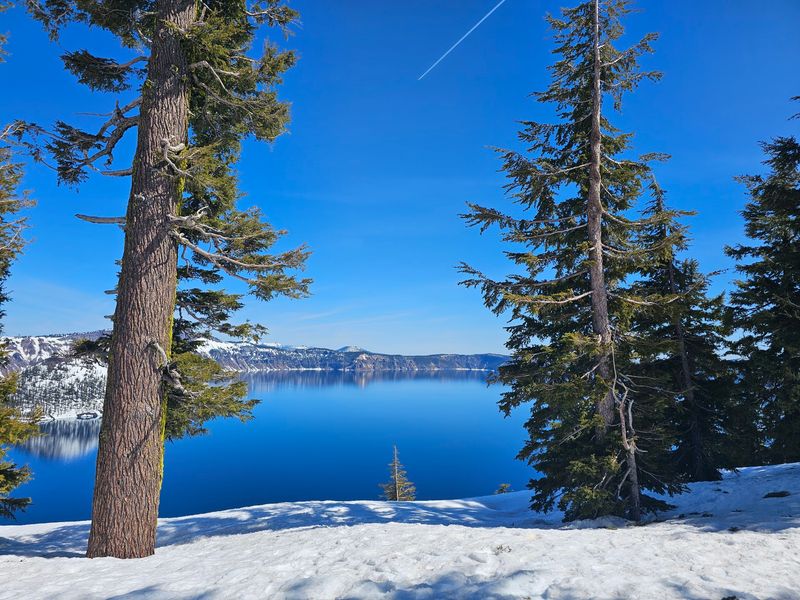
Packing for this park can be tricky. Snow is one of the most talked-about topics among people who visit, and it shows up much later than many expect.
Travelers have found snow coverage in April and even in May. One late June weekend brought fresh snow while wildflowers were blooming at the same time.
Summer can be pleasant, though. Early July temperatures in the high 70s have been reported, which makes for comfortable hiking weather.
The water itself is fresh but can get very cold when the day is not warm and sunny. Layers are a smart choice for almost any trip.
Wildfire smoke has also affected some past seasons, including 2020 and 2021, when the lake was hard to see. Checking conditions before leaving home can save a long drive.
Even in mixed weather, the colors of the lake often stay impressive. A cloudy day does not have to ruin the trip.
Deer, Chipmunks, and Friendly Faces
The lake may get the spotlight, but the local wildlife often steals a few scenes. Deer wander near viewpoints, and chipmunks and birds are common around the rim.
Many families count these sightings among the best parts of the day. Kids especially tend to remember the animals as much as the water.
Park guidance generally encourages people to let wild animals stay wild. Keeping snacks to yourself helps protect the creatures that call the park home.
The human side of the park gets plenty of praise too. Entrance staff have been described as friendly, and fellow hikers are often happy to snap a group photo.
Facilities include a gift shop, a restaurant, and the lodge. Gift shop prices are typical for a park, not cheap but not extreme, with some lower-cost options.
Some outhouses are basic, so expectations should match a mountain setting. Overall, the atmosphere stays relaxed and welcoming.
Fees, Timing, and a Fair Verdict
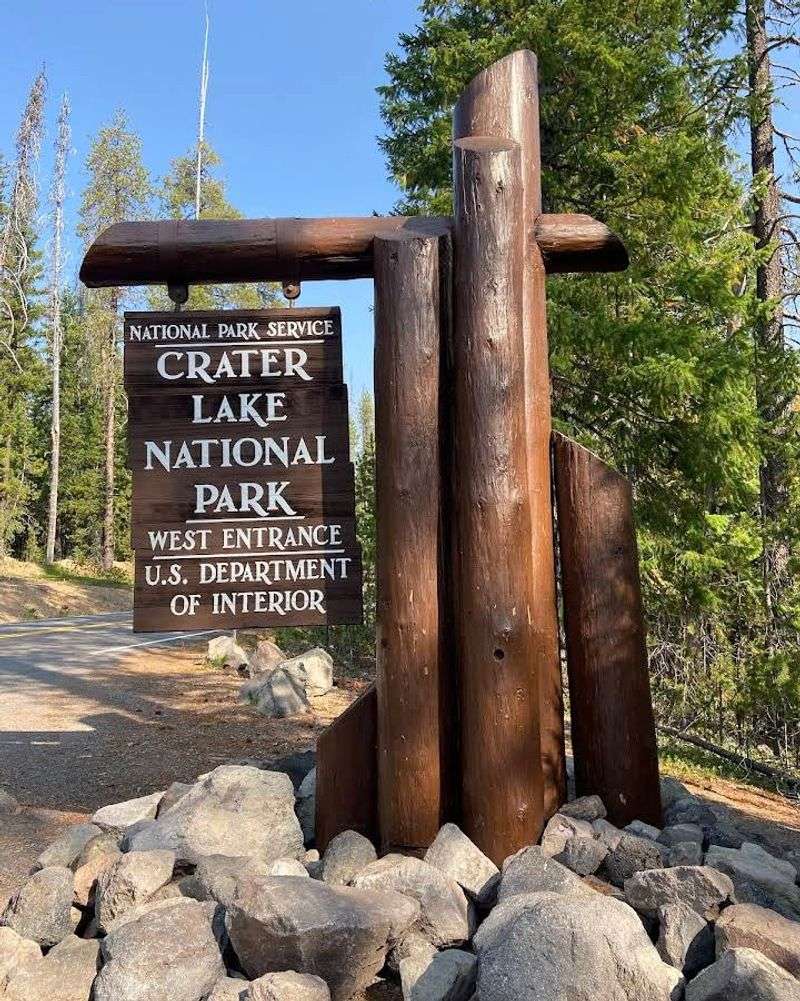
Here is the practical part. Entering the park has cost $30 per vehicle, and that pass covers seven days.
For Oregon families watching their budgets, that weeklong pass is a solid deal. It allows multiple trips around the rim without paying again.
Parts of the park may close for maintenance in certain years. Looking up current conditions before leaving is the best way to avoid surprises at the gate.
Weekdays tend to feel less crowded, though busy afternoons still usually have parking. Weather, snow, and smoke can all affect plans.
So is it worth it? Travelers who rearranged entire road trips to fit it in say they are glad they did.
Crater Lake is a familiar Oregon treasure that keeps earning its place on bucket lists. With water this deep and this blue, one visit often turns into a plan for the next.
Share this story