Most folks think Texas is all about wide-open plains and dusty deserts, but the state hides some truly stunning lakes that tell a completely different story. From moss-draped cypress swamps that look like something out of Louisiana to crystal-clear waters tucked into Hill Country canyons, these hidden gems reveal Texas in ways that might surprise you. Whether you’re chasing monster bass, looking for a quiet spot to paddle, or just want to see landscapes that don’t match the Texas stereotype, these lakes deliver something special.
1. Possum Kingdom Lake (Graford)
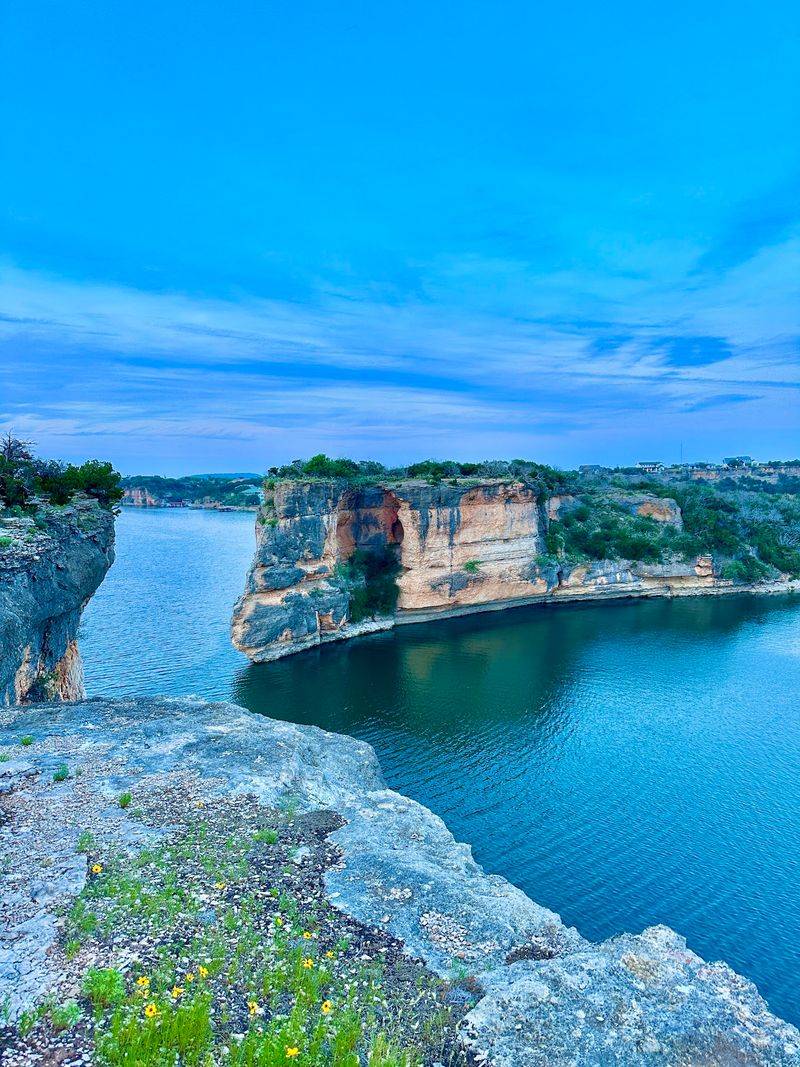
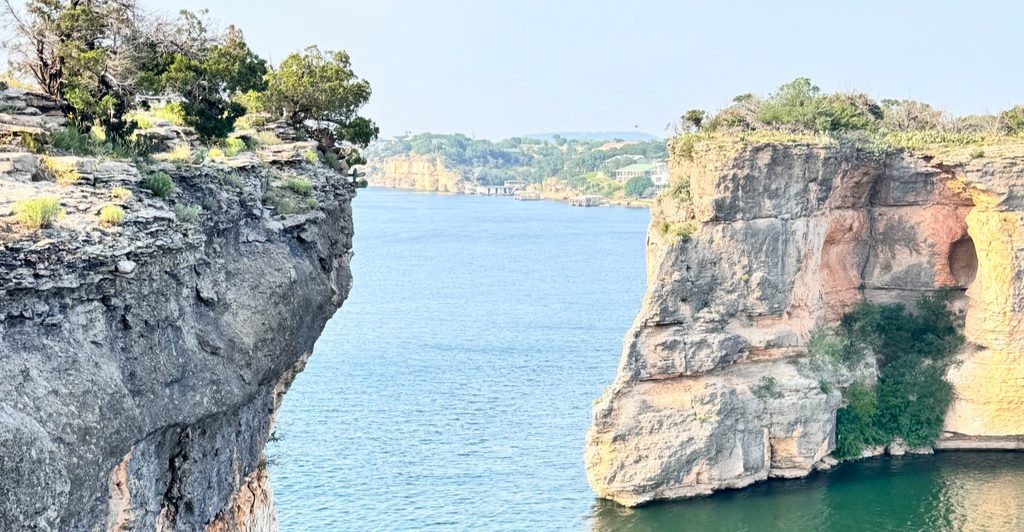
Dramatic cliffs rise straight out of the water here, creating a landscape that feels more like the Southwest than central Texas. The rock formations along the shore glow orange and red at sunset, making this one of the most photogenic spots in the state. Locals call it PK, and once you visit, you’ll understand why people keep coming back year after year.
The lake sits about 100 miles west of Fort Worth, carved into the Brazos River valley with over 300 miles of shoreline to explore. Hell’s Gate is the most famous landmark, a narrow passage between towering cliffs that boaters love to cruise through. The rock walls create sheltered coves perfect for swimming and cliff jumping, though you’ll want to check depths before taking the plunge.
Fishing here runs strong, especially for striped bass and catfish that thrive in the deep, clear water. Summer brings crowds of boaters and jet skiers, but spring and fall offer quieter times to enjoy the scenery. Rentals are available at several marinas if you don’t have your own boat.
The surrounding area stays pretty rugged and undeveloped compared to other Texas lakes, giving it a wild, remote feel even though it’s not that far from major cities. Several state parks and private campgrounds dot the shoreline, offering everything from primitive sites to full hookups. If you’re looking for a lake that combines dramatic geology with excellent recreation, this spot delivers without the overhyped tourist scene you’ll find at more famous destinations.
2. Caddo Lake (Karnack)
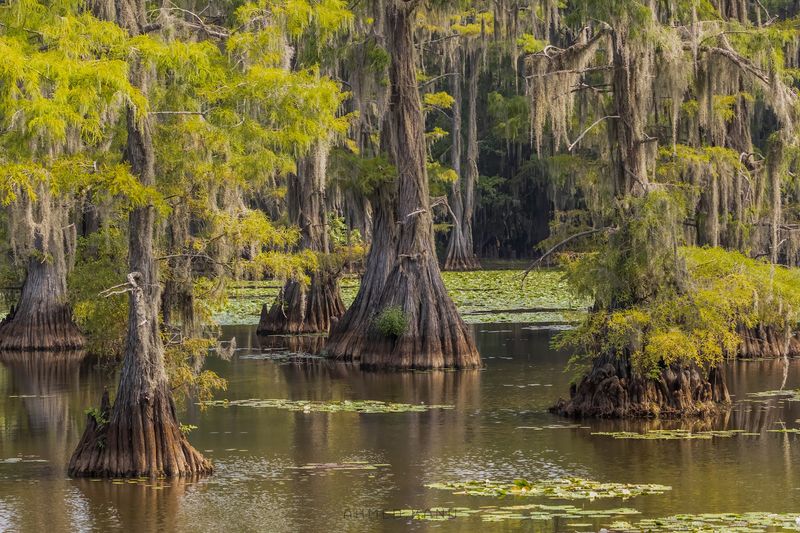
Spanish moss drapes from ancient bald cypress trees that rise straight out of dark, mysterious water, creating an atmosphere that feels more Deep South than Lone Star State. This is the only natural lake in Texas, formed by a massive logjam on the Red River centuries ago. Paddling through the maze of channels and sloughs feels like stepping into another world entirely.
The lake straddles the Texas-Louisiana border in the far northeastern corner of the state, about 170 miles east of Dallas. Over 25,000 acres of water wind through a cypress forest so thick that it’s easy to get turned around without a map or guide. The ecosystem here supports alligators, egrets, herons, and more than 70 species of fish.
Kayaking and canoeing are the best ways to experience this place, letting you slip quietly through narrow passages between massive tree trunks. Several outfitters in the area offer rentals and guided tours if you’re worried about navigation. The fishing is excellent too, particularly for crappie and largemouth bass that hide in the submerged timber.
Fall brings incredible colors when the cypress needles turn rusty orange before dropping, and winter reveals the stark beauty of the bare trees reflected in still water. Spring floods can raise water levels significantly, changing the landscape and opening new routes through the forest. This isn’t your typical Texas lake experience with speedboats and beach parties, it’s quieter, stranger, and absolutely worth the drive to the state’s far edge.
3. Lake Amistad (Del Rio)
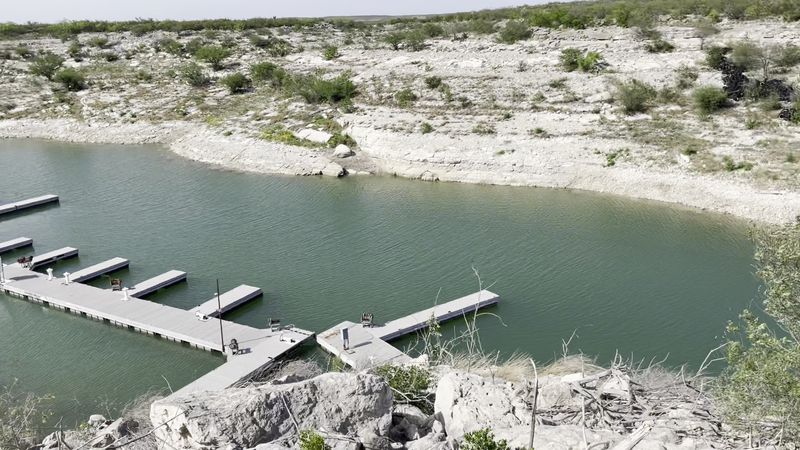
Turquoise water stretches for miles where the Devils River, Pecos River, and Rio Grande converge at the Texas-Mexico border. The name means friendship in Spanish, reflecting the international cooperation that created this massive reservoir in 1969. With over 64,000 acres of surface area, this ranks among the biggest lakes in Texas, yet it stays surprisingly uncrowded most of the year.
The desert landscape surrounding the water creates a stark, beautiful contrast that you won’t find at lakes farther east. Ancient rock art decorates canyon walls in several locations, left behind by indigenous peoples thousands of years ago. Some of these pictographs are accessible by boat, making for an incredible combination of recreation and history.
Bass fishing here has legendary status, with both largemouth and smallmouth thriving in the clear water along rocky points and drop-offs. Catfish grow huge in these depths, and the stripers put up serious fights that test even experienced anglers. The water stays warm enough for swimming and water sports from April through October.
Diablo East, a particularly scenic area on the Texas side, offers camping and boat ramps with stunning views across the water toward Mexico. The lake level can fluctuate significantly depending on rainfall and water releases, so it’s worth checking conditions before planning a trip. Houseboating is popular here, giving you the freedom to explore remote coves and camp on the water.
The combination of desert scenery, international flavor, and excellent fishing makes this one of the most unique lake experiences in Texas.
4. Inks Lake (Burnet)
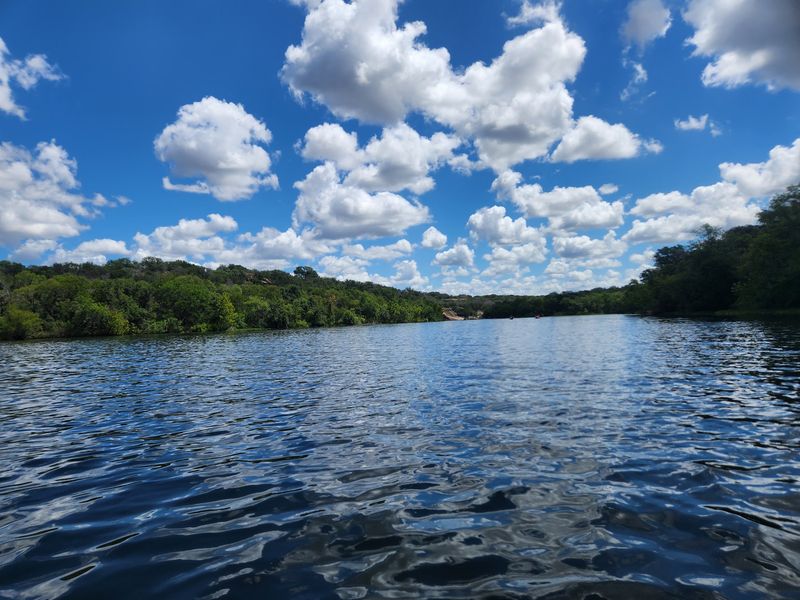
Pink granite boulders tumble down to the water’s edge, creating a landscape that looks almost otherworldly in the right light. Unlike most Texas reservoirs, this one maintains a constant level year-round, making it reliable for any season. The Highland Lakes chain includes several reservoirs, but this one stands out for its unique geology and family-friendly atmosphere.
Located in the Hill Country about 50 miles northwest of Austin, the lake covers roughly 800 acres with nine miles of shoreline. Devil’s Waterhole is the most popular swimming spot, where you can jump off granite ledges into deep, clear water. The state park here offers excellent facilities including cabins, campsites, and a well-maintained boat ramp.
Fishing tends toward white bass, catfish, and largemouth bass, though it’s not primarily known as a fishing destination. The real draw is the scenery and the swimming, especially on hot summer days when the constant water level means you can always access your favorite spots. Kayaking and paddleboarding work well here since the lake stays relatively calm compared to larger reservoirs.
The pink granite formations create natural pools and channels that are fun to explore on foot during lower water times. Several hiking trails wind through the surrounding park, offering views down to the lake from higher elevations. Spring wildflowers, particularly bluebonnets, blanket the hills around the lake in March and April.
Because the water level doesn’t drop like other lakes, docks and beaches remain usable throughout the year, making this a consistent choice when other reservoirs are struggling with drought conditions.
5. Lake Texoma (Denison)
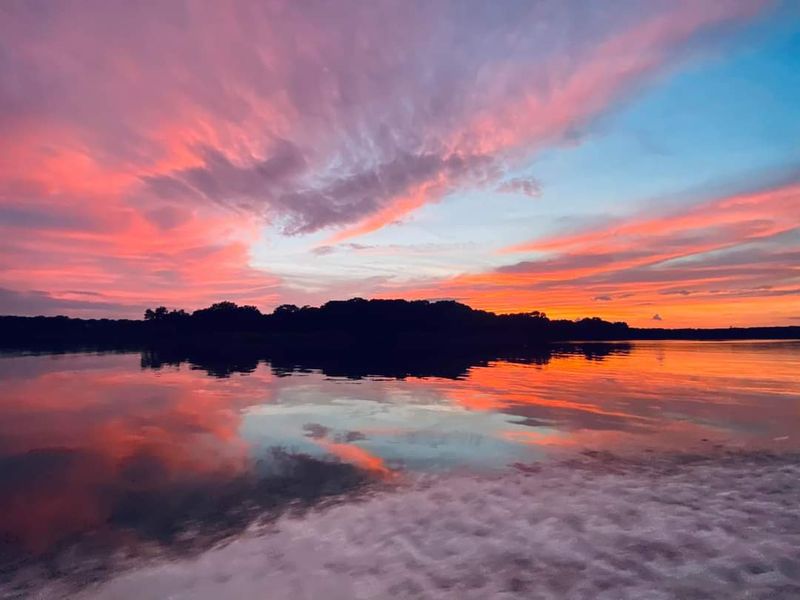
Straddling the Texas-Oklahoma border about 70 miles north of Dallas, this massive reservoir covers nearly 89,000 acres when full, making it one of the largest in the region. The Red River feeds it, and the resulting lake offers an incredible variety of recreational opportunities that draw visitors from both states. Sandy beaches line portions of the shore, giving it an almost coastal feel that’s rare for inland Texas waters.
The fishing here is absolutely phenomenal, particularly for striped bass that were introduced decades ago and have thrived ever since. Catfish grow to impressive sizes, and crappie runs in spring bring anglers from hundreds of miles away. Multiple marinas and guide services operate year-round, making it easy to get on the water even if you don’t own a boat.
Eisenhower State Park on the Texas side offers camping, hiking, and swimming areas with well-maintained facilities and stunning views across the water. The Oklahoma side has its own parks and recreation areas, effectively doubling your options for exploration. Sailboating is popular here thanks to consistent winds and plenty of open water.
Summer weekends can get crowded, especially around the main recreation areas and popular coves. However, with so much shoreline to explore, it’s not hard to find quieter spots if you’re willing to cruise a bit. The lake level fluctuates with rainfall and water management, but it rarely gets as low as some other Texas reservoirs.
Houseboating works great here, and several rental companies offer everything from basic pontoons to luxury cruisers for multi-day trips exploring different sections of this enormous lake.
6. Toledo Bend Reservoir (Hemphill)
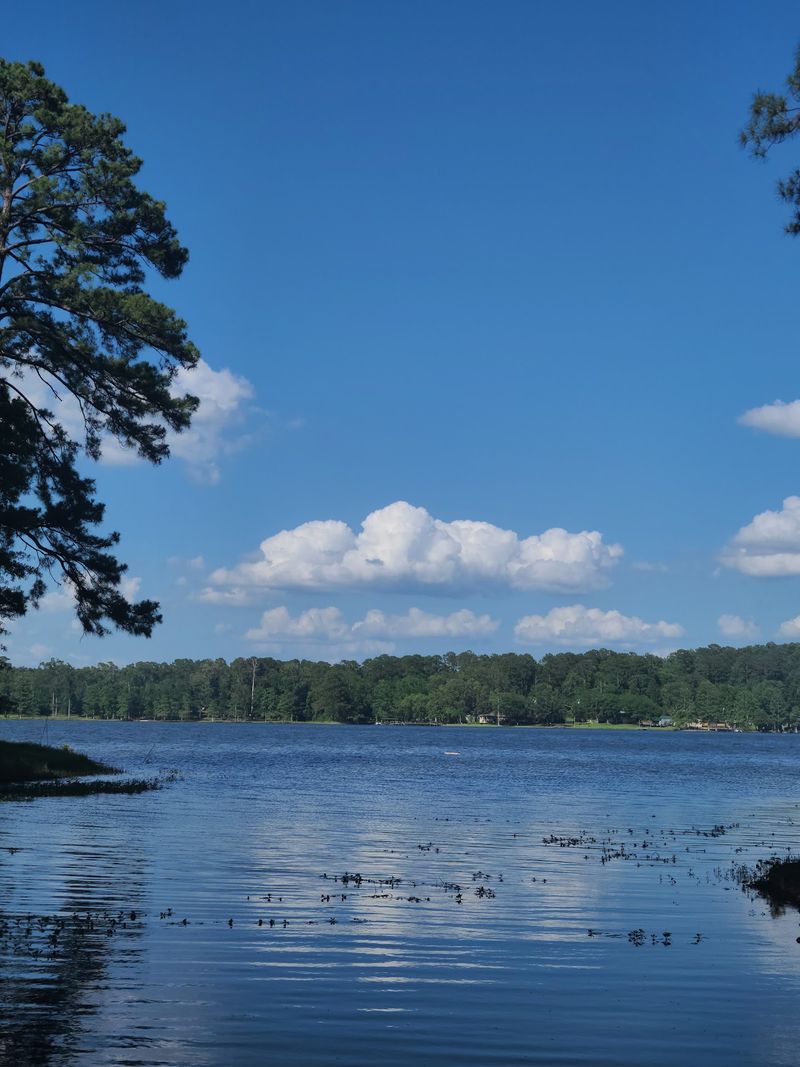
Covering over 185,000 acres along the Texas-Louisiana border, this ranks as the largest reservoir in the South and one of the best bass fishing lakes in the entire country. The Sabine River was dammed in the 1960s, flooding a pine forest and creating the massive, timber-filled lake that exists today. Those submerged trees provide incredible habitat for fish, making this a tournament angler’s dream destination.
The lake stretches for 65 miles along the border, offering seemingly endless shoreline to explore. Small towns like Hemphill on the Texas side provide access points, marinas, and fishing guides who know every productive spot on the water. The forested setting gives it a completely different character than lakes in central or west Texas.
Largemouth bass fishing here is world-class, with the lake producing numerous fish over 10 pounds every year. Crappie fishing runs hot in spring when the fish move shallow to spawn around standing timber and brush piles. Catfish and white bass round out the fishing opportunities, ensuring that something is always biting.
Several state parks and recreation areas on both the Texas and Louisiana sides offer camping, boat ramps, and picnic facilities. The Texas side tends to be less developed and more affordable, while Louisiana has invested heavily in tourism infrastructure. Water levels can vary significantly depending on rainfall and hydroelectric demands, sometimes exposing mud flats and making navigation tricky in shallow areas.
If you’re serious about bass fishing or just want to experience one of the truly big lakes in Texas, this remote reservoir delivers without the crowds you’ll find closer to major cities.
7. Lake Meredith (Fritch)
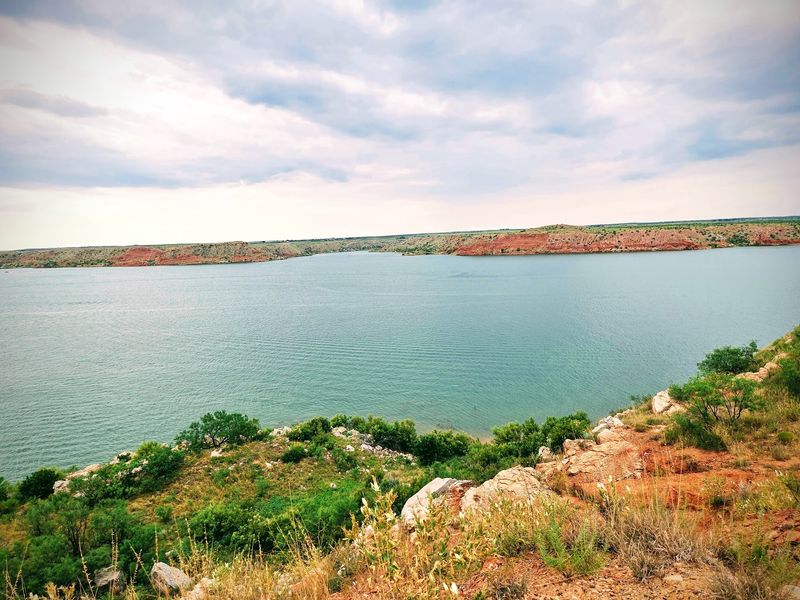
Red rock canyons and stark desert beauty define this Panhandle reservoir that most Texans have never even heard of. Sitting about 30 miles north of Amarillo, the lake was created by damming the Canadian River in 1965. The surrounding National Recreation Area protects over 44,000 acres of land and water, offering a completely different landscape than what most people expect in Texas.
The canyon walls rise in layers of red, orange, and white rock, creating dramatic backdrops for boating and photography. Water levels have struggled in recent years due to drought and heavy municipal use, sometimes dropping significantly below normal pool. When full, the lake covers about 16,500 acres, but checking current conditions before planning a trip is essential.
Despite the water level challenges, this remains a popular destination for Panhandle residents looking to escape the summer heat. Swimming, boating, and fishing for walleye, bass, and catfish keep people coming back when conditions allow. Several boat ramps and primitive camping areas provide access around the shoreline.
The surrounding recreation area offers hiking and mountain biking trails that showcase the canyon geology and provide views down to the water. Spring wildflowers can be spectacular when rainfall cooperates, painting the canyon slopes in brilliant colors. Fall brings comfortable temperatures and beautiful light for photography.
This isn’t a lake for luxury amenities or crowded marinas, it’s a more rugged, remote experience that appeals to people who appreciate stark beauty and solitude. The Panhandle location keeps crowds thin even on summer weekends, and the canyon setting creates a sense of discovery that’s hard to find at more developed lakes closer to major population centers.
8. Canyon Lake (Canyon Lake)
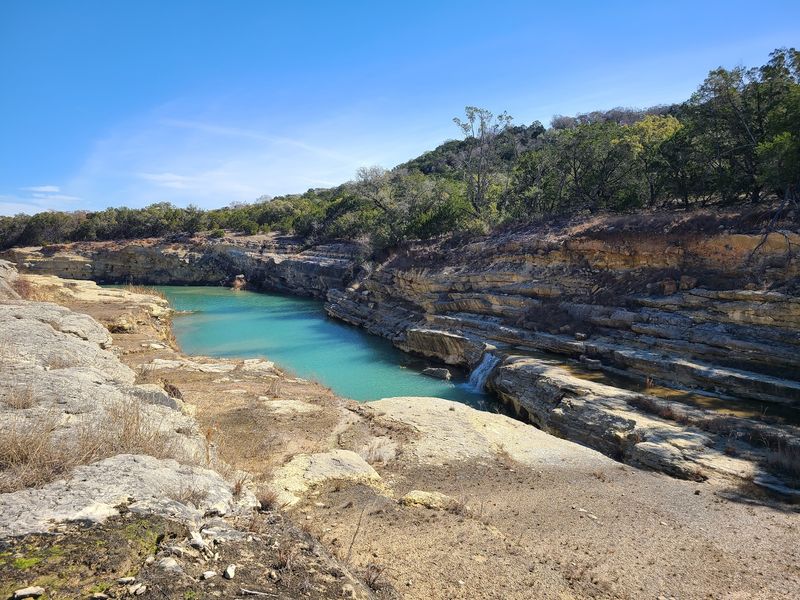
Clear, blue-green water fills a series of canyons in the Hill Country about 40 miles northeast of San Antonio. The Guadalupe River was dammed in the 1960s, creating this 8,230-acre reservoir that quickly became one of the most popular recreation spots in central Texas. Limestone cliffs drop straight into the water in many places, creating a dramatic setting that’s perfect for cliff jumping and exploring by boat.
Several distinct arms of the lake wind through the surrounding hills, each offering its own character and recreation opportunities. The Canyon Park area features developed facilities including beaches, picnic areas, and a marina. More remote sections of the lake provide quieter experiences for paddlers and anglers seeking solitude.
Fishing here includes healthy populations of largemouth bass, catfish, and white bass that move up the Guadalupe River during spawning runs. The clear water makes it a favorite for scuba diving, with several underwater features including submerged trees and rock formations to explore. Summer brings crowds of tubers and swimmers, but spring and fall offer more peaceful conditions.
Eight parks ring the shoreline, each managed by the Army Corps of Engineers with camping, boat ramps, and hiking trails. The Overlook Park provides stunning views down into the canyon and across the water. Canyon Lake Gorge, created during massive floods in 2002, offers guided tours of an incredible geological feature that was carved in just three days.
Water levels here stay relatively stable compared to many Texas lakes, making it reliable for recreation throughout most years. The Hill Country setting provides beautiful scenery in every season, from spring wildflowers to fall colors to winter’s stark beauty when the deciduous trees lose their leaves.
9. Lake Tawakoni (Wills Point)
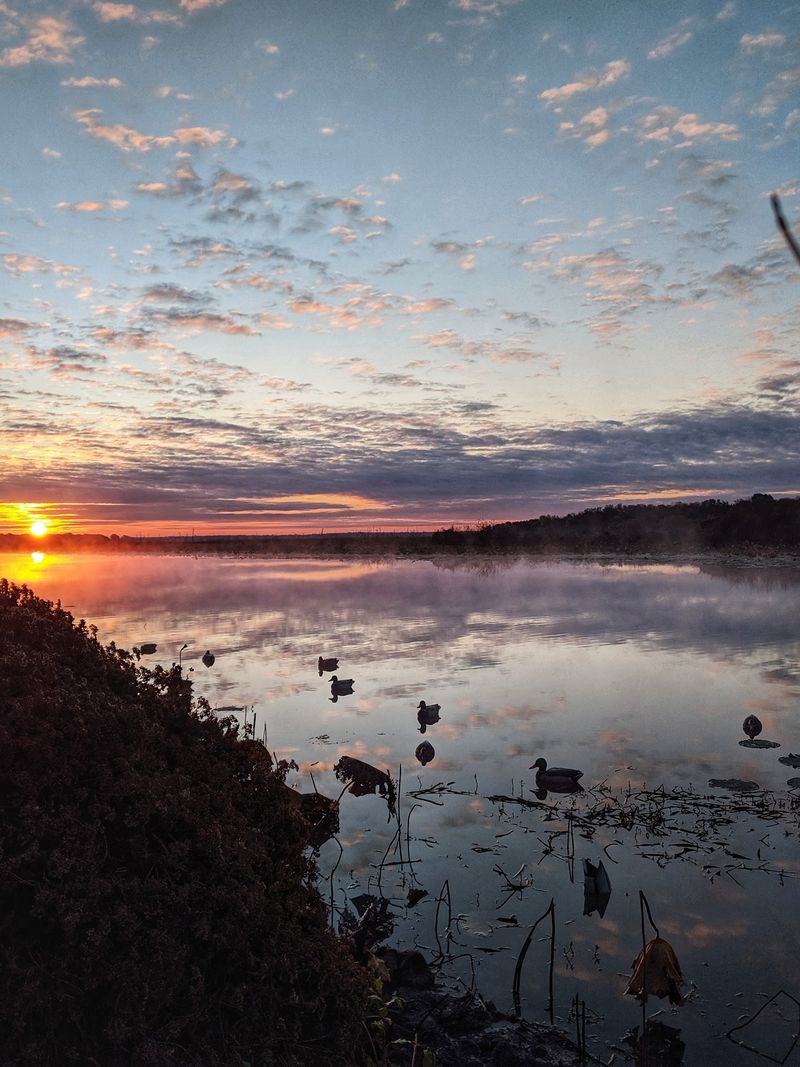
Standing timber fills this 36,000-acre lake about 50 miles east of Dallas, creating one of the most productive fishing environments in the state. The Sabine River was dammed in 1960, flooding forests and creating the submerged structure that bass, crappie, and catfish love. Tournament anglers know this lake well, but it somehow stays off the radar for many casual visitors.
The name comes from a Wichita Indian word, and the lake sits in a transition zone between the piney woods of East Texas and the prairies farther west. This blend of ecosystems creates diverse habitat both in and around the water. Several arms of the lake extend into different creek valleys, each offering unique fishing and exploring opportunities.
Crappie fishing here ranks among the best in Texas, with spring runs producing impressive catches around the abundant timber. Largemouth bass grow large in these waters, and catfish reach trophy sizes. The timber requires careful navigation, especially in areas where the water level has dropped, but it’s exactly what makes the fishing so good.
Lake Tawakoni State Park on the north shore provides camping, hiking trails, and a swimming beach with good facilities. Several other parks and ramps around the lake offer access points for boaters and anglers. The wooded shoreline stays relatively undeveloped compared to lakes closer to Dallas, giving it a more natural, peaceful feel.
Fall brings beautiful colors to the mixed hardwood forests surrounding the water, and winter fishing can be excellent when the fish concentrate in deeper areas. Summer gets hot and can bring crowds on weekends, but weekdays often see light traffic even during peak season. If you’re looking for great fishing without driving too far from the Dallas area, this lake delivers consistently.
10. Falcon Reservoir (Zapata)
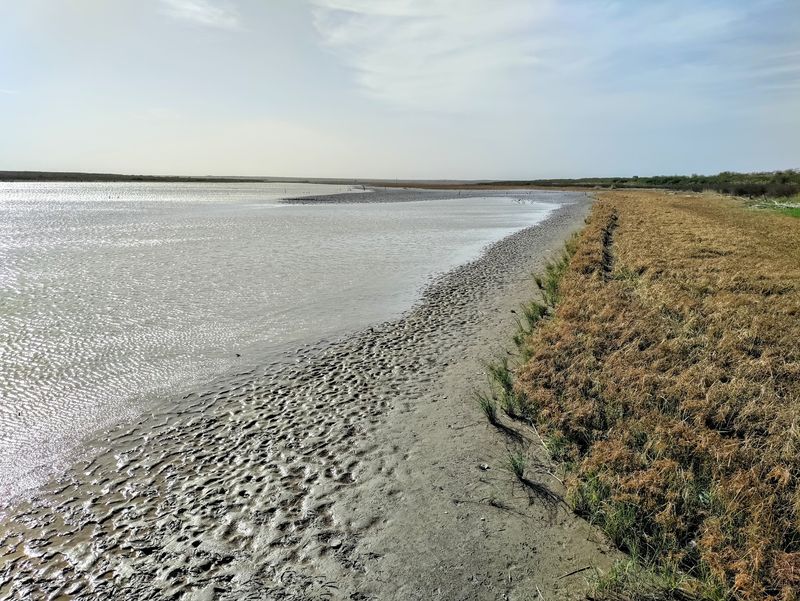
Mesquite and cactus dot the arid landscape surrounding this international reservoir on the Rio Grande about 50 miles southeast of Laredo. Shared with Mexico, the lake was created in 1954 and covers up to 87,000 acres when full, though drought can significantly reduce that number. The desert setting creates a stark, beautiful environment that feels worlds away from the pine forests and Hill Country lakes farther north.
Bass fishing here has legendary status, particularly for largemouth that thrive in the warm, fertile water. The lake has produced numerous fish over 10 pounds, and guide services stay busy year-round helping anglers chase trophy bass. Catfish also grow to impressive sizes, and white bass runs can be phenomenal when conditions align.
The town of Zapata sits on the Texas shore, providing services, lodging, and access to the lake. Falcon State Park offers camping, boat ramps, and picnic areas with views across the water toward Mexico. The international nature of the reservoir adds an interesting element, though boaters should stay aware of boundary markers.
Winter brings comfortable temperatures and excellent fishing, making it a popular destination for snowbirds and tournament anglers. Summer gets extremely hot, with temperatures regularly exceeding 100 degrees, but early morning and evening fishing remains productive. The desert landscape supports unique wildlife including javelinas, bobcats, and numerous bird species.
Water levels can fluctuate dramatically depending on rainfall in the Rio Grande watershed and water management decisions. Low levels sometimes expose vast mud flats and concentrate fish in deeper areas. Despite the challenges, this remains one of the top bass fishing destinations in Texas, offering a unique combination of trophy potential and wild, remote scenery that’s hard to match elsewhere in the state.
11. Lake Buchanan (Burnet)
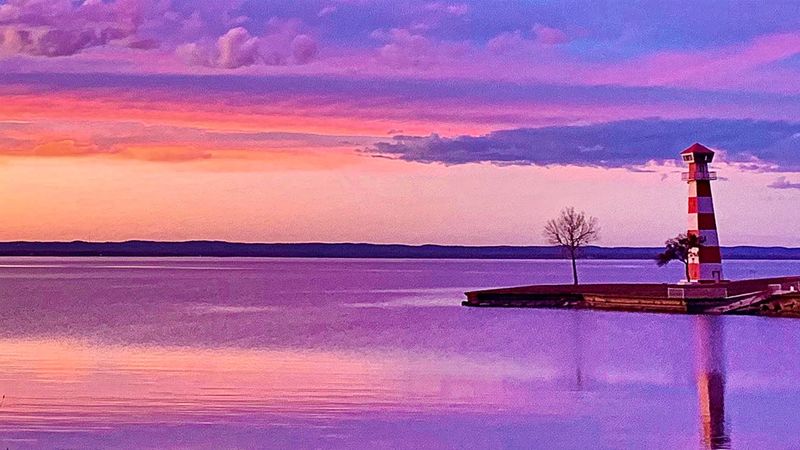
Stretching for 30 miles through the Hill Country northwest of Austin, this is the largest of the Highland Lakes and one of the most scenic. The Colorado River was first dammed here in 1937, creating a reservoir that serves both water supply and recreation needs for central Texas. With over 23,000 acres of surface area, it offers plenty of room for boating, fishing, and exploring without feeling crowded.
The upper end near Tow features narrower channels and more dramatic topography, while the lower sections near Burnet open up with wider expanses of water. Several islands dot the lake, providing destinations for boaters and creating interesting fishing structure. The surrounding hills showcase classic Hill Country scenery with granite outcrops, cedar, and oak trees.
Fishing here includes largemouth bass, white bass, and catfish, with the white bass runs in spring drawing anglers from across the region. Striped bass were stocked years ago and provide exciting action for those willing to chase them. The lake depth and clarity vary by location, with the upper sections generally clearer than the lower end.
Canyon of the Eagles Nature Park on the north shore offers lodging, camping, and excellent birding opportunities along with lake access. Black Rock Park provides another popular access point with camping and boat ramps. Fall through spring brings the best weather, though summer weekends see plenty of boating activity.
Vanishing Texas River Cruise operates tours from the upper end of the lake, showcasing the canyon scenery and wildlife including bald eagles that winter in the area. The lake level can fluctuate significantly since it serves as water supply for downstream communities, sometimes affecting access and recreation. Despite these variations, this remains one of the premier Highland Lakes for those seeking natural beauty and diverse recreation opportunities.
12. Lake Fork (Quitman)
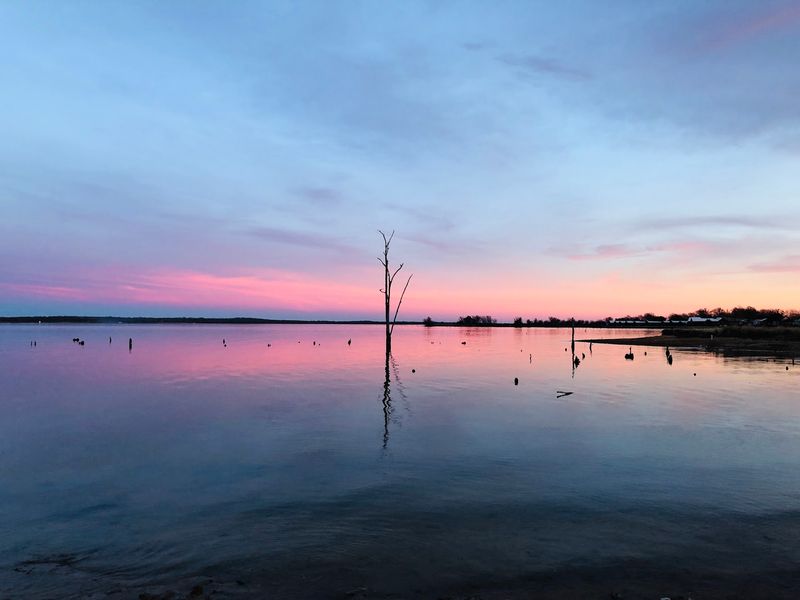
Trophy bass fishing defines this 27,000-acre lake about 70 miles east of Dallas, and serious anglers consider it one of the absolute best in the country. Created in 1980 specifically with fish habitat in mind, the design included extensive shallow flats, submerged timber, and brush piles that create ideal conditions for growing giant largemouth bass. The lake has produced more ShareLunker bass over 13 pounds than any other Texas water.
Fishing guides stay booked solid here during peak seasons, and tournaments run almost every weekend from spring through fall. The lake’s reputation brings anglers from across the nation hoping to catch the bass of a lifetime. Crappie fishing also runs strong, particularly in spring around the standing timber and man-made structures.
The surrounding area remains relatively rural and undeveloped, with small communities like Quitman and Alba providing services and lake access. Several marinas offer boat rentals, tackle, and guide services for visitors who don’t have their own equipment. The East Texas setting provides beautiful scenery with mixed pine and hardwood forests coming right down to the water.
Lake Fork Marina and Resort serves as the main hub for tournament anglers and visiting fishermen, offering everything from lodging to boat storage. Multiple public boat ramps around the lake provide free access for those who prefer to launch their own boats. The fish management here is taken seriously, with special regulations designed to protect the trophy bass population.
While fishing dominates the lake’s identity, swimming and recreational boating are also allowed and popular during summer months. Water levels generally stay stable, and the lake’s relatively young age means it hasn’t silted in like some older Texas reservoirs. If catching a truly massive bass is on your bucket list, this is where you need to be.
13. Lake Whitney (Whitney)
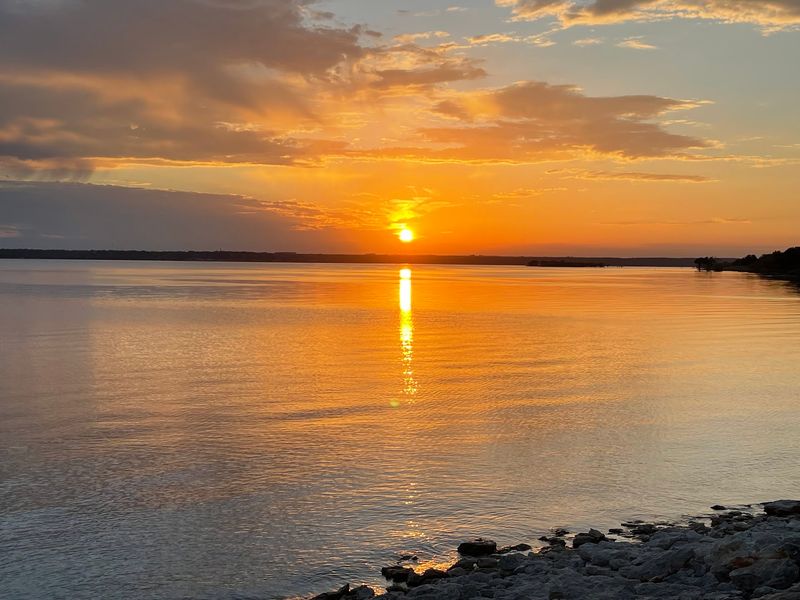
Limestone bluffs overlook this 23,000-acre reservoir about 60 miles south of Fort Worth where the Brazos River cuts through the Hill Country. Created in 1951, the lake has matured into an excellent multi-use destination offering strong fishing, good swimming areas, and plenty of room for boating. The setting combines Hill Country beauty with the wide-open water that boaters love.
The lake extends for miles through rolling terrain, creating numerous coves and points that hold fish and provide sheltered areas for recreation. Several parks managed by the Army Corps of Engineers ring the shoreline, offering camping, boat ramps, and picnic facilities. Lake Whitney State Park on the east side features a swimming beach, screened shelters, and hiking trails with lake views.
Fishing here includes healthy populations of white bass, largemouth bass, and catfish that keep anglers coming back consistently. Crappie fishing can be excellent in spring when the fish move shallow to spawn. The lake has a reputation for producing quality fish rather than huge numbers, rewarding anglers who take time to learn the structure and patterns.
Striped bass were stocked years ago and provide exciting action for those targeting them, particularly during cooler months when they move shallow chasing shad. The clear water in the upper sections makes it popular for swimming and water sports. Several full-service marinas provide fuel, supplies, and boat rentals.
Fall and spring bring the most pleasant weather and the best fishing, while summer weekends see heavy recreational use around the main park areas. Winter fishing can be productive for those willing to brave the cold. The lake level fluctuates with rainfall and water management, but it generally maintains enough water for good recreation.
The combination of accessibility from the Dallas-Fort Worth area and quality fishing makes this a consistently popular choice for weekend getaways.
Share this story