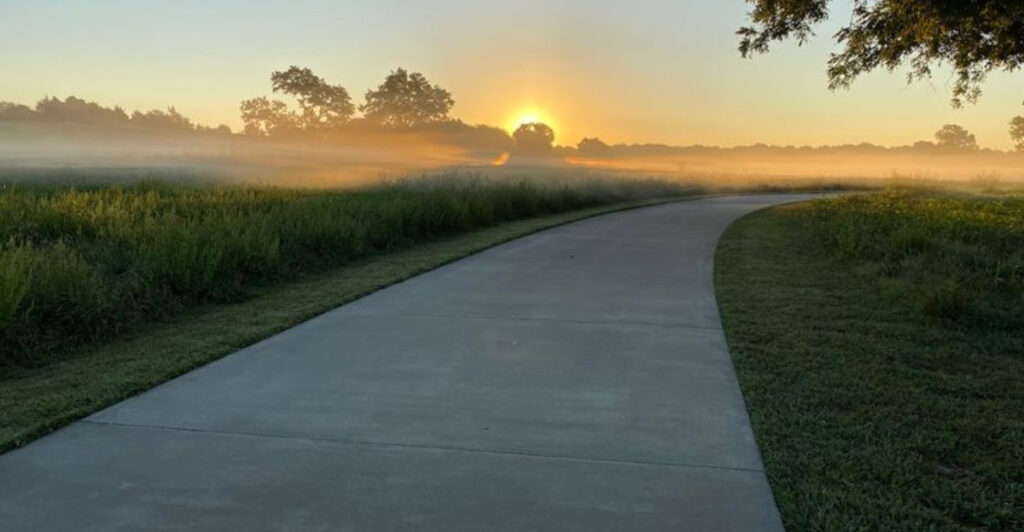
Texas offers countless opportunities for outdoor exploration, and walking trails provide some of the best ways to enjoy nature without demanding too much physical strain. For seniors seeking gentle exercise paired with beautiful scenery, the Lone Star State delivers an impressive selection of accessible paths that prioritize comfort and safety. Whether you prefer lakeside strolls, shaded woodland walks, or urban greenways, these fourteen trails welcome visitors of all mobility levels to experience the best of Texas outdoors.
1. MediPark Loop Trail
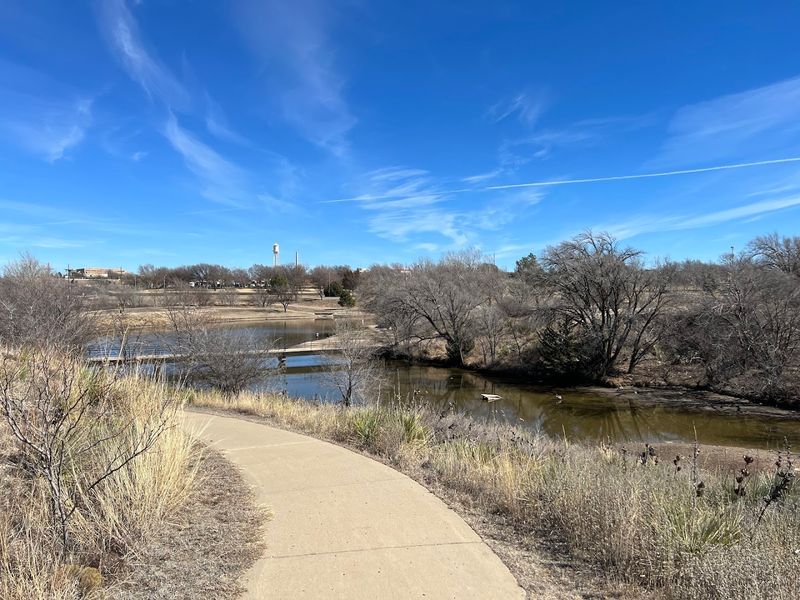
Located in the heart of Denton, this easy loop offers just the right amount of distance for a morning or afternoon walk. The path stretches roughly a mile around, giving you enough room to stretch your legs without feeling overwhelmed. Smooth pavement makes it wheelchair and walker-friendly, while benches positioned along the route provide convenient rest stops.
Tall trees create natural shade throughout much of the trail, which becomes especially welcome during warmer months. You’ll notice the thoughtful design immediately—gentle slopes replace steep inclines, and the surface stays even and well-maintained year-round. Local residents often bring their grandkids here because the environment feels safe and enclosed.
Parking sits right next to the trailhead, eliminating long walks from your car to the path. Restrooms are available nearby, adding another layer of convenience that seniors appreciate. The surrounding park includes playground areas and picnic tables, making it easy to turn your walk into a family outing.
Wildlife sightings remain common but non-threatening—squirrels, songbirds, and the occasional rabbit cross your path. The loop’s circular design means you always know where you’re headed, with no confusing intersections or unmarked turnoffs. Many walkers complete multiple laps to extend their exercise time.
Early mornings bring a peaceful atmosphere with fewer crowds, though the trail stays pleasant throughout the day. Seasonal changes add variety to the scenery, from spring wildflowers to autumn leaf displays. The community maintains this space with obvious pride, keeping it clean and welcoming for everyone who visits.
2. Beech Woods Trail
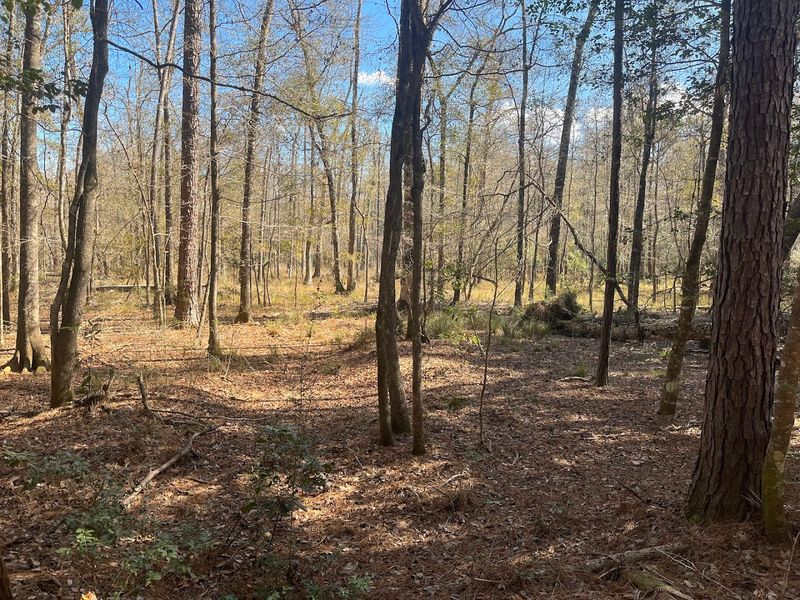
Nature lovers find something special waiting at this Fort Worth gem. Beech Woods Trail winds through one of the few remaining stands of American beech trees in North Texas, creating an almost magical walking experience. The canopy overhead filters sunlight into soft, dappled patterns that dance across the path.
Spanning roughly three-quarters of a mile, the trail maintains a mostly flat profile with only minor elevation changes. The natural surface feels firm underfoot without being too hard on joints. Roots and rocks appear occasionally, but they’re clearly visible and easy to navigate with attention.
Cool temperatures persist even during summer afternoons thanks to the dense tree coverage. You’ll hear birds calling from the branches and spot woodland creatures moving through the underbrush. The trail follows a straightforward out-and-back route, so turning around at any point remains simple.
Benches scattered along the way invite you to pause and soak in the forest atmosphere. Interpretive signs share information about the unique ecosystem, adding educational value to your exercise. The trailhead includes adequate parking, though spaces fill quickly on beautiful weekend mornings.
Locals recommend visiting during spring when wildflowers carpet the forest floor, or fall when leaves transform into brilliant colors. The path stays open year-round, with different seasons offering distinct charms. Restroom facilities are available at the nearby nature center.
Families often walk this trail together, creating a multigenerational experience. The peaceful setting encourages conversation and connection without the distractions of urban environments. Many visitors describe feeling transported to a different world despite being minutes from city streets.
3. Homestead Trail (McKinney Falls State Park)
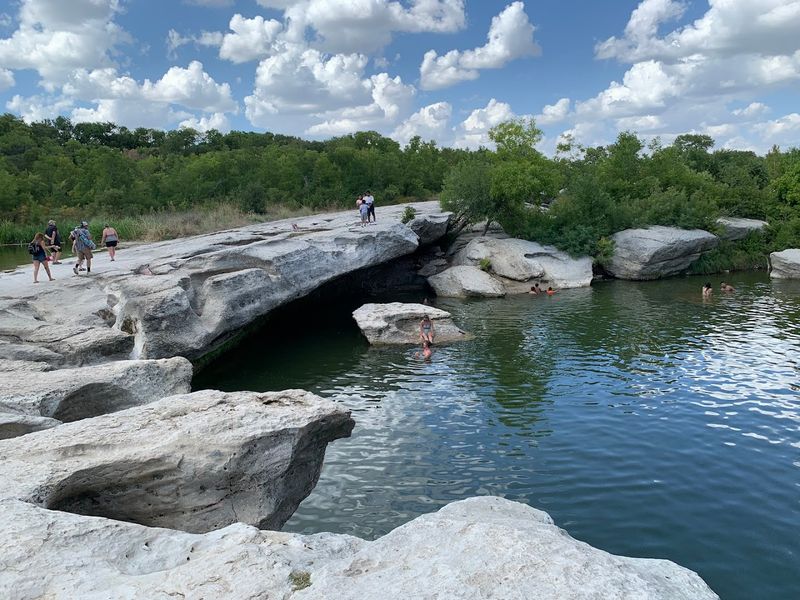
Just southeast of Austin, this state park treasure combines accessibility with genuine natural beauty. Homestead Trail runs about a mile and connects visitors to the park’s historic ruins and stunning creek views. Pavement covers the entire route, making it one of the most accessible options for seniors using mobility aids.
The trail’s name comes from the old Smith homestead ruins you’ll encounter along the way. These limestone structures from the 1850s tell stories of early Texas settlers. Interpretive panels provide historical context without requiring you to wander off the main path.
Onion Creek flows alongside portions of the trail, creating soothing water sounds that enhance the walking experience. During periods of good rainfall, small waterfalls add visual drama to the landscape. The path stays relatively level, though you’ll notice gentle grades in a few sections.
Shade coverage varies throughout the route, so morning or evening walks often feel more comfortable during summer. Several benches offer rest stops with pleasant views of the creek or surrounding woodland. The park maintains the trail surface carefully, keeping it smooth and free of hazards.
Parking near the trailhead includes designated accessible spaces, and vault toilets serve visitors at the main area. Wildlife viewing opportunities abound—turtles sunning on rocks, herons wading in shallow water, and deer browsing near the treeline. The circular route means you end where you started without retracing your steps.
Spring brings wildflower blooms that add splashes of color to the grasslands bordering the trail. Fall temperatures make walking especially pleasant, with cooler air and changing foliage. The park charges a modest entrance fee, but the well-maintained facilities justify the cost.
4. Ann and Roy Butler Hike-and-Bike Trail

Austin’s most famous trail circles Lady Bird Lake for ten miles of urban outdoor adventure. Before you worry about the distance, know that multiple access points let you walk as much or as little as you want. The completely paved surface accommodates wheelchairs, walkers, and anyone who prefers solid footing.
City skyline views mix with natural landscapes as you move along the trail. On one side, downtown buildings reach toward the sky; on the other, trees lean over the water’s edge. Bridges cross the lake at several points, allowing you to create loops of varying lengths.
The trail gets busy, especially on weekends and during pleasant weather. Cyclists, joggers, and walkers share the space, though clearly marked lanes help everyone coexist peacefully. Benches appear frequently, and water fountains keep you hydrated during longer walks.
Boardwalk sections extend over the water, offering unique perspectives of the lake and its wildlife. You might spot kayakers paddling past, turtles sunning themselves, or cormorants diving for fish. The urban setting means restrooms, parking areas, and nearby restaurants remain easily accessible.
Shade varies significantly depending on which section you choose. The southern portions tend to have more tree coverage, while northern sections expose you to more sun. Many seniors prefer early morning walks before temperatures climb and crowds arrive.
Public art installations dot the trail, creating visual interest beyond natural scenery. Fitness stations appear at intervals, though you can simply walk past them. The trail’s popularity means you’ll rarely feel alone or unsafe, even during solo walks.
Parking challenges sometimes arise near popular access points, but less-crowded entrances exist throughout the route. The trail stays lit in many sections, extending usable hours into early evening. Seasonal events occasionally close portions temporarily, so checking ahead helps avoid surprises.
5. Stillhouse Hollow Nature Preserve Trail
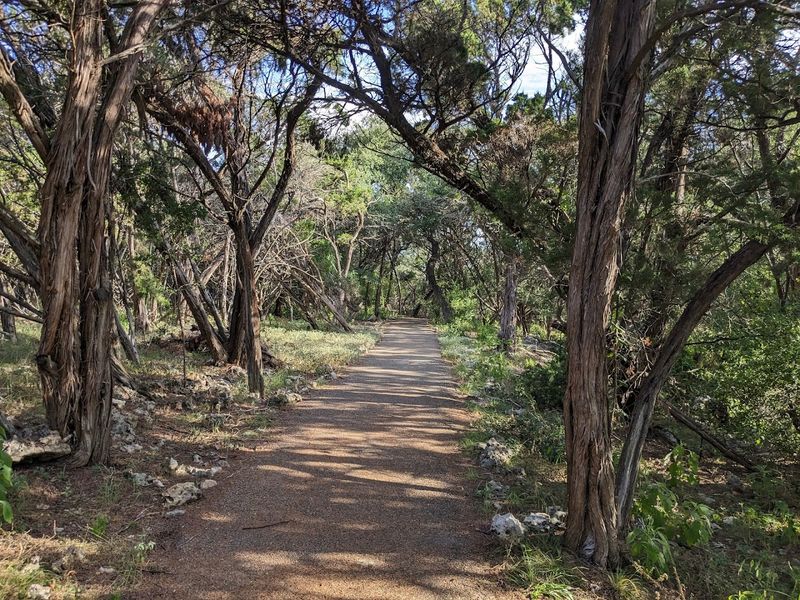
Belton keeps this lovely preserve somewhat under the radar, which means fewer crowds for those who discover it. The main trail loops through varied terrain without demanding serious physical effort. Native grasses sway in the breeze alongside wildflowers that change with the seasons.
Roughly two miles of trails wind through the preserve, but shorter options exist for those wanting a briefer outing. The paths consist of packed earth that stays relatively firm except after heavy rains. Gentle rolling hills add slight challenges without becoming obstacles for most walkers.
Bird watching opportunities abound here, with over a hundred species documented in the preserve. Bring binoculars if you enjoy identifying feathered visitors. The mix of habitat types—woodland, prairie, and wetland edges—attracts diverse wildlife throughout the year.
Benches positioned at scenic overlooks invite contemplation and rest. The preserve lacks the manicured feel of urban parks, instead offering a more authentic natural experience. Interpretive signs help identify native plants and explain the ecosystem’s importance.
Parking remains simple with a small lot at the trailhead, rarely filling to capacity. Basic facilities exist, though you won’t find elaborate amenities. The preserve’s quiet atmosphere appeals to those seeking solitude or peaceful conversation during walks.
Morning visits reward early risers with cooler temperatures and increased wildlife activity. The trails stay open year-round, with each season offering distinct experiences. Spring wildflowers create spectacular displays, while fall brings migrating birds and pleasant walking weather.
Local conservation groups maintain the preserve through volunteer efforts, keeping trails clear and marked. The relatively flat terrain suits seniors who want natural settings without extreme elevation changes. Shade coverage varies, so planning around weather conditions enhances comfort.
6. June Hill Pape Riverwalk Trail
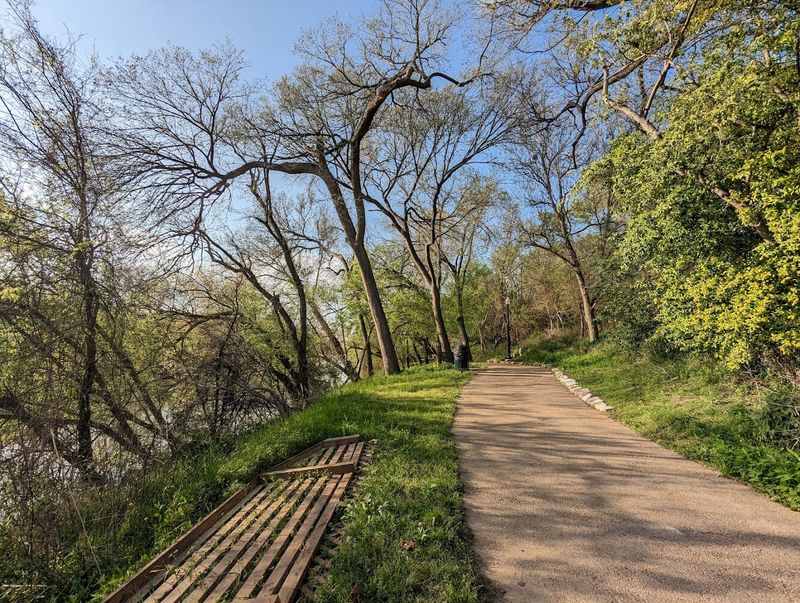
New Braunfels offers this delightful riverside path that captures the essence of Hill Country charm. The trail follows the Guadalupe River for about a mile, providing constant water views and soothing sounds. Smooth concrete makes the entire route accessible for all mobility levels.
Cypress trees line much of the path, their roots creating interesting patterns near the water’s edge. You’ll watch tubers float past during summer months, their laughter adding to the cheerful atmosphere. The trail connects to downtown areas, making it easy to combine your walk with lunch or shopping.
Benches face the river at regular intervals, perfect for watching the water flow or observing wildlife. Ducks and herons frequent the shallows, while fish occasionally break the surface. The relatively flat terrain eliminates concerns about steep climbs or difficult descents.
Parking options include several public lots within easy walking distance of the trail. Restrooms are available at nearby parks and downtown facilities. The trail’s popularity means you’ll encounter other walkers, but it rarely feels overcrowded except during major events.
Shade coverage proves adequate during most of the day, though some exposed sections exist. The river’s presence creates a cooling effect even when temperatures rise. Many locals walk this trail daily, establishing it as a community gathering place.
Seasonal changes bring different experiences—spring wildflowers, summer greenery, fall colors, and winter’s stark beauty. The trail stays well-maintained year-round with regular cleaning and surface repairs. Lighting extends usable hours into early evening during longer days.
Families appreciate the trail’s safety and accessibility, often bringing multiple generations together for walks. The combination of natural beauty and urban convenience makes it particularly appealing. Distance markers help you track your progress if you’re monitoring exercise goals.
7. Brazos Bend State Park

Southwest of Houston, this state park delivers an unforgettable experience. Yes, alligators live here—lots of them—but the well-designed trails keep visitors safe while offering incredible wildlife viewing. The 40-Acre Lake Loop provides the most accessible option, with a mostly level path and excellent boardwalk sections.
Spanning roughly three miles, the loop allows shorter walks by cutting across at various points. The trail surface alternates between pavement and packed gravel, both suitable for steady walking. Observation platforms extend over the water, bringing you close to nature without requiring off-trail exploration.
Alligators sunbathe on banks and logs, creating photo opportunities from safe distances. Rangers emphasize respecting wildlife space, and clear rules keep everyone protected. Beyond gators, you’ll spot countless bird species, turtles, snakes, and mammals throughout the park.
Shade from oak trees and other hardwoods covers much of the trail, particularly welcome during humid Gulf Coast days. Benches appear frequently, and the park maintains clean restroom facilities at multiple locations. The nature center near the entrance offers educational exhibits and helpful staff.
The park charges an entrance fee, but the quality of facilities and trail maintenance justifies the cost. Parking lots serve different trailheads, reducing walking distances before you even start. Water fountains help you stay hydrated during longer explorations.
Early morning walks provide the best wildlife viewing as animals remain active before temperatures climb. The flat coastal plain terrain means no challenging hills to navigate. Boardwalk sections create accessible routes even through wetland areas that would otherwise be impassable.
Many visitors return repeatedly, finding new discoveries with each trip. The park’s popularity means you’ll rarely walk alone, adding to the sense of safety. Seasonal variations in water levels change the landscape and wildlife patterns, keeping the experience fresh.
8. Cedar Hill State Park (Talala Trail)
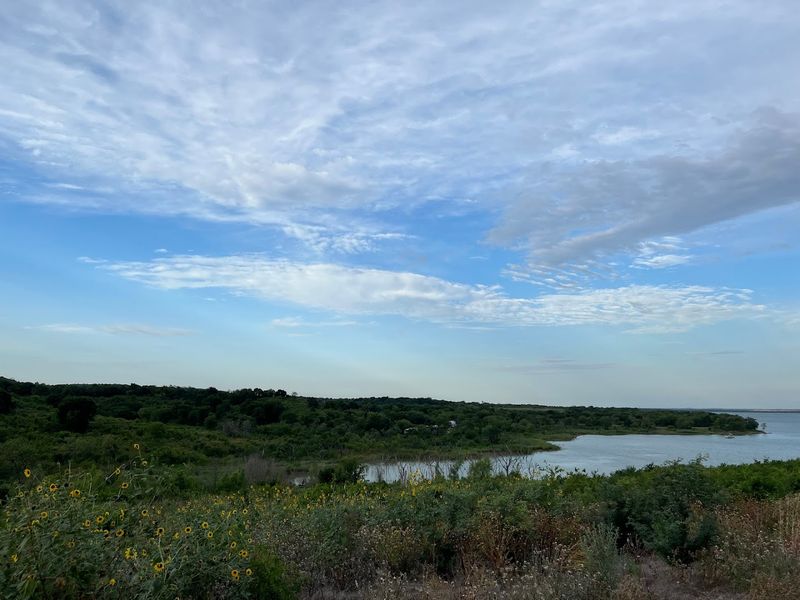
Just outside Dallas, this state park offers an escape from urban intensity. Talala Trail runs along Joe Pool Lake’s shoreline, providing water views and relatively easy terrain. The paved surface accommodates all mobility devices while maintaining a natural park atmosphere.
Stretching roughly two miles, the trail allows out-and-back walks of any distance you choose. Lake breezes help moderate temperatures even during summer heat. Trees provide intermittent shade, creating patterns of light and shadow across the path.
The trail’s name comes from a Native American word, honoring the area’s original inhabitants. Interpretive signs share information about local ecology and history. You’ll pass through different ecosystems, from open grasslands to wooded areas, all within a single walk.
Benches positioned at scenic overlooks invite you to pause and enjoy lake views. Boats occasionally pass by, adding movement to the landscape. The trail stays relatively level, though minor grades appear in a few sections.
Park facilities include clean restrooms, picnic areas, and ample parking near the trailhead. The entrance fee grants access to all park amenities for the day. Wildlife sightings include deer, armadillos, various bird species, and occasional foxes.
Spring wildflowers transform the grasslands into colorful displays, while fall brings migrating birds and pleasant temperatures. The trail remains open year-round, with different seasons offering unique advantages. Winter walks provide solitude and clear, crisp air.
Local seniors frequently use this trail for regular exercise, creating an informal community of familiar faces. The park’s proximity to Dallas makes it convenient for quick nature breaks. Well-maintained surfaces and clear signage eliminate navigation concerns, letting you focus on enjoying your walk.
9. Lake Livingston State Park (Pineywoods Boardwalk)

East Texas pine forests create a completely different atmosphere from other regions. This state park showcases the area’s unique ecosystem through an accessible boardwalk that eliminates terrain concerns. Elevated walkways keep you above the forest floor, providing level walking even through areas that would otherwise be muddy or uneven.
The boardwalk extends roughly half a mile through towering pines and hardwood bottoms. Interpretive signs identify tree species and explain the forest’s ecology. The wooden surface stays dry and stable, with railings providing additional security.
Shade from the forest canopy creates a cool, pleasant environment even during warm months. Birdsong fills the air, with woodpeckers, warblers, and other species calling from the trees. The elevated perspective lets you observe the forest from a unique vantage point.
Benches built into the boardwalk offer rest stops without leaving the main path. The gentle sounds of wind through pine needles and distant lake water create a peaceful soundtrack. The boardwalk’s design eliminates steps and steep grades entirely.
Park facilities include accessible parking near the boardwalk entrance, restrooms, and picnic areas. The entrance fee covers all park amenities for the day. Lake Livingston itself offers fishing and boating opportunities, though the boardwalk focuses on forest exploration.
Morning walks bring chances to spot deer moving through the understory and observe dew sparkling on spider webs. The boardwalk stays relatively quiet compared to more popular trails, appealing to those seeking solitude. Seasonal changes affect the forest dramatically, from spring’s fresh green growth to fall’s subtle color shifts.
The park’s location in the Piney Woods region provides a distinctly East Texas experience. Humidity levels can be high, so planning visits during cooler parts of the day enhances comfort. The boardwalk’s accessibility makes it ideal for seniors with various mobility needs.
10. Buffalo Bayou Park Trail
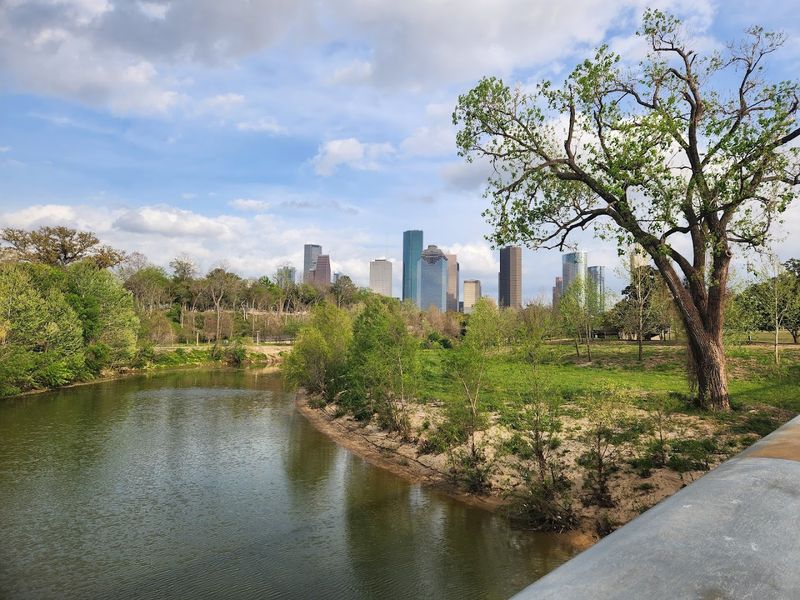
Houston’s signature green space runs through the heart of the city, transforming a waterway into an urban oasis. The trail system offers multiple routes, but the main path along the bayou provides the best combination of scenery and accessibility. Smooth pavement extends for miles, though you can easily walk shorter sections.
Downtown skyscrapers create a dramatic backdrop as you move along the water’s edge. Public art installations appear throughout the park, adding cultural interest to your exercise. The trail connects numerous neighborhoods, with access points every few blocks.
Shade varies depending on location, with some sections offering tree coverage and others exposing you to full sun. Benches face the bayou at regular intervals, perfect for watching kayakers paddle past or observing wading birds hunting in the shallows. The flat terrain eliminates concerns about hills or steep grades.
Park amenities include restrooms, water fountains, and multiple parking areas. Popular sections can get crowded, especially during pleasant weather and weekends. The trail’s urban setting means restaurants, shops, and services remain nearby throughout your walk.
Early morning walks reward you with cooler temperatures and fewer crowds. The bayou’s transformation from concrete channel to naturalized waterway continues, with ongoing improvements enhancing the park’s appeal. Native plantings attract butterflies and birds, creating unexpected nature moments in the city.
Lighting extends usable hours into evening, though seniors might prefer daylight walks for better visibility. The trail’s popularity creates a sense of safety through numbers. Distance markers help you track your progress if you’re monitoring exercise goals.
Seasonal events occasionally close sections temporarily, but alternative routes usually remain available. The park’s significance to Houston’s identity shows in the care given to maintenance and improvements. Many locals use this trail daily, establishing it as a community gathering place.
11. Houston Arboretum & Nature Center (Donor Boardwalk)
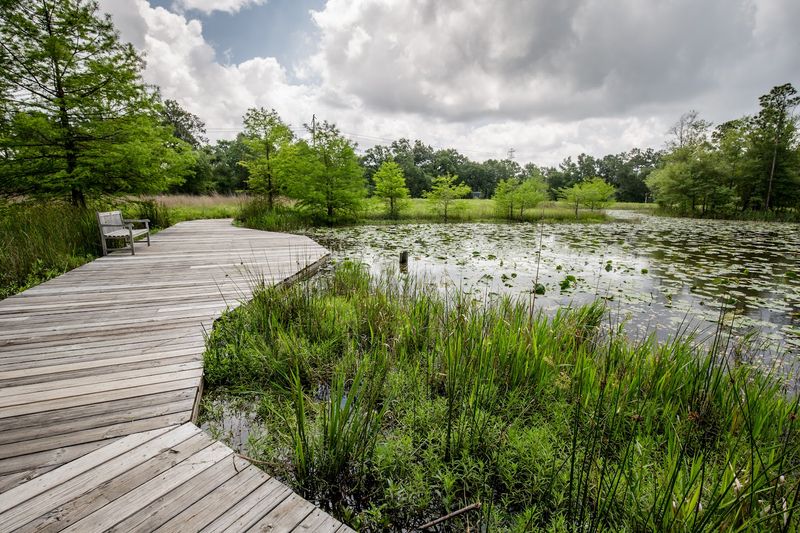
Hidden within Houston’s urban sprawl, this nature sanctuary offers genuine wilderness experiences. The Donor Boardwalk provides completely accessible exploration through multiple ecosystems. Elevated construction keeps you above ground-level obstacles while bringing you eye-to-eye with the forest canopy.
Winding through woods and wetlands, the boardwalk eliminates all terrain concerns. Smooth wooden surfaces stay level throughout, with gentle curves adding visual interest. Interpretive signs share information about plants, animals, and ecological processes visible from the walkway.
The arboretum’s five miles of trails include options beyond the boardwalk, but this accessible route showcases the best features. Towering trees create deep shade, keeping temperatures comfortable even during summer. The forest’s density blocks city noise, creating surprising tranquility.
Benches positioned at strategic points let you pause and observe wildlife. Patient watchers often spot woodpeckers, owls, and countless songbird species. The boardwalk’s elevation provides unique viewing angles impossible from ground-level trails.
Free admission makes this destination particularly appealing, though donations support ongoing conservation work. Parking sits immediately adjacent to the nature center building, which houses restrooms and educational exhibits. Staff members offer helpful advice about current wildlife sightings and trail conditions.
Morning visits coincide with peak bird activity, especially during spring and fall migrations. The boardwalk stays relatively uncrowded compared to other Houston attractions. Seasonal changes bring different wildflowers, migrating birds, and varying forest colors.
The nature center’s educational mission shows in the quality of interpretive materials and programs. Many seniors join guided walks led by knowledgeable volunteers. The boardwalk’s accessibility makes it ideal for those using wheelchairs or walkers, while remaining enjoyable for all visitors.
The combination of accessibility, natural beauty, and educational value creates a complete experience.
12. Oak Point Park Trail
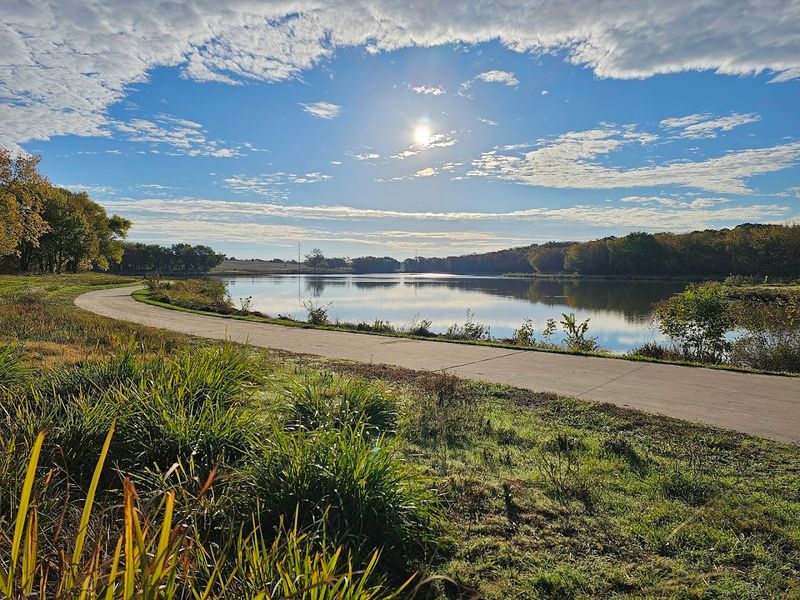
Plano’s largest park delivers big on outdoor experiences. Oak Point Park Trail circles through diverse landscapes along Lake Lewisville’s shoreline. The paved path accommodates all mobility levels while offering genuine nature immersion despite the suburban location.
Stretching over three miles, the trail allows shorter walks by using connecting paths that create smaller loops. Lake views appear throughout, with observation points providing extended vistas. The relatively flat terrain makes distance less intimidating than it might seem.
Tall grasses and native plantings line much of the route, attracting butterflies and birds. The park’s size means you can walk for extended periods without retracing your steps. Shade coverage varies, with some sections exposed and others protected by tree canopies.
Benches face the lake at scenic spots, perfect for watching sailboats or observing waterfowl. The trail stays well-maintained year-round, with regular surface repairs and cleaning. Park facilities include clean restrooms, ample parking, and picnic areas.
The trail’s popularity means encountering other walkers, joggers, and cyclists, though the wide path accommodates everyone comfortably. Clear lane markings help different users coexist peacefully. Water fountains keep you hydrated during longer walks.
Early morning and late afternoon provide the most comfortable temperatures during summer months. Spring wildflowers create colorful displays in the native plant areas. Fall brings migrating birds and pleasant walking weather.
The park’s connection to the regional trail system allows extending your walk if desired. Distance markers help track your progress. Many local seniors use this trail regularly, creating an informal community of familiar faces.
Seasonal events occasionally attract crowds, but the park’s size prevents feeling overcrowded. The combination of lake views, natural areas, and excellent facilities makes Oak Point a standout destination. Accessibility features throughout ensure everyone can enjoy the outdoor experience.
13. Phil Hardberger Park (Savanna Loop)
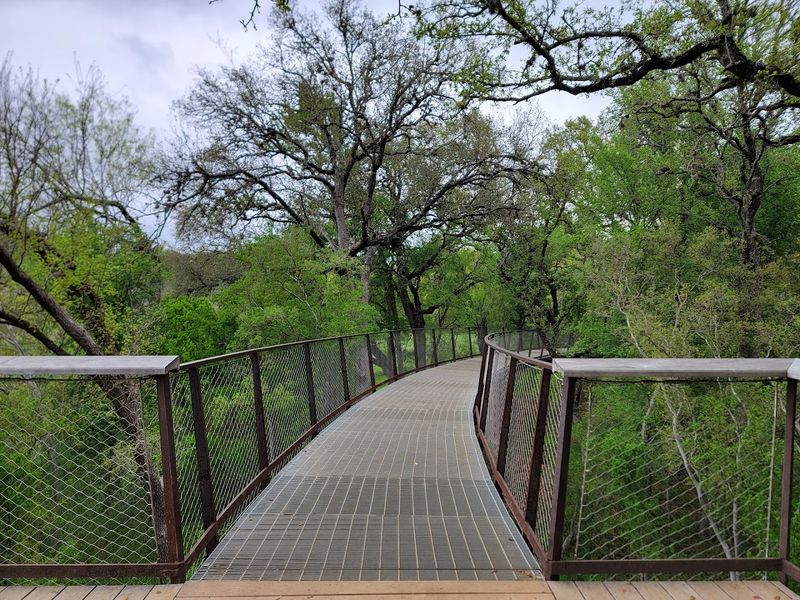
San Antonio’s beloved urban park preserves native landscapes while providing excellent walking opportunities. The Savanna Loop showcases restored prairie ecosystems on a mostly level path. Crushed granite surfaces stay firm underfoot while maintaining a natural appearance.
Circling roughly a mile, the loop brings you through grasslands dotted with wildflowers and native plants. Interpretive signs explain the prairie restoration process and identify plant species. The open landscape provides expansive sky views uncommon in urban settings.
Shade structures appear at intervals, offering relief during sunny days. Benches positioned throughout the loop invite pauses to observe wildlife or simply enjoy the scenery. The trail’s design eliminates significant elevation changes, keeping walking comfortable.
The park’s famous land bridge—a wildlife crossing over a major road—connects two sections and creates a unique walking experience. Native trees planted on the bridge will eventually create a forested crossing. Current views from the bridge include both natural areas and city skyline.
Park amenities include excellent restroom facilities, water fountains, and substantial parking areas. The park’s dog-friendly policy means encountering leashed pets, though separate areas exist for off-leash activities. Free admission makes this an accessible option for regular visits.
Morning walks offer cooler temperatures and increased wildlife activity. The prairie landscape changes dramatically with seasons—spring wildflowers, summer grasses, fall colors, and winter’s subtle beauty. Bird watching opportunities abound, with over 190 species documented in the park.
The park’s popularity among local residents creates a welcoming community atmosphere. Regular events include guided nature walks led by knowledgeable volunteers. The Savanna Loop’s accessibility and natural beauty make it ideal for seniors seeking outdoor exercise in a peaceful setting.
The park’s commitment to native landscape restoration adds educational value to every visit.
14. Lake Mineral Wells State Park Trailway
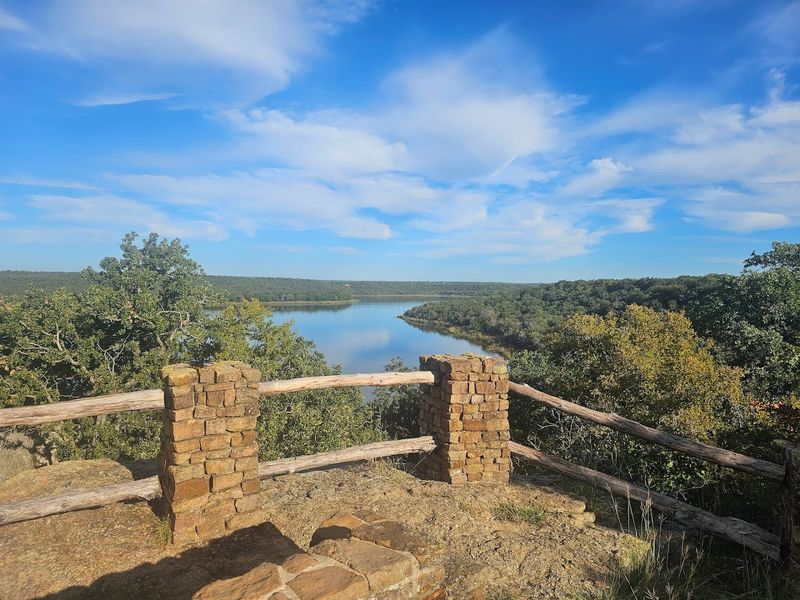
Built on a former railroad corridor, this trail delivers the flattest walking experience imaginable. The rails-to-trails conversion created a perfectly level path stretching twenty miles, though you can walk any distance that suits your energy level. Smooth pavement accommodates all mobility devices effortlessly.
The trail passes through varied landscapes—open prairies, wooded areas, and small communities. Railroad heritage shows in the straight, gradual route that follows the original rail bed. Historical markers share information about the railroad’s role in regional development.
Shade coverage varies significantly depending on location, with some sections exposed and others tree-lined. The trail’s length means you can choose segments based on current conditions and preferences. Benches appear at regular intervals, providing rest stops with different views.
Multiple trailheads offer parking and basic facilities, letting you access different sections easily. The trail’s design eliminates all hills and steep grades—a rare feature in Texas terrain. Distance markers help you track your progress and plan turnaround points.
The trail’s rural setting provides genuine country experiences, with farms, ranches, and natural areas visible throughout. Wildlife sightings include deer, wild turkeys, and numerous bird species. The quiet atmosphere appeals to those seeking solitude or peaceful conversation.
Spring wildflowers transform the prairie sections into colorful displays. Fall brings pleasant temperatures and changing foliage in wooded areas. The trail stays open year-round, with different seasons offering distinct advantages.
The state park at one end provides additional amenities, including camping and lake access. The trail’s accessibility makes it popular among seniors using wheelchairs, walkers, and mobility scooters. Local communities along the route welcome trail users, with some offering refreshments and services.
The perfectly flat terrain eliminates concerns about physical challenges, letting you focus entirely on enjoying the walk. Many users complete short sections repeatedly rather than attempting the full length. The trail’s conversion from railroad to recreation represents Texas’s commitment to preserving heritage while creating new outdoor opportunities.
Share this story