Pennsylvania helped build America with coal, iron, steel, railroads, and the hard work of many people. Across the state, old furnaces, mills, museums, mines, and rail sites show how raw rock became bridges, buildings, tools, trains, and towns. Visiting these places makes history feel real because you can stand near giant machines, walk beside old tracks, and picture the heat, noise, and skill that shaped daily life. Many of these sites also tell the stories of the workers and communities that grew around Pennsylvania’s industries, giving visitors a better sense of what life was like during the state’s industrial boom.
From Scranton to Bethlehem, Johnstown, Coatesville, and Berks County, each stop shares a different part of Pennsylvania’s powerful industrial story. Together, they reveal how deeply steel, iron, coal, and transportation shaped the state’s landscape and helped fuel the growth of cities far beyond Pennsylvania. For history lovers, families, and curious travelers, these heritage sites offer a fascinating way to see the people, places, and industries that helped shape the Pennsylvania we know today.
1. Steamtown National Historic Site, Scranton
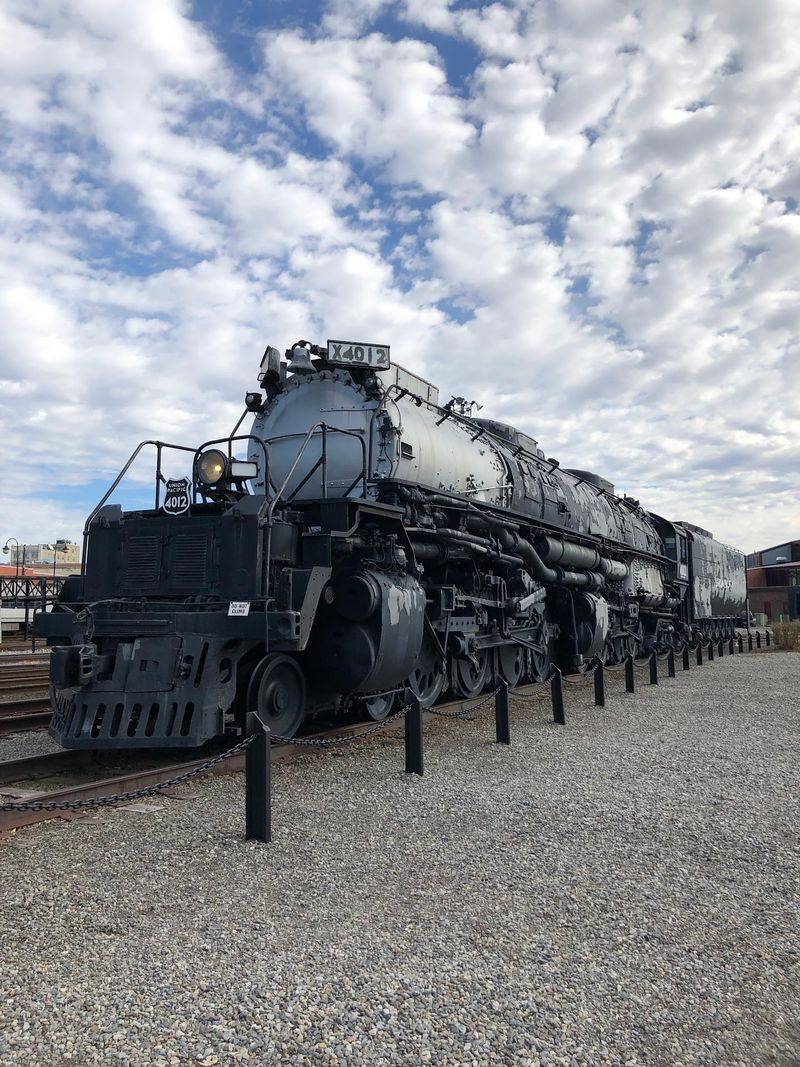
A whistle echoing across Scranton can make the past feel surprisingly close.
At Steamtown National Historic Site, huge locomotives tell the story of railroads that carried coal, iron, steel, food, and people across Pennsylvania and beyond.
The site sits on old rail yard land once tied to the Delaware, Lackawanna and Western Railroad.
Visitors can explore restored engines, passenger cars, a roundhouse, and exhibits that explain how steam power changed travel and business.
Railroads mattered deeply to Pennsylvania’s iron and steel growth.
Mines and furnaces needed steady transportation, and trains moved raw materials to factories while sending finished products to cities, farms, and ports.
Families should start at the visitor center, where maps and staff help plan the day.
If train rides are running, book early because they are popular, especially on weekends and during special events.
Take time to look at the size of the wheels, boilers, and couplers.
Their scale helps visitors understand the strength needed to haul heavy coal cars and steel products over mountains and through valleys.
Scranton also connects well with other industrial stops, so Steamtown works nicely as part of a larger heritage trip.
Wear comfortable shoes, bring a camera, and allow more time than you think, because the details are easy to miss.
A fun detail is that steam locomotives needed teams of skilled workers, not just engineers.
Firemen, mechanics, brakemen, and shop crews all helped keep the system moving safely.
2. Hopewell Furnace National Historic Site, Elverson
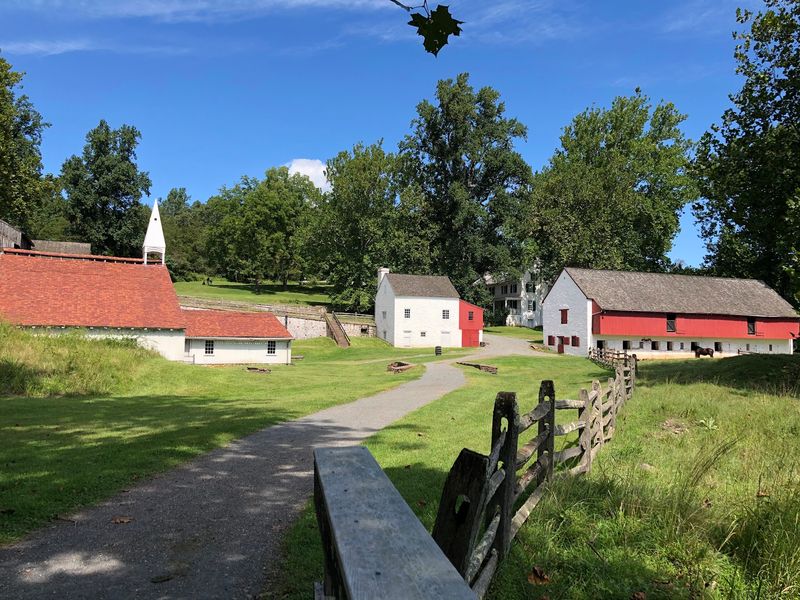
Before smoky steel mills filled city skylines, ironmaking in Pennsylvania often began in quiet wooded places.
Hopewell Furnace National Historic Site shows that early chapter with stone buildings, forest paths, and a village built around a charcoal iron furnace.
Operating mainly from the late 1700s into the 1800s, Hopewell made iron products used in homes, farms, and growing communities.
Workers turned iron ore, limestone, and charcoal into useful goods through heat, labor, and careful timing.
The setting helps visitors understand why forests mattered.
Charcoal came from wood, so iron plantations needed large areas of timber, nearby ore, water power, and roads for moving supplies.
A visit feels part museum and part outdoor walk.
You can see the furnace stack, casting house, ironmaster’s house, barns, and worker areas while learning how different jobs supported the operation.
Kids often enjoy seeing animals, old tools, and open spaces, which make the site easier to picture than a textbook page.
Rangers and signs explain the process in simple steps, from raw material to finished iron.
Plan for weather because much of the experience is outside.
Good walking shoes are helpful, and the nearby French Creek area makes it easy to add hiking or a picnic.
Hopewell is especially useful for understanding how Pennsylvania’s later steel power grew from older iron traditions.
The place is calm today, but it once rang with hammering, wagon wheels, roaring fires, and the steady work of a whole community.
3. Carrie Blast Furnaces National Historic Landmark, Rankin and Swissvale
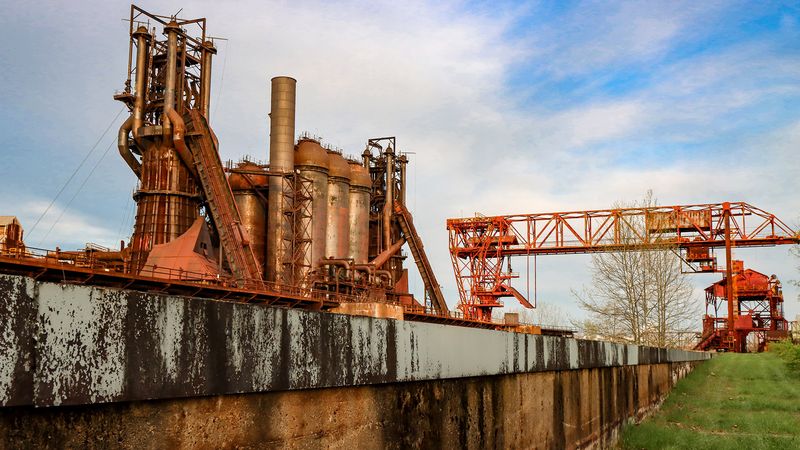
Few places make visitors feel small in the best possible way like the Carrie Blast Furnaces.
Rising beside the Monongahela River, these giant structures once helped produce iron for U.S.
Steel’s Homestead Works.
The furnaces operated during much of the 20th century, turning raw materials into molten iron.
That iron later became steel used in bridges, buildings, ships, machinery, and countless everyday objects.
Guided tours are the best way to visit because the site is complex and powerful.
Guides explain the charging process, the heat, the danger, and the teamwork that kept production moving around the clock.
The scale is unforgettable.
Pipes, stoves, ladders, rail lines, and towering shells show how industrial design focused on movement, force, and speed.
Art has also become part of the site’s modern story.
Visitors may notice murals, sculpture, and creative projects that bring new life to old industrial spaces without hiding their rough edges.
Wear sturdy closed toe shoes and dress for outdoor conditions.
The ground can be uneven, and most visitors will enjoy the tour more if they bring water and take their time looking upward and around.
Carrie Blast Furnaces is a strong stop for anyone trying to understand Pittsburgh’s steel region.
It does not feel polished or distant.
Instead, it feels raw, honest, and close to the workers who stood near heat most of us can barely imagine.
A quirky highlight is the famous deer sculpture made from salvaged metal.
It reminds guests that history, art, and nature can meet in unexpected ways.
4. Anthracite Heritage Museum and Lackawanna Coal Mine Tour, Scranton
Coal may look like a simple black rock, but in northeastern Pennsylvania it shaped families, towns, railroads, and industry.
The Anthracite Heritage Museum and Lackawanna Coal Mine Tour help explain why hard coal mattered so much.
Anthracite burned hot and clean compared with many other fuels.
Iron furnaces, factories, railroads, and homes depended on it, making the Scranton area a major energy center.
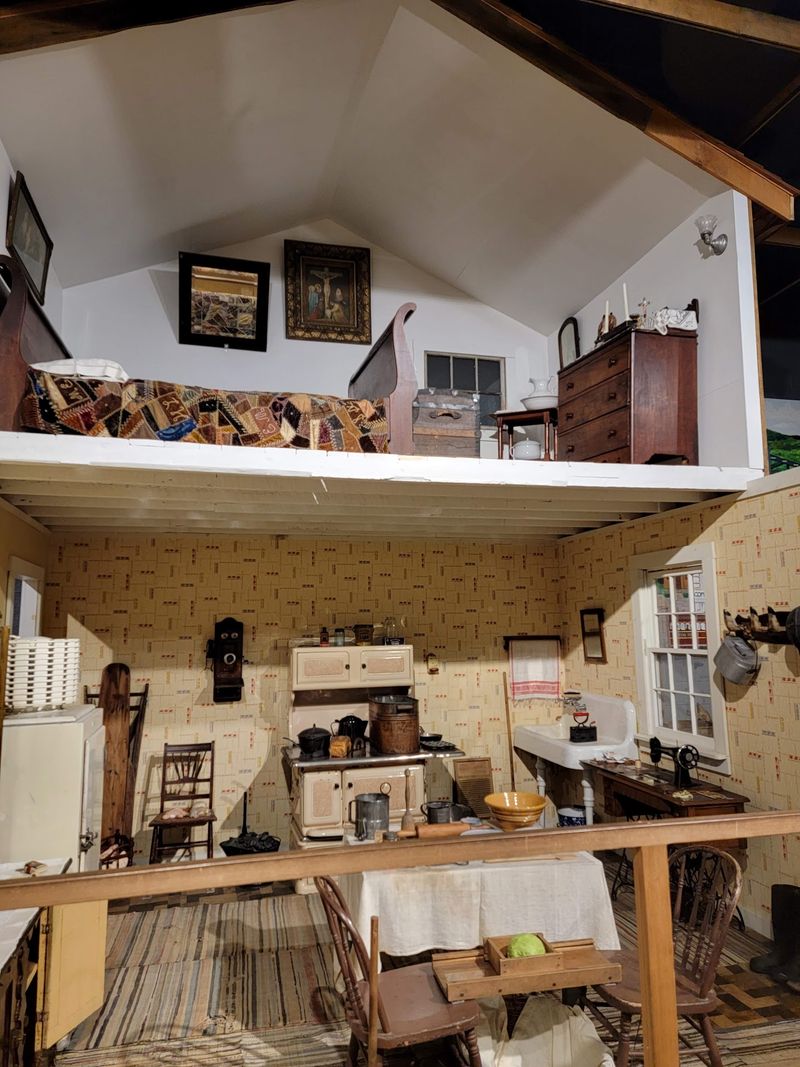
The museum shares stories of miners, immigrants, children, and communities that grew around the coal fields.
Exhibits cover work clothes, tools, home life, labor struggles, and the pride people took in difficult jobs.
The mine tour adds a memorable underground experience.
Visitors ride down into a former mine and learn what it felt like to work below the surface, where darkness, damp air, and danger were part of daily life.
Bring a light jacket because the mine stays cool, even during warm months.
Closed toe shoes are smart, and anyone nervous about tight spaces should read tour details before going.
This stop pairs naturally with Steamtown because coal and railroads depended on each other.
Trains hauled anthracite to markets, while coal powered locomotives and fueled industrial growth.
For students and families, the biggest lesson is human.
Pennsylvania’s iron and steel story was not only about furnaces and machines.
It was also about miners whose labor made heat, transportation, and manufacturing possible.
Look closely at the photos of workers’ faces.
They turn a big industrial story into something personal, reminding visitors that every ton of coal came from someone’s effort.
5. Phoenix Iron Works and the Phoenix Column, Phoenixville
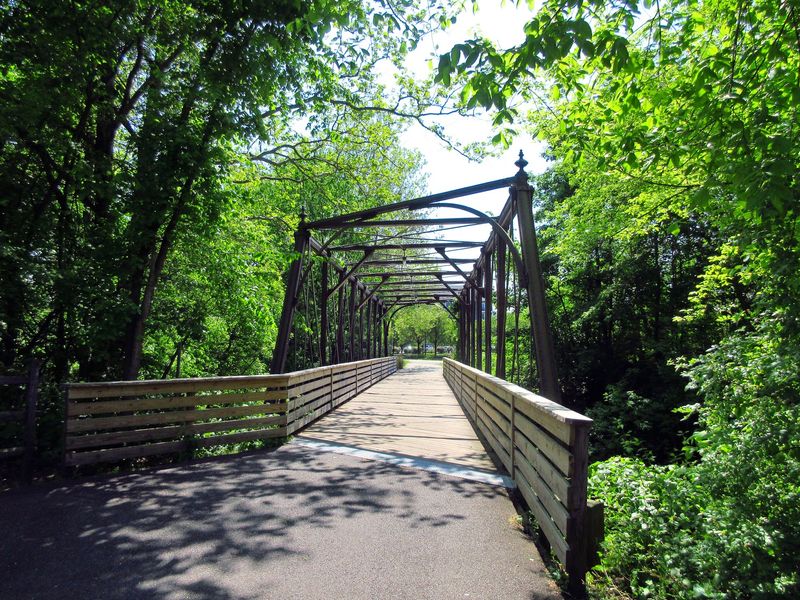
Phoenixville has a name that fits its story.
A town once known for iron production has rebuilt itself with restaurants, shops, trails, and pride in the old Phoenix Iron Works.
The company became famous for the Phoenix Column, a strong hollow iron column made from curved sections riveted together.
Engineers used it in bridges, train sheds, and other structures during the 1800s.
That invention matters because it shows how Pennsylvania ironmakers did more than produce metal.
They solved design problems and helped shape the look of modern transportation and architecture.
Visitors can explore Phoenixville’s industrial past through local markers, preserved buildings, and community displays.
The Schuylkill River Trail also gives walkers and cyclists a pleasant way to connect the town’s natural and industrial sides.
A good visit can mix history with a relaxed afternoon.
Start near the old mill area, look for signs about the iron works, then enjoy the downtown that grew around the same industrial roots.
The Phoenix Column is a useful teaching tool because it is easier to understand than a whole steel mill.
Its simple idea, curved iron pieces joined into a tube, shows how smart design can make material stronger.
Anyone interested in bridges should pay special attention here.
Pennsylvania’s rivers and railroads needed durable spans, and iron columns helped engineers build bigger and better structures.
Phoenixville proves heritage does not always sit behind museum glass.
Sometimes it is built into street patterns, reused brick walls, trail views, and a town that remembers how iron helped put it on the map.
6. The National Iron and Steel Heritage Museum, Coatesville
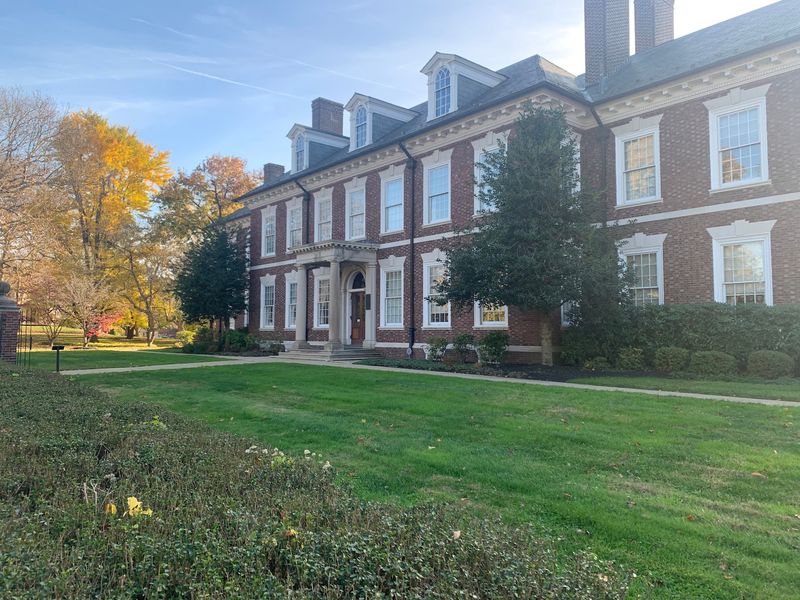
A massive steel plate can seem plain until you learn where it went.
In Coatesville, the National Iron and Steel Heritage Museum tells the story of Lukens Steel and a city that became known for powerful specialty steel.
The museum preserves buildings, objects, photos, and stories connected to iron and steel production.
Coatesville’s mills made plate steel used in ships, boilers, bridges, tanks, and major construction projects.
One of the site’s strengths is its focus on people as well as products.
Visitors learn about company leaders, skilled workers, families, and the changing technology that shaped the community over many generations.
The museum campus includes historic homes and industrial artifacts that help explain how work and daily life fit together.
Instead of seeing a mill as only machines, guests can understand the city around it.
Check hours before visiting because smaller heritage museums may have limited schedules or guided tour options.
If tours are available, they can add helpful stories that signs alone cannot fully share.
Coatesville is especially important for understanding steel plate.
Unlike small metal goods, plate steel had to meet serious demands for strength, thickness, and reliability.
Students may find it interesting that steel from Pennsylvania helped serve national needs during wars and periods of major growth.
The museum connects local labor to larger events in American history.
Leave time to explore the surrounding area with respect, since Coatesville is a living city, not just a historic stop.
The best visits balance curiosity with care for the neighborhoods that still carry this steel legacy.
7. Scranton Iron Furnaces
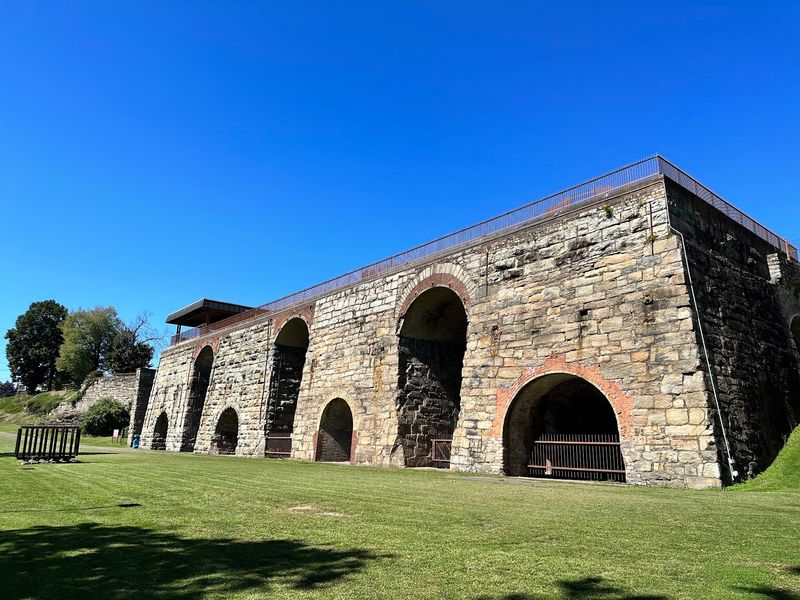
Four stone stacks stand in Scranton like quiet giants from another age.
The Scranton Iron Furnaces remind visitors that the city was an iron center before it became famous for coal and railroads.
Built in the 1840s, the furnaces produced iron rails for the growing railroad industry.
That link is important because strong rails helped trains move faster, farther, and more reliably across Pennsylvania’s rough landscape.
The site is open and easy to view, making it a good quick stop for travelers exploring Scranton.
Interpretive signs explain the furnaces, the workers, and the role of the Lackawanna Iron and Coal Company.
Unlike a busy museum, this place invites slow looking.
Walk around the stacks, notice their height and stonework, and imagine the heat that once poured from the casting area.
The furnaces also help connect several Scranton stories.
Nearby coal fields supplied fuel, railroads carried products, and factories helped turn the region into an industrial powerhouse.
Because the site is outdoors, daylight visits are best for photos and reading signs.
Pairing it with the Anthracite Heritage Museum or Steamtown creates a fuller picture of how iron, coal, and rail worked together.
A helpful way to explain the site to young visitors is to compare it to a giant oven for metal.
Workers fed it raw materials, managed extreme temperatures, and drew off molten iron for useful products.
Though the furnaces are silent now, they still tell a clear story.
Pennsylvania industry was built in layers, and Scranton’s stone stacks are one of the state’s strongest reminders of that early iron age.
8. SteelStacks and Hoover-Mason Trestle, Bethlehem
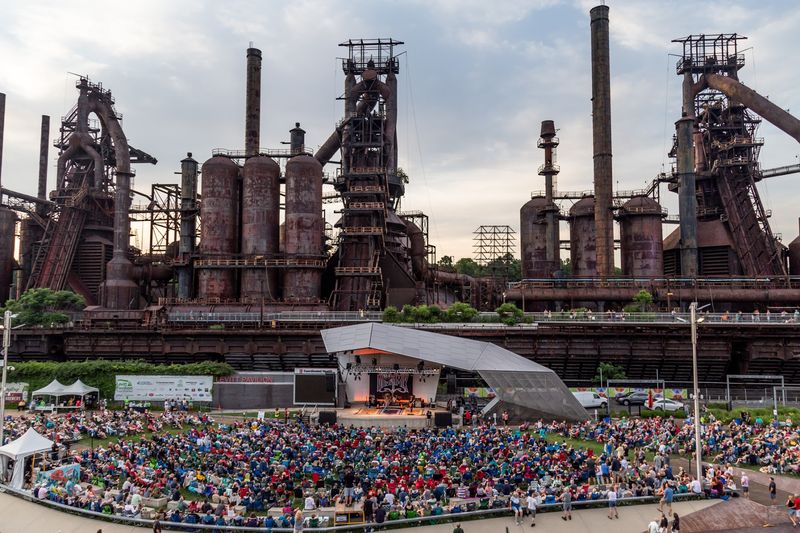
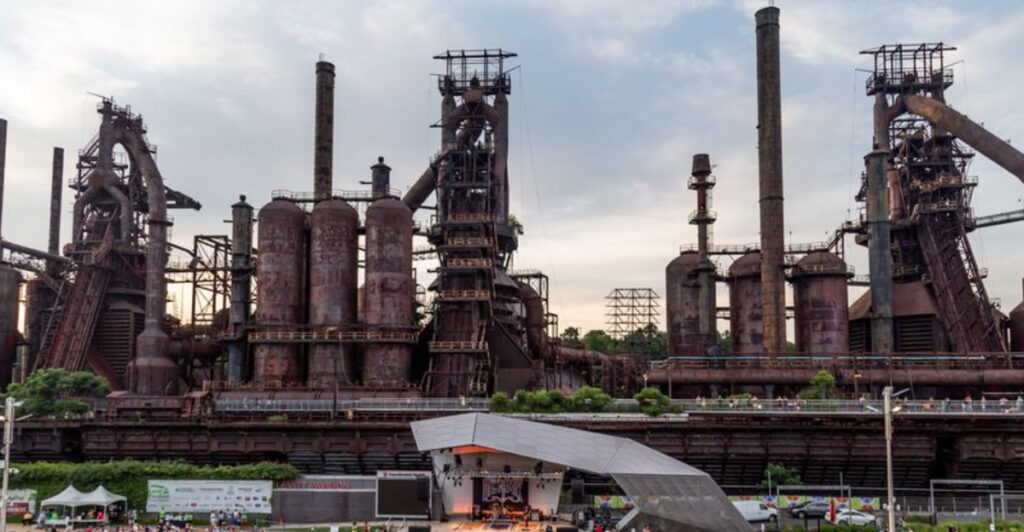
Music, food, lights, and giant blast furnaces make Bethlehem’s SteelStacks feel unlike any ordinary historic site.
The old Bethlehem Steel plant has become a lively arts and culture area while keeping its industrial backbone in full view.
The Hoover-Mason Trestle is a raised walkway that runs beside the old furnaces.
From this path, visitors can read signs, look across the plant, and understand how raw materials once moved through the steelmaking process.
Bethlehem Steel was one of America’s most famous steel companies.
Its products helped build skyscrapers, bridges, ships, railroads, and military equipment used around the world.
The site is great for visitors who like history but also want an active setting.
Concerts, festivals, restaurants, and public spaces make the furnaces part of modern community life.
Go during the day for clearer views of the machinery and signs.
Return near sunset if possible, because the lit furnaces create a dramatic scene that shows the site’s size and beauty.
Families should plan time for walking the trestle slowly.
The signs explain heavy industry in a way that is easier to follow when you can point to the real structures nearby.
SteelStacks also shows a hopeful side of industrial heritage.
Instead of tearing everything down, Bethlehem found a way to reuse a difficult site and keep memory alive.
Bring curiosity, comfortable shoes, and maybe a schedule of events.
A visit can be a history lesson, an evening out, and a reminder that Pennsylvania’s steel towns continue to create new stories.
9. Johnstown Flood National Memorial and Steel Town Context
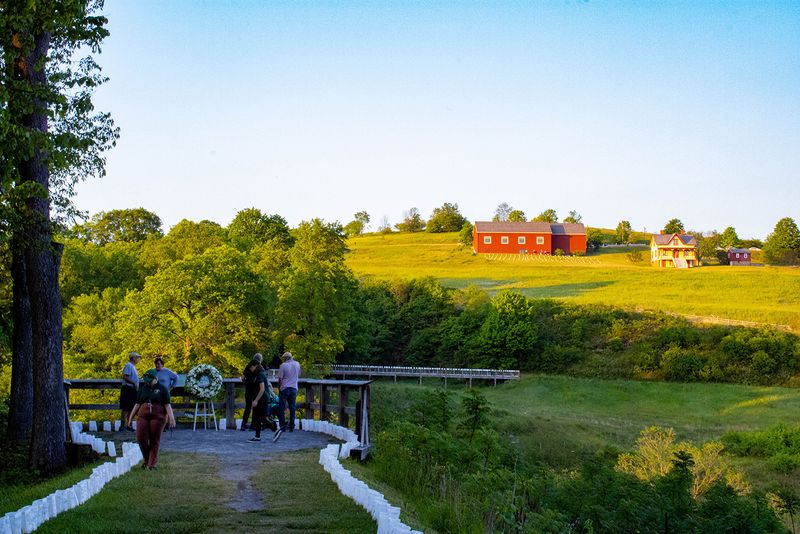
A quiet hillside near Johnstown holds one of Pennsylvania’s most heartbreaking stories.
The Johnstown Flood National Memorial explains the 1889 disaster while also helping visitors understand the steel town that suffered below.
The flood began after the South Fork Dam failed, sending a wall of water toward Johnstown.
Thousands died, and the disaster became a national story about safety, wealth, responsibility, and recovery.
Johnstown was not just any town in the valley.
It was a major industrial community, tied closely to the Cambria Iron Company and the workers who produced iron and steel.
At the memorial, exhibits, films, and outdoor views help visitors picture the path of the water.
The landscape makes the event easier to understand than numbers alone ever could.
To connect the flood with steel heritage, follow up with time in Johnstown itself if your schedule allows.
Seeing the valley, rivers, and industrial sites together shows why geography mattered so much.
This stop carries a serious tone, so it is best approached with respect.
Families can use it to talk about engineering, public safety, community loss, and the strength needed to rebuild.
The memorial also shows how industrial towns faced risks beyond the workplace.
People lived close to rivers, rail lines, mills, and steep hills because those features supported jobs and transportation.
Johnstown’s story is painful, but it is also important.
The flood shaped how Americans thought about disaster relief, and the steel town context reminds visitors that the victims were part of Pennsylvania’s working industrial heart.
10. Cambria Iron Company’s Gautier Steel Site, Johnstown
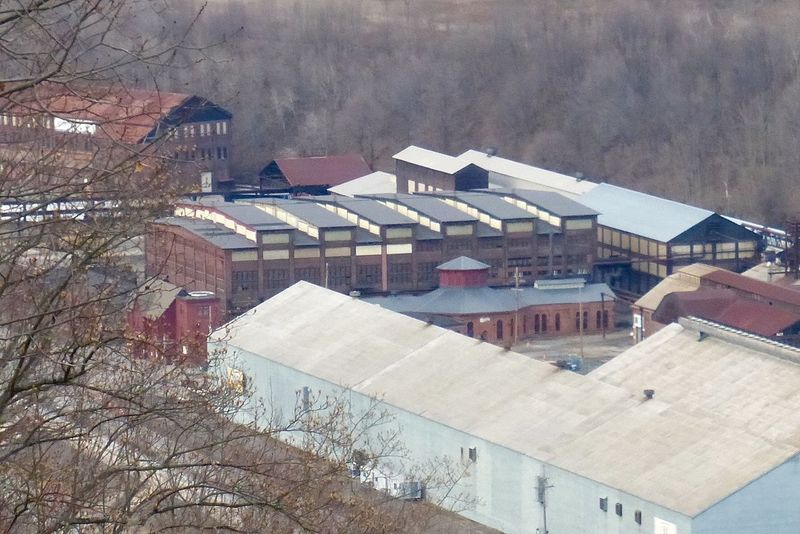
Johnstown’s industrial story has more than one chapter, and the Gautier Steel site is one of its most meaningful pages.
Connected to the Cambria Iron Company, it reflects a place where skill, invention, and heavy labor came together.
Cambria Iron was a major force in American iron and steel during the 1800s.
Its works helped advance rail production, structural shapes, and other products needed by a fast growing nation.
The Gautier name is tied to wire and specialty steel operations that became part of Johnstown’s broad manufacturing identity.
Sites like this show that steel towns were not all one single furnace or mill.
Visitors interested in this location should research access before going, because some industrial heritage areas may be viewed from public streets or through special tours rather than open roaming.
Local historical groups can be helpful sources.
The best way to appreciate the area is to see it as part of a larger Johnstown route.
Combine it with flood history, downtown sites, and other Cambria related landmarks for a fuller day.
Look for the relationship between mills, rail lines, rivers, and neighborhoods.
Steel production needed transportation and water, but it also needed workers living close enough to keep operations running.
This stop rewards patient travelers who enjoy piecing together history from buildings, maps, and local stories.
It may not have the polish of a large museum, but that can make it feel more real.
Cambria’s legacy reaches far beyond Johnstown.
By visiting places connected to the company, travelers see how Pennsylvania’s inland valleys helped shape bridges, rails, machines, and the American industrial age.
11. Fallingwater’s Steel Reinforcement Story, Mill Run
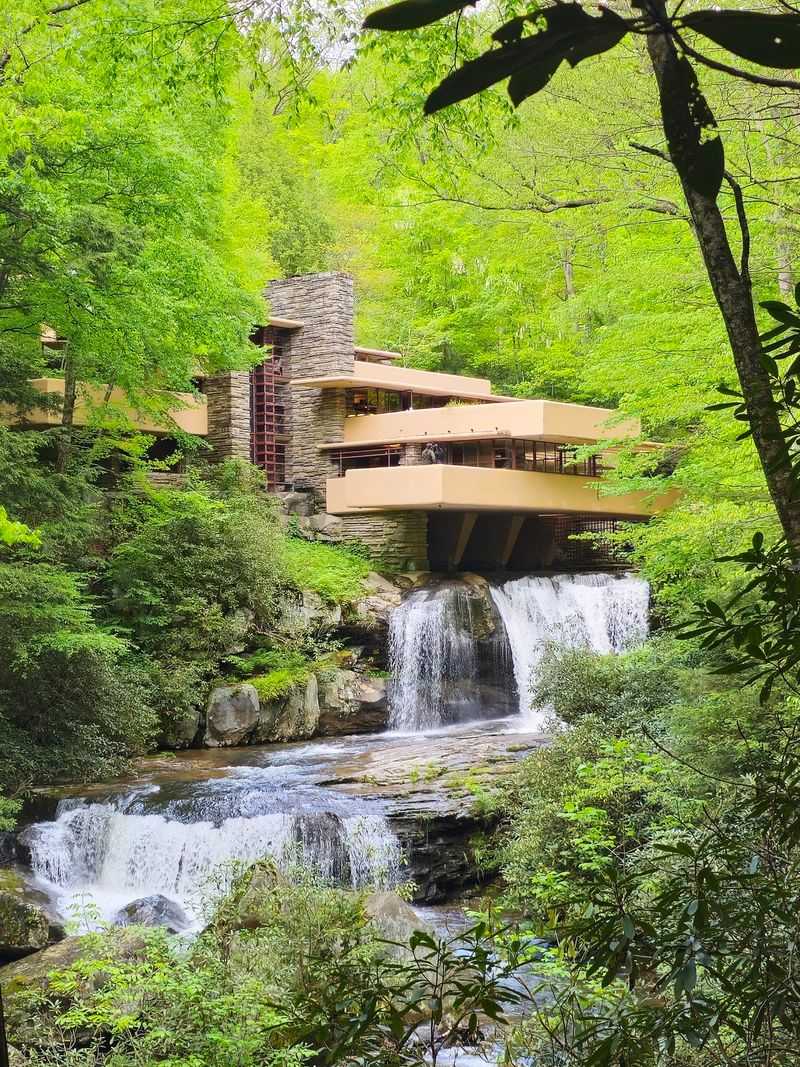
At first glance, Fallingwater looks like a dream house floating over a waterfall.
Hidden inside its graceful concrete terraces is a steel story that connects this famous home to Pennsylvania’s broader building heritage.
Designed by Frank Lloyd Wright for the Kaufmann family, Fallingwater is known for its daring cantilevers.
Those projecting terraces needed reinforcement to help carry weight and resist cracking over time.
Steel reinforcement played a key role in making the design possible, even though visitors mostly see stone, glass, and concrete.
The house shows how steel can be important without being obvious.
This stop offers a different angle on iron and steel heritage.
Instead of mills and furnaces, it shows how metal supports architecture, engineering, and creative ideas.
Book tickets ahead because tours often sell out, especially during busy travel seasons.
Guided tours help visitors understand the design choices, the landscape, and the later preservation work needed to protect the house.
Pay attention to the terraces as you move through the site.
They are beautiful, but they also tell a lesson about structure, materials, and the limits of bold design.
The wooded setting in Mill Run adds to the experience.
After seeing industrial sites with smoke stacks and rail yards, Fallingwater reminds travelers that steel also hides within quiet places.
For young visitors, compare reinforcement to bones inside a body.
You may not see them from the outside, but they help the whole form stand, balance, and last.
Fallingwater proves Pennsylvania’s metal story includes both hard work and imagination.
Steel helped support one of the most admired houses in the world.
12. Rivers of Steel: Pump House at the Battle of Homestead Site
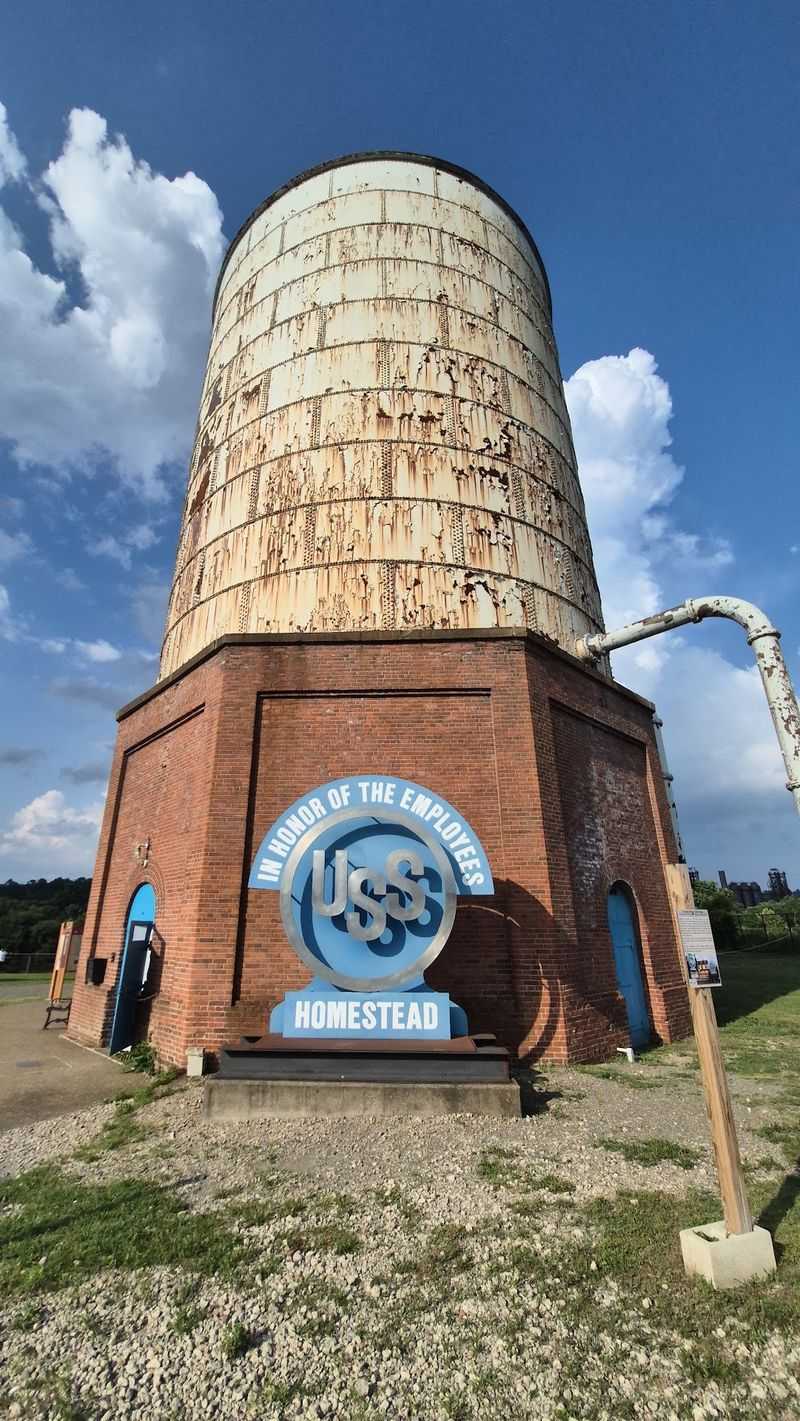
Some historic places feel quiet until you learn what happened there.
The Pump House at the Battle of Homestead site marks a major labor conflict tied to steel, power, and workers’ rights.
In 1892, a violent clash took place between locked out steelworkers and Pinkerton agents near the Homestead Works.
The event became one of the most famous labor battles in American history.
Rivers of Steel helps preserve and explain the site, along with other industrial landmarks in the Pittsburgh region.
The Pump House stands as a reminder that steel history includes conflict as well as invention.
Visitors can learn about wages, working conditions, unions, company control, and the risks faced by people who made steel.
These topics may sound big, but they connect to simple questions about fairness and safety.
Check Rivers of Steel schedules for tours, programs, and events.
Guided experiences can make the story clearer because the old industrial landscape has changed over time.
The location near the Monongahela River matters.
Rivers carried materials, supported mills, and linked towns throughout the region’s steel network.
Approach this stop with a thoughtful mood.
It is not only about machines, but also about families, fear, courage, and the struggle to have a voice at work.
Pairing the Pump House with Carrie Blast Furnaces gives visitors two sides of the same larger story.
One shows the machinery of production, while the other highlights the human fight over how that production was controlled.
The site leaves many people with a deeper question: who pays the price for progress?
Pennsylvania’s steel heritage is stronger when that question is included.
13. Horseshoe Curve and the Railroaders Memorial Museum, Altoona
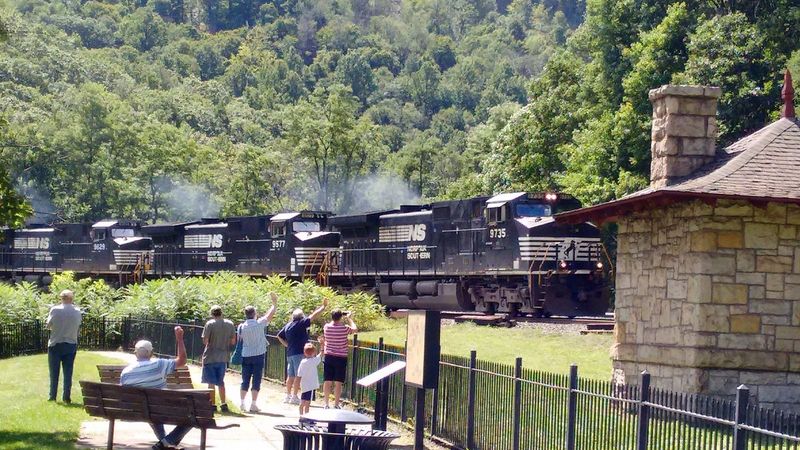
A train rounding Horseshoe Curve looks almost like a model come to life, until the rumble reminds you it is very real.
Near Altoona, this engineering landmark helped railroads cross the Allegheny Mountains more efficiently.
Opened in 1854 by the Pennsylvania Railroad, the curve became a key route for moving people, coal, iron, steel, and manufactured goods.
Its design reduced steep grades and made heavy rail traffic more practical.
The nearby Railroaders Memorial Museum adds the human side of the story.
Exhibits focus on the workers who built, repaired, operated, and managed one of the nation’s most important rail systems.
This pair of sites fits steel and iron heritage because railroads depended on metal, and metal industries depended on railroads.
Rails, locomotives, bridges, tools, and freight cars were all part of the same web.
At Horseshoe Curve, bring binoculars if you enjoy watching trains.
The viewing area offers a broad look at the curve, and train traffic can vary, so patience helps.
The museum in Altoona is a good indoor balance, especially on rainy or cold days.
It helps explain why the city grew as a major railroad shop and worker community.
Families can turn the visit into a simple challenge: spot how many kinds of rail equipment, signals, and track features appear.
Small details make the big system easier to understand.
Altoona shows that Pennsylvania’s industrial power was not only made in furnaces.
It also moved on rails, climbed mountains, crossed valleys, and connected workers and markets across the state.
14. Daniel Boone Homestead ironmaking Context, Berks County
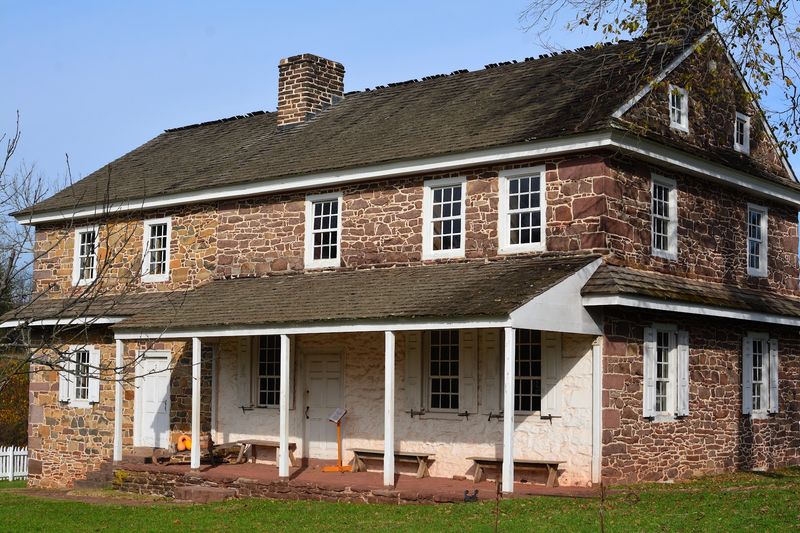
A frontier homestead might not seem like a metal history stop at first.
Yet the Daniel Boone Homestead in Berks County helps visitors picture the rural world where early Pennsylvania ironmaking took root.
Daniel Boone was born in this region in 1734, and the site preserves the landscape of early colonial life.
Nearby communities included farms, forests, streams, and roads that supported many kinds of work.
Berks County became part of Pennsylvania’s ironmaking belt because it had useful natural resources.
Iron ore, limestone, timber for charcoal, and water power were all important for early furnaces and forges.
The homestead does not function mainly as an iron museum, but it gives helpful context.
It shows the kind of countryside where workers, farmers, teamsters, and craftspeople lived alongside growing industry.
Visitors can tour historic buildings, walk the grounds, and learn about daily life in the 1700s.
That background makes it easier to understand how ironmaking fit into a larger community, not just an isolated furnace.
For a stronger steel and iron themed trip, pair the homestead with Hopewell Furnace or other Berks and southeastern Pennsylvania iron sites.
Together, they show how rural resource use led toward bigger industrial systems.
Children often connect with the homestead because it includes homes, barns, animals, gardens, and hands on history programs.
These familiar details help them imagine the past more clearly.
The main lesson is that Pennsylvania’s metal story began before giant mills and city smokestacks.
It started in wooded valleys, on farms, along creeks, and in communities where survival, skill, and natural resources met.
Share this story