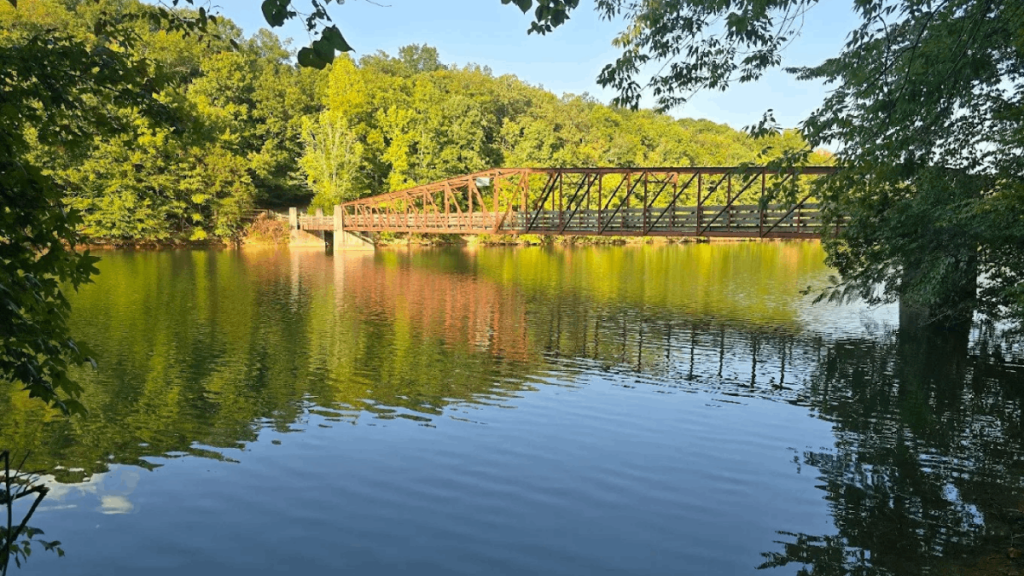
Spring in Tennessee doesn’t last forever, and once summer heat settles in, the magic shifts. Right now, waterfalls are roaring, wildflowers are carpeting the forest floor, and the green is so bright it almost glows.
Whether you’re chasing secret swimming holes, rare blooms on rocky barrens, or misty mountain overlooks, this is the season that makes Tennessee feel brand new.
1. Short Springs State Natural Area, Tullahoma
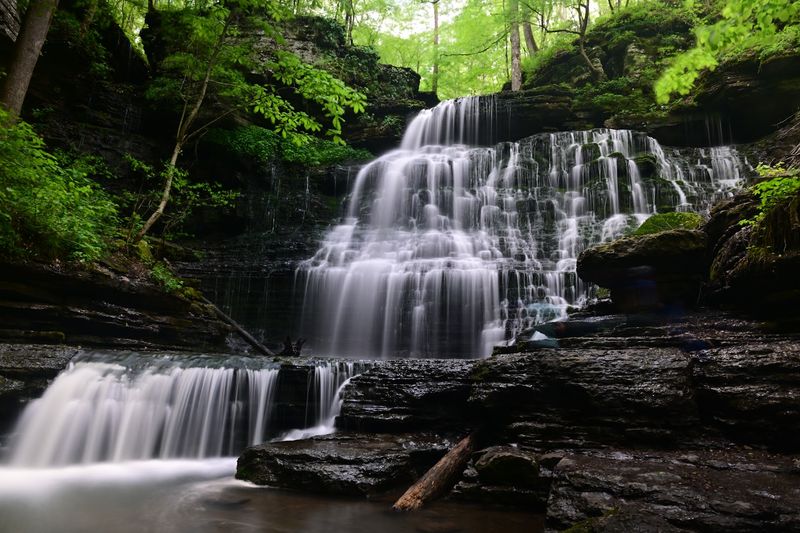
Short Springs feels like stumbling onto something nobody told you about. Tennessee itself calls this spot one of the very best spring wildflower locations in the state, and once you see the mix of creek, forest, and falls all lit up with April and May blooms, you get why. It’s not famous, and that’s part of the charm.
The trail system here isn’t overwhelming, but it packs in a lot. You’ll walk past cascades, cross wooden bridges, and wind through a hardwood forest that goes from bare to lush in what feels like a week. Spring wildflowers show up in waves, so timing matters if you want the full color show.
This is the kind of place that rewards slow walkers. You could breeze through in an hour, but if you stop to look at trillium, foam flower, and bloodroot, you’ll want more time. The water is clearest and loudest in spring, and the air smells like wet leaves and new growth.
If you want a place that feels discovered rather than famous, Short Springs delivers. It’s close enough to Tullahoma to visit on a whim, but remote enough that you won’t be dodging selfie sticks.
2. Savage Gulf State Park, Beersheba Springs
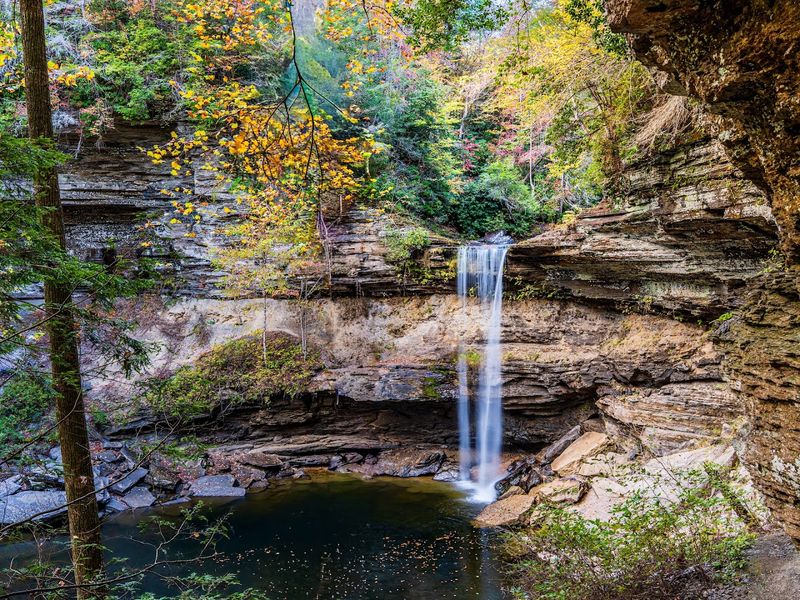
Savage Gulf doesn’t get the same hype as the Smokies, but in spring, it might actually be better. The gorges here are deep, the sandstone overlooks are dramatic, and the wildflowers come up thick along the trails.
Spring rain keeps the creeks and waterfalls running strong, and the forest greens up fast once temperatures rise. The plateau scenery feels different from most of Tennessee—more rugged, more open, and way less crowded. You can hike all day and see maybe a handful of people, especially midweek.
The trail options range from short overlook walks to all-day loops, so you can pick your effort level. But no matter which route you take, spring is when the landscape feels most alive. The sandstone cliffs glow in the afternoon light, and the air smells like damp earth and blooming dogwood.
If you’re tired of fighting for parking at the big-name parks, Savage Gulf is your answer. It’s still wild, still beautiful, and still weirdly under the radar considering how good it is. Go now while the water’s up and the trails are cool.
3. Foster Falls, Sequatchie
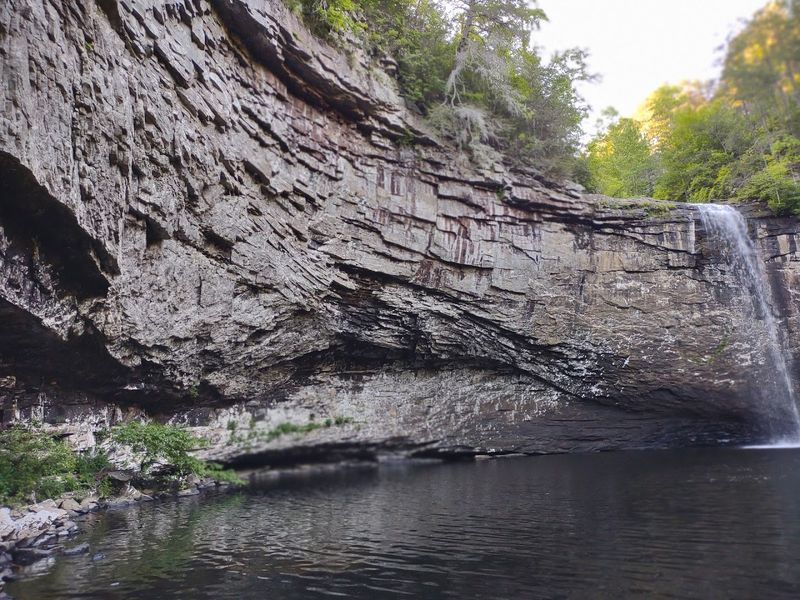
Rain gives the falls extra power, and the surrounding plateau forest greens up so fast you can almost watch it happen. It’s more photogenic and dramatic in spring than in the dry heat of summer when the flow slows to a trickle.
The hike down to the base is short but steep, and once you’re there, the waterfall dominates the whole scene. The plunge pool is clear and cold, and the rock walls around it create this natural amphitheater vibe. In spring, everything feels cooler, greener, and more alive.
If you want to explore beyond the main attraction, there are trails that follow the creek and loop around the gorge rim. The wildflowers aren’t as showy here as at some other spots, but the forest floor still puts on a show if you know what to look for. Early spring is when you’ll catch the best flow before crowds pick up.
Just go early in the day if you want the place to yourself.
4. Virgin Falls State Natural Area, Sparta
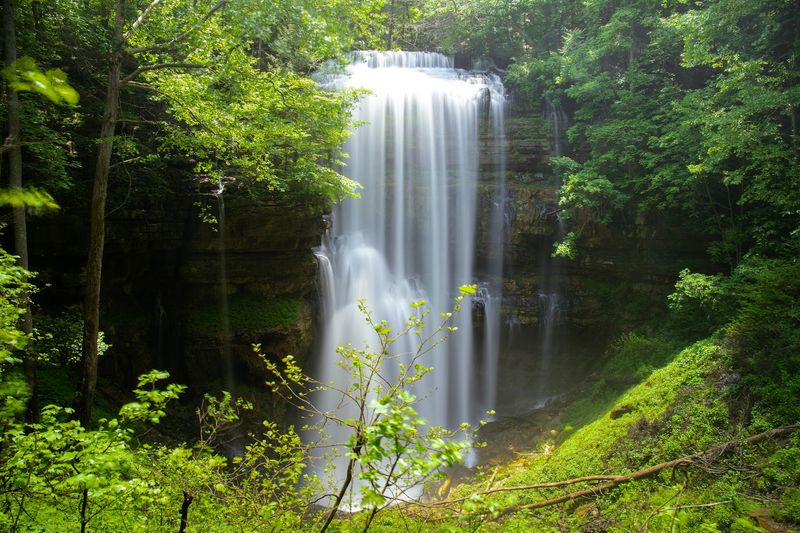
Virgin Falls feels almost secret, partly because of the hike required to reach it and partly because the hydrology is just plain weird. The waterfall literally emerges from a cave, drops 110 feet, then disappears into a sinkhole. Spring is the sweet spot because the waterfalls and creeks are fuller, temperatures are kinder, and the forest is bright green before summer gets heavy.
The hike is about eight miles round trip, so plan for a half-day adventure. It’s not technical, but it’s long enough to filter out casual visitors, which means you might have the falls to yourself.
Along the way, you’ll pass Big Branch Falls and Big Laurel Falls, both of which are worth stopping for. The trail winds through a hardwood forest and crosses several creeks, all of which are more impressive in spring. The whole area feels remote and untouched, even though it’s only a couple of hours from Nashville.
If you’re up for a longer hike and want something that feels genuinely off the beaten path, Virgin Falls delivers. Just bring water, snacks, and good shoes—spring mud is real, and the trail can get slick after rain.
5. Standing Stone State Park, Hilham
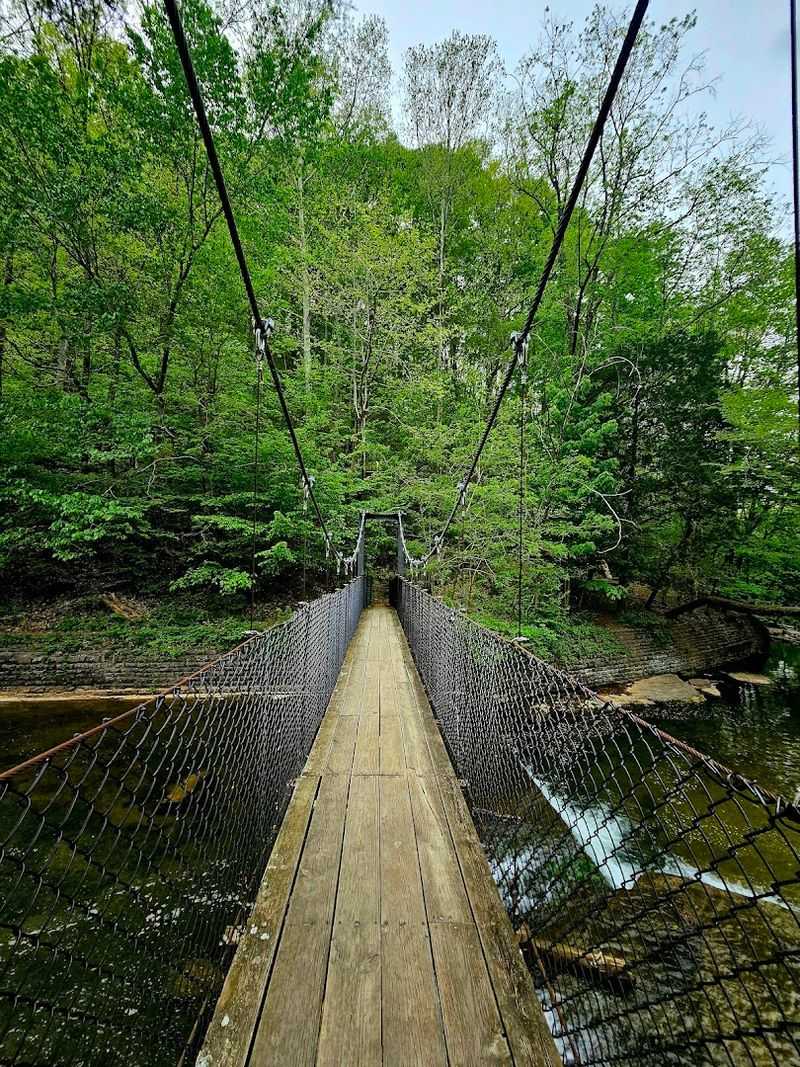
Standing Stone is one of those parks people skip because it doesn’t have the marketing muscle of the Smokies or the Cumberland Plateau’s big-name spots. But in spring, it’s especially lovely for easy wildflower viewing and soft lake-and-forest scenery that doesn’t require a brutal hike.
The trails here are mellow, which makes them perfect for families or anyone who wants a nature fix without committing to an all-day trek. The lake itself is small and peaceful, and in spring, the surrounding forest lights up with blooms. You’ll see trillium, wild geranium, and May apple if you time it right.
The park also has some decent overlooks and a few short loops that take you through different forest types. Spring is when the variety really shows—one minute you’re in a damp hollow full of ferns, the next you’re on a dry ridge with early wildflowers poking through the leaf litter. It’s subtle, but that’s part of the appeal.
If you want a spring destination that feels low-key and uncrowded, Standing Stone is a solid choice. It’s not flashy, but it’s quietly beautiful, and in spring, that’s exactly what some people need.
6. Cedars of Lebanon State Park, Lebanon
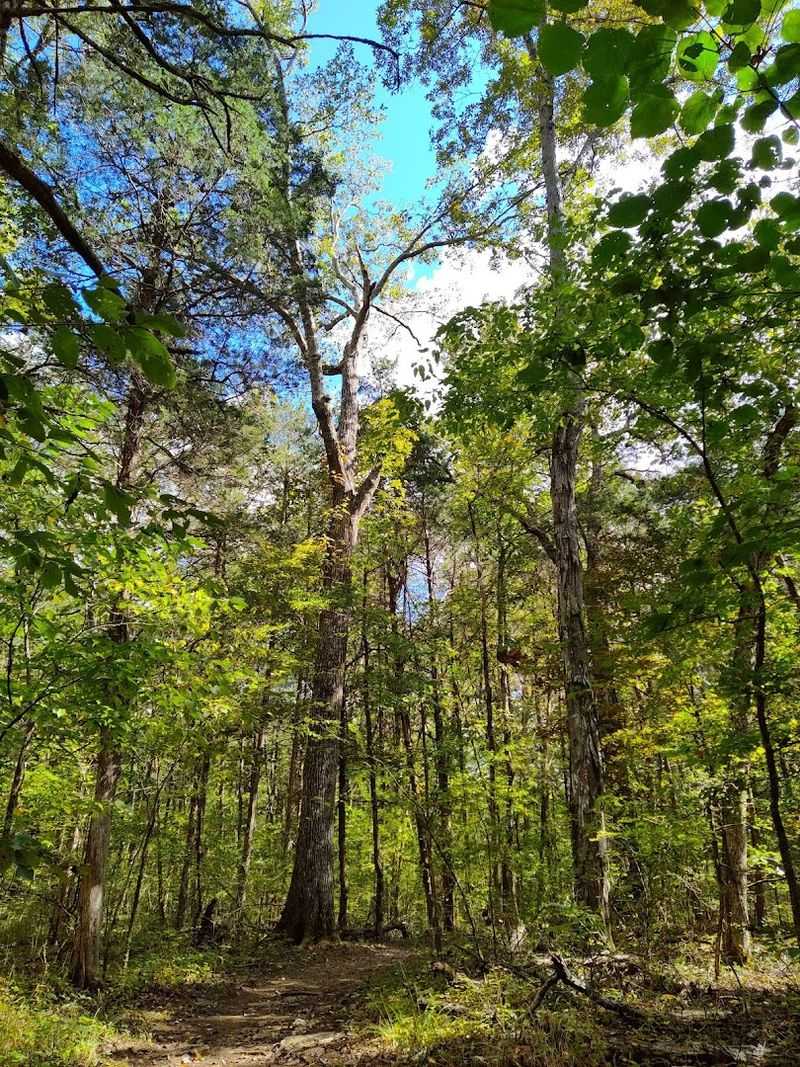
This landscape is completely different from the typical Tennessee forest—open, rocky, and full of rare blooms that only show up in specific conditions.
The cedar glades and barrens here are home to plants you won’t see anywhere else, and spring is when they put on their show. You’ll find Tennessee coneflower, glade cress, and limestone fame flower, all of which are adapted to the harsh, dry conditions of the glades. It’s a botanist’s dream, but even if you’re not into plant ID, the color and texture are striking.
The trails are easy and well-marked, so you can explore without getting lost or exhausted. Spring is also when the weather is most comfortable—glades get brutally hot in summer, and the open landscape offers zero shade. Go in April or May, and you’ll catch the blooms without the heat.
7. Flat Rock Cedar Glades and Barrens State Natural Area, Murfreesboro
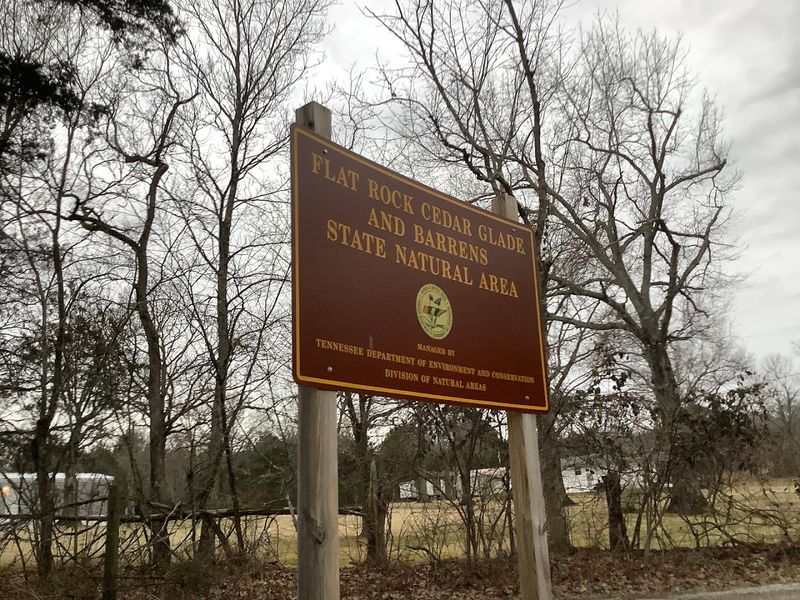
Flat Rock is one of Middle Tennessee’s most unusual spring landscapes, and the state describes it as a mosaic of cedar glades, barrens, grasslands, and forest. That mix is exactly why it feels so different from a normal woodland hike once spring flowers start coming up. The glades here are home to rare and endemic plants that thrive on thin soil and exposed limestone.
Spring is when the barrens come alive with color—pinks, purples, yellows, and whites from flowers that have adapted to harsh, dry conditions. You’ll see glade phlox, Tennessee milk vetch, and limestone stonecrop, all of which are worth stopping to admire. The landscape is open and rocky, so you can see a lot without hiking miles.
The trails are short and easy, which makes this a great spot for a quick spring outing. You won’t need a full day, but you’ll want at least an hour to wander and appreciate the unique ecology.
If you’re near Murfreesboro and want something that feels completely different from the usual Tennessee nature experience, Flat Rock delivers. It’s quiet, it’s weird, and it’s beautiful in a way that catches people off guard.
8. Roan Mountain State Park, Roan Mountain
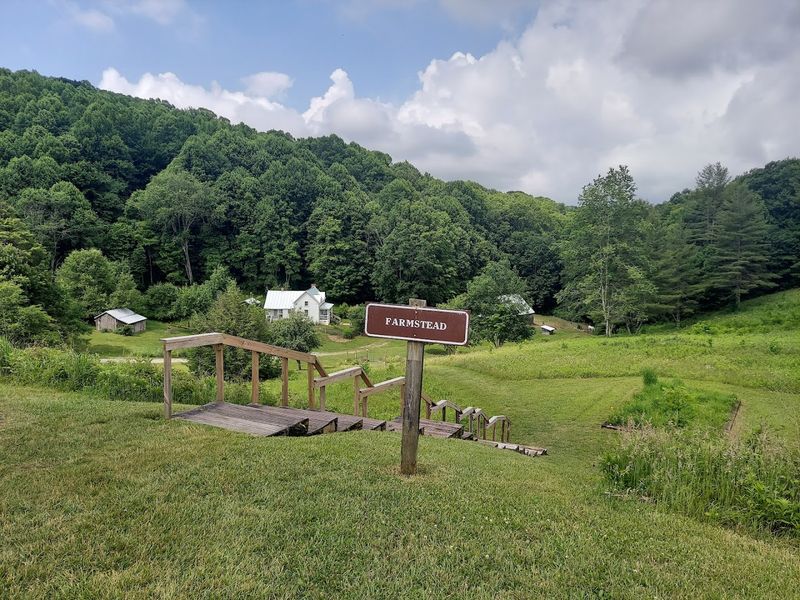
Roan Mountain isn’t exactly hidden to hikers, but it’s surprisingly absent from mainstream Tennessee spring lists compared with the Smokies. Spring into early summer is when the high-country balds and rhododendrons begin to put on their show, and the mountain scenery feels completely different from the rest of the state.
The rhododendron gardens here are famous for good reason—when they bloom in June, the entire mountainside turns pink and purple. But even before peak bloom, late spring is gorgeous. The balds are green, the weather is cool, and the views stretch for miles.
You can hike or drive to the gardens, depending on your energy level.
The trails here range from easy walks to serious climbs, so there’s something for everyone. Spring is when the high-elevation forest feels most alive, with wildflowers, bird activity, and rushing streams. The air is crisp and clean, and the crowds haven’t hit full summer levels yet.
If you want a spring destination that feels more alpine than Southern, Roan Mountain is your spot. The elevation gives it a completely different vibe from the lowland parks, and the rhododendron bloom is worth planning your trip around.
9. Ozone Falls State Natural Area, Ozone
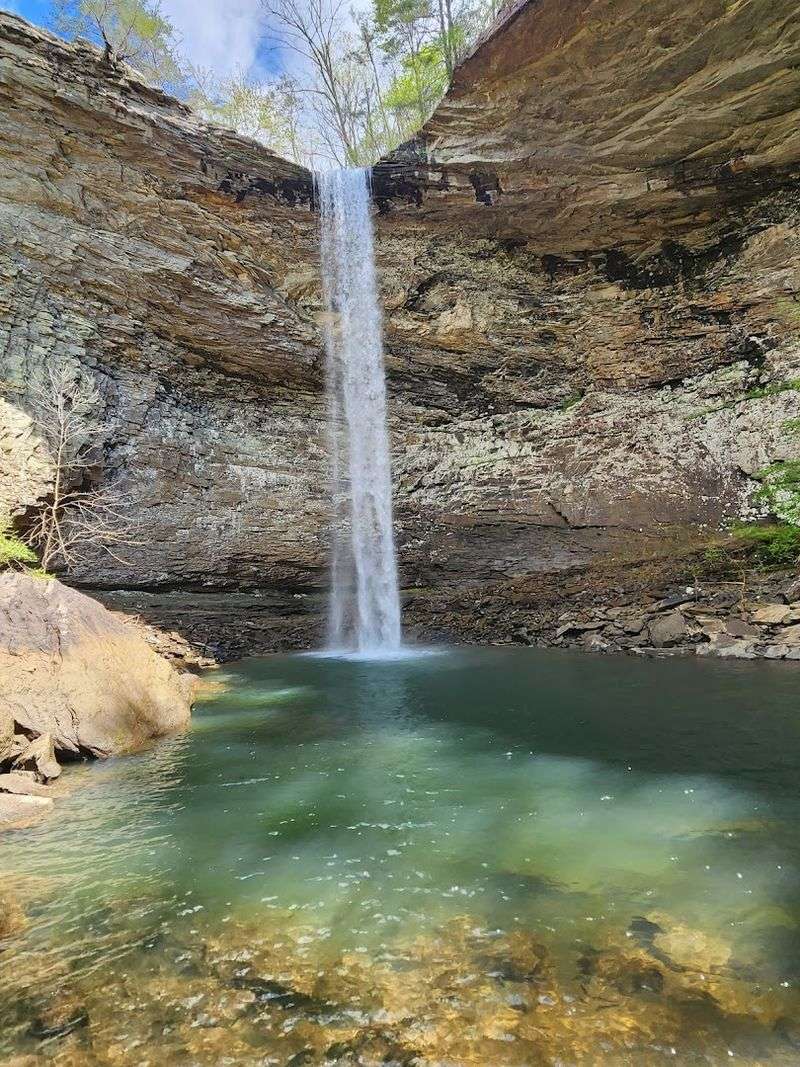
Ozone Falls stays under the radar compared with Tennessee’s most famous waterfalls, and that’s part of what makes it so good. Spring is the time to go because the plunge is stronger, the gorge is greener, and the whole setting feels cooler and more dramatic before peak summer traffic.
The falls drop 110 feet into a natural amphitheater of rock, and the view from the overlook is stunning. You can also hike down to the base if you’re up for a short scramble—spring is when the trail is slickest, so watch your footing. The gorge walls are covered in moss and ferns, and the mist from the falls keeps everything damp and green.
This is one of those places where you can spend 20 minutes or two hours, depending on your mood. The overlook is right off the parking area, so it’s accessible even if you’re not a serious hiker.
10. Meeman-Shelby Forest State Park, Millington
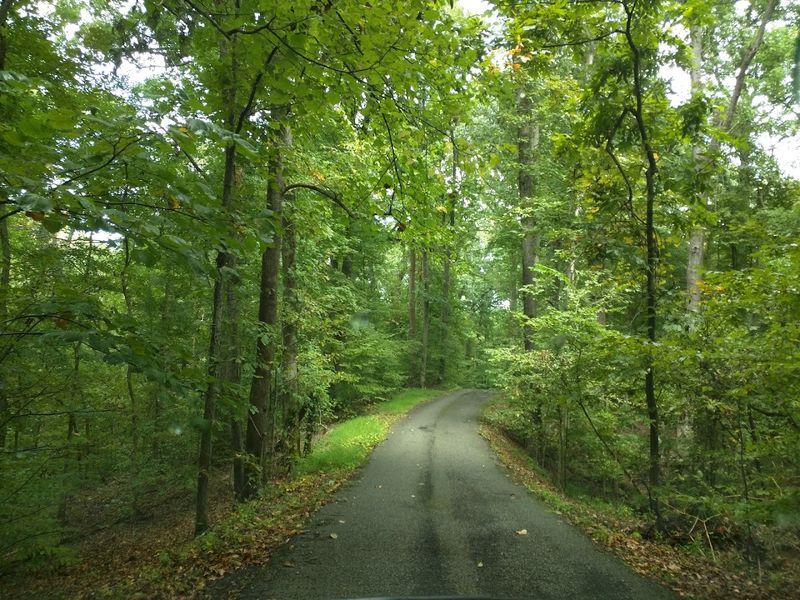
If you want a spring place outside the usual East Tennessee conversation, Meeman-Shelby Forest is a strong pick. Tennessee specifically contrasts its Mississippi River cypress swamps with the mountain parks, and spring is when the wetlands, bottomland forest, and bird activity feel most alive. This is a completely different ecosystem from what most people picture when they think of Tennessee.
The park sits along the Mississippi River bluffs, and the mix of swamp, forest, and river creates incredible biodiversity. Spring is when migratory birds pass through, and the wetlands are full of frogs, turtles, and early insects. The cypress trees are starting to green up, and the forest floor is carpeted with wildflowers.
The trails here are mostly flat and easy, which makes them perfect for birdwatching or family hikes. You’ll walk through dense hardwood forest, past cypress swamps, and along the river bluffs with views of the Mississippi. Spring is when the mosquitoes aren’t too bad yet, and the weather is comfortable for long walks.
11. Piney Falls State Natural Area, Grandview
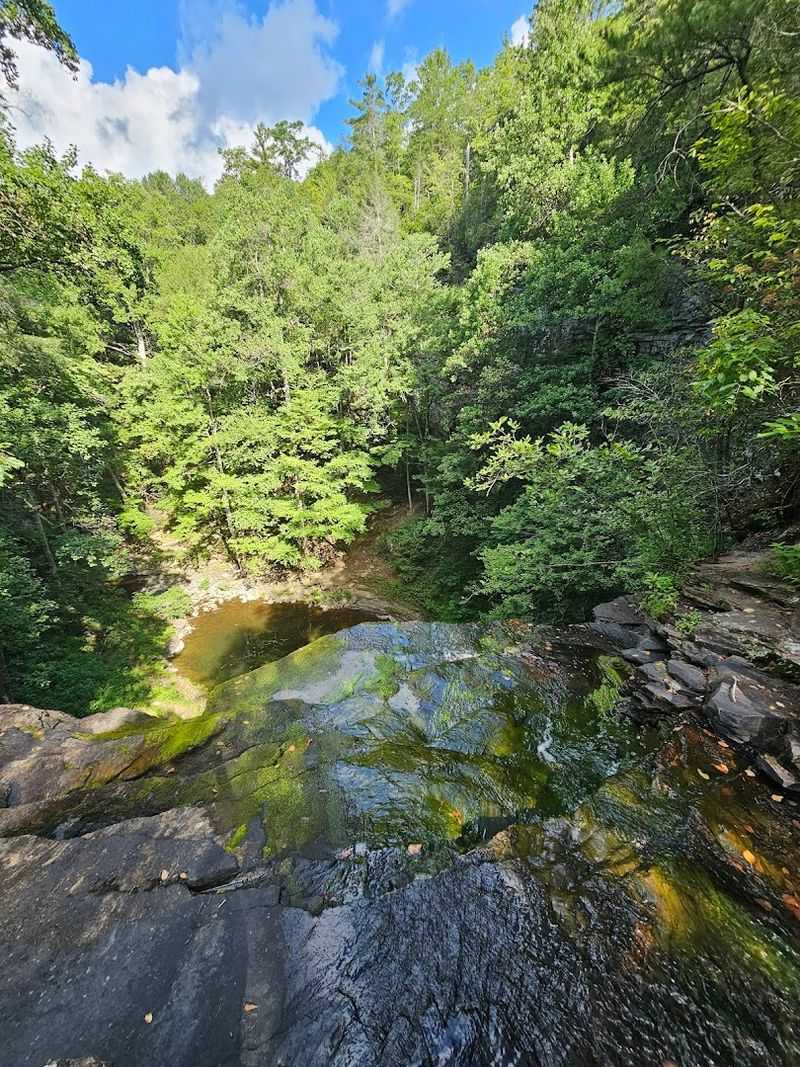
Piney Falls is one of those waterfalls that sneaks up on you. The hike in isn’t long, but the payoff is dramatic—a 90-foot plunge into a rocky gorge surrounded by spring-green forest. The trail winds through a hardwood forest and follows Piney Creek, which is at its best in spring when the water is high and the air is cool.
The falls themselves are tucked into a narrow gorge, so you don’t see them until you’re almost there. That element of surprise is part of the fun. In spring, the flow is strong, and the mist from the falls keeps the surrounding rocks and vegetation damp and lush.
You can scramble down to the base if you’re careful, but the view from above is impressive too.
The trail is about a mile each way, so it’s short enough for a quick outing but long enough to feel like a real hike. Spring is when the forest is most colorful, with wildflowers, new leaves, and bird activity all peaking at once. The creek crossings can be tricky after heavy rain, so plan accordingly.
It’s not as famous as some of Tennessee’s other waterfalls, which means you’ll have a better chance of enjoying it without crowds.
12. Fiery Gizzard State Park, Monteagle
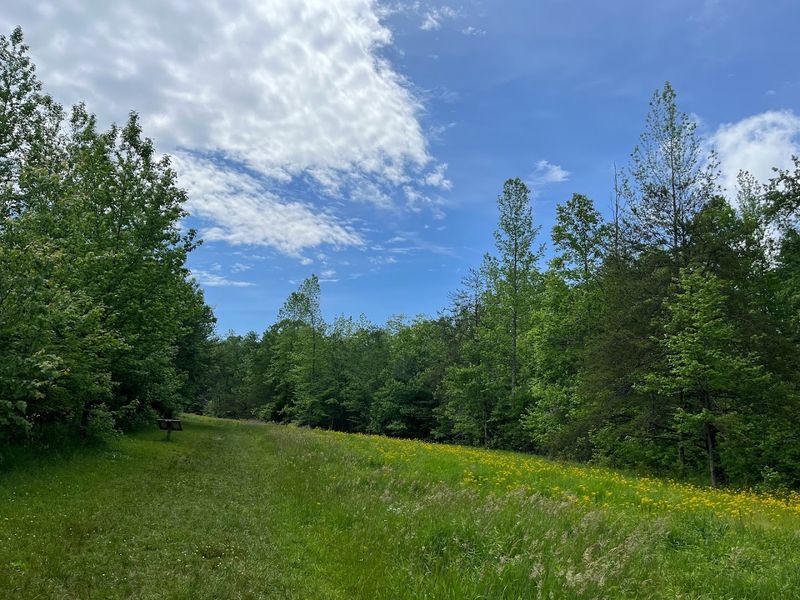
Fiery Gizzard has a name that sounds made up, but the trail itself is legendary among Tennessee hikers. Spring is when it’s at its best—waterfalls are roaring, the gorge is green, and the rock formations feel even more dramatic with all the water flowing. It’s a tough hike, but the scenery is worth every step.
The trail follows the gorge for miles, passing waterfalls, bluffs, and boulder fields. The forest canopy is just starting to fill in, so you get filtered light and pops of wildflower color along the trail.
It’s challenging but never boring.
If you’re not up for the full trail, you can do shorter out-and-back sections to hit the highlights. The upper section near the trailhead has some of the best waterfall views, and the gorge gets deeper and more dramatic as you go. Spring is also when the weather is most comfortable—summer heat can make this trail brutal.
Fiery Gizzard is one of those hikes that serious Tennessee hikers talk about with reverence. If you want a spring adventure that feels wild and challenging, this is it. Just bring good shoes, plenty of water, and a sense of adventure.
The trail rewards effort with some of the best scenery in the state.
13. Greeter Falls Waterfall, Altamont
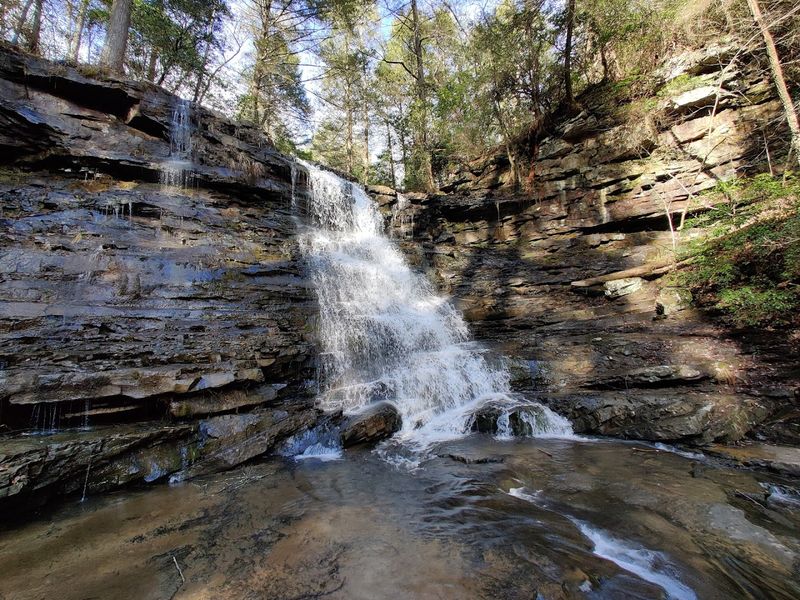
Greeter Falls is actually two waterfalls in one, and spring is when both are at their most impressive. The upper falls are easier to reach and more dramatic, while the lower falls require a steeper hike but offer a more secluded experience. Either way, you’re getting a solid waterfall fix in a beautiful gorge setting.
The trail to the upper falls is short and well-maintained, making it accessible for most visitors. The lower falls trail is steeper and rockier, but the payoff is worth it—the waterfall spills into a deep pool surrounded by moss-covered rocks and spring-green ferns. In spring, the flow is strong, and the whole area feels alive.
The forest here is classic Cumberland Plateau—mixed hardwoods, rocky terrain, and plenty of wildflowers in spring. The trails are well-marked, and there are loop options if you want to see both falls in one trip. Spring is when the creeks are full and the forest floor is blooming, so timing really matters.
14. Pickett CCC Memorial State Park, Jamestown
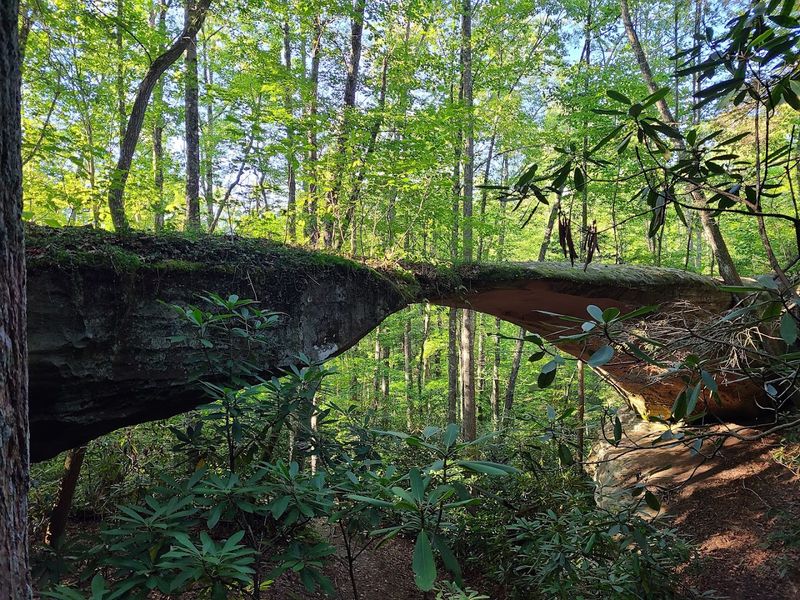
The park is full of natural stone arches, rock shelters, and hidden waterfalls, all surrounded by dense forest that greens up fast once temperatures rise. It’s remote, it’s quiet, and it feels like stepping back in time.
The CCC-built structures here add a layer of history to the natural beauty. The trails wind through the park’s rock formations and follow small creeks that are most impressive in spring. You’ll find wildflowers, mossy rocks, and plenty of spots to stop and take in the scenery.
The park is small enough to explore in a day, but you’ll want to take your time.
The forest is still open enough that you can see the rock formations clearly, and the wildflowers add pops of color to the understory. It’s also cooler and less buggy than summer, which makes hiking more enjoyable.
Pickett State Park is way up near the Kentucky border, so it’s not a quick trip from most of Tennessee. But if you want a spring destination that feels truly remote and untouched, it’s worth the drive.
15. Tims Ford State Park, Winchester
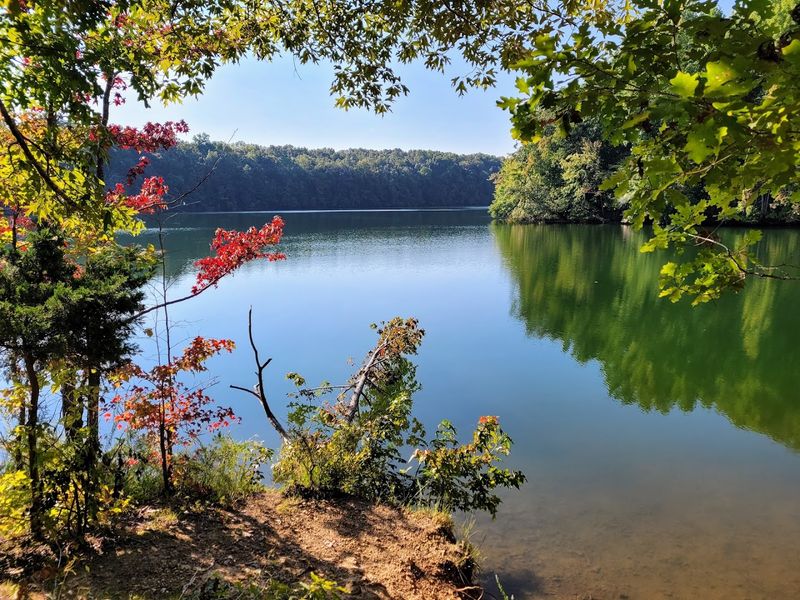
Tims Ford is more of a lake park than a wilderness destination, but spring is when it hits its stride. The lake is huge, the trails are scenic, and the wildflowers along the shoreline and in the surrounding forest make it worth a visit even if you’re not into boating. It’s a great spot for a mellow spring day without committing to a big hike.
The park has several short trails that loop through the forest and along the lake, all of which are at their best in spring. You’ll see dogwood blooms, redbud trees, and plenty of early wildflowers. The lake itself is clear and calm in spring, and the shoreline is peaceful before summer boating traffic picks up.
If you’re into fishing or paddling, spring is prime time. The water temperature is perfect, and the fish are active. But even if you’re just there to walk and enjoy the scenery, the park delivers.
The trails are easy, the views are pretty, and the whole place feels relaxed and uncrowded.