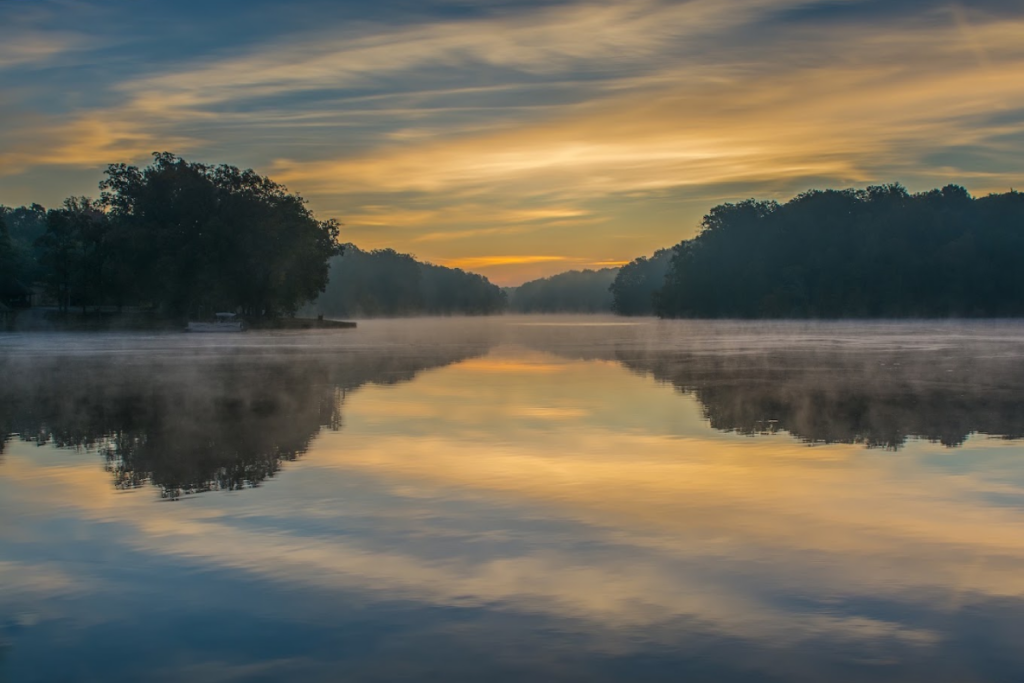
Tennessee holds more natural wonder per square mile than most people realize. From underground rivers to mountain sunrises that paint the sky in shades you didn’t know existed, the Volunteer State rewards those who venture beyond the usual tourist spots.
These 15 adventures showcase landscapes so stunning they’ll make you wonder why you ever thought you needed to leave the South to find beauty.
1. Watch the Sunrise From Kuwohi, Great Smoky Mountains National Park
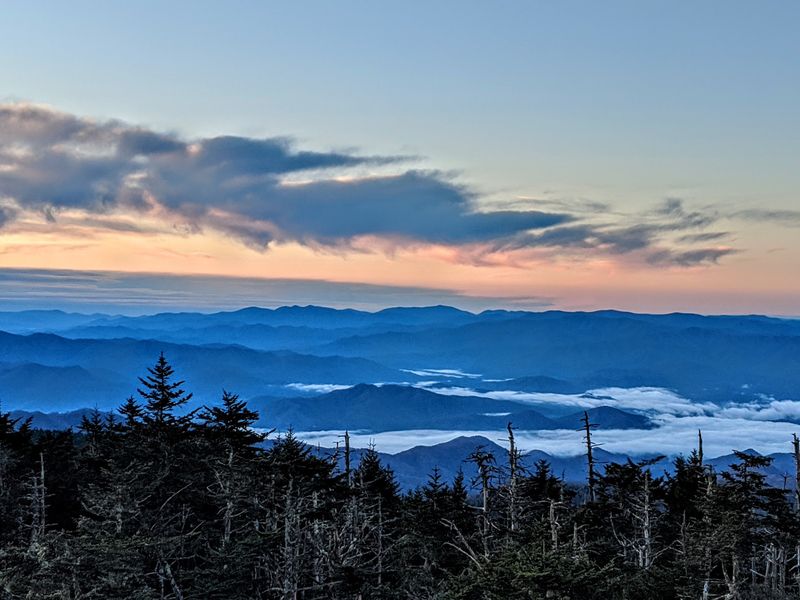
Standing at 6,643 feet, Kuwohi offers the kind of sunrise that changes how you think about mornings. The Cherokee name means “mulberry place,” but most visitors know it as the highest point in Tennessee and the third-highest peak east of the Mississippi.
Getting there before dawn means navigating a winding road in darkness, but that small sacrifice pays off when the first rays hit the endless waves of blue-ridged mountains.
Temperatures at the summit run about 10 degrees cooler than the valleys below, so bring layers even in summer. The observation tower adds another 54 feet to your elevation, giving you a 360-degree view that stretches across seven states on clear days.
Mist often fills the valleys at sunrise, creating a sea of clouds that makes the peaks look like islands floating in cotton.
Plan to arrive at least 30 minutes before sunrise to claim a good viewing spot, especially during peak fall color season when the parking area fills quickly. The road closes in winter when ice makes it too dangerous, typically from December through March.
Spring wildflowers add another dimension to the experience, carpeting the slopes in color.
Bring a thermos of coffee and something to sit on because you’ll want to linger as the light changes. The sunrise itself lasts only minutes, but the afterglow transforms the landscape for nearly an hour.
The descent reveals details you missed in the dark, including Fraser fir forests that exist only at these high elevations. Wildlife sightings are common in early morning hours, with deer and wild turkeys frequently spotted near the road.
This adventure sets the bar high for everything else on your Tennessee bucket list.
2. Raft the Olympic Whitewater Course on the Ocoee River, Ducktown
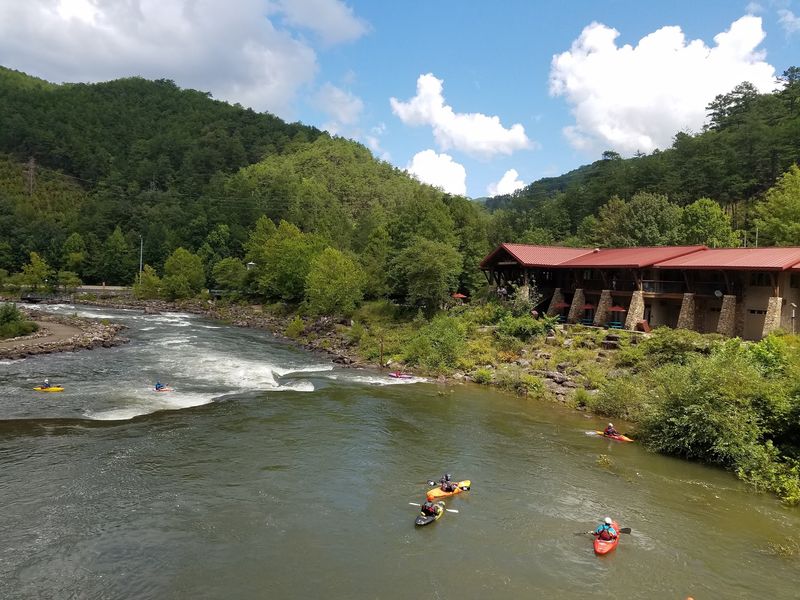
The Ocoee River earned its reputation during the 1996 Olympics when the world’s best paddlers tackled its churning rapids. Today, that same stretch of water welcomes adventurers looking for an adrenaline rush wrapped in stunning mountain scenery.
The river cuts through the Cherokee National Forest, creating a natural corridor of Class III and IV rapids that’ll have you gripping your paddle and grinning like crazy.
Water releases from the dam create predictable rafting conditions, unlike rain-dependent rivers that can be hit or miss. The Middle Ocoee section runs about five miles with more than 20 named rapids, each with its own personality and challenge.
Names like Broken Nose, Double Suck, and Tablesaw give you a hint of what’s coming, though guides make the experience accessible even for first-timers.
Several outfitters operate along the river, providing all necessary equipment and experienced guides who know every rock and eddy. Trips typically last three to four hours on the water, with time for safety briefings and shuttle rides to the put-in point.
Minimum age requirements vary by outfitter but generally start around 12 years old, depending on water levels.
The river corridor stays relatively cool even in summer thanks to the forest canopy and mountain elevation. Expect to get completely soaked, so leave valuables in the car and wear quick-dry clothes.
Spring runoff creates the biggest water, while late summer offers warmer temperatures and slightly gentler flows. Between rapids, the river calms enough to appreciate the forested slopes and occasional wildlife along the banks.
3. Hike Across the Roan Highlands, Roan Mountain
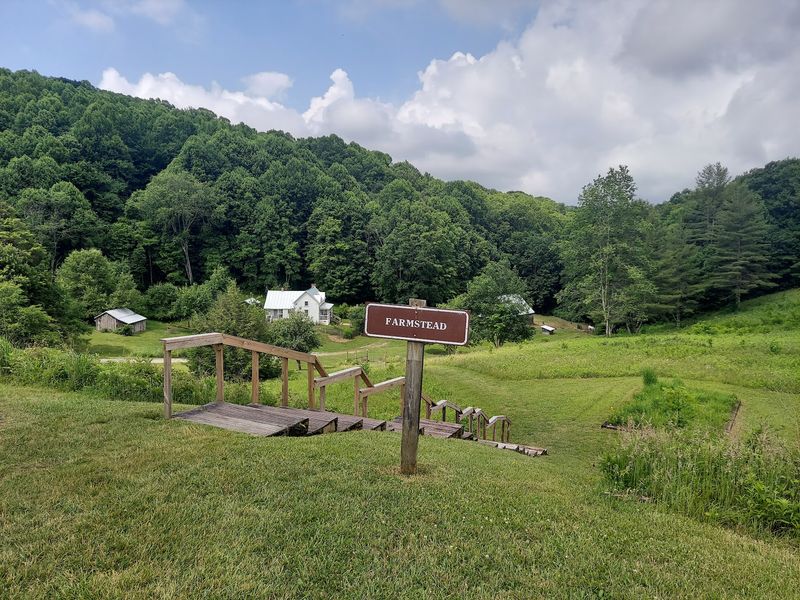
Imagine walking through gardens planted by nature herself, where rhododendrons bloom so thick they create tunnels of pink and purple in June. The Roan Highlands straddle the Tennessee-North Carolina border, offering some of the most distinctive hiking in the southern Appalachians.
These grassy balds rise above 6,000 feet, creating open meadows that feel more like the Rocky Mountains than the Southeast.
The most popular route follows the Appalachian Trail across Roan High Bluff and Round Bald, covering about 7.5 miles one way with shuttle logistics. Starting from Carvers Gap, the trail climbs gradually through rhododendron thickets before breaking out onto the balds.
The 360-degree views seem impossible for this region, with nothing but sky and distant peaks in every direction.
Wildflowers paint the balds in rotating colors from spring through fall, with different species taking turns in the spotlight. June brings the famous Catawba rhododendron bloom, drawing visitors from across the country. July and August showcase flame azaleas, mountain laurel, and dozens of wildflower varieties that thrive in the high-elevation meadows.
Weather changes fast at this elevation, so pack layers and rain gear even when the forecast looks perfect. Fog can roll in within minutes, reducing visibility to just a few feet and making navigation tricky without a GPS or compass.
Summer afternoons often bring thunderstorms, making early starts the smart choice.
Camping is available at several spots along the route, including Roan High Knob Shelter and designated backcountry sites. Day hikers can turn around at any point, though reaching at least Round Bald gives you the full bald experience.
The open terrain and big views make this hike feel like an escape to another world, all within a few hours of major Tennessee cities.
4. Descend to Fall Creek Falls, Spencer
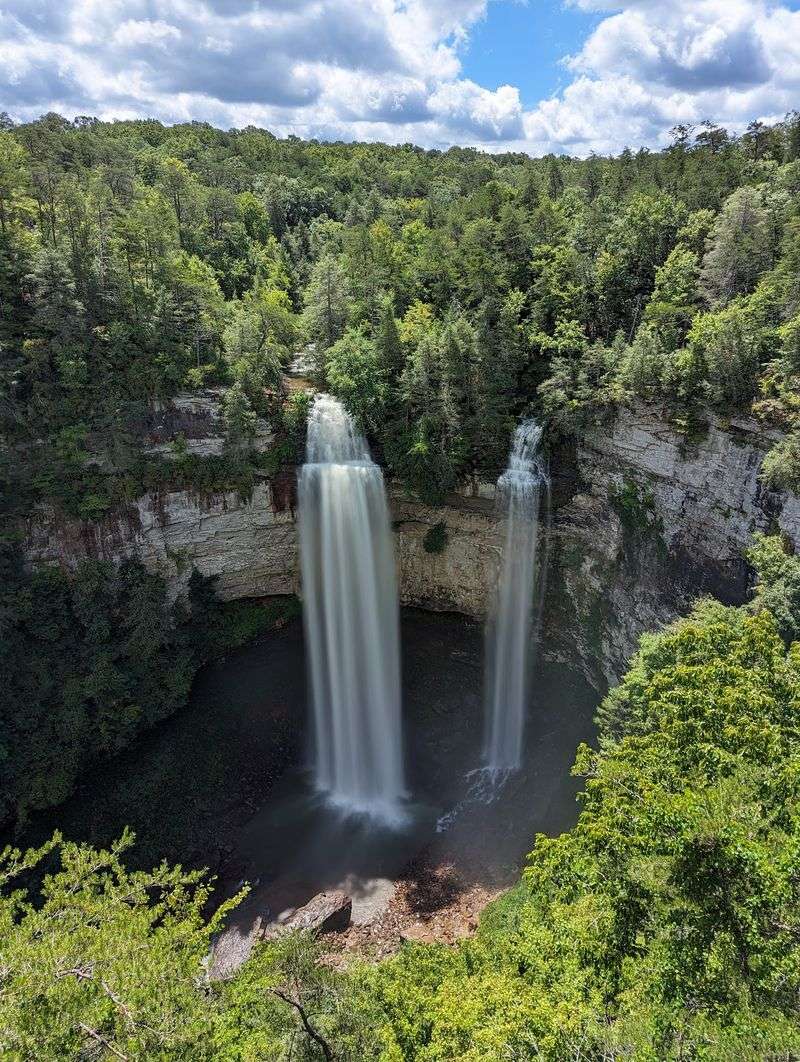
At 256 feet, Fall Creek Falls drops farther than Niagara, yet somehow it remains Tennessee’s best-kept secret among waterfall chasers. The falls anchor a state park that contains more waterfall drama per acre than almost anywhere in the eastern United States.
Water pours over a sandstone cap rock, free-falling into a plunge pool surrounded by hemlock-shaded cliffs that echo with the constant roar.
Two trails offer different perspectives on the falls, each worth your time. The overlook trail provides the classic head-on view from an observation deck perched across the gorge, perfect for photos and accessible for most visitors.
The base trail descends more than 600 feet through switchbacks and stairs, delivering you to the pool where mist creates rainbows on sunny afternoons.
The descent to the base takes about 30 minutes down and 45 minutes back up, with your calves definitely feeling the climb. Handrails and well-maintained steps make it manageable for anyone in reasonable shape, though the humidity can be intense in summer.
Reaching the bottom puts you in a natural amphitheater where the falls command complete attention.
Four other significant waterfalls exist within the park, making this a waterfall-hopping paradise. Cane Creek Falls, Piney Falls, and Cane Creek Cascades each offer distinct character and easier access than Fall Creek.
The park also features a swinging bridge over the gorge, adding another adventure element to your visit.
Spring runoff creates the most powerful flows, while fall foliage frames the falls in gold and crimson. Summer weekends draw crowds, so arrive early or visit on weekdays for a more peaceful experience.
5. Paddle to Burgess Falls, Sparta
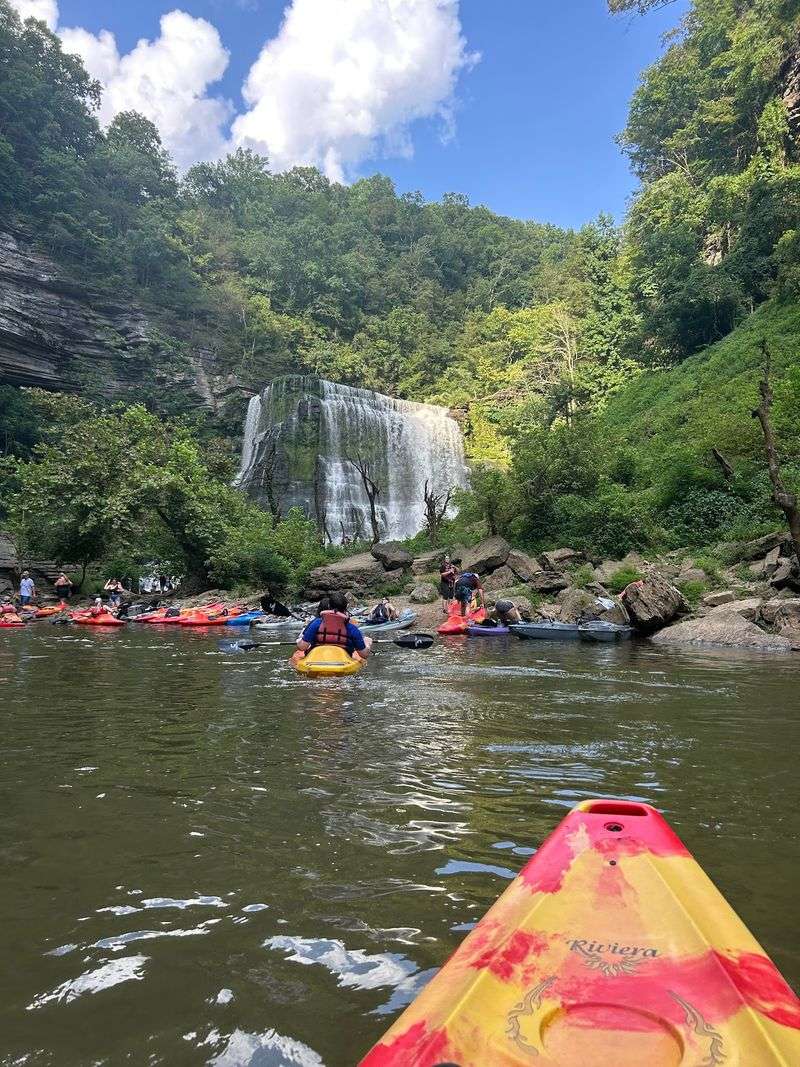
Most visitors hike to Burgess Falls, but paddling there flips the entire experience into something far more adventurous. Launching from the Falling Water River upstream, you’ll navigate calm water that gradually builds anticipation as the sound of falling water grows louder.
The final approach reveals a 136-foot cascade thundering into the gorge, a sight that hits different when you’re floating on the same water that’s about to take the plunge.
The paddle covers roughly three miles one way, with minimal current until you approach the falls. Kayaks or canoes work equally well, though kayaks offer more maneuverability in tight spots.
You’ll need to arrange a shuttle or leave a vehicle at the takeout point upstream from the falls, as paddling back upstream isn’t realistic for most people.
Stop well before the falls at designated areas, as getting too close puts you in serious danger from the current. Rangers patrol regularly and will cite paddlers who venture into restricted zones near the cascade.
The view from water level shows the falls from an angle few people experience, with the entire gorge visible in one dramatic sweep.
Three smaller waterfalls exist upstream from the main event, creating a cascade sequence that builds drama. The river corridor stays relatively wild, with forested banks and occasional wildlife sightings.
Spring and early summer provide the best water levels, while late summer can get too low for comfortable paddling.
Plan for a half-day adventure including shuttle time and plenty of stops to take in the scenery. Waterproof bags protect cameras and phones from inevitable splashes, though action cameras work best for capturing the approach.
After paddling, the hiking trail to the falls overlook takes just 20 minutes and offers the classic view from above. Combining both perspectives gives you the complete Burgess Falls experience that most visitors miss.
6. Hike the Fiery Gizzard Trail, Tracy City
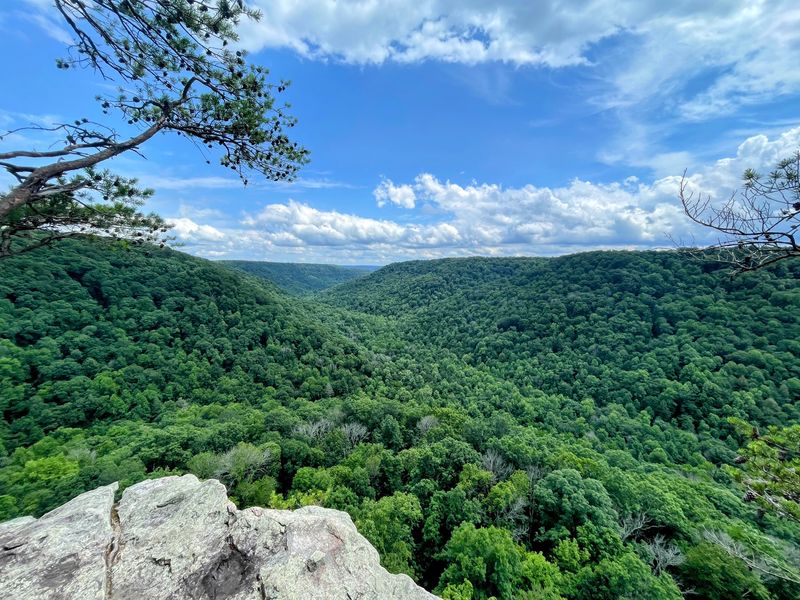
Whoever named this trail clearly had a sense of humor, but the Fiery Gizzard delivers serious hiking through some of Tennessee’s most rugged terrain. This 12.5-mile point-to-point route crosses the Cumberland Plateau, dropping into deep gorges and climbing back out repeatedly.
Rock formations, waterfalls, and swimming holes appear around nearly every bend, making the challenging terrain worth every steep descent and lung-burning climb.
The trail’s reputation as one of the South’s toughest day hikes is well-earned, with more than 2,000 feet of cumulative elevation change. Boulder scrambles, creek crossings, and narrow passages between rock walls demand attention and decent fitness.
Most hikers tackle it as a long day hike with a shuttle, though backpackers can camp at designated sites and spread it over two days.
Waterfalls punctuate the route, with Sycamore Falls being the most photographed. The 30-foot cascade drops into a pool that’s perfect for cooling off on hot days.
Blue Hole offers another swimming opportunity, a deep pool surrounded by cliffs that stays cold even in August.
Rock formations create natural bridges, overhangs, and slot canyons that feel more like Utah than Tennessee. The trail follows Fiery Gizzard Creek for much of its length, requiring multiple creek crossings that can be tricky after rain.
Waterproof boots or shoes you don’t mind getting wet are essential, along with trekking poles for balance on rocky sections.
Fall colors make the gorges spectacular in October, while spring wildflowers carpet the forest floor. Summer heat gets oppressive in the gorges, making spring and fall the ideal seasons.
The trailhead at Foster Falls offers easier access to just the first section if you want a taste without committing to the full route. This adventure challenges you physically while rewarding you with some of the most varied and beautiful terrain in Tennessee.
7. Explore the Great Stone Door and Savage Gulf, Beersheba Springs
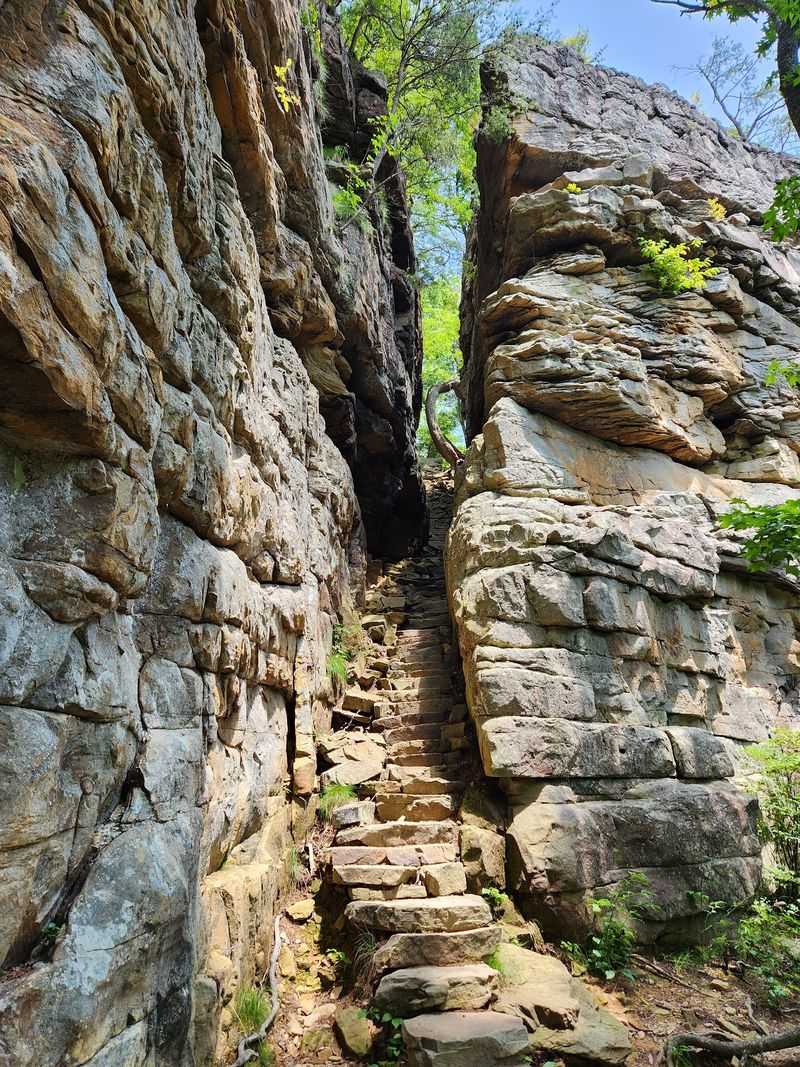
A crack in the earth opens like a doorway into another world, with sheer cliffs framing the entrance to one of Tennessee’s wildest places. The Great Stone Door serves as the dramatic gateway to Savage Gulf State Natural Area, where 15,000 acres of gorges, waterfalls, and old-growth forest remain largely untouched.
Standing at the door, you can see straight down the gulf for miles, with nothing but wilderness stretching to the horizon.
The door itself is a natural rock formation created by erosion, leaving a narrow passage through the cliff line. Early settlers used it as a route to the bottom of the gulf, though today’s trail takes a slightly easier path.
From the overlook, the view drops 200 feet straight down, giving you that stomach-flip sensation that comes with serious exposure.
Multiple trails explore different sections of the gulf, ranging from easy rim walks to challenging backcountry routes. The Savage Gulf Trail makes a 12-mile loop that hits several waterfalls and crosses the main gorge. Greeter Falls, just outside the natural area, offers an easier waterfall hike that’s perfect for families or warm-up walks.
Backcountry camping is allowed at designated sites throughout the area, making multi-day explorations possible. The gulf’s remote character means you might not see another person for hours, a rare commodity in the Southeast.
Wildlife thrives in the undisturbed forest, with black bears, deer, and wild turkeys commonly spotted.
Spring brings wildflowers and peak water flow for the waterfalls, while fall colors make the cliff-framed views even more dramatic. Summer heat sits heavy in the gorges, but swimming holes provide relief. Winter offers the clearest views and solitude, though icy conditions can make trails treacherous.
The Great Stone Door isn’t just an entrance to a natural area; it’s a portal to the kind of wild Tennessee that existed before roads and development changed everything.
8. Take an Underground Boat Ride on The Lost Sea, Sweetwater
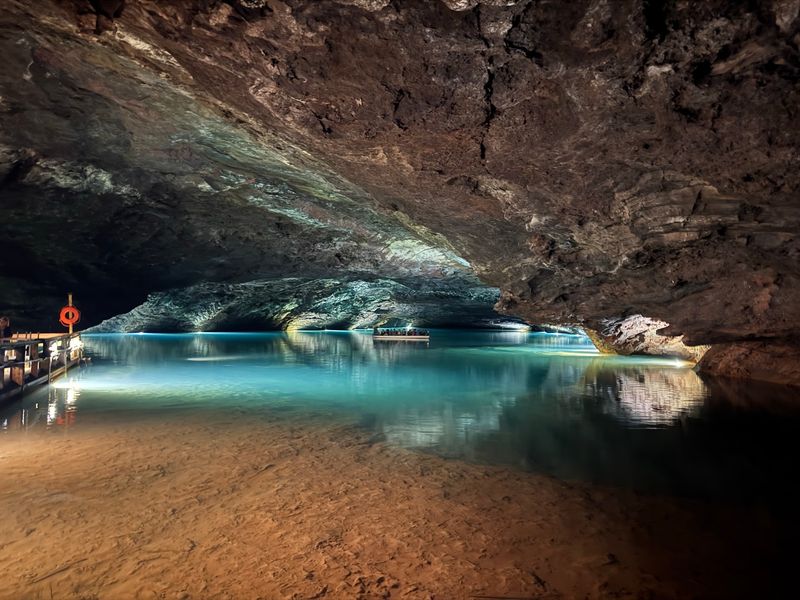
America’s largest underground lake hides beneath the Tennessee countryside, accessible only by descending into a cave system that feels like something from a Jules Verne novel. The Lost Sea Adventure combines cave exploration with a boat ride across water so clear you can see the lake bottom 20 feet down.
Rainbow trout swim beneath your boat, stocked decades ago and now thriving in this eternal darkness.
The tour begins with a 3/4-mile walk through cave passages decorated with formations that took thousands of years to create. Guides share stories about the cave’s history, including its use by Cherokee, Civil War soldiers, and Prohibition-era moonshiners.
The temperature stays at 58 degrees year-round, making a jacket necessary even on the hottest summer days.
Reaching the lake creates a moment of genuine surprise as the passage opens into a cavern containing 4.5 acres of water. Glass-bottom boats carry groups across the lake, revealing the underwater landscape and its unexpected residents.
The lake’s full extent remains unknown despite multiple diving expeditions, with passages extending beyond what divers have explored.
Above-ground attractions include a nature trail and gemstone mining for kids, making this a solid family destination. The cave tour itself takes about an hour and involves some stairs and uneven surfaces, though it’s manageable for most fitness levels.
The Lost Sea holds multiple world records and appears in the Guinness Book, yet it maintains a quirky roadside-attraction vibe. Tour guides balance education with entertainment, keeping even easily bored teenagers engaged.
The experience works in any weather since you’re underground, making it a perfect backup plan when rain cancels your outdoor adventures.
Combining natural wonder with genuine oddity, The Lost Sea proves that Tennessee’s beauty extends below ground as well as above. The boat ride across water that’s never seen sunlight creates memories that outlast typical tourist experiences.
9. Walk Behind the Waterfall at Rock Island State Park, Rock Island
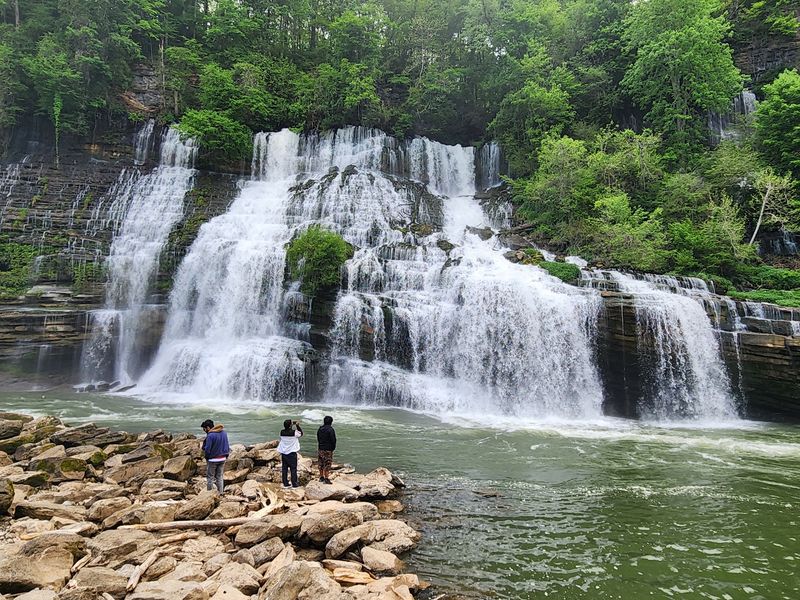
Few experiences match the thrill of standing behind a waterfall, watching thousands of gallons pour past while you stay completely dry. Rock Island State Park offers this rare opportunity at Twin Falls, where a trail leads behind the cascading water into a natural amphitheater carved by centuries of erosion.
The world viewed through a curtain of falling water takes on a dreamlike quality, with light refracting through the flow in constantly shifting patterns.
The park sits at the confluence of three rivers, creating multiple waterfalls and swimming holes within a compact area. Great Falls drops 30 feet in a wide curtain, while Twin Falls splits around a rock formation before rejoining at the bottom.
The behind-the-falls trail requires some scrambling over rocks and can be slippery, so good footwear and caution are essential.
Summer brings crowds to the swimming areas, where locals and visitors alike seek relief from Tennessee heat. The pool below Great Falls is the most popular, with deep water perfect for jumping from surrounding rocks. Twin Falls offers a quieter swimming option, with the added bonus of exploring behind the cascade.
Kayakers and paddleboarders launch from several points in the park, navigating between waterfalls and exploring the river corridors. The Caney Fork River above the falls provides calm water ideal for beginners, while below the falls challenges experienced paddlers with rapids and currents.
Fishing is popular throughout the park, with smallmouth bass and catfish being common catches.
Fall transforms the park into a color showcase, with maples and oaks lining the riverbanks turning brilliant reds and golds. Winter offers the most dramatic waterfall views when increased flow creates roaring cascades, though the behind-the-falls trail becomes treacherous with ice.
Spring wildflowers and moderate temperatures make it the ideal season for combining hiking with swimming.
Rock Island packs tremendous natural diversity into a relatively small area, making it possible to experience multiple adventures in a single day. Walking behind Twin Falls remains the signature experience that visitors remember long after their visit ends.
10. Paddle Through the Ghost Section of the Wolf River, Moscow
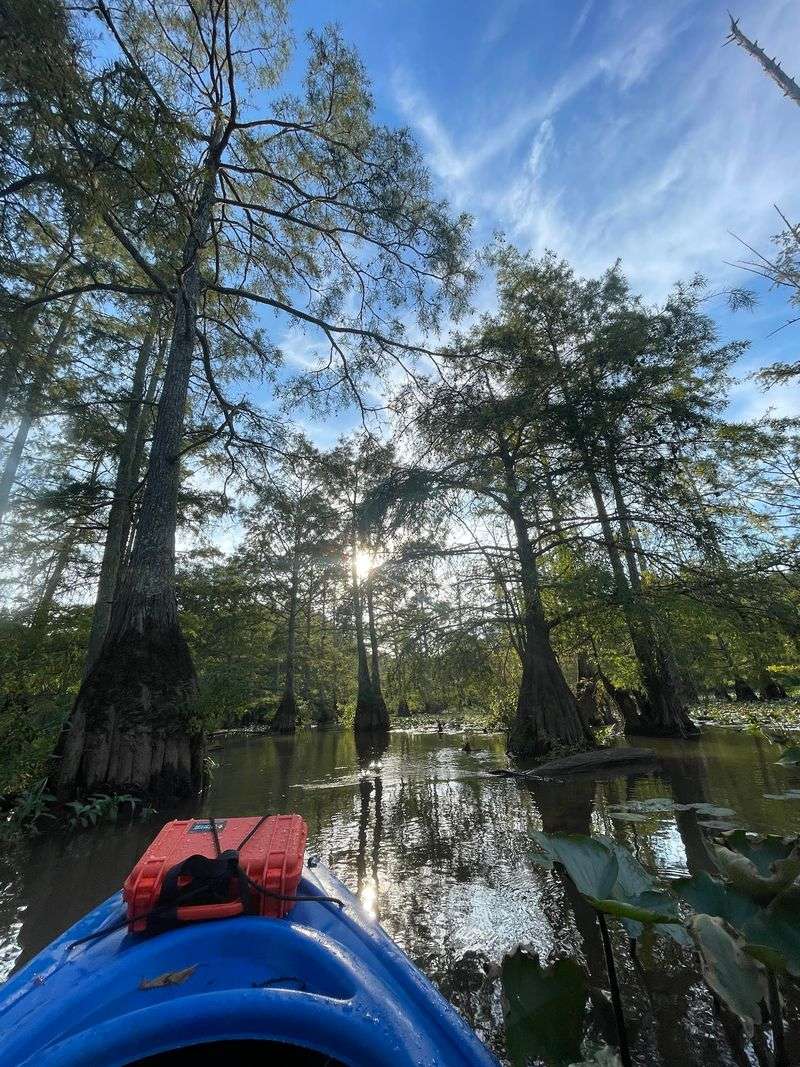
Cypress trees draped in Spanish moss rise from dark water, creating a scene more Louisiana than Tennessee. The Ghost River section of the Wolf River earns its haunting name from the otherworldly atmosphere that settles over the swamp, especially when morning mist hangs between the trees.
This 14-mile paddling route through the Wolf River Wildlife Management Area offers a completely different side of Tennessee, one where alligator gar lurk in the shallows and prothonotary warblers flash golden through the understory.
The river moves slowly here, winding through bottomland hardwood forest that floods seasonally. Paddling requires minimal effort, allowing you to focus on the wildlife and scenery rather than navigation.
Beaver lodges appear along the banks, and wood ducks explode from the water at your approach. The cypress knees poking up through the surface create natural obstacles that add interest to the route.
Water levels fluctuate significantly with rainfall, making some sections too shallow in late summer and too swift after heavy rain. Spring and fall offer the most reliable conditions, with moderate temperatures and stable flows.
The put-in at LaGrange requires a short carry to the water, while the takeout at Moscow Landing provides easier access.
No development exists along this section, giving you a wilderness experience rare in western Tennessee. The solitude can be profound, with hours passing between encounters with other paddlers. Cell service is nonexistent, so bring a map and let someone know your plans before launching.
Camping is available at several primitive sites along the route, making overnight trips possible. Paddlers should be comfortable with route-finding, as the main channel isn’t always obvious in the swamp sections.
Waterproof bags protect gear from inevitable splashes, and bug spray becomes essential from April through October.
11. Kayak Beneath the Cliffs of Watauga Lake, Butler
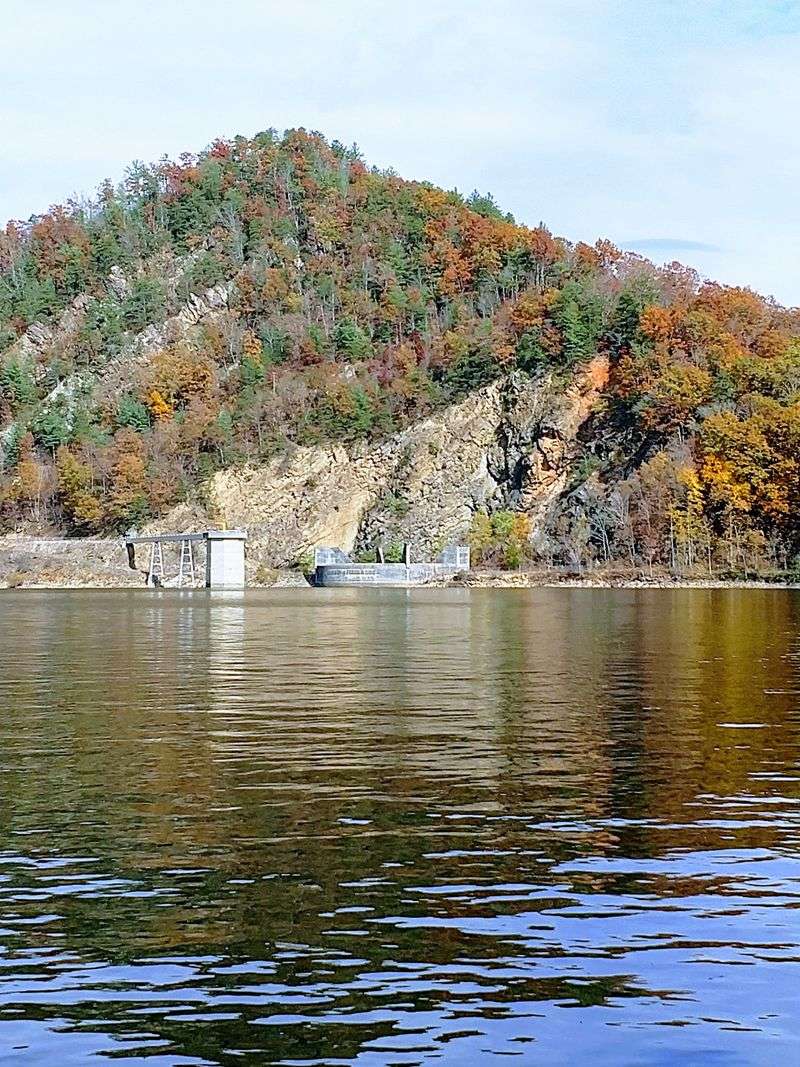
Watauga Lake’s Caribbean-blue water seems impossible for Tennessee, yet here it sits in the northeastern corner of the state, surrounded by mountains that rise straight from the shoreline. Created by the TVA in 1948, the lake flooded a valley to create 6,430 acres of water so clear you can see 20 feet down in places.
Kayaking here means gliding beneath cliffs that tower hundreds of feet above, with the Appalachian Trail visible on ridges in the distance.
The lake’s depth and cold springs keep water temperatures cool even in summer, making swimming refreshing rather than bathwater warm. Several launch points provide access, with Wilbur Dam and Watauga Point being the most popular.
The shoreline stretches for more than 100 miles, offering endless exploration opportunities without ever covering the same water twice.
Cliffs along the southern shore create dramatic scenery, with rock faces dropping straight into deep water. Paddling close to these walls reveals layers of sedimentary rock and occasional caves carved by ancient erosion.
The water’s clarity lets you watch fish swimming below your kayak, with smallmouth bass and trout being common sights.
Wind can pick up quickly on the open lake, creating waves that challenge inexperienced paddlers. Sticking close to shore provides protection and the best scenery anyway.
Coves and inlets offer calm water for breaks and exploration, with some hiding small waterfalls during wet seasons.
Camping is available at several lakeside campgrounds, making multi-day paddling trips feasible. The Cherokee National Forest surrounds much of the lake, keeping development minimal and preserving the wild character.
Fishing from kayaks is popular, with anglers targeting the lake’s healthy populations of bass and walleye. The combination of mountain scenery and tropical-looking water makes Watauga Lake feel like a destination that should require a much longer drive or plane ticket.
12. Explore the Underground Waterfalls of Cumberland Caverns, McMinnville
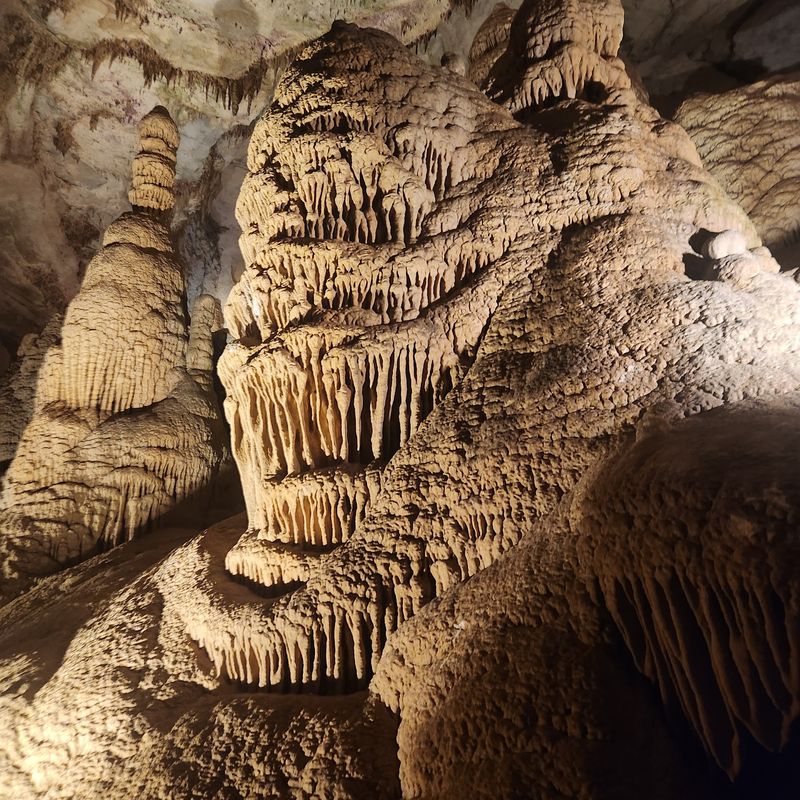
Waterfalls belong outdoors, or so most people assume until they descend into Cumberland Caverns and find cascades pouring through chambers deep underground. These caverns rank among the longest cave systems in the United States, with more than 32 miles of mapped passages containing formations that boggle the mind.
The underground waterfalls create a soundtrack that echoes through the limestone halls, a constant reminder that water sculpted this entire world over millions of years.
Standard tours last about 90 minutes and cover the most spectacular chambers, including the Volcano Room where formations resemble frozen lava. The Hall of the Mountain King could hold a football field, with a ceiling so high it disappears into darkness above the lights.
Guides point out formations with names like the Monument Pillar and the Waterfall, the latter being an active cascade that flows year-round.
Adventure tours take you off the main paths into wild sections of the cave, requiring crawling, climbing, and sometimes squeezing through tight passages. These trips last four to six hours and show you the cave as early explorers saw it, without walkways or electric lights.
Headlamps reveal formations in their natural state, covered in cave pearls and flowstone that glitters in the beam.
The caverns maintain a constant 56-degree temperature regardless of surface weather, making warm layers essential. Humidity stays near 100 percent, creating a clammy feeling that intensifies the underground atmosphere.
The cave’s depth means you’ll descend more than 300 feet below the surface at the deepest points.
Special events include overnight camping in the Volcano Room and concerts that use the cave’s natural acoustics. The camping experience lets you fall asleep to the sound of underground waterfalls, an experience available nowhere else.
Cumberland Caverns proves that Tennessee’s most beautiful adventures aren’t always found under open sky. The underground waterfalls create a sense of wonder that rivals any surface scenery.
13. Watch Bald Eagles and Sunset Over Reelfoot Lake, Tiptonville
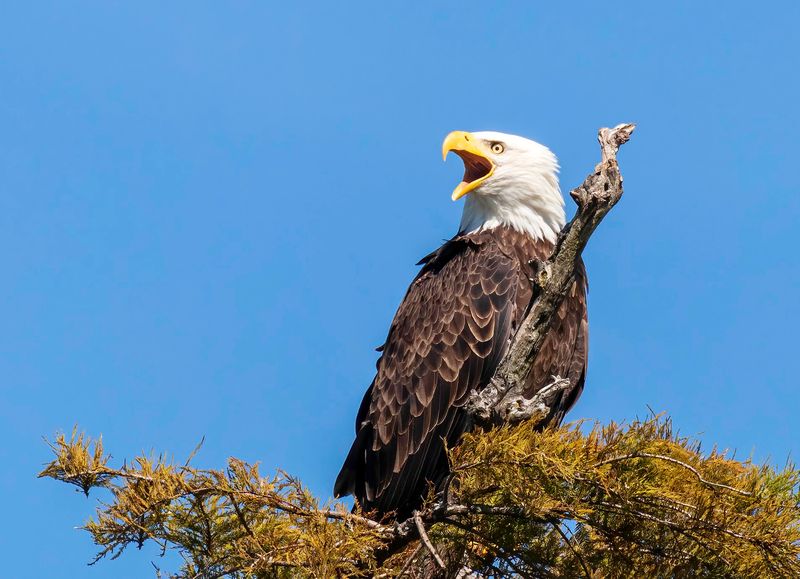
Earthquakes don’t usually create beauty, but the New Madrid quakes of 1811-1812 formed Reelfoot Lake, and Tennessee gained one of its most unique natural areas. The shallow lake covers 15,000 acres of flooded forest, with cypress trees rising from the water and creating a maze of channels perfect for exploring by boat.
Winter brings bald eagles by the hundreds, making this one of the best eagle-watching spots in the eastern United States.
The eagles arrive in late November and stay through February, feeding on the lake’s abundant fish population. Early morning and late afternoon offer the best viewing, when eagles are most active.
Boat tours led by park naturalists get you close to roosting trees where dozens of eagles gather, their white heads visible even from a distance.
Sunset over the lake transforms the cypress forest into silhouettes against orange and pink skies. The shallow water reflects the colors, doubling the visual impact.
Paddling during this magic hour means navigating between trees that seem to float in colored light, with the occasional eagle passing overhead to complete the scene.
The lake’s formation left stumps and submerged trees throughout, creating habitat that supports an incredible diversity of wildlife. Great blue herons, wood ducks, and cormorants are common sights year-round.
The shallow water warms quickly in summer, supporting populations of crappie, bass, and catfish that attract anglers from across the region.
Several boardwalks and observation platforms provide dry access to the lake’s edge, perfect for photography or wildlife watching without a boat. The visitor center offers exhibits on the earthquake that created the lake and the ecosystem that developed afterward.
Fall and winter provide the most dramatic scenery, with migrating waterfowl joining the resident eagles. Spring brings cypress trees back to life with fresh green needles.
Reelfoot Lake represents Tennessee at its most unusual and beautiful, a landscape created by catastrophe and perfected by time.
14. Hike Through the Rugged Pogue Creek Canyon, Jamestown
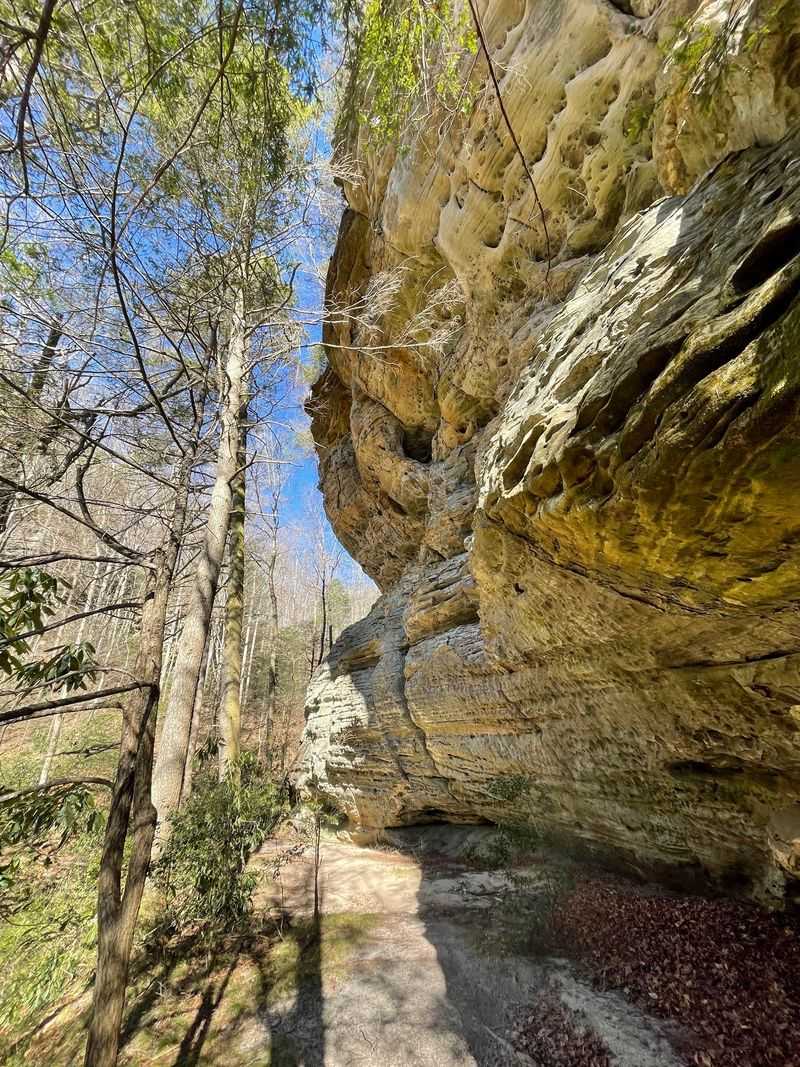
Some adventures require effort proportional to their rewards, and Pogue Creek Canyon definitely follows that formula. This relatively unknown gorge cuts deep into the Cumberland Plateau, creating a rugged landscape of cliffs, waterfalls, and boulder fields that see a fraction of the visitors that more famous trails attract.
The canyon’s remote location and challenging terrain keep crowds away, rewarding those willing to work for their wilderness experience.
The trail follows the creek through the canyon, requiring multiple water crossings and scrambles over rock obstacles. No official trail exists for much of the route, making navigation skills and a sense of adventure essential.
The canyon walls rise 200 feet in places, creating a closed-in feeling that intensifies the wild atmosphere.
Waterfalls appear throughout the canyon, with the largest dropping about 40 feet over a rock ledge. Most remain unnamed and rarely photographed, giving you the feeling of discovering something new.
Pools below the falls offer swimming opportunities, though the water stays cold even in summer thanks to the canyon’s shade.
Rock formations include natural arches, overhangs, and slot canyons that require careful movement to navigate safely. The creek itself alternates between gentle flows and cascades, with the sound of moving water constant throughout the hike. Moss covers many rocks, making footing slippery and adding to the primitive feel.
Plan for a full day to explore the canyon properly, with time for breaks and photo stops. The round trip covers roughly six miles but takes much longer than a typical trail hike due to the terrain.
Waterproof boots are essential, along with trekking poles for balance on creek crossings.
The canyon’s isolation means you might not encounter another person all day, a rare commodity in today’s crowded outdoor spaces. Pogue Creek Canyon shows that Tennessee still has wild places waiting for those willing to seek them out.
15. Paddle the Cypress-Lined Waters of Meeman-Shelby Forest State Park, Millington
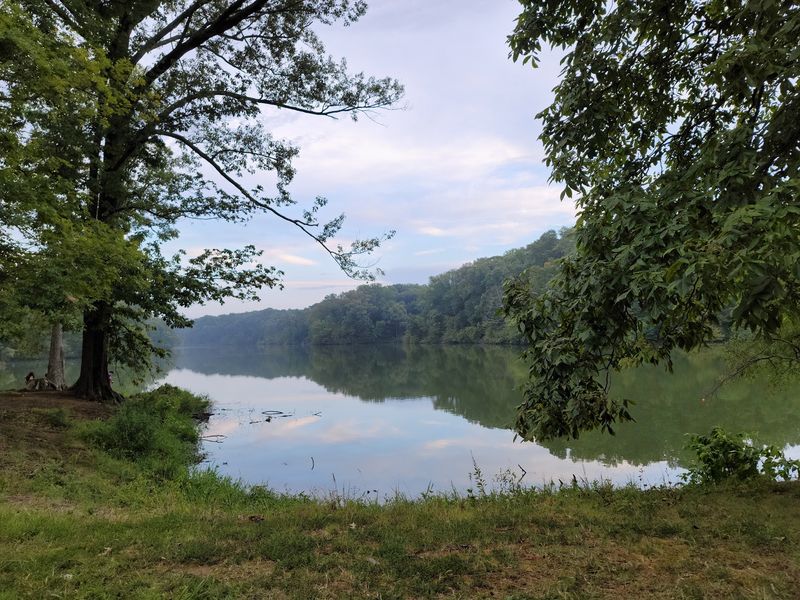
Just minutes from Memphis, a completely different world exists where cypress trees rise from still water and the only sounds come from wildlife and your paddle dipping into the lake. Meeman-Shelby Forest State Park protects more than 13,000 acres of bottomland hardwood forest along the Mississippi River, with several oxbow lakes perfect for paddling.
The park’s proximity to a major city makes it easily accessible, yet the forest feels genuinely remote once you’re on the water.
Poplar Tree Lake offers the best paddling, with a 2.5-mile loop through cypress swamp and open water. The trees create natural columns that frame views across the lake, their reflections doubling in the mirror-smooth surface on calm days.
Spanish moss drapes from branches, adding to the primordial atmosphere that makes you forget you’re near a metropolitan area.
Wildlife viewing opportunities are exceptional, with wood ducks being the most common waterfowl. Great blue herons stalk the shallows, and red-shouldered hawks call from the canopy.
Deer come to the lake’s edge to drink, especially in early morning and evening. The diversity of bird species makes this a favorite destination for birders, with more than 200 species recorded in the park.
The lake’s shallow depth means it warms quickly in summer, making swimming tempting though not officially encouraged. Fishing is popular, with bass, bluegill, and catfish being common catches.
The cypress knees create obstacles that add interest to paddling while providing habitat for fish and amphibians.
Rental kayaks and canoes are available from the park office, making this accessible even without your own boat. The put-in provides easy access with minimal carrying required. Plan for a two to three-hour paddle to circle the lake at a relaxed pace with time for wildlife watching.
Meeman-Shelby proves that Tennessee’s beautiful adventures aren’t always found in remote corners but sometimes hide in plain sight near major cities.