A walk does not need a summit, a backpack, or a brutal set of switchbacks to feel like an adventure. Sometimes all it takes is a boardwalk floating over a wetland, a trail curling past an old cranberry bog, or a path that suddenly opens onto a river you could not see five minutes earlier.
New Jersey is especially good at these small surprises. Across the state, easy trails lead to waterfalls, historic villages, butterfly meadows, hidden gardens, suspension bridges, salt marshes, and some seriously good skyline views.
Most of the walks below can be enjoyed without turning the day into an endurance test, which makes them ideal for families, casual walkers, or anyone who would rather admire the scenery than count elevation gain. Put on comfortable shoes, bring some water, and leave the trekking poles at home.
These 15 New Jersey walks prove you can have a proper little adventure without working quite so hard for it.
1. South Mountain Fairy Trail, Millburn: Small Doors, Big Fun

Tiny doors tucked against tree roots are not something you normally expect to find while walking through an Essex County forest. That is exactly why the Fairy Trail inside South Mountain Reservation became such a favorite with families.
The whimsical installations turn an ordinary woodland stroll into a slow-moving scavenger hunt, with miniature homes and little details hidden close enough to the path that children tend to notice them before adults do. The surrounding reservation covers more than 2,000 acres across Millburn, Maplewood, and West Orange, so the fairy-themed section is only a small taste of what is available.
Nearby trails lead deeper into the woods, while the broader park includes overlooks, streams, carriage roads, and connections toward the Orange Reservoir area. This is not the place to rush through while staring at a fitness tracker.
The fun is in looking closely, especially around roots, rocks, and fallen logs. Families can easily stretch the outing by exploring other sections of the reservation afterward.
One important planning note for fall 2026: the Fairy Trail itself is temporarily closed while erosion work is completed, with reopening expected after October. Once access returns, it is worth putting back near the top of the easy-walk list.
Few trails make a short outing feel this imaginative.
2. Pochuck Boardwalk, Glenwood/Vernon: Wetlands Without the Climb
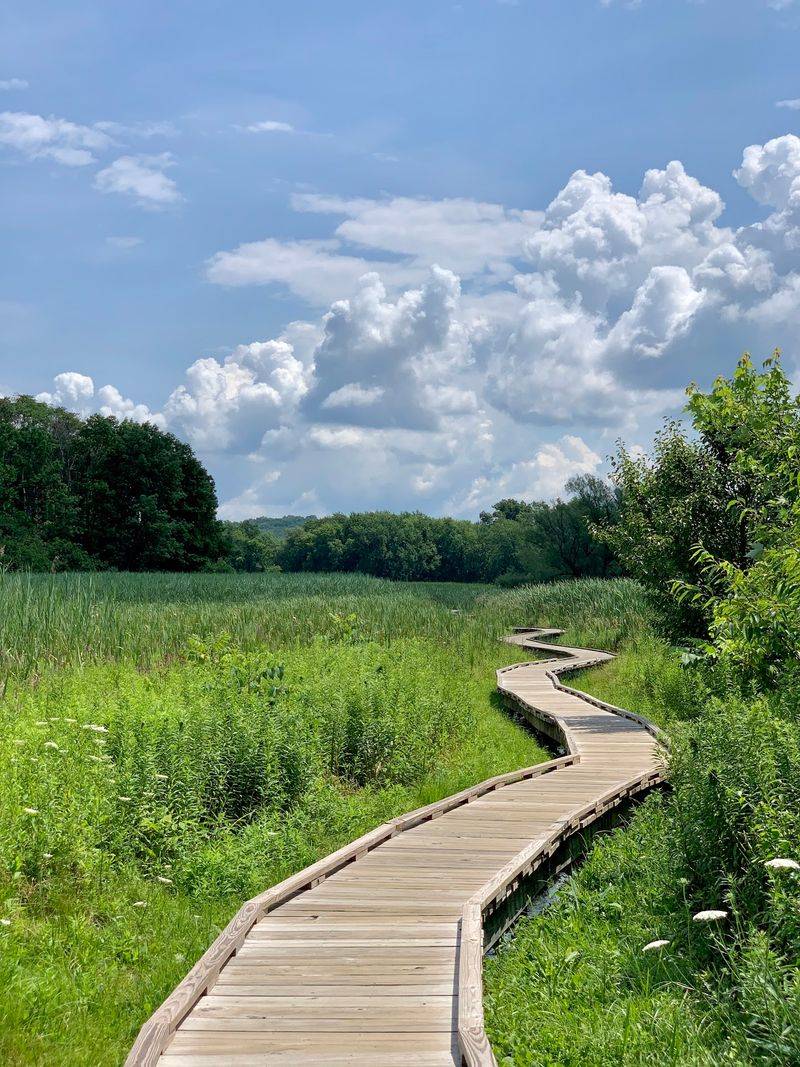
For nearly a mile, your hiking trail is essentially a wooden ribbon floating over northern New Jersey wetlands. Pochuck Boardwalk is part of the Appalachian Trail, but you do not need to be carrying a giant pack or hiking toward Maine to enjoy it.
A simple out-and-back from Route 517 gives casual walkers one of the most unusual sections of the entire A.T. The boardwalk snakes through open marshland where frogs, turtles, birds, and the occasional snake provide much of the entertainment.
About seven-tenths of a mile in, the route reaches one of its best features: a 144-foot suspension bridge over Pochuck Creek. There are 18 steps leading onto the bridge, and the sudden change from narrow boardwalk to swaying span gives this easy walk just enough drama to feel like something bigger.
Continuing a bit farther takes you back onto the boardwalk before you can turn around whenever you have had enough. The standard out-and-back is around two miles, and the terrain remains largely gentle.
Parking is limited near the trail crossing, so arriving earlier on pleasant weekends makes life easier. One warning: the boardwalk eventually connects toward the much tougher Stairway to Heaven hike.
If your plan is an easy afternoon, admire the mountain from a distance and turn around before ambition gets involved.
3. Duke Farms Trails, Hillsborough: Choose Your Own Quiet Ramble
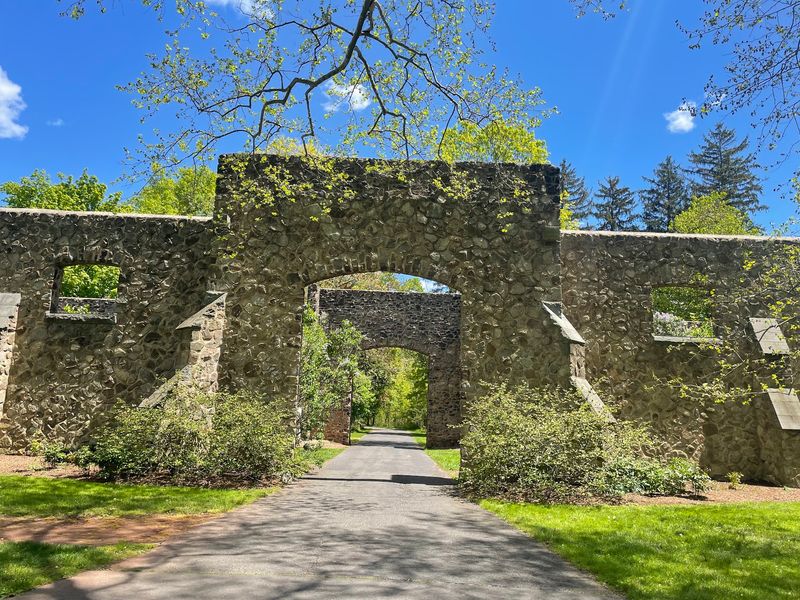
The trick at Duke Farms is deciding when to stop walking. With roughly 20 miles of mostly broad, paved or gently surfaced paths spread across a 2,700-acre property, it is easy to keep spotting one more thing that looks worth investigating.
One minute you are passing open meadow; the next you are beside a lake, an old stone feature, mature trees, or a piece of the estate’s architectural history. The former country property of heiress Doris Duke has been reshaped around conservation, and the result feels less like one defined hiking trail than an enormous outdoor choose-your-own-adventure.
Most routes have little significant elevation gain, so you can build a short loop or wander for several miles without needing serious hiking gear. The Orchid Range makes a particularly good destination when it is open, while the Old Foundation and Great Meadow give the landscape a strangely compelling contrast between human ambition and nature reclaiming space.
Birders have plenty to watch for, too, especially around the property’s meadows and wetlands. Visitors currently enter through the Farm Barn area, where maps and facilities make getting oriented easy.
Duke Farms is open Tuesday through Saturday, rather than every day, so check your calendar before driving out. This is the rare place where a relaxed stroll can accidentally become an entire afternoon.
4. Hacklebarney State Park Trails, Long Valley: Follow the River Sound
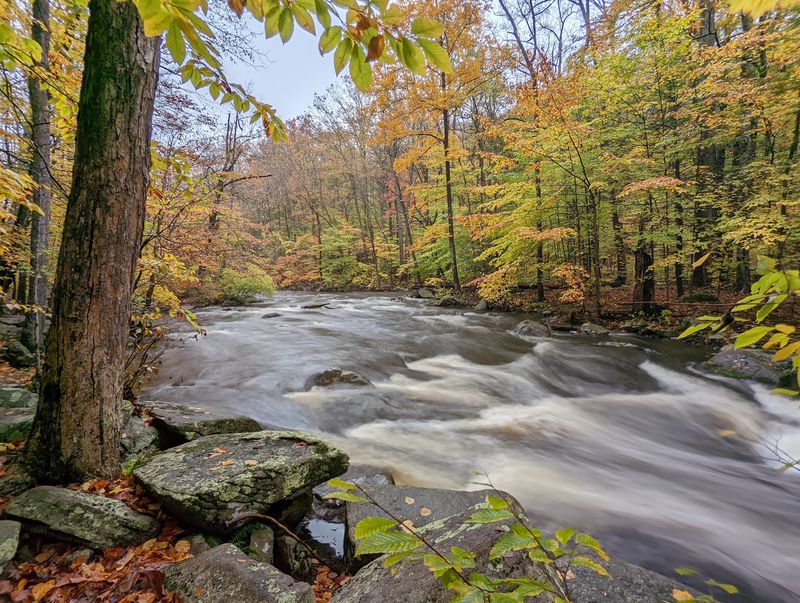
You hear Hacklebarney before you fully see it. Water tumbles over rocks below the trail, Trout Brook feeds into the Black River, and the shaded ravine makes the park feel cooler and wilder than its relatively modest size suggests.
Hacklebarney has nine marked trails totaling about five miles, but casual walkers do not need to cover all of them to get the best parts. Start along the Main Trail, a broad gravel-and-dirt route that works as the park’s backbone, then add shorter side trails depending on how adventurous you feel.
The Three Pools Trail drops toward a series of calm pools between small cascades, while the short Waterfall Trail gets you closer to Trout Brook and its rocky drops. For a longer option, parts of the Riverside Trail track the water through the ravine, though that route becomes rockier and more moderate than the easier upper paths.
The combination of hemlocks, boulders, wooden bridges, and moving water gives Hacklebarney far more visual payoff than you might expect from a short walk. Picnic tables scattered through the park make it easy to turn the outing into a slow afternoon.
The park is open from sunrise to sunset, and there is no entrance fee. Wear shoes with decent grip, especially after rain, because those picturesque rocks can become slippery fast.
5. Manasquan Reservoir Cove Trail, Howell: Take the Waterside Detour
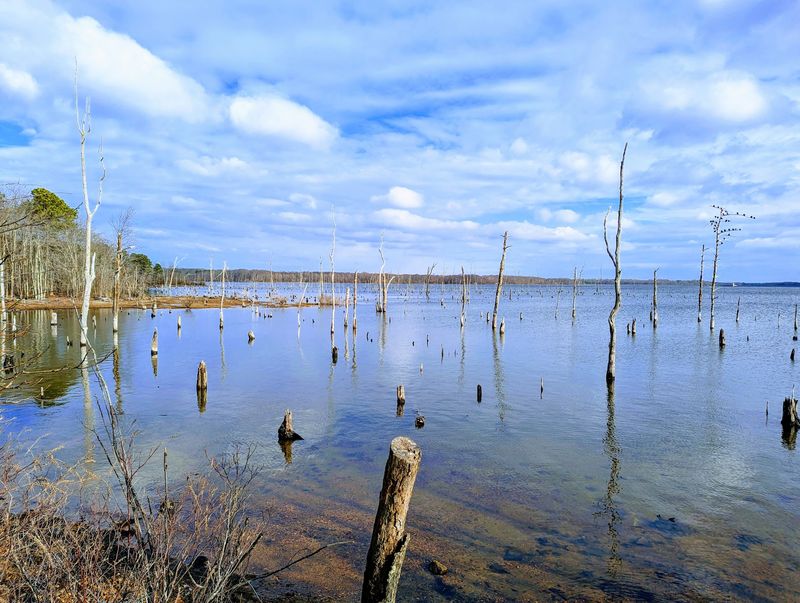
A reservoir covering hundreds of acres could easily demand a long hike, but the Cove Trail gives you the short version. This 1.1-mile pedestrian-only path traces the shoreline around the Environmental Center side of Manasquan Reservoir, slipping between woods, wetlands, and open views of the water without committing you to the full five-mile Perimeter Trail.
Wildlife is a big part of the appeal. Herons and egrets work the shallows, ospreys circle above the reservoir, and bald eagles are regularly seen in the area.
Turtles are another common sight when the weather is warm. Because bicycles are kept off the Cove Trail, the walk generally feels quieter than the busier multi-use loop around the reservoir.
If you finish and decide you want more, connecting to portions of the Perimeter Trail is simple, and that gravel route is fairly level despite being classified as moderate because of its length. The reservoir site opens early each day, making sunrise and morning walks particularly rewarding when the water is calm and bird activity is high.
Families may also want to seek out the newer Braille Trail nearby, designed with tactile information panels and a guide rope for visitors with visual impairments. For an outing that delivers lake views and wildlife without eating up half your day, Cove Trail gets the balance almost exactly right.
6. Double Trouble State Park Trails, Bayville: Pines With a Past
The name sounds like you are about to get into something difficult. The walking, fortunately, is mostly the opposite.
Double Trouble State Park spreads through the Pine Barrens around Cedar Creek, with more than eight miles of marked trails that largely follow flat sand roads and paths around old cranberry bogs. What makes the place feel adventurous is not elevation but atmosphere.
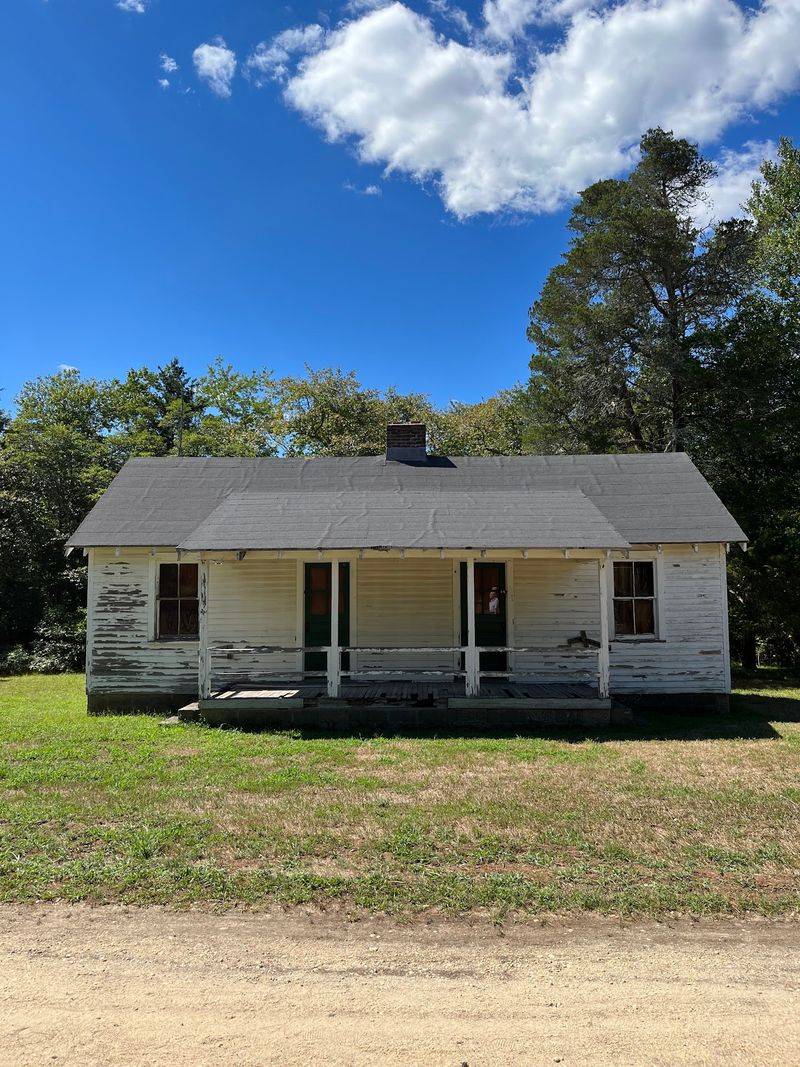
You move between pine forest, dark water, weathered industrial structures, and the preserved buildings of a former company town that once revolved around lumbering and cranberry production. The historic village makes a natural starting point.
From there, several routes fan out toward bogs and Cedar Creek, allowing you to adjust the distance depending on your mood. The terrain is generally forgiving, and the old sand roads create long, easy stretches where you can actually look around instead of watching every footstep.
Water appears repeatedly, whether through glimpses of the creek, reservoirs, or bog channels. The park is open from 8 a.m. until dusk and does not charge an entrance fee.
After wet weather, some sections can become muddy, and ticks are a year-round concern, so repellent is a smart addition to the day bag. Double Trouble works especially well if you want an easy walk that still leaves you feeling like you wandered into a stranger corner of New Jersey.
7. Cheesequake State Park Green Trail, Matawan: A Little Terrain Keeps Things Interesting
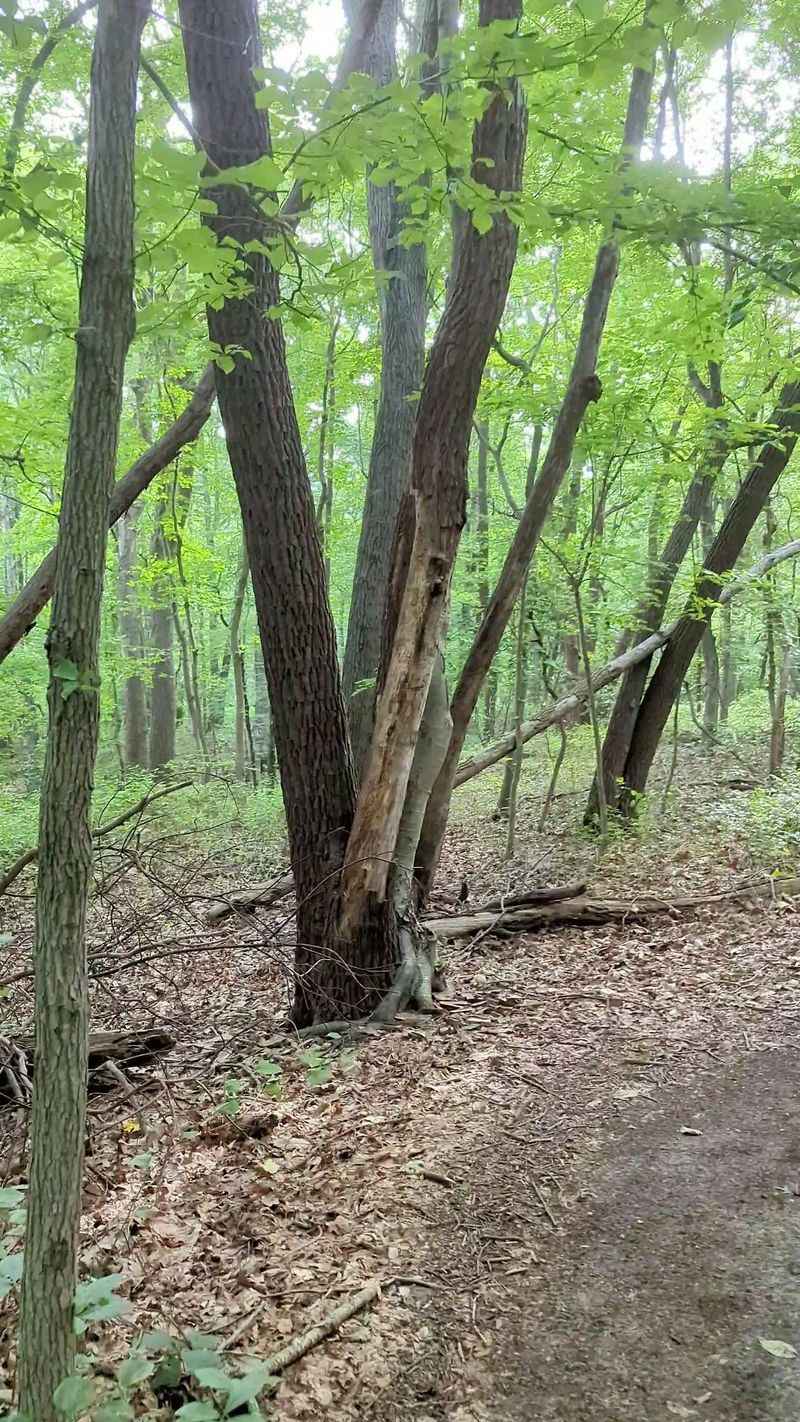
There are not many places where you can move from hardwood forest toward coastal marsh habitat within the same compact state park. That transition is what gives Cheesequake its personality.
Sitting near the meeting point of northern and southern New Jersey ecosystems, the park supports an unusually broad mix of plant communities, and the trails showcase those changes without demanding a serious climb. The Green Trail is a good choice for walkers who want enough woods to feel immersed without turning the outing into an all-day hike.
Expect boardwalk-style sections, forest floor, wetlands, and occasional inclines rather than perfectly flat pavement. Five marked trails run through Cheesequake in total, with routes ranging from roughly 1.5 to 3.5 miles, so it is easy to extend the walk if everyone is still feeling energetic.
The contrast between dense trees and marshier stretches is particularly enjoyable during fall, when the park’s changing colors look different every few hundred yards. Cheesequake also has a nature center and lake area, making it a useful option for families who want more than a straight trail out-and-back.
The park opens daily at 8 a.m. Seasonal entrance fees apply during the warmer months, while visits outside that period are free.
Bring proper walking shoes; “easy” here still includes roots, damp patches, and enough natural surface to keep things interesting.
8. Garrett Family Preserve at Cape Island Creek, Cape May: Trade Beach Crowds for Birds
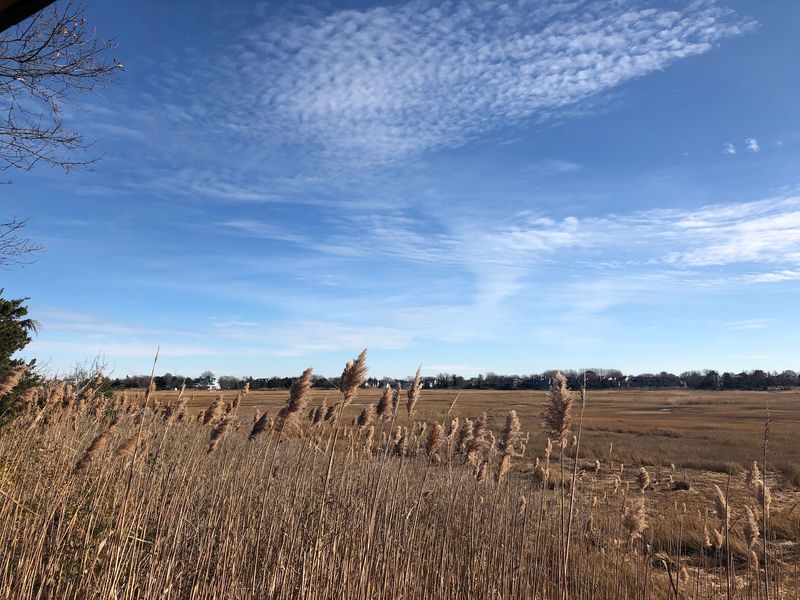
Monarch butterflies can turn this walk into a moving landscape. Beginning in late summer, they stop in the meadows at Garrett Family Preserve during their southward migration, feeding among goldenrod and other flowers before continuing toward Mexico.
Even outside migration season, this 180-acre preserve near Cape May is one of the most relaxed ways to experience the area’s marshes, meadows, and bird habitat. The trails are wide, flat, and sturdy, with several short connectors that let you assemble a walk without worrying much about getting lost.
The Perimeter Trail runs about 1.4 miles, while shorter named paths branch through different sections of the preserve. Benches appear regularly, and the terrain is friendly to strollers and many wheelchair users.
There is also a half-mile Braille Trail with guide rope and interpretive signage. The more playful surprises include an oversized monarch sculpture, pollinator features, and old train cars painted with enormous caterpillar murals.
Birders should keep an eye toward the marsh and taller trees for ospreys, songbirds, and raptors. The preserve is open during daylight hours year-round, with parking near Wilson Street.
Dogs are only permitted during the colder portion of the year and must be leashed. It is easy, colorful, and just strange enough to feel like a discovery.
9. Deep Cut Gardens, Middletown: A Walk for People Who Stop Often
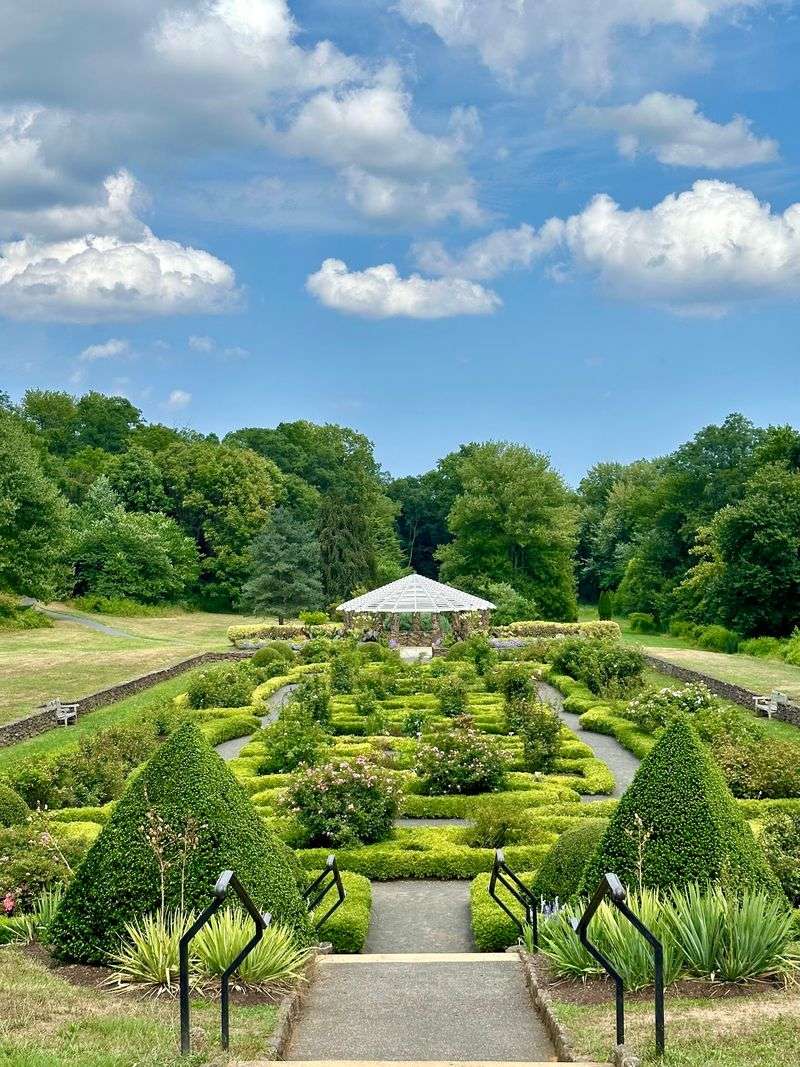
A koi pond, more than 180 rose bushes, and a greenhouse make a convincing argument that not every great walk needs to involve mud. Deep Cut Gardens is a 54-acre horticultural park in Middletown designed as a living showcase for both cultivated and native plants.
Instead of following one rigid trail, visitors wander along garden paths connecting formal beds, wooded sections, display areas, and the greenhouse. The Rose Parterre is the obvious star when the flowers are performing, with dozens of varieties arranged in a formal layout, but the appeal changes with the season.
Spring bulbs, summer color, autumn foliage, and greenhouse plants keep the walk from feeling like a one-month attraction. The koi pond gives families a natural pause point, while gardeners tend to spend far longer than expected examining labels and picking up ideas for their own yards.
Because the property is relatively compact, you can cover plenty without needing to clock serious mileage. Deep Cut opens at 8 a.m. and closes at dusk throughout the year, and admission is free.
One detail worth knowing before you arrive: pets are not allowed, so this is not the spot for a dog walk. Come here when you want movement and fresh air but have absolutely no interest in rocks, steep grades, or pretending you enjoy scrambling uphill.
10. Batsto Lake Trail, Wharton State Forest: Find Your Pine Barrens Pace
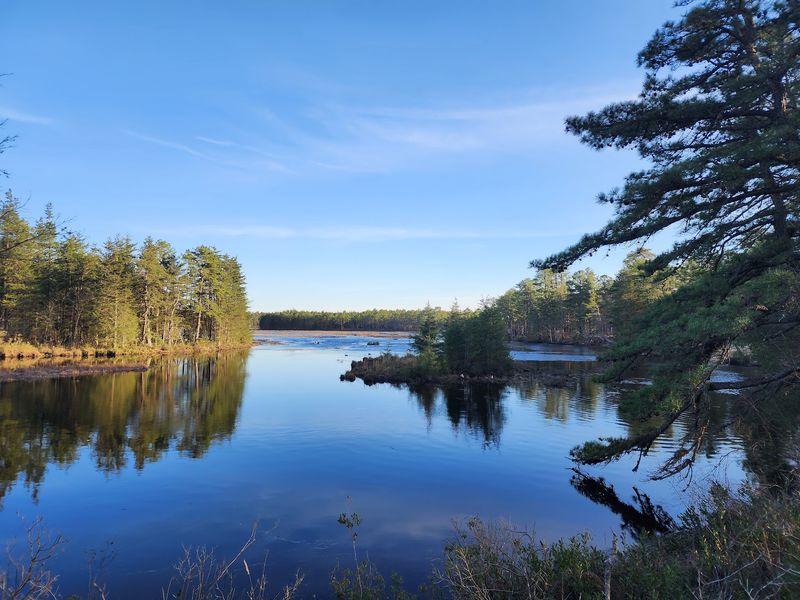
Half a mile is all it takes to go from one of New Jersey’s best-preserved historic villages to a quiet Pine Barrens lake. Batsto Lake Trail begins near Batsto Village in Wharton State Forest and follows a smooth gravel route through the surrounding landscape, making it one of the easiest introductions to the Pinelands.
The trail itself is short, but the setting does most of the work. Tall pines, sandy soil, dark water, and the stillness around Batsto Lake give the walk a very different character from North Jersey’s rockier parks.
Before or after the loop, wander through Batsto Village, where more than 30 surviving nineteenth-century buildings preserve the remains of an industrial community that once produced iron and later glass. The 36-room mansion, old post office, sawmill, and other structures turn a simple nature walk into something closer to an outdoor history lesson.
If half a mile feels too short, several other easy routes leave from the same area, including the Batsto Fire Trail and Sand and Water Trail. Wharton State Forest is enormous, but this corner is unusually approachable for first-time visitors.
Parking at Batsto makes logistics simple, and the grounds can easily occupy a few hours without requiring a strenuous hike. Think of the lake loop as the opening chapter rather than the entire outing.
11. Liberty State Park Waterfront Walkway, Jersey City: Big Views, Simple Walking

Few easy walks in New Jersey deliver a reveal quite like the one along the waterfront at Liberty State Park. Turn toward the Hudson and suddenly the Statue of Liberty, Ellis Island, and Lower Manhattan are sitting across the water in one enormous panorama.
The park’s roughly two-mile waterfront promenade links several major areas, including picnic spaces, playgrounds, the historic Central Railroad of New Jersey Terminal, and the northern end of the park. Because the walkway is broad and paved, the challenge here is not terrain; it is deciding how often to stop for the view.
The old railroad terminal adds real historical weight to the route. Millions of immigrants who arrived through Ellis Island continued their journeys through this transportation hub, making the building more than a handsome backdrop for skyline photos.
Nearby, the Empty Sky 9/11 Memorial creates another powerful pause, with its two long walls framing the former site of the World Trade Center across the river. Walkers can make the outing as short or long as they like by turning around anywhere along the waterfront.
The park opens early and stays accessible well into the evening, which makes sunset walks particularly appealing. There is no entrance fee.
For maximum scenery with minimum trail difficulty, this is about as efficient as New Jersey gets.
12. Ramapo Valley County Reservation Lower Trails, Mahwah: Skip the Steep Ambitions
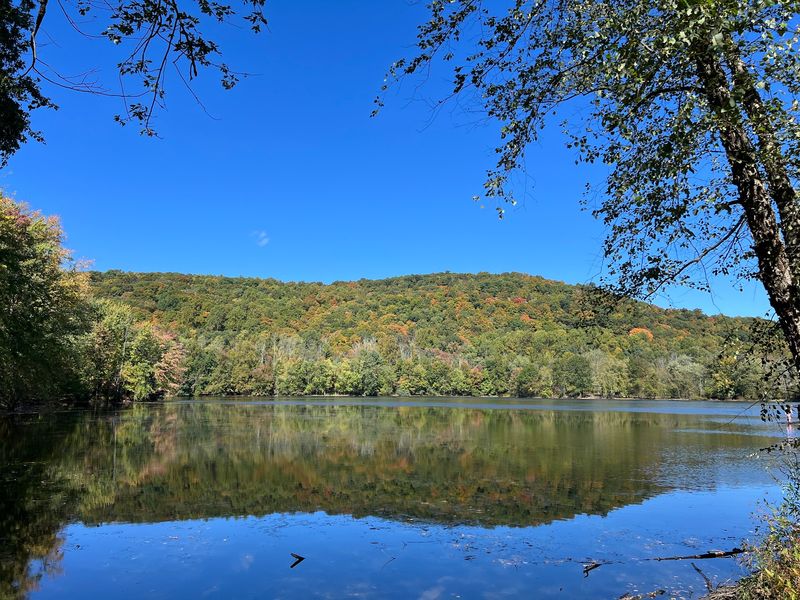
A lake appearing between the trees makes the first part of Ramapo Valley County Reservation feel more ambitious than it really is. The park covers more than 3,200 acres along the eastern edge of the Highlands, but casual walkers can stay low and enjoy the gentler trails near the main entrance rather than climbing toward the reservation’s tougher ridges.
From the Route 202 parking area, paths lead quickly into the woods and toward the water, creating a satisfying short outing without requiring much elevation. The forest is thick enough to make nearby Mahwah feel farther away than it actually is, particularly once traffic noise disappears behind the trees.
Families and casual hikers often use the lower trails for an easy loop or simple out-and-back, while more experienced hikers continue deeper into the reservation toward steeper terrain and viewpoints. That flexibility is part of what makes Ramapo Valley useful: you can decide mid-walk whether this is a 45-minute outing or the beginning of something much longer.
Autumn is especially popular when the hardwood forest changes color around the lake, so weekend parking can fill quickly. Arriving earlier in the day is a good idea during peak foliage season.
Stick to the lower network and you get the best part of a mountain hike — woods, water, and that satisfying sense of escape — without actually needing to climb the mountain.
13. Sayen House and Gardens, Hamilton: Let the Flowers Set the Pace
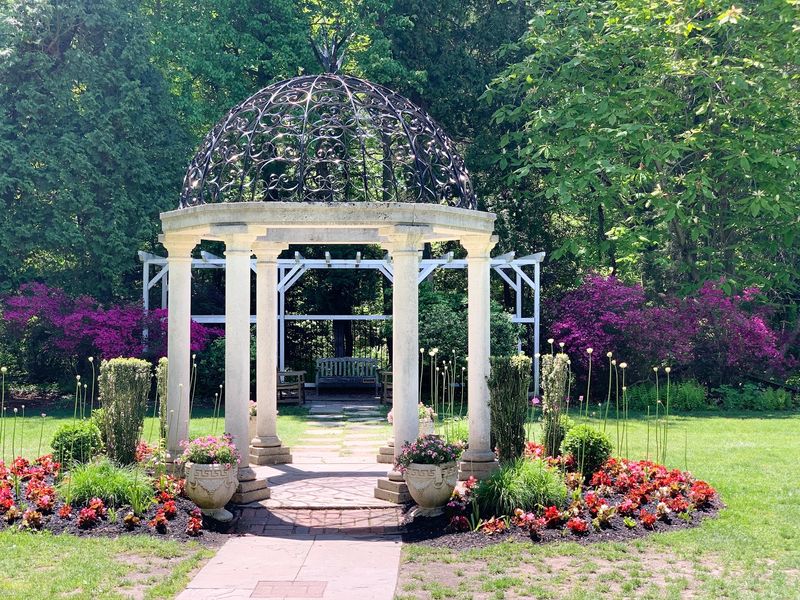
Stone bridges, fish ponds, flowering shrubs, and narrow paths keep appearing around corners at Sayen House and Gardens, making a small property feel surprisingly layered. Located in Hamilton Square, the garden surrounds a historic house and spreads through wooded grounds crossed by streams and walking paths.
It is especially popular in spring, when flowering bulbs, azaleas, rhododendrons, and other plantings pile color onto nearly every part of the landscape. Yet this is not a place that becomes irrelevant once spring fades.
Mature trees create shade in summer, the ponds remain a focal point, and autumn gives the wooded sections a completely different look. The trails are short and easy to combine, so visitors tend to wander rather than follow a strict route.
Bridges and water features make the walk more engaging for children, while photographers can burn plenty of time waiting for one particular patch of light or reflection. Admission is free, and the grounds are open every day from dawn to dusk.
Dogs are allowed outside as long as they remain leashed, although they cannot enter the house unless they are service animals. Weddings and events are sometimes held here, so parts of the property may feel busier on certain days.
For a relaxed walk that feels more like exploring a private garden than completing a trail, Sayen is hard to beat.
14. Silver Stream Trail at Metedeconk Preserve, Jackson: Keep the Plan Small
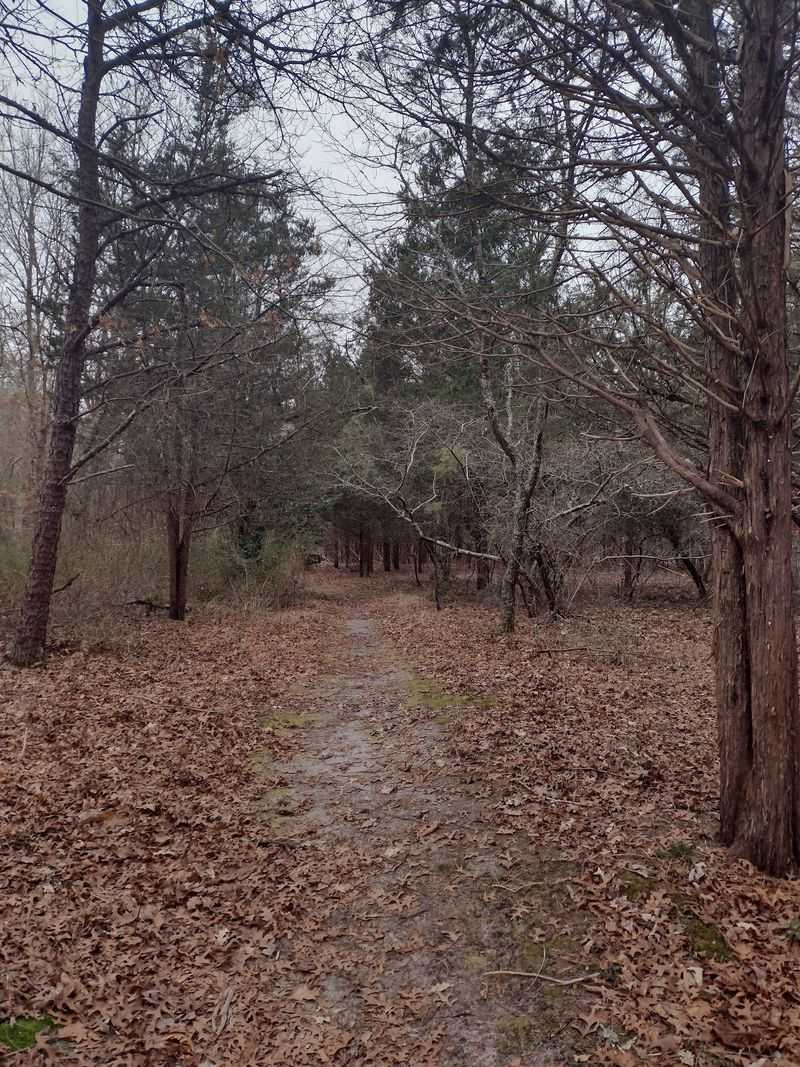
Boardwalks hovering over wet forest give the Silver Stream Trail its best little moments of drama. The two-mile route winds through the 83-acre Metedeconk Preserve in Jackson, where hardwood swamp and floodplain forest create a landscape that feels far wetter and more secluded than many nearby suburban areas.
Much of the trail is wide and flat, making it an easy choice for casual walkers, but the scenery shifts frequently enough that the two miles never feel monotonous. One section follows the Metedeconk River for roughly a quarter mile, while raised boardwalks carry hikers close to wetlands that would otherwise be difficult to enter without soaked shoes.
Interpretive signs along the route point out plants, animals, and ecological features, which makes this a particularly good walk for families who like having something to look for along the way. After major storms, the reason for those elevated walkways becomes obvious: the floodplain can hold an impressive amount of water, and portions of the route may become very wet.
Pick a drier day unless mud is part of your idea of fun. The trail starts off Frank Applegate Road and is easy to follow once inside the preserve.
It is quiet, uncomplicated, and one of those walks that manages to feel surprisingly remote without actually requiring a long drive into the wilderness.
15. Evert Trail Preserve, Southampton Township: End on a Quieter Note
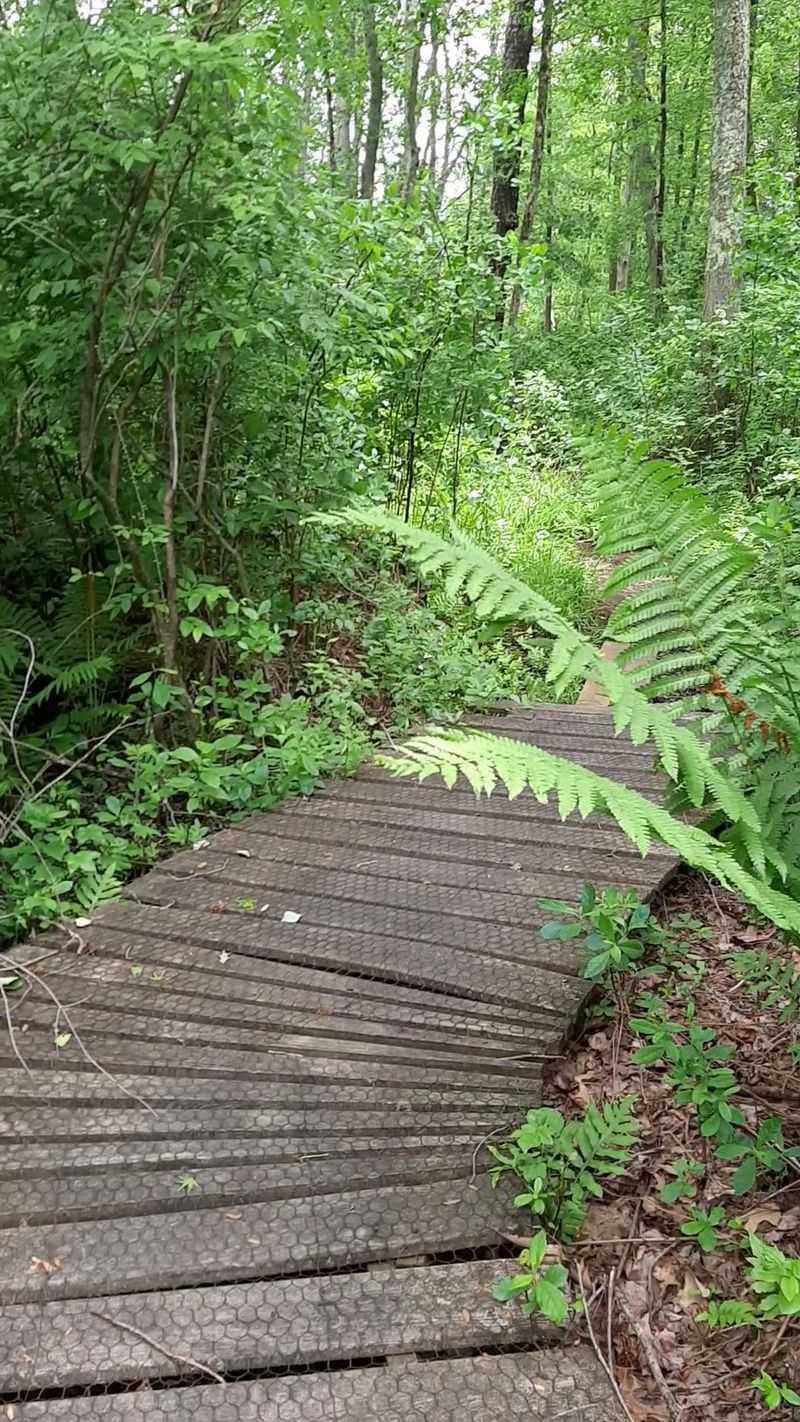
Mud is not a flaw at Evert Trail Preserve; it is part of the personality. This 170-acre protected property sits near the edge of the Pine Barrens where two coastal plain regions meet, creating a wet forest filled with a particularly rich mix of plant and bird life.
The main Evert Trail runs about 1.5 miles through the preserve, with sections of elevated boardwalk helping walkers cross the dampest stretches. Even with those boardwalks, waterproof footwear can be useful, especially after rain.
The route follows portions of Stop-the-Jade Run, a tributary of the Rancocas River, and the combination of slow water, dense vegetation, and swampy woodland makes the trail feel far more adventurous than its distance suggests. Birders have an extra reason to take their time.
The preserve supports an unusually diverse collection of breeding warblers, vireos, and other songbirds, so spring and early summer can become a soundtrack of calls overhead. There are no grand overlooks or dramatic cliffs here.
Instead, the reward is getting close to a type of New Jersey landscape that most drivers speed past without realizing what is inside. The preserve’s entrance is along County Route 642 in Southampton Township.
Bring bug spray during warmer months, wear shoes you do not mind dirtying, and embrace the fact that this easy walk occasionally feels like a tiny expedition through a wetland.
Share this story