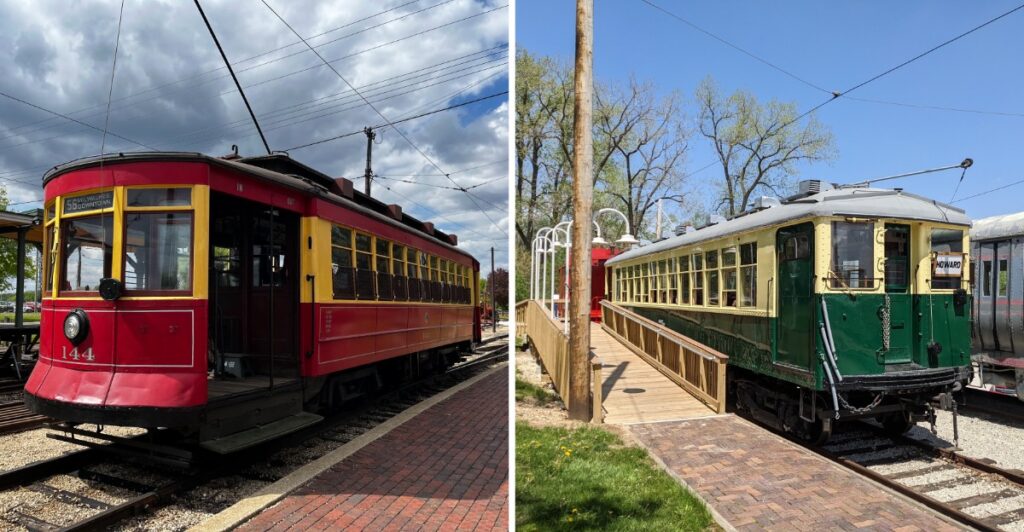
Watching an old locomotive in a museum is one thing, but hearing the whistle blow as your family climbs aboard is something else entirely. Across Illinois, railroad museums and historic attractions bring the past to life with rides on vintage train cars, classic electric trolleys, and a replica steam-powered train.
Kids can experience the sights and sounds of old-fashioned rail travel while discovering how people got around long before modern highways existed. Some stops offer additional exhibits and activities that make the outing even more memorable. All aboard, because these 5 Illinois attractions turn railroad history into a family adventure everyone can enjoy.
1. Illinois Railway Museum (Union)
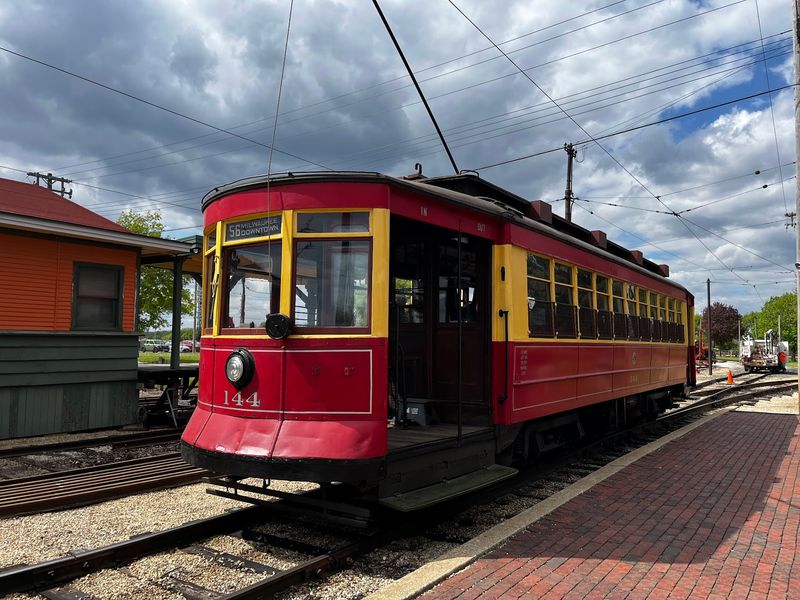
Big wheels, long passenger cars, and tracks stretching ahead give young train fans plenty to study before the ride even starts. In Union, the Illinois Railway Museum pairs operating historic trains with a sprawling collection of railroad equipment.
The ride is the main event for many families. Depending on the operating schedule, visitors can board historic electric equipment and watch the countryside pass outside the windows, turning a lesson about transportation into an actual trip down the rails.
Electric trains add a useful twist to the usual picture of an old locomotive puffing smoke. They show kids that railroad history includes different sources of power, different kinds of vehicles, and different jobs, from carrying commuters to moving passengers between towns.
Back on the grounds, exhibit barns introduce another side of the story. Vintage locomotives, streetcars, and passenger cars let families compare sizes and designs rather than treating every vehicle as simply another train.
A streetcar beside a larger railroad car can spark an easy conversation about where each one belonged. Children can look for doors, windows, and seating layouts, then consider how those details might change a passenger’s daily journey.
The collection is large enough that trying to see everything can wear out smaller visitors. Check the museum’s current calendar before leaving home, then build the day around an available ride and a few exhibits that match your children’s interests.
Not every piece of equipment operates or allows visitors inside, so the distinction between riding stock and display pieces matters. Even without boarding each car, there is plenty to notice: the height of a locomotive, the length of a coach, and the hardware connecting cars together.
For kids who already sort their toy trains by type, this stop supplies the full-size comparison. For everyone else, the countryside ride provides an easy entry into a much bigger railroad story.
2. Monticello Railway Museum (Monticello)
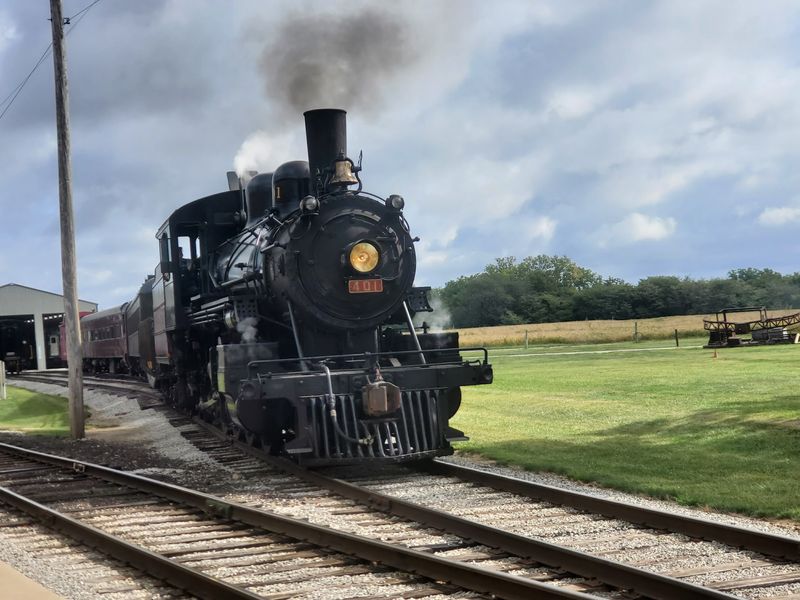
Leave the highway view behind and let the rails set the pace. At the Monticello Railway Museum, vintage passenger trains carry families through central Illinois countryside, giving kids a moving view of railroad travel rather than a stationary display.
There is a clear appeal here for children who want the whole passenger experience. Boarding a historic car, settling into a seat, and watching the landscape change gives the outing a beginning, middle, and destination beyond simply looking at machinery.
The scenery also leaves room for conversation. Fields, trees, and the railway itself become things to notice together, while the movement of the train helps explain why tracks mattered so much to communities before car travel became common.
Restored railroad equipment adds context around the excursion. A passenger car was built to carry people, while a locomotive supplied the power; seeing both makes that relationship easier to understand than a diagram in a schoolbook.
Steam-powered trips are a special part of the museum’s offerings, but they are not the promise of every departure. Seasonal excursions and operating equipment vary, so a regular vintage train ride and a steam outing should be treated as different experiences.
For a child fascinated by steam engines, check the published operating calendar before choosing a date. That single step can prevent a mismatch between the train they pictured and the equipment running during your visit.
The museum works especially well as a focused railroad outing. Families can spend their attention on the ride and the equipment instead of switching constantly between unrelated attractions, and younger visitors have a concrete experience to connect with the history.
Watching a train pull its passenger cars makes the basic idea wonderfully clear: one connected line carries everyone along the same route. Back among the exhibits, the cars are no longer just objects; they are vehicles with a purpose.
3. Fox River Trolley Museum (South Elgin)
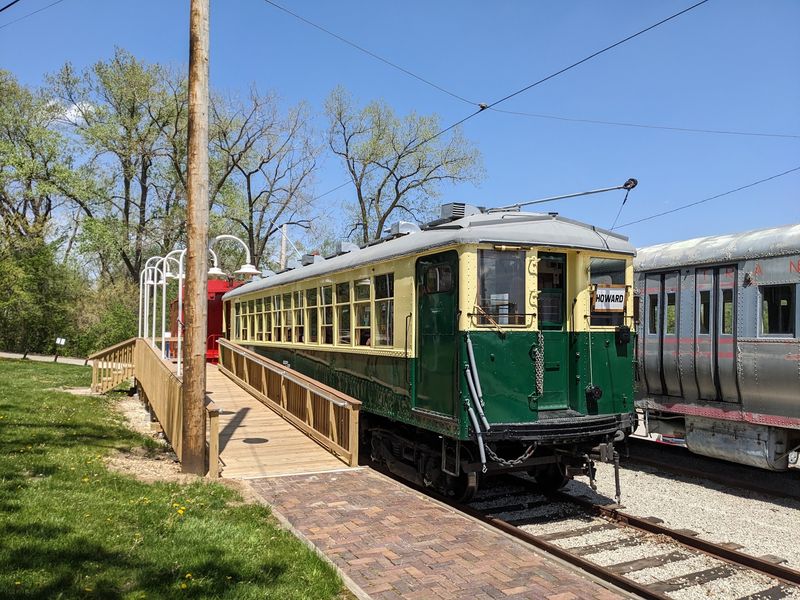
A trolley has its own personality: smaller than a long passenger train, powered by electricity, and built around everyday travel. South Elgin’s Fox River Trolley Museum gives families a chance to ride these historic cars beside the Fox River.
Excursions generally run about 30 to 45 minutes, making the ride a manageable centerpiece for many younger children. There is time to settle in, notice the car’s details, and enjoy the riverside setting without committing to a lengthy railway journey.
The restored electric cars are the attraction, not merely transportation between exhibits. Windows, seats, and the overhead power system offer clues about how riders once moved through their communities, often using rail service for ordinary errands and work trips.
Outside, the river corridor gives the excursion a different backdrop from open farmland. Trees and water draw attention toward the windows, while the track keeps the journey connected to the history unfolding inside the car.
Stories shared during a visit can help children place trolley travel alongside the cars and buses they know today. The useful comparison is simple: people still needed to get places, but the vehicles and routes available to them looked different.
Some young passengers may have an opportunity to blow the trolley whistle when staff allow it. Treat that as a possible extra rather than a guaranteed activity; the ride itself remains the central reason to visit.
For children who think every old train must have a steam engine, an electric trolley offers a friendly correction. Electricity was part of transportation history too, and seeing the equipment in use makes that fact much easier to grasp.
The smaller scale encourages close observation rather than a race through a huge collection. A child can follow the same car from boarding to the return, noticing how its shape, power source, and passenger space work together along the river.
4. Silver Creek & Stephenson Railroad & Museum (Freeport)
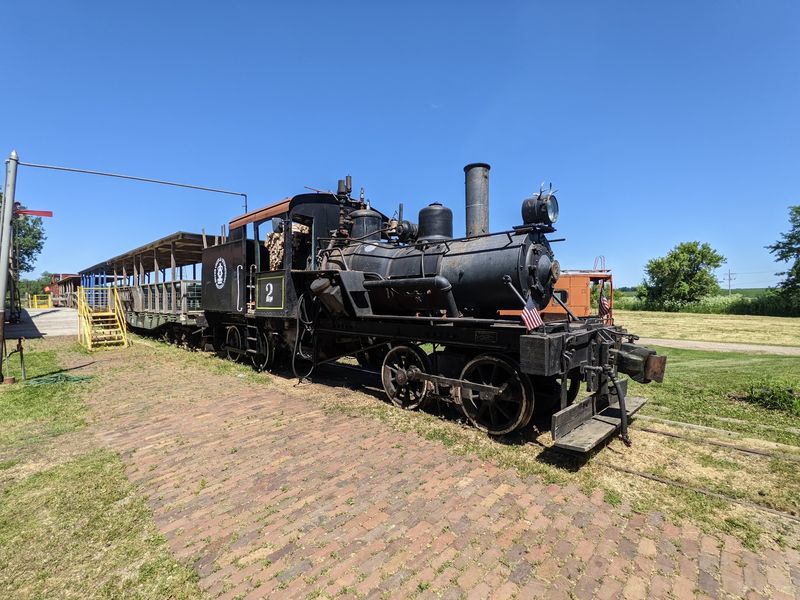
Wooded countryside gives this Freeport railroad outing a quieter setting than a busy city station. The Silver Creek & Stephenson Railroad & Museum combines seasonal train rides with railroad artifacts that help explain how rural Illinois stayed connected.
Historic passenger cars and vintage railroad equipment put the machinery into motion. For kids, that distinction matters: wheels that turn and cars that travel are easier to understand than equipment viewed only from the other side of a barrier.
The ride also offers a useful change of scale. From a car on the road, a railway may appear as a crossing passed in seconds; aboard the train, the track becomes the route, and the surrounding woods become part of the journey.
Railroads helped link smaller communities with places beyond them long before modern highways made driving the standard choice. People, supplies, and farm goods all depended on transportation networks, giving this local attraction a story larger than its own grounds.
Museum artifacts bring that broad history down to objects children can examine. Rather than asking them to remember a string of dates, families can connect the displays to practical questions about running trains and keeping communities supplied.
There is room here for the mechanical side of curiosity, too. The relationship between the engine, the passenger cars, and the rails becomes visible during an operating ride, with each part serving a different job in the same moving system.
Because rides are seasonal, an operating day is different from a general museum visit. The attraction’s current schedule determines when families can actually board, and the equipment used may depend on the event or date.
This pick centers on a regional railroad story rather than a long list of extra amusements. The wooded ride supplies the movement, while the exhibits explain why those rails once mattered to the towns and countryside around Freeport.
5. Blackberry Farm (Aurora)
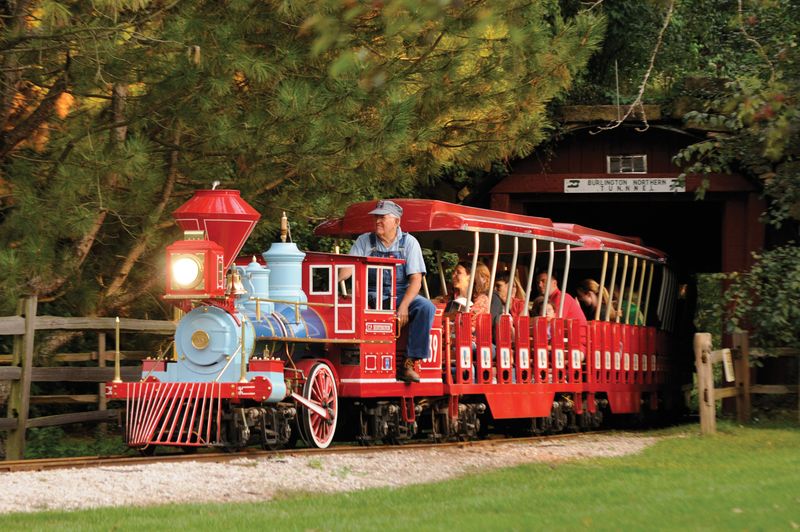
Not every child wants an entire day devoted to locomotives. Blackberry Farm in Aurora places a replica steam-engine train inside a broader living-history outing, so the railway ride shares the spotlight with animals, old buildings, and classic family attractions.
The train travels around Lake Gregory, giving passengers a scenic loop through the grounds. For younger riders, the appeal is straightforward: climb aboard, watch the landscape roll past, and enjoy a train journey without needing a detailed interest in railroad history.
Its replica design deserves a clear distinction from the museum equipment elsewhere on this list. This is a recreational train styled after an old steam engine, not a claim that families are riding an original historic steam locomotive.
That difference does not take away the fun of the setting. Pioneer buildings and the living-history focus surround the ride with reminders of earlier daily life, making the train one part of a larger visit rather than the whole lesson.
Pony rides, a carousel, and paddle boats add different kinds of movement to the day when available. One child may be most interested in the rails, while a sibling is watching for the next chance to meet an animal or ride the carousel.
Hands-on attractions offer another way into the past. Instead of relying entirely on signs and displays, the farm gives children activities that can connect old buildings and tools with the work and routines people once knew.
The variety makes this stop especially appealing for families with mixed interests or younger siblings. A train enthusiast gets a ride, but everyone else has more to do than wait beside the tracks for the next departure.
Compared with the railroad museums, the focus here is broader and more playful. Lake views, pioneer surroundings, and several family activities turn the train into a scenic thread running through an Aurora farm visit.
Share this story