Ohio has a special way of keeping history alive, and some of its best stories are found inside old public markets. These busy places are more than spots to buy fruit, bread, meat, or flowers.
They are part of daily life, where families shop, neighbors talk, and old buildings still echo with the sounds of earlier times. Walking through one can feel a little like opening a history book, except this version smells like fresh pie, warm coffee, and just-cut herbs.
Across Ohio, historic markets have stayed important even as cities changed around them, and that makes them worth noticing. They show how people in the state have gathered for generations to trade goods, share meals, and support local farmers and small businesses.
Some have tall market halls with long rows of vendors, while others mix indoor stalls with outdoor stands that bring extra color and energy. A visit can teach you about architecture, immigration, food traditions, and community spirit all at once.
If you enjoy places that feel lively, welcoming, and a little old-fashioned in the best way, Ohio’s public markets offer plenty to explore. From Cincinnati to Lancaster, each one has its own personality, local flavors, and pieces of the past still standing strong today.
Here are six historic Ohio public markets that make it easy to imagine what shopping felt like many years ago, while still giving visitors a great experience right now.
1. Findlay Market, Cincinnati
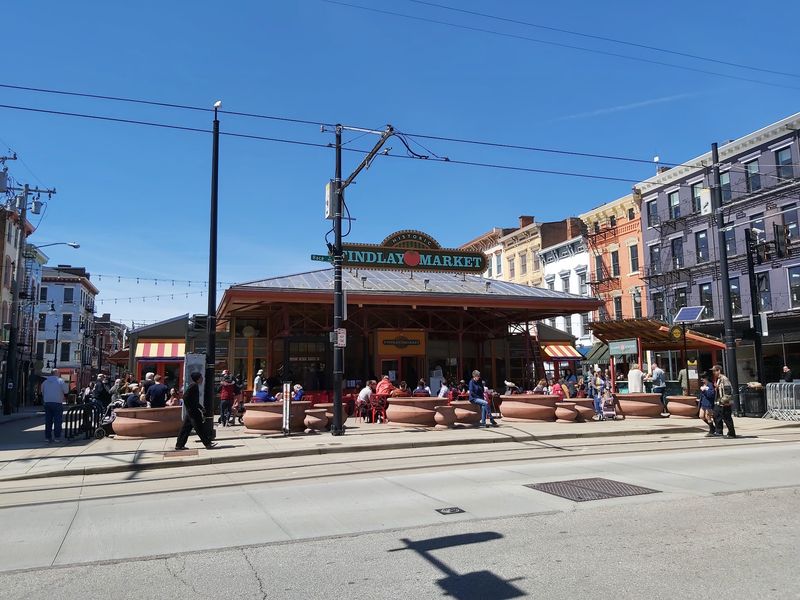
Morning feels extra cheerful here, with colorful produce, bakery smells, and the low buzz of people who seem glad to be out together. Findlay Market is Ohio’s oldest continuously operated public market, and that long history shows up in the brick buildings, the market house, and the steady rhythm of buying and selling that still shapes the neighborhood.
Located in Cincinnati’s Over-the-Rhine area, the market began in the 1800s and has stayed a key part of city life through big changes in transportation, business, and population. German immigrant influence helped shape the area, so visitors often notice old-world touches in the food, especially sausages, breads, pickles, and other prepared goods that feel tied to family recipes.
Walking through the market can be both fun and practical. You can shop for fresh meat, seasonal vegetables, flowers, cheese, and handmade treats, then pause for lunch instead of rushing out the door.
Weekend visits are usually the liveliest, so arriving early can help if you want easier parking and shorter lines. Bringing cash is smart for small purchases, though many vendors also take cards.
One of the best parts is how the place mixes history with real everyday use. It does not feel frozen like a museum, because people are actually buying dinner ingredients, greeting favorite vendors, and filling bags for the week.
Look up as much as you look around, since the building details help tell the story. The structure, the layout, and the market tradition all remind visitors that public markets once served as the heart of city neighborhoods, and at Findlay Market, that spirit still feels very much alive.
2. West Side Market, Cleveland
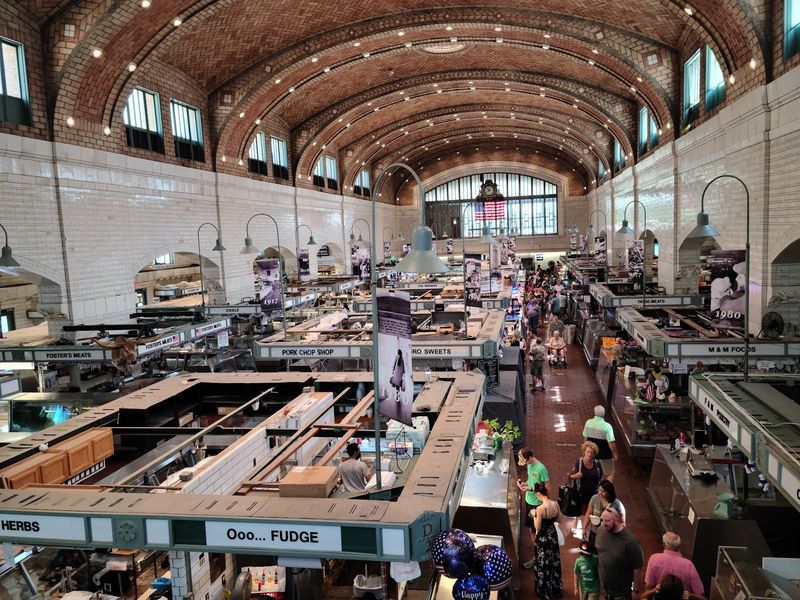
Few buildings make such a strong first impression as this one. West Side Market rises in Cleveland with a famous clock tower and a huge indoor hall that feels grand, busy, and deeply connected to the city’s past.
Opened in 1912, the market reflects the rich mix of cultures that helped build Cleveland. Vendors have long sold foods linked to many immigrant communities, so a single visit can include fresh pierogi, meats, baked goods, spices, and produce from stalls that each seem to tell their own story.
Inside, the high ceiling and neat rows of stands create a scene that feels almost cinematic. It is easy to picture earlier generations walking the same aisles, chatting with butchers, comparing prices, and carrying home ingredients for Sunday dinners.
Because the market is such a local favorite, going with a plan can make the trip smoother. Comfortable shoes help, and taking one slow lap before buying anything is a good way to compare options and notice hidden gems.
Photographers and history fans often spend time admiring the architecture as much as the food. Tile work, signs, and stall layouts all add to the sense that this is not just a shopping stop, but a landmark where daily business and civic pride meet.
Another reason West Side Market stands out is its energy. Some markets feel quiet and reflective, but this one often feels bold, flavorful, and full of personality, like Cleveland itself.
If you visit hungry, that is probably for the best. Snacks, prepared foods, and rich aromas are part of the fun, and the market makes it easy to turn a simple errand into a memorable outing that connects present-day Ohio with more than a century of shared community life.
3. North Market Downtown, Columbus
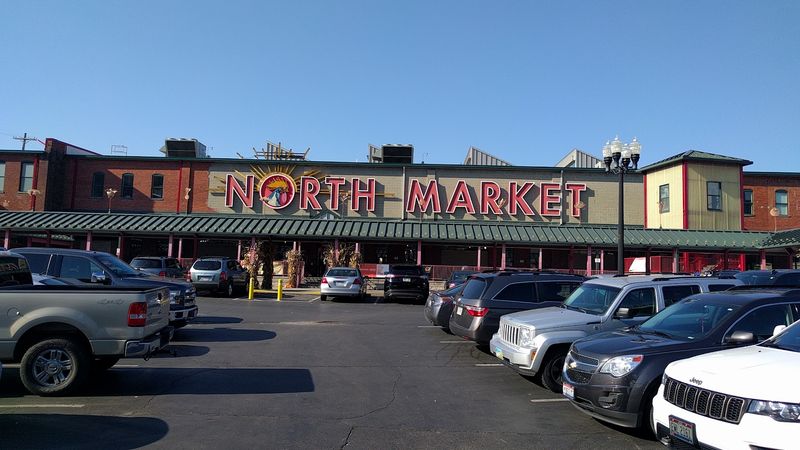
A city can grow fast and still keep a few treasured places that ground it. North Market Downtown in Columbus does exactly that, giving visitors a chance to enjoy local food and shopping in a setting shaped by a long market tradition.
The market’s roots go back to the 1800s, when public markets were central to how people bought fresh goods in town. While the current building and vendor mix reflect changes over time, the spirit remains much older, and that gives the whole place a sense of continuity that regular stores rarely match.
Columbus is known for being energetic and modern, so North Market feels like an appealing bridge between then and now. One stall might offer classic baked goods or farm produce, while another brings newer flavors, showing how Ohio food culture keeps growing without forgetting where it started.
Visitors who like variety usually have a great time here. The market works well for groups because different tastes can all be satisfied in one stop, from coffee and pastries to international meals and regional favorites.
It also helps to visit with curiosity instead of a strict schedule. Talking with vendors can lead to cooking tips, local recommendations, or a little history lesson that makes the experience feel more personal.
Even when it is busy, the atmosphere often feels approachable rather than overwhelming. People come for lunch, groceries, special treats, and community events, which gives the space a steady pulse throughout the day.
North Market Downtown may not feel old-fashioned in exactly the same way as some larger market halls, yet its historic role is still meaningful. It shows how a public market can adapt, stay useful, and keep serving as a gathering place where Ohio’s past and present sit comfortably side by side.
4. Toledo Farmers’ Market, Toledo
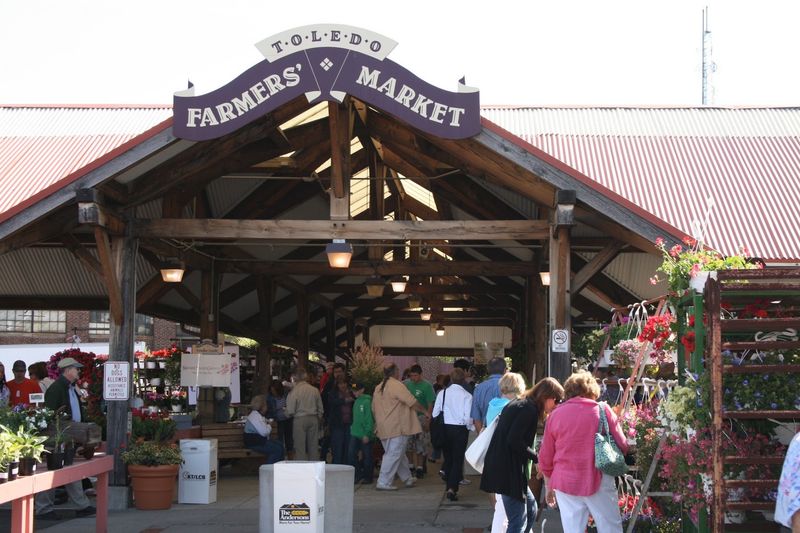
Some places feel happiest in the early hours, when trucks unload, vendors arrange baskets, and the day starts with fresh air and honest work. Toledo Farmers’ Market carries that kind of charm, offering a shopping experience that feels simple, social, and rooted in long local tradition.
Dating back to the 1800s, this market has served generations of Ohio shoppers looking for farm-fresh food and handmade goods. Its history matters because it shows how deeply public markets were tied to everyday life, especially in cities where farmers and town residents depended on one another.
The setting has an open, welcoming rhythm that can feel different from enclosed city markets. Visitors often find rows of produce, flowers, jams, baked items, and crafts, with many stands reflecting the seasons in a way that makes each visit slightly different.
That seasonal quality is part of the appeal. Summer and early fall usually bring the most color, so those are great times to go if you want the fullest picture of what the market offers.
Families, casual browsers, and serious cooks can all enjoy a stop here. Kids often like seeing piles of bright fruits and vegetables, while adults may appreciate being able to ask growers where food came from and how best to use it.
Another nice feature is the slower pace. Instead of feeling rushed through a crowded hall, people can wander, compare prices, and take in the small conversations that give the market its personality.
Toledo Farmers’ Market reminds visitors that history is not always hidden behind glass cases or plaques. Sometimes it stands in plain sight under market roofs and open skies, where Ohio’s agricultural past still meets present-day community life through the everyday act of buying food directly from local hands.
5. 2nd Street Market, Dayton
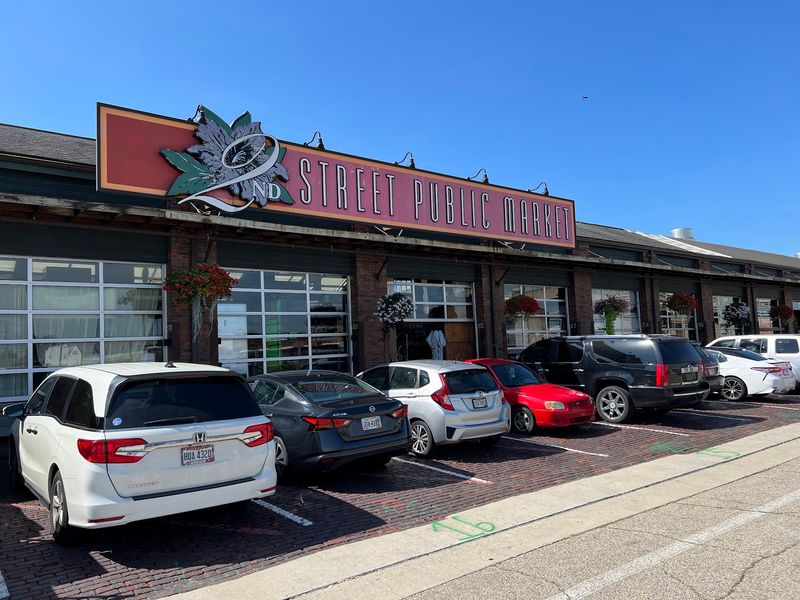
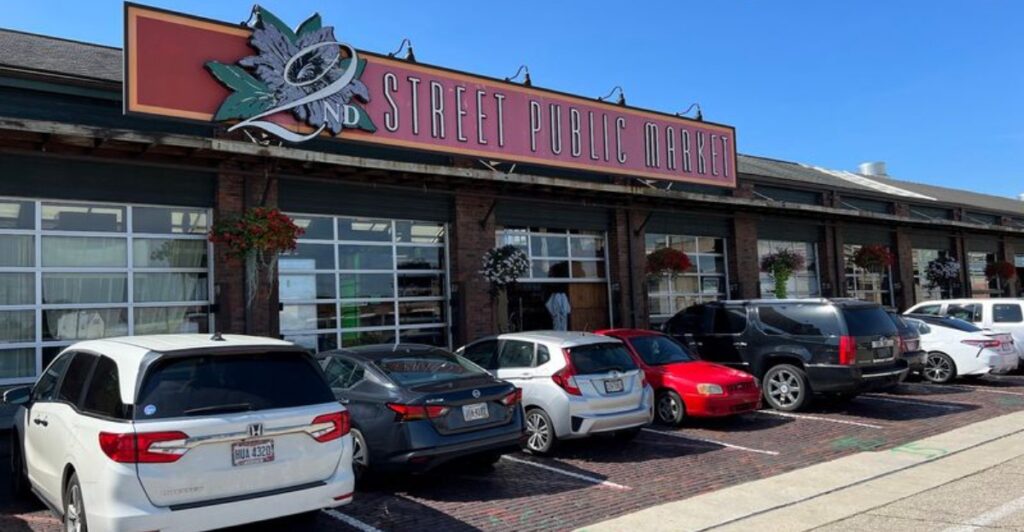
History can show up in surprising places, including a market that blends old industrial character with the friendly feeling of a neighborhood gathering spot. Dayton’s 2nd Street Market has that kind of personality, making it a fun stop for anyone who enjoys local food, local stories, and buildings with a past.
Set in a restored historical freight house, the market gives visitors a clear sense that yesterday’s working spaces can find new life. That reuse matters because it keeps part of Dayton’s built history visible while also supporting small vendors, growers, bakers, and makers in the present.
The mood here is often cozy and creative. Exposed brick, indoor stalls, and a steady flow of shoppers help create an environment that feels both practical and inviting, as if the city decided to turn a piece of its labor history into a place centered on food and connection.
There is usually a good mix of items to browse, from produce and meats to honey, coffee, and handmade snacks. People who like trying small local specialties can have a lot of fun walking through before choosing what to take home.
For first-time visitors, going with an empty tote bag is a smart move. It is easy to plan on buying one thing and leave with bread, jam, a pastry, and vegetables that looked too good to ignore.
The market also works well for readers who enjoy seeing how communities adapt. Rather than preserving history in a quiet, distant way, 2nd Street Market puts old space back into active use and keeps it filled with conversation and purpose.
That balance is what makes the place memorable. It honors Dayton’s past without feeling stiff, and it gives people a useful, enjoyable reason to return, proving that a historic market can still play an important role in everyday Ohio life.
6. Keller Market House, Lancaster
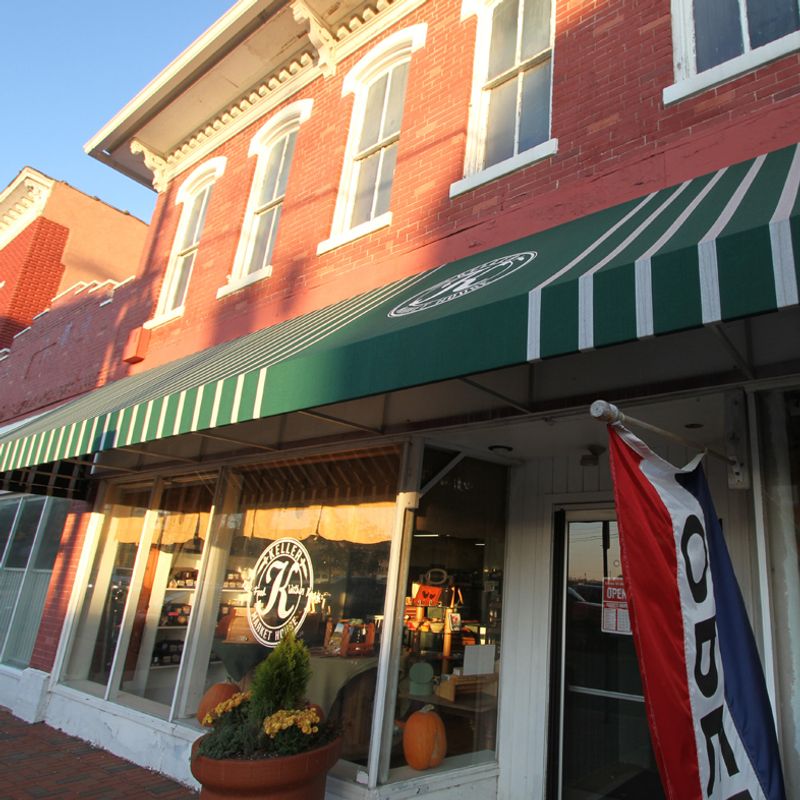
Not every historic market needs a huge hall or a famous skyline to leave an impression. Keller Market House in Lancaster wins people over with small-town warmth, community spirit, and a setting that makes local shopping feel personal in a way that is easy to remember.
Its roots connect to the long tradition of market houses in Ohio, when towns relied on shared public spaces for fresh food and daily exchange. That tradition helped shape community life, and Keller Market House carries that legacy forward by giving local farmers, bakers, and artisans a place to meet shoppers face to face.
The atmosphere often feels friendly rather than flashy. Visitors may notice how easy it is to slow down, ask questions, and learn about the products in front of them, whether they are looking at produce, jams, baked goods, or seasonal specialties.
Because Lancaster has a smaller-town feel, the market can seem especially approachable for people who do not like crowded city attractions. A visit here is less about rushing from stall to stall and more about enjoying steady conversation and the simple pleasure of buying from neighbors.
That can make it a great place for first-time market visitors. If larger markets feel overwhelming, Keller Market House offers a gentler entry point while still showing why public markets have mattered in Ohio for so many years.
There is also something appealing about seeing history continue on an everyday scale. The value is not only in old structures or dates on a timeline, but in keeping local food networks active and preserving habits of community support.
Keller Market House may be quieter than some of the state’s bigger market names, yet that is part of its charm. It shows that stepping into the past does not always require grandeur, because sometimes Ohio history feels closest in places where people still gather with purpose, patience, and pride.