Missouri may be known for busy cities, river towns, and family road trips, but some of its most memorable places are quiet, hidden, or just strange enough to feel far from daily life. Across this Midwestern state, travelers can step inside cool caves, wander near old stone ruins, visit peaceful historic homes, and find places where the noise of the world seems to fade behind trees, hills, and winding roads.
These spots matter because they remind us that adventure does not always mean crowds, long flights, or expensive plans, since a calm afternoon in Missouri can feel like a true escape when you know where to look. From the Ozarks to St. Louis and Kansas City, each place on this list offers a different kind of seclusion, whether it comes from nature, history, mystery, or the simple joy of slowing down.
1. Onondaga Cave State Park (Leasburg)
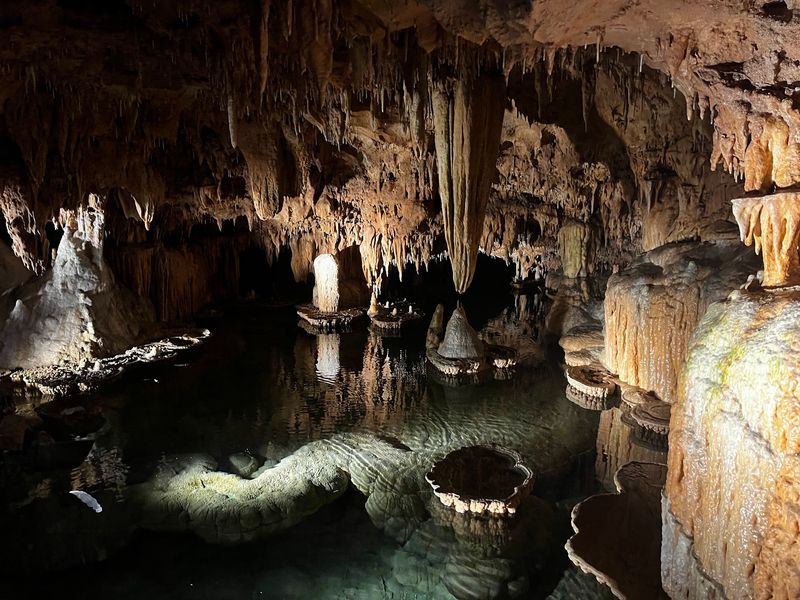
Cool air greets visitors before the cave tour even begins, and that first breath feels like stepping out of ordinary Missouri and into a secret underground room.
Near Leasburg, Onondaga Cave State Park hides beneath wooded Ozark hills, where the surface world is full of trails, river views, and quiet picnic spots.
The cave is the star here, with guided tours leading past tall stalagmites, hanging formations, and shiny flowstone that looks almost frozen in motion.
Lights reveal shapes that took thousands of years to form, which makes the slow walk feel both peaceful and powerful.
Above ground, the park is just as good for travelers who want space without feeling lost.
The Meramec River flows nearby, and the Blue Heron Trail gives hikers a chance to see bluffs, trees, and wildlife without heavy crowds on many days.
Bring a light jacket, even in summer, because caves stay cool all year.
Comfortable shoes help too, since cave paths can be damp, and outdoor trails may have rocks or roots after rain.
Families often enjoy this stop because it mixes science, nature, and a little mystery in one easy visit.
Kids can learn how water shaped the cave, while adults get the rare joy of being somewhere quiet enough to hear every drip.
For a slower day, pack lunch and plan time near the river after your tour.
The area is not flashy, and that is part of its charm.
Reservations or current tour times are smart to check before driving out, especially during busy travel seasons.
Cell service may be spotty in the hills, so save directions ahead of time.
What makes Onondaga feel a world away is its change of pace.
One minute you are in rural Missouri, and the next you are walking through a hidden limestone world built drop by drop, far below the trees.
It is a good reminder that some of Missouri’s deepest wonders are quiet, patient, and waiting underground for curious visitors.
2. Laura Ingalls Wilder Historic Home & Museum (Mansfield)
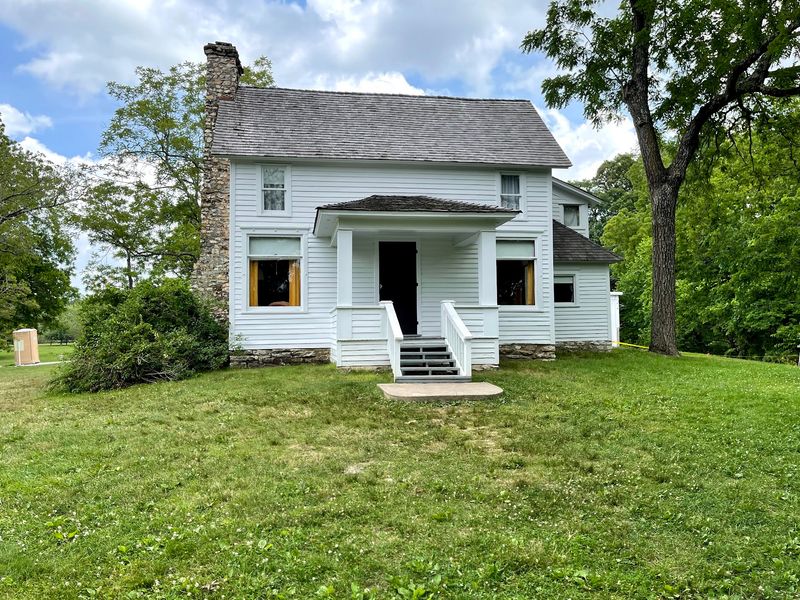
A small white farmhouse in Mansfield can make the modern world feel surprisingly far away.
The Laura Ingalls Wilder Historic Home & Museum sits in the Ozarks, where quiet roads, open sky, and simple rooms connect visitors to the writer behind the beloved Little House books.
Rocky Ridge Farm was where Laura Ingalls Wilder lived as an adult and wrote the stories that made her famous.
Walking through the home gives fans a close look at her everyday life, from workspaces to household items that feel humble and real.
The museum adds helpful context, especially for people who know the books but want to understand the woman behind them.
Exhibits often include family objects, photos, letters, and items linked to Laura, Almanzo, and their daughter Rose.
This place feels secluded in a softer way than a cave or ruin.
Instead of darkness or mystery, it offers stillness, memory, and a sense of sitting beside history rather than rushing past it.
Readers may enjoy bringing a favorite book along for the trip.
Even if you have not read the series in years, the setting can bring back school days, bedtime stories, or the feeling of discovering frontier life for the first time.
Plan for a calm visit instead of a fast stop.
The grounds invite slow walking, and the nearby countryside makes the drive part of the experience.
Check hours before visiting, since historic sites can change schedules by season.
Photography rules may differ inside buildings, so ask staff before taking pictures.
Mansfield itself is small and welcoming, with enough local flavor to turn the visit into a relaxed day trip.
Pair the museum with a quiet meal in town or a drive through the rolling Ozark roads.
The magic here is not loud.
It comes from standing where a famous Missouri writer shaped memories of cabins, prairies, family, hardship, and hope into stories that still travel across generations.
For book lovers, this peaceful farm can feel like opening a familiar page and finding Missouri tucked inside it.
3. Kansas City Workhouse (Kansas City)
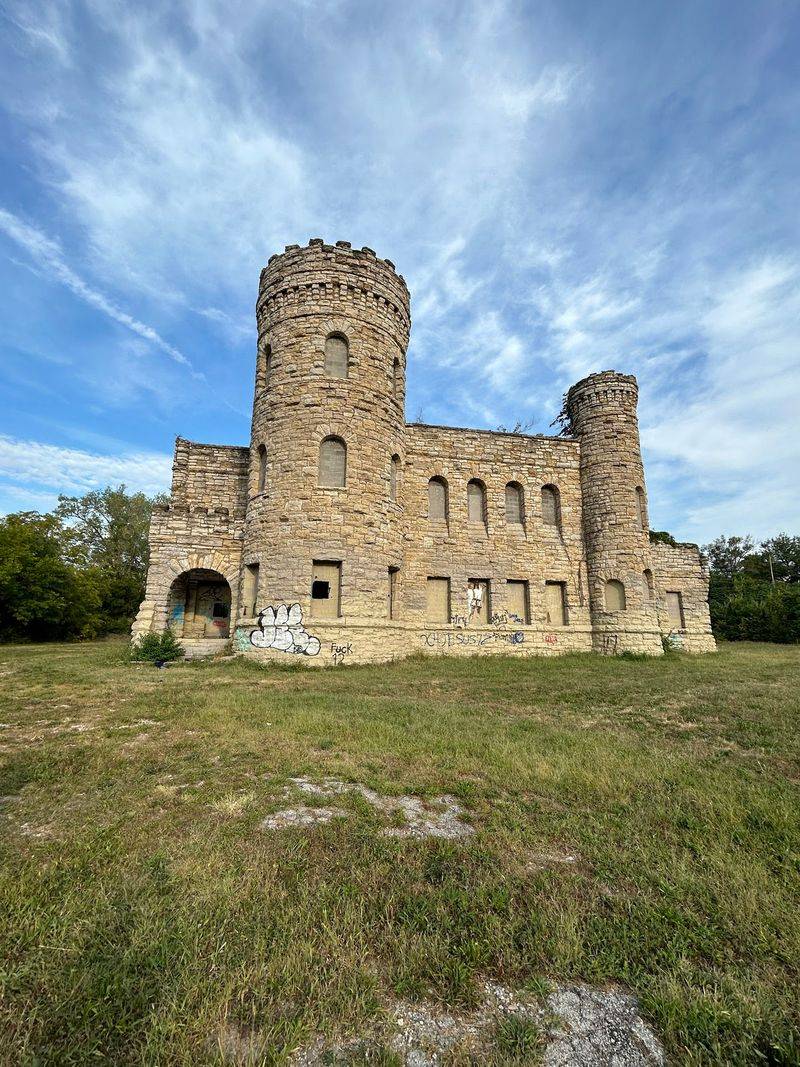
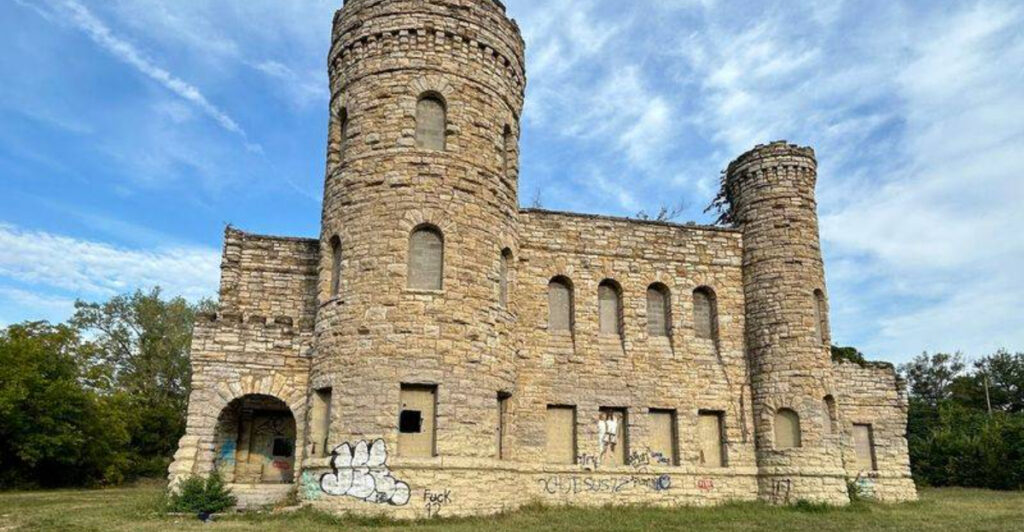
Stone walls rise in Kansas City like a forgotten castle, but this place was never built for fairy tales.
The Kansas City Workhouse is an old limestone ruin with arched windows, rough edges, and a strange beauty that feels removed from the busy streets around it.
Built in the late 1800s, the workhouse once held people serving short sentences, many of whom helped quarry the stone used in the building.
That history gives the site a heavy feeling, because its dramatic look is tied to labor, punishment, and changing ideas about justice.
Today, the structure is best known for its haunting appearance and colorful graffiti.
Artists, photographers, and curious locals have long been drawn to its castle-like shape, though visitors should be careful and respectful because old ruins can be unsafe.
Unlike remote Ozark hideaways, this secluded spot hides in plain sight.
Traffic and neighborhoods are nearby, yet the moment you face those empty windows, the city seems to fall silent.
If you go, research current access rules before making plans.
Conditions, fencing, safety concerns, and redevelopment ideas can change, so it is better to confirm what is allowed than to rely on old photos online.
Good footwear matters around any historic ruin, especially where ground may be uneven.
Avoid climbing walls, entering unstable areas, or visiting after dark.
The Workhouse is a strong choice for people who like unusual history more than polished attractions.
It is not a museum with neat labels and gift shop shelves, but that roughness is exactly why it stays in the mind.
Photographers may find the best light in early morning or late afternoon, when shadows bring out the texture of the stone.
Wide shots show the castle form, while close details reveal layers of age, weather, and street art.
What makes the Kansas City Workhouse feel far away is its mix of beauty and unease.
It asks visitors to look twice, not just at the building, but at the stories Missouri cities leave behind when time moves on.
4. Fantastic Caverns (Springfield)
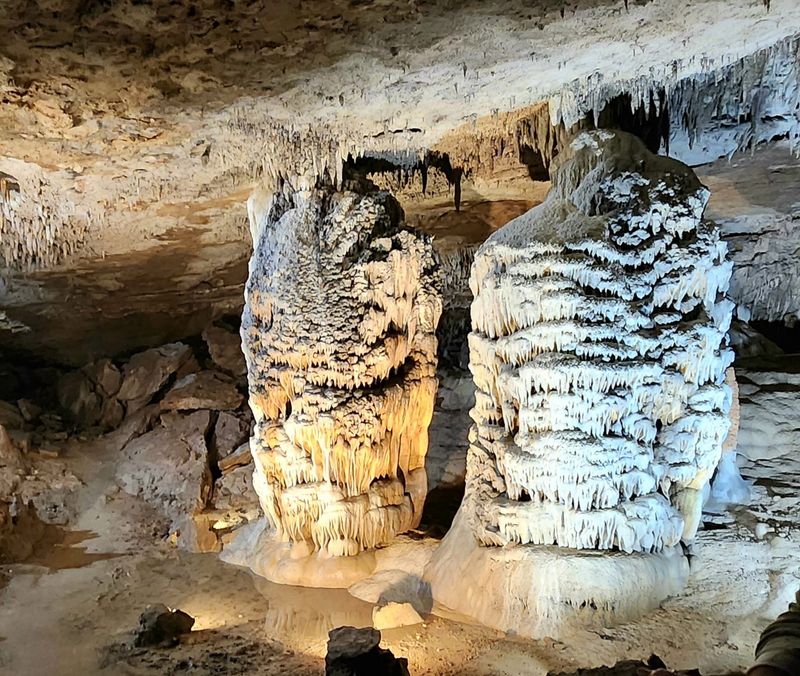
Imagine rolling through an underground passage while staying seated the whole time.
Fantastic Caverns near Springfield offers that rare experience, making it one of Missouri’s most comfortable ways to visit a hidden world below the Ozarks.
The cave is known for its ride-through tour, where visitors board a jeep-drawn tram instead of walking the full route.
That makes it helpful for families with young children, older travelers, or anyone who wants cave scenery without a long hike.
Inside, the route passes limestone formations, wide chambers, and delicate shapes made by water over huge stretches of time.
The guides explain how the cave formed and share stories about its discovery, which adds personality to the quiet darkness.
A fun history bit makes the place even more interesting.
The cave was discovered in 1862 by a farmer’s dog, and later explored by a group of women from Springfield, which was unusual and brave for that time.
Even though Fantastic Caverns is a popular attraction, it can still feel secluded once the tour moves away from daylight.
The steady temperature, dim glow, and echoing walls create a calm break from traffic, screens, and hot Missouri afternoons.
Bring a jacket because the cave stays cool.
The ride is easy, but closed-toe shoes are still a good idea for comfort around the visitor area.
Booking ahead or checking tour times can save stress, especially during weekends, school breaks, and summer travel.
Since the cave protects fragile formations, follow guide instructions and do not touch the rocks unless told it is allowed.
Fantastic Caverns works well as part of a Springfield trip, but it also stands alone as a memorable half-day escape.
Pair it with a quiet lunch, a nearby nature stop, or a relaxed drive through the surrounding hills.
The charm here comes from how easy the adventure feels.
Without crawling, climbing, or planning a rugged expedition, visitors can glide into a hidden Missouri cavern and see a landscape that most daylight never reaches.
5. National Museum of Transportation (St. Louis)
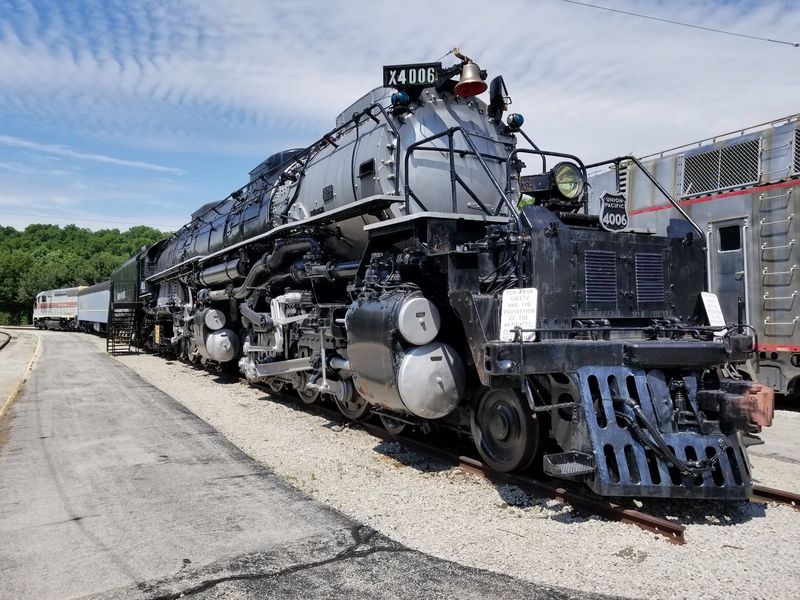
Rows of old trains rest quietly in St. Louis County, like giants taking a long nap after crossing the country.
The National Museum of Transportation may sit near a major city, but its wide outdoor spaces and historic machines can make visitors feel far from the rush of daily traffic.
The museum holds one of the largest transportation collections in the United States.
Locomotives, rail cars, automobiles, trolleys, aircraft, and other vehicles tell the story of how people moved across Missouri and the nation.
Train lovers will have plenty to study, from massive steam engines to sleek passenger cars.
Even casual visitors often find themselves surprised by the size, detail, and personality of these machines up close.
What gives this museum a secluded feeling is the way time seems to slow between the tracks.
Instead of watching vehicles speed past, you can stand beside them, notice the bolts and wheels, and picture the people who once traveled or worked on them.
Families can turn the visit into a hands-on history lesson.
Children may enjoy climbing into certain exhibits when allowed, spotting favorite vehicle types, or taking a small train ride if it is operating during the visit.
Wear comfortable shoes because the grounds cover a lot of space.
On sunny days, bring water, hats, and sunscreen, since many displays are outside.
Check the museum calendar before going, as special events, ride schedules, and seasonal hours can affect your plan.
Some indoor exhibits offer a break during cold, rainy, or very hot weather.
For photographers, the museum offers bold shapes and colors, especially around the engines and classic cars.
Early or late daylight can make metal surfaces glow and give the old rail lines a movie-like feeling.
This stop is different from a forest hideaway, but it still earns a place on a secluded Missouri list.
Surrounded by silent locomotives and retired road legends, visitors can step into the past and feel miles away from the present, even while staying close to St. Louis.
6. Welch Spring Hospital Ruins (Jadwin)
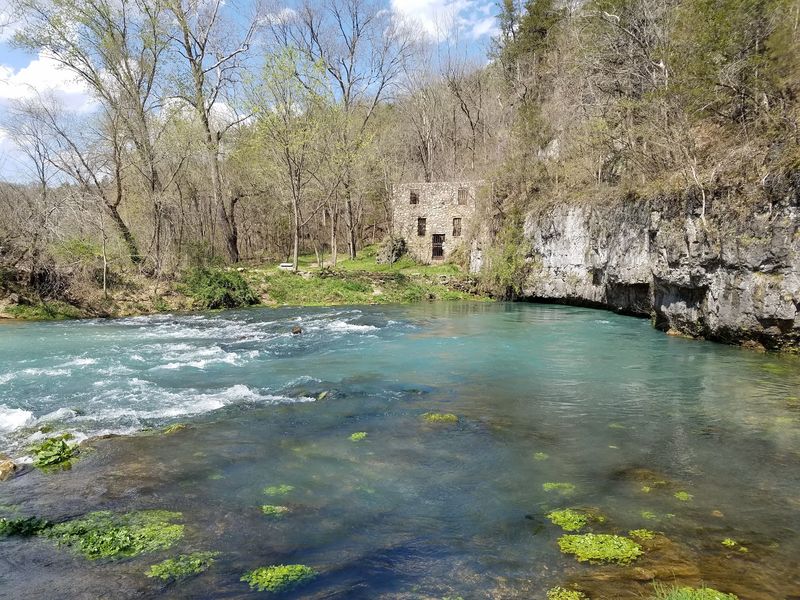
Hidden beside clear spring water in the Ozarks, a roofless stone building makes visitors stop and wonder how it ended up there.
Welch Spring Hospital Ruins near Jadwin is one of Missouri’s most unusual secluded places, reached through forest, gravel roads, and river country.
The story begins with Welch Spring, a beautiful natural spring that flows near the Current River.
In the early 1900s, a doctor bought the spring and built a hospital nearby, believing the cool cave air and clean setting could help people with breathing problems.
The idea never became the success he hoped for, and the building was eventually left to weather and time.
Today, the stone walls stand near the bright water, creating a scene that feels peaceful, eerie, and strangely beautiful all at once.
Getting there takes more effort than visiting many Missouri attractions.
Travelers should expect rural roads, limited services, and a need for good directions, especially because cell phone reception can be weak in parts of the Ozark National Scenic Riverways.
The hike from the trail access is not usually long, but conditions can vary.
Wear sturdy shoes, bring water, and avoid risky climbing on the ruins because old stone can shift or crumble.
Spring water in this area can look almost unreal, with a blue-green color and a steady flow.
It is a wonderful spot for quiet photos, nature watching, and sitting still long enough to hear birds, leaves, and moving water.
Respect matters here.
Do not carve names, move stones, leave trash, or treat the ruins like a playground.
A visit pairs well with other Current River sights, but it is best not to pack the day too tightly.
Part of the reward is having enough time to enjoy the place’s lonely beauty.
Welch Spring Hospital Ruins feel far away because they combine natural wonder with an unfinished dream.
The forest has softened the edges of the old hospital, the spring keeps flowing, and Missouri feels wild, quiet, and full of stories that never quite disappeared.
Share this story