Colorado’s best mountain towns don’t just provide spectacular scenery—they put unforgettable outdoor adventures right outside your door. Whether you’re drawn to hiking high-alpine trails, paddling crystal-clear lakes, climbing rugged peaks, mountain biking through forests, or skiing world-class terrain, these destinations make it easy to stay active from sunrise to sunset.
Between adventures, you’ll find welcoming downtowns filled with local restaurants, breweries, shops, and mountain-town charm that invite you to slow the pace. No matter the season, these 7 Colorado mountain towns offer the perfect blend of natural beauty, recreation, and authentic Rocky Mountain character.
1. Breckenridge
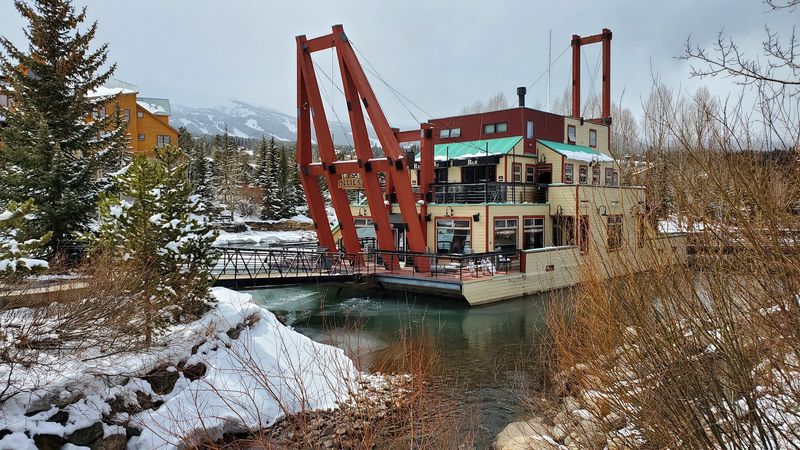
Breckenridge knows how to keep a day full without making it complicated. You can start with coffee in the historic downtown, then head straight for high-alpine trails, bike routes, or a quick cast in cold moving water.
That mix of polished mountain base and easy access to bigger scenery gives the town its pull. When summer settles in, the landscape opens up in every direction.
Hiking trails climb toward broad views, mountain bikers get everything from mellow cruises to lung-burning climbs, and scenic chairlift rides hand over those panoramic peaks without much effort. Wildflower meadows add serious color, so even a casual outing can turn into the best part of your trip.
Winter changes the whole tempo, and Breckenridge leans fully into it. The ski and snowboard scene is the obvious headline, but the terrain variety is just as important, especially if your group includes different ability levels.
Peak 9 is a smart place to start when beginners want room to build confidence without feeling shoved into the deep end.
Then there is the town’s playful side, which keeps Breckenridge from reading like a standard resort story. The Isak Heartstone troll sculpture along the Trollstigen Trail gives you a reason to take a shorter hike with a memorable payoff, and it adds a little offbeat personality to all that mountain grandeur.
If you want one destination that balances outdoor range, recognizable landmarks, and a downtown you will actually want to linger in, Breckenridge makes a very convincing case.
2. Crested Butte
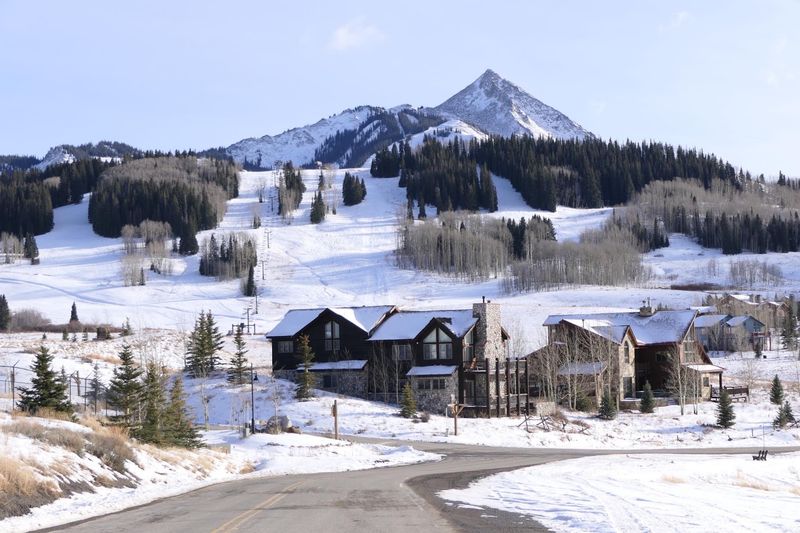
Crested Butte arrives with color turned all the way up. The town is famous for summer wildflowers, and once you see the surrounding slopes lit with blooms, that reputation makes perfect sense.
For outdoor lovers, the bigger appeal is how many ways there are to get into the landscape, from hiking and biking to paddling, fishing, rafting, and winter laps on snow.
The trail network is a major part of the draw, and the famous 401 Trail gets plenty of attention for good reason. You are not looking at a flat meadow stroll here, but at a route that pairs effort with huge alpine scenery and flower-packed stretches that barely look real.
Rustler Gulch adds another classic outing, with the kind of high-country terrain that makes you stop often, even when you are trying to keep moving.
Outside the trailhead routine, Crested Butte still gives you a lot to play with. Paddleboarding and fly-fishing offer a calmer pace, rafting brings more splash and speed, and winter turns the area into a full-on snow destination.
Because the Elk Mountains sit so close, even short drives tend to end with oversized views and a strong urge to stay out longer than planned.
Then there is Kebler Pass, which deserves space on your schedule instead of being treated like a quick add-on. The road delivers sweeping mountain scenes and takes you through one of Colorado’s biggest aspen groves, so the drive becomes its own outdoor experience rather than simple transportation. Crested Butte works best when you lean into that variety and let the day stretch well past your original plan.
3. Estes Park
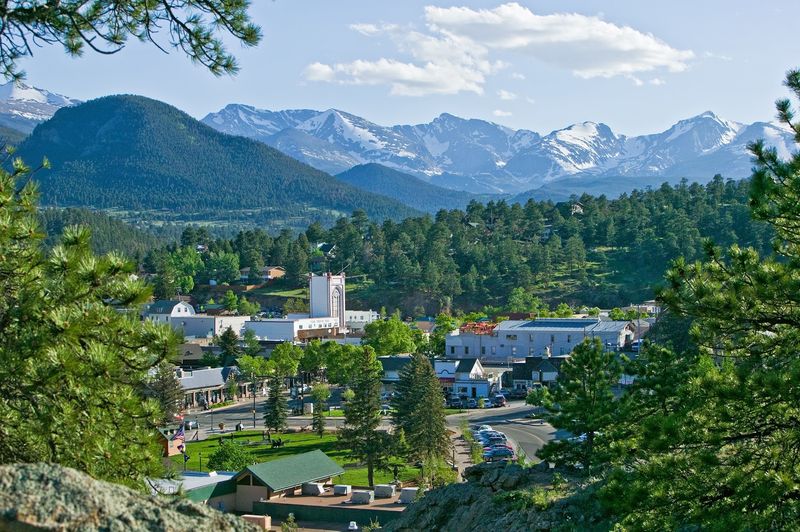
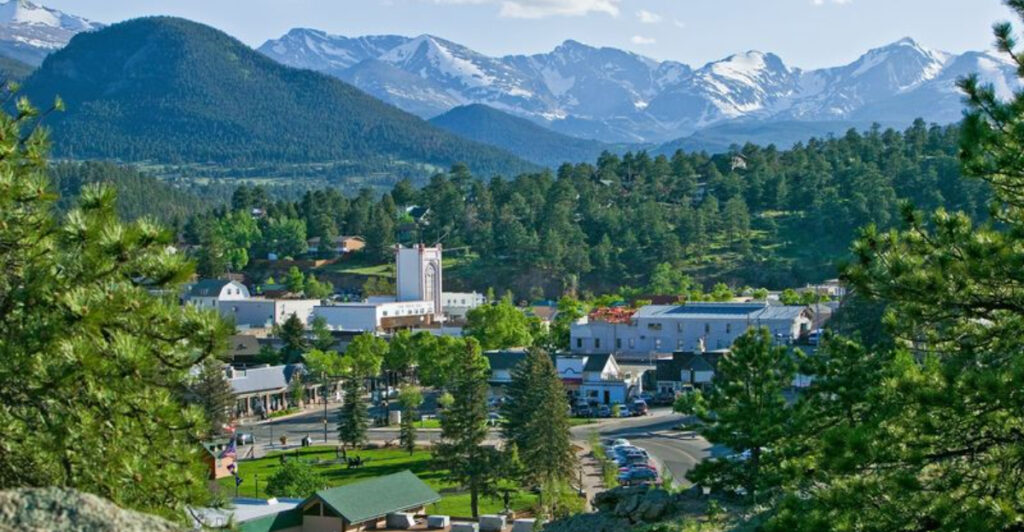
Estes Park puts you at the doorstep of one of the most recognizable mountain landscapes in the country. The town is best known as the eastern gateway to Rocky Mountain National Park, which means outdoor plans can start fast and go big.
You are minutes from trails, alpine lakes, wildlife viewing areas, climbing routes, and the kind of high-elevation scenery that can reset your whole attention span.
For hikers, the menu is almost unfairly stacked. Short walks, longer day hikes, and more ambitious backcountry routes all branch out from the area, so it is easy to match the day to your energy level.
Snowshoeing enters the picture when conditions shift, and that seasonal flexibility is part of why Estes Park works so well beyond a single type of trip.
Not every outing here needs to involve a long trail, either. Lake Estes gives you the option to paddle when you want a calmer rhythm, and Trail Ridge Road is one of those drives that makes even non-drivers stare in silence for stretches.
It is a strong choice when you want broad alpine views without committing the entire day to a major trek. Wildlife is another reason people keep their eyes up instead of glued to a screen.
Elk, bighorn sheep, and moose are all part of the local outdoor equation, and spotting them adds a real sense of immediacy to time spent in the park.
Estes Park is ideal when you want a base that combines convenience, serious mountain access, and enough variety to build several strong days without repeating yourself.
4. Telluride
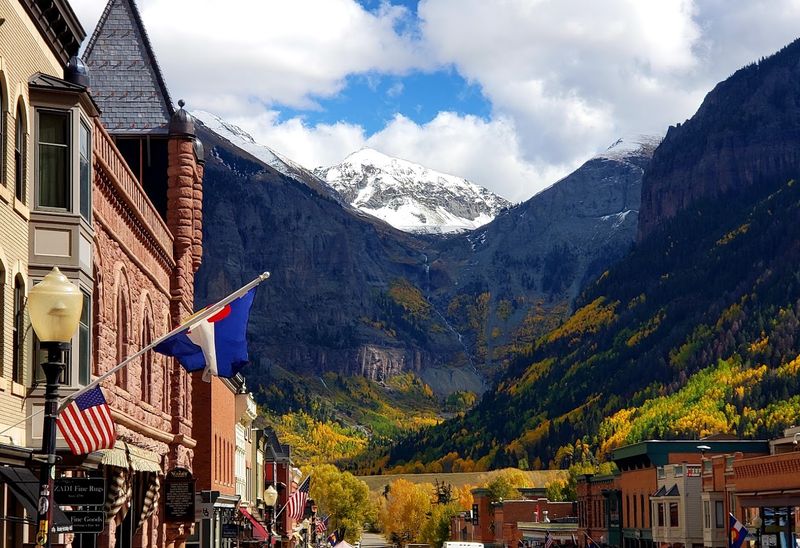
Telluride makes a bold first impression, and it does not need tricks to do it. Set beneath towering peaks inside a dramatic box canyon, the town is surrounded by scenery that looks oversized even by Colorado standards.
The visual drama matters, but the real win is that all this beauty comes with a long list of ways to get outside immediately.
The free gondola is one of the smartest features here because it doubles as transportation and sightseeing. Riding between Telluride and Mountain Village gives you access to hiking and mountain biking trails while serving up huge views for almost the entire trip.
It also helps the day flow better, letting you mix terrain, neighborhoods, and trailheads without overthinking logistics.
Once you start moving, the options fan out fast. Hiking and biking are obvious fits, but rafting, kayaking, skiing, and fly-fishing all have a place in the local outdoor rhythm, which means your itinerary can shift with the weather or your energy level.
Some travelers want vertical challenge, others want river time, and Telluride accommodates both without losing its focus.
Bridal Veil Falls is the landmark that tends to stay in your head after the trip. As Colorado’s tallest free-falling waterfall, it gives the area one more striking feature in a setting already packed with them.
Telluride is the town to choose when you want mountain adventure wrapped in unforgettable topography, plus just enough infrastructure to keep things easy while the landscape does most of the talking.
5. Vail
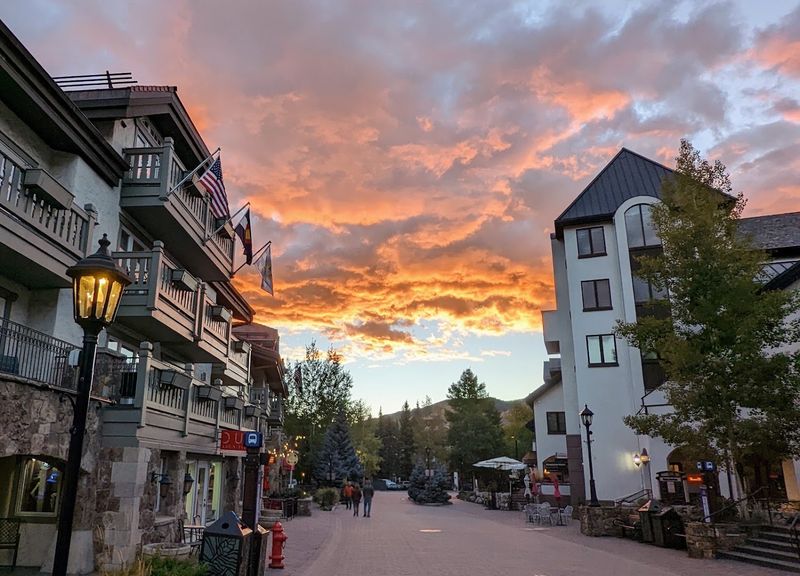
Vail may be famous for winter, but writing it off as only a ski town would be a mistake. Once the snow melts, the area opens into a broad outdoor playground with hiking, biking, paddling, and fishing spread across the surrounding mountains and valleys.
That range gives you plenty of reasons to stay active from morning into evening without repeating the same type of outing.
The hiking network is especially useful if you like choices. More than 100 miles of trails means you can go after a big alpine day, chase waterfalls, or pick a quieter route that trades bragging rights for better breathing room.
Booth Falls is a standout for people who want a rewarding hike with strong scenery and a little distance from the busiest paths.
Mountain biking brings a different pace, and the water options round things out nicely. Kayaking, paddleboarding, and fly-fishing create an easy counterbalance to uphill trail time, so your days can alternate between hard effort and calmer stretches without feeling disjointed.
That versatility is one of Vail’s strongest qualities, especially if your travel crew rarely agrees on a single activity. Of course, winter still carries major weight here. The Back Bowls are legendary for a reason and continue to pull in skiers and riders looking for terrain with serious reputation.
Vail works best when you see it as a year-round mountain destination instead of a seasonal headline, because the town has enough trail, water, and snow access to keep outdoor plans stacked well beyond the ski season.
6. Winter Park
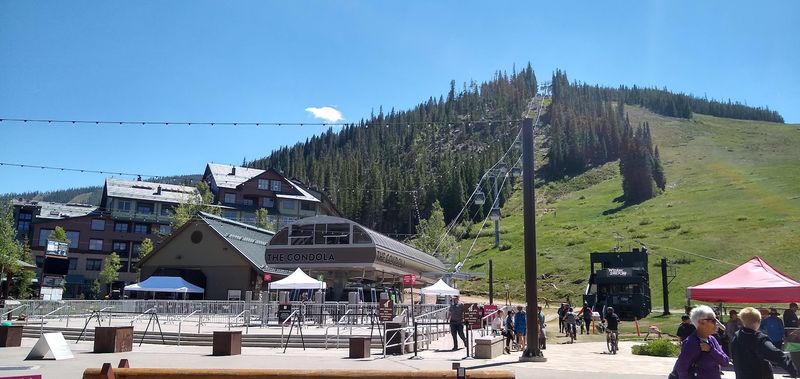
Winter Park has a practical, adventure-first energy that outdoor travelers tend to appreciate quickly. Sitting along the Continental Divide, it gives you access to big terrain without making the experience feel overly polished or precious.
The result is a town where the daily question is less about whether to get outside and more about which kind of outing gets first priority.
In winter, the headline is easy to spot. More than 3,000 acres of ski terrain create plenty of room to explore, whether you want groomers, steeper lines, or a full day of cruising with different ability levels in your group.
Snowmobiling adds another layer when you want speed and scenery without spending every hour on lifts. Once the ground clears, the focus widens fast. Trestle Bike Park is a big draw for downhill riders, and the broader Fraser Valley adds hundreds of miles of hiking and biking routes that keep the menu from getting repetitive.
Rafting, kayaking, and fishing fill in the rest, giving you strong options for days when water sounds better than another climb.
One of Winter Park’s most meaningful strengths is accessibility. The town is home to the National Sports Center for the Disabled, which helps make year-round outdoor recreation available to more people across a wide range of experiences.
That matters because it expands who gets to participate in the mountain environment, and it adds depth to a place that already offers serious terrain, flexible activities, and enough variety to keep an active trip moving without much downtime.
7. Nederland
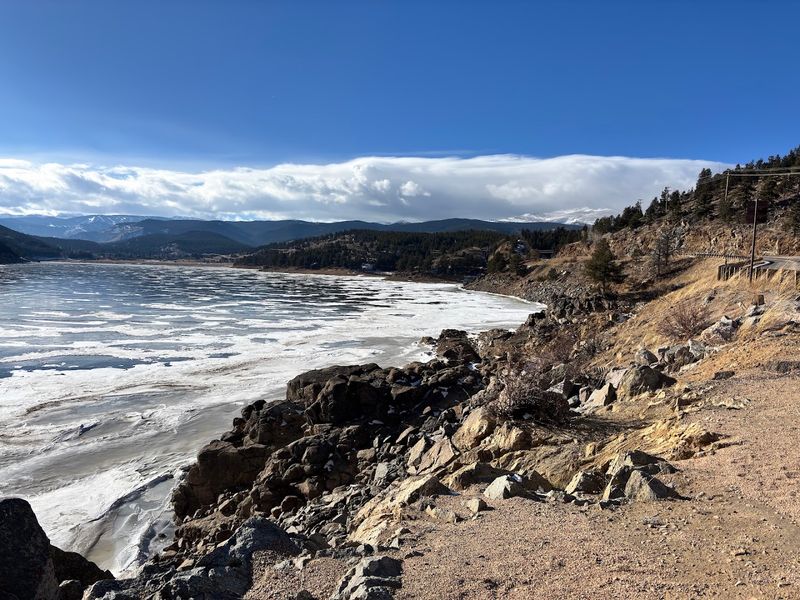
Nederland is the pick for outdoor lovers who want fast access to serious terrain without committing to a larger resort scene. Tucked just west of Boulder, the town sits close to forests, alpine lakes, and rugged peaks that make it easy to shift from everyday life into mountain mode.
Its pace is more laid-back, but the surrounding landscape keeps the actual adventure level high. The biggest draw is how close you are to the Indian Peaks Wilderness and Brainard Lake Recreation Area.
Those nearby zones open the door to hikes leading toward glacier-carved lakes, calm water for paddling, productive places to fish, and camping that puts you close to the trail the next morning.
Mountain biking and winter snowshoeing add even more flexibility, so the town works across seasons instead of relying on one signature month.
Nederland also makes sense for travelers who want options beyond the standard resort formula. Eldora Mountain Resort is nearby when skiing rises to the top of the list, and the Continental Divide adds extra incentive for bigger days in the high country.
You can build a trip around mellow lake time, ambitious hikes, or a little of both without spending hours in transit between activities.
That balance is really the key here. Nederland gives you a useful mix of access, scenery, and lower-key mountain-town energy, which can be a relief if crowded base areas are not your thing.
For anyone looking to trade heavy resort traffic for alpine lakes, forested roads, and straightforward entry into some of Colorado’s most inviting outdoor terrain, this town is an easy one to keep on the shortlist.
Share this story