Pennsylvania has many small and mid-sized towns where daily life feels full without draining your wallet. Across the commonwealth, you can find older neighborhoods with solid homes, walkable main streets, public parks, local diners, libraries, festivals, and short drives to mountains, rivers, or farmland. That mix matters because a good life is not only about cheap rent or a low home price. It is also about feeling safe, having things to do, finding work nearby, and being part of a place where neighbors still wave from the porch.
The towns below show how far a budget can stretch in Pennsylvania when you look beyond the biggest cities. Some have deep industrial roots, while others grew around railroads, canals, colleges, county seats, or natural resources. Many are still changing, with old buildings finding new uses and downtown blocks slowly becoming lively again. If you want more room, less traffic, and a slower pace, these communities are worth a closer look. They are not perfect, and every move should include research on jobs, schools, taxes, health care, and housing costs. Still, each town offers a real chance to build a comfortable life without needing a huge income. For people who value practical living, local history, and easy access to Pennsylvania’s outdoor beauty, these places can feel like smart hidden gems.
1. Sharon
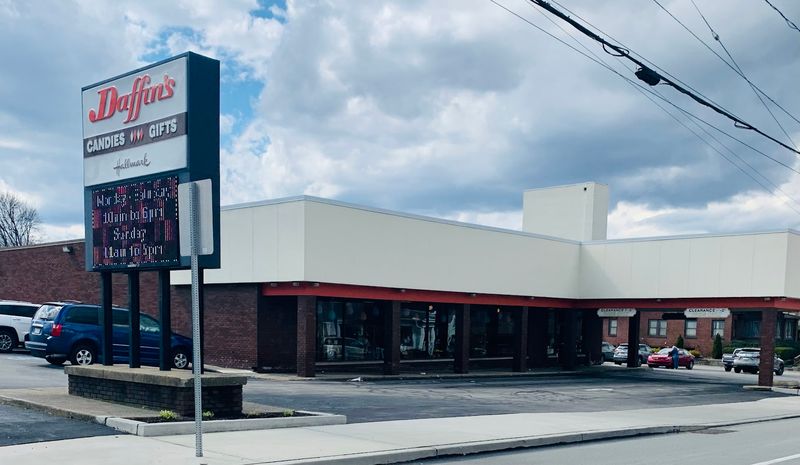
A giant chocolate shop, a riverside downtown, and a low cost of living give this Mercer County town a sweet first impression.
People often know Sharon for Daffin’s Candies, but the town offers more than a fun stop for chocolate lovers.
Housing is one of the biggest draws.
Older single-family homes, duplexes, and apartments can often cost far less than similar places in larger Pennsylvania markets.
That gives first-time buyers, retirees, and remote workers a chance to keep monthly bills under control while still having space.
Downtown Sharon has a practical, easygoing feel.
You will find small businesses, churches, eateries, and community events without the stress of big-city parking or crowds.
The Shenango Valley Mall area and nearby Hermitage add more shopping, medical offices, and services within a short drive.
Outdoor time is simple to plan here.
Buhl Park in nearby Hermitage is a local favorite, with trails, gardens, playgrounds, and open green space.
The Shenango River and Shenango River Lake also give residents chances to fish, paddle, walk, and enjoy quiet weekends close to home.
Sharon sits near the Ohio border, which can help people who work or shop across state lines.
Youngstown, Ohio, is not far, and Interstate 80 gives drivers a useful connection across northern Pennsylvania.
The town is best for people who like modest living and do not need constant nightlife.
Before moving, compare property taxes, school needs, and job options in the wider Shenango Valley.
If your goal is a friendly place with character, affordable homes, and easy access to parks and shopping, Sharon can make everyday life feel surprisingly comfortable.
2. Chambersburg
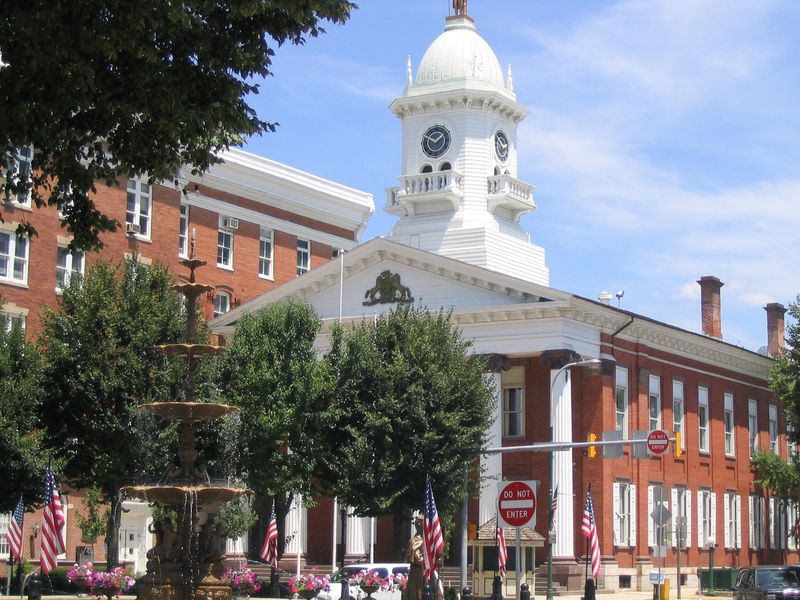
History feels close in this Cumberland Valley town, but daily life can still feel refreshingly down to earth.
Chambersburg has a busy town center, a strong county-seat role, and a location that makes it useful for workers, families, and retirees.
Compared with many East Coast communities, the town can offer a better balance between cost and convenience.
Buyers may find rowhomes, older houses, newer subdivisions, and rentals at prices that are often easier to manage than those near larger metro areas.
Groceries, services, and local shopping are close by, which helps reduce long weekly drives.
The downtown square gives Chambersburg a clear center.
Franklin County offices, restaurants, coffee shops, banks, and small stores keep the area active during the day.
Seasonal events and local markets add extra energy, and the town’s Civil War history gives residents plenty to learn without leaving home.
Location is a major strength.
Interstate 81 runs nearby, making it possible to reach Hagerstown, Carlisle, Harrisburg, and the Maryland border.
Some residents commute, while others work in health care, education, warehousing, government, retail, or local services.
Nature is also within easy reach.
Caledonia State Park, Michaux State Forest, and parts of the Appalachian Trail are short drives away.
That means hiking, camping, fishing, and fall drives can become normal weekend plans instead of rare trips.
Chambersburg fits people who want small-city services without paying big-city prices.
It is wise to study traffic patterns, school zones, and commute times before choosing a neighborhood.
Still, the town’s mix of affordability, history, health care access, and valley scenery makes it one of Pennsylvania’s most practical places to build a steady and enjoyable life.
3. Pottsville
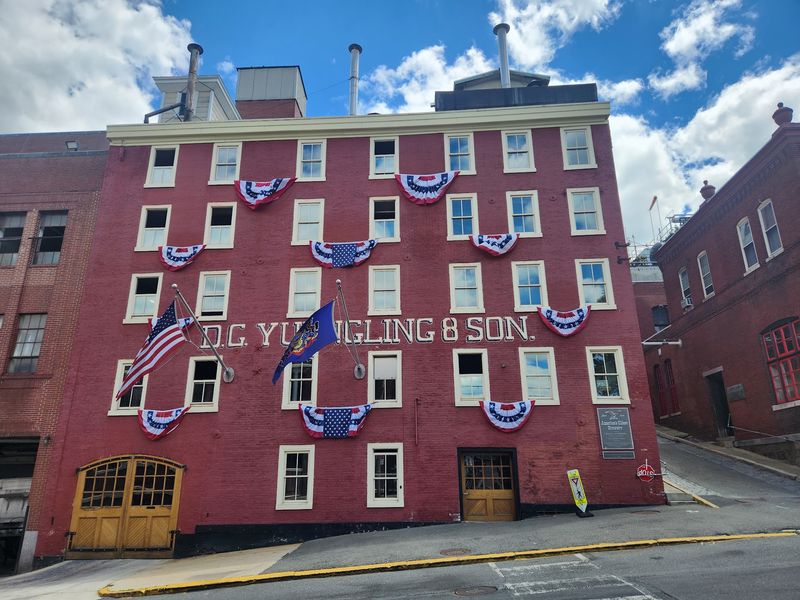
Beer history, steep streets, and old coal-region grit give this Schuylkill County city a personality you notice right away.
Pottsville is best known as the home of Yuengling, but its appeal for budget-minded residents goes well beyond one famous brewery.
Home prices are often a major reason people look here.
The city has many older rowhomes, twins, and detached houses, some with details you rarely find in newer developments.
If you are handy or patient, Pottsville can offer room for less money, though inspections are very important with older properties.
The downtown has banks, restaurants, county offices, shops, and historic buildings.
Because Pottsville is the Schuylkill County seat, it has a stronger service base than many small towns nearby.
Residents can handle many errands locally instead of driving far for every appointment.
Outdoor access is another plus.
The surrounding hills, forests, and state game lands make the area attractive for people who like hunting, hiking, fishing, or scenic drives.
Locust Lake State Park and Tuscarora State Park are close enough for day trips with kids, dogs, or a picnic basket.
Pottsville works especially well for people who enjoy places with a strong past and a real sense of identity.
The coal-region culture shows up in churches, food traditions, school pride, and local festivals.
There is a toughness here, but also a neighborly spirit.
As with any affordable city, smart research matters.
Look at neighborhood conditions, parking, heating costs, and job choices before making a move.
For residents who value character, low housing costs, nearby nature, and a proud Pennsylvania story, Pottsville can deliver a full life at a price that leaves breathing room.
4. Oil City
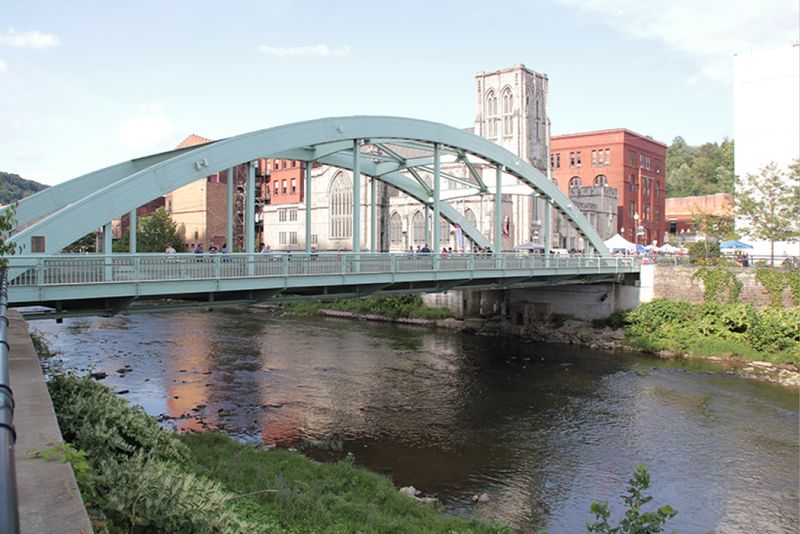
Few places in Pennsylvania tell the oil story as clearly as this river town in Venango County.
Oil City once helped power a major industry, and today it offers low housing costs, river views, and a slower pace that can feel like a relief.
The city sits where Oil Creek meets the Allegheny River, so water and hills shape the view from many streets.
That setting gives the town a calm beauty, especially in fall when the trees brighten the valley.
For people who want scenery without resort-town prices, Oil City is worth attention.
Affordability is one of its strongest points.
Many homes are older, and prices can be much lower than in larger Pennsylvania cities.
Renters may also find reasonable options, though available units can vary, so it helps to visit in person and speak with local agents.
Oil City has an artsy streak that surprises some newcomers.
The National Transit Building and local creative groups have helped support artists, studios, and events.
Add in libraries, small restaurants, churches, and community gatherings, and daily life can feel more connected than the price tag suggests.
Outdoor recreation is a serious benefit.
The Allegheny River is popular for kayaking and fishing, while Oil Creek State Park offers trails, historic sites, and peaceful forest areas.
The nearby bike trail is a gift for anyone who wants exercise without joining a gym.
Job hunters should research carefully, since the local economy is smaller than in major job centers.
Remote workers, retirees, tradespeople, and people tied to regional health care or services may find the best fit.
If river walks, historic buildings, and a budget-friendly lifestyle sound appealing, Oil City offers a quiet kind of richness.
5. New Castle
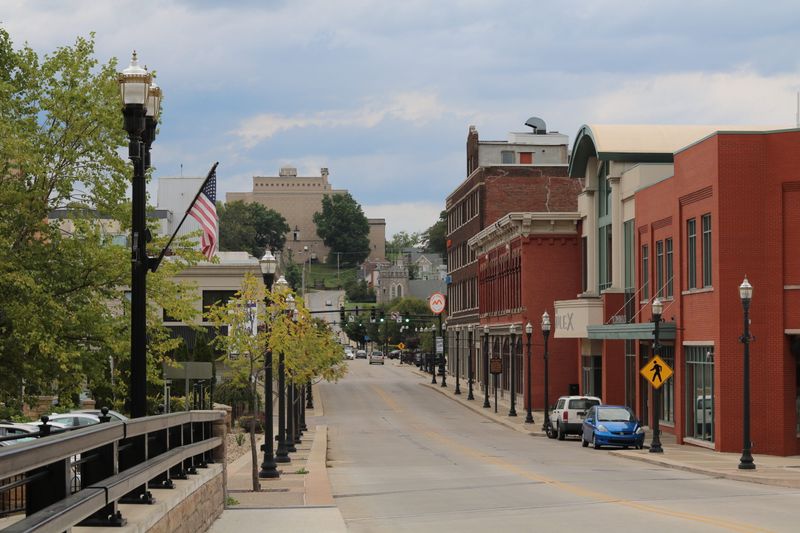
Ask around western Pennsylvania, and someone may bring up fireworks, pizza, or old manufacturing pride when New Castle is mentioned.
This Lawrence County city has faced hard times, but it still offers one of the more affordable paths to homeownership in the region.
Low housing costs are the headline for many newcomers.
Buyers can often find older houses with porches, yards, and solid bones at prices that are hard to match near Pittsburgh.
The key is to compare neighborhoods closely, check repair needs, and plan for upkeep before falling in love with a bargain.
New Castle has everyday services that make life manageable.
Grocery stores, medical offices, schools, restaurants, and local shops are spread through the city and nearby townships.
Residents can reach larger retail areas without giving up the lower-cost base of a smaller city.
The location helps, too.
New Castle sits near Interstate 376 and not far from the Ohio line, giving drivers access to Pittsburgh’s outer areas, Cranberry Township, Youngstown, and other job markets.
That makes it possible for some workers to live affordably while commuting or mixing local and regional work.
Parks and nearby outdoor spaces add balance.
Cascade Park has a long local history, and McConnells Mill State Park is a short drive away with dramatic rocks, trails, and the covered bridge area.
Moraine State Park is also close enough for boating, swimming, and summer weekends.
The city is a good match for practical people who see potential and are willing to learn the area.
It is not polished on every block, but it has value, location, and roots.
With careful planning, New Castle can offer a comfortable Pennsylvania life without a heavy housing payment.
6. Johnstown
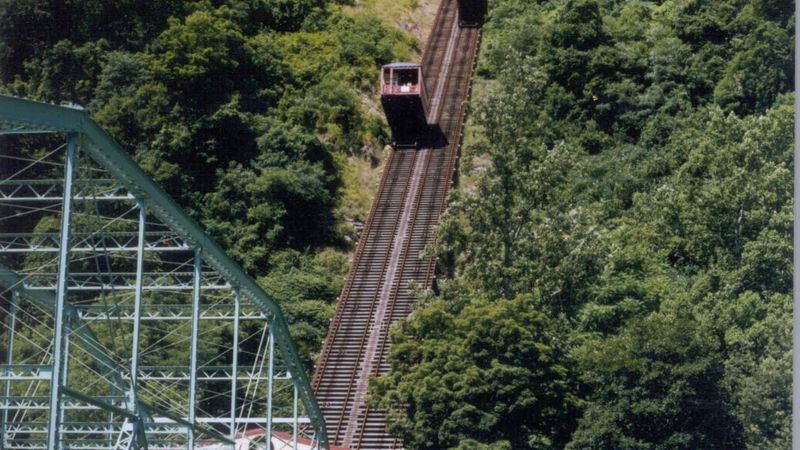
A hillside railway, dramatic valleys, and a famous flood story give this Cambria County city a sense of place that is hard to forget.
Johnstown has seen booms, disasters, and reinvention, yet its low cost of living keeps drawing people who want more space for less money.
Housing can be very affordable compared with much of Pennsylvania.
The city and surrounding boroughs include rowhomes, hillside houses, brick homes, apartments, and quieter suburban-style streets.
Some properties need updates, so a careful inspection and a realistic repair budget are musts.
Johnstown’s history is everywhere.
The Johnstown Flood Museum tells a powerful story, and the Inclined Plane offers one of the best views in the region.
Old mills, churches, bridges, and neighborhood business districts remind residents that this city helped shape industrial Pennsylvania.
Daily needs are within reach.
The area has hospitals, colleges, shops, restaurants, public transit, and community organizations.
Greater Johnstown also connects to nearby towns, which gives residents more choices for schools, work, and services.
Outdoor lovers get a lot for the money.
The Laurel Highlands are close, with trails, fishing, biking, and ski areas within a reasonable drive.
The Path of the Flood Trail and the Ghost Town Trail are especially useful for walking and biking without spending much.
Johnstown is best for people who appreciate resilience and do not mind a city still working through change.
Job options vary by field, so research health care, education, government, trades, and remote work before moving.
For the right person, the mix of mountain scenery, history, low housing costs, and local pride can create a life that feels grounded and affordable.
7. Altoona
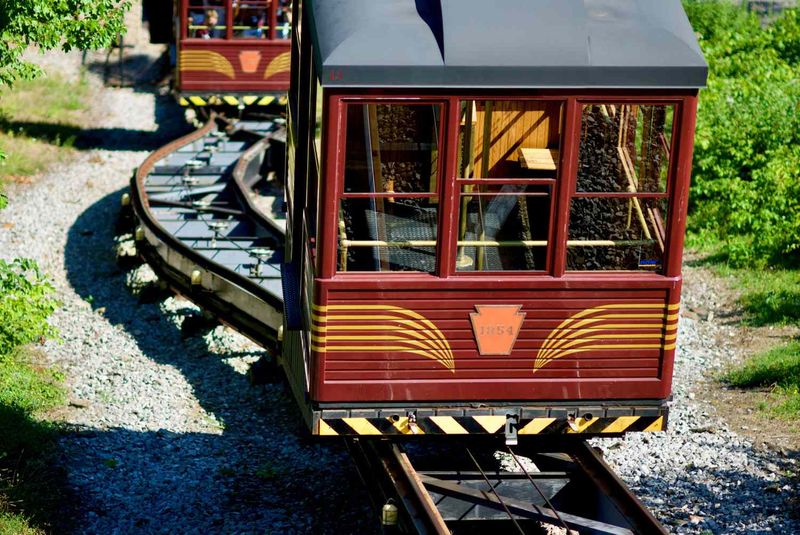
Train whistles still feel like part of the soundtrack in this Blair County city at the foot of the Allegheny Mountains.
Altoona grew as a railroad hub, and that history still gives the community a strong identity, useful location, and plenty of character.
For many households, the numbers are appealing.
Altoona often offers lower housing costs than larger Pennsylvania cities while still providing more services than a tiny town.
Buyers can look at brick homes, modest ranches, older city houses, and rentals, with different price points across neighborhoods.
The city has a practical rhythm.
UPMC Altoona, Penn State Altoona, schools, retail centers, restaurants, and local businesses support the economy.
Logan Valley Mall and nearby commercial areas handle many shopping needs, while downtown continues to offer civic buildings, eateries, and community efforts.
Rail fans get a bonus here.
The Horseshoe Curve National Historic Landmark is one of Pennsylvania’s most famous railroad sites, and the Railroaders Memorial Museum adds more depth.
Even if trains are not your hobby, these places give Altoona a story visitors remember.
Outdoor access is another strong reason to consider the area.
Canoe Creek State Park, Blue Knob State Park, and the Allegheny Portage Railroad National Historic Site are all within reach.
Hiking, fishing, skiing, birdwatching, and simple Sunday drives are easy to fit into regular life.
Altoona suits people who want a small city with hospitals, schools, shopping, history, and mountains nearby.
Like anywhere, it pays to compare taxes, commute routes, and neighborhood conditions.
Still, the balance is strong: enough amenities to stay comfortable, enough affordability to reduce money stress, and enough Pennsylvania scenery to make ordinary days feel a little brighter.
Share this story