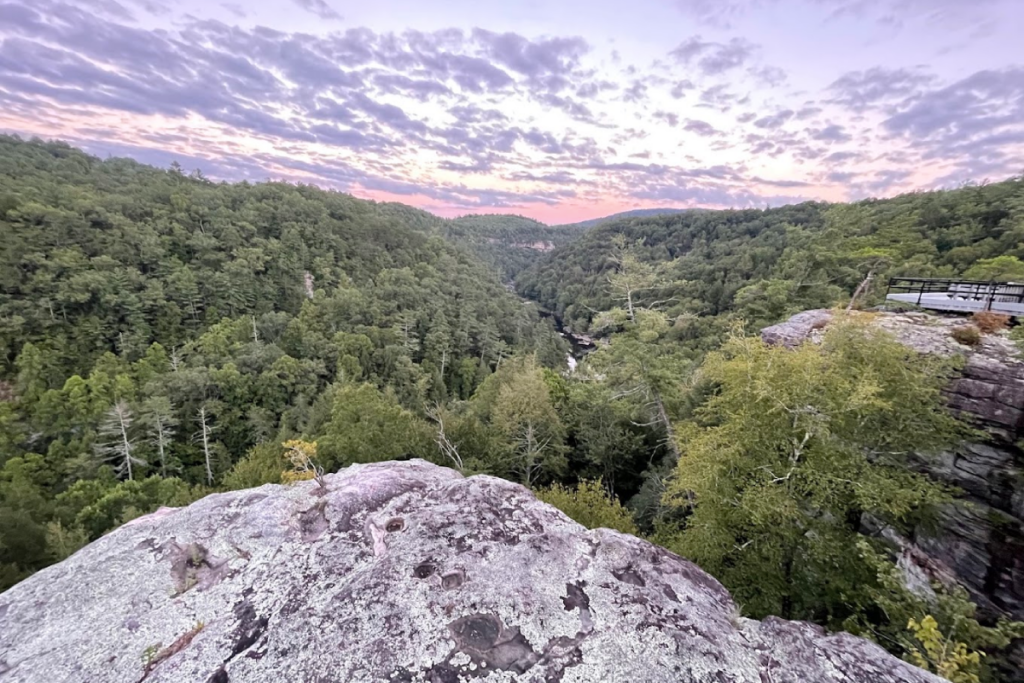
Tennessee hides some of the most breathtaking gorges in the entire Southeast, carved over millions of years into deep valleys and towering cliffs. These natural wonders offer waterfalls, ancient forests, and trails that wind through landscapes so dramatic they feel almost unreal.
Whether you’re an experienced hiker or just someone who loves a good view, these seven gorges will leave you amazed by what nature can do.
1. Savage Gulf
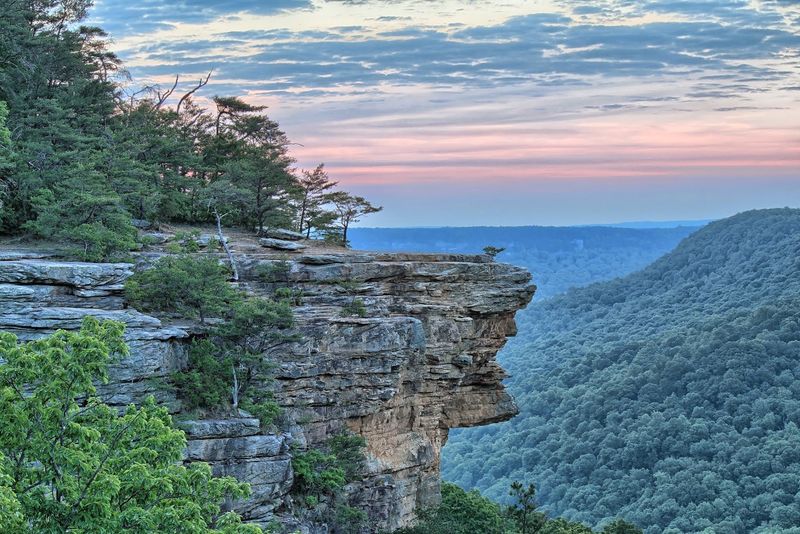
Savage Gulf feels like stepping into another world. Tucked away in the South Cumberland State Park, this wilderness area sprawls across more than 15,000 acres of rugged terrain that’ll make your jaw drop.
The sandstone cliffs here rise hundreds of feet straight up, while below them, dense hardwood forests blanket the ravines in every shade of green you can imagine.
The Stone Door is probably the most famous feature, and for good reason. This massive crack in the rock creates a natural stairway down into the gulf, and once you’re through it, the views are absolutely wild.
You’re standing on top of cliffs looking out over forested valleys that seem to go on forever. It’s the kind of place where you understand why people fall in love with the outdoors.
Waterfalls are everywhere here. Greeter Falls drops 50 feet into a swimming hole that’s perfect on a hot summer day.
Boardtree Falls cascades down mossy rocks in multiple tiers. Ranger Falls hides back in a side canyon where the acoustics make the water sound even more powerful than it is.
The trail system connects all these spots, but don’t underestimate the distances. The loop trails can run 10 to 15 miles, and the terrain is no joke.
You’ll be scrambling over boulders, crossing streams, and climbing in and out of ravines. Bring plenty of water and snacks, because once you’re down in the gulf, you’re committed.
Wildlife thrives in this protected area. White-tailed deer are common, and if you’re quiet and lucky, you might spot a bobcat or hear the drumming of a pileated woodpecker echoing through the trees.
The plant diversity is incredible too, with rare species clinging to the cliff faces and blooming in the moist ravines.
Spring and fall are the best times to visit. Spring brings wildflowers and full waterfalls, while fall paints the forest in fiery reds and oranges.
Summer can be hot and buggy down in the ravines, but those swimming holes make it worth the sweat. Winter offers solitude and icy waterfalls that look like frozen sculptures hanging from the cliffs.
If you’re planning to backpack, there are primitive campsites scattered throughout the area. Waking up to mist rising from the gulf floor while birds start their morning songs is an experience you won’t forget.
Just remember to pack out everything you bring in and follow Leave No Trace principles to keep this place pristine for future adventurers.
2. Fiery Gizzard Gorge
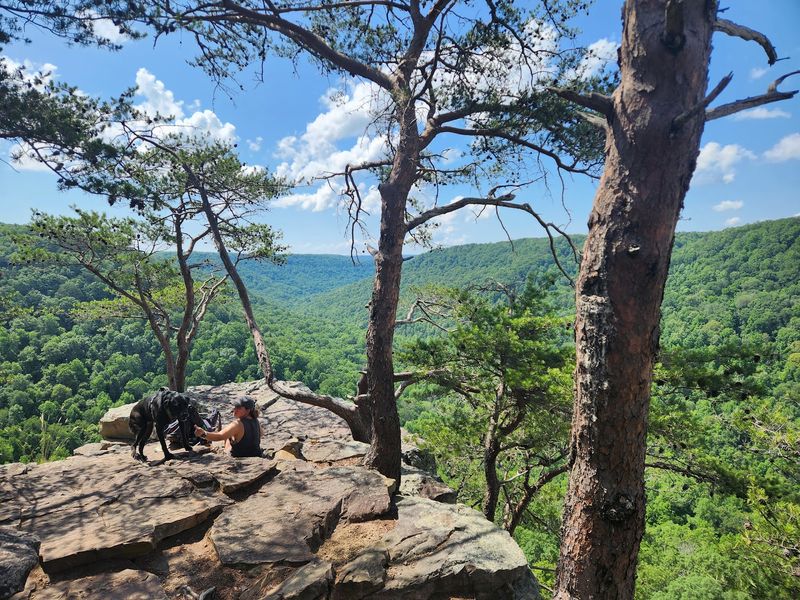
The name alone makes you curious, right? Fiery Gizzard Gorge earned its unusual moniker from a combination of the reddish-orange lichen on the rocks and the gizzard-shaped stones found along the creek.
But the real story here is the trail, which outdoor magazines consistently rank among the best hikes in Tennessee and even the entire South.
This gorge cuts deep into the Cumberland Plateau, creating a landscape that feels primeval. Old-growth hemlocks tower overhead in sections that loggers somehow missed, their massive trunks reminding you what these forests looked like centuries ago.
The trail follows Fiery Gizzard Creek through this wonderland, passing waterfall after waterfall.
Foster Falls is the showstopper, plunging 60 feet into a wide pool surrounded by an amphitheater of rock walls. You can scramble down to the base and feel the mist on your face, or view it from above where the perspective is equally impressive.
Upstream, smaller cascades like Chimney Rocks and Blue Hole Falls each have their own character and charm.
The full trail runs about 13 miles one way, but you don’t have to tackle the whole thing to experience its magic. Day hikers often do the section from Foster Falls to the Fruit Bowl, which gives you waterfalls, boulder fields, and those famous rocky overlooks in a more manageable distance.
The terrain is challenging though, with plenty of rock hopping and steep sections that’ll test your legs and your balance.
What makes Fiery Gizzard special is the variety packed into every mile. One moment you’re walking along a peaceful creek bed, the next you’re climbing up a rocky scramble to an overlook with views across multiple ridges.
You’ll pass through narrow passages where the gorge walls close in, then emerge into open areas where sunlight filters through the canopy in golden beams.
The gorge is part of the South Cumberland State Park system, so it’s well-maintained and marked. That said, this isn’t a casual nature walk.
You need proper hiking boots, plenty of water, and a realistic assessment of your fitness level. People underestimate this trail all the time and end up exhausted or injured.
Photographers love this place because every season offers something different. Spring brings rushing water and blooming mountain laurel. Summer means lush greenery and swimming holes. Fall delivers spectacular color, and winter reveals icicles hanging from cliffsides like crystal curtains.
No matter when you visit, bring your camera and extra memory cards.
3. Obed River Gorge
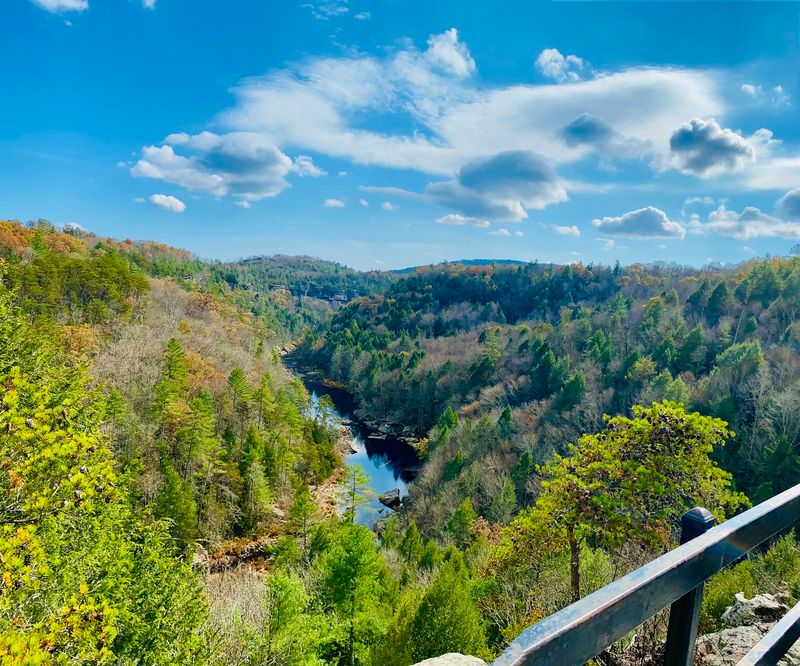
The Obed River doesn’t mess around. This relatively small river has carved some of Tennessee’s most dramatic gorges, slicing through solid sandstone to create narrow canyons with walls that soar 500 feet above the water.
The Obed Wild and Scenic River system protects about 45 miles of these gorges, and they’re absolutely spectacular.
What’s wild about the Obed is how it changes character. In some sections, the river flows gently through wider valleys where you can wade and explore. Then suddenly it enters a gorge section where the walls close in, the current picks up, and you’re surrounded by towering cliffs covered in moss and ferns.
The contrast is dramatic and beautiful.
Paddlers consider this one of the best whitewater destinations in the Southeast. When water levels are right, usually after spring rains, the Obed offers Class III and IV rapids that’ll get your adrenaline pumping.
The combination of technical rapids and stunning scenery makes it a bucket-list trip for kayakers and rafters. But you need to know what you’re doing because the gorge sections are remote and help is far away.
If you prefer to stay on land, the hiking is excellent too. The Lilly Bluff Overlook Trail takes you to a spectacular viewpoint where you can see the river snaking through the gorge hundreds of feet below.
It’s a relatively short hike with a big payoff. The Point Trail offers similar views from a different angle, and on a clear day, you can see for miles across the Cumberland Plateau.
Rock climbers have discovered the Obed in a big way. The sandstone cliffs offer hundreds of routes ranging from beginner-friendly to expert-only, with everything from crack climbs to overhanging sport routes.
Lilly Bluff and Clear Creek are popular climbing areas where you’ll often find groups working their way up the rock faces. The setting is incredible, with climbs offering views across the gorge as you ascend.
The geology here tells an ancient story. These sandstone formations were laid down millions of years ago when this area was covered by vast seas and river deltas.
Over time, erosion carved away the softer rock, leaving these resistant sandstone layers standing as cliffs. You can see the layers clearly in the gorge walls, each one representing a different period in Earth’s history.
Wildlife thrives in the protected gorges. River otters have made a comeback here, and if you’re patient and quiet, you might spot one playing in the water or sliding down a muddy bank.
Herons stalk the shallows looking for fish, and raptors soar above the gorge hunting for prey.
4. Big South Fork Gorge
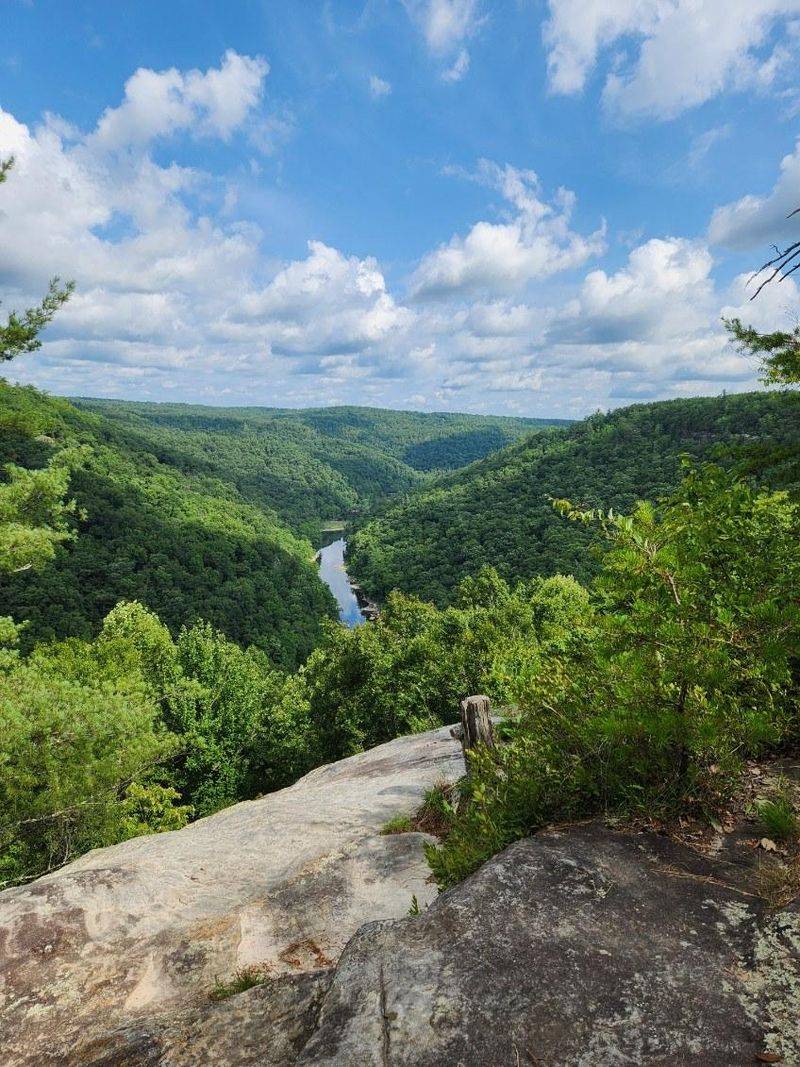
Big South Fork lives up to its name in every way. This massive gorge system, carved by the Big South Fork of the Cumberland River, sprawls across the Tennessee-Kentucky border and encompasses over 125,000 acres of protected wilderness.
The scale here is almost hard to comprehend until you’re standing on one of the overlooks gazing across layer after layer of forested ridges.
The gorge itself is a masterpiece of erosion. The river has cut down through hundreds of feet of rock over millions of years, creating a canyon landscape that rivals anything you’ll find east of the Rockies.
Sheer sandstone cliffs rise from the river, their faces streaked with mineral stains and decorated with vegetation clinging to impossible-looking cracks and ledges.
Natural arches are everywhere here. Twin Arches is probably the most famous, featuring two massive stone spans side by side, each one big enough to shelter a house.
You can hike to them on a moderate trail that also passes other rock formations and overlooks. Standing underneath these arches and looking up at thousands of tons of rock suspended overhead is humbling and awe-inspiring.
The river itself offers world-class paddling opportunities. When water levels cooperate, the Big South Fork provides miles of scenic floating with occasional rapids to keep things interesting.
You’ll drift past towering cliffs, through quiet pools, and around bends that reveal new vistas around every turn. Multi-day trips are popular, with riverside campsites letting you experience the gorge at a slower pace.
Horseback riding is a big draw here too. The park maintains over 180 miles of horse trails that wind through the gorge system, offering a different way to experience this landscape.
Several outfitters operate within the park, so even if you don’t own a horse, you can still explore on horseback. There’s something special about moving through this terrain at horse-speed, covering ground faster than hiking but slower than driving.
Historic sites add another layer of interest. Old homesteads, mining operations, and logging camps dot the area, reminders that people lived and worked in these rugged gorges for generations.
The Blue Heron Mining Community has been preserved and interpreted, giving visitors a glimpse into the hard life of coal miners and their families in the early 1900s. Walking through the ghost structures with the gorge rising all around you connects past and present in a powerful way.
Overlooks are scattered throughout the area, each offering unique perspectives. East Rim Overlook provides sunrise views that photographers dream about.
Yahoo Falls, technically just outside the gorge proper, is Kentucky’s tallest waterfall and worth the short detour. The diversity of scenery means you could spend weeks here and still find new places to explore.
5. Piney Creek Gorge
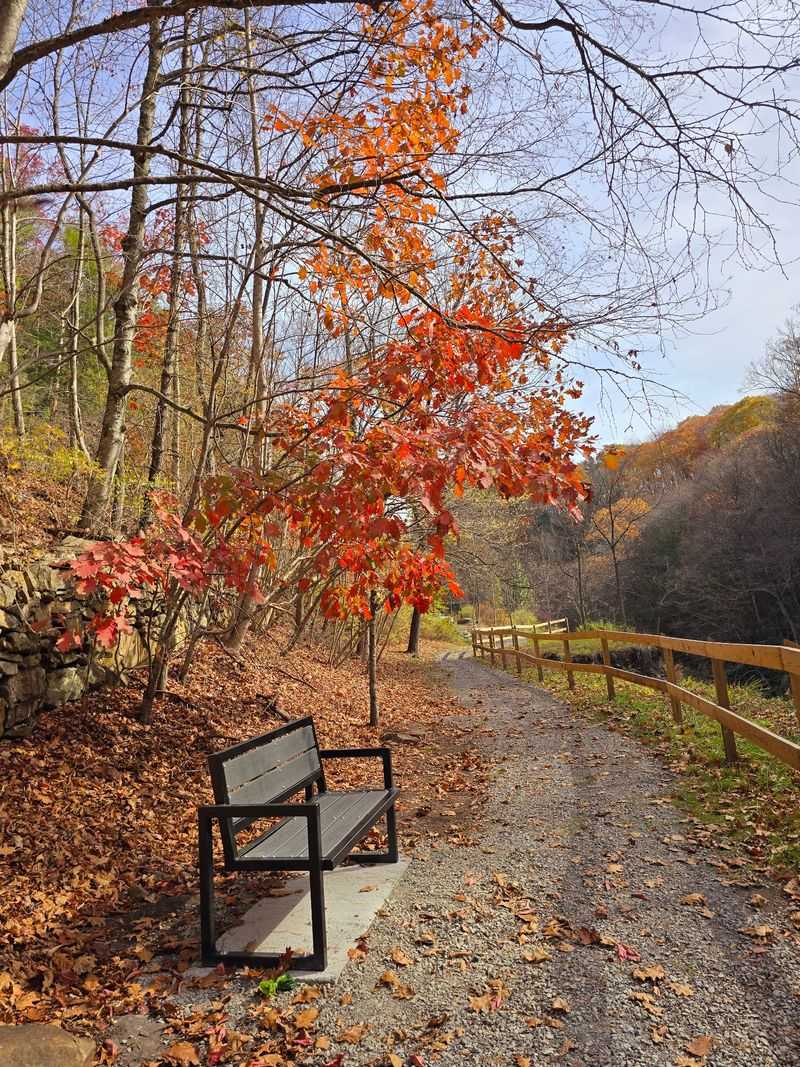
Piney Creek Gorge doesn’t get the crowds that some of Tennessee’s other gorges attract, and that’s part of its charm. This quieter Cumberland Plateau gem offers the same dramatic scenery but with more solitude and a true wilderness feel.
If you’re looking to escape the crowds and experience nature on your own terms, this is your spot.
The gorge isn’t as deep as some others on this list, but what it lacks in sheer cliff height it makes up for in rugged beauty. Piney Creek tumbles through a rocky canyon filled with boulders, small waterfalls, and deep pools.
The terrain is challenging, with trails that require creek crossings, boulder scrambles, and route-finding skills. This isn’t a place for beginners, but experienced hikers will love the adventure.
Waterfalls appear around nearly every bend. None of them are huge, but they’re beautiful in their own right, cascading over layered rock into clear pools.
In spring when water levels are high, the sound of rushing water fills the gorge. By late summer, some of the smaller falls might be reduced to trickles, but the pools remain deep and cool, perfect for a refreshing dip after a hot hike.
Rock shelters carved by water and wind provide natural overhangs throughout the gorge. Native Americans used these shelters for thousands of years, and while you won’t find artifacts (they’ve been removed for preservation), you can still sense the history.
Sitting under one of these overhangs during a rainstorm, watching water pour off the edge while you stay dry, connects you to countless generations who did the same thing.
The plant life here is diverse and beautiful. Rhododendron and mountain laurel create thick tangles in places, their blooms spectacular in late spring and early summer.
Ferns carpet the moist areas near the creek, and wildflowers pop up wherever sunlight penetrates the canopy. The forest is primarily hardwoods, with some hemlocks in the moister ravines adding an evergreen element to the scenery.
Navigation requires attention because trails aren’t always obvious. Cairns mark the route in some sections, but you’ll also be following the creek itself, which means rock hopping and potentially getting your feet wet.
Bring a map and compass or GPS, and make sure someone knows your plans. Cell service is nonexistent down in the gorge, so you’re truly on your own out here.
The loop trail that explores the gorge is about 9 miles total, though distances can feel longer given the terrain. Plan for a full day, start early, and bring more water and food than you think you’ll need.
The effort is worth it though, because you’ll have earned every view, every waterfall, and every quiet moment in this special place that most people never see.
6. Possum Creek Gorge
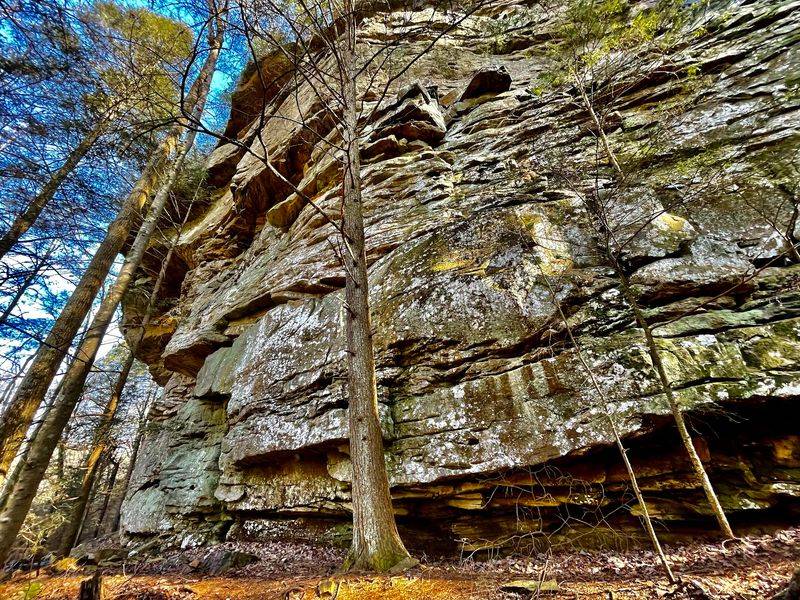
Possum Creek Gorge is the definition of off-the-beaten-path. While other Tennessee gorges have become popular destinations with parking lots and trail signs, Possum Creek remains relatively unknown and undeveloped.
That means rougher access, fewer amenities, and a true wilderness experience for those willing to seek it out.
Getting there requires some research and determination. Access points aren’t well-marked, and you’ll likely be navigating forest roads that aren’t on most GPS systems.
But once you find your way in, you’re rewarded with a gorge that feels completely untouched. The sense of discovery here is real because you might be the only person exploring this area on any given day.
The gorge itself features all the classic Cumberland Plateau elements. Sandstone cliffs rise above Possum Creek, which flows over a series of small waterfalls and cascades.
The largest falls drop about 30 feet into a plunge pool surrounded by moss-covered boulders. The acoustics in this natural amphitheater amplify the sound of falling water, creating a peaceful soundtrack for your visit.
Dense woodland surrounds the creek, with the canopy so thick in places that the forest floor stays dim even at midday. This creates perfect habitat for shade-loving plants like trillium and jack-in-the-pulpit, which carpet the ground in spring.
The forest has a primeval quality, with downed logs decomposing into nurse logs for new saplings, creating that cycle-of-life feeling that old forests possess.
Because this area sees fewer visitors, wildlife is more abundant and less wary of humans. Deer tracks are everywhere in the soft mud along the creek.
You might spot raccoon prints near the water’s edge or the distinctive waddle-tracks of a turkey in sandy spots. Bird watching is excellent here, with species that prefer undisturbed forest habitat calling this gorge home.
The lack of formal trails means you’re essentially bushwhacking or following game trails and the creek itself. This isn’t a place for inexperienced hikers or anyone uncomfortable with navigation challenges.
You need to be confident in your ability to find your way back out, because getting lost here would be a serious problem. Bring a topographic map, compass, and ideally a GPS device with your route marked.
Water is a constant companion in this gorge, and not just in the creek. Springs seep from the cliff faces, creating wet zones where moisture-loving plants thrive.
The humidity can be intense in summer, making the gorge feel almost tropical. In winter, these seeps freeze into icicles and ice sheets that transform the cliffs into glittering walls of frozen water.
This is a place for adventurers who want to earn their experience, who value solitude over convenience, and who understand that the best places are sometimes the hardest to reach.
7. Laurel-Snow Gorge
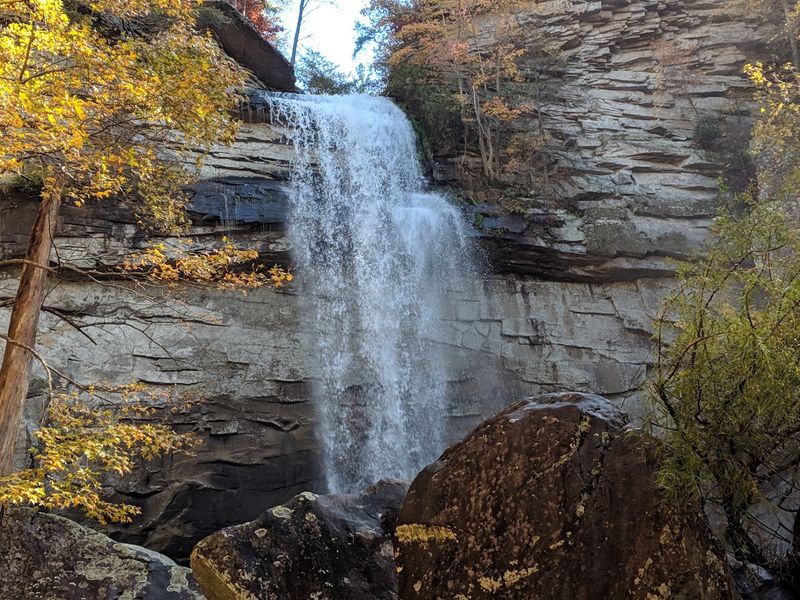
Laurel-Snow Gorge sits near Dayton, Tennessee, offering a unique combination of natural beauty and industrial history that makes it different from other gorges on this list. The natural features alone would make this place special, but add in the remnants of old mining operations and you get a landscape that tells multiple stories at once.
The gorge features steep, heavily wooded slopes rising from Richland Creek. Sandstone cliffs appear throughout, their layered faces showing the geological history written in stone.
The forest here is lush and diverse, with a mix of hardwoods, pines, and hemlocks creating a multi-layered canopy that provides habitat for countless species of birds, mammals, and insects.
Two waterfalls are the main attractions. Laurel Falls drops about 80 feet in a beautiful cascade that spreads across the rock face, especially impressive during spring runoff.
The trail to Laurel Falls is the more popular route, moderately challenging with some steep sections but manageable for most hikers in decent shape. The falls are stunning from multiple angles, and you can get close enough to feel the spray on warm days.
Snow Falls sits deeper in the gorge and requires more effort to reach. This waterfall is taller and more dramatic, plunging about 100 feet into a pool surrounded by towering cliffs.
The hike to Snow Falls adds several miles to your trip, but serious hikers and waterfall enthusiasts consider it worth every step. The sense of accomplishment when you round that final bend and see it is incredible.
Historic mining remnants scattered throughout the area add an unexpected element. Old mining equipment, collapsed structures, and even some tunnel entrances remain from when this area was actively mined for coal and other minerals.
These artifacts are fascinating but also potentially dangerous, so look but don’t enter any old mine structures. They’re unstable and can contain bad air or hidden shafts.
The trail system here is well-established and maintained by local volunteers who care deeply about preserving this area. Blazes mark the routes clearly, and bridges span the trickier creek crossings.
That said, the terrain is still challenging with rocky sections, roots to watch for, and some steep climbs that’ll get your heart rate up. Proper footwear is essential because wet rocks near the waterfalls can be slippery.
Spring is absolutely magical here when wildflowers bloom across the forest floor and the waterfalls run full and powerful. Fall brings stunning color as the hardwoods turn, creating a patchwork of reds, yellows, and oranges against the green of the evergreens.
Even winter has its appeal, with ice formations on the cliffs and the quiet that comes when snow muffles sound in the forest.
Share this story