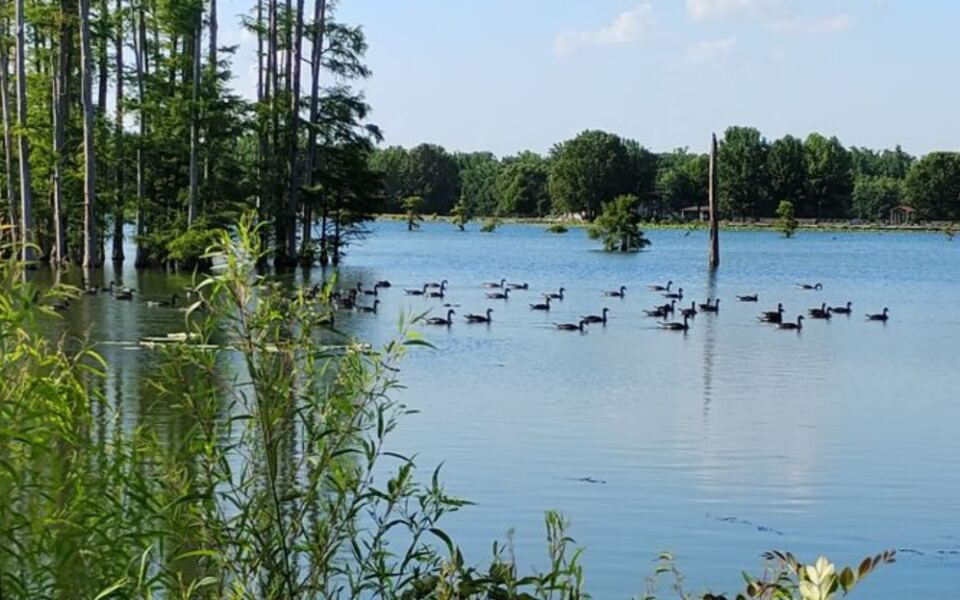
Fall in Tennessee has a soundtrack all its own. It begins with the rustle of golden leaves, the splash of wings against still water, and the distant calls of migrating birds gathering beneath a cool morning sky. While most travelers head for mountain overlooks and colorful forests, some of the season’s most unforgettable sights unfold in the state’s wetlands.
Picture mist curling around ancient cypress trees as a bald eagle watches from above. Imagine hundreds of sandhill cranes filling the air with their unmistakable calls, or a great blue heron standing perfectly still among the reeds. These aren’t scenes from a wildlife documentary.
They’re moments you might witness with nothing more than binoculars and a little patience.
From the earthquake-formed waters of Reelfoot Lake to peaceful river refuges and an unexpected marsh tucked inside Chattanooga, Tennessee offers remarkable places to watch autumn migration unfold.
Some welcome visitors with observation platforms and easy trails, while others reward those willing to venture beyond the usual tourist stops.
1. Hatchie National Wildlife Refuge, Stanton
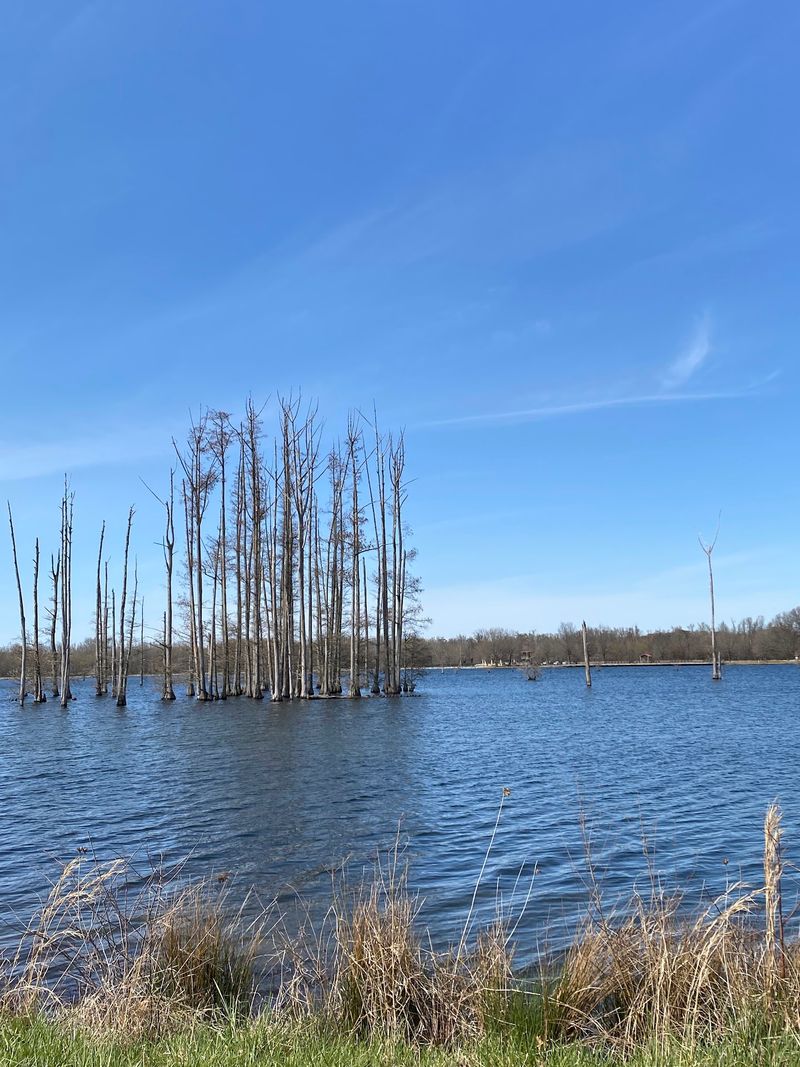
Spanning more than 11,500 acres of forests, wetlands, and other habitats, Hatchie National Wildlife Refuge offers plenty of room for migrating birds. Out here in rural Haywood County, the land is built for waterfowl, and the birds clearly got the memo.
The refuge protects a big chunk of bottomland hardwood forest and floodplain. That mix of trees and water makes it a natural rest stop for migrating birds.
Bald cypress trees are the showstoppers. They grow right out of the water, and their knobby roots poke up like nature’s lawn ornaments.
A walk of about two miles loops around the lake. Along the way, you can watch for birds, fish, and turtles sunning on logs. Ducks pile in as the weather turns cold.
Fall is a great time to start scouting, since the migration builds toward a busy winter.
Beyond the lake, the refuge has plenty of other water areas for birding. Bring a good pair of binoculars and take your time scanning the edges.
Birds aren’t the only residents here. Turtles, foxes, coyotes, squirrels, and soaring buzzards also call the refuge home.
Photographers will find plenty to frame. Animals in their natural habitat plus reflections on still water make for easy, gorgeous shots.
Got kids along? The trails are easy enough for little legs, and the picnic options make it simple to turn birding into a full outing.
Dogs are allowed, so your four-legged buddy can enjoy the fall air too. Keep your dog leashed and follow refuge rules to protect wildlife.
Check the water level before you go. When the river runs high, some parts of the refuge can be under water and off limits.
The office keeps weekday hours, Monday through Friday. Plan ahead if you want to ask questions or grab information in person.
Fishing and seasonal hunting also happen here, so pay attention to posted rules. A little awareness keeps the day smooth for everyone.
2. Hiwassee Wildlife Refuge, Birchwood
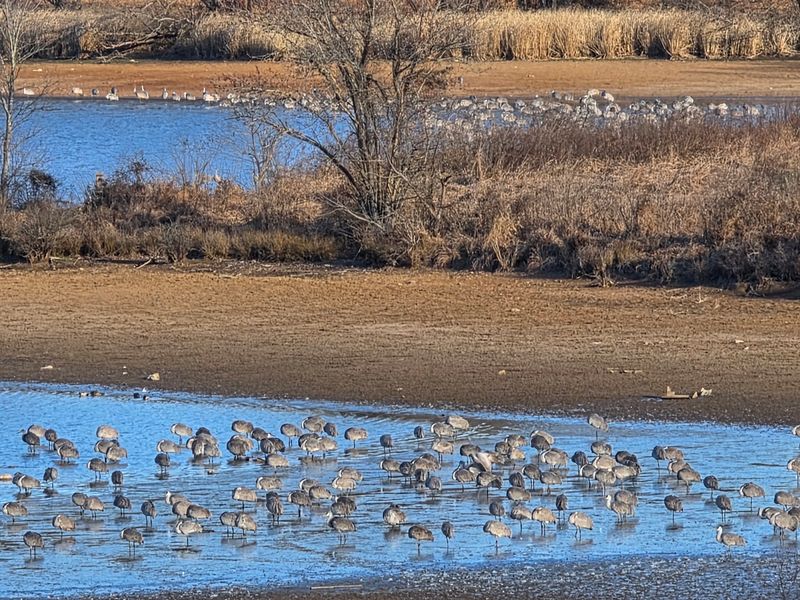
Hundreds of tall gray birds with red caps, all bugling at once, is not a sound you forget. Sandhill cranes are the headliners at this East Tennessee refuge, and they arrive in style.
The refuge sits where the Hiwassee and Tennessee rivers meet in Meigs County. Open fields and quiet river channels give the cranes plenty of room to feed and rest.
By late November, the hillsides can hold crowds of cranes. Counts in the hundreds are possible as the season rolls along.
Your best seat in the house is the gazebo observation platform. From there, you can watch cranes and waterfowl spread out across the land and water.
Bring a spotting scope if you have one. The birds often stay at a distance, and extra zoom helps you sort out who’s who.
Cranes steal the spotlight, but the supporting cast is impressive. Bald eagles, red-shouldered hawks, great blue herons, and egrets can all show up here.
American crows add plenty of chatter too. Deer also wander through, so keep an eye on the field edges.
Photographers, this one’s for you. Long lenses and patience can reward you with shots of cranes lifting off in big groups.
Facilities are simple, especially in the colder months. There is a public restroom, but don’t expect a fancy visitor center.
Kids tend to love this place. Giant birds making loud, rattling calls feel a bit like a live nature documentary.
Visitor numbers can vary, so consider arriving early and allowing extra time at the observation platform.
Dress in layers for chilly river breezes. Fall mornings near the water can feel colder than the forecast suggests.
The refuge is managed by the Tennessee Wildlife Resources Agency. Respect the posted boundaries so the cranes can rest without being disturbed.
3. Cross Creeks National Wildlife Refuge, Dover
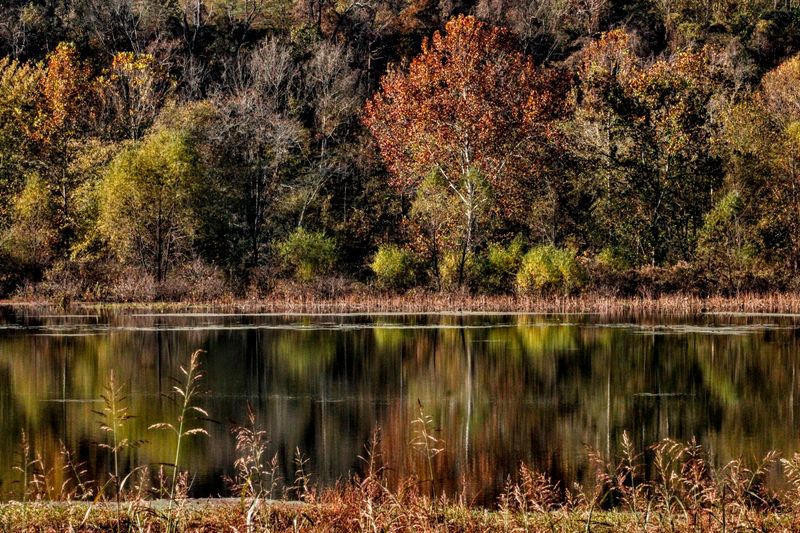
Eagles, ospreys, and owls in one place sounds like a bird lover’s dream lineup. Along the Cumberland River in Stewart County, that lineup is real.
Cross Creeks is set up as migratory bird habitat. Its wetlands and river pools give traveling birds a reliable place to stop and refuel.
Raptors are a big draw. Watching a bald eagle cruise over the water never gets old, no matter how many times you see it.
Ospreys fish here too. Keep your eyes on the sky for that dramatic feet-first dive into the river.
Owls are part of the cast as well. Early mornings and evenings give you a better shot at spotting or hearing one.
Hawks, turkeys, and plenty of smaller birds round out the list. Frogs and squirrels add their own background noise.
Scenic drives are a great way to explore the refuge when roads are open. Be aware that refuge roads and most public areas close from November 15 through March 15 to protect wintering waterfowl.
Prefer to walk? Kid-friendly trails let families stretch out and look for wildlife at a slower pace.
Deer graze in the open areas, which delights younger visitors. Seeing them in a quiet field feels like a small reward for getting out early.
Anglers will find a boat ramp and good fishing. You might even catch a glimpse of fish spawning in the right season.
The refuge also supports environmental education. It’s a solid spot to teach kids why wetlands matter for birds and other wildlife.
Visiting on a weekday may offer a quieter experience. Before planning your trip, check seasonal access restrictions, particularly during the winter waterfowl sanctuary period.
Fall foliage on the rolling hills makes the trip even sweeter. Bring a camera for the scenery, not just the birds.
Hunting is allowed during certain seasons. Check the rules before you go so your birding day stays safe and stress-free.
4. Reelfoot Lake State Park, Tiptonville
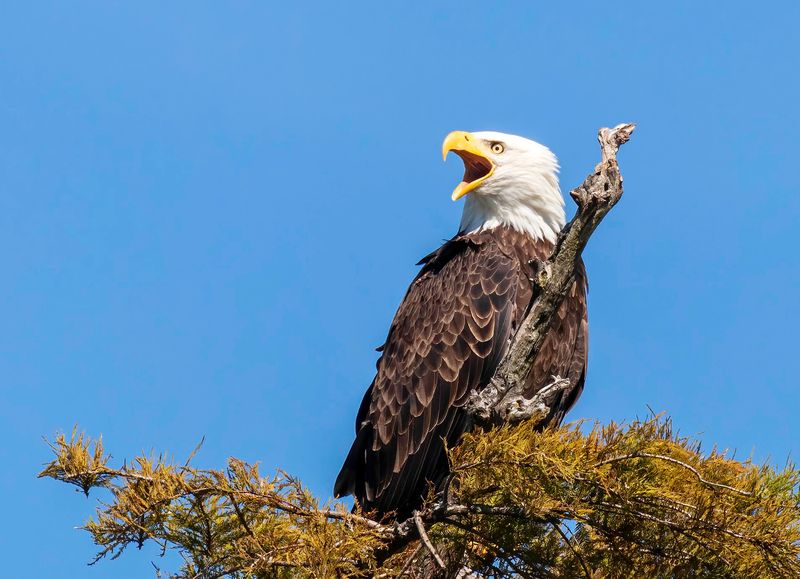
Earthquakes shook this land in 1811 and 1812, and Reelfoot Lake was the result. A flooded forest that formed so suddenly is pretty wild to think about.
Today the lake is famous for cypress trees, aquatic plants, and American bald eagles. It sits in Lake County near the Mississippi River floodplain.
The boardwalks are a highlight. They let you walk out over the water and get close to the cypress without wading in.
Birders love the Mississippi Flyway location. As fall moves along, migrating waterfowl start showing up on the lake.
Eagles are the big stars. Spotting one perched in a cypress is the kind of moment that makes a whole trip worth it.
Don’t skip the raptor center. It gives you a closer look at birds of prey and makes a great stop with kids.
A museum adds the history side of the story. You can learn how the lake formed and why the area matters to wildlife.
Want to stay a while? Cabins with full kitchens overlook the lake, and campsites come with bathhouses.
Families have plenty to do between bird sightings. A playground with slides and swings keeps younger kids busy.
Picnic tables and grills are on site too. Pack a lunch and enjoy it with a view of the water.
Walking trails offer more chances to look for birds. Dogs are allowed, so your pup can join the adventure.
Parking is free, which is always a nice surprise. The office keeps daily hours from morning to mid-afternoon.
Fishing is popular on the lake. Rare and endangered creatures live here too, so treat the habitat gently.
For a potentially quieter experience, consider visiting on a weekday, especially outside peak travel periods.
5. Tennessee National Wildlife Refuge – Big Sandy Unit, Springville
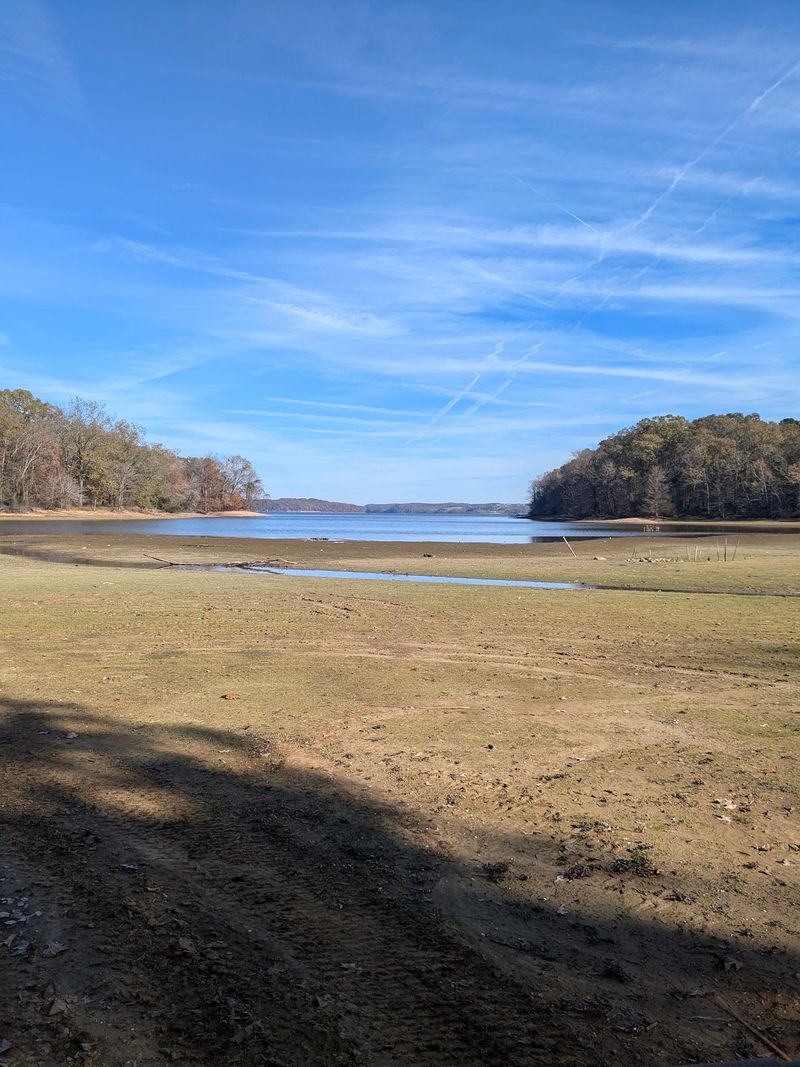
Kentucky Lake is huge, but its quiet bays are where the birds like to hang out. The Big Sandy Unit protects some of those calm, marshy corners in Henry County.
Shallow embayments and wetlands make great fall and winter habitat. Waterfowl use the area as a resting spot during migration.
An observation deck gives you a front-row view over the water. Set up there, and let the birds come into focus.
The variety is a big selling point. You can see many different types of birds here, which keeps a checklist growing fast.
Bring a field guide or a birding app. Sorting out ducks at a distance is half the fun and half the challenge.
A nice walking trail lets you explore on foot. It’s a relaxing way to look for songbirds along the edges.
Driving through accessible areas of the refuge is a treat, especially when fall colors brighten the trees. However, some roads and wetland areas close from November 15 through March 15 to protect wintering waterfowl.
Boaters will find a couple of boat ramps. They are fairly primitive, so plan for a simple setup. Fishing is a favorite activity too.
Just remember the wildlife comes first in a refuge.
Staff and wildlife officers are friendly and helpful. If you have questions about where to look, they can point you in the right direction.
Kids can learn a lot here. Spotting wildlife in real life sticks better than any textbook picture.
Weekday visits may offer a quieter birdwatching experience, although visitor numbers can vary throughout the season. The area keeps a peaceful, small-town feel. It’s the kind of place where slowing down feels like the whole point.
6. Reelfoot National Wildlife Refuge, Union City
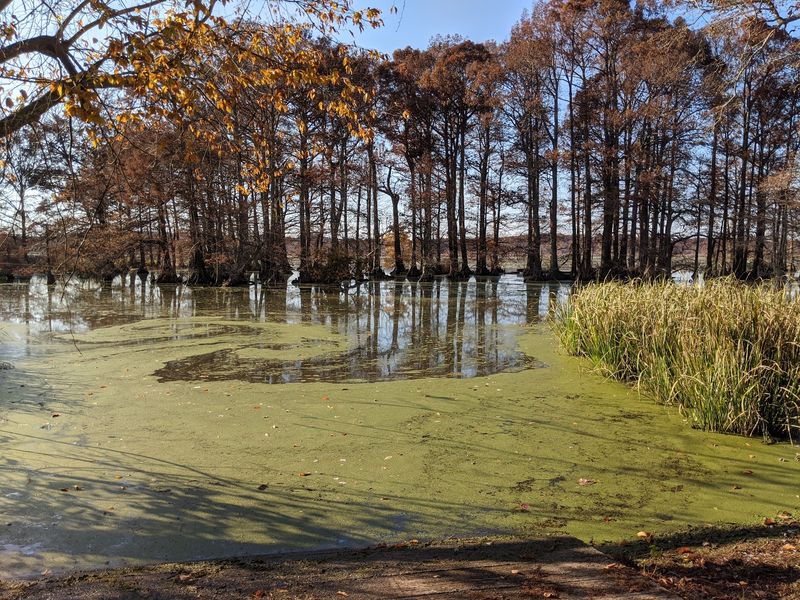
A trail named after the bald eagle sets the bar pretty high. Luckily, this refuge on the north end of the Reelfoot area backs up the name.
Reelfoot National Wildlife Refuge protects sloughs and cypress wetlands in Obion County. Farmland surrounds the marshes, giving birds both water and open space.
Bald eagles are the main attraction. Lots of other wildlife lives here too, so your camera roll may fill up fast.
The Bald Eagle Trail is a great place to start. Staff can share information about it and other hiking options.
Stopping by the office first is a smart move. Friendly help can save you time and lead you to better viewing spots.
Paddlers, grab your gear. Kayaking and canoeing let you glide quietly through the waterways.
Moving slowly on the water is a sneaky birding trick. Many birds stay calmer when you aren’t stomping along a path.
Fishing is popular as well. Hunting happens in season, so check the rules before you head out.
Hikes here are friendly for kids. Shorter walks keep the trip fun instead of turning into a grumpy march.
Dogs are allowed, which makes it easy to bring the whole family. Keep them leashed and close to protect nesting and resting birds.
Office hours run Monday through Saturday, and it’s closed on Sundays. Plan around that if you want maps or advice.
Pair this stop with the nearby state park for a full Reelfoot weekend. Two different angles on the same famous lake make a great combo.
Fall weather is ideal for exploring. Cool air, changing leaves, and soaring eagles make it a season worth chasing in West Tennessee.
7. Brainerd Levee Trailhead, Chattanooga
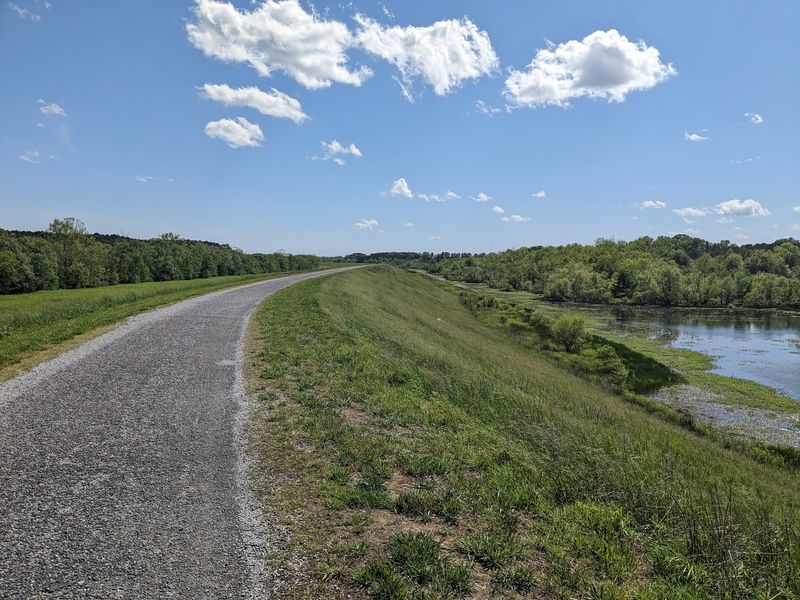
Herons in the city? Yep, and you don’t even have to leave Chattanooga to find them.
The Brainerd Levee Trailhead sits in the eastern part of town. It gives you access to a levee trail that runs beside the Brainerd Levee Wetland.
Being up on the levee is a big help. The higher view lets you look down into shallow marshes and spot birds more easily.
South Chickamauga Creek flows nearby. Its wetlands and swampy retention areas create great habitat for wading birds.
Fall brings migrating waterfowl into the mix. Some days you might see ducks resting on the water while herons hunt the edges.
Birdwatching is one of the main activities here. It’s an easy place to practice your skills without a long drive.
Short on time? This is a perfect lunch-break or after-school birding spot.
The greenway setting makes it friendly for walkers and joggers too. You can combine exercise with a little bird spotting.
Bring binoculars, even for a quick visit. Wading birds often stand very still, so a closer look helps you notice them.
Watch the water’s edge carefully. A heron frozen in the reeds can be surprisingly easy to miss.
The trail can attract walkers, joggers, and birdwatchers, so expect visitor activity to vary throughout the week. For a quieter walk, consider visiting during less crowded periods, when there may be fewer disturbances to wildlife.
Morning light makes photos look extra nice. The sun on the marsh can turn a simple snapshot into a frame-worthy shot.
Urban wetlands like this one prove nature doesn’t need a remote address. Sometimes the best birding in Tennessee is hiding right next to Shallowford Road, waiting for you to look up.
Share this story