Pennsylvania is full of old places where hard work, big dreams, and tough times left marks you can still see today. Across the state, empty factory walls, silent tunnels, brick kilns, and rusting steel towers remind people of the jobs and industries that helped build entire towns and communities. Some of these places were once filled with workers, machinery, and the constant sounds of production, but today they stand quiet and weathered by time. Some sites are preserved, some are closed off, and others are best understood from a safe distance, but each one has a story that locals still pass along.
Behind the crumbling structures are stories of booming industries, changing communities, and generations of people who made their living there. Even when the businesses disappeared, the impact they had on nearby towns often remained. These forgotten places offer a glimpse into a different chapter of Pennsylvania’s past. They remind us how quickly industries can rise and fall, while also showing why certain places remain meaningful to the people who live nearby. Some have even gathered their own local legends and stories over the years. These sites matter because they help us understand how Pennsylvania grew, changed, and remembered the people who shaped it.
1. Concrete City
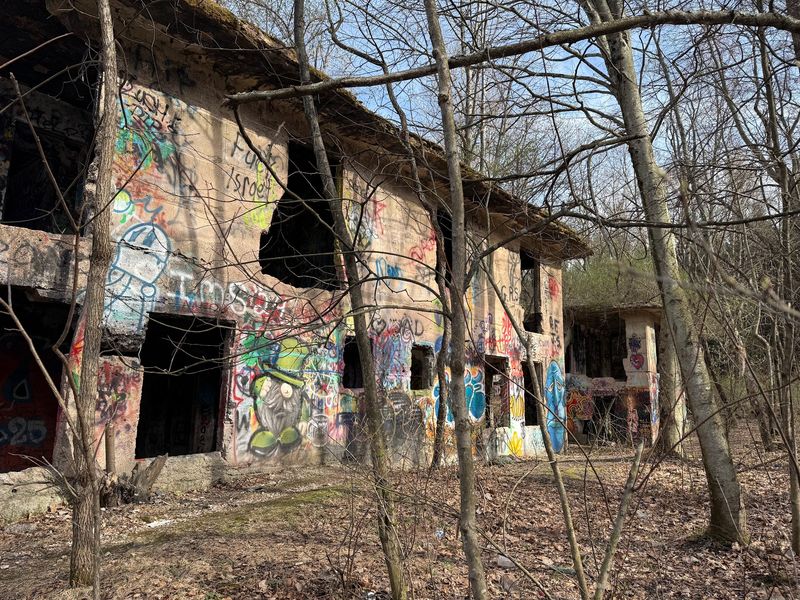
At first glance, the empty homes look like a tiny town paused in the middle of a sentence.
Built in 1911 near Nanticoke, Concrete City was made for workers of the nearby coal industry, not a factory itself, but a company-built housing site tied closely to Pennsylvania’s industrial world.
The homes were unusual because they were made of poured concrete, which seemed modern and strong at the time.
Families had yards, sidewalks, and a shared community feel, but the buildings were damp, hard to heat, and costly to repair.
By the 1920s, people had moved out, leaving the place to weather, vandals, and local stories.
Locals still talk about Concrete City because it feels both ordinary and strange.
You can picture children running between houses, then look through broken windows and see only spray paint and trees.
That mix makes the site feel personal, not just old.
Visitors should know that abandoned places can be dangerous, even when they look sturdy.
Floors, steps, and walls may be weaker than they appear, and rules about access can change.
The smartest plan is to check local guidance before going, wear strong shoes, avoid climbing, and never enter alone.
Concrete City also teaches a bigger lesson about worker housing in Pennsylvania.
Companies often built whole communities around mines, mills, and factories, but when business plans failed, families had to move on.
The buildings stayed behind like a rough draft of the future.
If you enjoy history, look at the site as more than a spooky backdrop.
It is a reminder that bold ideas do not always become good homes, and that Pennsylvania’s industrial past included daily family life, not only machines, smoke, and paychecks.
2. Bayless Pulp And Paper Mill
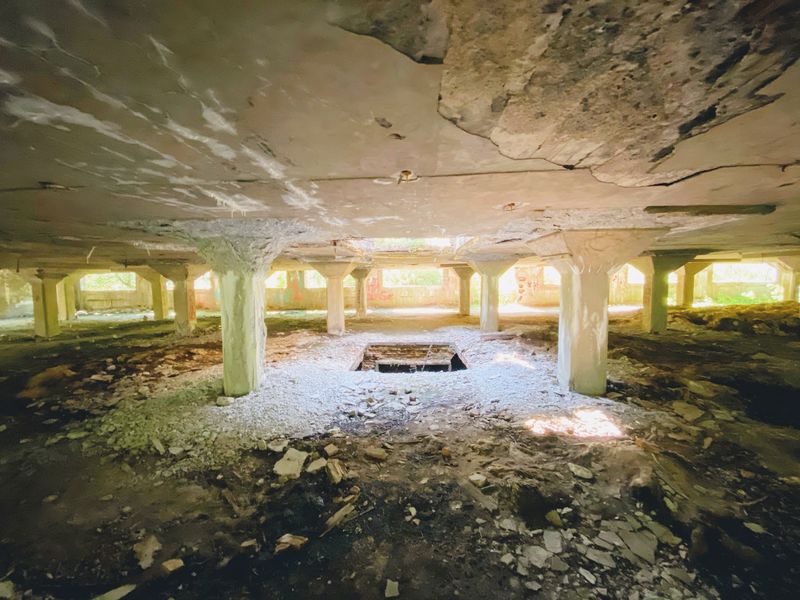
A quiet creek valley in Potter County still carries the memory of one of Pennsylvania’s most frightening industrial disasters.
Near Austin, the Bayless Pulp And Paper Mill once turned timber into paper products, using water power and the thick forests that shaped the region’s economy.
The story changed in 1911 when the dam built to serve the mill failed.
A wall of water rushed through Austin, destroying homes, businesses, and parts of the mill area.
Many people died, and the disaster became a warning about careless building, weak inspections, and the true cost of rushing industry forward.
What locals whisper about here is not just the ruin, but the sound people imagined that day.
Old stories speak of warning cries, splintering wood, and water moving faster than anyone could run.
Even now, the place feels heavy because the tragedy touched regular families, not distant names in a textbook.
For visitors, the best way to approach the site is with respect.
Read about the Austin Dam disaster before you go, and remember that the landscape is connected to loss.
Stay on public paths or marked areas, avoid unstable remains, and do not take bricks, metal, or other pieces as souvenirs.
The Bayless mill story also shows how factories depended on nature.
Water, timber, and steep valleys helped the business grow, but poor planning turned those same forces deadly.
That lesson still matters in Pennsylvania, where many towns sit close to rivers, hills, and old industrial sites.
If you like history with real meaning, this place offers more than ruins.
It asks a serious question in plain terms: when people build for profit and speed, who makes sure the neighbors are safe?
3. Sideling Hill Tunnel, Abandoned PA Turnpike
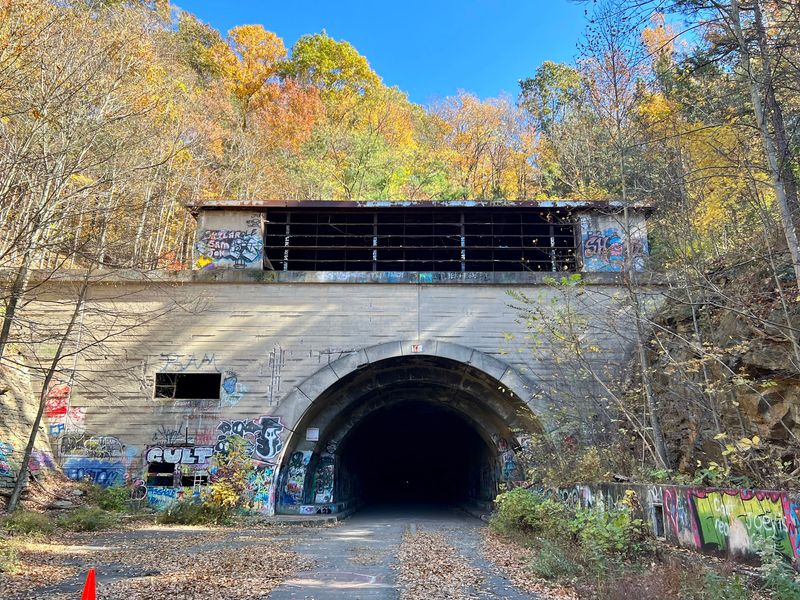
Few places in Pennsylvania feel as strange as a highway tunnel with no traffic.
Sideling Hill Tunnel, part of the abandoned Pennsylvania Turnpike, was not a factory, yet it belongs on this list because it feels like an industrial machine built into a mountain.
The tunnel opened with the early turnpike in 1940, helping cars and trucks cross rough Appalachian terrain.
As traffic grew, the narrow two-lane tunnel became a problem.
In the late 1960s, a bypass replaced it, and the long concrete passage was left behind with other stretches of road.
People whisper about the tunnel because sound behaves oddly inside it.
Footsteps echo, bike tires hum, and voices seem to travel farther than expected.
In the middle, daylight can shrink to small gray dots, which makes even brave visitors slow down.
Unlike many abandoned sites, parts of the old turnpike have been used by hikers, cyclists, and curious history fans.
Still, conditions can change, and the tunnel is long, dark, damp, and uneven.
Bring a bright flashlight, a backup light, water, and a jacket, because the temperature inside can feel cooler than outside.
Do not treat the tunnel like a haunted playground.
Stay aware of loose debris, puddles, broken glass, and other visitors.
If you bike through, use lights and keep your speed low, since people may be walking ahead in the dark.
Sideling Hill tells a different kind of Pennsylvania industry story.
It is about roads, engineering, and the push to move goods faster across the state.
The tunnel’s silence reminds us that even big public works can become outdated.
Standing there, you can almost hear the old engines, then realize the mountain has taken back the noise.
4. Richmond Generating Station
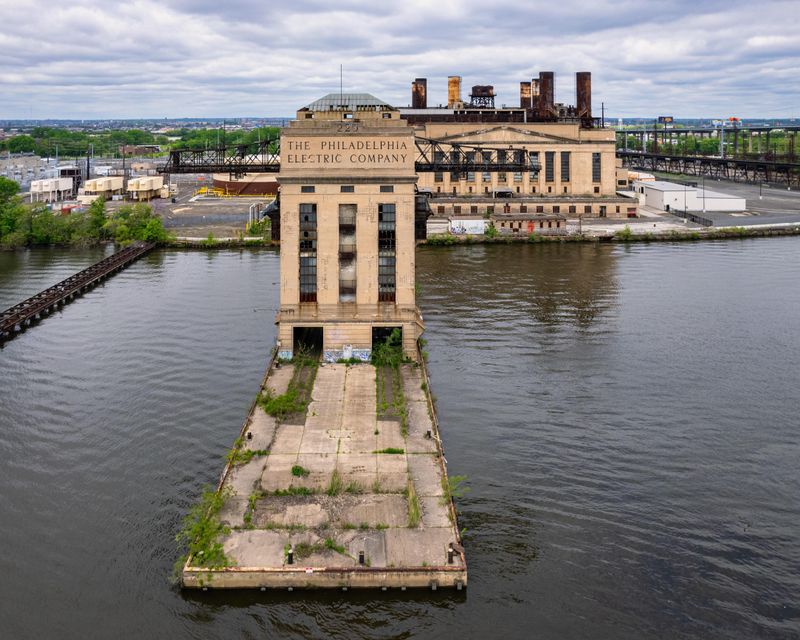
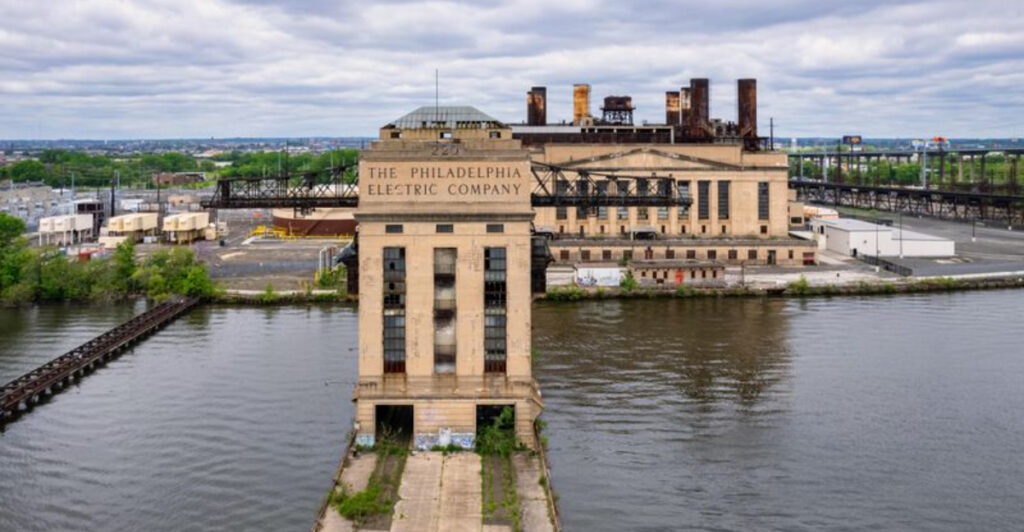
Along Philadelphia’s riverfront, old power buildings can look like castles built for smoke and electricity.
Richmond Generating Station helped feed power to a growing city, and its huge walls, tall stacks, and heavy equipment once showed off the strength of modern energy.
The station belonged to an age when coal-fired power was a proud symbol of progress.
Electricity lit homes, ran streetcars, supported factories, and kept the city moving.
Workers inside dealt with heat, noise, machinery, and constant pressure to keep power flowing.
Locals talk about places like Richmond because they stand between two versions of Philadelphia.
One version is the busy industrial city of mills, docks, rail lines, and power plants.
The other is a changing waterfront where old structures wait for reuse, demolition, or preservation.
Abandoned power stations are especially risky.
They may contain deep pits, rusted platforms, sharp metal, unsafe floors, and environmental hazards.
If you want to see Richmond Generating Station, view it from legal public areas, use a camera with a zoom lens, and do not squeeze through fences or openings.
The site also gives a useful lesson about energy history.
Power feels invisible when we flip a switch, but buildings like this prove that electricity came from real places and real labor.
They also show why cities now debate cleaner energy, land reuse, and how to handle polluted industrial spaces.
Photographers often love the bold shapes of these buildings, but respect matters more than a dramatic picture.
Trespassing can lead to injury, fines, or trouble for nearby communities.
Better options include local history groups, archives, and guided industrial heritage events when available.
Richmond Generating Station leaves a strong impression because it is both grand and worn down.
Its silent stacks point to a time when Pennsylvania powered itself with smoke, muscle, and ambition.
5. Carrie Blast Furnaces, Rivers Of Steel
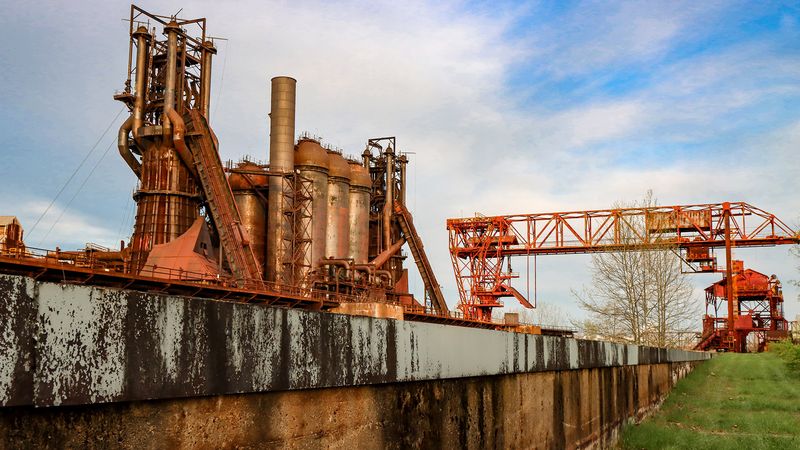
Near Pittsburgh, two giant furnaces rise like rusty guardians of the Monongahela Valley.
Carrie Blast Furnaces, now cared for through Rivers of Steel, once formed part of the Homestead Works, one of the most important steel-making operations in Pennsylvania.
Iron ore, coke, and limestone were fed into these huge furnaces to make molten iron.
The work was hot, loud, dirty, and dangerous, but it helped build bridges, railroads, buildings, and machines across the country.
Generations of families depended on jobs connected to steel.
What makes Carrie special is that it did not simply vanish.
Many industrial sites were torn down after mills closed, but these furnaces survived as rare reminders of how steel was made.
Their size can surprise visitors, because photos do not fully show how small a person feels beside them.
Local stories often focus on pride and hardship together.
Steel jobs paid bills and supported neighborhoods, but workers faced injuries, long shifts, and uncertain futures when the industry declined.
That mix of loyalty and loss still shapes how people in western Pennsylvania talk about the mills.
Because Carrie Blast Furnaces is a managed historic site, the safest way to experience it is through official tours and events.
Guides can explain the machinery, the workers’ routines, and the art now found on the grounds.
You get the thrill of exploring without the danger of wandering alone through unstable industrial spaces.
Bring comfortable shoes, dress for the weather, and expect uneven ground during tours.
Ask questions, because the guides often know details that make the place come alive.
A small fact can change a rusty pipe into part of a larger human story.
Carrie Blast Furnaces reminds visitors that Pennsylvania steel was not just metal.
It was sweat, skill, community, and a proud voice that still echoes through the valley.
6. Coplay Cement Company Kilns
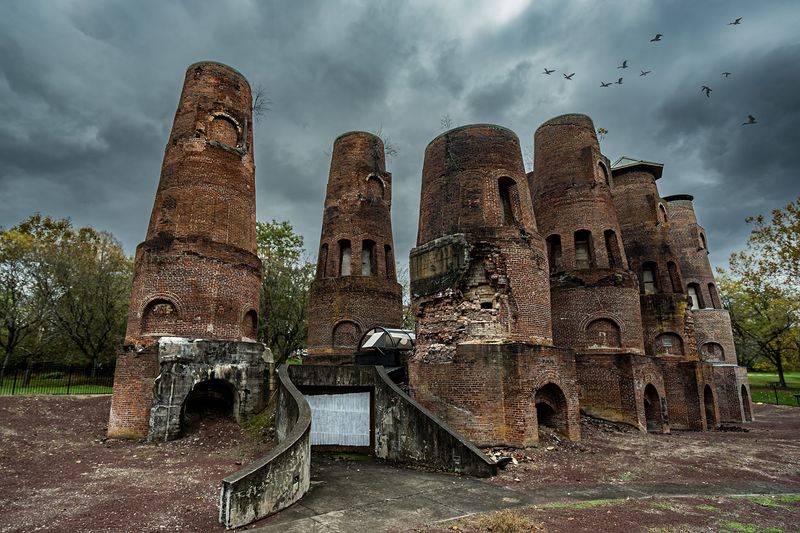
In the Lehigh Valley, a row of tall stone kilns looks almost like ancient towers.
The Coplay Cement Company Kilns are not hidden in deep woods, but their quiet shape still makes people wonder how such a powerful industry became so still.
Coplay played a major role in America’s cement story.
In the late 1800s and early 1900s, the area produced natural and portland cement used in roads, bridges, buildings, and canals.
The kilns heated raw materials until they changed into clinker, which was then ground into cement.
Unlike many abandoned factories, these kilns have been preserved as a historic landmark.
That makes them easier and safer to appreciate, especially for families, students, and anyone who likes industrial history without crawling through unsafe ruins.
Their shape helps visitors understand the process in a clear, visual way.
Locals still talk about the kilns because they connect the town to a time when cement work shaped daily life.
Dust, railcars, quarrying, and shift work were part of the local rhythm.
The industry helped build modern America, but it also changed the land and the health of communities around it.
If you visit, slow down and read any signs or markers.
Try to picture workers tending heat, moving materials, and keeping production going before modern controls made the job easier.
A simple walk around the site can become a short lesson in science, labor, and town history.
Good visitors help protect places like this.
Do not climb on the kilns, scratch names into stone, or leave trash behind.
Historic industrial sites survive only when people treat them as outdoor classrooms, not playground equipment.
The Coplay Cement Company Kilns show how one Pennsylvania town helped pour the foundation for countless other places.
Their silence feels less spooky than thoughtful, like a patient reminder of work that hardened into history.
7. SteelStacks, Bethlehem Steel
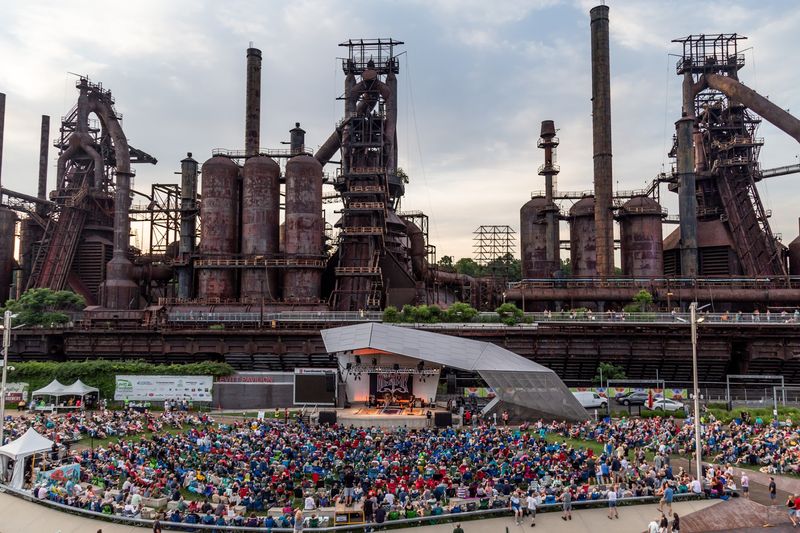
Some abandoned factories get a second act, and Bethlehem’s old steel plant got one with lights, music, and crowds.
SteelStacks stands beside the massive blast furnaces of Bethlehem Steel, a company that once helped make Pennsylvania famous around the world.
Bethlehem Steel produced beams, armor, rails, and ship parts used in major projects and wars.
Its steel went into skyscrapers, bridges, and naval vessels, giving the city a strong identity.
When the company declined and steelmaking ended, the empty plant left a huge question for the community.
Instead of letting every part disappear, Bethlehem found a way to reuse the space.
SteelStacks became an arts and culture campus with concerts, festivals, films, and public events.
The huge furnaces remain in the background, turning a former industrial site into one of the state’s most memorable gathering places.
People still whisper about Bethlehem Steel because its story is deeply personal.
Grandparents, parents, neighbors, and friends worked there.
For many families, the plant meant food on the table, college tuition, union pride, layoffs, worry, and memories that are hard to sort into simple good or bad feelings.
Visiting SteelStacks is a smart choice for anyone who wants industrial history without trespassing.
You can enjoy events, take photos from safe public areas, and join tours when offered.
The site proves that preservation does not always mean freezing a place in time.
Look closely at the furnaces while you are there.
Their scale tells you how large the old operation was, while the crowds below show how communities can adapt.
Kids may come for music or food trucks, then leave knowing a little more about steel.
SteelStacks is not just a backdrop.
It is Pennsylvania showing how a hard-working past can be honored while a city builds a new future.
8. Bunkers Of Alvira, Pennsylvania Ordnance Works
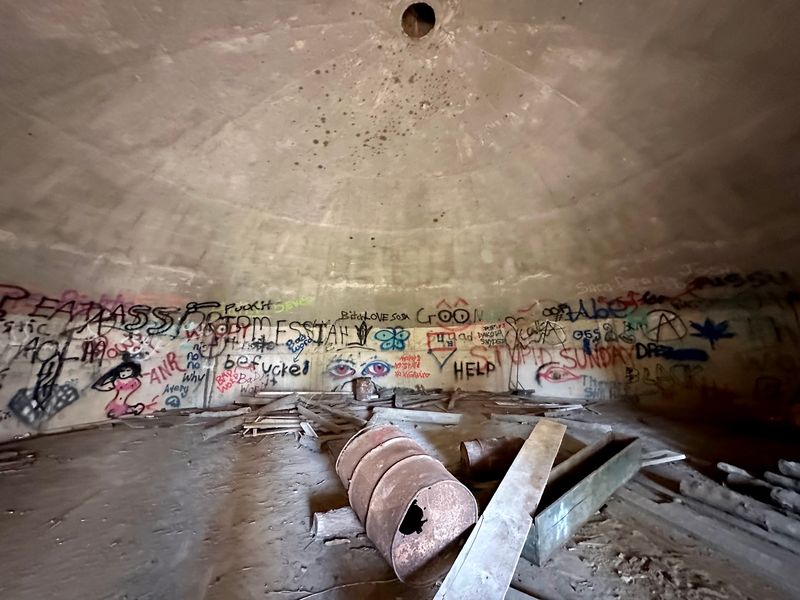
Hidden among fields and woods near Allenwood, the old bunkers of Alvira feel like secrets covered with grass.
During World War II, the federal government created the Pennsylvania Ordnance Works here to produce explosives, changing a rural community almost overnight.
To build the plant, the village of Alvira was taken over and residents had to leave their homes.
Farms, houses, and familiar roads were replaced by a massive wartime operation.
The bunkers were used to store dangerous materials, their thick concrete and earth-covered shapes designed to limit damage if something went wrong.
The whispered stories here often focus on displacement.
People wonder what it felt like to be told that your home was needed for the war effort.
That question gives the site a different mood from a normal abandoned factory, because the loss began before the buildings even aged.
Today, the bunkers sit within a landscape many people explore for history and outdoor interest, but visitors should still be careful.
Some structures may be closed, unstable, or unsafe to enter.
Follow posted rules, stay on allowed routes, watch for ticks and uneven ground, and never force open doors or climb on concrete.
Alvira also helps explain how Pennsylvania supported the war beyond shipyards and steel mills.
Rural land became part of national defense, and small communities carried heavy burdens.
The bunkers are plain to look at, but their story is large.
A good visit starts with reading about the village and the ordnance works before arriving.
Knowing the background turns grassy mounds into evidence of sacrifice, fear, and urgency.
It also keeps the focus on people, not just strange old structures.
The Bunkers Of Alvira remind us that abandoned industrial places are not always loud or towering.
Sometimes history waits quietly under weeds, asking visitors to remember the homes that stood there first.
Share this story