You don’t need a plane ticket to experience a little piece of Europe in Texas. From charming German-inspired towns to communities shaped by Polish, Czech, and French traditions, the Lone Star State is filled with places that feel surprisingly different from the rest of the country.
One small town is home to a centuries-old Alsatian house that was carefully dismantled in France and rebuilt in Texas. Another holds the distinction of being the oldest permanent Polish settlement in the United States. Elsewhere, historic Spanish plazas, traditional bakeries, and beautiful Old World architecture bring European heritage to life.
These towns have preserved their unique identities through generations. You’ll find colorful storefronts, historic churches, delicious kolaches, and streets lined with buildings that reflect the traditions of their early settlers.
Whether you’re planning a weekend getaway or looking for somewhere new to explore, these eight charming Texas towns offer a taste of Europe without ever leaving the state.
Fredericksburg
A town named after a Prussian prince is a pretty good sign you’re in for something different. German immigrants founded this Hill Country spot in 1846, and their fingerprints are still easy to spot.
Start with the buildings. Fachwerk, a German style of half-timbered construction filled with stone, shows up on older homes and shops around town.
Then there are the Sunday Houses. Farm families once built these small homes in town so they had a place to stay on weekends for church and market trips.
Isn’t that a clever idea? It turned a long wagon ride into a mini getaway, and many of those tiny houses still stand today.
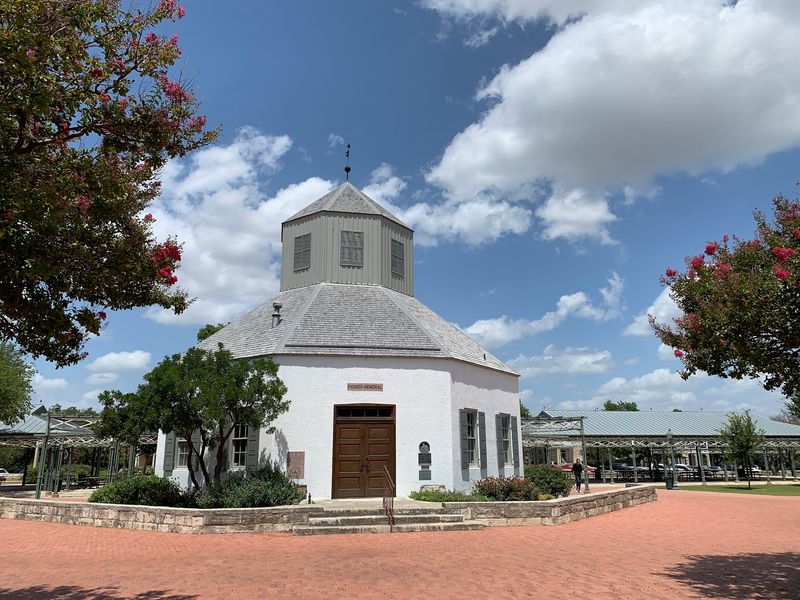
Right in the middle of the action sits the Vereins Kirche. The eight-sided building on the Marktplatz is a 1930s replica of the town’s original church and meeting hall from 1847.
Main Street is made for wandering. The historic district stretches for blocks, packed with shops, bakeries, and old stone storefronts that make window shopping feel like a history lesson.
History buffs get a bonus here too. The National Museum of the Pacific War honors hometown hero Admiral Chester Nimitz, who was born in Fredericksburg.
Hungry for a sweet treat? German-style bakeries are part of the local character, so a pastry stop belongs on your plan.
Nature is close by as well. Enchanted Rock, the giant pink granite dome, sits a short drive north of town and makes a fun morning hike.
Plan on giving yourself at least a full day. With this much Texas history and Old World charm packed together, rushing would feel like skipping chapters in a good book.
Address: Fredericksburg, Texas 78624
Castroville
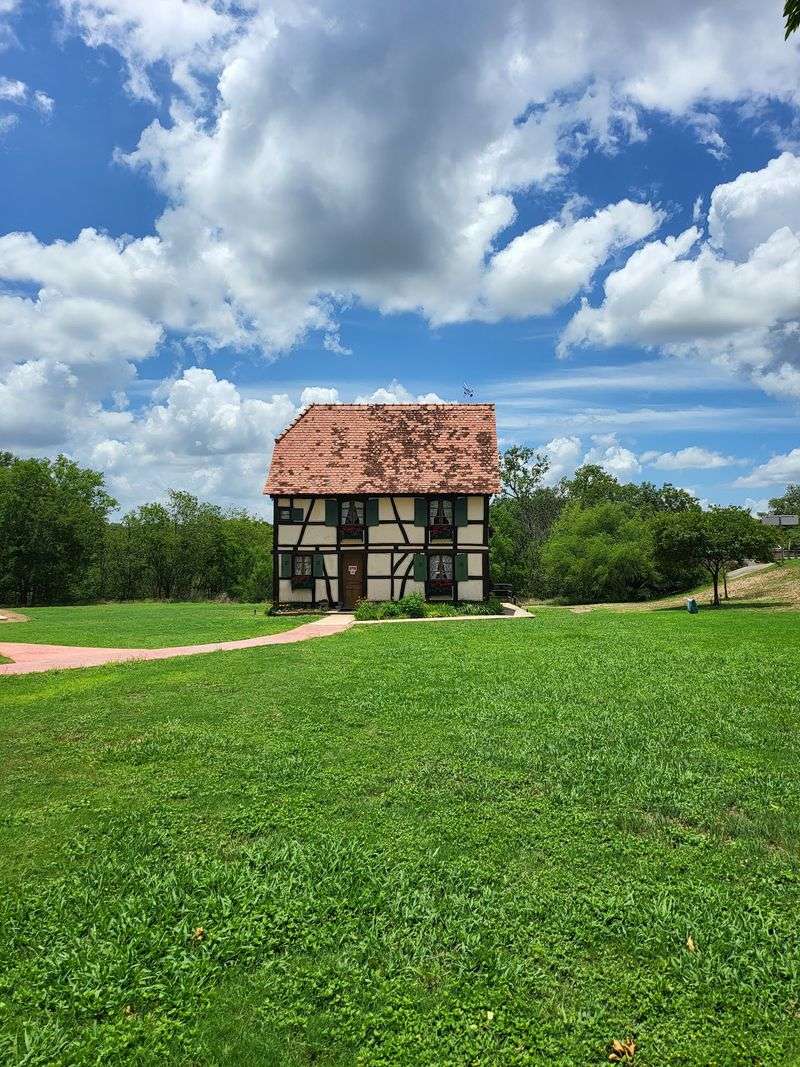
Nicknames don’t get much more specific than “The Little Alsace of Texas.” Alsace is a region on the border of France and Germany, and settlers from there founded Castroville in 1844.
The town takes its name from Henri Castro, the man who organized that colony. He recruited families from Alsace and brought them to the banks of the Medina River.
Those settlers built homes the way they knew back home. Look for steep pitched roofs, timber frames, and simple stone walls that feel more like a European village than a Texas suburb.
Now for the jaw-dropper. The Steinbach House is a centuries-old home that was taken apart in Alsace, shipped to Texas, and rebuilt here.
Can you imagine labeling all those beams and stones? The result is a true piece of France standing in Medina County.
The pace here is slow in the best way. Quiet residential streets make Castroville perfect for an unhurried stroll with a camera in hand.
Make time for the Landmark Inn State Historic Site too. Set along the Medina River, it preserves early buildings and tells the story of travelers passing through this part of Texas.
The historic St. Louis Catholic Church is another standout. Its tall steeple rises over town and reflects the strong faith the Alsatian families carried with them.
Getting here is easy. Castroville sits roughly 25 miles west of San Antonio, which makes it a simple day trip from the city.
Bring curiosity more than a packed schedule. Small details reward slow travelers here, from old rooflines to street names that echo a faraway homeland.
Address: Castroville, Texas
West
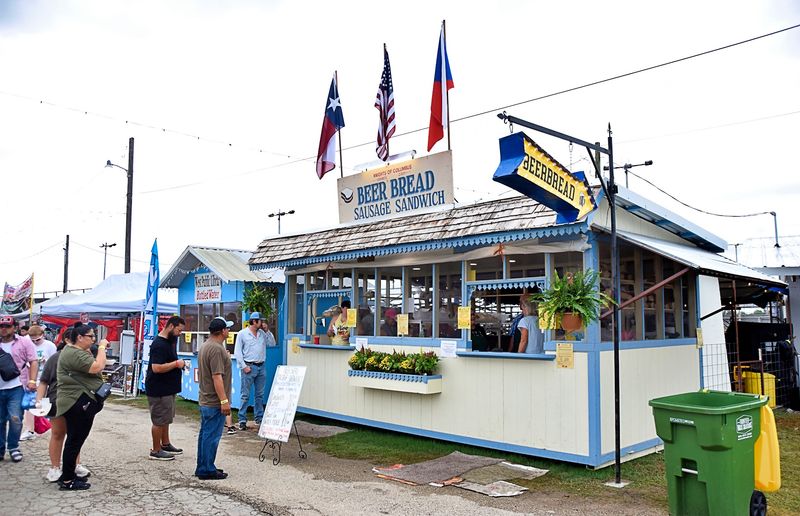
Kolaches might be the best reason ever to pull off a highway. This little railroad town on Interstate 35 holds the official title of “Czech Heritage Capital of Texas,” and it earns it with pastry.
Yes, the town is really called West. The odd name comes from Thomas West, an early settler who served as postmaster when the railroad arrived.
Czech immigrants shaped this community starting in the late 1800s. Their language, food, faith, and music still color daily life in McLennan County.
Let’s talk breakfast. Local bakeries turn out kolaches, soft sweet buns topped with fruit or cream cheese, plus klobasneks wrapped around sausage.
Fun tip for fellow food nerds. In Texas, people often call the sausage version a kolache, but klobasnek is the proper Czech-Texan name.
The downtown strip is short and easy to explore on foot. Old brick storefronts line the main street, and Czech heritage monuments honor the families who settled here.
Polka fans should circle Labor Day weekend. That’s when Westfest takes over town with Czech music, dancing, costumes, and plenty of traditional food.
Even outside festival season, the heritage shows up in small ways. Look for Czech words, flags, and family names on signs as you wander.
Location makes West wonderfully convenient. It sits just north of Waco, roughly halfway between Austin and Dallas, so it slips right into a road trip.
Plan to arrive hungry and leave with a box for later. Your car will smell amazing, and you’ll have a new answer for the best stop on I-35.
Address: West, Texas 76691
Muenster
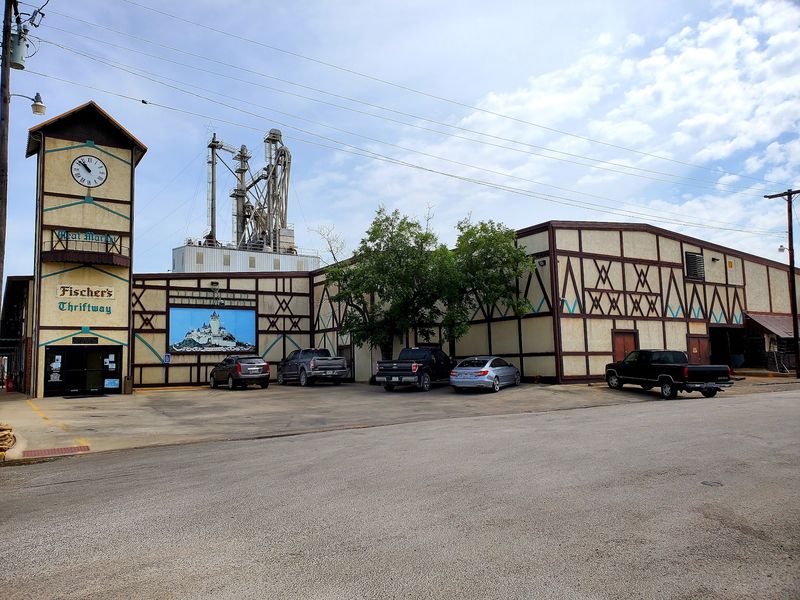
Half-timbered storefronts in the middle of North Texas farm country? Muenster pulls off that surprise with a smile.
German Catholic immigrants founded the town in 1889. They named it after Münster, a city in Germany, and their heritage still guides the local calendar.
The biggest date on that calendar is Germanfest. This spring celebration fills town with German music, food, and family fun, and it has been a tradition for decades.
Food is a big part of the identity here. German-style meat markets and bakeries carry on Old World recipes, so sausage and fresh bread are smart things to seek out.
Main Street keeps a tight-knit, small-town feel. With roughly 1,500 residents, Muenster is the kind of place where a slow walk shows you most of downtown.
Keep an eye on the architecture as you go. Bavarian-style details on storefronts give the town a look you won’t expect in Cooke County.
Faith played a huge role in the founding story. Sacred Heart Catholic Church remains a major landmark and reflects the community’s deep religious roots.
Isn’t it fun when a town stays true to its beginnings? Muenster feels less like a theme park and more like a living piece of family history.
Getting here is part of the charm. The drive rolls through open North Texas farmland, and the town sits west of Gainesville, not far from the Oklahoma line.
Pack a cooler if you plan to shop the meat markets. Smoked sausages make excellent souvenirs, and they taste much better than a refrigerator magnet.
Address: Muenster, Texas 76252
Panna Maria
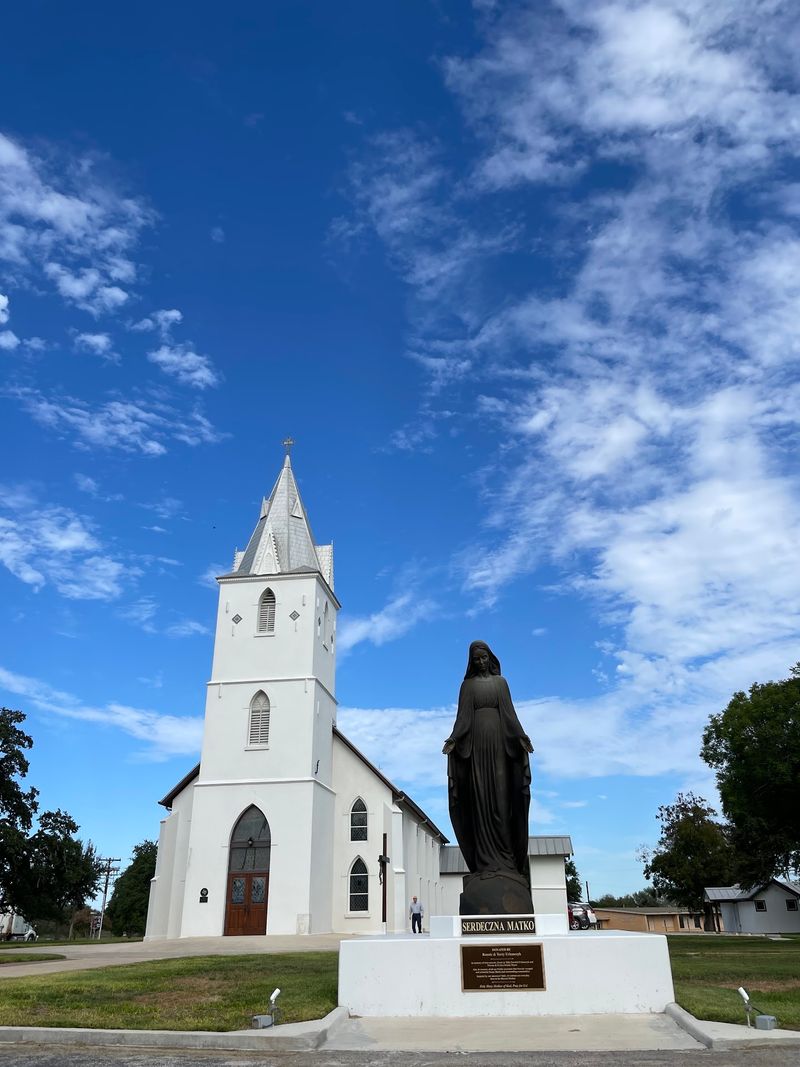
Fewer than 100 people live here, yet Panna Maria holds a record that bigger cities can’t touch. It’s the oldest permanent Polish settlement in the United States.
The story began in 1854. Families from Upper Silesia, a region that was then part of Prussia and is now largely in Poland, arrived in Karnes County around Christmas 1854 and gathered under a large oak tree to celebrate Mass.
The name itself carries meaning. Panna Maria translates to “Virgin Mary” in Polish, a nod to the strong faith of the founders.
Faith still sits at the center of town, literally. The historic Immaculate Conception Church rises over the settlement and serves as its best-known landmark.
Look closely at the street signs while you visit. Polish street names keep the old language alive in the South Texas countryside.
For the full story, head to the Polish Heritage Center. It honors Silesian culture and shares how those early settlers built a life far from home.
Don’t expect shopping strips or busy crowds. This is an intimate, peaceful spot where history speaks louder than traffic.
That quiet is a big part of the appeal. Few places let you stand in a spot where an entire immigrant community put down roots more than 170 years ago.
Panna Maria sits southeast of San Antonio, roughly an hour’s drive. It pairs nicely with a broader South Texas road trip.
Bring respect along with your camera, since the church is an active place of worship. A short visit here can stay with you much longer than you’d guess.
Address: Panna Maria, Texas
San Elizario
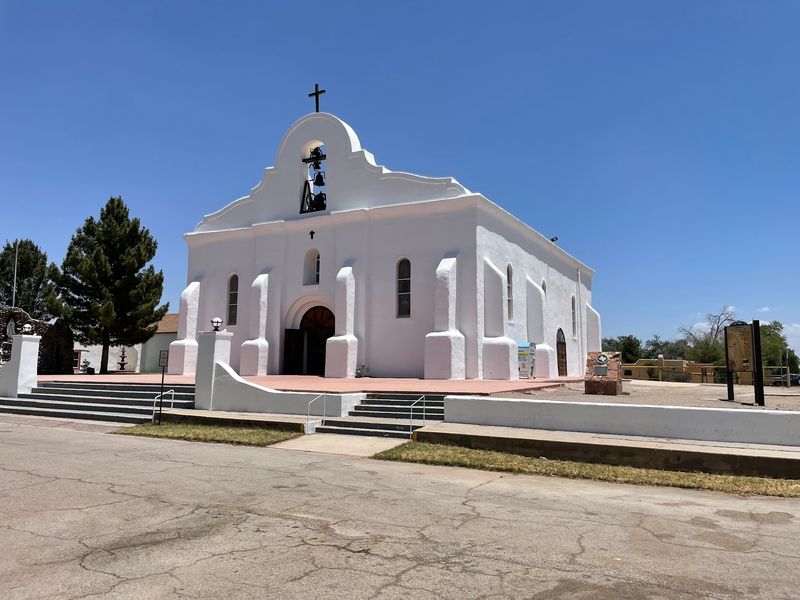
Adobe walls, a Spanish plaza, and a chapel tied to an 18th-century presidio make this border town feel like a trip back in time. San Elizario sits along the Rio Grande in El Paso County.
The town grew around a Spanish military fort called a presidio. Its chapel, known as the San Elceario Presidio Chapel, still anchors the traditional town plaza.
That chapel is one stop on the El Paso Mission Trail. The trail links historic religious sites in the valley, so you can easily build a whole day around it.
Wander the streets and you’ll spot thick adobe buildings everywhere you turn. These sturdy earthen walls were built to handle the desert heat long before air conditioning.
Art lovers get a treat here too. San Elizario has an art district with small placitas, or courtyards, where local artists show their work.
Curious about Wild West lore? The old county jail is linked to a famous legend about Billy the Kid breaking a friend out.
The mix of Spanish colonial and Mexican charm feels rooted in place. With around 7,000 residents, the town keeps a relaxed, community feel.
Timing matters in the desert. Mornings and early evenings are usually more comfortable for exploring, especially in summer.
San Elizario is a short drive southeast of central El Paso. That makes it a perfect half-day escape from the city.
Wear good walking shoes and bring water. The plaza and art district are best enjoyed slowly, with plenty of stops to admire old doors and sunbaked walls.
Address: San Elizario, Texas
Roma
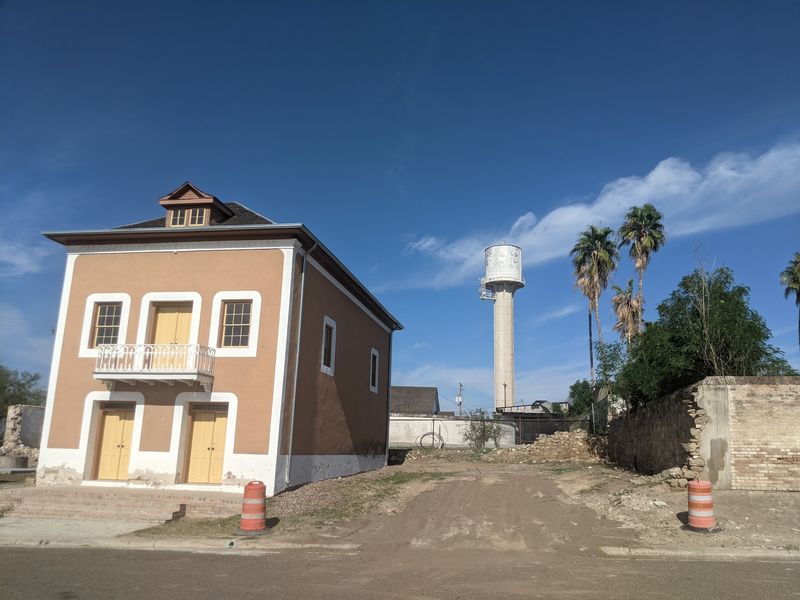
Hollywood once picked this river town to stand in for Mexico. Scenes from the 1952 film “Viva Zapata!” were shot in Roma, and one look at the old plaza explains why.
Roma sits on bluffs above the Rio Grande in Starr County. Its historic core is so well preserved that it became the Roma National Historic Landmark District.
The star of the show is the brickwork. German-born architect Heinrich Portscheller designed many of the town’s 19th-century buildings, blending Mexican and Spanish colonial styles.
Isn’t that a fun twist? A German designer helped create one of the most Mexican-looking streetscapes in Texas.
The original plaza is the heart of it all. Its textured surface and surrounding historic brick buildings make a fantastic backdrop for photos.
Look for decorative cornices and detailed brick patterns. Those touches show the skill of craftsmen working long before modern tools.
Bird watchers have a reason to visit too. The Roma Bluffs, part of the World Birding Center network, offer river views and a chance to spot local wildlife.
The river itself is part of the town’s story. Roma grew as a busy trade stop when steamboats traveled the Rio Grande in the 1800s.
Today the town is home to around 11,000 residents. It still has a slower, small-town rhythm near the historic district.
Plan your visit for cooler months if you can. South Texas heat is serious, and shady breaks will make your plaza wandering much more pleasant.
Address: Roma, Texas 78584
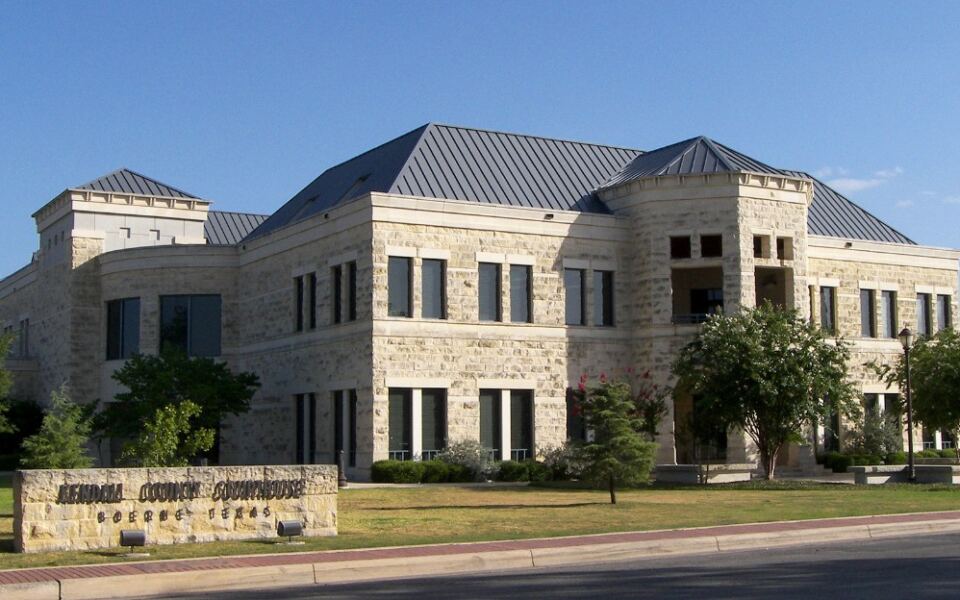
Boerne
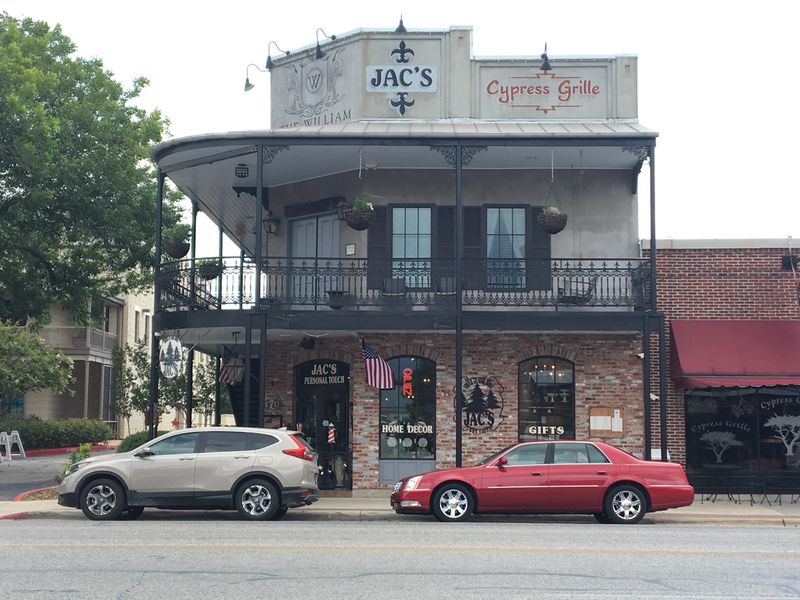
First lesson before you visit: say “Bernie.” Locals pronounce Boerne that way, and saying it right makes you feel like an insider instantly.
German settlers founded the town in 1849. Many were freethinkers, a group that valued education, science, and open debate.
They named the town after Ludwig Börne, a German writer they admired. That bookish beginning still feels fitting for such a thoughtful little place.
Downtown, the main attraction is the Hill Country Mile. This walkable historic district is lined with shops, eateries, and old German stone buildings.
Cibolo Creek flows right through town and adds a lovely natural touch. Shady paths near the water make a relaxing break from shopping.
Nature fans should check out the Cibolo Nature Center. Its trails wind through prairie, marsh, and creekside woods, giving you a quick Hill Country escape.
Music has deep roots here too. The Boerne Village Band traces its history to 1860 and is known as one of the oldest German bands still playing outside Germany.
Heritage markers and historical societies help keep those stories alive. Watch for plaques that point out the town’s Bavarian and Old World connections.
Location is a big perk. Boerne sits about 30 miles northwest of San Antonio, so it’s an easy day trip or a relaxed weekend base.
Wrap up your Texas tour here with an afternoon stroll along the creek. You might forget you’re in America, but you’ll definitely remember how to say “Bernie.”
Address: Boerne, Texas
Share this story