Creaking floorboards, shadowy hallways, and centuries-old legends give Illinois a wonderfully eerie side when October rolls around. From historic mansions and grand hotels to secluded cemeteries surrounded by autumn woods, the state has plenty of places where ghost stories seem to linger long after the sun goes down.
Some welcome visitors for guided tours and paranormal investigations, while others offer a quieter chance to explore the history behind their unsettling reputations. Whether you believe in ghosts or simply enjoy a good mystery, these destinations make fascinating road trip stops. Pack your curiosity and a healthy dose of skepticism, because these 8 haunted Illinois places have stories worth hearing.
1. Ashmore Estates (Ashmore)
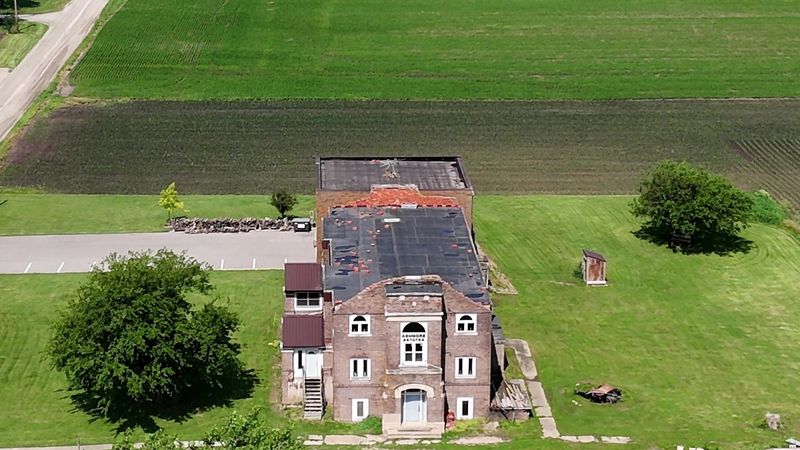
Long hallways can turn an ordinary footstep into a sound that seems to follow you. At this former county almshouse near Charleston, that simple effect gives the ghost stories plenty of room to grow, especially when a guided group pauses and the building becomes quiet.
Ashmore Estates originally served a public purpose, housing people who needed county support. That background matters more than any spooky nickname: the building was part of real lives, difficult circumstances, and a system of care very different from what people expect today.
Its later reputation has made it one of Illinois’ better known paranormal destinations. Stories of unexplained sounds and strange encounters surround the property, but those accounts belong in the category of reported experiences, not proven facts about what occupies the rooms.
Visits generally center on scheduled tours and advance-booked ghost-hunting experiences rather than casual wandering. Check the current event calendar before building your route, since access, age rules, and available activities can change, and an October date may require planning well ahead.
A guided visit gives the setting a useful frame. Instead of treating every creak as a grand announcement from beyond, you can hear the building’s history, learn how investigators approach unusual reports, and notice how darkness changes your reading of familiar spaces.
The contrast is the draw here: a plain institutional building on the outside, then a maze of rooms where silence becomes part of the experience. There is no need for elaborate scenery when old walls, empty doorways, and patient listening already do so much.
For a road trip through eastern Illinois, Ashmore offers a focused stop rather than a quick roadside photograph. Give the scheduled experience its full time slot; the stories land differently when you understand who used the building before its paranormal reputation became the main reason travelers sought it out.
2. McPike Mansion (Alton)
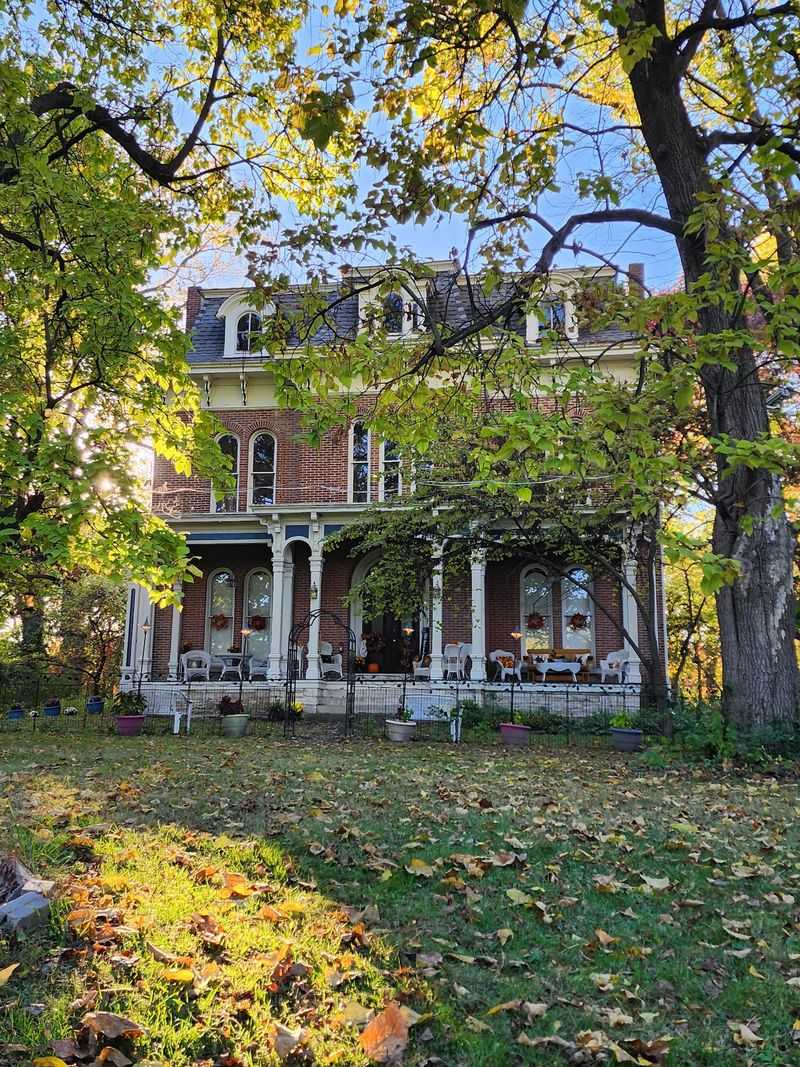
A grand house does not need a working doorbell to attract attention. Rising above its grounds in Alton, McPike Mansion has the kind of Victorian presence that makes passing travelers slow down before they have heard a single story about its supposed residents.
The mansion’s appeal begins with its architecture. Its substantial shape and surviving details suggest the ambitions of an earlier era, while its weathered appearance adds another layer: this is a historic property with a preservation story, not simply a ready-made Halloween backdrop.
Local legends often focus on former residents who supposedly never left. Guides and storytellers share accounts of unusual encounters associated with the house, giving visitors a chance to hear how one address became woven into Alton’s wider reputation for hauntings and restless spirits.
Those tales are best enjoyed alongside the known history rather than used as a substitute for it. A claimed presence can make a room sound intriguing, but understanding the people connected to a property gives the story weight without requiring anyone to accept a supernatural explanation.
Access depends on the experience offered, and a mansion visit should not be assumed to include unrestricted entry throughout the building. Scheduled events may focus on particular areas or the grounds, so the day’s program shapes how much of the property visitors can actually explore.
McPike pairs naturally with Mineral Springs for an Alton stretch of the trip. The two stops offer different settings for the town’s ghost lore: one centers on a private home and its former occupants, while the other follows the bustle and rumors of an old hotel.
Even before the storytelling starts, the house supplies a strong visual chapter for October. Autumn foliage, historic stonework, and the outline of the mansion create a scene rooted in Alton itself, with no need to imagine a ghost in every window above.
3. Mineral Springs (Alton)
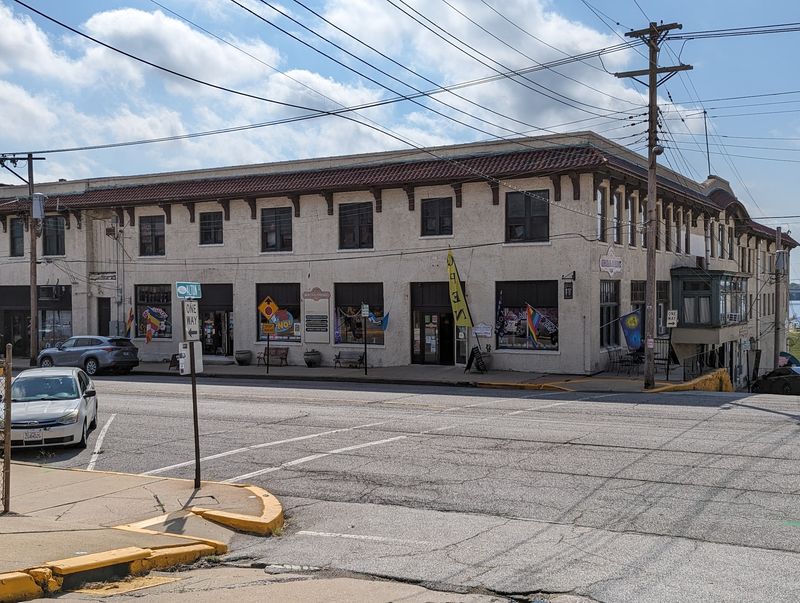
Hotels collect stories almost as quickly as they collect guests. At Mineral Springs, the old swimming pool, staircases, and corridors have become the setting for tales that turn an ordinary building tour into a much stranger walk through Alton’s past.
The property began as a hotel, a place built around arrivals, departures, and shared public spaces. That history gives its ghost lore a different flavor from the stories attached to a mansion: here, the cast can include visitors as well as people who worked in the building.
Reported activity often centers on places that already catch the eye. A staircase invites you to look toward the next landing, while an old pool area carries the memory of crowds and movement even when it is quiet. Stories add suspense to those physical details.
Guided experiences connect those spaces with local history and paranormal accounts. The useful distinction is between what a guide can document and what witnesses say they encountered; both can be interesting, but they do not carry the same kind of evidence.
Unlike a woodland cemetery, Mineral Springs offers an enclosed setting where sound can seem difficult to place. Footsteps, voices, and building noises may travel in unexpected ways, which is part of the fun for curious visitors who prefer listening closely to leaping straight toward an explanation.
Its Alton location also makes it a convenient companion to McPike Mansion. Together, the stops show how ghost stories attach themselves to very different buildings, with a busy former hotel providing a lively counterpoint to the more personal legends of a grand residence.
The strongest visit leaves room for both history and a little theatrical suspense. Follow the guide through the spaces included in the experience, hear the accounts in their local context, and let the pool and passages supply their own unsettling details as the tour moves along.
4. Old Joliet Prison (Joliet)
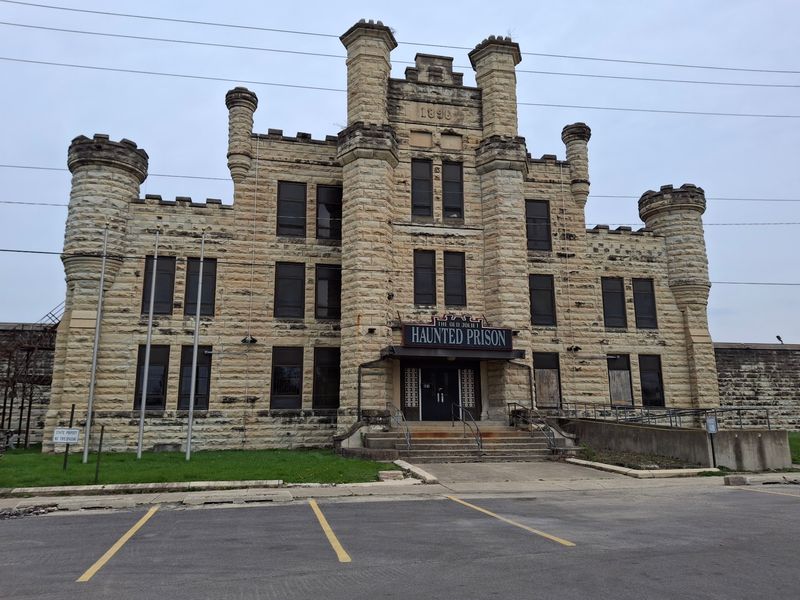
Limestone walls do most of the talking here. Before any ghost story enters the conversation, the former prison’s size and hard edges make clear that this was a place built to control movement, separate people, and keep the outside world at a distance.
Old Joliet Prison once housed thousands of inmates, and its history deserves more than a quick label of creepy. The buildings point toward daily routines, punishment, confinement, and the lives of people who worked within the same walls that held others inside.
Historical tours give those subjects structure, helping visitors understand the site beyond its striking exterior. Depending on the program, the route and accessible spaces vary, so no single photograph or travel account can stand in for the experience offered on a particular date.
Selected after-dark experiences bring a different mood to the prison. Reduced light shifts attention toward doorways, stone surfaces, and the distance between buildings; familiar shapes become harder to read, even without a claim that anything supernatural has happened.
That distinction keeps the stop grounded. Paranormal storytelling may be part of certain events, but the documented past is unsettling enough on its own, and the people connected to the prison should not be reduced to props for an October scare.
For travelers coming from Chicago, Joliet supplies a change of scale from hotel corridors and city sidewalks. The prison becomes the main event rather than background scenery, with its walls and grounds demanding more attention than a fast glance from the road can provide.
There is also a sharp contrast between viewing the exterior in daylight and encountering approved areas during an evening program. One emphasizes architecture; the other emphasizes space, silence, and limited sightlines. Either approach can reveal why this former prison remains such a recognizable Illinois landmark long after its original purpose has ended for good.
5. Peoria State Hospital Museum (Bartonville)
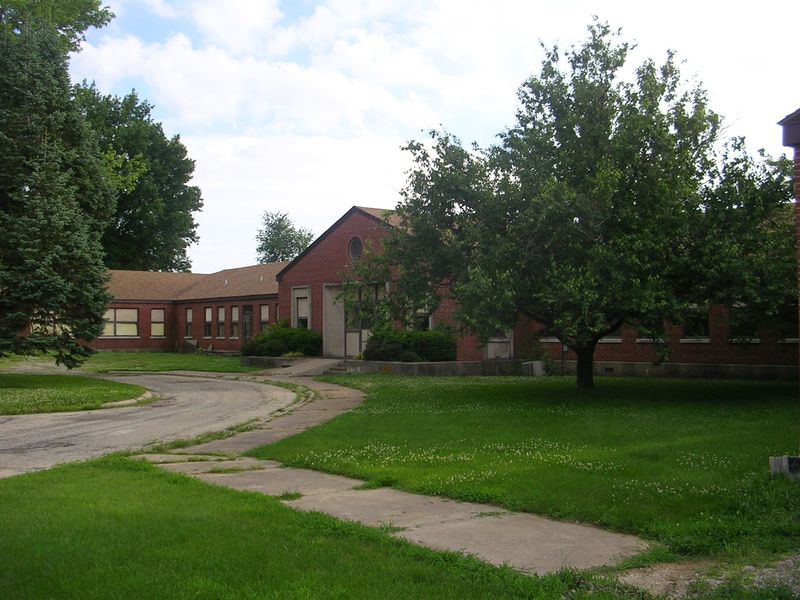
The most meaningful part of this stop is not a sudden noise. It is the chance to learn about people whose lives were connected to a former psychiatric hospital, then understand why stories about the site still circulate around Bartonville today.
The Peoria State Hospital Museum preserves a chapter of Illinois history that can be easy to oversimplify. Psychiatric care, institutional life, and changing ideas about treatment belong at the center of the visit, even when an event also includes paranormal accounts.
Ghost stories and reports of unexplained encounters are associated with the former hospital site. They add a layer of mystery, but they should never be treated as evidence that people receiving mental health care were frightening or somehow different from everyone else.
Scheduled historical tours and paranormal investigations offer different ways to explore that background. Depending on the event and permitted access, experiences may involve grounds, surviving structures, or old cemeteries, rather than a walk through a complete hospital complex preserved exactly as it once stood.
The cemeteries shift the tone. Names and markers bring the focus back to individuals, making this less a place for loud reactions and more a setting for listening, asking thoughtful questions, and considering how communities remember people who lived in institutions.
Bartonville also adds geographic variety to an Illinois October route. After the imposing prison at Joliet or the urban stories of Chicago, the former hospital site introduces another kind of history, one tied to care, public responsibility, and the changing use of large properties.
A good guide can separate surviving evidence from local legend without draining the visit of interest. That balance is the reason to give the museum time: the stories gain context, the grounds become easier to understand, and the people behind the history remain more than characters in a haunting for passing visitors.
6. Bachelor’s Grove Cemetery (Near Midlothian)
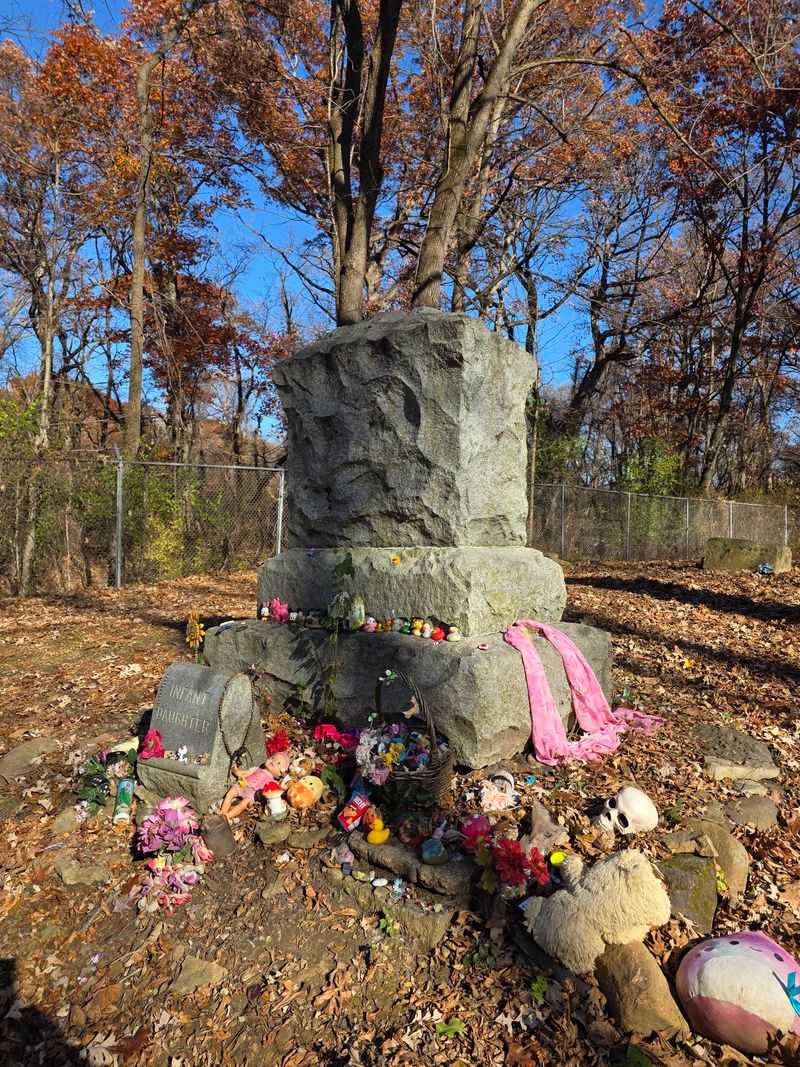
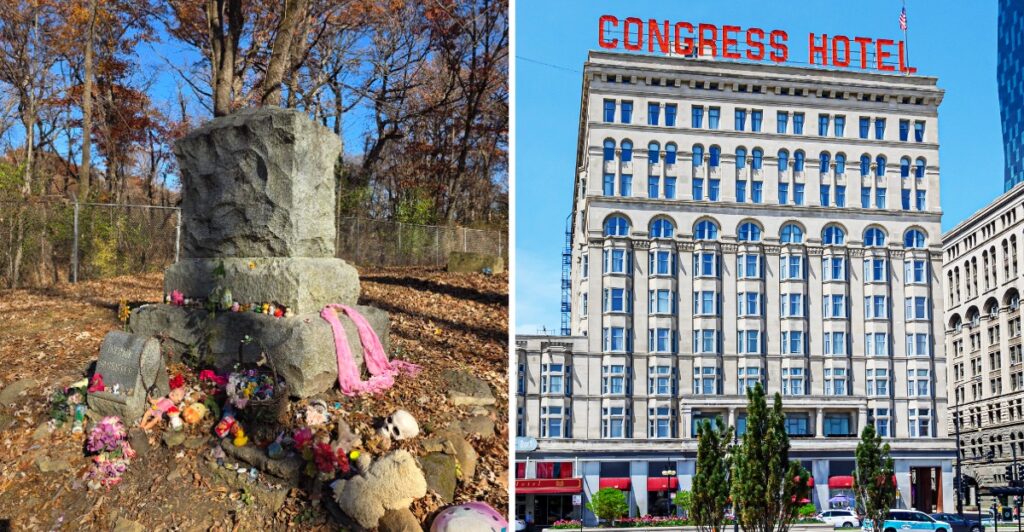
Out in the woods, a small cemetery can seem farther from the city than the mileage suggests. Weathered headstones and a quiet forest setting give Bachelor’s Grove its immediate pull, long before anyone mentions the White Lady or a car that supposedly vanished.
The cemetery near Midlothian is known for legends involving a mysterious woman, phantom vehicles, and strange lights. Those stories have spread widely, but their popularity does not make them established facts; they are part of the site’s folklore and reported paranormal reputation.
Daylight gives the place a different kind of interest. You can see the worn surfaces of markers, the spaces between stones, and the way the trees frame the burial ground, rather than relying on darkness to hide the details that make it distinctive.
A respectful daytime visit is the right approach. Follow posted access rules, stay on permitted routes, and leave every stone and object untouched; a cemetery is a burial place first, regardless of how many ghost stories have gathered around its name.
October suits the setting without requiring any added drama. Fallen leaves cover the ground, branches open small views through the woods, and ordinary forest sounds can seem unusually clear when conversation stops. None of that needs a supernatural explanation to hold your attention.
Compared with a scheduled mansion tour or prison event, this stop has a quieter rhythm. There is no need to chase a dramatic moment; the interest comes from observing the site carefully and knowing which tales people have attached to the same paths and gravestones.
The White Lady legend may be the headline that draws travelers here, but the physical cemetery deserves equal attention. Keeping folklore separate from observation leaves room for a memorable visit without turning shadows into proof or treating a fragile historic place as a Halloween playground for the afternoon’s visitors.
7. Congress Plaza Hotel (Chicago)
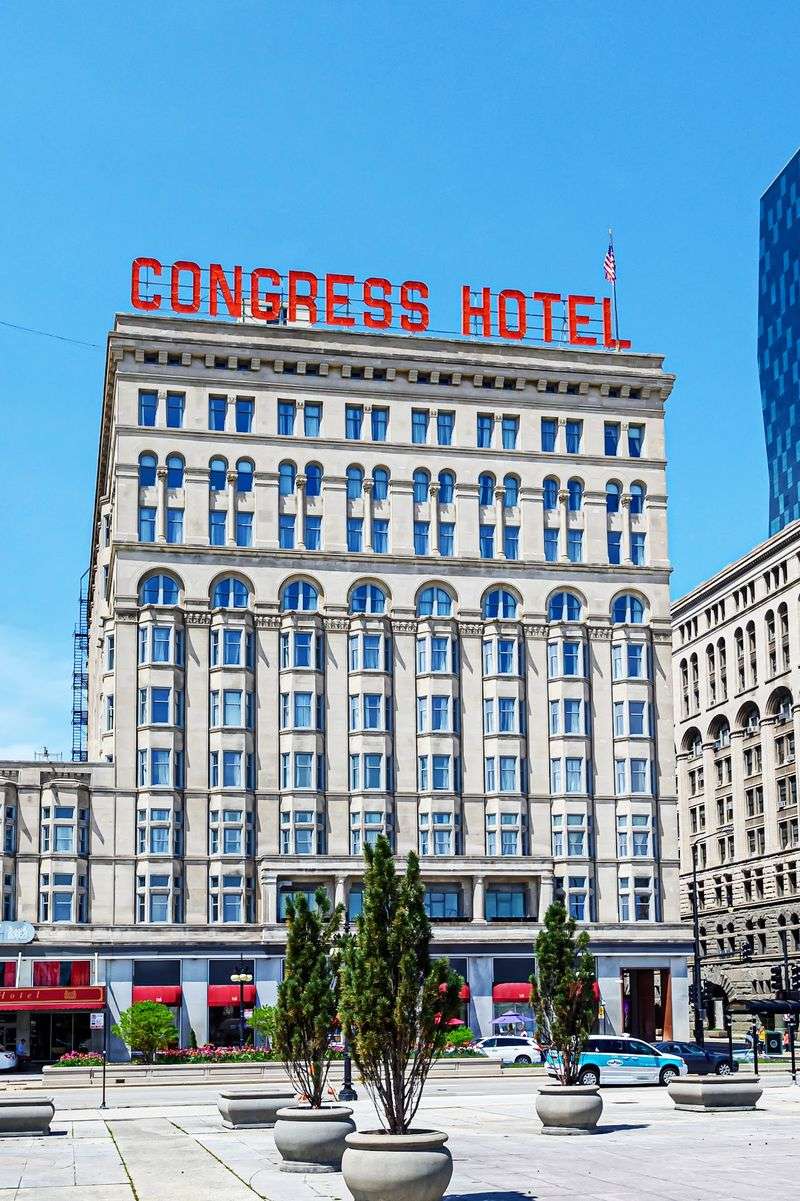
Chicago does not switch off just because a ghost story starts. Traffic moves along Michigan Avenue, people cross toward Grant Park, and the Congress Plaza Hotel stands in the middle of that everyday bustle with decades of spooky tales attached to its name.
Its grand architecture provides the first reason to look closely. The building belongs to an older layer of the city’s hotel history, when large public rooms and a prominent address helped announce a property’s place in Chicago life.
Then come the stories: shadowy figures, mysterious noises, and rooms said to be haunted. Accounts vary, and the hotel’s paranormal reputation is best treated as a collection of legends rather than a promise that guests will encounter anything unusual during a stay.
The contrast with the other stops is especially useful. Unlike a former prison or almshouse visited through scheduled programs, this is a working hotel where ordinary travel continues around the lore, and the people in the elevator may simply be heading out for dinner.
That active role also sets boundaries. Guest floors and rooms are not open exhibits, and a room mentioned in a ghost story is still private space; the hotel’s history can be appreciated without turning another person’s stay into part of an investigation.
For the road trip, the Michigan Avenue location opens a city chapter rather than an isolated detour. Grant Park and the surrounding streets give the stop a clear Chicago setting, placing its darker legends beside familiar public spaces instead of deep woods or empty rural grounds.
The strongest image may be the least dramatic one: the historic facade against a busy evening street. It captures the hotel’s double identity, both a place people use every day and an address where a strange sound can quickly become the next story someone tells about Chicago after returning home.
8. Haunted Galena Tour Company (Galena)
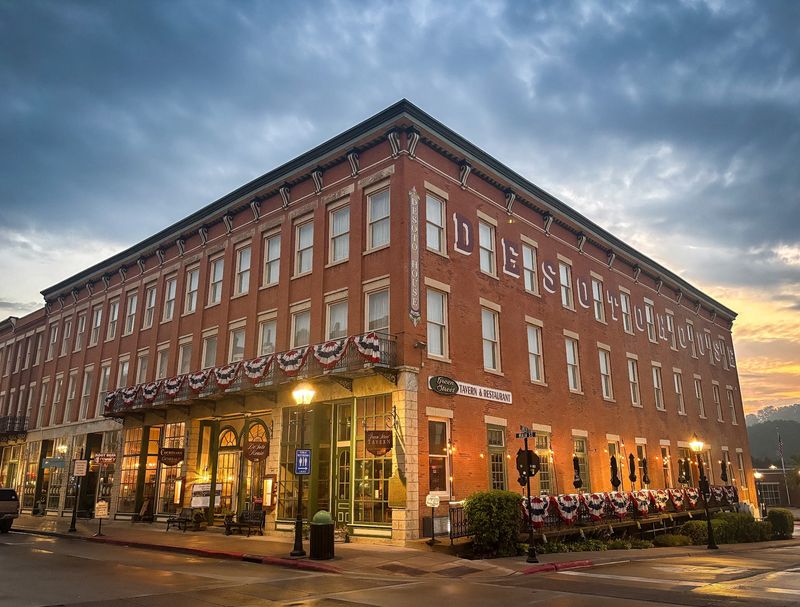
Candlelight changes the pace of a walk through town. With a costumed guide leading the way, Galena’s historic streets become the setting for a story shared one stop at a time, rather than a collection of buildings glimpsed through a windshield.
Haunted Galena Tour Company offers a walking experience that combines local history with tales of mysterious encounters and the town’s darker past. The appeal is in the telling: a guide can point toward a nearby building while explaining why its story still gets repeated.
The advertised experience runs about 90 minutes, giving the evening a defined shape without taking over the entire day. That length allows stories to build as the group moves, with the street itself providing a changing backdrop instead of one fixed room or hallway.
Costumes and candlelight add a theatrical touch, but the tour does not require visitors to believe every account. Ghost lore works well as storytelling, especially when it is tied to recognizable places and presented alongside the history that gives those places their meaning.
Galena also changes the trip’s format. After stops centered on a single property, a walking tour spreads attention across the town, letting corners, storefronts, and stretches of sidewalk become part of the experience rather than scenery between destinations.
The guide’s timing matters as much as the setting. A pause before a strange detail, a turn toward an old building, or a story delivered while the group gathers can create suspense without needing loud effects or a staged creature jumping into the path.
For an October evening, that shared rhythm is a fitting final chapter. The group follows the route, listens to the accounts, and sees familiar street details take on new meanings through local legend. When the walk ends, Galena remains a living town, with its stories waiting around the next corner for another curious group.
Share this story