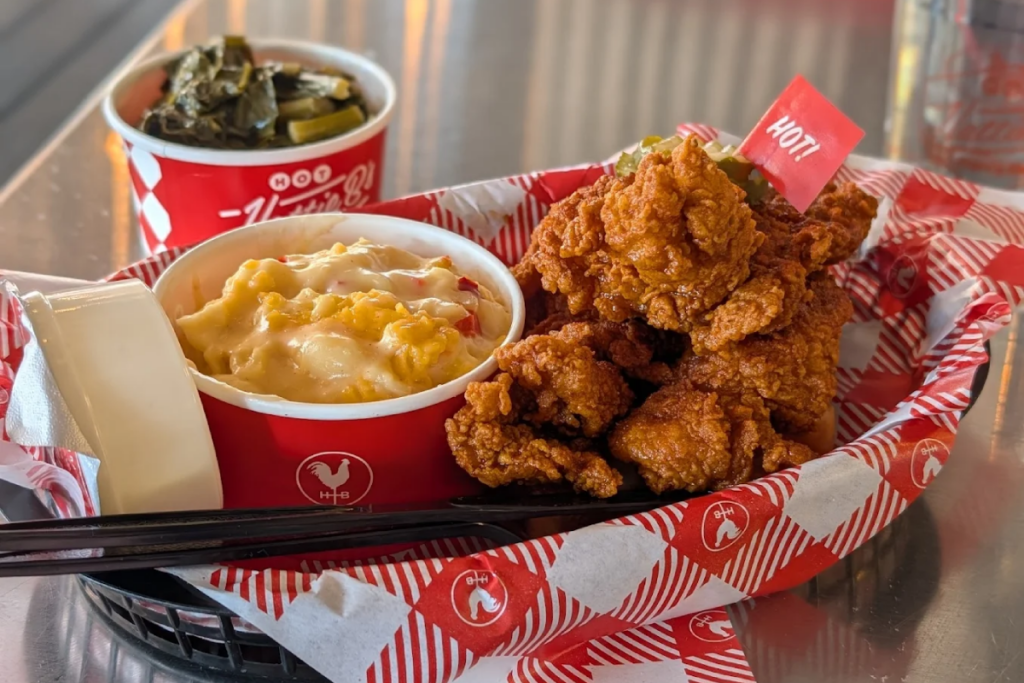
Tennessee has some of the most flavorful and beloved food traditions in the South, but not everything on the menu looks familiar to first-time visitors. From fiery spice levels that make your eyes water to old-fashioned recipes with unusual names, the state’s culinary scene can surprise people who aren’t used to bold Southern flavors.
These eight iconic Tennessee dishes might make tourists hesitate at first, but locals know they’re absolutely worth trying once you understand what makes them special.
1. Nashville Hot Chicken
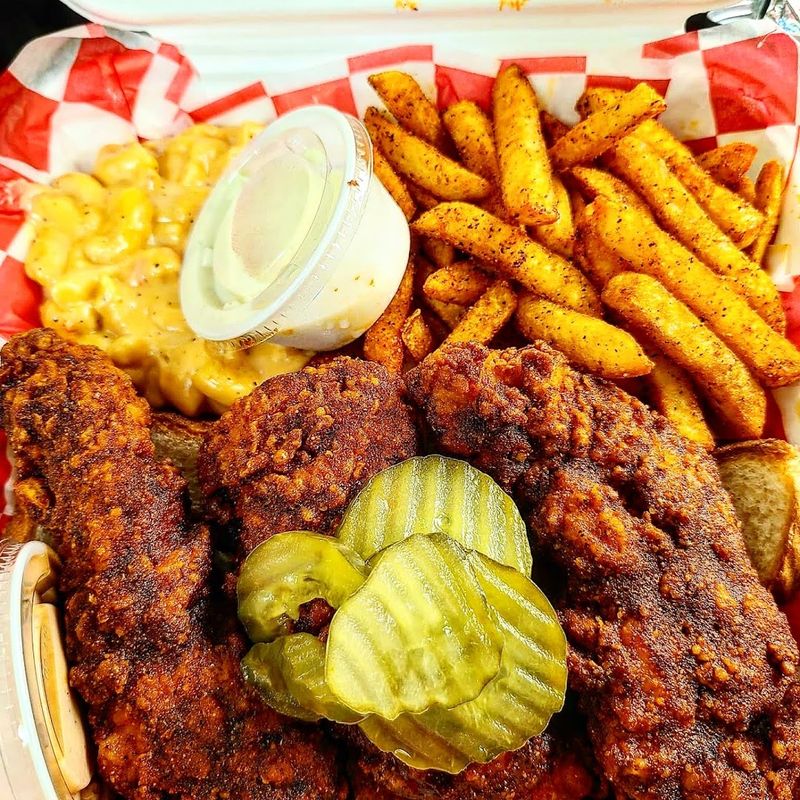
Walking into a Nashville hot chicken joint for the first time feels like stepping into a spice challenge you didn’t sign up for. The chicken glistens with a deep red coating that warns you before you even take a bite. Most places offer heat levels ranging from mild to “shut the cluck up,” and tourists often underestimate just how serious Tennesseans are about their cayenne.
The recipe traces back to the 1930s when a scorned lover tried to punish her cheating boyfriend with painfully spicy chicken, but the plan backfired because he loved it. Prince’s Hot Chicken Shack in Nashville claims to be the original, and their secret spice blend has inspired countless imitators across the country. What started as one family’s recipe has turned into a full-blown culinary movement.
First-timers should know that even the medium heat can be intense if you’re not used to serious spice. Your lips will tingle, your forehead might sweat, and you’ll probably reach for your drink more than once. But underneath all that fire is perfectly seasoned, juicy fried chicken that’s been brined and cooked to crispy perfection.
The traditional serving style includes white bread and pickles, which aren’t just garnishes. The bread soaks up the spicy oil and gives your mouth a brief break, while the pickles provide a cool, tangy contrast that cuts through the heat. Together, they make the experience more manageable and surprisingly addictive.
Nashville hot chicken has spread far beyond Tennessee, showing up on menus from coast to coast. But eating it in its hometown, where cooks have spent generations perfecting the balance of crispy, juicy, and searingly hot, remains the gold standard. Just remember to start with a lower heat level than you think you can handle.
2. Memphis Dry-Rub Ribs
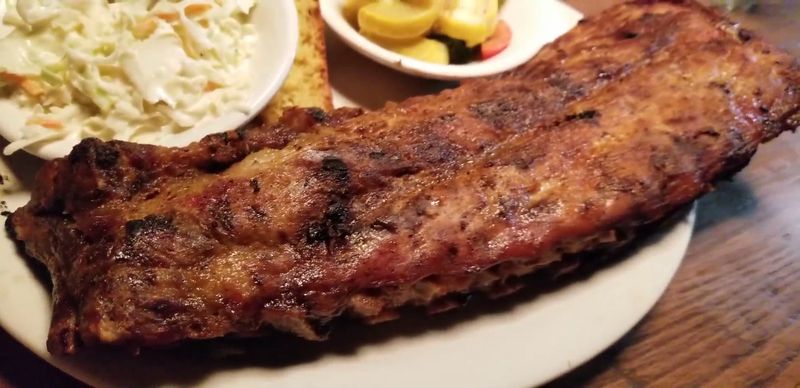
Memphis takes its barbecue seriously, and the dry-rub tradition sets it apart from saucy styles found elsewhere. Instead of slathering ribs in thick, sweet sauce, Memphis pit masters coat them in a complex spice mixture and let the smoke do the talking. Tourists expecting sticky, glossy ribs often look confused when a rack arrives looking dusty and dark instead of shiny and wet.
The rub typically includes paprika, black pepper, garlic powder, onion powder, and a carefully guarded blend of other spices that each restaurant keeps secret. These seasonings form a flavorful crust during the long, slow smoking process, creating layers of taste that sauce-heavy ribs can’t match. The meat itself becomes the star, with the rub enhancing rather than covering the pork’s natural flavor.
Memphis barbecue restaurants have been perfecting this technique since the early 1900s, when pit masters discovered that a good rub and proper smoking could create something extraordinary without drowning everything in sauce. The Rendezvous, one of the city’s most famous spots, has been serving dry ribs since 1948 and helped establish this style as Memphis’s signature contribution to barbecue culture.
Eating dry-rub ribs requires a different approach than saucy versions. You won’t need as many napkins, but you’ll taste more of the actual meat and smoke. The spice crust can be bold and peppery, sometimes with a pleasant heat that builds as you eat.
Some places offer sauce on the side for dipping, but purists insist that properly smoked dry ribs don’t need any help.
3. Hot Slaw
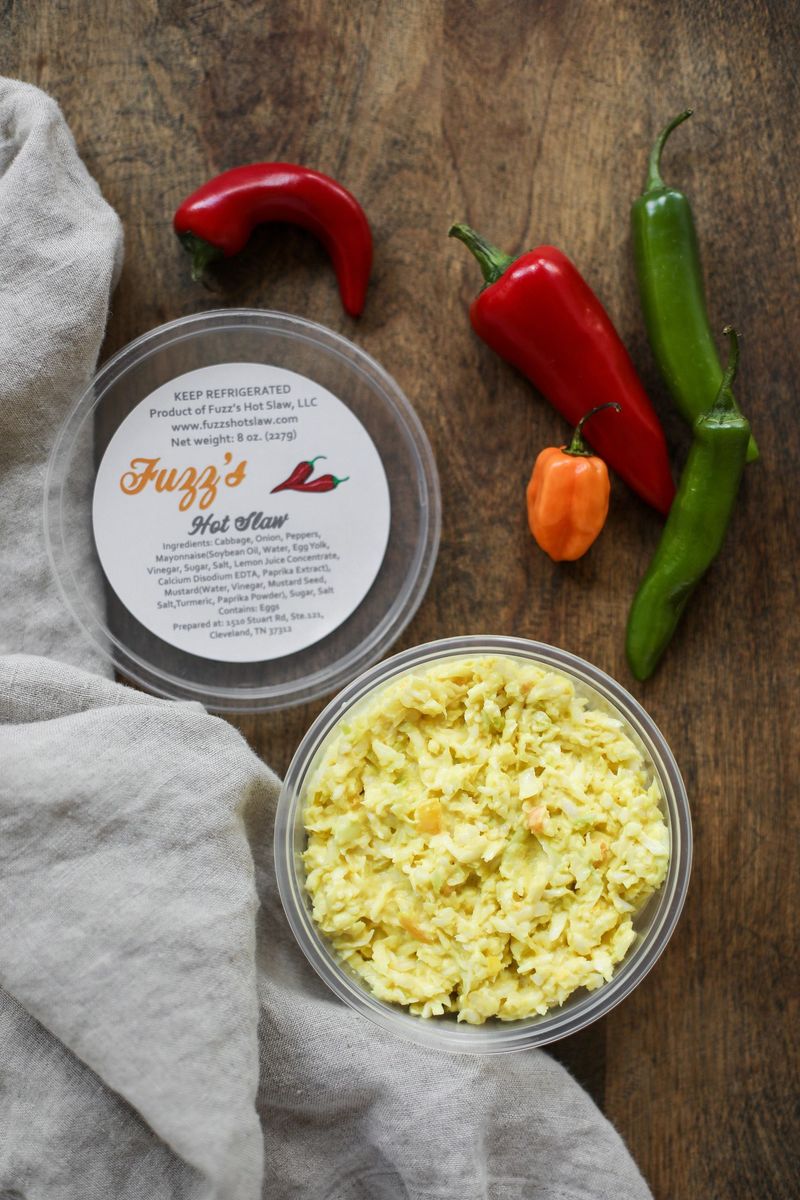
Coleslaw is supposed to be cold and creamy, right? Not in Cleveland, Tennessee, where hot slaw breaks all the rules. This warm, mustardy side dish confuses visitors who expect the cool, mayo-based slaw they know from picnics and fish fry dinners.
The first time you see it steaming on your plate next to pulled pork, you might wonder if something went wrong in the kitchen.
Hot slaw starts with shredded cabbage like regular coleslaw, but instead of being tossed with cold dressing, it gets cooked in a tangy mustard-based sauce. The mixture usually includes vinegar, sugar, and spices, creating a sweet-and-sour flavor that’s completely different from traditional slaw. The cabbage softens slightly but still has some crunch, and the warm temperature makes it feel more like a vegetable side dish than a condiment.
This regional specialty is particularly popular at barbecue joints around Cleveland, though you’ll find versions scattered throughout East Tennessee. Nobody seems to agree on exactly when or why someone decided to heat up their coleslaw, but the tradition has stuck around for generations. Some families guard their hot slaw recipes as carefully as their barbecue sauce formulas.
The flavor profile works surprisingly well with smoked meats, cutting through the richness of pork or beef with its bright, acidic kick. The mustard adds sharpness, the sugar provides balance, and the warm temperature means the flavors blend together more thoroughly than cold slaw. It’s comfort food that happens to be made from cabbage.
Tourists often skip hot slaw on their first barbecue visit because it sounds too weird, but locals know it’s worth trying. Once you get past the expectation of cold, creamy coleslaw, the warm, tangy reality makes perfect sense alongside Tennessee’s bold barbecue flavors. It’s one of those regional quirks that actually improves the meal.
4. Slugburgers
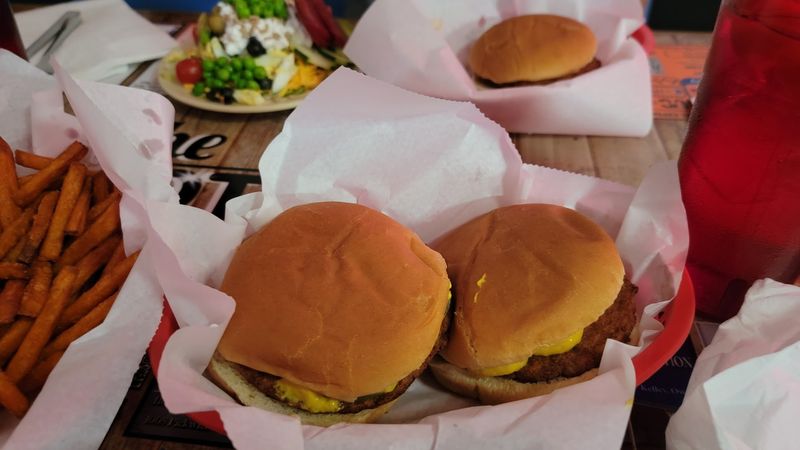
The name alone makes tourists back away slowly, but slugburgers have nothing to do with slimy garden creatures. This Depression-era creation from the Tennessee-Mississippi border got its name from the nickel “slug” coins people used to buy them, not from any questionable ingredients. Still, explaining that to nervous visitors doesn’t always help, especially when you mention the patty contains fillers beyond just beef.
Traditional slugburgers stretch ground meat with additions like flour, cornmeal, or breadcrumbs, then fry the patty until it’s crispy on the outside. The technique originated when meat was expensive and families needed to make a pound of ground beef feed more people. Rather than being a sign of poor quality, the filler creates a unique texture that’s crunchier and less dense than an all-beef burger.
You’ll find slugburgers at small-town diners and roadside stands, particularly in places like Corinth, Mississippi, and nearby Tennessee communities. These aren’t gourmet burger bars with fancy toppings and artisan buns. Slugburgers come from a simpler time when food had to be affordable, filling, and quick to make for working families who didn’t have time or money to waste.
The fried exterior gives slugburgers their signature appeal, creating a golden crust that’s almost more important than what’s inside. Most places serve them on basic white buns with mustard, onions, and pickles, keeping the focus on that crispy, savory patty. The texture is lighter than a regular hamburger, almost delicate despite being fried.
Modern food culture has rediscovered slugburgers as a fascinating piece of Southern food history. What started as a way to stretch scarce ingredients has become a beloved regional specialty that locals defend fiercely.
5. Country Ham
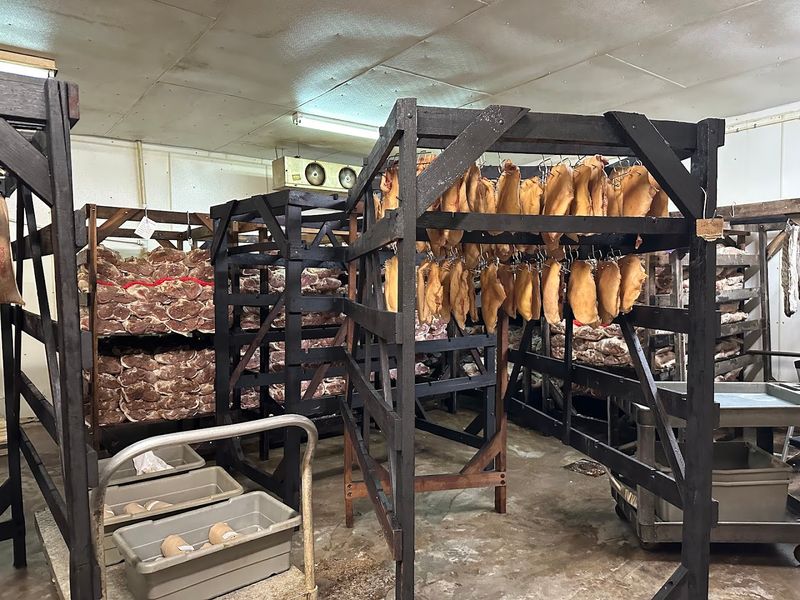
Country ham hits you with a wall of salt that regular deli ham never prepares you for. This isn’t the mild, pink lunch meat you’re used to slicing for sandwiches. Tennessee country ham is dry-cured for months, developing an intense, concentrated flavor that can shock tourists expecting something gentle and familiar.
The meat is darker, firmer, and so salty that it’s traditionally served in thin slices rather than thick slabs.
The curing process involves covering fresh ham with salt and letting time and temperature do their work, similar to how prosciutto is made in Italy. Tennessee producers have been perfecting this technique for generations, hanging hams in special curing houses where they age anywhere from six months to over a year. The result is a preserved meat that was originally created before refrigeration but has remained popular because of its distinctive taste.
Eating country ham requires a mental adjustment if you’re expecting breakfast ham or honey-baked holiday ham. The saltiness is the point, not a mistake, and it’s meant to be balanced with other foods rather than eaten alone in large quantities. That’s why you’ll almost always find it served with biscuits, which soak up some of the salt and provide a mild, fluffy contrast to the ham’s intensity.
The texture is drier and chewier than most modern hams, with a deep, savory flavor that some people describe as almost funky in a good way. It’s an acquired taste that many tourists aren’t ready for on their first Southern breakfast. Some restaurants soak their country ham before cooking to reduce the salt level, making it more approachable for newcomers.
Country ham represents Tennessee’s agricultural heritage and the practical wisdom of preserving meat without refrigeration. It’s not trying to be mild or convenient or mass-market friendly. This is food with personality and history, demanding that you meet it on its own salty, flavorful terms.
6. Fried Catfish
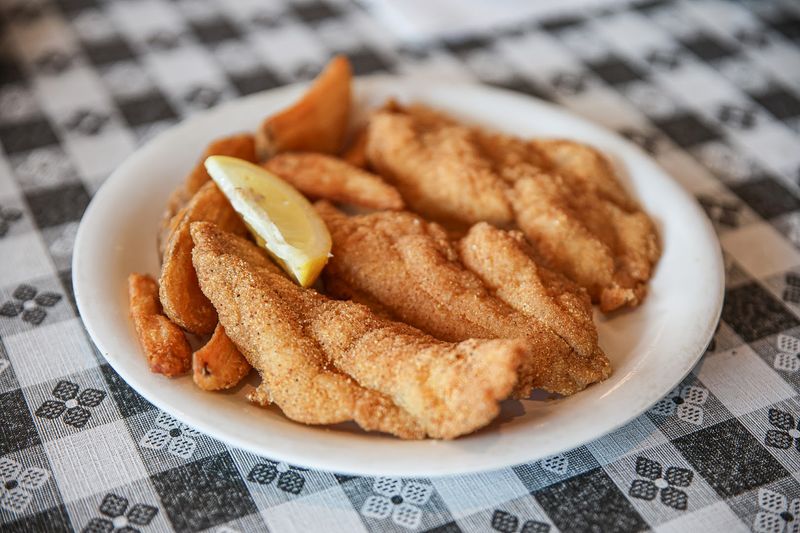
Catfish gets a bad reputation among tourists who’ve heard it tastes muddy or who can’t get past the fact that it’s a bottom-feeding fish. But in Tennessee, fried catfish is a beloved tradition that appears at fish fries, family restaurants, and Friday night dinners across the state. The crispy cornmeal coating and proper cooking technique eliminate any concerns about flavor, creating a mild, flaky fish that converts skeptics all the time.
The key to great fried catfish is freshness and preparation. Farm-raised catfish, which most Tennessee restaurants use, has a clean, mild taste without any of the muddy flavor that wild-caught catfish from murky water can sometimes have. The fish gets soaked in buttermilk, coated in seasoned cornmeal, and fried until the outside is golden and crunchy while the inside stays tender and moist.
Traditional catfish dinners come with classic Southern sides like hushpuppies, coleslaw, and fries, plus tartar sauce and lemon wedges for the fish. The whole meal feels like a celebration, with enough food to satisfy anyone who’s worked up an appetite. Many churches and community organizations hold catfish fry fundraisers, turning the meal into a social event where everyone gathers to eat and visit.
The cornmeal coating is what makes Tennessee fried catfish special, providing a texture that’s grittier and crunchier than regular flour breading. Each bite delivers a satisfying crunch before you reach the delicate fish inside. Some cooks add cayenne or other spices to their cornmeal mixture, giving the coating a subtle kick that complements the mild fish.
Tourists who avoid catfish miss out on one of the South’s most satisfying comfort foods. The fish itself is inexpensive and sustainable, making it accessible to everyone. Once you taste properly fried catfish with its crispy coating and tender flesh, you’ll understand why Tennesseans have been eating it for generations and why it shows up on menus everywhere from gas stations to upscale restaurants.
7. Biscuits and Chocolate Gravy
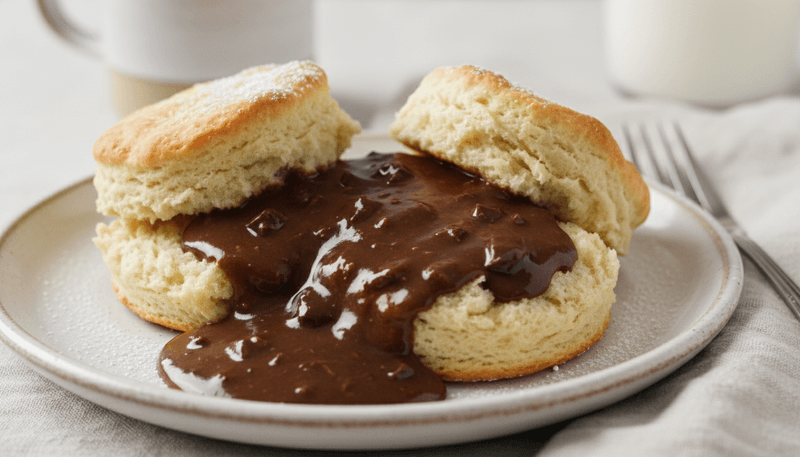
Chocolate gravy sounds like someone got confused between breakfast and dessert, and that’s exactly why tourists hesitate when they see it on the menu. This Appalachian comfort food combines two things that don’t seem like they should go together: fluffy buttermilk biscuits and a warm, sweet chocolate sauce. But in parts of Tennessee, especially in the eastern mountains, this is a beloved breakfast that brings back childhood memories for many locals.
The gravy is made by cooking cocoa powder, sugar, butter, and milk together until it thickens into a pourable sauce that’s somewhere between hot chocolate and chocolate pudding. It’s not as thick as traditional sausage gravy, and it’s definitely sweeter than anything you’d normally pour over biscuits. The result is more like a chocolate breakfast treat than actual gravy, despite the name.
This dish comes from a time when families made do with simple, inexpensive ingredients and found ways to make breakfast feel special without spending much money. Cocoa powder, flour, and sugar were pantry staples, and biscuits were already on the table every morning. Combining them created something that felt indulgent even when times were tough.
The warm chocolate gravy soaks into the biscuit’s fluffy layers, creating pockets of sweetness throughout. It’s rich and comforting, like eating chocolate cake for breakfast but somehow more acceptable because it involves biscuits. Some families add a pinch of cinnamon or vanilla to their gravy recipe, personalizing the flavor while keeping the basic concept the same.
Modern tourists often think this is a joke or a novelty item when they first encounter it, but locals know it’s serious comfort food. The combination might seem strange until you try it and realize it’s basically a deconstructed chocolate pastry served warm.
8. Stack Cake
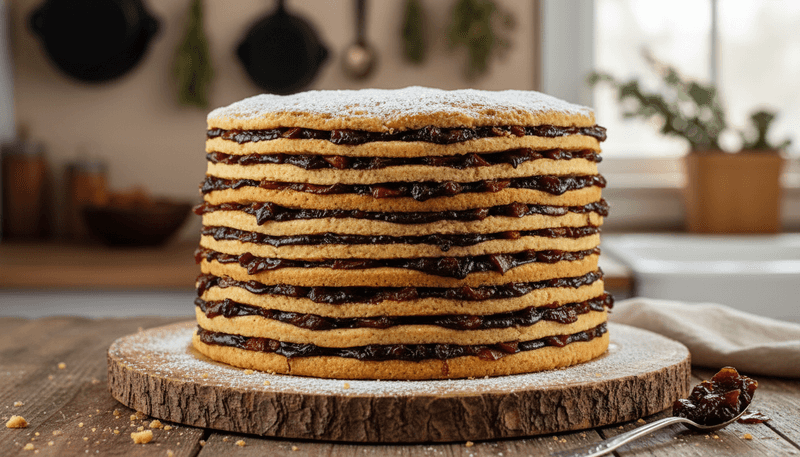
Stack cake doesn’t look like the fancy bakery cakes tourists expect, and that’s part of what makes it so distinctly Tennessee. This Appalachian tradition involves stacking multiple thin cake layers with spiced apple filling between each one, creating a tall dessert that looks humble but carries generations of mountain heritage.
The layers are dense and cookie-like rather than fluffy, and the whole thing needs to sit for at least a day before the flavors meld together properly.
The origins go back to a time when ingredients were scarce and weddings required creative solutions. Guests would each bring a layer to contribute to the wedding cake, and the number of layers showed how many friends and family members the couple had. More layers meant more love and community support, making the cake a symbol of togetherness rather than just a dessert.
The apple filling traditionally uses dried apples that have been cooked down with sugar and spices like cinnamon, ginger, and allspice. This creates a dark, jam-like filling that’s nothing like fresh apple pie filling. The spices give it a warm, almost molasses-like flavor that pairs with the plain cake layers, which are intentionally not very sweet on their own.
Stack cakes improve with age as the moisture from the filling softens the cake layers and all the flavors blend together. A freshly assembled stack cake is dry and disappointing, but after sitting wrapped up for a day or two, it transforms into something cohesive and delicious. This patience requirement confuses modern eaters who expect instant gratification from their desserts.
You won’t find stack cake at many restaurants because it’s labor-intensive and looks too plain next to chocolate layer cakes and cream pies. But at church dinners, family reunions, and traditional Tennessee gatherings, stack cake still appears as a link to the past. It’s not trying to impress anyone with fancy decorations or trendy flavors.
This is mountain food that values substance, tradition, and the wisdom of letting good things take time.