A full grocery cart does not have to come with a receipt that ruins the rest of the week. Across Illinois, discount grocers, salvage markets, bulk-food stores, and produce-focused shops give families practical ways to stretch their food budgets further.
Some offer overstock and closeout bargains, while others make it easier to save by buying larger quantities or shopping seasonal produce at lower prices. The selection may change from visit to visit, but that unpredictability can make bargain hunting part of the fun. These 8 Illinois grocery stores show that feeding a family well and watching the budget can still go together.
1. Woodman’s Food Market (Rockford)
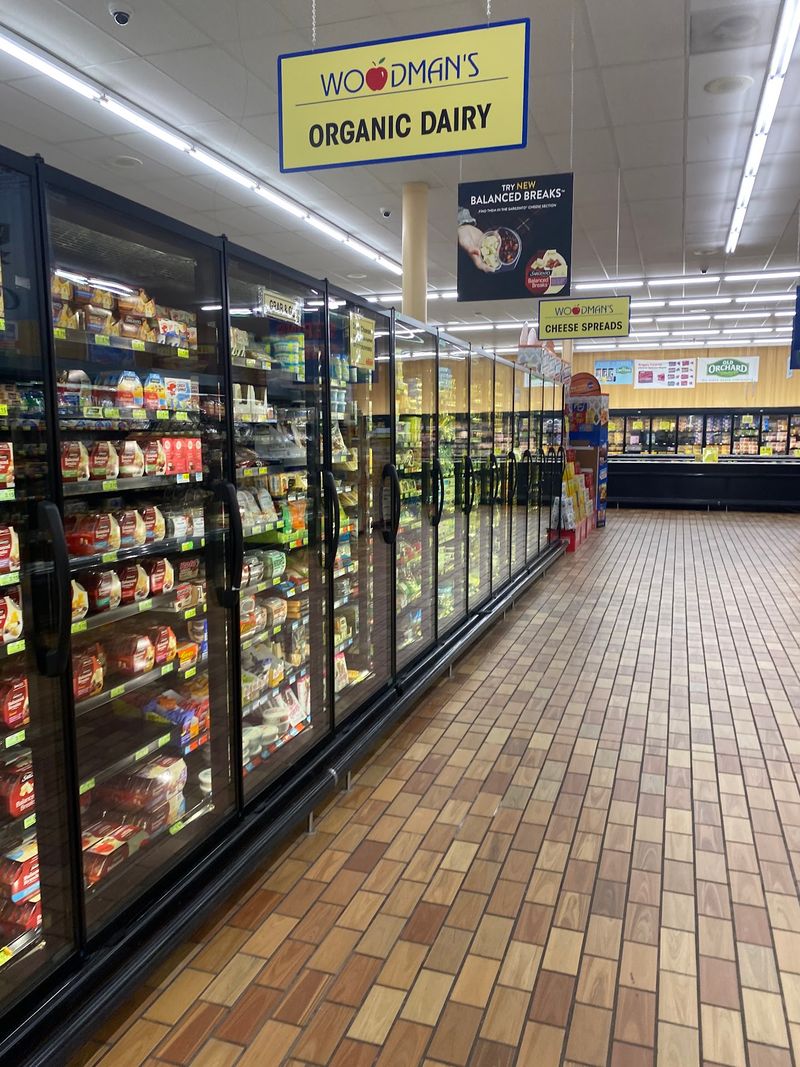
Big carts tend to fill up quickly here, and that is usually a good sign for budget-minded families. Woodman’s Food Market in Rockford is known for its huge scale, which means shoppers can cover a lot of ground in one trip instead of bouncing between stores chasing deals. For busy households, that matters almost as much as the price tags.
The setup has more of a warehouse spirit than a tiny boutique grocery. Long aisles, broad selections, and stacks of everyday staples give families plenty of options, whether the list includes cereal, pasta, frozen foods, yogurt, produce, or snacks for school lunches.
A large store can save money in a simple way too, because having more choices makes it easier to compare sizes, brands, and prices side by side.
Fresh departments add another layer of value. Produce helps stretch meals when fruits and vegetables are worked into lunches, side dishes, and simple snacks, while bakery goods can cover breakfast or dessert without much fuss. Organic items also give shoppers another route if the goal is balancing a budget with a few specialty picks.
Timing can work in a family’s favor here. Since the store is open around the clock, parents with odd work hours or packed weekend schedules may find it easier to shop during quieter times. That can lead to fewer rushed choices and less impulse buying, which often sneaks extra dollars onto the receipt.
A smart approach at Woodman’s is to build a list around staples first, then branch into produce, bakery goods, and household regulars.
Checking unit prices, buying only what the family will actually finish, and stocking up on frequent-use items can turn a big store into a practical savings tool. When variety and value need to share the same cart, this Rockford market makes a strong case.
2. Charleston Discount Grocery (Charleston)
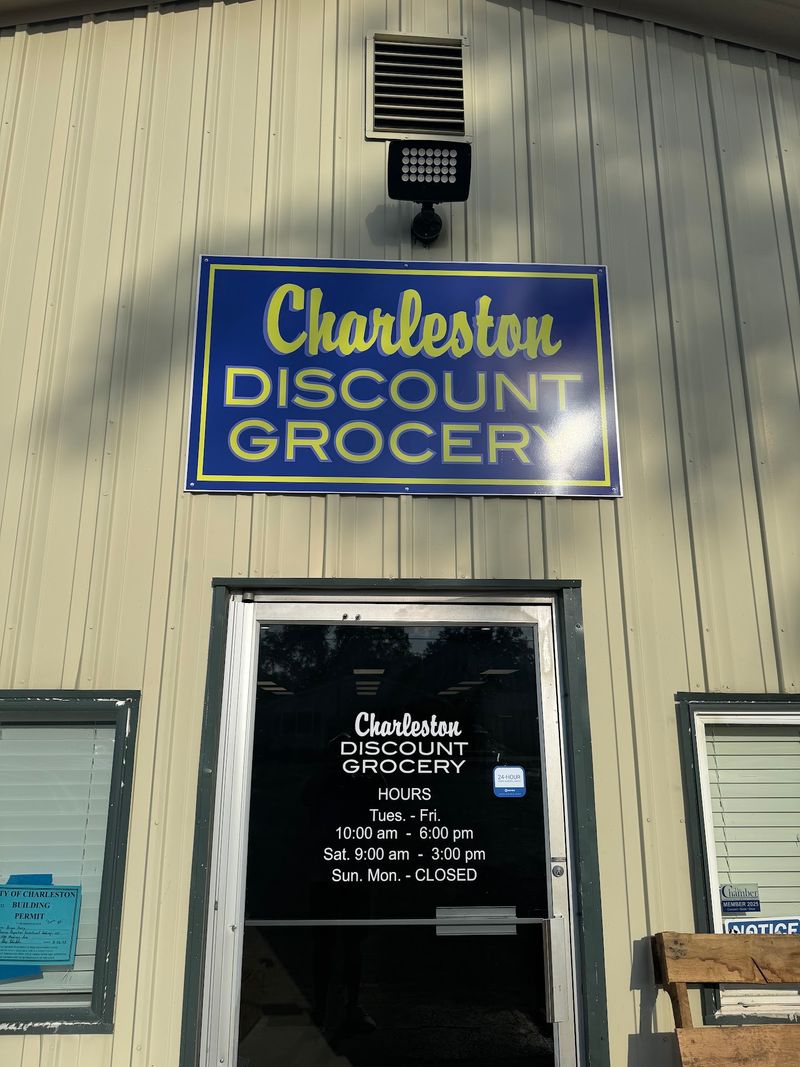
Pantry restocking gets a much cheaper personality at Charleston Discount Grocery. This locally owned store specializes in salvaged nonperishable foods, and that focus can be a big help for families trying to keep shelves full without paying full supermarket prices. When the budget is tight, shelf-stable basics become the real workhorses.
The lineup includes many of the foods that quietly carry a household through busy weeks. Pasta, canned goods, snacks, condiments, soups, and candy all serve different jobs, from packing lunches to building quick dinners after a long day. Household necessities in the mix make the visit even more useful, since grocery spending rarely ends with food alone.
There is also comfort in finding familiar products at reduced prices. Families often want savings, but they still prefer foods they already know how to use and that kids will actually eat.
A discount store stocked with recognizable items makes it easier to cut costs without having to redesign every meal plan from scratch.
Because the store leans heavily on nonperishables, it can be a strong place to prepare for the weeks when schedules get messy. Keeping soups, noodles, canned vegetables, crackers, and condiments on hand means fewer expensive takeout nights and fewer last-minute grocery dashes. A well-stocked pantry acts like a backup plan that pays off repeatedly.
The smartest way to shop Charleston Discount Grocery is to think in categories. Refill staple shelves first, then add lunchbox items, simple dinner helpers, and cleaning or household needs if the prices line up.
A family does not need flashy shopping tricks to save here, just a clear idea of what gets used often. For Charleston-area households, that simple formula can make everyday grocery money stretch farther than expected.
3. Continental Sales Lots 4 Less (Chicago)
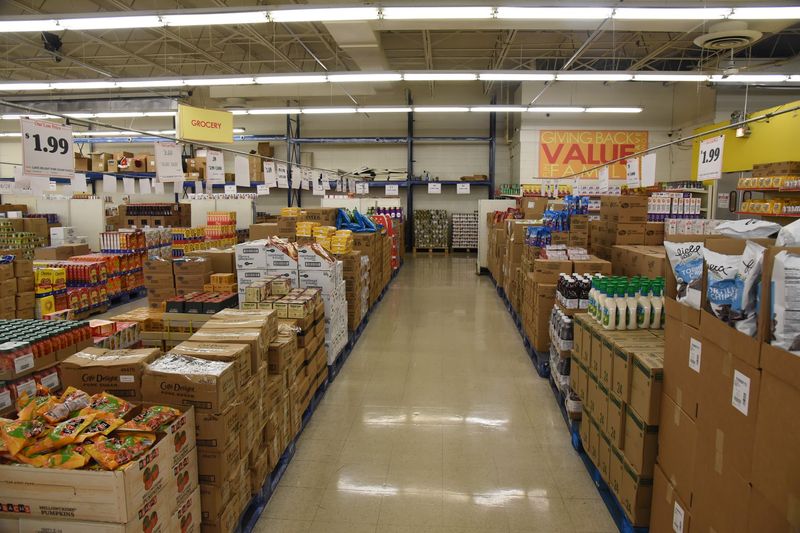
Bargain hunting gets a little more adventurous at Continental Sales Lots 4 Less in Chicago. Shoppers are not just walking in for a basic milk-and-bread run here. They are scanning shelves for surprise deals, closeout finds, and marked-down essentials that can cut a grocery bill in ways a standard supermarket often cannot.
The changing inventory is a big part of the appeal. Discounted groceries may sit near household goods, toys, or health and beauty products, so one trip can cover more than dinner ingredients.
Families who stay flexible often do best, because the smartest buys may be discontinued items, overstock products, or salvage goods that would usually cost much more elsewhere.
Name-brand foods at reduced prices can make a noticeable difference, especially for pantry items and snacks. Pasta, cereal, crackers, canned goods, and other shelf-stable basics are often the kinds of products that let shoppers stock up without draining the weekly budget. Even a few solid finds can lower the total cost of lunches and simple weekday meals.
There is a strategy to shopping a place like this. Dates and package condition deserve a quick look, and it helps to buy with a plan instead of tossing random bargains into the cart.
The best approach is to focus on items the family already uses, then build around those savings rather than treating every low sticker as a must-have.
Continental Sales works especially well for families that enjoy a little deal-chasing and do not mind an unpredictable selection. It may not replace every grocery trip, but it can seriously support one.
A careful shopper can walk out with everyday foods, household needs, and a few unexpected steals, all while spending less than expected in a city where food costs can add up quickly.
4. Country Salvage Store (Arcola)
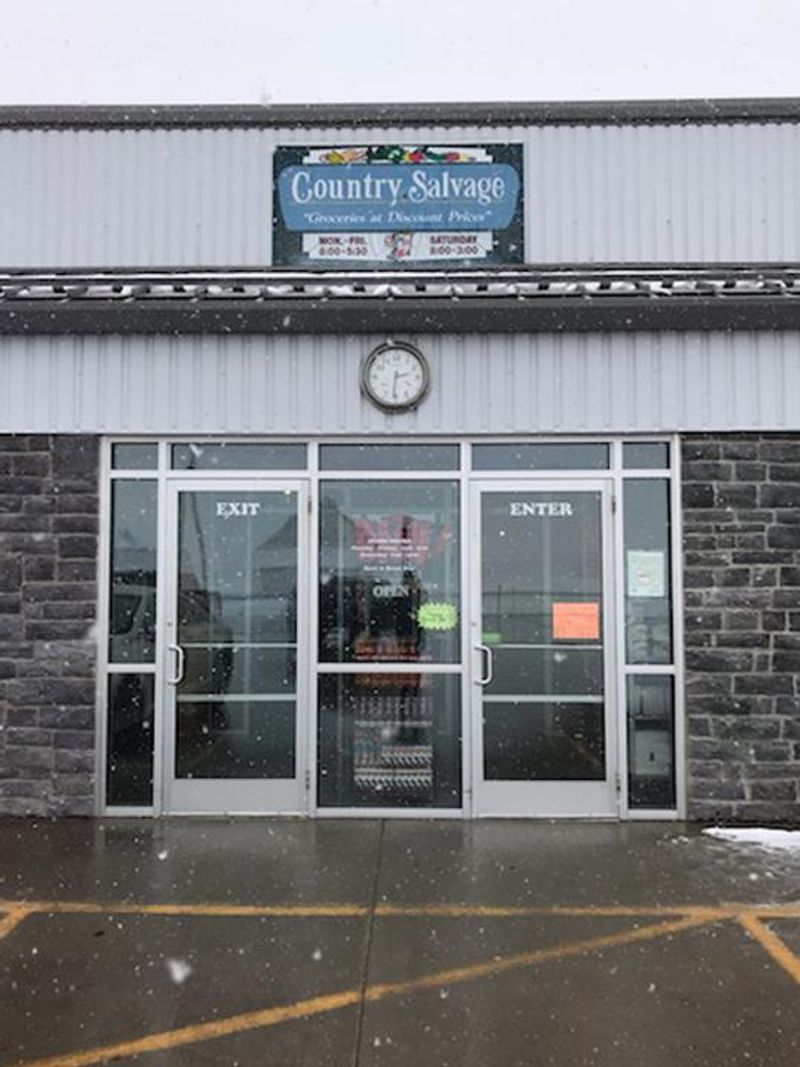
Some stores make saving money feel straightforward, and Country Salvage Store in Arcola lands in that category. Families looking to stretch a pantry budget can find a useful mix of bulk foods, staples, produce, meats, and household basics in one country-style stop. The idea is less about fancy presentation and more about practical value.
Bulk shopping changes the math for many households. Larger quantities of common ingredients can cost less over time, especially when the family cooks often and actually uses what it buys.
Flour, sugar, rice, beans, baking ingredients, and snack basics tend to be more economical when purchased with a longer plan in mind instead of week by week in smaller packages.
The salvage side adds another layer of savings. Discounted groceries can help fill shelves at home without relying only on regular supermarket pricing, which is useful when pantry staples vanish quickly in a busy house. Even modest savings on everyday items can add up by the end of the month.
This kind of store rewards organized shoppers. Bringing a list, checking storage space at home, and knowing which products get used most can prevent bulk buying from turning into waste.
Families with larger households often benefit the most, but even smaller households can score if they focus on long-lasting basics and split attention between immediate needs and longer-term stock-up buys.
Country Salvage Store also works well as an alternative to the usual chain grocery routine. Instead of depending on one big-box supermarket for everything, families can use places like this to handle pantry loading and budget stretching, then save regular stores for specialty needs.
For shoppers near Arcola, that combination can make grocery spending more manageable, especially when the goal is building a fuller cupboard without paying top-shelf prices for every single item.
5. Jerry’s Fruit & Garden (Niles)
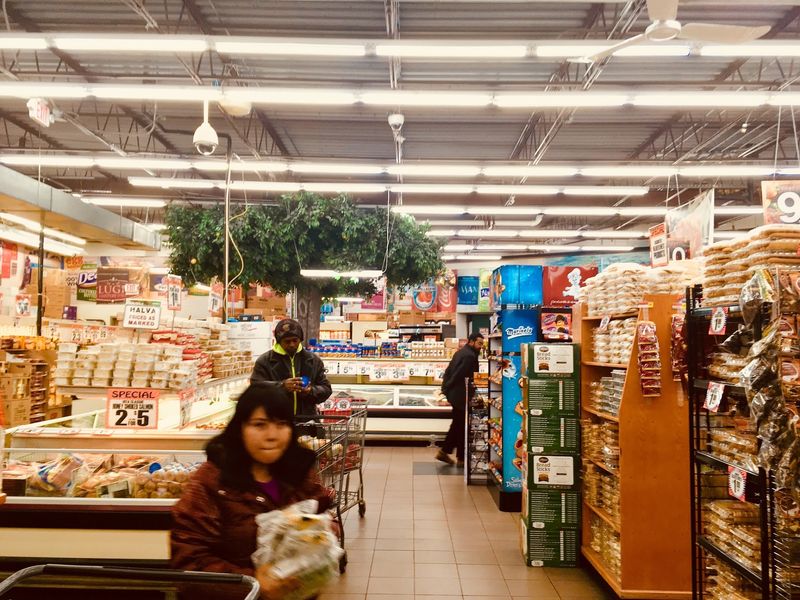
Color usually tells the story before prices do, and Jerry’s Fruit & Garden in Niles puts that on full display. Rows of fruits and vegetables give the market a lively look, but the real draw for families is how fresh produce specials can help lower the cost of everyday meals. A smart produce stop can change the whole grocery budget.
This longtime family-owned market centers much of its identity around fruits and vegetables, and that focus can be useful for shoppers trying to plan cheaper, healthier menus.
Seasonal produce often stretches farther than packaged convenience foods, especially when it becomes the base for soups, salads, pasta dishes, stir-fries, and lunchbox sides. A lower produce bill can free up money for meat, dairy, and pantry basics.
Jerry’s also carries other grocery needs, which makes the visit more practical. Instead of treating it like a one-item errand, families can pick up fresh ingredients along with dairy, meats, and a few staples to round out the week. That kind of flexibility helps when dinner plans change midweek.
Because the market is known for broad produce variety, it can also help families break out of the same old shopping routine. Trying a new fruit, choosing vegetables for roasting instead of buying pricier prepared sides, or planning meals around what looks especially good can create savings naturally. Children may even be more willing to eat produce when they get to help choose it.
The best strategy here is simple and practical. Shop with a loose meal plan, pay attention to produce specials, and build dinners around the freshest bargains instead of forcing a rigid list.
When fruits and vegetables are the star, a family grocery run can become both cheaper and more interesting, and Jerry’s gives Niles shoppers a strong reason to start in that department first.
6. Heartland Bulk Foods (Cuba)
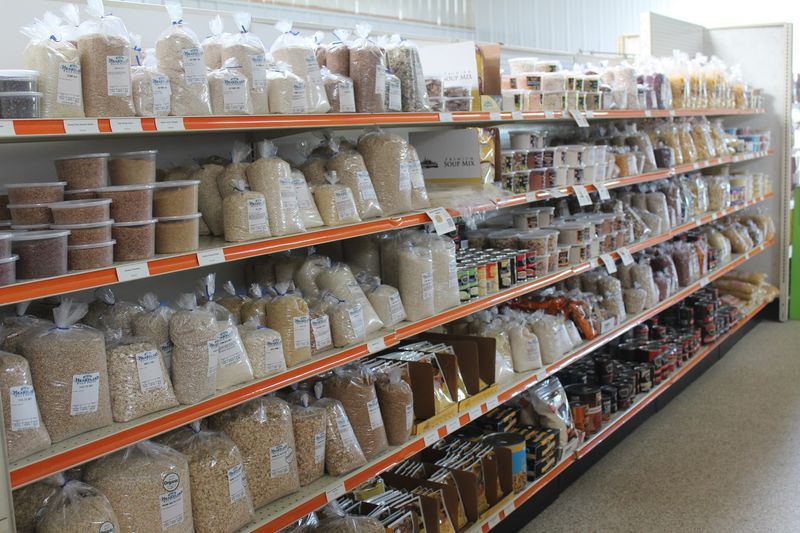
Families who bake, cook from scratch, or go through pantry basics at high speed will probably understand the appeal of Heartland Bulk Foods in Cuba right away.
A store built around bulk foods and discounted groceries can give regular meal makers a real advantage. Buying smart is often easier when staples are front and center instead of tucked into a corner.
The selection here includes the kinds of items that support everyday cooking. Baking supplies, pantry basics, and vitamins sit alongside salvage groceries and household essentials, making the store useful for more than one kind of shopping trip. A parent planning muffins, casseroles, soups, and homemade snacks for the week can find a lot to work with in a place like this.
Bulk quantities are especially helpful for foods that disappear fast. Oats, flour, sugar, pasta, rice, and similar staples tend to earn their keep in busy kitchens, and buying them in larger amounts can mean fewer emergency runs later. That saves time, and it may also cut down on the expensive habit of grabbing extras during quick trips.
Discount salvage items can round out the savings. For families willing to stay flexible, reduced-price groceries sometimes make room in the budget for a few extras, whether that means snacks, shelf-stable backup foods, or ingredients for a bigger weekend cooking session. The trick is to choose deals that fit actual habits, not just temporary excitement.
Heartland works best when shoppers arrive with a pantry plan. Knowing which foods store well, how much the family really uses, and what recipes are on deck can turn bulk shopping into long-term savings instead of clutter.
In rural Illinois, a store like this offers a practical way to stock up, stretch ingredients, and keep the kitchen ready for another full week of family meals.
7. Prairie State Discount Foods (Sumner)
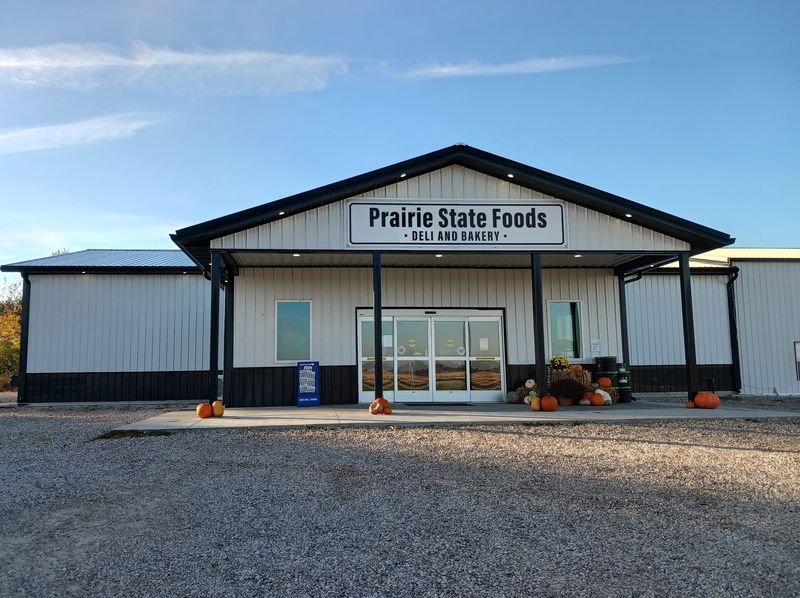
Small-market convenience can be a real budget helper when it is paired with discount pricing, and Prairie State Discount Foods in Sumner fits that lane nicely.
Families can pick up affordable pantry goods while also grabbing something fresh from the deli or bakery. That combination gives the store a practical edge for people who want savings without making several separate stops.
Discount food shelves matter most when they cover the basics. Pantry goods are the backbone of many family meals, and lower prices on those staples can open room in the budget for produce, dairy, or a few fresh treats later in the week. A store does not need giant square footage to be useful if it helps solve everyday shopping needs efficiently.
The deli and bakery side changes the rhythm of the trip. Maybe dinner needs a quick assist, or maybe tomorrow’s lunch could use a fresh add-on instead of another packaged option.
Being able to pair pantry restocking with ready-to-enjoy items makes the stop especially handy for parents balancing work, school pickups, and packed evenings.
Rural shoppers often know the value of flexibility. A store like Prairie State can serve as a fill-in trip, a stock-up run for selected staples, or a place to grab fresh items while staying mindful of cost.
That middle ground between full supermarket and tiny convenience stop is useful when time and gas money count too.
To get the most from this store, shoppers can split the cart into two jobs. One part handles shelf-stable essentials at discount prices, and the other handles fresh bakery or deli picks that fit the week’s schedule.
That simple plan helps avoid overspending while still taking advantage of the store’s range. In Sumner, Prairie State offers a sensible mix of value and convenience that families can put to work right away.
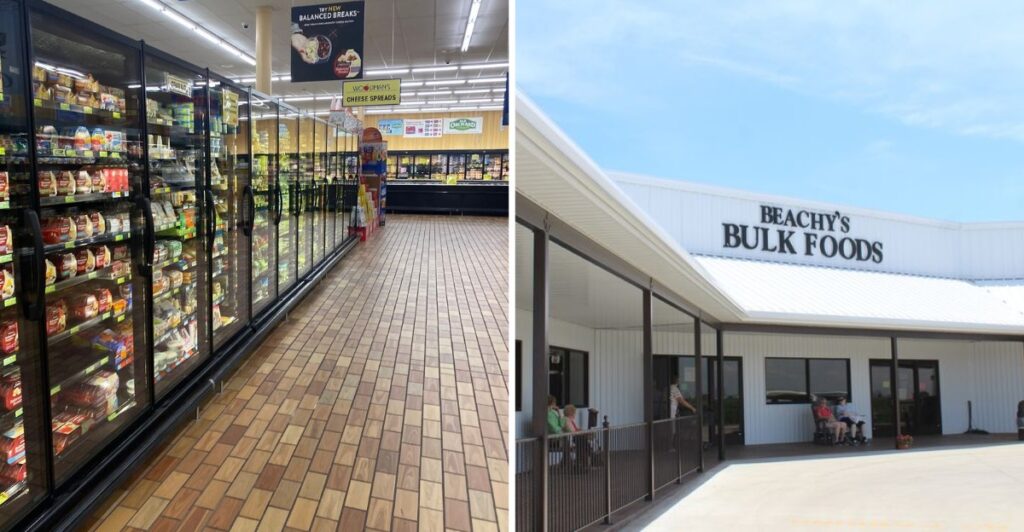
8. Beachy’s Bulk Foods (Arthur)
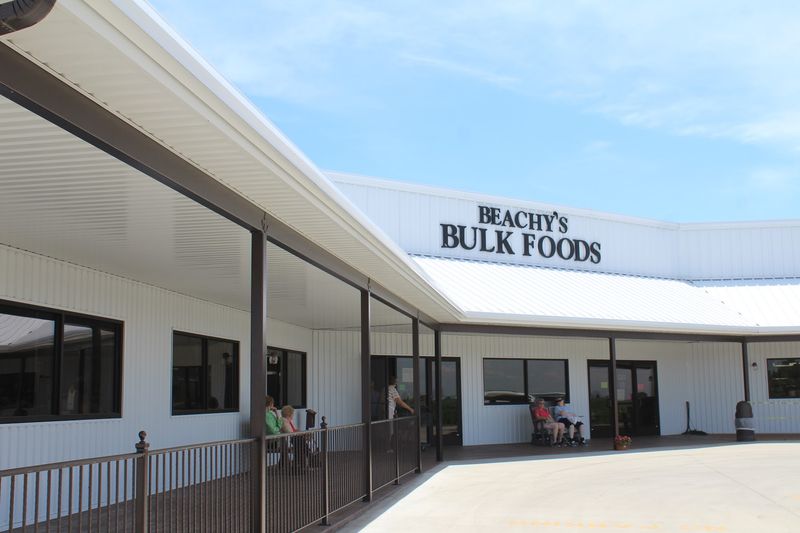
Cupboards can look a lot fuller for less money when bulk shopping is done well, and Beachy’s Bulk Foods near Arthur is built for that kind of mission.
Bulk groceries and baking supplies take center stage, giving families a chance to skip standard package sizes and buy staples in amounts that match real household use. That can be a quiet but effective way to cut grocery costs.
Stores focused on bulk buying often shine brightest for ingredients that support many meals. Flour, sugar, oats, rice, beans, pasta, seasonings, and baking needs can stretch across breakfasts, school snacks, packed lunches, and simple dinners. When families rely on these basics often, buying them more economically creates savings that show up week after week.
Baking supplies are another big plus here. Homemade muffins, cookies, breads, and snack mixes can be budget friendlier than individually packaged treats, especially for households with hungry kids and busy afternoons. Access to bulk ingredients makes home baking less of a special project and more of a normal routine.
The strongest savings usually come from planning ahead. Bulk shopping works best when families know what they already have, how they will store new purchases, and which staples disappear fastest.
Clear containers, labels, and a simple pantry system can make a major difference, because wasted food is never a bargain no matter how low the sticker looks.
Beachy’s makes sense for shoppers who want grocery dollars to work harder through smart stocking rather than constant deal chasing. Instead of relying on flashy promotions, the value comes from quantity, flexibility, and ingredients that support plenty of home cooking.
For families around Arthur, that approach can turn ordinary staples into one of the strongest savings tools in the whole kitchen, especially when the goal is stretching meals without sacrificing the basics everyone depends on.
Share this story