Texas sits on top of millions of years of history, and you don’t need fancy equipment or a science degree to discover it. Fossil hunting across the state lets you hold creatures that swam in ancient seas, walked among dinosaurs, or lived during the Ice Age. Whether you’re wading through creeks or exploring state parks, these eight spots offer real chances to find sharks’ teeth, shells, petrified wood, and even dinosaur tracks that tell stories from long before humans walked the earth.
1. Post Oak Creek (Sherman)
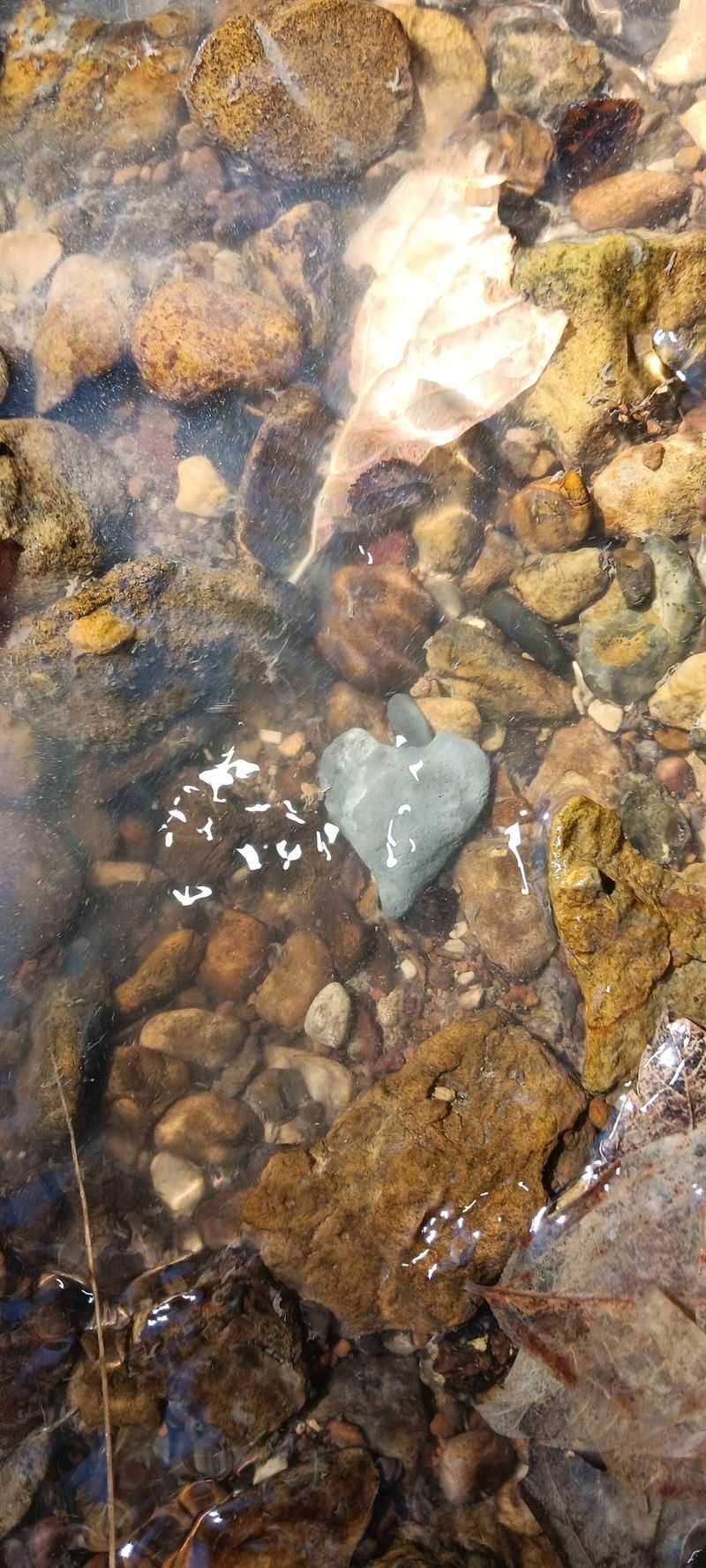
Wading through Post Oak Creek feels like stepping into a natural history museum where you get to be the curator. The shallow water reveals layers of Cretaceous limestone packed with marine fossils from when this part of Texas sat under a warm, shallow sea about 100 million years ago. You’ll spot oyster shells, clam fossils, and if you’re lucky, shark teeth that once belonged to creatures prowling those ancient waters.
The best hunting happens after heavy rains when the current exposes fresh fossil beds and washes specimens into easier-to-reach spots. Bring old sneakers you don’t mind getting wet, because you’ll be walking through ankle-deep water most of the time. The limestone breaks apart easily, so look for pieces with interesting textures or shapes sticking out.
Sherman locals have been collecting here for generations, and you’ll often see families out on weekends teaching kids how to identify different shell types. The creek runs through public areas, making access straightforward without needing special permissions. Pack a small bucket or mesh bag to carry your finds, and remember that patience pays off more than rushing.
Most fossils you’ll encounter are small but incredibly well-preserved, showing details like growth rings on shells or the serrated edges of ancient shark teeth. The limestone matrix sometimes contains multiple specimens in one piece, creating natural display items. Spring and fall offer the most comfortable hunting conditions, though summer brings lower water levels that expose more creek bed.
What makes this spot special is how accessible it is for beginners while still offering enough variety to keep experienced collectors interested. You’re not just finding random rocks but actual evidence of the Cretaceous seas that covered North Texas millions of years before the first dinosaurs walked nearby lands.
2. Pedernales Falls State Park (Johnson City)
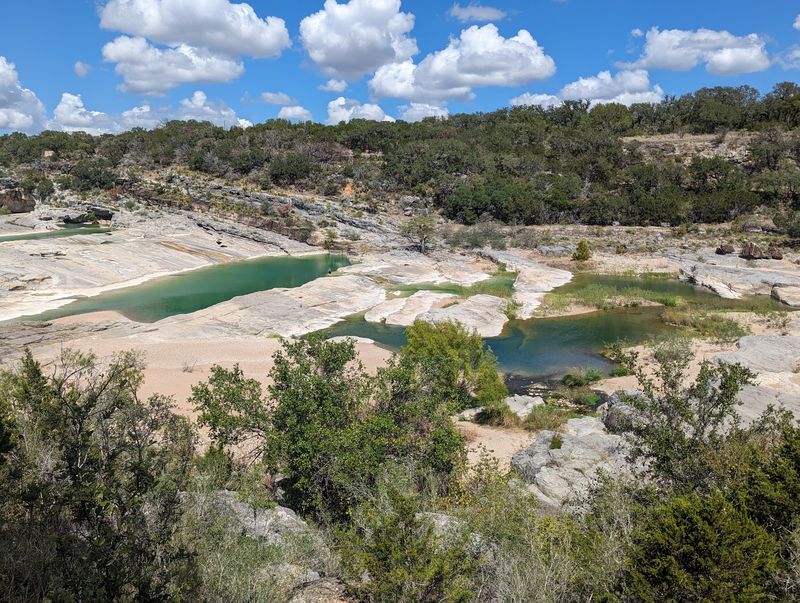
The Pedernales River cuts through layers of limestone that read like pages from a prehistoric textbook. This Hill Country park offers more than just beautiful waterfalls and swimming holes; the exposed rock along the riverbanks holds countless marine fossils from the Cretaceous period. Every step along the water’s edge puts you in contact with creatures that lived when dinosaurs roamed nearby.
Look for flat limestone slabs along the river where ancient sea creatures got pressed into the sediment and preserved. Brachiopods, which look like ribbed clamshells, show up frequently here. You’ll also find fossilized coral, sea urchin spines, and various mollusk shells embedded in the rock.
The park allows surface collecting, meaning you can take photos and examine fossils in place, though removing them requires special permission.
The best fossil viewing happens during lower water levels, typically in late summer and fall when more riverbed gets exposed. Walk carefully on the slick limestone, especially near the falls area where water constantly flows over the rock. Bring a field guide or use a fossil identification app, because you’ll see so many different species that keeping track becomes part of the fun.
Families love this spot because kids can safely explore while adults appreciate the geological significance of what they’re seeing. The park’s trails offer different vantage points of the fossil-bearing formations, and rangers occasionally lead educational programs about the area’s ancient marine life. Camping here means you can hunt during the golden hours of early morning when angled sunlight makes fossils easier to spot.
The combination of natural beauty and paleontological richness makes this one of Texas’s most rewarding fossil locations. You’re walking on an ancient seafloor that’s been tilted, eroded, and exposed, creating a window into a world that existed roughly 100 million years before the first humans appeared.
3. Mineral Wells Fossil Park (Mineral Wells)
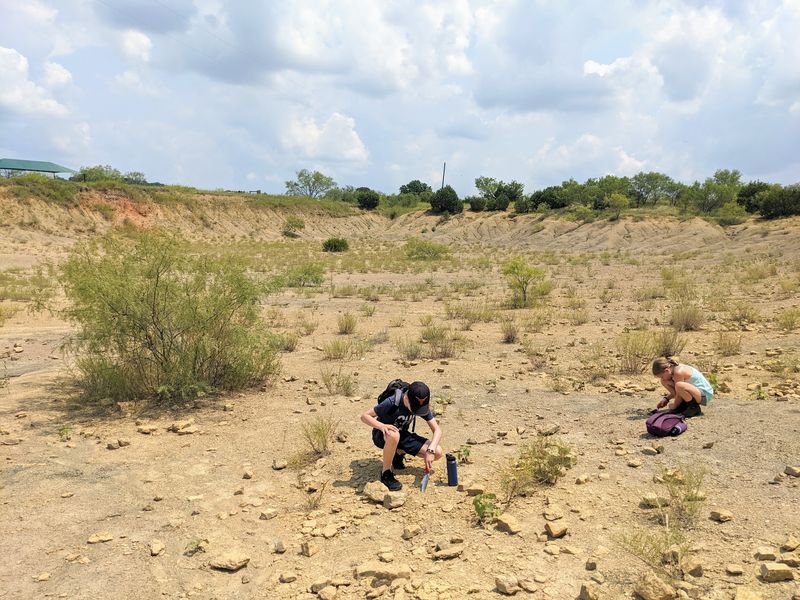
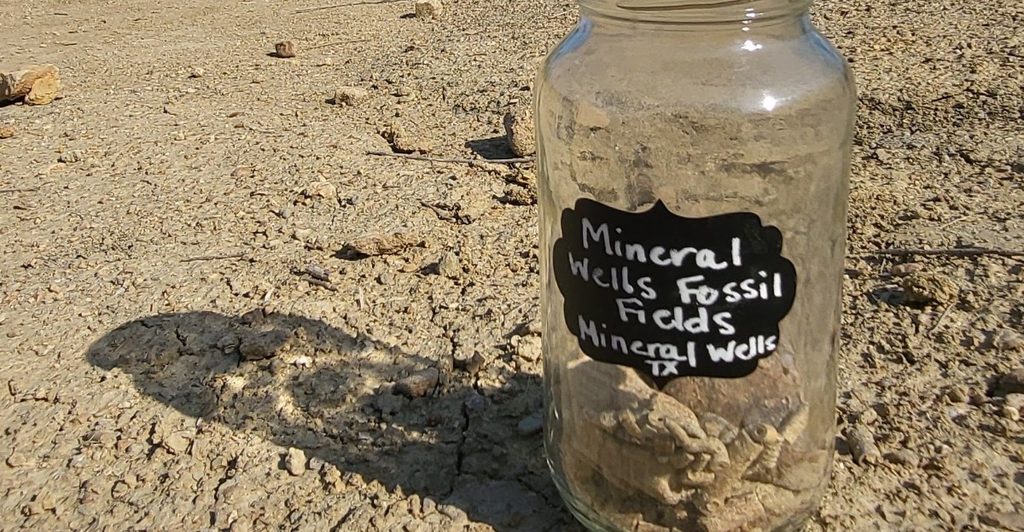
Few places in Texas make fossil hunting as straightforward as this city-owned park specifically designed for digging. The site sits on ancient Pennsylvanian shale beds about 300 million years old, predating the dinosaurs by a huge margin. You’re hunting for creatures from the Carboniferous period when much of Texas lay under tropical seas teeming with life completely different from what came later.
The park provides the unusual opportunity to actually excavate rather than just surface hunt. Bring a hammer, chisel, and safety glasses because you’ll be splitting shale layers to reveal fossils hidden inside. Common finds include brachiopods, crinoid stems (which look like stacked coins), gastropods, and various types of ancient shellfish.
The thrill comes from cracking open a rock and being the first person to see the creature inside in 300 million years.
Staff members offer guidance on proper splitting techniques and fossil identification, making this ideal for first-timers who want expert help. The park operates on specific days and hours, so check their schedule before heading out. They provide some tools, but serious hunters bring their own equipment for better results.
Wear sturdy clothes you don’t mind getting dusty, because shale creates fine powder as you work.
Kids absolutely love this spot because they can keep everything they find, unlike many locations with collection restrictions. The sense of discovery when a perfect brachiopod appears in a freshly split rock creates memories that last far longer than any store-bought souvenir. Groups often visit for birthday parties or school field trips, taking advantage of the educational opportunities combined with hands-on activity.
What sets Mineral Wells apart is the park’s dedication to public paleontology. They’ve created a space where anyone can experience the excitement of fossil discovery without needing private land access or special permits, democratizing a hobby that often requires more barriers to entry.
4. Lake Casa Blanca International State Park (Laredo)
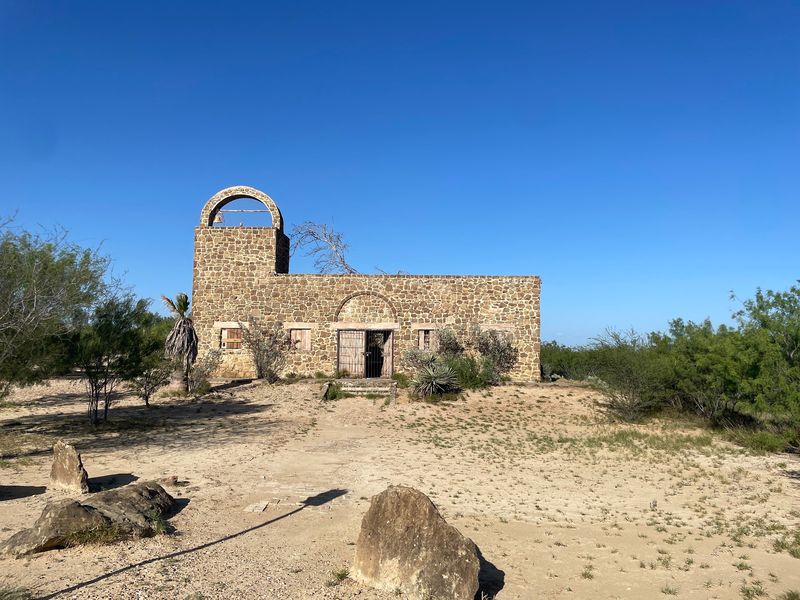
Down near the Mexican border, this state park surprises visitors with its fossil-rich shorelines that most people overlook while focusing on fishing and boating. The lake’s fluctuating water levels constantly expose and re-cover fossil beds from the Eocene epoch, roughly 50 million years ago. Back then, this region supported a completely different ecosystem with tropical forests and diverse marine environments.
Walking the shoreline, especially in areas where erosion has exposed older sediment layers, reveals fossilized shells, coral fragments, and occasionally vertebrate remains from ancient mammals. The park’s location in the Rio Grande Valley means it preserves fossils from a transitional period in Earth’s history when global climates were shifting. You might find oyster beds that once thrived in shallow coastal waters or land mammal bones washed into ancient river systems.
The best hunting happens after the lake level drops during dry spells, exposing mudflats and rocky areas usually underwater. Bring plenty of water and sun protection because South Texas heat can be intense, even during cooler months. Early morning visits offer the most comfortable conditions and better lighting for spotting fossils against the varied sediment colors.
This park sees fewer fossil hunters than more famous locations, meaning you’re more likely to make fresh discoveries. Local geology enthusiasts occasionally organize group hunts, sharing knowledge about the area’s unique paleontological features. The international flavor of Laredo adds cultural richness to your fossil-hunting trip, with excellent food and border-town atmosphere enhancing the overall experience.
Casa Blanca’s fossils tell stories of a Texas very different from today’s semi-arid borderlands. The creatures preserved here lived during a time of global warmth, and studying their remains helps scientists understand how ecosystems respond to climate change. For amateur hunters, it’s simply a chance to connect with deep time while enjoying a lesser-known state park that offers more than initially meets the eye.
5. North Sulphur River (Ladonia)
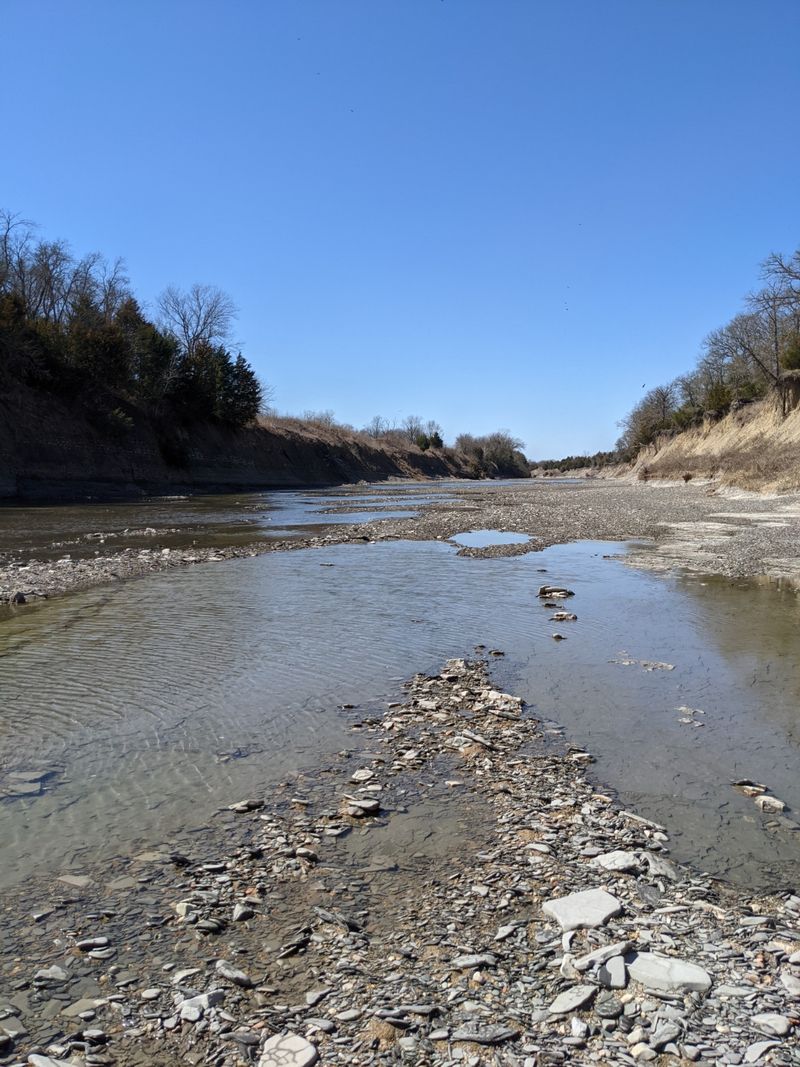
Flowing through Northeast Texas, this river system has been giving up Ice Age fossils for decades, drawing serious collectors who know its reputation. The gravel bars and cutbanks along the North Sulphur River contain Pleistocene deposits from roughly 10,000 to 2 million years ago. Unlike marine fossils from earlier periods, here you’re hunting for mammoths, mastodons, giant ground sloths, and other megafauna that roamed Texas during the Ice Age.
The river constantly reworks its sediments, washing bones and teeth out of ancient deposits and depositing them on gravel bars where sharp-eyed hunters can spot them. Mammoth teeth, with their distinctive ridged grinding surfaces, turn up regularly. You might also find bison bones, horse teeth from extinct species, or camel remains from when these animals lived in North America.
Each find connects you to a time when humans first arrived in Texas and encountered these now-extinct giants.
Access requires permission from landowners in most areas, so do your homework before heading out. Some sections flow through public land or have established access points where respectful fossil hunters are welcome. The river runs best for hunting during lower water periods when gravel bars get fully exposed.
Wading through the shallows with eyes scanning the gravel becomes meditative, and the excitement of spotting a dark, heavy fossil among lighter river rocks never gets old.
Bring a walking stick for stability on slippery rocks and uneven gravel. A small backpack with water and snacks lets you spend hours working productive stretches of river. The fossils here are often fragmentary rather than complete specimens, but even a single mammoth tooth represents an incredible connection to Texas’s Ice Age past.
What makes the North Sulphur River special is its focus on a different time period than most Texas fossil sites. Instead of ancient seas, you’re finding evidence of the massive land animals that lived here relatively recently in geological terms, making the discoveries feel more immediate and relatable.
6. Paluxy River at Dinosaur Valley State Park (Glen Rose)
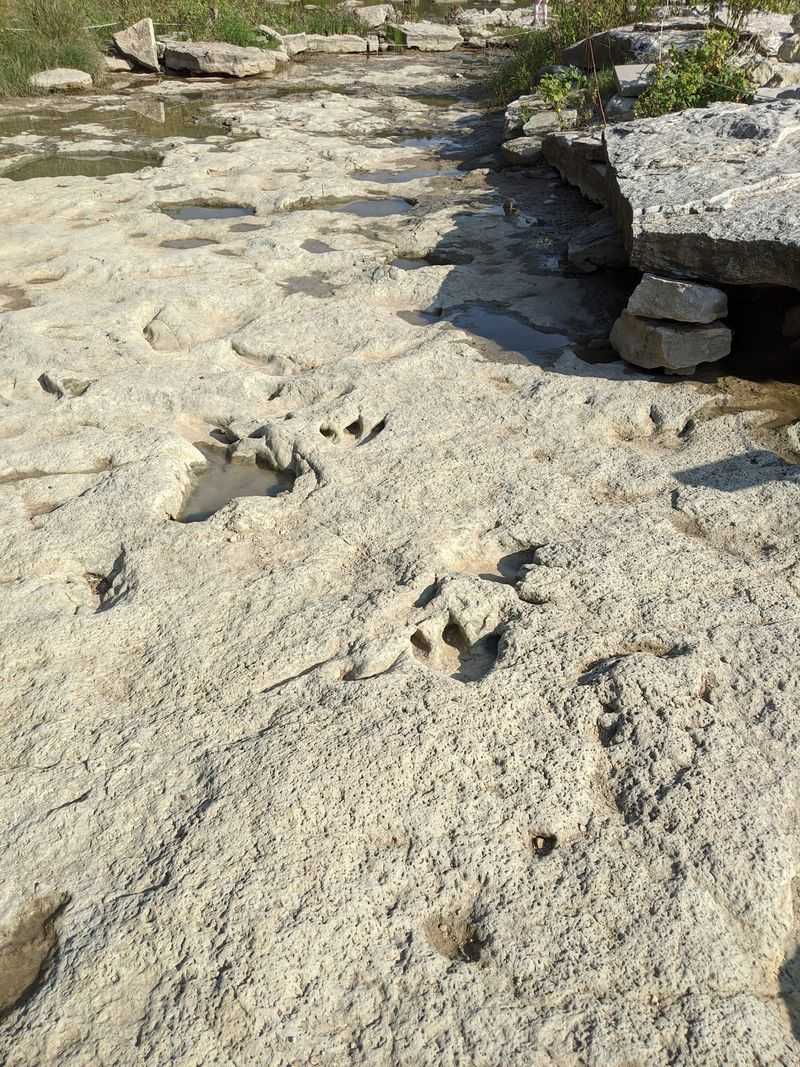
Standing in the actual footprints of dinosaurs that walked here 113 million years ago creates a connection to the past unlike any other fossil experience. The Paluxy River flows over limestone that preserves some of the world’s best dinosaur trackways, including both massive sauropods and three-toed theropods. When water levels drop, these tracks become visible in the riverbed, letting you literally follow in the footsteps of creatures that dominated the Cretaceous world.
The park’s main attraction is obviously the dinosaur tracks, but the surrounding areas also yield marine fossils, petrified wood, and occasional dinosaur bone fragments. The same Cretaceous limestone that preserved the tracks contains shells, coral, and other marine life from the shallow sea that periodically covered this region. Walking the riverbanks and examining exposed rock layers provides a comprehensive look at this ancient ecosystem.
Summer brings the best track viewing when the river runs lowest and most trackways get exposed. Park rangers lead guided tours explaining the different dinosaur species that made the prints and the conditions that allowed such perfect preservation. You can wade right into the river and stand inside footprints that measure over three feet across, imagining the enormous sauropods that made them while browsing ancient vegetation.
The park has strict collection policies protecting the dinosaur tracks and significant fossils, but you can photograph everything and examine countless specimens in place. Bring an underwater camera or waterproof phone case because some of the best tracks sit under shallow water. The clear river water magnifies the details, making photography particularly rewarding.
Beyond the famous tracks, the park’s limestone formations and riverbanks offer plenty of smaller fossil discoveries. Kids love the combination of wading, exploring, and the dinosaur theme that makes paleontology tangible rather than abstract. The nearby town of Glen Rose embraces its dinosaur heritage with museums and fossil shops that complement your park visit.
Dinosaur Valley represents Texas’s most famous paleontological site for good reason. The trackways provide evidence of dinosaur behavior, social structures, and movement patterns that fossilized bones alone can’t reveal, making this location scientifically significant beyond its obvious wow factor.
7. Ladonia Fossil Park (Ladonia)
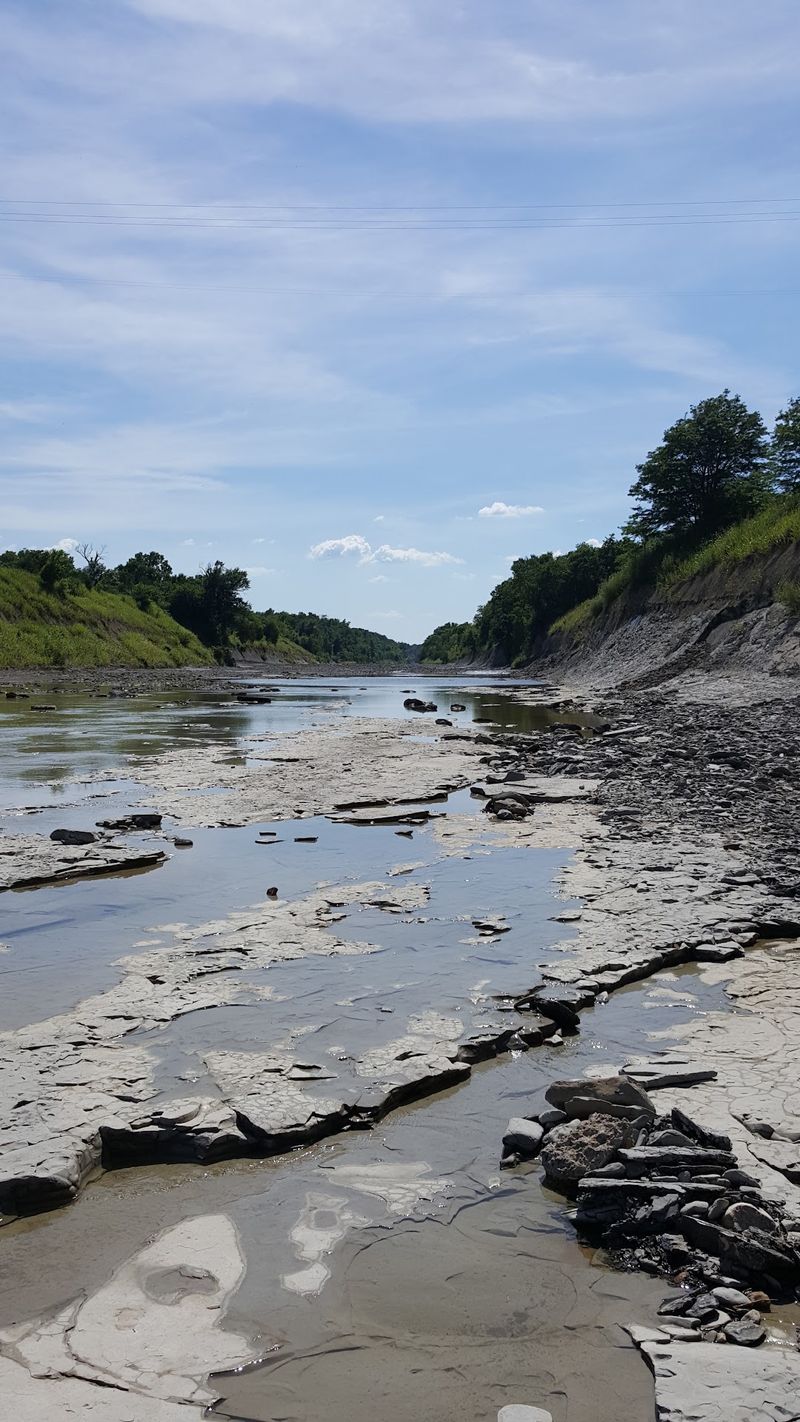
This small-town fossil park punches way above its weight in terms of what you can find and the welcoming atmosphere for hunters of all skill levels. Ladonia created a public fossil park on land containing rich Cretaceous deposits from ancient marine environments. The fossils here date back roughly 100 million years to when shallow seas covered North Texas, supporting diverse marine ecosystems that left behind abundant remains.
The park allows visitors to dig, split rocks, and keep whatever they find within reasonable limits. You’ll encounter ammonites, which are coiled shells from extinct marine mollusks related to modern nautilus. Shark teeth turn up frequently, along with various bivalve shells, gastropods, and occasionally more unusual specimens like fish vertebrae or marine reptile fragments.
The sediments break apart easily, making excavation straightforward even for kids or first-time fossil hunters.
Bring basic tools like a rock hammer, chisel, and sturdy gloves for splitting the sedimentary layers. Safety glasses protect your eyes from rock chips. The park provides some guidance on techniques and fossil identification, creating an educational experience alongside the treasure-hunting excitement.
Many families make this a regular destination, building collections over multiple visits as they develop their identification skills and learn which layers produce the best specimens.
The small-town setting adds charm that larger, more commercial fossil sites lack. Ladonia residents take pride in their fossil park, and local businesses welcome the visitors it brings. The park’s modest size means it never feels crowded, even during peak times.
You can spend a relaxed afternoon digging without fighting for space or dealing with overwhelming crowds.
What distinguishes Ladonia Fossil Park is how it democratizes paleontology. You don’t need expensive equipment, special training, or connections to access productive fossil beds. The park welcomes everyone and provides the opportunity to make genuine discoveries that you can take home, study, and share.
For a small North Texas town, it offers an outsized contribution to public paleontology and science education.
8. Brazos River (Central Texas)
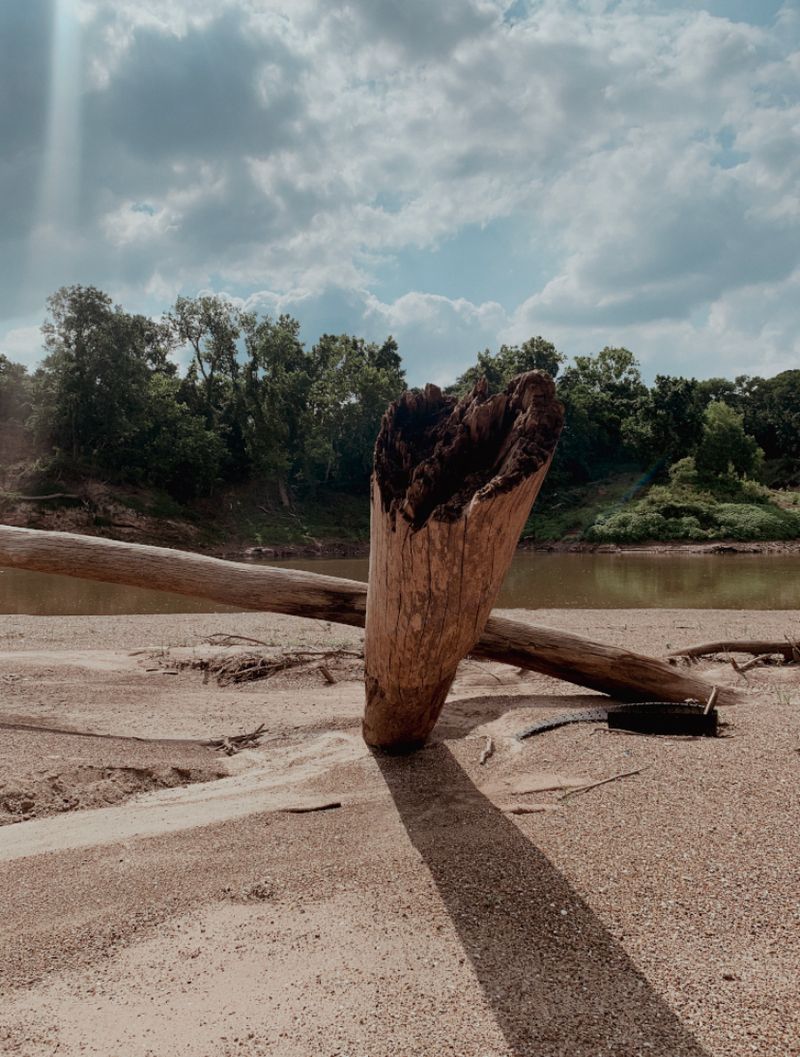
Texas’s longest river cuts through multiple geological formations as it flows from the Panhandle to the Gulf, creating fossil-hunting opportunities along its entire length. The Central Texas sections, particularly around areas with good public access, offer excellent hunting for both marine fossils from ancient seas and more recent Ice Age mammal remains. The river acts as a geological conveyor belt, constantly eroding older deposits and concentrating fossils in gravel bars and along cutbanks.
Different sections of the river yield different fossils depending on local geology. Some stretches expose Cretaceous limestone packed with marine shells and shark teeth. Others cut through younger sediments containing Ice Age deposits with mammoth, bison, and horse fossils.
Learning which sections correspond to which time periods helps target your hunting for specific types of specimens. Local fossil clubs and online forums share information about productive areas, though discovering your own spots brings special satisfaction.
The Brazos requires respect because it’s a large, powerful river that can be dangerous during high water. Always check current conditions before heading out, and never hunt alone in remote areas. During safe conditions, wading the shallows and walking exposed gravel bars provides hours of productive searching.
The river’s size means you could spend years exploring different sections without exhausting the possibilities.
Fossilized wood, ancient shells, shark teeth, and occasional bone fragments reward patient hunters who cover ground systematically. The best finds often come from areas where the river has recently changed course or where floods have exposed fresh sediment layers. Pay attention to color and texture differences in the gravel because fossils often stand out once you train your eye to recognize them.
Access varies along the river, with some sections running through private property requiring permission and others offering public entry through parks, wildlife management areas, or designated access points. Research your chosen section beforehand to avoid trespassing issues. The Brazos’s length and variety mean you can return repeatedly to different areas, each offering its own geological story and fossil assemblage that keeps the hobby fresh and exciting for years.
Share this story