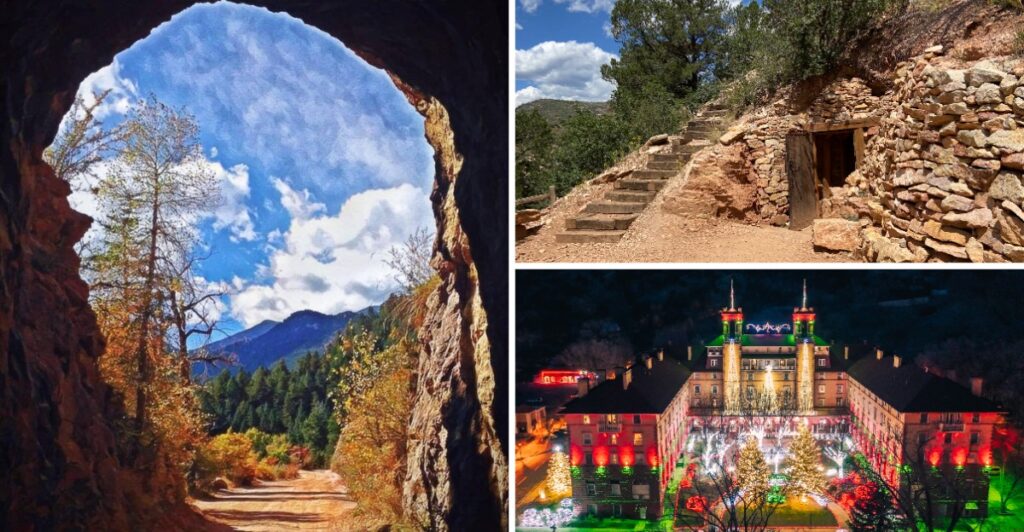
Colorado can feel very different once the sun goes down and its mountain roads, historic buildings, and shadowy landscapes take on a darker mood. Stories of unexplained footsteps, ghostly figures, strange sounds, and unsettling encounters have followed certain hotels, parks, caves, and lonely stretches of road for years.
Whether every tale is true hardly matters when you are standing somewhere with a particularly eerie past and nobody else around. Even skeptics may find themselves paying closer attention to every creak and shadow. These 9 creepy Colorado spots offer enough spooky history and local legend to make bringing a friend seem like a very good idea.
1. The Stanley Hotel (Estes Park)
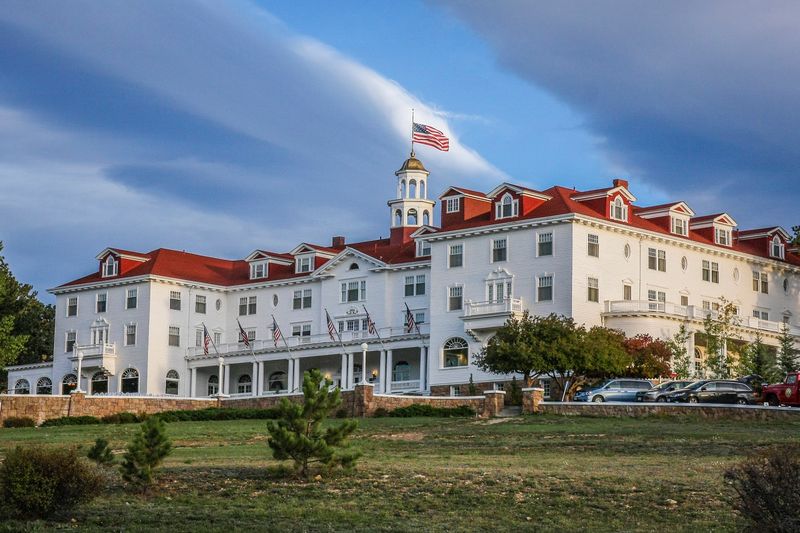
Few Colorado buildings have a reputation as big as The Stanley Hotel. Sitting above Estes Park with its bright white exterior and wide front porch, it looks grand in daylight, but the mood shifts fast once the sun drops behind the mountains.
Part of its fame comes from Stephen King, whose stay helped inspire The Shining, and that connection still shapes how many visitors see every hallway, staircase, and shadow.
Stories tied to the hotel often mention piano music drifting through quiet rooms, bursts of laughter when no children are nearby, and odd movement in spaces that should be empty. Whether a person believes every tale or not, the setting does a lot of the work.
Long corridors, creaky floors, and old guest rooms naturally raise the tension, especially during evening tours that lean into the building’s best-known legends.
Visitors who want the spooky side should look into the nighttime spirit tours, since they usually guide people through areas with the strongest local lore. Going with a group is a smart move because the hotel is easier to enjoy when nobody has to explore alone.
Bringing a charged phone, wearing quiet shoes, and reading a little about the hotel’s history before arriving can also make the experience more fun.
Even without a ghostly moment, The Stanley delivers a strong mix of history and suspense. The mountain views outside almost make the place seem calm, which somehow makes the interior stories more unsettling.
For travelers who like haunted hotels but still want a polished, well-known destination, this is the Colorado classic that sets the tone for the rest.
2. Miramont Castle (Manitou Springs)
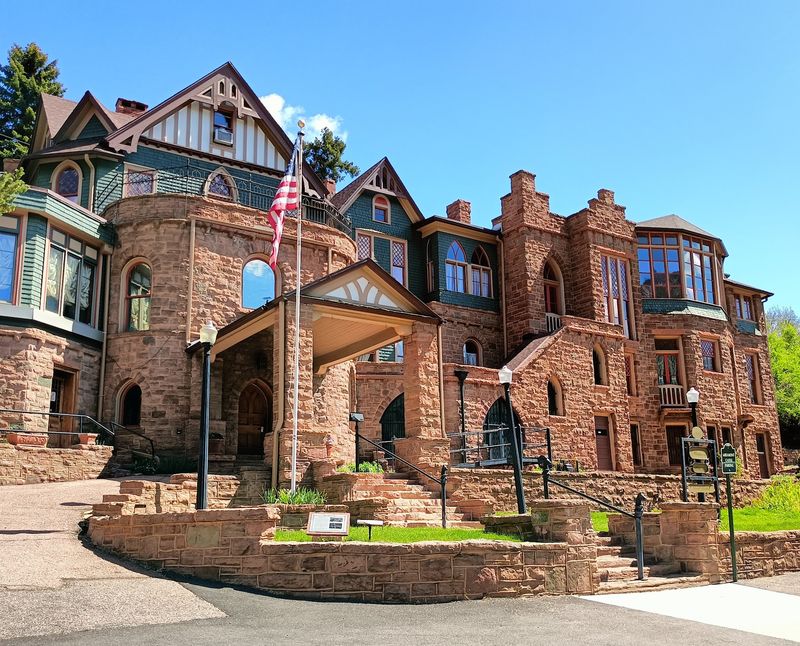
At first glance, Miramont Castle looks like the kind of place that belongs in a mystery novel. The stone exterior, steep rooflines, and mix of architectural styles give it a slightly offbeat look, as if different ideas were stacked into one hillside mansion.
That unusual design is part of the draw, but the castle’s spooky reputation comes from more than appearances alone.
Built in the 1890s, the home later spent time under the care of the Sisters of Mercy, which adds another interesting layer to its long story. Over the years, visitors and staff have shared reports of footsteps in empty rooms, brief glimpses of figures, and other odd moments that are hard to explain on the spot.
Old houses make noise, of course, yet places with deep history often invite bigger questions than newer buildings do.
A visit here works best when there is time to slow down and really notice the setting. Instead of rushing room to room, pay attention to the narrow halls, changing light, and quiet corners where imagination starts filling in the blanks.
Comfortable shoes help because historic properties can include stairs and uneven surfaces, and an earlier daytime visit may be better for anyone unsure about tackling the castle in a spookier mood.
Miramont Castle stands out because it balances local history with a strong sense of mystery. It is not a giant landmark in the way some haunted hotels are, and that smaller scale can make the experience more personal.
For travelers exploring Manitou Springs, this is a smart stop for anyone who likes old architecture, whispered legends, and the uneasy feeling that a room may not be as empty as it seems.
3. Cheesman Park (Denver)
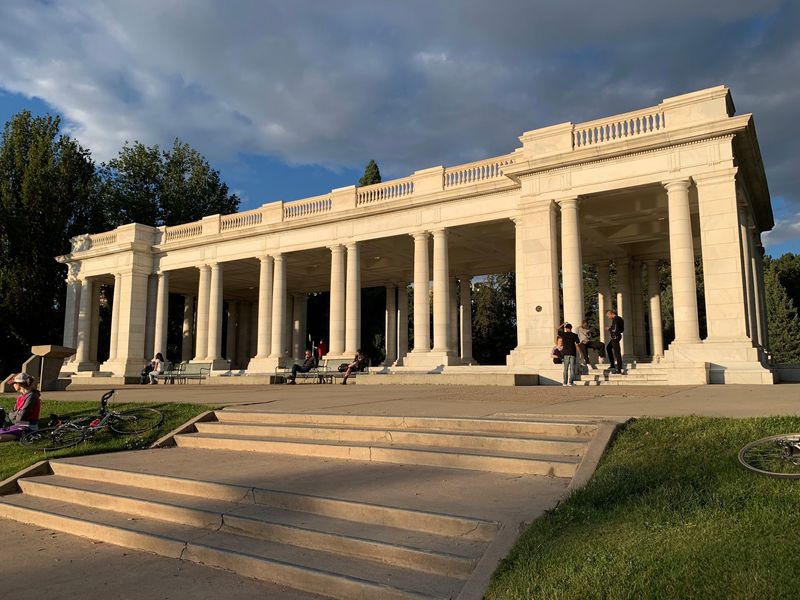
Cheesman Park can look calm, open, and perfectly ordinary during the day. Joggers pass by, dogs cross the grass, and Denver’s skyline reminds everyone that the city is close.
Then the history sinks in: the park sits on land that once held a cemetery, and accounts suggest not all remains were properly moved when the grounds changed use.
That backstory alone is enough to fuel decades of ghost stories. People have described apparitions, uneasy encounters after dark, and the strange sense that certain parts of the park carry a heavier mood than others.
A quiet green space with a troubled past tends to spark the imagination fast, especially at night when tree shadows stretch across the paths and the usual daytime activity disappears.
Anyone curious about visiting should treat Cheesman more like an evening walk with extra awareness than a thrill ride. Going with a friend is the better choice, not only because of the spooky lore but because city parks are simply smarter to explore in pairs after sunset.
Stick to lit paths, stay aware of surroundings, and save the deeper historical reading for before or after the visit so the details add context without turning the outing reckless.
What makes Cheesman Park especially unsettling is the contrast. There is no giant haunted mansion announcing itself, no ticketed tunnel, no costumed guide leading the way.
Instead, the ordinary setting rubs against a deeply unsettling history, and that can be more effective than a louder kind of scare. In a state packed with remote ghost stories, this Denver spot proves that one of the creepiest places can sit right in the middle of everyday life.
4. Phantom Canyon Road (Near Victor)
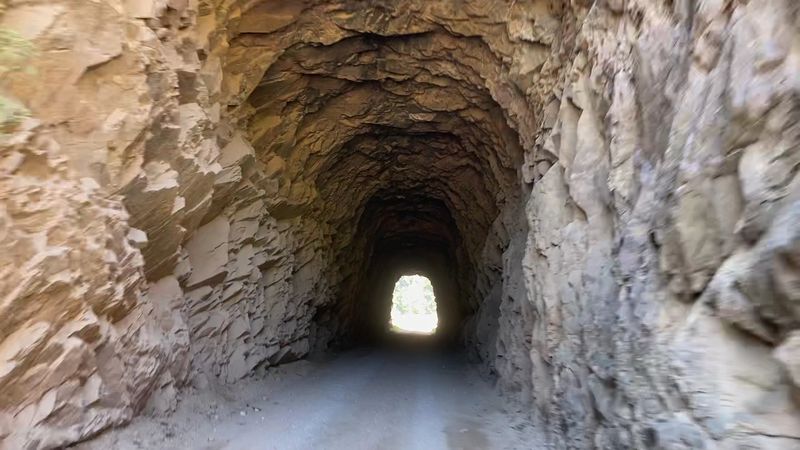
Phantom Canyon Road earns its name before any ghost story even begins. The route winds through rugged canyon country along the old Florence and Cripple Creek Railroad line, passing tunnels, sharp curves, and traces of mining settlements that have long since gone quiet.
With so much isolation packed into one drive, even a sunny afternoon can carry a slightly uneasy edge. Local tales along the road often mention mysterious figures, odd sightings near the old railroad path, and fleeting moments that drivers struggle to explain later. Nobody needs to believe every story for the place to feel eerie.
Abandoned history has a way of hanging in the landscape, especially where rough terrain, weather, and distance from town make the silence seem thicker than usual.
Practical planning matters more here than at many haunted stops because the road itself demands attention. High-clearance vehicles are often a better idea on unpaved mountain routes, and checking road conditions before heading out can save a lot of trouble.
Daylight is the safest time for first-timers, while anyone chasing the creepier mood should still bring water, a full gas tank, and a clear plan for turning around before conditions become difficult.
Phantom Canyon Road works best for travelers who like their spooky places mixed with real Colorado scenery. Instead of creaking floorboards and old chandeliers, the tension comes from empty miles, railroad history, and the sense that someone could be around the next bend even when the canyon appears deserted.
For people who find quiet backroads more unnerving than crowded ghost tours, this route delivers a very different kind of chill.
5. Gold Camp Road (Colorado Springs)
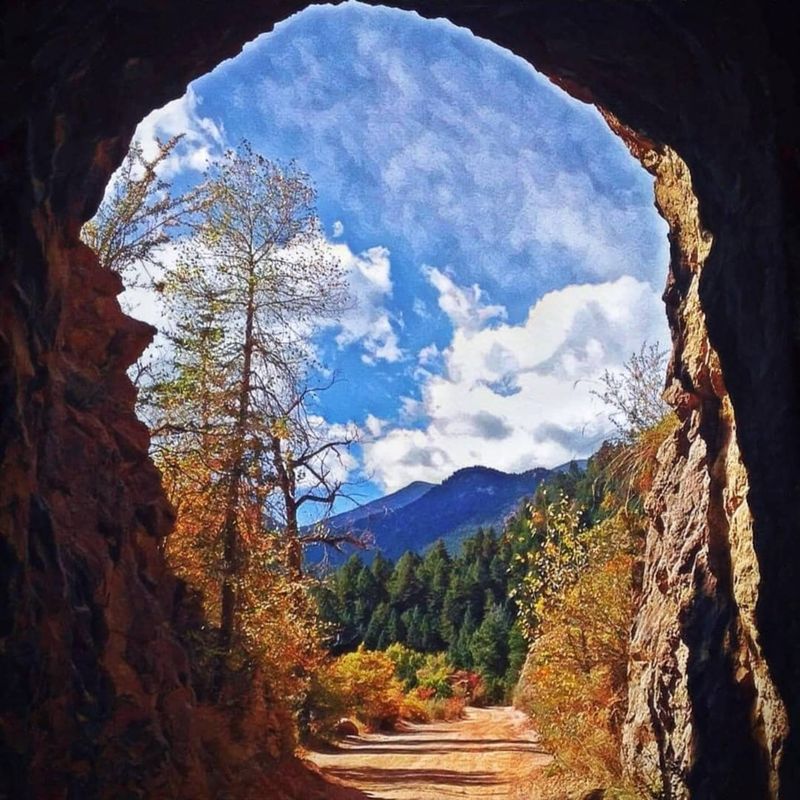
Gold Camp Road has the kind of reputation that gets passed around in local conversation again and again. Outside Colorado Springs, the road follows a former railroad grade through the mountains, cutting past old tunnels and heavily wooded stretches that grow much darker once daylight starts to fade.
Even people who come only for the scenery often leave talking about the mood. Legends tied to the road usually focus on strange noises in the tunnels, unexplained lights, and shadowy experiences that sound simple until you picture them happening in a quiet mountain corridor.
The railroad history adds another layer because old transportation routes tend to collect stories over time. When a place mixes confined tunnel spaces with forest silence, imagination does not need much help.
Anyone visiting Gold Camp Road should keep the trip practical first and spooky second. Road access can change, tunnel areas deserve extra caution, and mountain weather can shift quickly, so checking local updates matters.
A flashlight, solid shoes, and company make sense here, especially for visitors who want to stop and look around instead of just driving through with one nervous glance toward the trees.
Compared with some haunted sites that rely on a famous building or one dramatic event, Gold Camp Road spreads its tension across the whole route. One bend may seem ordinary, then a tunnel appears, then the woods close in, and the tone changes all over again.
That stop-and-start unease is a big part of why local legends stay alive. For travelers near Colorado Springs, few places combine history, rumor, and mountain darkness quite so effectively.
6. Hotel Colorado (Glenwood Springs)
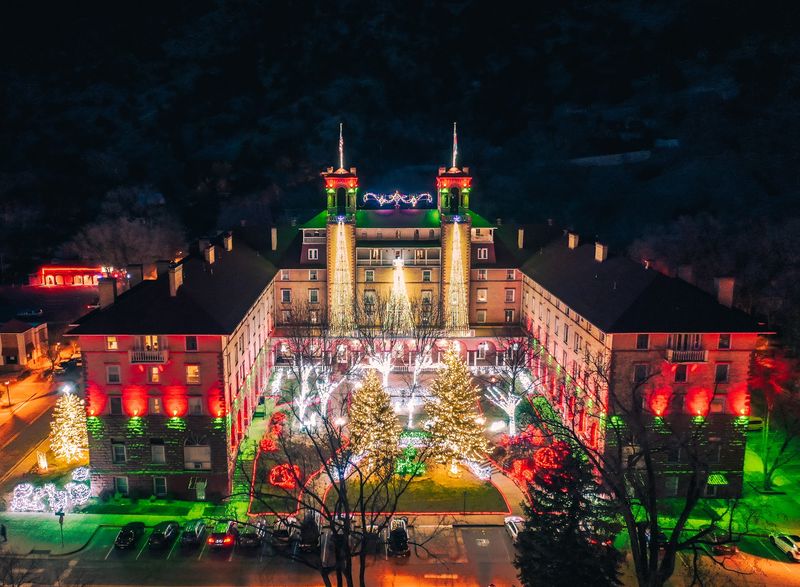
Hotel Colorado brings a more polished kind of creepiness to the list. Opened in 1893, the grand building has the scale and style of a classic historic hotel, the sort of place where every lobby corner and upstairs hallway seems ready to hold a story.
Later use as a U.S. Naval convalescent hospital during World War II adds another serious chapter to its already long history.
Guests and employees have shared reports of unexplained sounds, flickering lights, and other unusual happenings over the years. In an older hotel, a few odd moments might be easy to dismiss, yet repeated stories build a reputation that sticks.
The mix of elegant spaces and strange reports gives Hotel Colorado an edge that feels different from a rough backroad or abandoned mining area.
For visitors, the best approach is to enjoy the hotel first as a historic place and let the spooky side build naturally. Spending time in common areas, noticing old architectural details, and walking the property in the evening can be just as effective as chasing one exact ghost story.
Booking ahead is wise, and travelers who like a more relaxed experience may prefer a stay over a quick stop so they can see how the mood changes between daylight and night.
Hotel Colorado stands out because it mixes beauty, history, and unease without needing to exaggerate any one part. The setting in Glenwood Springs gives it broad appeal, but the real tension comes from how ordinary hotel comforts sit next to reports that are anything but ordinary.
Among Colorado’s better-known allegedly haunted hotels, this one offers a memorable middle ground between refined historic charm and late-night second thoughts.
7. Rochester Hotel (Durango)
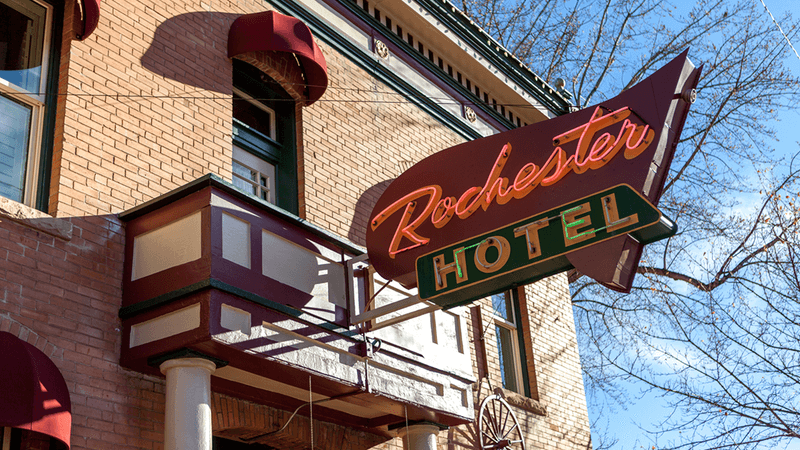
Durango already has plenty of Old West character, so the Rochester Hotel fits right in before the ghost stories even enter the picture. Dating to the 1890s, the boutique hotel blends historic charm with a downtown setting that still carries echoes of earlier Colorado days.
That older backdrop gives every unexplained story a little extra punch. Tales connected to the Rochester often mention mysterious figures and odd happenings that become part of the guest experience, at least in story form.
Smaller historic hotels can be especially effective for spooky travel because the scale feels closer and more personal than a massive resort.
One creak outside a room or one strange glimpse down a hallway can seem much more direct when the whole building feels intimate.
An overnight stay is the smart way to experience the Rochester if the goal is more than snapping a photo outside. Evening hours bring out the best in places like this, when downtown quiets down and hotel corridors start to feel more private.
Travelers who enjoy ghost lore should ask politely whether staff share any favorite stories, while also keeping expectations balanced since part of the fun is the suspense, not proving every rumor true.
The Rochester Hotel offers a playful but still creepy stop for people who want haunted history without leaving town comforts behind. Durango’s walkable downtown means there is plenty to do before settling in for the night, which makes the later mood shift more noticeable.
Rather than relying on one famous legend, the hotel builds intrigue through setting, age, and whispered local lore, and that slow-building style can be every bit as effective as a louder scare.
8. Cave of the Winds Mountain Park (Manitou Springs)
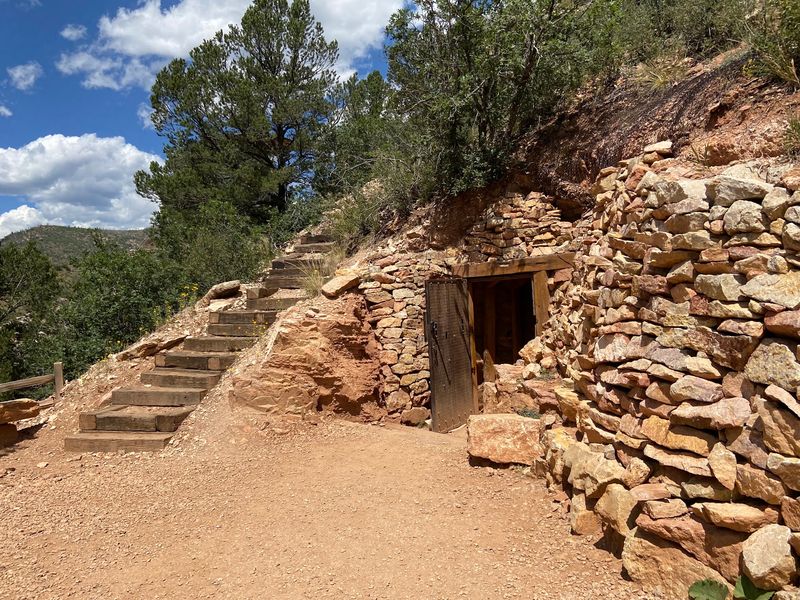
Not every creepy place needs a ghost in the room. Cave of the Winds Mountain Park gets under the skin through deep underground passages, dim lighting, twisting routes, and the kind of natural silence that suddenly turns into strange echoes.
Long before anyone adds a paranormal angle, the cave system already knows how to make visitors slow down and listen carefully.
The setting does most of the work here. Rock formations catch the light in unusual ways, footsteps bounce through tunnels, and the underground temperature adds its own chill.
Over the years, paranormal investigators have also explored the caves, which gives the site another layer of mystery for visitors who already find dark enclosed spaces unsettling.
A lantern-lit tour is often the best fit for travelers chasing the spookier side, since lower light naturally sharpens every sound and shadow. Good shoes are important because cave paths can be uneven, and anyone uneasy in tight spaces should read tour details ahead of time rather than deciding at the entrance.
Going with a group helps too, since cave nerves have a way of growing when the path bends and the daylight disappears behind solid rock.
Cave of the Winds stands apart from haunted houses and old hotels because the unease comes from nature itself. There are no polished hallways or grand staircases, just underground passages that remind visitors how strange the world can be below the surface.
For people who want Colorado chills without relying only on local legends, this spot offers a different kind of spooky experience, one shaped by darkness, sound, and the simple fact that caves can feel very mysterious on their own.
9. Molly Brown House Museum (Denver)
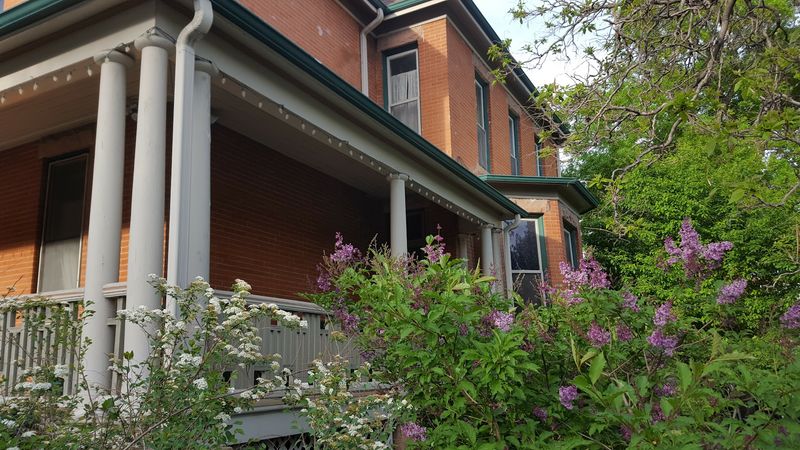
The Molly Brown House Museum brings together two things that already grab attention on their own: strong Denver history and a surprisingly spooky local reputation.
As the Victorian home of Titanic survivor Margaret “Molly” Brown, it carries real name recognition before visitors ever hear about unexplained sounds or unusual scents. That mix makes the house memorable in a very specific way.
Historic homes often feel more intimate than hotels or outdoor sites, and that closeness changes how people react to strange moments. Reports tied to this museum have included odd sights, unexplained noises, and even mysterious smells that appear without an obvious source.
In a preserved house filled with period details, every staircase, doorway, and quiet room seems ready to hold onto a little extra mystery.
Visitors who want the full experience should spend time learning about Molly Brown herself, not just the haunting stories. Knowing the home’s place in Denver history makes the visit richer and helps balance the spooky side with real context.
A guided tour can be especially helpful because staff and interpreters often connect the architecture, the family story, and the museum lore in a way that makes the whole visit more interesting than a quick walk-through.
Among Colorado’s creepy spots, this one lands differently because it is refined, urban, and rooted in a well-preserved personal space. There is no mountain road to navigate and no cave darkness to handle, yet the close quarters can make unusual reports seem even more immediate.
For travelers spending time in Denver, the Molly Brown House Museum offers a strong blend of history and unease, proving that one of the city’s most famous homes also has a side that can leave people glancing twice into the next room.