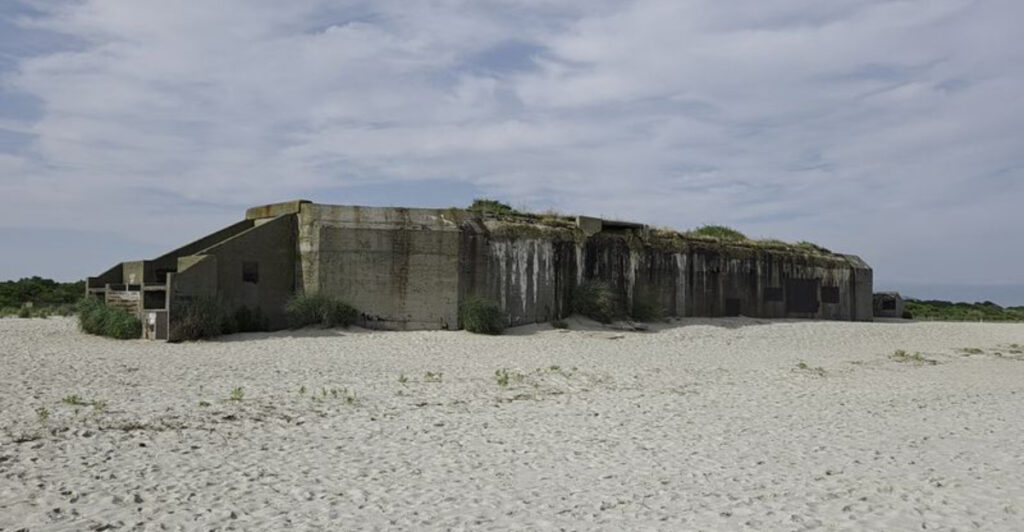
A concrete World War II bunker sits half-swallowed by sand near one of New Jersey’s prettiest lighthouses. A few hours north, tiny fairy houses peek from tree roots like someone left a door open to another world.
Elsewhere, a cranberry village still feels dusted with old Pine Barrens quiet, and a former zinc mine glows red and green under ultraviolet light. That is the fun of New Jersey: the state is small enough to cross in an afternoon, but somehow still packed with places that feel like secrets.
These are not the boardwalk stops everyone already has on their summer list. They are the odd corners, historic leftovers, quiet trails, and surprisingly magical detours that make you say, “Wait, this is here?” Here are nine incredible hidden gems in New Jersey most people still do not know exist.
1. Whitesbog Historic Village
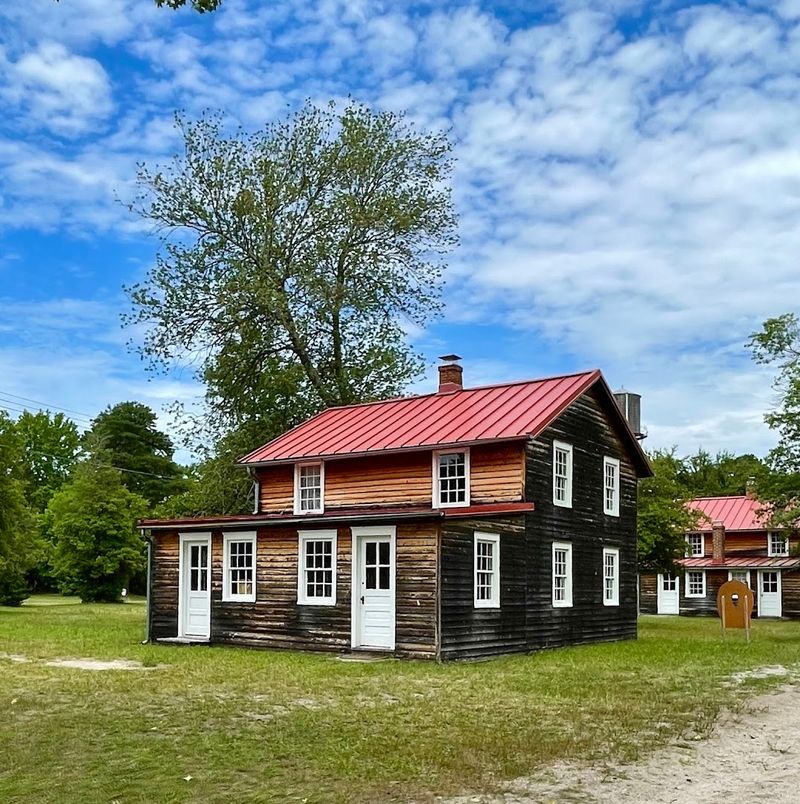
The first cultivated highbush blueberry has a hometown, and it is hiding in the Pine Barrens. Whitesbog Historic Village in Browns Mills looks quiet at first glance: sandy lanes, old farm buildings, cranberry bogs, and pine woods stretching beyond the village edges.
But this place helped change the way America eats breakfast. Elizabeth White, working with botanist Frederick Coville, helped develop the first cultivated blueberry here, and the village still carries that mix of agricultural history and Pine Barrens mystery.
What makes Whitesbog so worth visiting is that it does not feel overly polished. You are not walking through a shiny replica town with everything roped off and scrubbed clean.
You are wandering a real former company village, with weathered buildings, reservoirs, bog roads, and that soft, sandy stillness that makes the Pinelands feel a little removed from the rest of the state. Go for a slow stroll rather than a rushed checklist.
The trails and village roads are part of the charm, especially when the cranberry bogs are full of color or the pines are casting long shadows across the sand. Bring comfortable shoes, leave room for wandering, and do not be surprised if you end up wondering why more people are not talking about this place.
2. The Deserted Village of Feltville
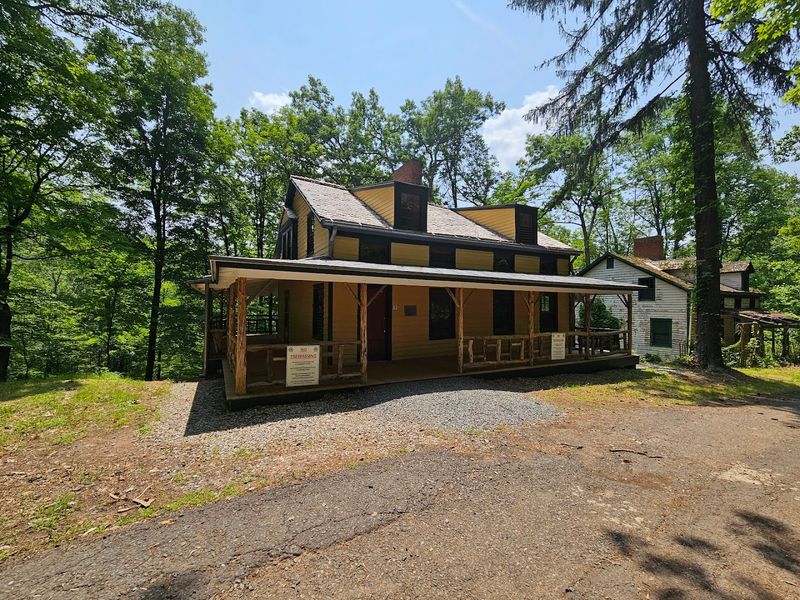
A place does not get a nickname like “The Deserted Village” by being ordinary. Hidden inside Watchung Reservation in Union County, Feltville began in the 1800s as a small factory village built around a printing business, then later reinvented itself as a summer resort before slowly fading back into the woods.
Today, that layered history is exactly what makes it so interesting. You follow paths past old houses, stone remnants, interpretive signs, and forest that seems to be calmly reclaiming the story one root at a time.
It is not spooky in a cheap haunted-house way, though the name certainly helps. It is better than that: quiet, curious, and a little eerie without trying too hard.
The self-guided walking route is easy enough for a casual visit, and it pairs nicely with a longer wander through Watchung Reservation if you want to make an afternoon of it. What you should really do here is slow down and read the signs, because the place becomes much more fascinating once you understand how many lives it has had.
Some buildings are fragile, and some are still occupied, so this is a look-and-learn stop rather than a climb-on-everything adventure. Still, for anyone who loves abandoned history, old architecture, or places that feel slightly out of time, Feltville is a New Jersey gem hiding in plain sight.
3. Double Trouble State Park
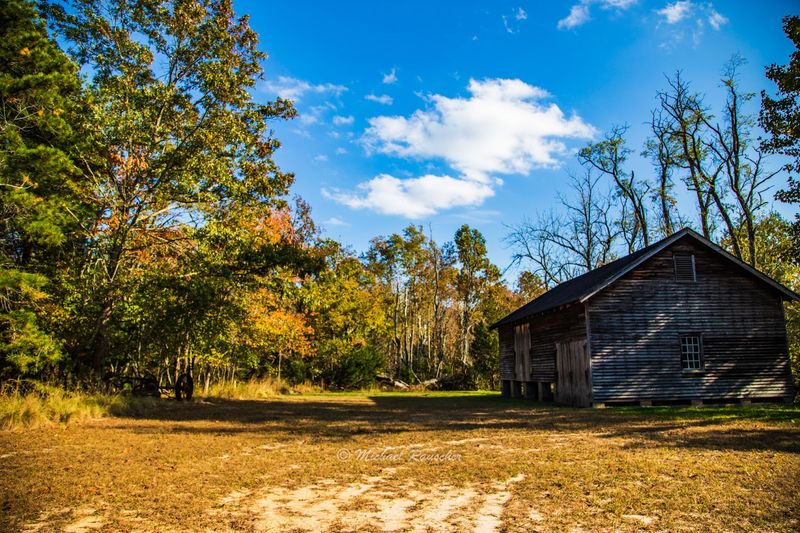
Do not let the name fool you. Double Trouble State Park sounds like it should come with a warning label, but the experience is mostly quiet trails, tea-colored water, and Pine Barrens history wrapped in a wonderfully low-key package.
Located in Ocean County, the park preserves a former company town connected to cranberry farming, lumber, and sawmill life. The restored village buildings give the place its historic backbone, while Cedar Creek and the surrounding woods add the kind of calm you do not always expect this close to the Jersey Shore.
Start with the village area, where the old sawmill and cranberry packing house help you picture the working community that once stood here. Then move toward the trails, where the landscape shifts into sandy paths, pitch pines, and water darkened by cedar roots.
This is a great spot for people who like their history mixed with a little fresh air instead of delivered entirely indoors. If you paddle, Cedar Creek can be part of the adventure, though you will want to plan ahead because this is not a show-up-and-rent-a-boat kind of place.
Double Trouble is best treated as a half-day wander: easygoing, interesting, and just unusual enough to make you feel like you found a secret exit off the usual Shore route.
4. Sterling Hill Mining Museum
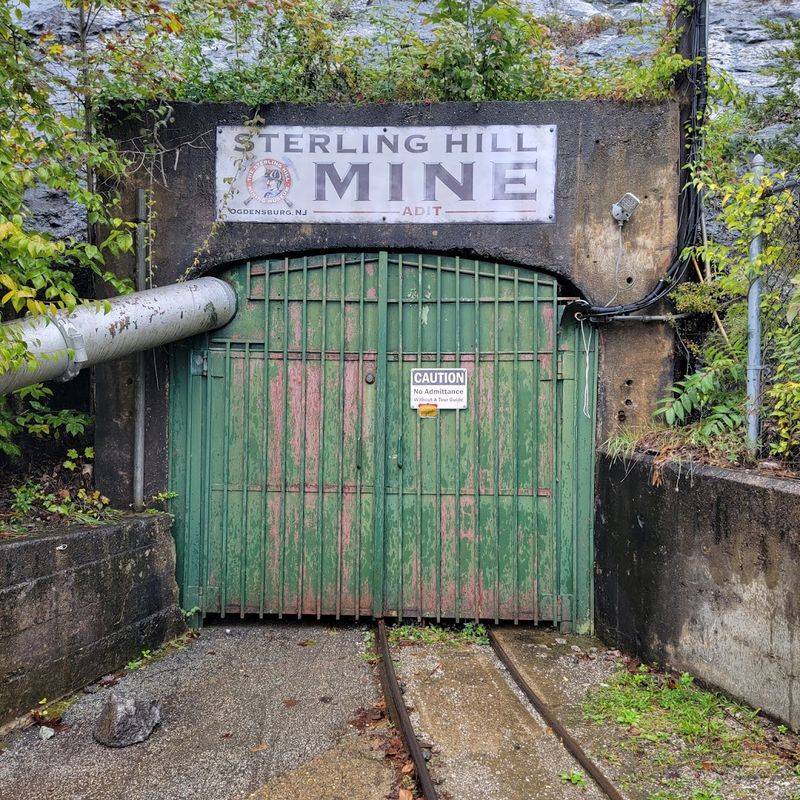
There is a moment inside Sterling Hill Mining Museum when the lights change and the mine walls suddenly glow like New Jersey has been hiding a neon cave underground. That moment alone makes the trip to Ogdensburg worth it.
The former zinc mine is now a museum, and its famous fluorescent mineral display turns geology into something genuinely dazzling. Under ultraviolet light, sections of the rock glow in vivid reds and greens, giving the underground tour a surprise that feels part science class, part magic trick.
The guided mine tour is the main event, and it is especially fun because it works for both kids and adults. You do not need to know a thing about minerals before arriving; the guides make the story of mining, labor, and local geology easy to follow without draining the fun out of it.
Bring a light jacket, because the mine stays cool even when the weather outside is warm. Also, do not rush past the museum displays before or after the tour.
Sterling Hill sits in one of the most mineral-rich areas in the country, and the exhibits make rocks feel far more dramatic than most of us remember from school. This is the kind of hidden gem that turns skeptics into fans fast.
You arrive expecting a mine, and you leave talking about glowing walls.
5. South Mountain Fairy Trail
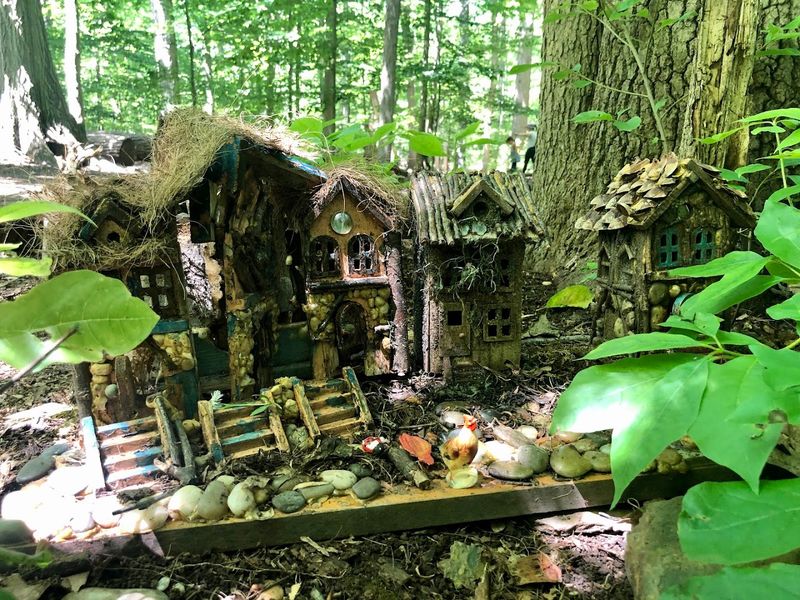
Tiny doors appear at the bases of trees, pebble paths curve toward miniature porches, and twig ladders lean against roots as if the forest has been quietly renting to very small tenants. The South Mountain Fairy Trail in Millburn is short, charming, and just whimsical enough to make even practical adults start pointing at tree trunks.
The trail is part of South Mountain Reservation, and it is an easy outing rather than a strenuous hike, which makes it especially good for families, casual walkers, and anyone who wants a little wonder without needing hiking poles and a survival plan. The fun is in the details.
Some fairy houses are tucked into hollows. Others sit low against the roots, made from natural-looking materials that blend into the woods until you suddenly notice them.
Walk slowly, because the whole point is spotting what you might otherwise miss. Kids tend to be excellent at this, though adults usually get competitive after the third or fourth discovery.
The trail can get busy on nice weekends, and parking near the Locust Grove area is not unlimited, so earlier visits are usually calmer. Visitors should look, photograph, and enjoy without moving pieces or adding their own creations.
The magic here depends on everyone treating it gently, which feels fitting for a trail built around tiny houses in the woods.
6. Great Swamp National Wildlife Refuge
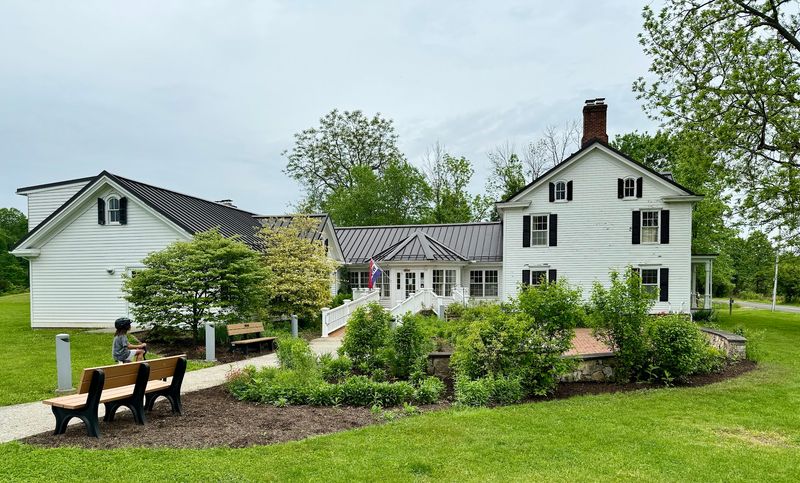
Only in New Jersey can you be within reach of highways, suburbs, and New York City energy, then suddenly find yourself listening to frogs, reeds, and wings. Great Swamp National Wildlife Refuge in Morris County is one of the state’s best quiet escapes, a broad wetland landscape of boardwalks, observation areas, woods, and marshes that feels much farther away than it actually is.
This is not a place you visit to rush from landmark to landmark. It is a place to slow your pace and let the details come to you. Herons stalk through shallow water. Turtles stack themselves on logs.
Birds move through the grasses with quick flashes of color and sound. If you have binoculars, bring them.
If you do not, bring patience, because that works surprisingly well too. The Wildlife Observation Center is a favorite starting point, with boardwalks and viewing areas that make the swamp easy to experience without needing to bushwhack through mud.
The visitor center is also useful if you want context before heading out. Great Swamp is especially rewarding in migration seasons, but it has a different personality throughout the year: green and buzzing in summer, golden and crisp in fall, stark and quiet in winter.
It is a hidden gem because it reminds you that wild New Jersey is not always remote. Sometimes it is just one turn off the busy road.
7. Jenny Jump State Forest & UACNJ Observatory
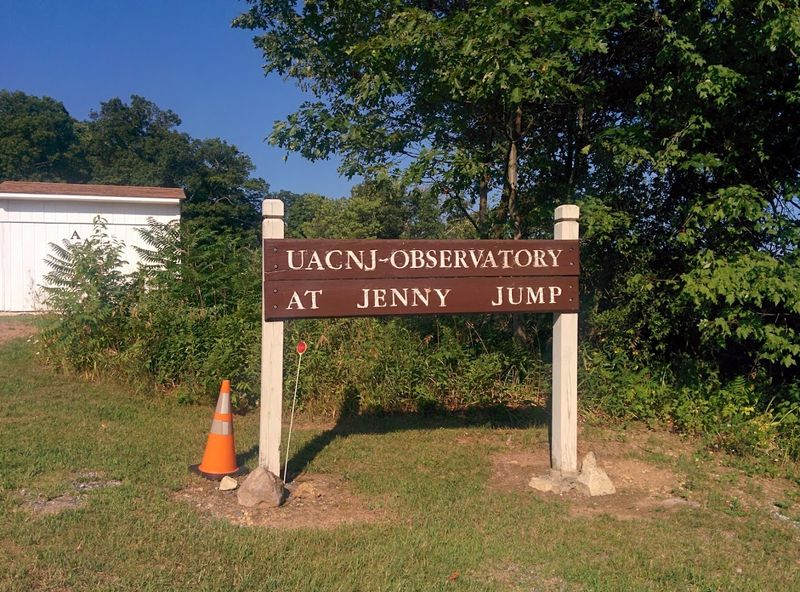
By day, Jenny Jump State Forest gives you rocky trails, shaded picnic spots, and views that stretch toward the Delaware Water Gap and Great Meadows. By night, it offers something even better: a chance to look up from one of New Jersey’s more rewarding stargazing spots and remember that the sky has been showing off this whole time.
Located in Warren County, the forest already earns its place on this list with its ridgelines, wooded paths, and quieter-than-expected feel. But the observatory run by the United Astronomy Clubs of New Jersey gives it an extra layer of wonder.
When public programs are offered, visitors can look through telescopes and learn about what is overhead, assuming the weather cooperates. That weather-dependent part is part of the charm, honestly.
Stargazing always involves a little patience and a little bargaining with the clouds. During the day, keep the visit simple: hike, picnic, watch for birds, and enjoy a part of the state that feels more rugged than many people expect from New Jersey.
Then, if there is an evening astronomy program, stay for the sky. Jenny Jump is especially great because it changes personality after sunset.
Most parks get quieter at night; this one gets bigger. It is a reminder that a hidden gem does not always have to be underground, abandoned, or tucked behind trees.
Sometimes it is directly overhead.
8. Cape May Point WWII Bunker
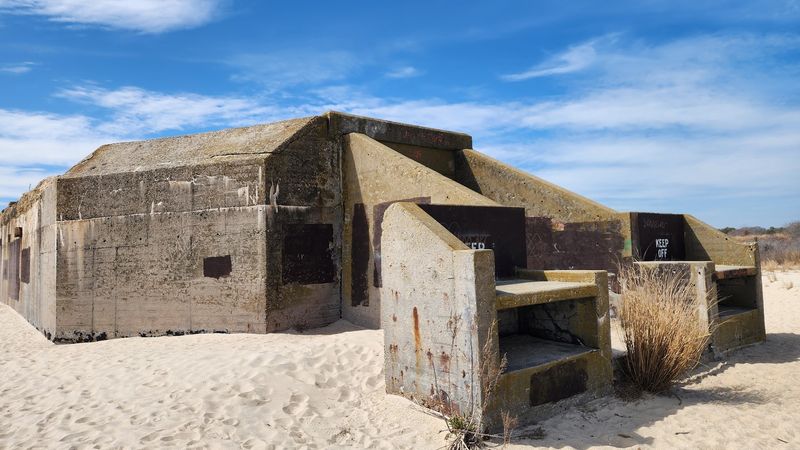
At Cape May Point, the beach has a concrete mystery sitting in the sand. The World War II bunker near Cape May Point State Park once stood farther from the ocean, but shifting shoreline has left it looking stranded near the water, heavy and blunt against one of the prettiest coastal backdrops in New Jersey.
That contrast is what makes it so memorable. Nearby, you have dunes, waves, seabirds, and the Cape May Lighthouse looking crisp and postcard-ready.
Then there is the bunker: weathered, sealed, and stubbornly unromantic. It is not cute. It is not polished. It is not trying to match the scenery.
And that is exactly why it works. The structure adds a jolt of wartime history to a beach walk that might otherwise be all softness and sea breeze.
You cannot go inside, and you should not treat it like a playground, but seeing it up close gives the area a different weight. Pair it with a visit to Cape May Point State Park for the best experience.
Walk the beach, stop by the lighthouse, scan the water and dunes for birds, and let the bunker be the strange historical punctuation mark in the middle of it all. It is especially striking near sunset, when the concrete darkens and the whole scene feels like New Jersey is telling two stories at once.
9. Ken Lockwood Gorge
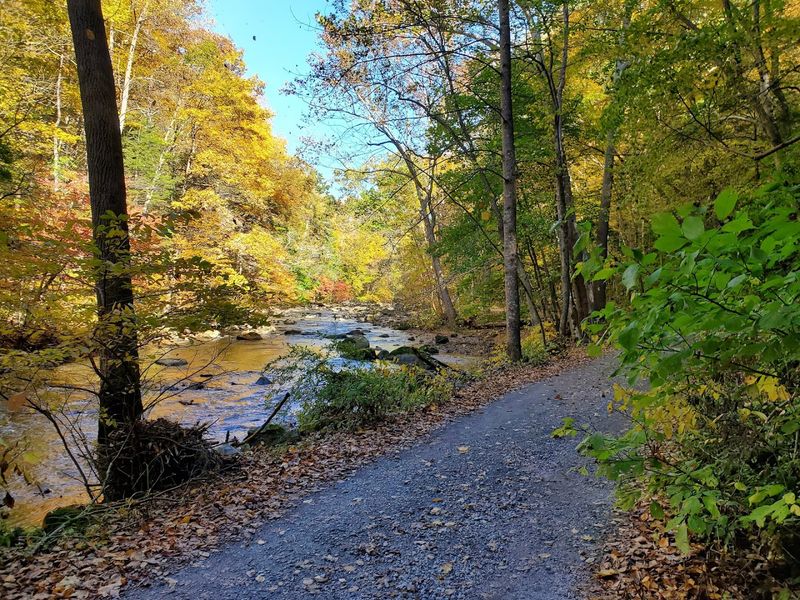
The South Branch of the Raritan River does not politely pass through Ken Lockwood Gorge. It rushes, bends, flashes over rocks, and squeezes between steep wooded slopes in one of Hunterdon County’s most beautiful natural pockets.
Anglers have known about this place for a long time, especially because the gorge is a prized trout spot, but you do not need a fishing rod to understand why it belongs on a hidden-gems list. A walk here gives you rushing water, mossy stones, old bridge views, and enough quiet to make checking your phone feel like bad manners.
The Columbia Trail passes through the gorge, which makes it easy to turn a quick scenic stop into a longer walk or bike ride. Go after a stretch of rain if you want the river at its most dramatic, in fall if you want color in the trees, or on a cold clear day when the water looks sharp and steel-blue.
Parking can be limited, and the road through the gorge is narrow, so patience is part of the visit. That actually helps preserve the mood.
Ken Lockwood Gorge is not flashy in the way a big overlook or famous waterfall can be. It is better than flashy.
It feels earned, tucked away, and quietly spectacular in a way that makes you want to keep your voice down while you are there.
Share this story