Texas has always been a place where food tells a story. From barbecue joints that have been smoking meat for generations to Tex-Mex spots that invented dishes we now consider classics, the Lone Star State is home to restaurants that have earned their legendary status. These aren’t just places to grab a meal, they’re living pieces of Texas history where the recipes, atmosphere, and traditions have stood the test of time.
1. Scholz Garten (Austin)
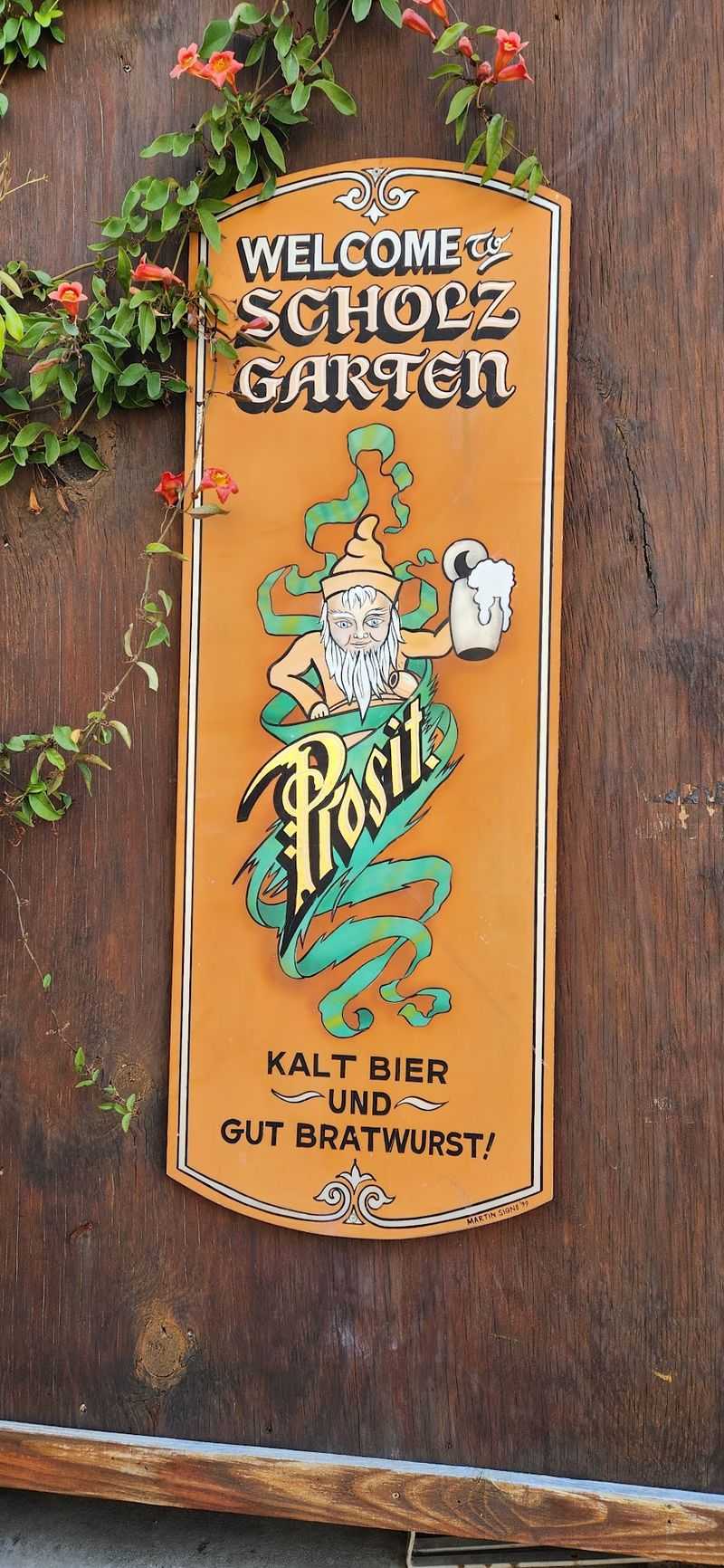
Walk into Scholz Garten and you’re stepping into a piece of Austin that predates the Civil War. Opened in 1866, this German beer garden holds the title of the oldest operating business in Texas, and it wears that badge with pride. The place started as a gathering spot for German immigrants and quickly became the watering hole where politicians, musicians, and everyday folks rubbed elbows over cold beer and hearty food.
The menu keeps things simple but satisfying. You’ll find classic German fare like bratwurst, schnitzel, and potato salad alongside Texas favorites like chicken fried steak. The portions are generous, the prices are fair, and nothing tastes like it’s trying too hard.
On game days, the place transforms into a sea of burnt orange as Longhorn fans pack the outdoor biergarten, making it one of the liveliest spots in town.
What really sets this place apart is the atmosphere. Massive oak trees provide shade over picnic tables where strangers become friends over pitchers of beer. The walls inside are covered with vintage photos and political memorabilia that tell the story of Austin’s evolution.
Live music happens regularly, keeping with Austin’s reputation as the Live Music Capital.
The outdoor space feels like a neighborhood backyard party that never ends. Families bring kids who run around while parents relax with a cold Shiner Bock. Dogs are welcome, adding to the laid-back vibe.
Whether you’re a history buff, a beer enthusiast, or just someone looking for authentic Austin charm, Scholz Garten delivers an experience that modern restaurants can’t replicate. It’s proof that sometimes the best spots are the ones that refuse to change with every trend.
2. Gaido’s Seafood Restaurant (Galveston)
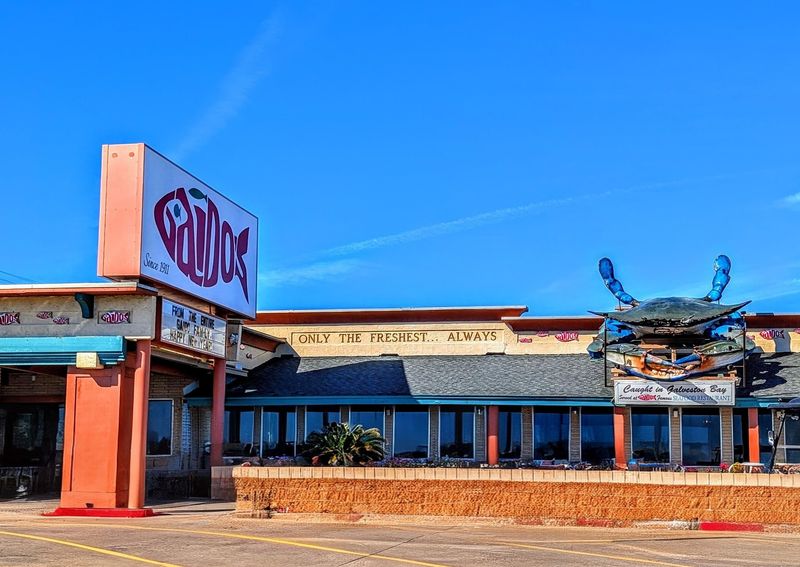
Since 1911, Gaido’s has been serving up Gulf seafood with a side of island hospitality. The restaurant sits right on the Galveston seawall, where four generations of the Gaido family have perfected the art of turning fresh catch into unforgettable meals. The building itself, with its distinctive neon sign, has become as much a Galveston landmark as the beach itself.
The seafood here comes straight from local boats, and you can taste the difference. Their signature dish, Snapper Gaido, features fresh Gulf red snapper topped with lump crabmeat and a rich sauce that’s been a family secret for decades. The gumbo is dark, thick, and packed with shrimp and crab.
Fried shrimp arrives hot and crispy with a light coating that doesn’t overwhelm the sweet meat inside.
The dining room feels like stepping back to the golden age of coastal dining. White tablecloths, attentive servers in uniform, and windows overlooking the Gulf create an atmosphere that’s fancy enough for celebrations but welcoming enough for families in vacation mode. The walls display photos documenting the restaurant’s journey through hurricanes, economic shifts, and changing tastes.
What makes Gaido’s special isn’t just the food or the history. It’s the way they’ve maintained quality and service standards while other old restaurants have cut corners. The waitstaff includes people who’ve worked there for thirty years, and they remember regular customers’ favorite tables and usual orders.
On weekends, there’s often a wait, but watching the sunset over the Gulf from the dining room makes it worthwhile. This is the kind of place where marriage proposals happen, where families celebrate graduations, and where visitors get a true taste of Galveston’s culinary heritage.
3. Joe T. Garcia’s (Fort Worth)
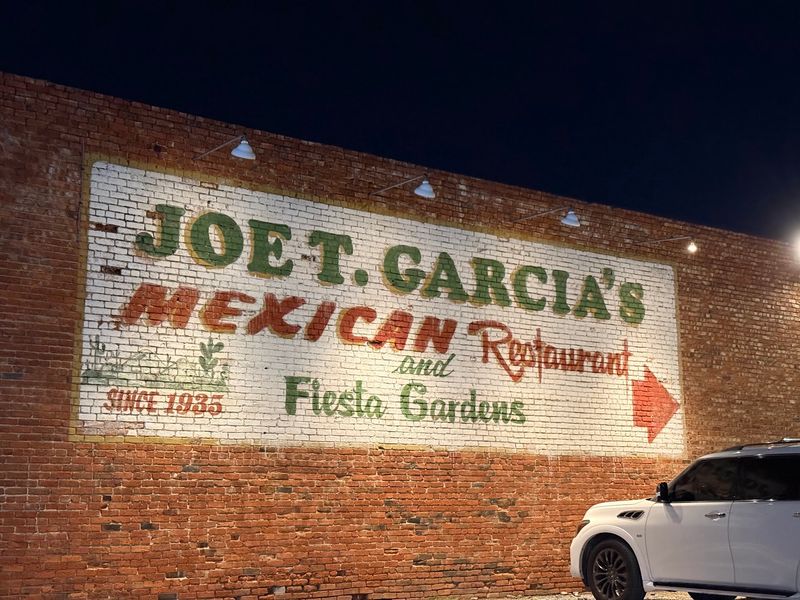
Hidden in Fort Worth’s Northside neighborhood, Joe T. Garcia’s sprawls across an entire city block like a Mexican village transplanted to Texas. The restaurant started in 1935 when Joe T. and his wife Jessie began serving food from their home.
What began as a modest six-table operation has grown into a Fort Worth institution that can seat over a thousand people, yet somehow still feels intimate and authentic.
The menu is famously simple. You get two choices: the family-style dinner with enchiladas, tacos, rice, beans, and guacamole, or the fajitas. That’s it.
No substitutions, no complicated options, just food that’s been perfected over nearly a century. The flour tortillas are made fresh throughout the day, arriving at your table warm and soft. The salsa has the right balance of heat and flavor, and the margaritas are strong enough to make you forget you’re in Texas, not Mexico.
But the real magic happens in the outdoor patio area. Surrounded by gardens with fountains, flowering plants, and towering trees, dining here feels like discovering a secret courtyard. String lights create a magical atmosphere after sunset.
The sound of water trickling from fountains mixes with conversations in English and Spanish, creating a soundtrack that’s purely Texan.
On weekends, the wait can stretch to two hours, but regulars know the bar area serves the same food with shorter waits. Cash only adds to the old-school charm, though there’s an ATM on site. Families pack the place for Sunday lunch, couples claim tables for date nights, and tourists stumble upon it and feel like they’ve discovered something special.
Joe T.’s proves that sometimes limiting choices and sticking to what you do best is the smartest business decision possible.
4. The Big Texan Steak Ranch (Amarillo)
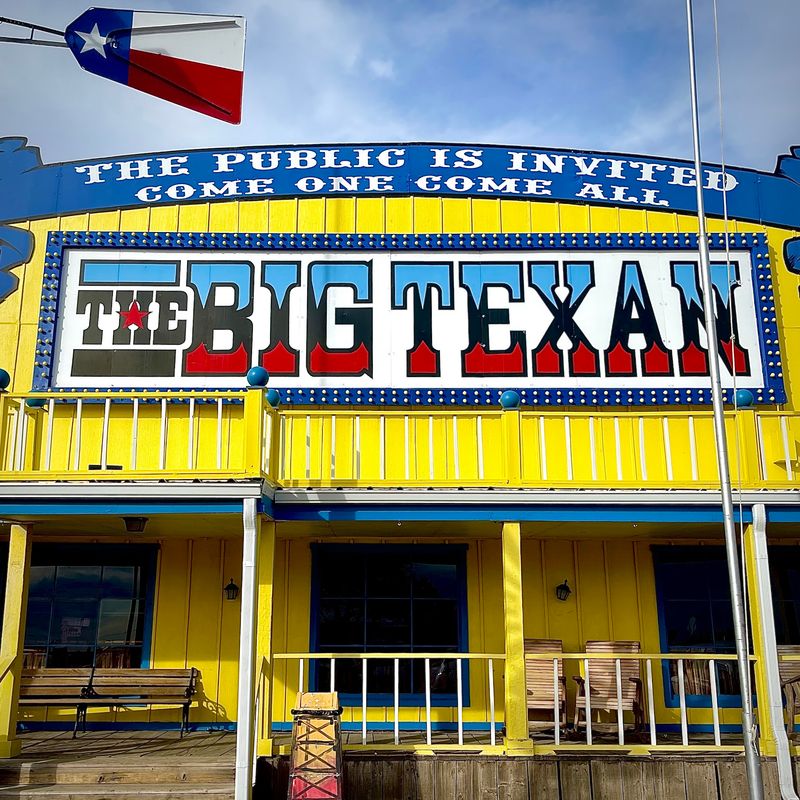
The Big Texan doesn’t just serve steaks, it serves spectacle. Since 1960, this Amarillo landmark has been challenging brave souls to devour a 72-ounce steak with all the fixings in under an hour. Finish it, and the meal is free.
Fail, and you pay around seventy dollars plus the cost of your dignity. The challenge happens on a raised platform where everyone in the restaurant can watch, turning dinner into dinner theater.
But even if you’re not attempting culinary suicide, The Big Texan delivers an experience that’s pure Texas excess. The building looks like a Western movie set come to life, complete with a giant cowboy statue out front. Inside, mounted animal heads watch over diners from every wall, and the decor screams Route 66 roadhouse.
The gift shop sells everything from cowboy boots to hot sauce, and there’s even a motel attached if the food puts you in a meat coma.
The regular menu offers steaks in more reasonable sizes, all hand-cut and cooked over an open flame. The ribeyes are marbled and flavorful, the sirloins are tender, and everything comes with Texas toast and your choice of sides. They also serve rattlesnake, quail, and other game meats for adventurous eaters.
The portions are massive because this is Texas and moderation is for other states.
What started as a small steakhouse has become a tourist destination that draws visitors from around the world. People come for the challenge, stay for the kitsch, and leave with full stomachs and great stories. The staff has seen it all, from competitive eaters who make the challenge look easy to overconfident teenagers who tap out after twenty minutes.
It’s touristy, it’s over-the-top, and it’s unapologetically Texan in every way possible.
5. Louie Mueller Barbecue (Taylor)
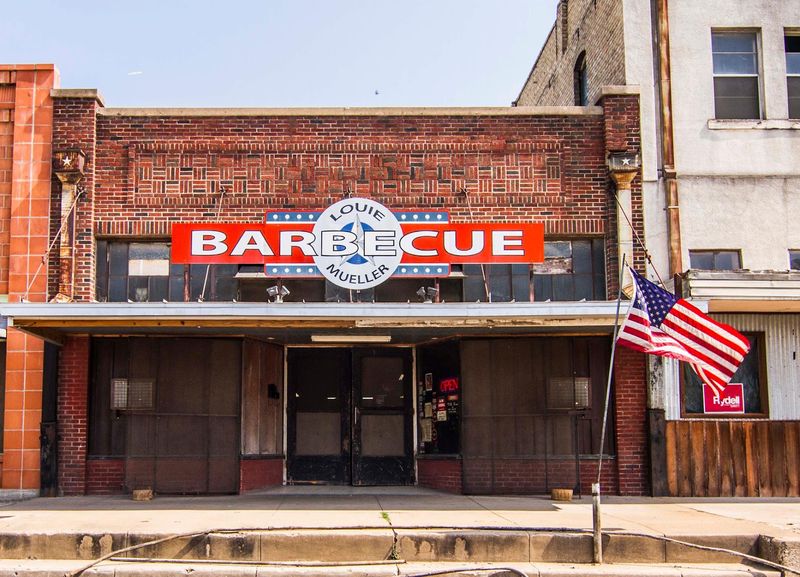
The moment you walk into Louie Mueller Barbecue, you know you’re somewhere special. The walls and ceiling are stained black from decades of smoke, the concrete floors are worn smooth from generations of hungry customers, and the smell of oak-smoked meat hits you like a delicious punch to the face. This place has been smoking meat since 1949, and every surface tells that story.
The brisket here is what barbecue dreams are made of. Each slice reveals a perfect smoke ring and bark that’s dark and crusty while the interior stays moist and tender. The fat renders down during the long smoking process, creating meat that practically melts on your tongue.
The ribs have a nice pull without falling off the bone, and the sausage snaps when you bite into it, releasing a burst of spicy, smoky flavor.
Order at the counter where pit masters slice meat in front of you, weighing it on old-school scales before wrapping it in pink butcher paper. The sides are simple, white bread, pickles, onions, and jalapeños because anything fancier would distract from the main event. Sauce is available but not necessary when the meat is this good.
True barbecue lovers eat it naked to appreciate the smoke and seasoning.
The building itself is a former gymnasium with high ceilings and minimal decoration. Communal tables encourage strangers to become friends over shared meals. On weekends, lines form early and meat sells out by afternoon, so smart visitors arrive before noon.
The James Beard Foundation recognized Louie Mueller with an America’s Classic award, cementing its place in barbecue royalty. This isn’t fancy dining, it’s honest food made by people who’ve dedicated their lives to perfecting their craft, and you can taste that dedication in every bite.
6. Campisi’s – The Egyptian (Dallas)
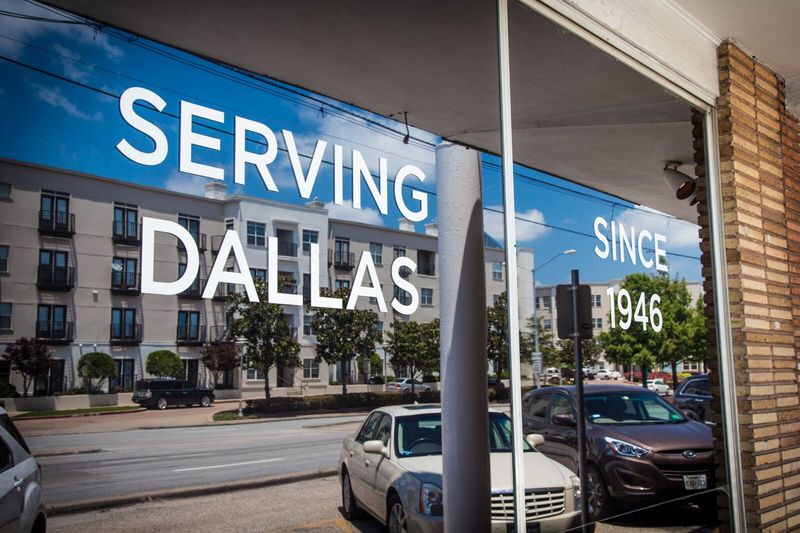
In 1946, when Joe Campisi opened his restaurant on Mockingbird Lane, he created something uniquely Dallas. The Egyptian theme came from his fascination with ancient history, resulting in a restaurant where Italian food meets pharaoh decor. Hieroglyphics share wall space with photos of Frank Sinatra, and the whole place feels like a time capsule from when the Rat Pack ruled and everyone dressed up for dinner.
The pizza is what built the legend. Thin crust, slightly charred on the bottom, topped with a tangy sauce and generous amounts of cheese and toppings. The recipe hasn’t changed in over seventy years because when something works this well, you don’t mess with it.
Their specialty pizza, loaded with Italian sausage, pepperoni, mushrooms, and bell peppers, arrives at your table bubbling hot with cheese that stretches when you pull a slice.
Beyond pizza, the menu covers Italian-American classics done right. The lasagna is layered thick with meat sauce and ricotta. The chicken parmesan is pounded thin, breaded perfectly, and covered in marinara and melted mozzarella.
The pasta dishes use recipes passed down through the Campisi family, and you can taste the authenticity in every bite. Portions are generous without being wasteful.
The restaurant’s history includes some colorful characters. Jack Ruby was a regular customer, and the walls display newspaper clippings and photos documenting the restaurant’s role in Dallas history. The atmosphere is old-school Italian-American, with red vinyl booths, dim lighting, and a bar where regulars gather.
Service is efficient and friendly, with waitresses who’ve been there long enough to remember when Mockingbird Lane was the edge of town. Campisi’s proves that staying true to your roots and serving consistent quality never goes out of style, even when food trends come and go around you.
7. Kreuz Market (Lockhart)
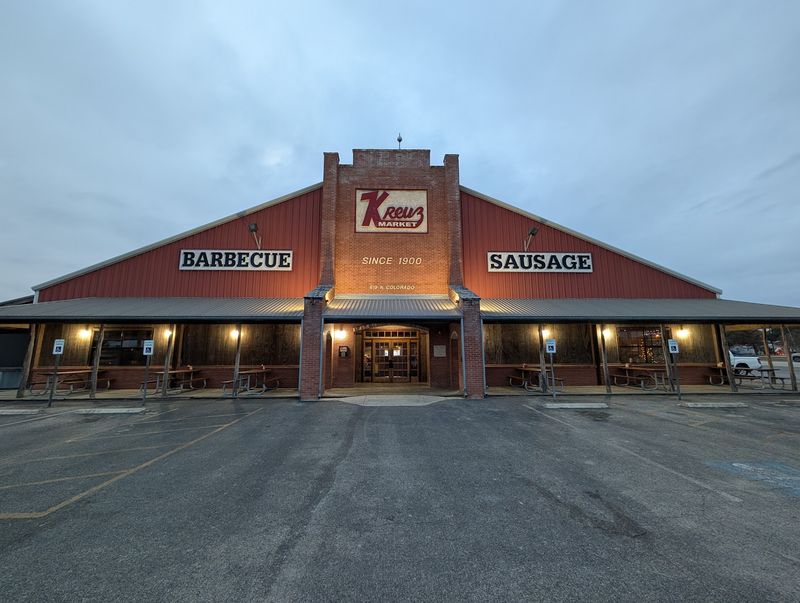
Barbecue purists make pilgrimages to Kreuz Market the way wine lovers visit French vineyards. Since 1900, this Lockhart institution has been smoking meat over post oak, creating barbecue that defines Central Texas style. The current building, opened in 1999, was designed specifically for smoking massive quantities of meat, with giant brick pits that burn twenty-four hours a day producing the smoke that gives Kreuz its legendary reputation.
The rules here are non-negotiable and part of the charm. No forks, no barbecue sauce, no side dishes beyond crackers, cheese, and bread. You order meat by the pound, they wrap it in butcher paper, and you eat it with your hands at long communal tables.
The brisket has a thick black bark and a smoke ring that goes deep into the meat. The pork chops are massive, juicy, and smoky. The sausage is made in-house using a recipe that’s over a century old.
When you walk through the doors, you’re immediately hit with the smell of smoke and meat. The ordering process is straightforward: approach the pit, tell the pit master what you want, watch them slice it fresh, pay by the pound, then find a seat. The meat speaks for itself, seasoned simply with salt and pepper, letting the quality of the beef and the smoke from the post oak do the talking.
The building is massive but fills up quickly, especially on weekends when barbecue pilgrims descend on Lockhart from Austin and beyond. The atmosphere is no-frills, focusing entirely on the meat. Kreuz doesn’t need gimmicks or fancy sides because their barbecue is that good.
They’ve won countless awards and appeared in every major barbecue publication, but the real testament is the line of customers that forms daily, many of whom drove hours just to eat here.
8. The Original Ninfa’s on Navigation (Houston)
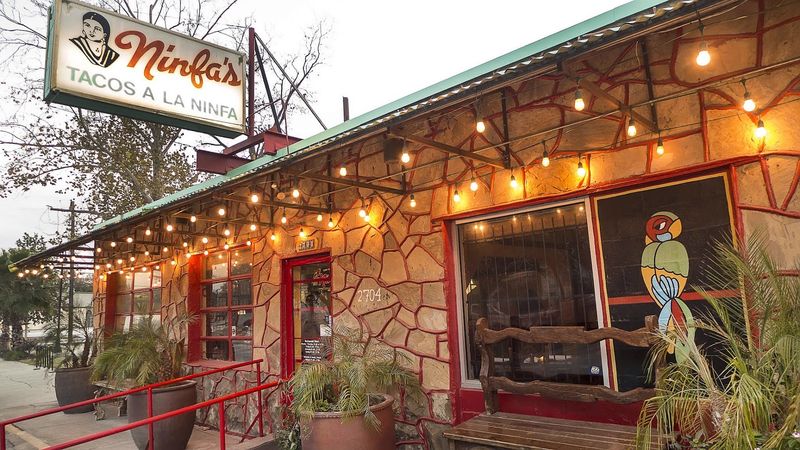
Mama Ninfa Laurenzo changed Tex-Mex forever when she opened her restaurant on Navigation Boulevard in 1973. She’s credited with inventing fajitas as we know them today, taking cheap skirt steak, grilling it over mesquite, and serving it sizzling on a cast-iron platter with fresh tortillas. What started as a ten-table restaurant in Houston’s East End became the blueprint for Tex-Mex restaurants across the country.
The tacos al carbon here are still made using Mama Ninfa’s original recipe. Mesquite-grilled beef or chicken arrives with flour tortillas so fresh they’re still warm from the griddle. The green sauce, a tangy tomatillo-based salsa, is addictive enough that people buy it by the jar to take home.
The tortilla soup is rich and flavorful, topped with crispy tortilla strips, avocado, and cheese. Every dish tastes like someone’s grandmother made it, because essentially, that’s exactly what happened.
The atmosphere feels authentically neighborhood Mexican restaurant. Colorful murals brighten the walls, mariachi music plays in the background, and the staff treats regulars like family. The bar makes margaritas that are perfectly balanced between tart and sweet, strong enough to feel festive without knocking you sideways.
On weekends, the place buzzes with families celebrating birthdays, couples on date nights, and tourists who’ve heard about the legendary fajitas.
While the Ninfa’s chain expanded to multiple locations, this original spot maintains a special energy. The building sits in a neighborhood where Spanish is heard as often as English, and the food reflects that authentic Mexican-American culture. Mama Ninfa passed away in 2001, but her legacy lives on in every sizzling platter of fajitas served.
This is where Tex-Mex as a cuisine came into its own, and eating here connects you to that important piece of Texas culinary history.
9. Blue Bonnet Cafe (Marble Falls)
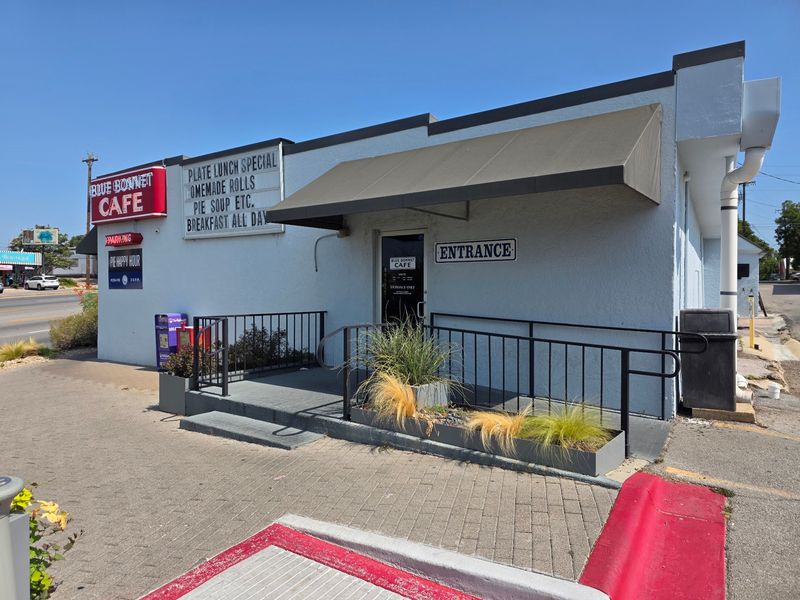
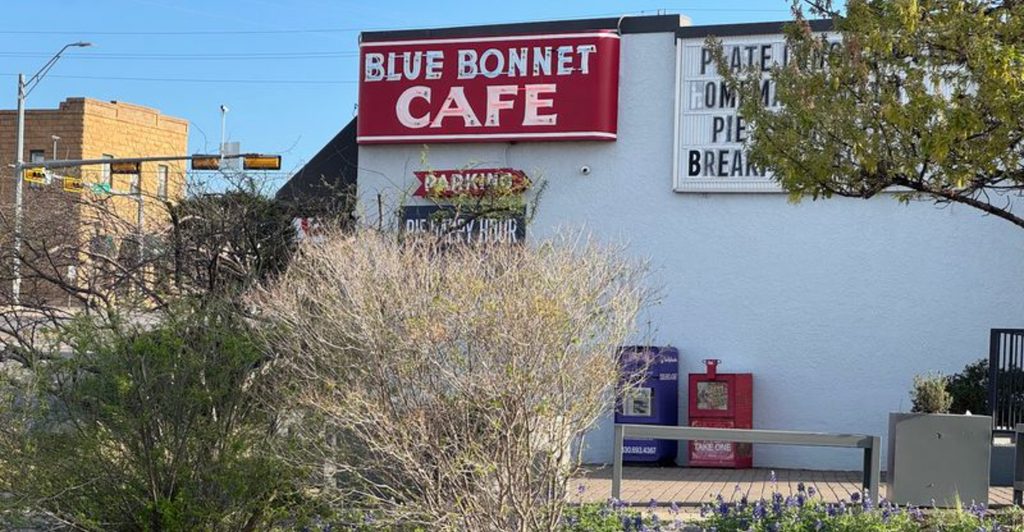
Some mornings you wake up craving pie for breakfast, and Blue Bonnet Cafe understands that completely. This Marble Falls institution has been serving homestyle cooking since 1929, and their pie case is the first thing you see when you walk in. With over fifteen varieties daily, from classic pecan to creative seasonal flavors, the pies alone are worth the drive from Austin or San Antonio.
But breakfast is where Blue Bonnet really shines. The chicken fried steak is massive, covering the entire plate, breaded perfectly and smothered in cream gravy. The biscuits are fluffy and buttery, ideal for soaking up that gravy or spreading with homemade jam.
The pancakes are thick and golden, the bacon is crispy, and the hash browns are properly seasoned and crispy on the edges. Portions are Texas-sized, meaning you’ll probably need a to-go box.
The lunch menu covers all the comfort food bases. Chicken and dumplings, meatloaf, pot roast, and fried catfish rotate through the daily specials. The vegetables are cooked Southern-style, meaning they’re not exactly health food but they taste amazing.
The cornbread is slightly sweet and crumbles perfectly. Everything tastes like food your grandmother would make if your grandmother was an exceptionally talented cook.
The restaurant itself is exactly what a small-town Texas cafe should be. Vinyl booths, counter seating with swivel stools, and walls covered with photos and local memorabilia create an atmosphere that’s welcoming and unpretentious. The waitresses are efficient and friendly, keeping coffee cups filled and offering pie recommendations.
Locals gather here for morning coffee and gossip, and road trippers stop in based on recommendations from friends. Blue Bonnet has survived nearly a century by doing simple things exceptionally well and never forgetting that good food and friendly service never go out of style.
Share this story