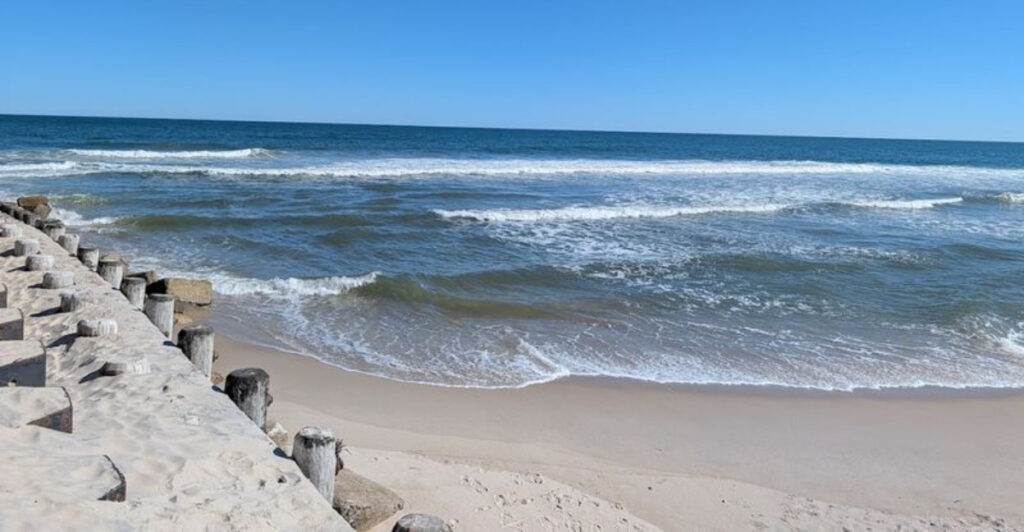
On a summer Saturday, the boardwalk can sound like a carnival before you have even unfolded your chair. A few miles away, though, the soundtrack changes completely: gulls overhead, wind moving through beach grass, and waves arriving without competition from arcade bells.
New Jersey still has stretches of shoreline where dunes matter more than souvenir shops and finding a quiet patch of sand does not require tactical planning. Some are wild Atlantic beaches; others face calmer bays, inlets, or tidal coves.
A few are best for swimming, while several reward beach walkers, anglers, birders, paddlers, and anyone happy to leave the cooler in the car and simply explore. That distinction matters, because “beach day” means something different at each stop.
What unites these nine places is space, scenery, and a refreshing lack of Shore spectacle. Bring water, respect posted wildlife closures, and prepare to meet a quieter side of the coast.
1. Island Beach State Park – Seaside Park
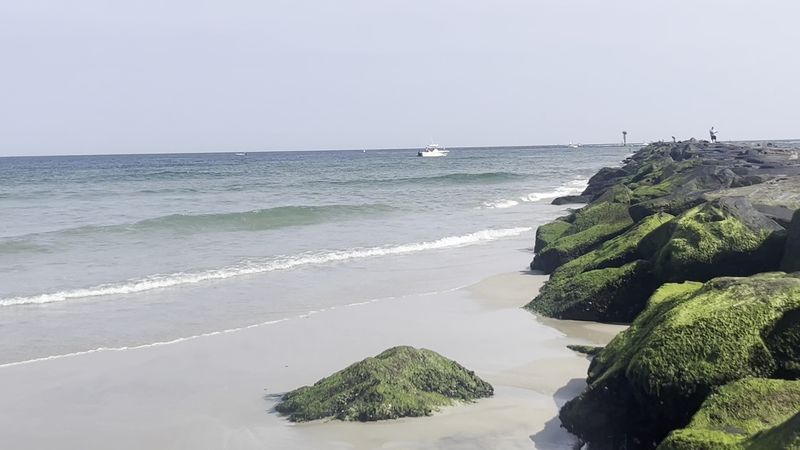
The road narrows, the houses disappear, and suddenly there is nothing beside you but sand, bay, scrub, and sky. That transition is the magic trick at Island Beach State Park, a nearly 10-mile barrier island where the developed Shore feels much farther away than it really is.
The park’s main swimming areas offer the familiar beach-day comforts—lifeguards in season, bathhouses, showers, concessions, and convenient parking—but the setting remains wonderfully unpolished.
Walk beyond the busiest access points and the landscape quickly becomes all dunes, beach heather, maritime forest, and long sweeps of open Atlantic shoreline.
Surf anglers come for striped bass and bluefish, birders watch ospreys and migrating shorebirds, and casual visitors can split the day between ocean sand and short nature trails. The Fisherman’s Walkway at Area 7 is especially useful for seeing both the ocean and Barnegat Bay without committing to a serious hike.
A seasonal vehicle entrance fee applies, and the park can close when it reaches capacity, so an early arrival is smart on hot weekends. Swimming is limited to designated guarded areas, which leaves the rest of the coastline feeling strikingly untamed.
This is not a secret in the literal sense, but it is one of the rare New Jersey beaches large enough to make crowds seem irrelevant.
2. Corson’s Inlet State Park – Ocean City
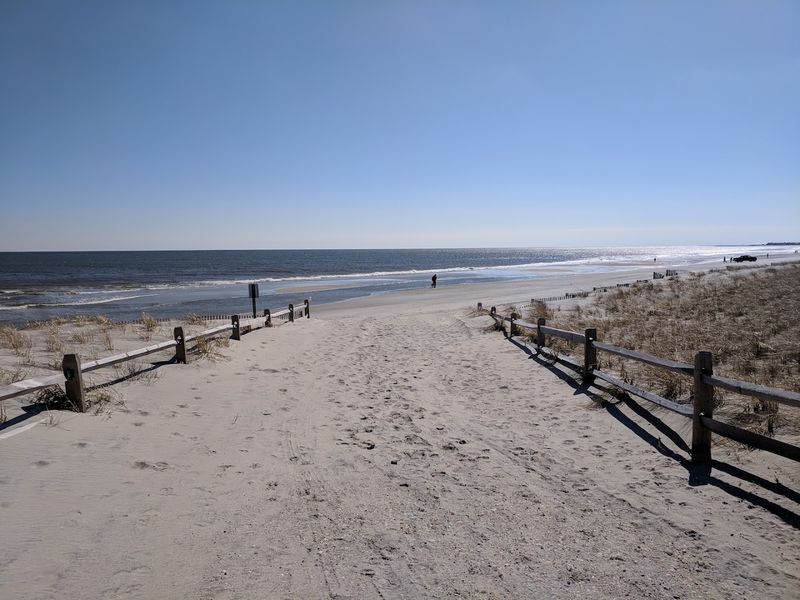
At the southern edge of Ocean City, pavement gives way to drifting sand and a shoreline that refuses to behave like a resort beach.
Corson’s Inlet was preserved as one of the state’s remaining undeveloped oceanfront tracts, and its mix of dunes, tidal flats, estuary, and shifting inlet water makes it feel active even when hardly anyone is around.
This is the place for a long barefoot walk, a quiet afternoon of surf fishing, or a slow scan of the sandbars for herons, oystercatchers, and other shorebirds.
Boaters and paddlers use the inlet, anglers work the changing channels, and beachcombers find the kind of shells and wind-smoothed debris that disappear quickly from heavily groomed beaches.
The important catch is that swimming is not permitted. Currents around an inlet can be unpredictable, so treat this as an exploring and sunbathing beach rather than a place to cool off in the surf.
Dogs are also prohibited from April 1 through September 15 to protect nesting wildlife. Parking is limited enough to naturally control the crowd, and marked nesting areas may shift during the season.
Respect every rope and sign; the birds are part of what keeps this place wild. Come near low tide for more walking room, bring binoculars, and enjoy an Ocean City beach day with no boardwalk soundtrack at all.
3. Higbee Beach Wildlife Management Area – Cape May
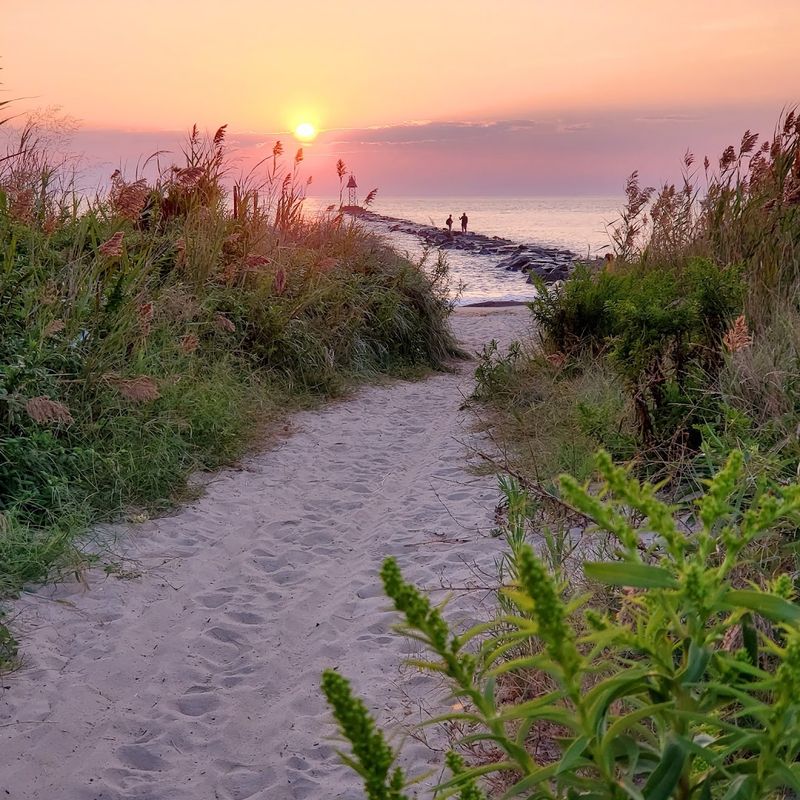
A sandy path through woods and scrub opens onto Delaware Bay, where the water feels broader, quieter, and more mysterious than the Atlantic just around Cape May’s bend. Higbee Beach is not a polished municipal strand; it is a wildlife management area built around habitat, migration, and open space.
The shoreline is narrow in places and changes with storms and tides, but that only adds to its edge-of-the-map character. Fall is the headline season, when Cape May’s famous bird migration brings waves of songbirds, raptors, and other travelers through the peninsula.
Monarchs, dragonflies, and butterflies can make warm-weather walks just as rewarding. Beachcombing is excellent, especially for visitors who enjoy searching for rounded quartz “Cape May diamonds,” while the inland trails lead through fields, forest, dune, and scrub.
In 2026, planning requires extra attention: portions of the management area remain closed for the Pond Creek restoration project, and the parking area across from the World War II lookout tower is closed.
Access from the parking lot behind Sunset Beach Gifts is not affected, but visitors should follow every posted detour and closure notice.
Higbee is also unguarded, so it is better approached as a walking, birding, and nature beach than a conventional swimming destination. Arrive early, pack insect repellent, and let the place unfold slowly.
4. North Brigantine Natural Area – Brigantine
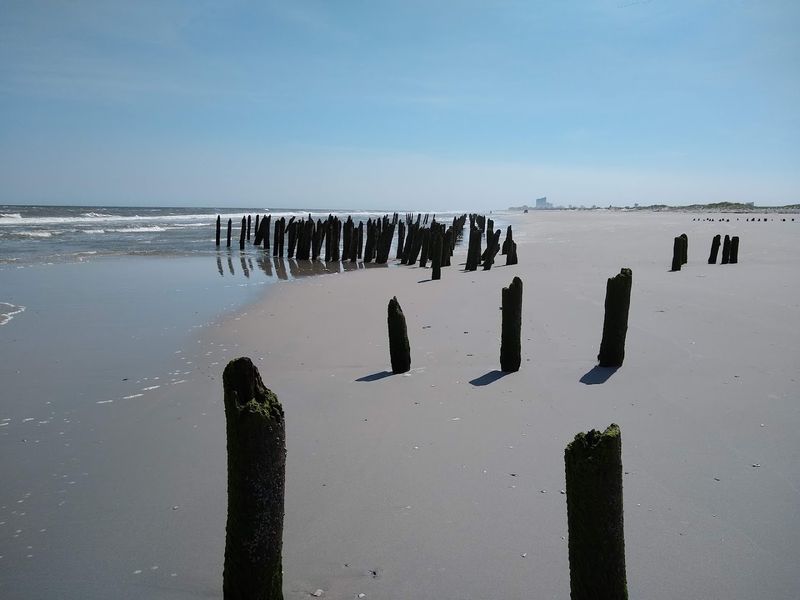
North Brigantine Natural Area is where the Shore starts to feel bigger, quieter, and a little more untamed. The scenery has that open, windswept quality that makes even a short visit feel like a proper escape.
Instead of visual clutter, you get long views, natural textures, and a beach experience that leaves room for your thoughts.
There is a peacefulness here that does not need to announce itself. You notice it in the extra space, the simpler backdrop, and the way the whole area feels less programmed than busier resort beaches.
If your dream setup includes a chair, a book, and not much else, this place understands the assignment.
I like North Brigantine for people who want nature to lead the day. It is less about doing everything and more about enjoying where you are, whether that means walking the shoreline or just sitting still for a while.
On a coast known for summer noise, this stretch offers a welcome kind of quiet confidence.
5. Stone Harbor Point – Stone Harbor
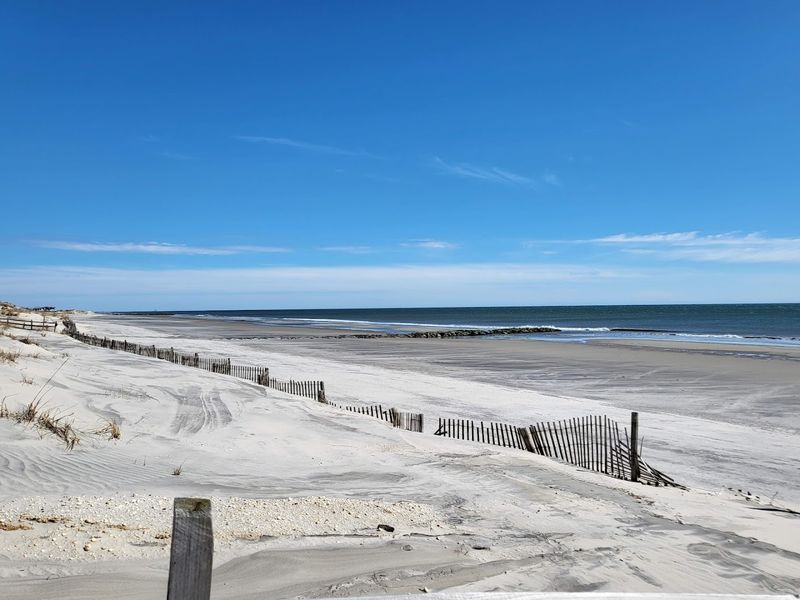
Bird tracks often outnumber human footprints at the southern tip of Seven Mile Island. Stone Harbor Point is a conservation area first and a recreation spot second, which is exactly why it remains so peaceful.
The sand here curves toward Hereford Inlet, creating an expansive meeting place for ocean, tidal water, dunes, and feeding shorebirds. It is especially good for nature walking, photography, fishing, and beachcombing.
Bring binoculars and scan the wrack line and shallow water for black skimmers, terns, oystercatchers, plovers, and other birds that use the Point to nest, rest, or refuel. The landscape can change noticeably from one season to the next as storms and restoration work reshape the beach.
This is not, however, a swimming beach. Swimming, dogs, and watercraft landings are prohibited, and visitors must remain outside all fenced or posted habitat areas.
Those limits are not fussy local rules; they are what allow rare birds to raise chicks on a busy barrier island. A parking lot provides access, but it is closed during overnight hours, and beach-tag requirements may apply during the summer daytime period.
The best visit is an unhurried early-morning walk, before the heat rises and while birds are most active. Save the umbrella and boogie board for another Stone Harbor beach.
Here, the point is to walk lightly, look closely, and leave the shoreline exactly as you found it.
6. Pearl Beach – Cape May Point
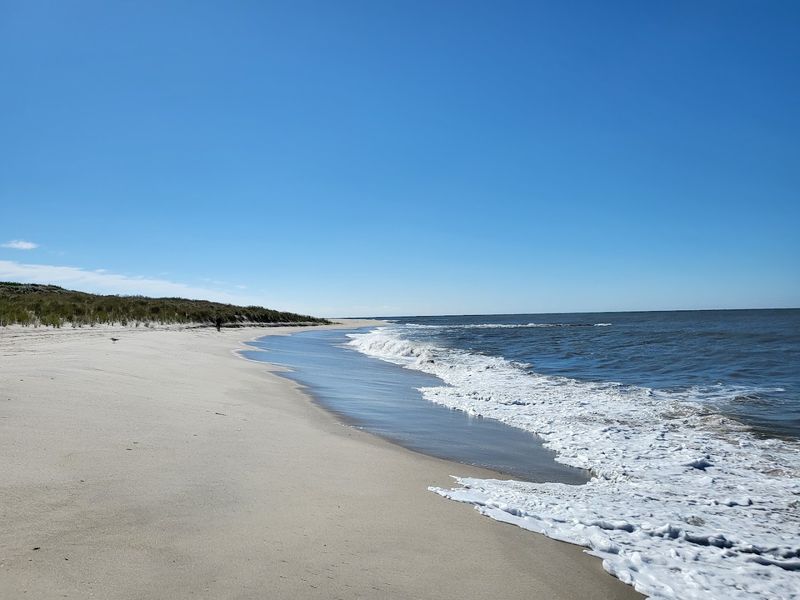
Sunset Beach gets the fanfare, but one entrance over, Pearl Beach often feels like the quieter neighbor who knows the same spectacular view. Reached from Pearl Avenue in Cape May Point, this low-key strand trades commercial distractions for dunes, broad sand, and an easygoing residential backdrop.
It is a lovely place to spread out with a book, search for smooth quartz pebbles, or stay late enough to watch the western sky change over Delaware Bay.
The angle of the coast gives the beach a different personality from Cape May’s busier oceanfront blocks: the water can look gentler, the horizon seems unusually wide, and the evening light is the main event.
Pearl is an official Cape May Point municipal beach, so seasonal beach tags are required during designated hours, and swimming should be done only when and where lifeguards indicate it is safe.
The Pearl Avenue access path crosses a substantial dune and can be challenging for visitors with limited mobility; nearby access points may offer an easier approach.
Parking is largely on nearby streets, which helps keep the beach from filling with large day-trip crowds but rewards an earlier start. Pack snacks and water because there is no boardwalk or concession stand waiting beyond the dunes.
Pair the visit with a bike ride around Cape May Point, a lighthouse stop, or a walk near Lake Lily, then return for sunset when the sand takes on a soft gold glow.
7. Strathmere Beach – Strathmere
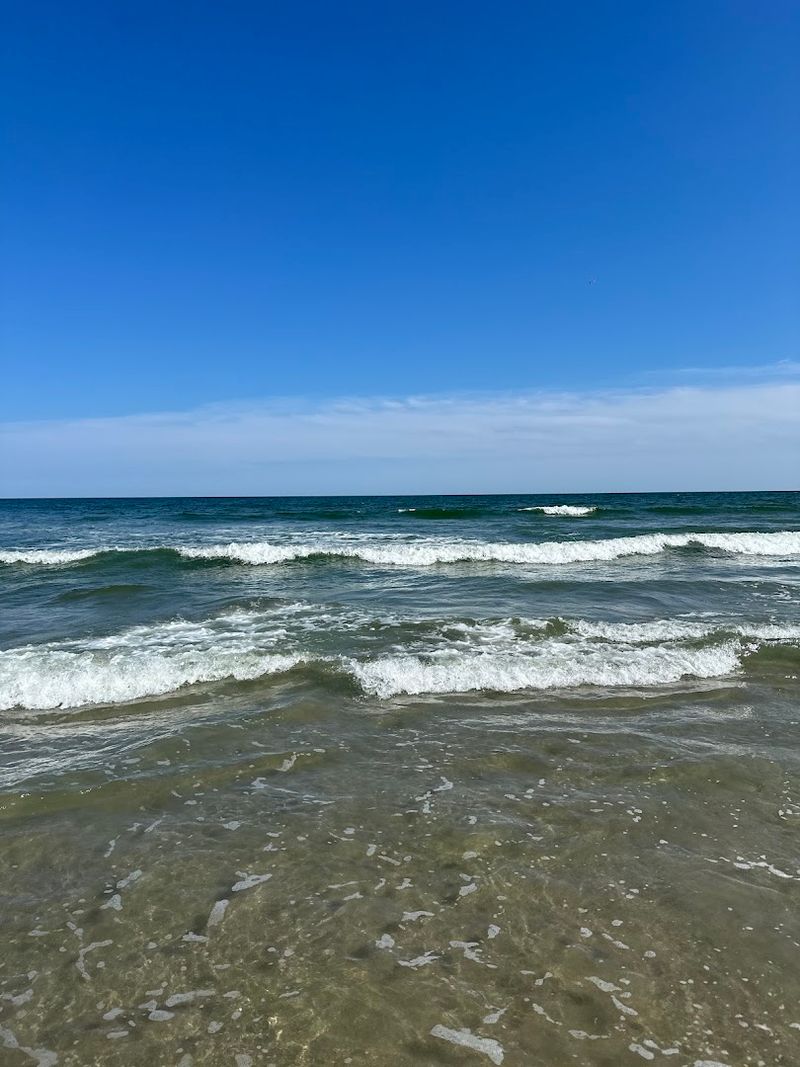
No beach-tag booth, no commercial boardwalk, and no long parade of attractions competing for attention—Strathmere keeps the agenda refreshingly short.
This narrow community between Ocean City and Sea Isle City has long appealed to beachgoers who would rather bring a cooler and settle in than spend the day bouncing between rides, shops, and snack counters.
The beach itself is wide enough in many areas to find breathing room, with straightforward street-end access and a relaxed neighborhood feel. Swimming is the main attraction, but choose a guarded beach and pay attention to posted patrol coverage because staffing varies by location and day.
In 2026, Upper Township lists protected hours of 10 a.m. to 5 p.m. Monday through Thursday and until 5:30 p.m.
Friday through Sunday, with specific guarded streets subject to change. The beaches remain free, and street parking is free as well—two increasingly rare Jersey Shore luxuries.
That said, free does not mean unlimited; spaces disappear quickly on peak weekends, and there are fewer public facilities than in a larger resort town. Arrive early, travel light, and note where you parked before heading over the dunes.
Strathmere works best for visitors who already have what they need and do not mind walking a block or two. Once the chair is open and the ocean is in front of you, the lack of entertainment becomes the entertainment.
8. Bayshore Waterfront Park – Port Monmouth
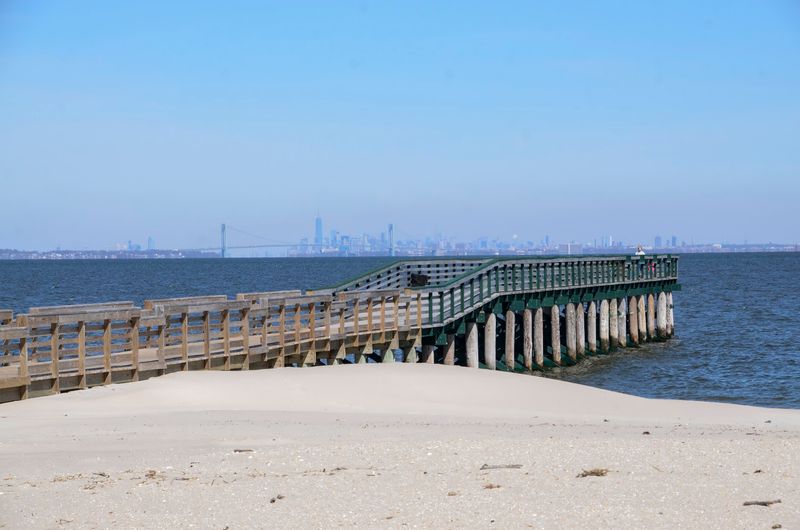
The Manhattan skyline rises faintly across the water, but the foreground is all salt marsh, dune grass, fishing rods, and Sandy Hook Bay. Bayshore Waterfront Park delivers a completely different kind of New Jersey beach day, one built around calm scenery rather than ocean breakers.
Its mile of shoreline is ideal for walking, birding, picnicking, launching a car-top kayak, or letting children inspect the shallows from the sand while adults enjoy the wide-open view. A 495-foot fishing pier draws regulars, and the historic Seabrook-Wilson House adds an unexpected piece of local history beside the coast.
Naturalist programs sometimes explore the fish, crabs, and other small creatures living along the bay, reinforcing that this is as much an outdoor classroom as a place to sit in the sun. The park opens at 7 a.m. year-round, closes at seasonally adjusted evening times, and provides parking near the waterfront.
There is no boardwalk strip to supply lunch, so a picnic is the right move. Bay water and tidal conditions differ from a lifeguarded ocean beach, and the park is better known for shoreline recreation, paddling, and fishing than for traditional swimming.
Come near sunset for softer light on the skyline or early in the morning when the pier is quiet and birds are active around the marsh. It is peaceful, slightly unexpected, and proof that Shore charm does not require facing the Atlantic.
9. Fisherman’s Cove Conservation Area – Manasquan
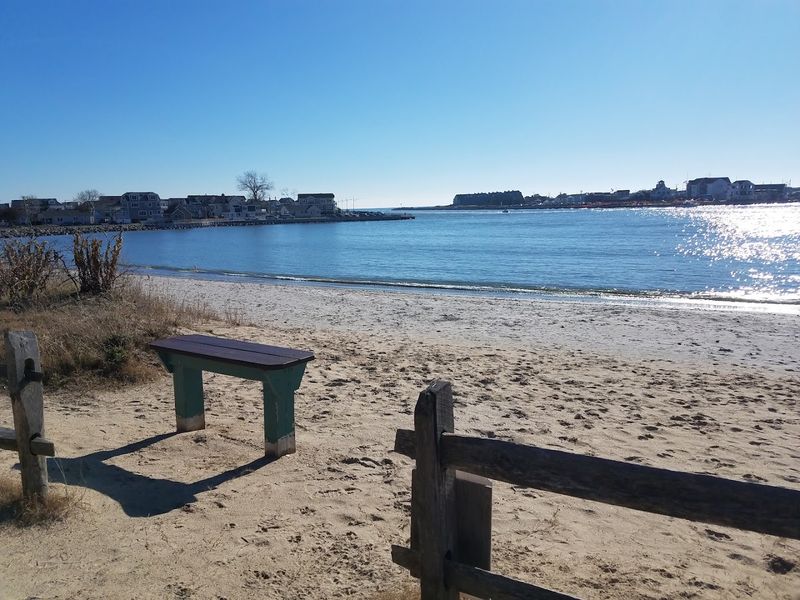
Just before the Manasquan River meets the ocean, a pocket of undeveloped shoreline interrupts one of the Shore’s busiest summer towns. Fisherman’s Cove preserves 55 acres along the inlet, giving visitors room to fish, paddle, sunbathe, and walk beside water without stepping onto a boardwalk.
Boats move through the channel, gulls circle overhead, and the mix of beach, scrub, and tidal habitat makes the area feel more like a small coastal preserve than a municipal attraction.
It is also popular with dog owners, but the arrangement is specific: dogs must remain leashed, and only the eastern portion of the beach permits them.
The western section is kept dog-free for visitors who want a quieter patch of sand, while upland signs make the boundaries clear.
Limited free parking spaces are reserved for conservation-area visitors during Manasquan’s paid-parking season; they are located at the south end of the gravel lot and carry a two-hour limit, so read the signs before leaving the car.
Additional street parking near the activity center is limited. Swimming is not the main reason to come—there is no guarded bathing setup—but beach walking, kayaking, fishing, and watching inlet traffic can easily fill an afternoon.
Free summer nature programs occasionally use seine nets to reveal the cove’s small fish and crabs. Visit near golden hour, when the boats thin out and the water starts reflecting the sky.