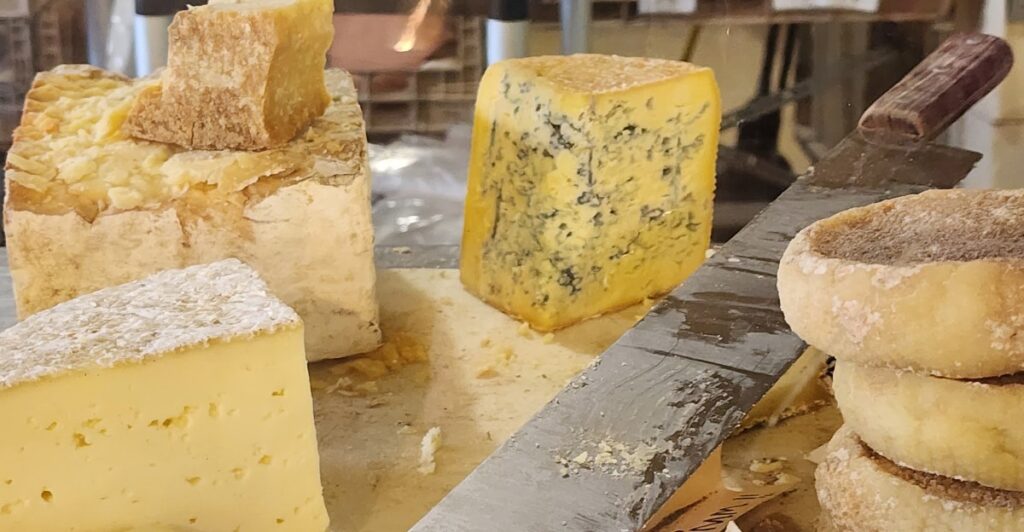
A window beside a farm-store cheese display can tell you more about dinner than a supermarket label ever will. At Cherry Grove Farm in Lawrenceville, visitors can often watch cheesemakers working just beyond the glass, then step outside to see the animals behind the ingredients.
That connection is the draw at these five New Jersey farms, where cheese comes with a chance to understand how it happens. Some offer hands-on classes that send you home ready to tackle fresh cheese yourself.
Others explain the journey from milking to finished dairy products, or introduce the careful aging that gives a wheel its character. There are cows, sheep, and goats in this story, along with plenty of reasons to bring a cooler.
Choose the experience that interests you, reserve scheduled activities ahead, and leave time for tasting. Learning about curds is considerably more enjoyable when the homework ends up on a cracker.
1. Cherry Grove Farm: Follow the Cheese Story in Lawrenceville
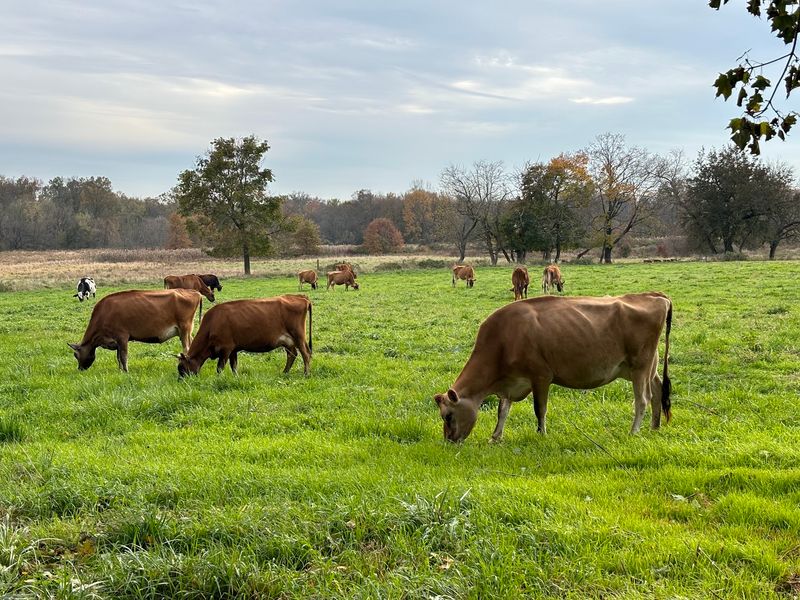
Watch through the farm-store window long enough, and that wedge of cheese in your shopping basket starts to look like a much bigger accomplishment. This Lawrenceville dairy gives visitors several ways to follow the process, including opportunities to observe cheesemakers at work and watch milking when the timing lines up.
Call ahead for milking times, since the cows’ schedule deserves more consideration than your lunch reservation. For a deeper introduction, book a cheesemaking class.
Options include ricotta making, mozzarella stretching with burrata, and mozzarella from scratch, with different levels of involvement depending on how ambitious you feel. Stretching mozzarella is a particularly appealing starting point: you get to work with the cheese rather than simply listen to someone explain it.
Private classes accommodate groups of six to twelve, making this a useful choice for friends who want an outing with something edible at the center. The farm store at 3200 Lawrenceville Road also carries farmstead cheeses, pasture-raised meats, eggs, and accompaniments for assembling a cheese board.
Ask the staff to help you choose a few contrasting cheeses instead of grabbing three that taste similar. Visitors can picnic near the garden, so the lesson can easily become lunch.
Regular visiting hours are 10 a.m. to 5 p.m. daily; classes require their own arrangements. Give yourself time to browse afterward, because choosing what to take home is part of the fun.
2. Bobolink Dairy & Bakehouse: Pair Pasture Questions With Cheese in Milford
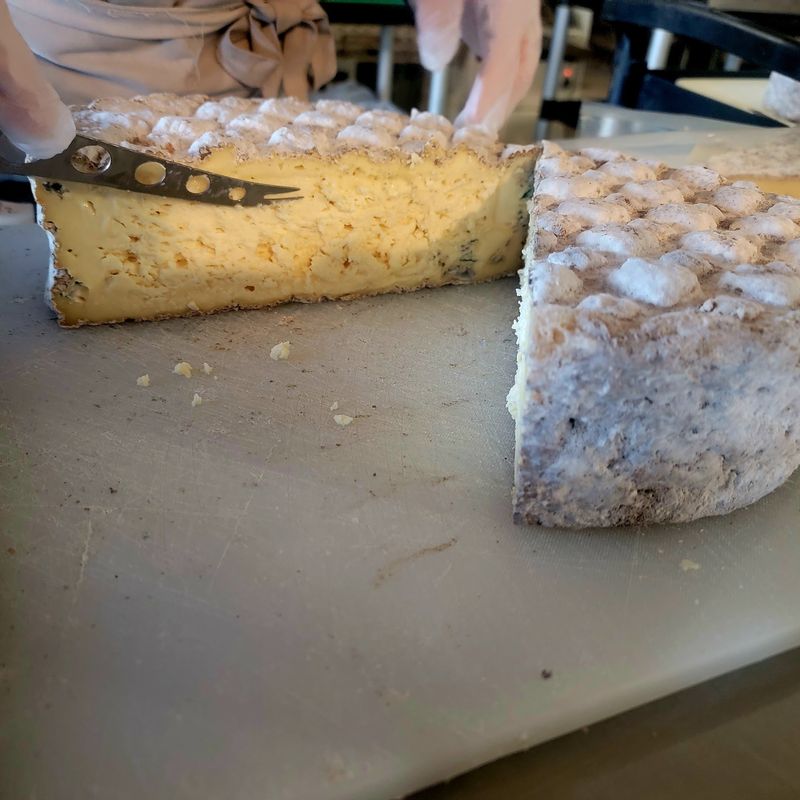
The grass matters here as much as the cheese vat. On a 187-acre family farm in Milford, the dairy makes cheese from the raw milk of its entirely grass-fed cows, using native cultures and long fermentation.
That approach gives you an interesting question to bring along: how much of a cheese’s flavor begins in the pasture? A scheduled farm tour includes a pasture walk to see the herd, while cheesemaking classes offer hands-on instruction for visitors with different experience levels.
Choose a cheese class if the transformation from milk to curds is your main interest, and a tour if you want the broader picture of the farm that supplies it. The combination makes this an especially good stop for anyone curious about why small-batch cheeses can vary rather than taste identical every time.
The bakehouse supplies the obvious companion to your purchases, with breads made using heritage and heirloom grains, sourdough starter, and long fermentation. Buy a loaf alongside your cheese and try the pairing simply before adding a refrigerator’s worth of condiments.
Bring a cooler for the trip home, especially if you plan to linger around the Delaware River towns afterward. The store is at 369 Stamets Road, with weekend hours currently running from 9 a.m. to 5 p.m.
Tours and classes follow a separate schedule, so reserve the experience first and build your day around it.
3. Valley Shepherd Creamery: Get Curious About Curds in Long Valley
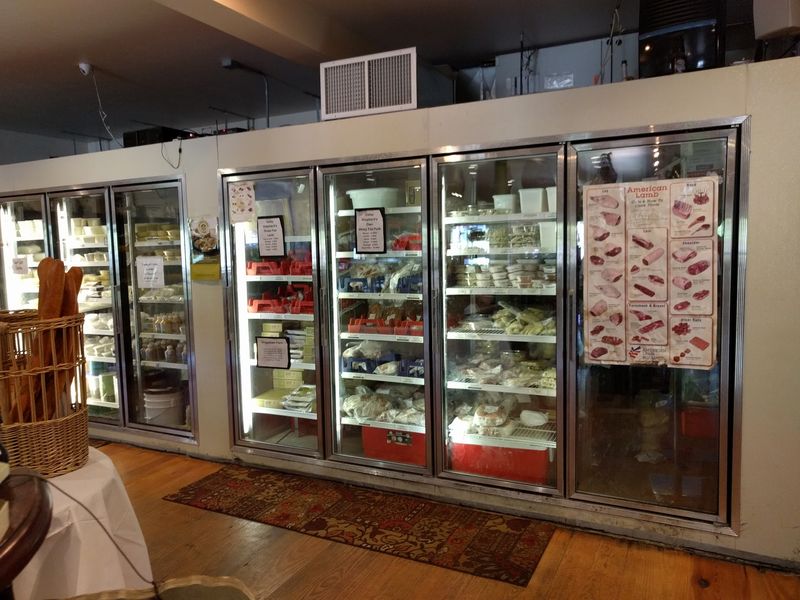
Twenty-six feet beneath a Long Valley hillside, cheese wheels rest on thick ash-wood shelves while staff turn, rub, and monitor their rinds. It is a wonderfully concrete introduction to the part of cheesemaking that often gets overlooked: what happens after the curds leave the vat.
This 120-acre creamery offers scheduled experiences that help visitors understand a working dairy, with its cheese-aging cave providing a particularly memorable focus. Inside, temperature, humidity, maintenance, and time all influence the finished product.
Some batches mature for months; others take considerably longer. Once you understand that work, an aged cheese becomes much more than milk that has been left alone.
When booking, choose an experience that includes the cave if aging is what you want to learn about, since spring lamb visits have a different emphasis. At the shop, ask about Oldwick Shepherd, a raw sheep’s-milk cheese with nutty, toasted-wheat notes, or Califon Tomme, made from Jersey cow’s milk.
Comparing those two is a practical way to explore how the starting milk changes the result. Adventurous cheese-board builders can also look for Nettlesome, a Gouda-style cow’s-milk cheese with nettles added during production.
The farm is at 50 Fairmount Road in Long Valley. Check the current tour schedule before driving over, and leave shopping until after the educational portion.
You will have much better questions by then—and probably a longer shopping list.
4. Gorgeous Goat Creamery: Meet the Milk Makers in Stockton
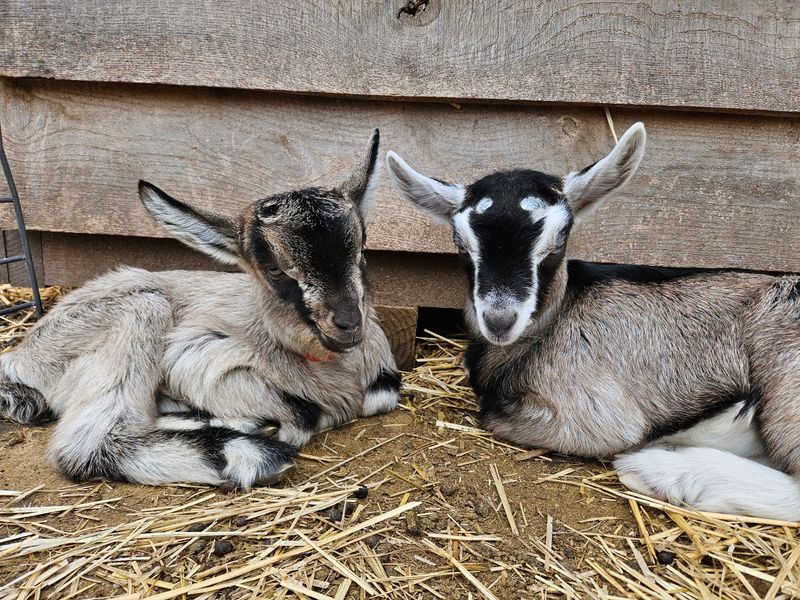
For a child wondering where cheese comes from, meeting the goats is a pretty effective opening lesson. At this Stockton microdairy, scheduled farm tours connect those animals with the milking routine and explain how their milk becomes cheese.
The emphasis is on understanding a working farm, with time to meet, pet, and feed the herd using treats supplied by the farmers. The tour lasts about 45 minutes and takes place entirely outside, which makes sturdy shoes and weather-appropriate clothing useful.
It also means you should expect an outdoor explanation of the dairy process rather than assume you will be standing beside an operating cheese vat. Tours are offered from June through November, and registration is required.
Groups are kept small, giving visitors room to ask questions without competing with a crowd—or with quite so many goat distractions. If you want to extend the visit, a separately booked goat hike follows a three-quarter-mile forest trail with the animals accompanying the group.
That outing has its own appeal, but choose the farm tour when cheesemaking is your priority. The address is 71 Featherbed Lane, and parking is limited enough that carpooling helps.
Public access is tied to scheduled events, so this is a reserve-first destination. Ask about the farm’s cheeses while you are there, and bring your curiosity.
Watching a goat demand another treat somehow makes the finished dairy product feel a lot less anonymous.
5. The Bubbly Goat: Start With Dairy Basics in Stockton
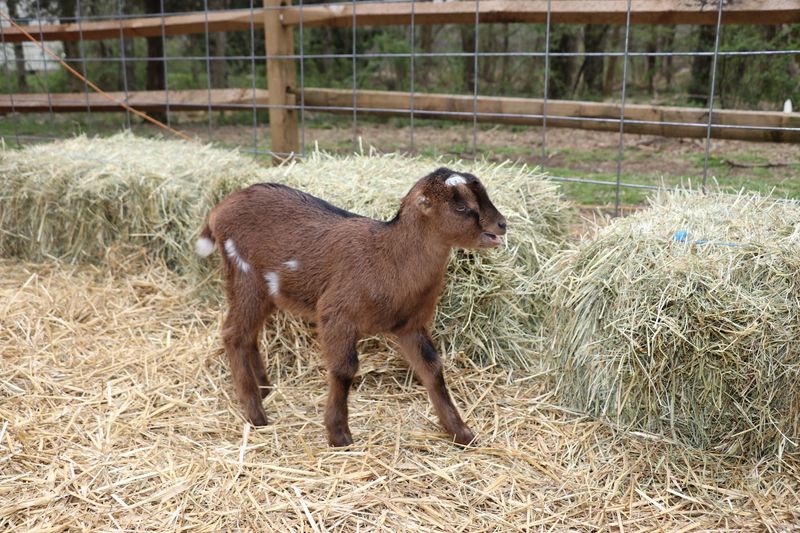
You do not need a kitchen full of specialty equipment—or a previous successful encounter with curds—to enjoy a beginner cheese class. The team behind this Hunterdon County goat farm offers an introductory workshop designed for people starting from scratch.
Participants work through the basics, taste along the way, and leave with recipes and practical knowledge for making fresh cheese at home. That take-home element makes it a useful choice for someone who wants the outing to become a new kitchen skill.
The farm’s story began with an interest in growing and making things, eventually expanding into a registered dairy-goat herd and goat-milk soaps and lotions. Today, its experiences also include seasonal baby-goat visits, goat yoga, and food-making workshops.
Book the beginner cheesemaking session specifically if learning about cheese is the goal; a goat hangout serves a different purpose, however persuasive the goats may be. Pay attention to the location in your reservation, too.
The farm’s event address is 248 Locktown Sergeantsville Road in Stockton, while the cheesemaking classes are advertised as taking place in Frenchtown. Confirm the workshop venue before setting your navigation.
All experiences require advance registration. For a leisurely finish, allow time to explore Frenchtown and get lunch after class.
Then try your new recipes while the instructions are still fresh. Few day trips offer such a convincing excuse to turn the next grocery run into a cheese project.
Share this story