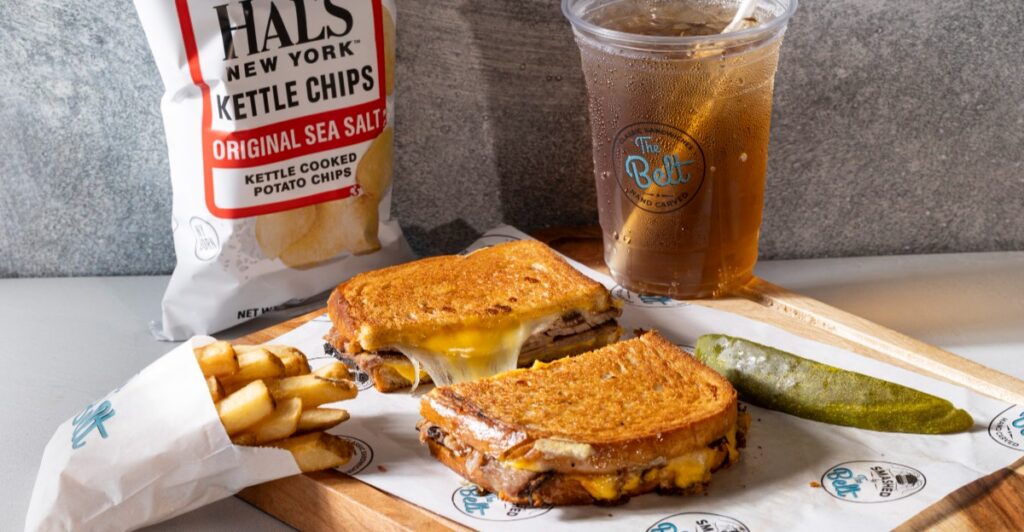
Pastrami on rye and a shopping bag make an unexpectedly good pair. At Quaker Bridge Mall in Lawrenceville, The Belt gives the familiar food court lunch a different direction, serving hand-carved deli sandwiches alongside Angus smash burgers.
The team behind The Borscht Belt has brought its sandwich experience into a faster format, where a Reuben, a brisket cheesesteak, and a New Jersey Sloppy Joe all fit into an afternoon of errands. Nobody needs to agree on mustard versus burger sauce before leaving the house.
That two-menu approach is part of the appeal, but the deli side gives this counter its particular character. There is rye bread, corned beef, Swiss cheese, and enough overlap between the classics to make choosing pleasantly difficult.
For Mercer County shoppers, it adds a lunch option with roots beyond the usual mall lineup. Suddenly, replacing a pair of sneakers comes with a much better lunch plan.
The Belt Brings a Deli Detour to Quaker Bridge Mall
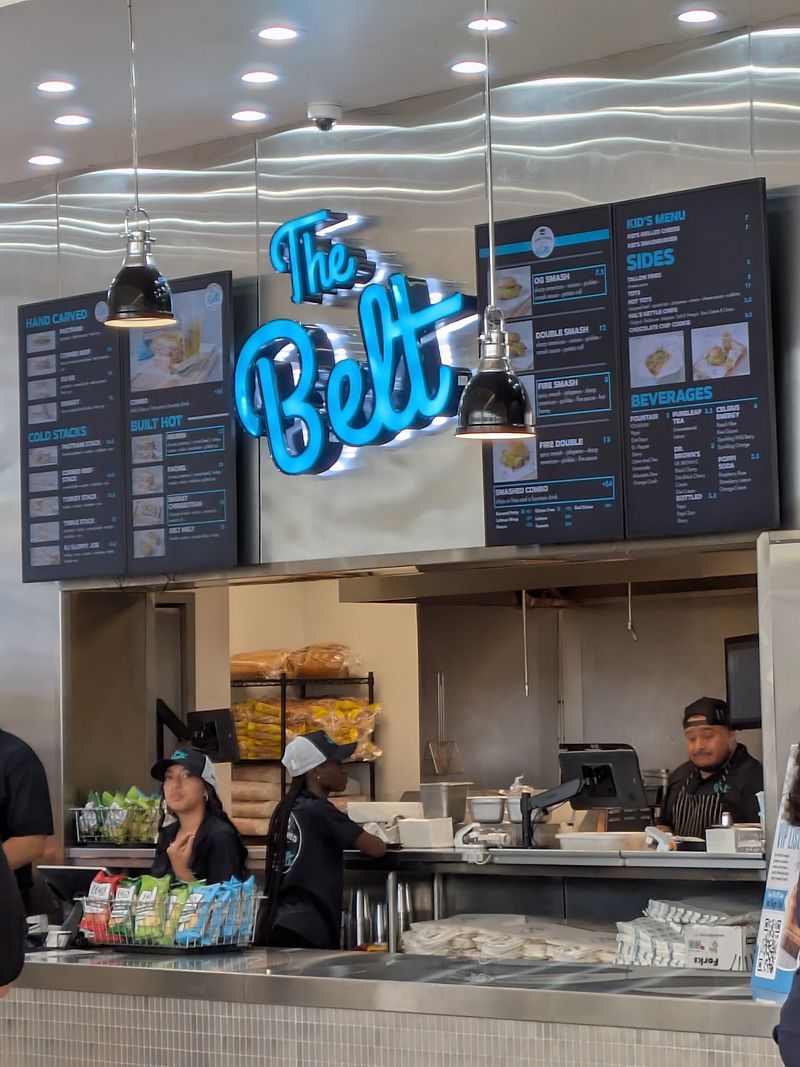
A thirty-foot counter is a fairly efficient way to settle a family lunch debate. The Belt combines two concepts in Quaker Bridge Mall’s dining pavilion, with hand-carved sandwiches on one side of the operation and burgers smashed to order on the other.
Its August 2026 debut brought an independent deli-minded business into a setting where convenience often determines what gets eaten. Here, convenience is still central, but the choices include brisket and pastrami rather than simply whatever can be handed over fastest.
The counter format lets customers see the preparation, and the shared food court seating keeps the meal casual. There is no need to turn lunch into a separate reservation or rearrange the afternoon around table service.
That suits the setting particularly well. Shopping trips tend to involve uneven appetites and competing schedules.
One person wants a substantial sandwich; another needs something smaller before getting back to the stores. Offering two focused menus at the same counter makes that negotiation easier.
It also gives the place an identity beyond being a sandwich shop that happens to occupy mall space. The interesting contrast is between the location and the food being prepared there.
A carving station belongs comfortably in a neighborhood deli, yet it works just as practically alongside a shopping itinerary. You can make lunch the midpoint of the visit or finish your errands before sitting down.
Either way, the meal gets a proper place in the day instead of becoming something eaten distractedly between purchases. For anyone who normally treats the food court as a last-minute compromise, this is a reason to decide on lunch before hunger starts making all the decisions.
The mall supplies the familiar surroundings; the carving board supplies the change of pace.
The Borscht Belt Team Gives Its Deli Traditions a New Home
Behind the shorter name is a team with experience beyond the mall. Partners Brandon Sakelaridos, Mike Dalewitz, and Joel Rosenthal developed The Belt, with executive chef Sakelaridos leading its menus.
His background includes an executive chef position at DiFebo’s in Bethany Beach, Delaware, and work at Hamilton Tap & Grill here in New Jersey. He joined The Borscht Belt team in 2025, bringing operations and culinary experience to the development of this newer concept.
That local connection gives the Lawrenceville opening a little more context than a familiar deli name appearing over an unfamiliar counter. The approach is deliberately selective.
Rather than reproduce every possibility associated with a full deli, the business concentrates on carved meats, straightforward sandwich combinations, and smash burgers. Its stated starting point was to retain the food customers kept ordering and build a smaller operation around those favorites.
That decision makes sense for a counter where customers are likely reading the menu while also checking the time. A sprawling selection can be wonderful when lunch is the whole afternoon, but a focused one has advantages when someone is waiting with shopping bags.
The traditional ingredients remain useful anchors. Mustard, rye, corned beef, and pastrami give deli fans familiar territory, while the burger menu provides another route into the same business.
It is an approachable way to introduce the team’s food to people who might never have planned a separate deli outing. The setting also changes the rhythm of the experience.
This is a place for ordering, collecting a meal, and finding a seat, rather than settling into a long restaurant visit. The team’s history explains where the concept came from; the smaller menu explains how it intends to fit into everyday life.
Both matter more than trying to make a food court feel like somewhere else.
Hand-Carved Pastrami Is a Good Place to Start
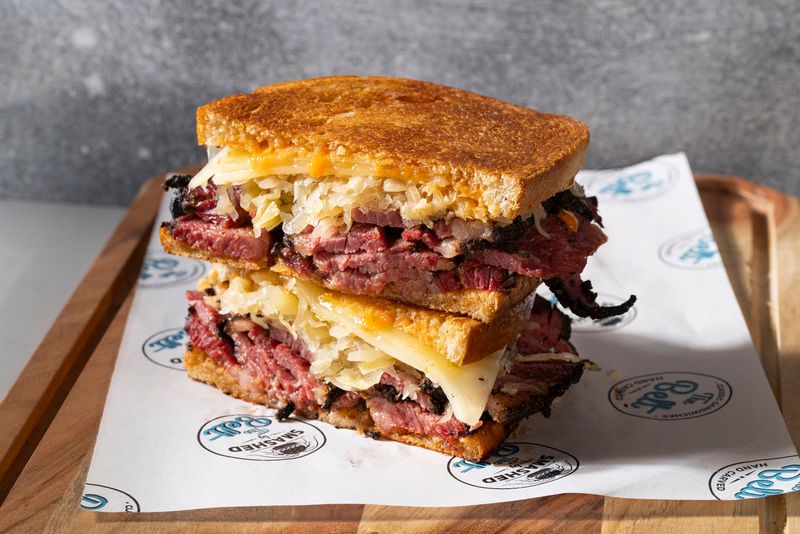
Mustard, rye, pastrami. The basic order leaves very little room for distraction, which is exactly why it makes a useful introduction.
The Belt lists its pastrami sandwich at $14, with deli mustard and fresh rye. Corned beef follows the same straightforward pattern, while the 50/50 brings pastrami and corned beef together for the same listed price.
Slow-roasted brisket on rye rounds out the core beef choices, also at $14. Those are sensible starting points for someone who wants to understand the deli side before moving into cheese, dressing, and grilled bread.
A simple sandwich makes the meat and bread responsible for most of the experience. Mustard contributes sharpness without requiring a whole second set of toppings, and rye has enough character to hold its own alongside cured beef.
Pastrami and corned beef also offer two different directions within familiar deli territory. Pastrami typically brings a seasoned exterior and smoky character, while corned beef centers the flavor of cured beef.
Putting them together gives the indecisive customer a practical solution rather than another question to answer. There is no need to pretend choosing half of each is a failure of commitment.
Sometimes lunch diplomacy works. For a first visit, keeping the order simple also makes later comparisons more useful.
Someone who enjoys pastrami with mustard may want a grilled version next time, while a brisket fan can move toward the cheesesteak or melt. Think about what you actually want from the sandwich before adding ingredients automatically.
A craving for carved meat and rye is different from a craving for melted cheese and dressing, even when both begin at the same counter. The uncomplicated orders deserve attention on their own terms.
They give the menu a foundation, and they offer a clear answer when you reach the front and suddenly forget everything you meant to order.
Reubens and Jersey Sloppy Joes Share the Spotlight With Brisket Cheesesteaks
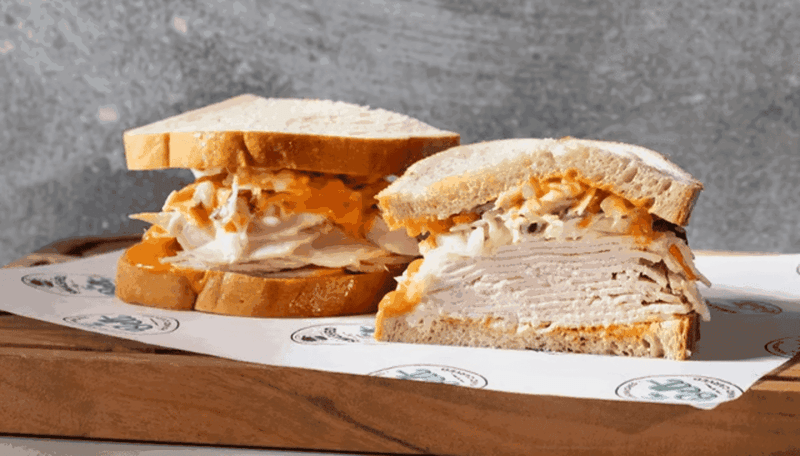
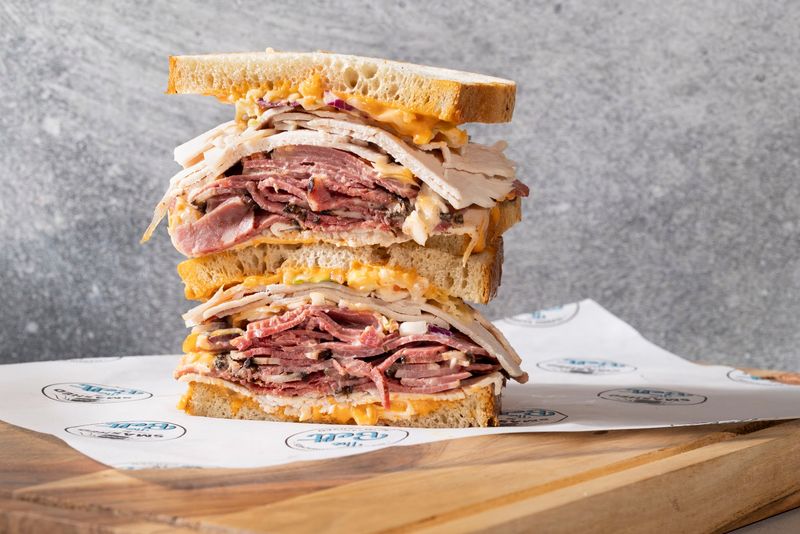
In New Jersey, ordering a Sloppy Joe can produce a sandwich that surprises anyone expecting ground beef in tomato sauce. The Belt’s version is a cold triple-decker on rye with turkey, Swiss, Russian dressing, and coleslaw, listed at $14.50.
The hot side moves into equally recognizable deli territory. Its $15 Reuben pairs a choice of pastrami, corned beef, or turkey with Swiss, Russian dressing, sauerkraut, and grilled rye.
A Rachel keeps the meat choices and swaps coleslaw for the kraut. The distinction is useful when deciding what kind of sandwich sounds right.
Sauerkraut brings tartness and a fermented edge; coleslaw introduces crunch and a different balance alongside the dressing. Neither choice requires a complicated ordering strategy.
Pick the meat you want, then decide whether you are in a kraut mood or a slaw mood. The brisket options make the menu more interesting still.
The Brisket Cheesesteak is currently listed at $15 with chopped brisket, onions, American cheese, and a seeded roll. It applies the familiar cheesesteak combination to a different preparation of beef, giving brisket lovers another way to order beyond rye bread.
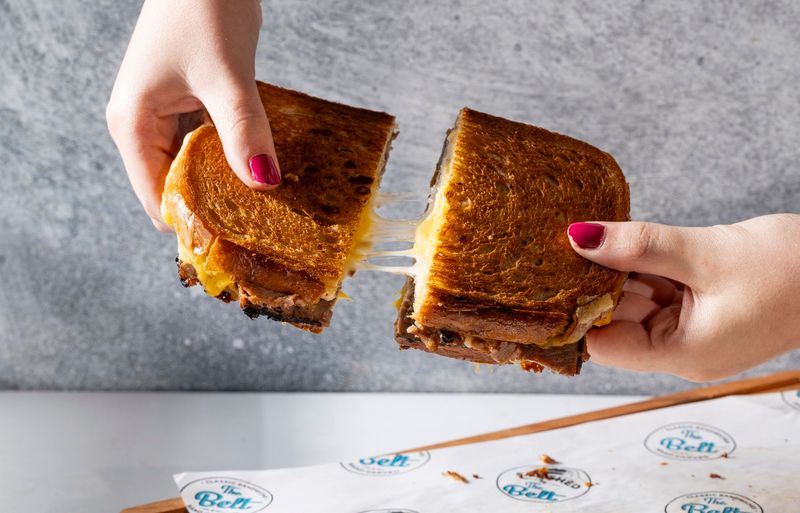
The Belt Melt takes brisket toward grilled-cheese territory, with onions, Cooper Sharp, and Swiss. These sandwiches are worth considering by texture as much as by name.
Grilled rye offers a crisp surface, a seeded roll gives the cheesesteak its own feel, and a cold layered sandwich delivers a different lunch entirely. Two people sharing could choose one hot sandwich and one cold stack to avoid ordering variations of the same thing.
That is particularly handy when both diners are curious about the deli but have different appetites. The menu gives familiar sandwiches enough room to remain distinct, so the choice comes down to how you want your lunch built.
Smash Burgers Give the Counter a Second Personality
Somebody in the group is going to look past the pastrami and head straight for the griddle. That customer has a proper menu here, too.
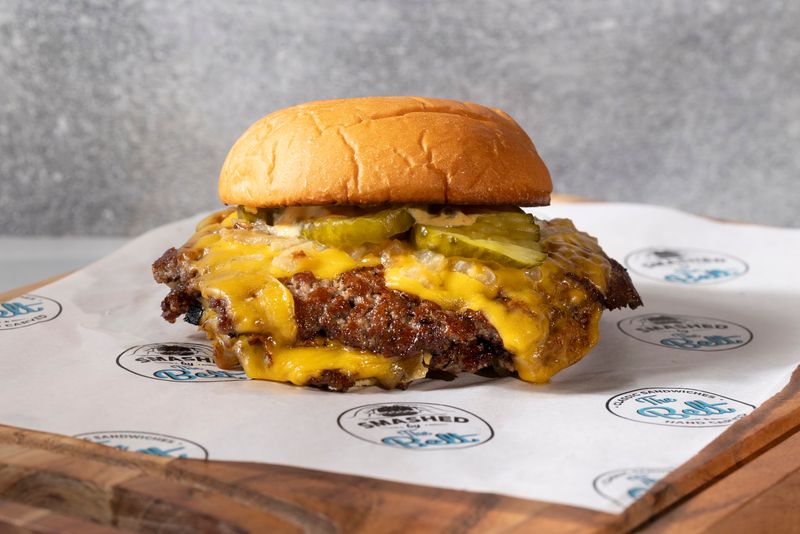
Smashed by The Belt uses Angus beef and offers an OG Smash with sharp American cheese, onions, pickles, smash sauce, and a potato roll for a listed $7.50. The Double Smash costs $12 and keeps the same topping combination.
For a spicier direction, the $8 Fire Smash includes jalapeño, sharp American, pickles, fire sauce, and hot honey; the Fire Double is listed at $13. The appeal of a smash burger lies largely in the contact between beef and hot cooking surface.
Pressing the patty thin increases the area that browns, making the edges part of the attraction rather than something left behind in pursuit of a thick center. Cheese and a soft bun suit that format because they bring a different texture alongside the browned beef.
A double also changes the balance, giving the meat a larger role against the bread and toppings. The Fire Smash adds another decision, with sweet and spicy ingredients sharing space rather than simply adding more cheese.
If that sounds like too much for a shopping-day lunch, the regular version keeps things straightforward. The burger side is also useful for families because the current children’s menu lists a grilled cheese and a smashburger at $7 each.
Having those options means the adults can order deli sandwiches without turning everyone else’s meal into a negotiation over rye or Russian dressing. The single burger provides a lower-priced starting point than the main deli sandwiches, though sides and drinks still affect the final total.
More than an extra item tucked onto a deli menu, the burger operation gives a mixed group a second reason to choose the same counter. Lunch can remain a shared stop even when the orders have very little in common.
How to Work The Belt Into Your Next Mall Visit
The practical details are refreshingly ordinary. The counter is inside Quaker Bridge Mall at 3320 US-1 in Lawrenceville, putting it along a familiar Mercer County shopping corridor.
Its posted hours are 10 a.m. to 9 p.m. Monday through Saturday and 11 a.m. to 6 p.m. Sunday. That makes it workable for lunch or an early evening meal, with a shorter window on Sundays.
Online ordering is available, which gives customers another way to fit food into their schedule. Within the mall, the food court is on the upper level near Old Navy.
Knowing that before arriving is more helpful than wandering hungry through a shopping center and hoping the right counter appears. For someone visiting specifically to eat, the mall setting keeps the logistics familiar: park, head inside, order, and use the shared seating.
For shoppers, timing lunch around the rest of the visit is mostly a matter of appetite. A grilled sandwich or burger makes sense when you are ready to sit down and eat it promptly.
A cold stack may suit someone who prefers that style of sandwich regardless of the itinerary. Budgeting is similarly manageable once you separate the main order from extras.
The listed menu spans a single burger at $7.50 through several deli sandwiches at $15, so two people can make quite different choices without either needing a full restaurant meal. Prices and hours can change, but the format remains easy to understand.
There is no elaborate plan required and no reason to fill the day with activities just to justify lunch. A return, a gift purchase, and a sandwich are a perfectly reasonable afternoon.
At a shared table, with shopping bags tucked out of the way, the meal has room to become the part of the mall visit you remember most clearly.
Share this story