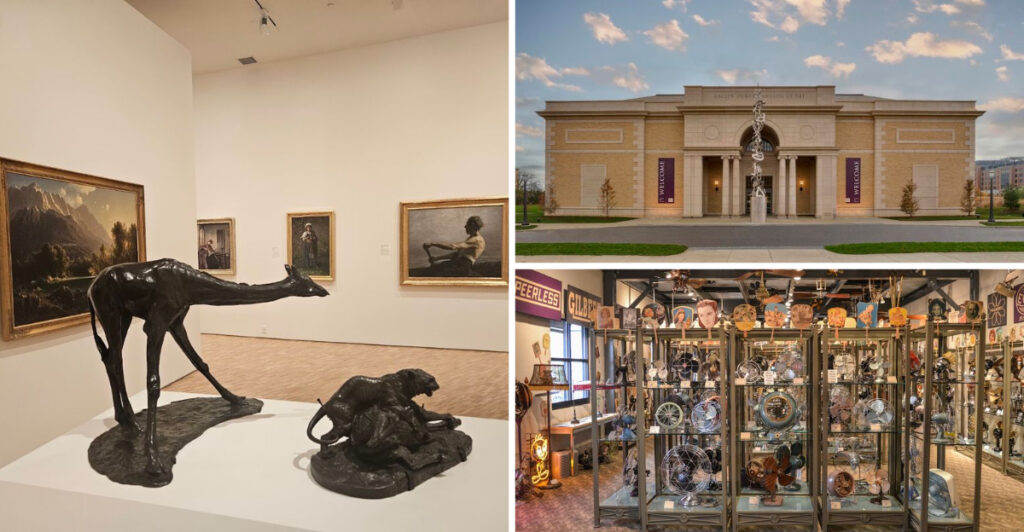
Indiana’s best free museums prove you don’t need an admission ticket to enjoy world-class art, fascinating history, unique collections, and memorable family-friendly attractions. Scattered across the state, these museums celebrate everything from American artists and presidential history to vintage automobiles, law enforcement, aviation, and regional culture, all while offering free general admission.
Whether you’re planning an affordable weekend road trip, looking for an educational stop, or simply searching for something new to explore, these destinations deliver outstanding experiences without stretching your budget. These nine free Indiana museums deserve a place on your 2026 travel list.
1. Indiana State Police Museum (Indianapolis)
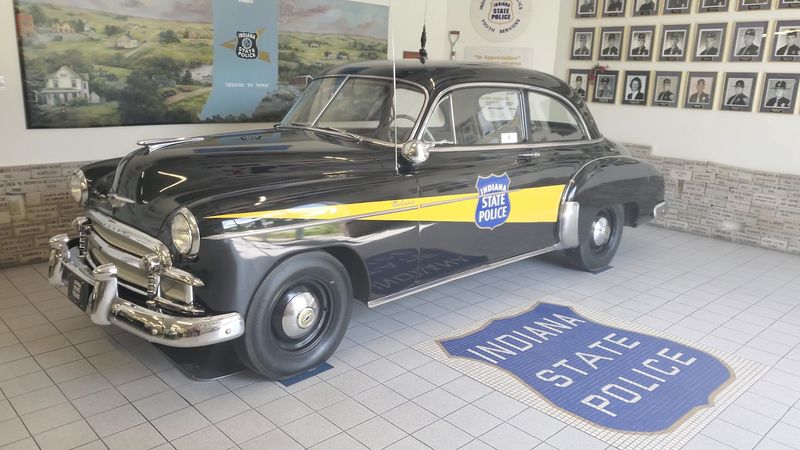
Most free museums do not open with the visual punch of a vintage patrol car parked a few steps from a case of old badges and uniforms. The Indiana State Police Museum in Indianapolis has that immediate pull, mixing big mechanical objects with smaller details that reward a slower look.
You can move from early communication tools to firearms, insignia, and pieces of daily police work without the displays blurring together.
The best approach here is to treat it like a timeline you can walk through. Patrol vehicles show changing design and technology at a glance, while radios, lights, and office equipment reveal how quickly the job evolved behind the scenes.
Even if you are not especially interested in law enforcement history, the museum still works because it is packed with objects that tell clear stories through shape, wear, and practical design.
There is also an interactive side that keeps the visit from becoming a row of static cases. Hands-on elements and interpretive displays give you ways to connect the gear with real procedures, training, and public safety work across different eras.
That balance matters, because it turns a specialized museum into one that casual visitors, families, and road trippers can all enjoy without feeling lost in technical jargon.
For a short stop, it delivers far more variety than many larger institutions. You get transportation history, communications history, uniform design, and a close look at how statewide policing presented itself to the public over time.
In a city with plenty of headline attractions, this is one of the smartest free picks when you want a museum that is focused, memorable, and easy to fit into a day.
2. Indianapolis Art Center (Indianapolis)
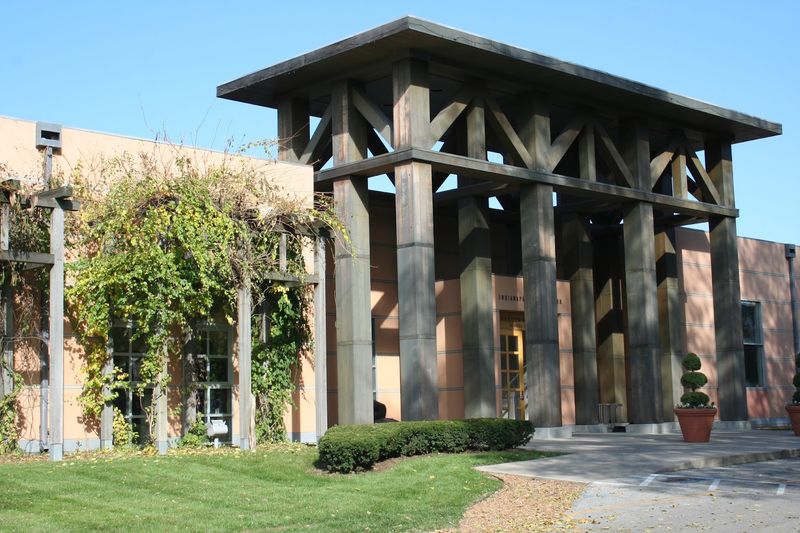
Some places make you choose between polished gallery spaces and a more hands-on creative vibe. The Indianapolis Art Center refuses that split, which is exactly why it stands out among free cultural stops in the city.
You can see contemporary exhibitions, peek into working studios, and then head outdoors to the ArtsPark, where sculpture and landscape keep the experience moving.
The indoor galleries are usually the first draw, and they are well suited to a short visit or a longer afternoon. Rotating shows mean the center stays fresh, and the range of work often keeps your eye adjusting from one room to the next instead of settling into autopilot.
That matters when you want an art stop that feels alive rather than fixed in place by a permanent collection alone.
The studios add a useful contrast. Seeing spaces connected to actual making changes your relationship to what hangs on the walls, because process starts sitting beside presentation in a very direct way.
Then the ArtsPark shifts the mood again, opening things up with pathways, outdoor pieces, and enough room to wander without the formal pace some museum interiors quietly impose.
It is also one of the easiest art destinations in Indiana to recommend to almost anyone. Families can move around freely, casual visitors do not need a deep art history background, and people who visit museums often will still find enough variety to stay engaged.
In a city trip packed with sports, food, and major attractions, this is a strong reset point: free, visually interesting, and designed for discovery instead of intimidation.
3. Swope Art Museum (Terre Haute)
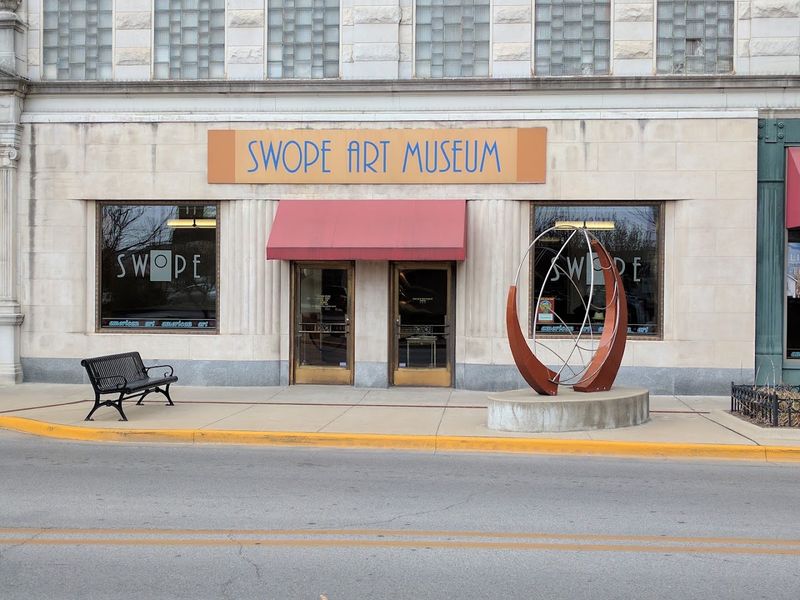
The Swope Art Museum gives Terre Haute a serious art anchor, and it does it without the entry fee that often separates casual curiosity from an actual visit. This is the kind of museum where American art takes center stage in a clean, approachable setting that encourages close looking.
You are not battling giant crowds or rushing through blockbuster galleries, which makes the work easier to absorb.
Its reputation rests in part on a strong collection of American painting, and that focus gives the museum a clear identity. Regional scenes, modern shifts in style, and recognizable names can all share space in a way that helps you see broader patterns instead of isolated masterpieces.
Even when you arrive knowing only a little, the galleries often guide you into noticing composition, mood, and changing ideas about American life.
Rotating exhibitions keep the museum from becoming static, which is important for repeat visits and for anyone exploring Indiana art stops beyond Indianapolis and Bloomington.
A changing schedule can refresh the conversation around the permanent collection and introduce different artists, media, or themes without overwhelming the building’s scale. That balance between consistency and change is one of the Swope’s strongest assets.
There is also real value in the museum’s manageable size. You can give attention to individual works without museum fatigue setting in halfway through, and that makes the visit more satisfying than a rushed marathon elsewhere.
For a free stop, it offers a refined experience with genuine depth, proving that a smaller art museum can still deliver range, quality, and enough visual energy to shape an entire afternoon.
4. AFCA Antique Fan Museum (Zionsville)
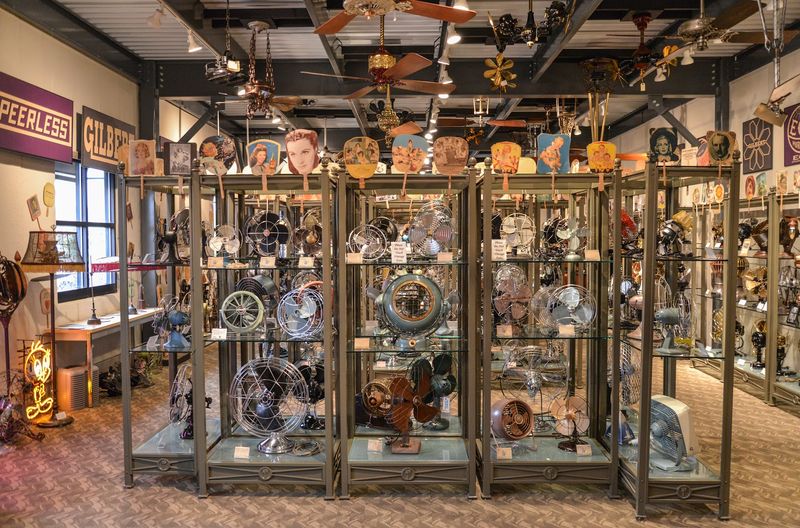
This is the kind of museum that sounds niche until you see the first row of gleaming brass cages, sculpted bases, and blades designed with almost absurd elegance. The AFCA Antique Fan Museum in Zionsville turns an everyday appliance into a full design story, and that surprise is part of the fun.
Instead of treating old electric fans like dusty curiosities, the museum presents them as miniature feats of engineering and style.
As you move through the collection, the changes in taste become easy to spot. Early examples can look ornate and mechanical at the same time, while later pieces move toward sleeker lines associated with the Art Deco period.
You start noticing details most people never think about, like the shape of a switch, the geometry of a cage, or the way a motor housing was made to look refined enough for a living room.
The setting inside Fanimation’s headquarters adds another layer because the museum sits close to a company that still works in the world of air movement and design. That context helps the exhibits read less like nostalgia and more like a long conversation between utility, craftsmanship, and visual appeal.
Even a quick visit can shift how you look at ordinary household technology, which is not something every museum can claim.
It also helps that the displays are simply fun to browse. The repetition of forms creates a strong visual rhythm, and the variety keeps you from seeing the same object again and again.
For travelers who like unusual stops with real substance, this is one of Indiana’s sharpest free museum experiences, equal parts industrial history, decorative arts, and unexpected roadside bragging rights.
5. Elwood Haynes Museum (Kokomo)
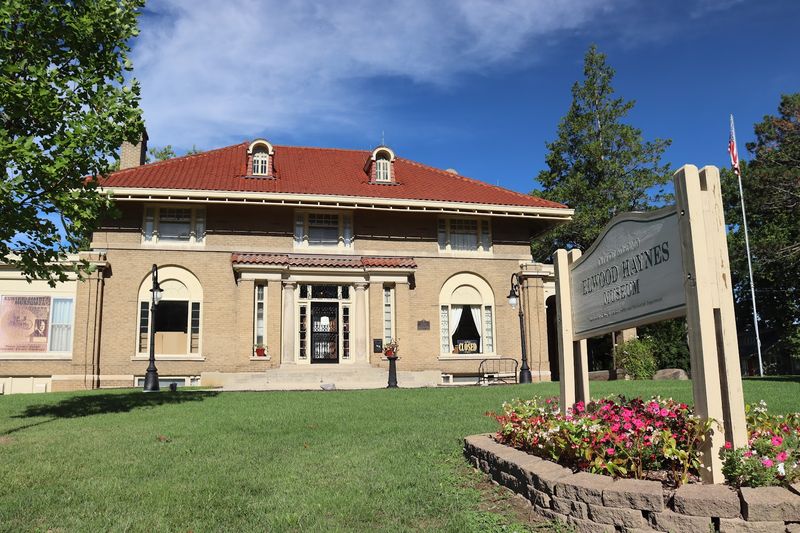
House museums can be hit or miss, but the Elwood Haynes Museum in Kokomo has a built-in advantage: the person at the center of the story was tied to big industrial change.
Set inside Haynes’s former home, the museum connects domestic space with invention, transportation, and materials science in a way that keeps the rooms from becoming decorative backdrops. You are there for the house, but also for the ideas that moved through it.
The automotive angle is the obvious draw. Historic vehicles and related artifacts help ground Haynes’s work in something tangible, giving you shapes, parts, and physical scale rather than abstract claims about innovation.
That practical side makes the museum easier to engage with because you can trace how experimentation, manufacturing, and everyday life started overlapping during a key period in American industry.
Then the story broadens. Displays tied to metallurgy and stainless steel show that this was not a one-lane legacy, and personal memorabilia adds texture without turning the museum into a shrine.
The best moments often come from that mix, where technical achievement sits beside household context, reminding you that major advances often grow out of routines, partnerships, and trial-and-error work rather than a single dramatic breakthrough.
Kokomo has deep industrial associations, so the museum also fits the city in a satisfying way. It gives visitors a focused introduction to local innovation while still being accessible to anyone who just wants an interesting free stop.
If you enjoy museums where machinery, biography, and social history intersect, this one earns its place easily, with enough specificity to stay memorable long after the visit is over.
6. George Rogers Clark National Historical Park (Vincennes)
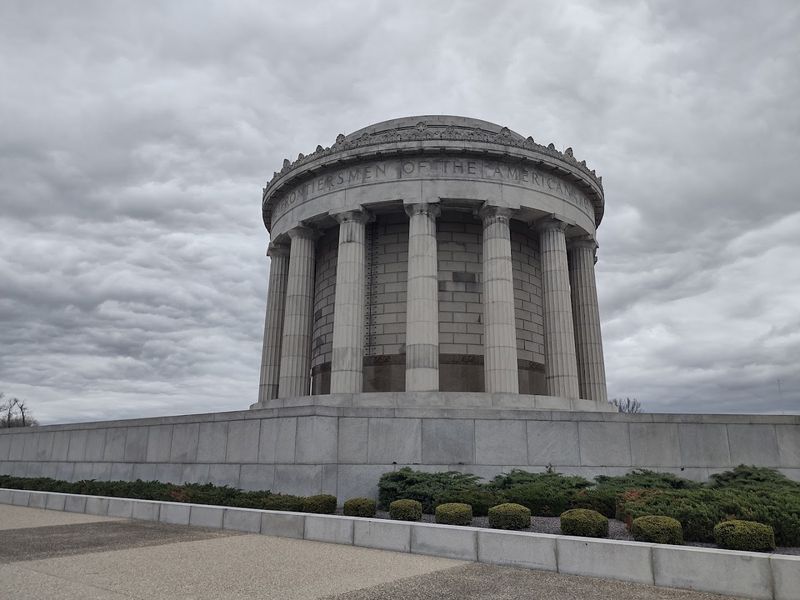
This pick changes the pace of the list immediately. At George Rogers Clark National Historical Park in Vincennes, the museum experience expands into monumental architecture, open grounds, and a National Park Service setting that gives history room to breathe.
You are not stepping into a compact gallery here so much as entering a commemorative landscape built to frame a pivotal Revolutionary War story.
The memorial is the visual centerpiece, and it delivers the kind of scale that can reset your posture before you even read a panel. Inside, murals and interpretive features add drama without requiring a huge amount of prior knowledge, which makes the site accessible for visitors coming in cold.
Ranger programs can deepen the visit further, turning broad historical themes into something more conversational and easier to connect with.
One reason this site works so well as a free stop is variety. You can spend time with exhibits, take in the architecture, walk the grounds, and shift between quiet observation and more structured interpretation depending on your mood.
That flexibility matters on a road trip, especially when you want a destination that offers both visual impact and a clear historical focus without feeling cramped or overly academic.
Vincennes already carries deep historic weight, and this park gives that legacy a strong public face. It is a place where national history, memorial design, and local identity come together in a way that is easy to appreciate even on a first visit.
For 2026 travelers mapping out Indiana’s free museum and heritage sites, this one brings scale, seriousness, and enough built-in atmosphere to stand apart from standard indoor collections.
7. Richmond Art Museum (Richmond)
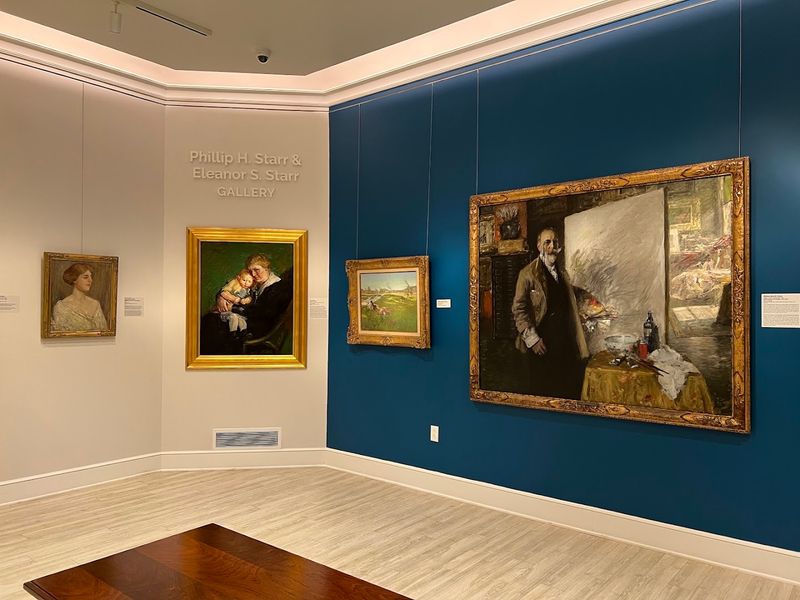
Richmond Art Museum has the confidence of an older institution and the scale of a place where you can still look carefully. Known for American Impressionist paintings and work connected to the Richmond Group, it offers a concentrated visual experience rather than a sprawling one.
That focus gives the museum a distinct profile and makes it especially rewarding for visitors who like noticing brushwork, light, and regional art history.
American Impressionism can be easy to underestimate until you stand in front of it. Color relationships, softened edges, and shifting light often read very differently in person than they do in reproduction, and a smaller museum is an excellent place to slow down enough to catch that.
At Richmond, the collection’s strengths help create exactly that kind of visit, where attention sharpens instead of scattering.
The museum’s age also adds context. As one of Indiana’s older art institutions, it reflects a longer local commitment to collecting and exhibiting serious work outside the state’s biggest cities.
Rotating exhibitions help keep the program active, which means first-time visitors get a sense of continuity while repeat visitors have reasons to return for something new.
This is a strong reminder that free admission does not have to mean modest ambition. The museum pairs historical depth with a clean, manageable viewing experience, and that can be far more appealing than a giant building that leaves you exhausted halfway through.
If your 2026 museum plans include eastern Indiana, Richmond Art Museum deserves a firm spot on the route for its clear identity, notable collection, and unusually easy access.
8. Raclin Murphy Museum of Art (Notre Dame)
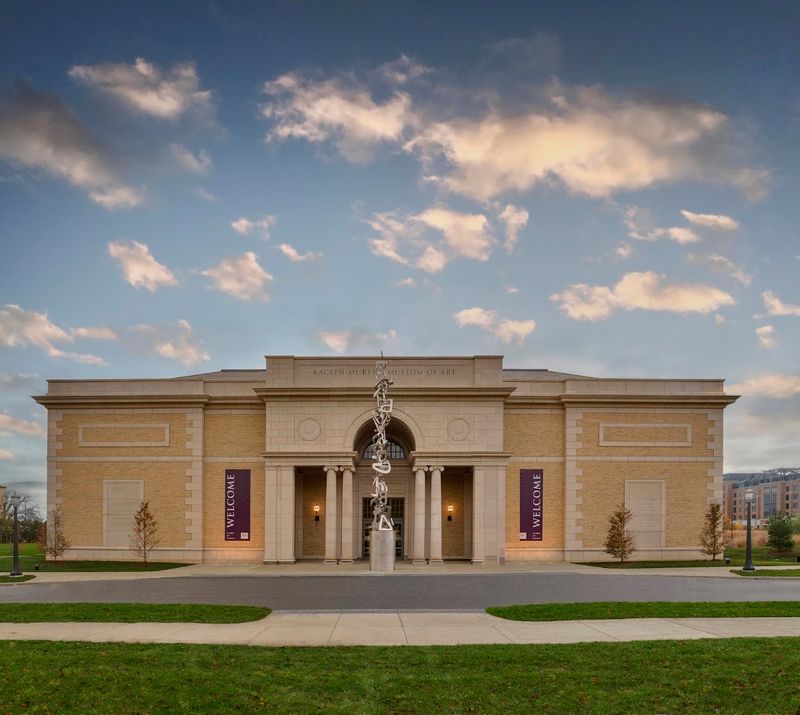
University museums can be among the best free art stops in the country, and the Raclin Murphy Museum of Art makes a strong case for that category.
Located on the University of Notre Dame campus, it brings together a broad collection in a renovated setting that looks built for clear sightlines and slow wandering.
Ancient material, contemporary work, and global traditions sit close enough to invite comparison rather than separation. That range is a major advantage.
You can move from European and American paintings to African, Asian, and Indigenous works without feeling as though the museum is trying to do too much at once.
In a well-organized space, diversity of collection becomes an asset instead of a blur, and your attention shifts toward recurring forms, materials, and symbols that cross centuries and cultures.
The campus location also adds energy. Students, visitors, and art-focused travelers all approach the museum with slightly different expectations, which suits a place designed for both education and discovery.
It can function as a purposeful destination, but it also works beautifully as part of a larger day in South Bend, especially if you like blending architecture, walking, and a museum stop that feels substantial rather than incidental.
Because admission is free, there is no pressure to sprint through every gallery to get your money’s worth. You can focus on a few rooms, return to favorite works, and let the collection unfold at a calmer pace.
For anyone building an Indiana museum list that goes beyond the obvious city-center choices, this is an easy inclusion: sophisticated, wide-ranging, and strong enough to justify the drive on its own.
9. Eskenazi Museum of Art (Bloomington)
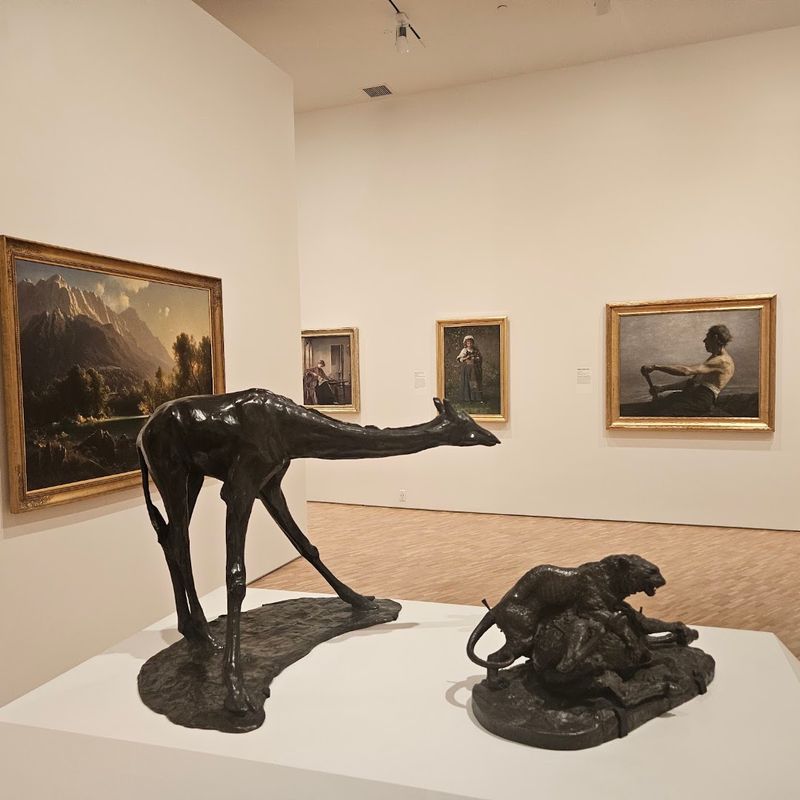
There are free museums, and then there are free museums that immediately make you wonder why admission is not being charged. The Eskenazi Museum of Art in Bloomington belongs in the second category, combining a sweeping collection with a building designed by I.M.
Pei that gives the visit architectural momentum before you even start looking at the art. On a university campus, that mix of access and ambition is hard to beat.
The collection is famously broad, and that matters because variety here is not a side feature. Ancient artifacts, modern works, and pieces tied to major artistic traditions can all sit within a single visit, allowing you to move across time and geography without the experience turning disjointed.
A museum with more than 45,000 works could easily feel overwhelming, yet the best university museums know how to guide your attention through selection and layout.
The building helps with that. Pei’s design supports circulation, light, and perspective, making transitions between galleries part of the pleasure rather than a logistical necessity.
Even visitors who are not architecture buffs tend to notice how the space shapes the pace of viewing, giving some rooms quiet focus and others a more open, exploratory energy.
Bloomington has no shortage of smart cultural stops, but this is one of the clearest must-visits in the state. Free admission means you can drop in briefly or commit to a longer afternoon without hesitation, and either approach works.
For 2026 travelers chasing the strongest no-cost museum experiences in Indiana, the Eskenazi delivers scale, quality, and a level of breadth that can anchor an entire trip around it.