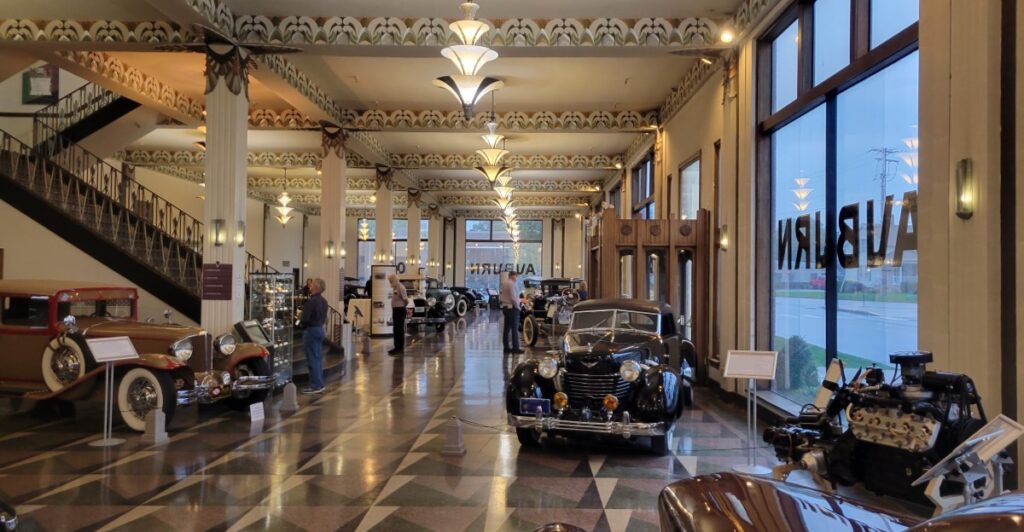
Chrome, sweeping fenders, and gleaming hood ornaments fill three floors of the Auburn Cord Duesenberg Automobile Museum in Auburn. Housed inside the beautifully preserved former headquarters and showroom of the Auburn Automobile Company, the museum displays more than 120 classic and historically significant vehicles, including glamorous machines from the 1920s and 1930s.
Many reflect an era when automobiles could be as much about craftsmanship and style as transportation. The Art Deco building is nearly as impressive as the collection itself, adding another layer to the experience. Even visitors who are not devoted car enthusiasts may find plenty here worth slowing down to admire.
An Art Deco Showroom That Still Shines on Wayne Street
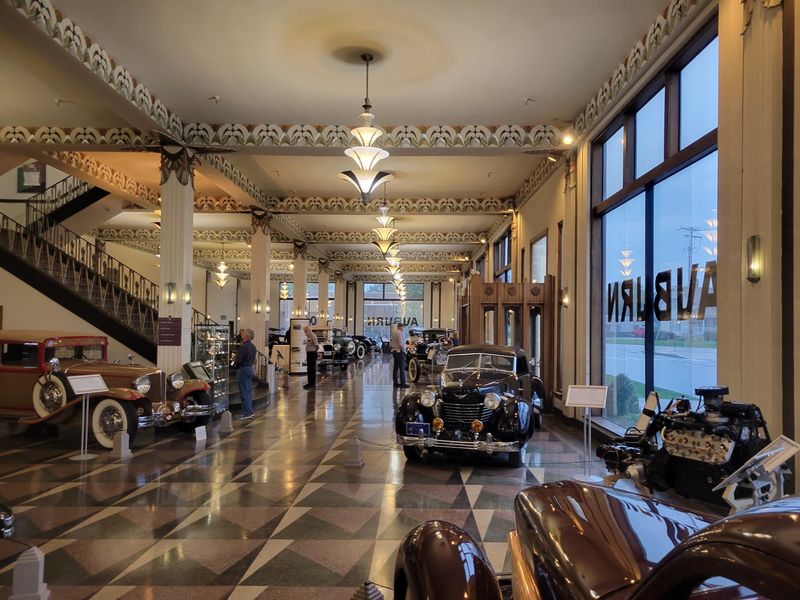
Picture a car dealer in 1930 trying to impress the richest buyers in the country. That is exactly the job this building was designed to do, and it still pulls it off almost a century later.
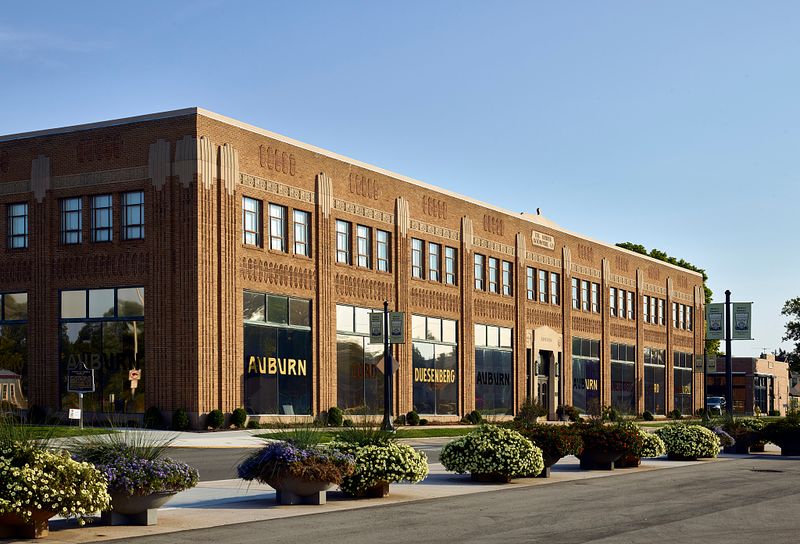
The museum sits inside the original headquarters of the Auburn Automobile Company. Long before it held exhibits, this was the place where company leaders worked and where customers came to see the newest models.
Very few car museums anywhere can say their collection lives inside the actual factory showroom of the brand on display. Look closely at the outside before heading in.
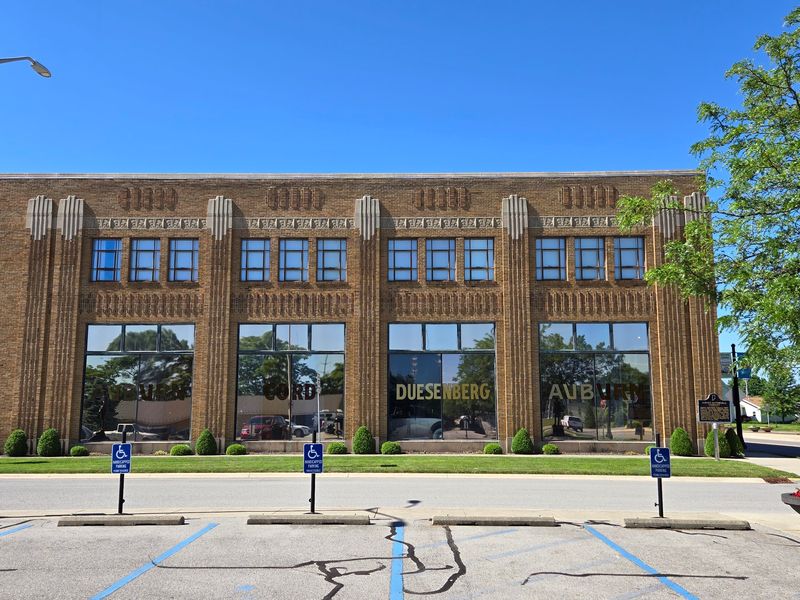
Clean lines, tall windows, and bold geometric trim mark it as classic Art Deco, a style that was the height of fashion when the building opened. It sits on Wayne Street in a quiet residential part of Auburn, which makes the grand front even more striking.
Step through the doors and the first floor opens into a wide showroom. Patterned floors, decorative ceilings, and elegant light fixtures frame the cars the same way they did when salesmen once walked buyers around them. Polished chrome reflects the lights, and long hoods stretch out like they are posing for a photo.
Design lovers often spend as much time studying the room as the vehicles. Small touches like the railings, doorways, and trim around the walls show how much care went into making buyers feel important.
The building is also listed as a National Historic Landmark, so it is protected for future visitors. That status helps explain why so much original detail survives.
Walls, floors, and layout tell their own story about American business in the years around the Great Depression. Take a slow lap around the edges of the showroom first. Then turn toward the middle, where the real stars wait under the lights.
Meet the Duesenbergs, America’s Original Supercars
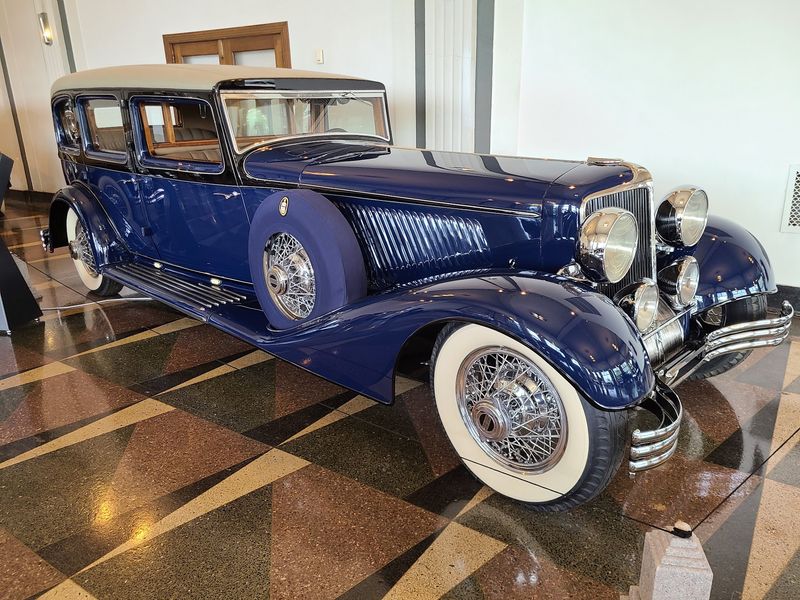
Ever heard someone call a great thing a real doozy? Many people link that phrase to the Duesenberg, a car so fancy it became shorthand for anything amazing.
Duesenbergs were built for the wealthiest people of their time. Hollywood stars, business owners, and royalty bought them, and each one was a big deal.
Buyers usually purchased the chassis and engine, then hired special coachbuilders to create a custom body. That means two Duesenbergs can look very different from each other.
The Model J is the headliner. When it arrived in 1928, it was among the most powerful cars on the road, with a huge straight-eight engine. Some versions came with a supercharger, and you can spot those by the shiny exhaust pipes curving out of the side of the hood.
Up close, the details are wild. Look for the massive headlights, the tall upright grille, and dashboards packed with gauges that look more like an airplane cockpit than a car. Paint colors range from deep black to bright two-tone combinations that would turn heads even today.
Each car has a sign explaining its history, including who owned it and how it was built. Reading these makes a huge difference. A car stops being just pretty metal and becomes a story about a person, a city, and a moment in time.
Here is a helpful tip for families. Give kids a challenge to find the car with the longest hood or the wildest color. It keeps younger visitors looking carefully instead of rushing past.
Many of these machines are now worth millions of dollars. Seeing several of them in one room is rare, even for serious collectors. Stand back a few steps from each one to take in the full shape, then lean in for the chrome.
Boattails, Coffin Noses, and Other Wild Shapes to Spot
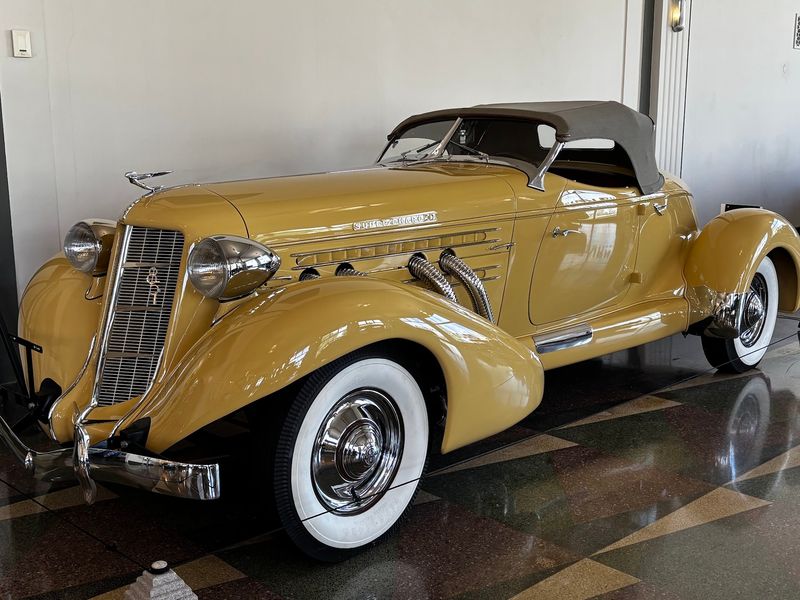
Some cars look fast even when standing still. The Auburn Speedster is one of them, with a rear end that tapers to a point like the back of a racing boat.
These boattail Speedsters are crowd favorites. Low windshields, sweeping fenders, and curving chrome pipes make them look ready to zoom off the floor. Auburn built them in the early 1930s to grab attention, and the plan clearly worked.
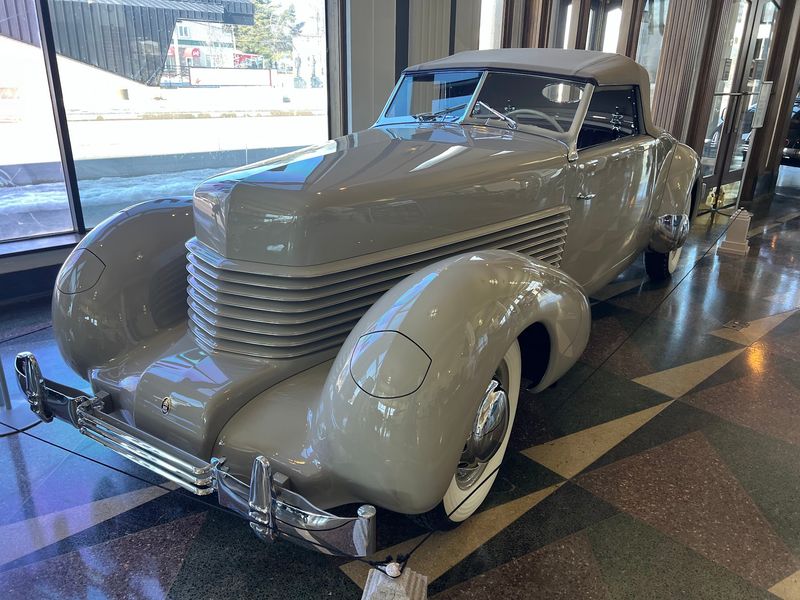
Then come the Cords, which feel like they arrived from the future. The Cord 810 and 812 are famous for their coffin nose, a rounded front wrapped in horizontal chrome bands. Instead of a regular grille, the louvers stretch around the sides of the hood.
Look at the front fenders for a fun surprise. The headlights are hidden and could be cranked up when needed, a feature that was rare in the 1930s. Cords also used front-wheel drive, which let them sit lower to the ground than most cars of the era.
The earlier Cord L-29 shares that low, stretched look. Because the engine powered the front wheels, designers could drop the body and create long, sleek lines. Car fans call it one of the most influential designs of its time.
A quick game makes this section more fun. Walk around and try to sort the cars by brand using only their shapes. Duesenbergs tend to look tall and stately, Auburns look sporty, and Cords look smooth and modern.
Photographers should try low angles here. Crouching near the front bumper shows off the curves and chrome in a way standing shots cannot.
Side views work best for the boattails, where the whole tapering profile fits in one frame. Bring patience, since popular cars sometimes draw small crowds. Wait a minute, and the space usually clears.
The Indiana Gallery Where Odd Homegrown Cars Live
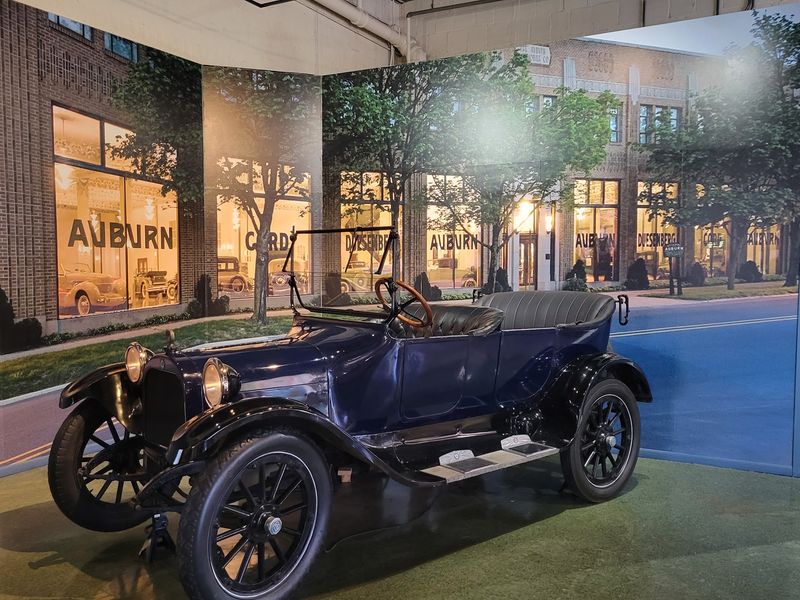
Before Detroit took over, Indiana was one of the busiest car-building states in the country. Dozens of small companies across the state turned out vehicles in the early 1900s, and many of their names are almost forgotten today.
Head up to the third floor to find the Gallery of Classics and the area dedicated to Indiana-made automobiles. This is where the museum shows off rare and unusual machines built in Hoosier towns. Some have brass lamps, wooden spoke wheels, and seats perched high above the road.
Many visitors have never heard of the brands on display. That is exactly why this floor is so interesting. Each car represents a company that tried to win buyers, often for just a few years before closing its doors.
The early cars look very different from modern ones. Steering wheels sit on the right in some, and controls can look confusing. Reading the signs helps explain how drivers actually started and handled these machines, which often took real muscle.
Auburn itself was a big part of this story. The Auburn Automobile Company started in 1900 in this very town, growing out of a family carriage business. Its success turned a small Indiana community into a name known around the world.
This floor also adds variety for anyone hoping to see more than 1930s luxury cars. The mix of styles shows how quickly cars changed in just a few decades. You can watch tall buggy-like cars slowly turn into longer, lower shapes.
Families with kids can turn this floor into a guessing game. Ask what each strange lever or pedal might do, then check the sign for the answer.
Take the stairs or elevator back down slowly. On the way, glance at the displays tucked along the halls, since smaller exhibits are easy to miss.
Peek Into the Executive Offices of E.L. Cord
Errett Lobban Cord was only in his early thirties when he took control of Auburn in the 1920s. He was a former car salesman with big ideas, and he quickly turned a struggling company into a brand people dreamed about.
His story comes alive on the second floor. Here, the museum preserves original offices where company leaders made decisions about design, sales, and money. Wood paneling, old desks, and period furniture show what a powerful car company looked like on the inside.
It is a quiet section, and that is part of its charm. After the shine of the showroom, these rooms feel more personal. You can imagine phones ringing, papers piling up, and designers rushing in with drawings of the next model.
Cord did more than run Auburn. He also bought Duesenberg and later launched the Cord brand under his own name. At one point, his business empire included airlines, shipbuilding, and other companies too.
The good times did not last forever. The Great Depression made it hard to sell expensive cars, and production ended in 1937. Learning this makes the cars downstairs feel even more precious, since they came from a short and dramatic chapter.
Nearby displays cover design, engineering, and the people who built these machines. Drawings, photos, and parts help explain how a car went from an idea to a finished product. Some exhibits rotate, so returning visitors may find something new.
Take time to read the stories posted here. The background helps everything else in the museum make more sense, especially for anyone who is not already a car expert.
A smart route is to visit this floor right after the showroom. The history fills in the gaps, and then the upper gallery feels like the next chapter.
Planning a Smooth Visit to This Auburn Classic
Good news for flexible planners: the museum opens every day of the week. Hours run from 9 AM to 5 PM, so weekend trips and weekday detours both work.
Give yourself at least two to three hours. The building is much larger than it appears from the outside, with three floors of cars and exhibits. Serious fans who read every sign can easily stay half a day or longer.
Arriving soon after opening is a smart move. Mornings tend to feel calmer, which makes photos easier and gives you more room around the most popular cars. Weekends in summer can get busier, especially around big car events in town.
Speaking of events, Auburn hosts a famous festival every Labor Day weekend. Classic car owners gather from all over, and the streets fill with vintage vehicles and parades. It is exciting, but expect larger crowds and fuller hotels.
Ticket prices are considered fair for the size of the collection. Combination tickets are also available for the National Auto and Truck Museum right behind the building. That second museum is a separate space with more cars, trucks, and other vehicles.
Families should note that the museum takes part in programs that offer reduced or free entry for qualifying visitors, such as those using EBT cards. Check details at the front desk when you arrive.
Wear comfortable shoes, since you will be on your feet most of the time. The building is climate controlled, which makes it a great choice for cold winter days or rainy afternoons.
Before leaving, stop by the gift shop near the entrance. It carries books, model cars, and Art Deco style gifts. Purchases help support the museum, which operates as a nonprofit and relies on that income for upkeep.
Why Northeast Indiana Holds a National Treasure
Plenty of museums own old cars. Very few own the building where those cars were sold, designed, and dreamed up in the first place.
That combination sets this museum apart. The collection and the setting tell the same story, so walking the floors means standing in the real place where history happened. Car museums in big cities rarely offer that kind of direct link.
The focus is also unusually sharp. Most of the cars come from Auburn, Cord, and Duesenberg, with the strongest group dating from about 1930 to 1937. Some visitors expecting a broad car show may be surprised, yet this depth lets you compare small changes from year to year and model to model.
Variety still appears in other forms. The Indiana gallery covers early homegrown brands, and the museum rotates cars and displays. Regular visitors often return several times a year to see what has changed.
These cars also left a mark on the whole industry. Hidden headlights, front-wheel drive, and low, sleek bodies all showed up here years before they became common. Many features on modern cars can be traced back to ideas tested by these companies.
Knowledgeable staff and volunteers add another layer. Ask a question about a car, and you may get a story that is not printed on any sign. Those conversations turn a regular visit into a personal tour.
Auburn itself is a small, friendly town, and the museum anchors its identity. Car clubs, festivals, and local pride all connect back to this building on Wayne Street.
Before heading out, step outside and look back at the front. Knowing what fills those three floors, the tall windows and clean Art Deco lines look a little different now.
Share this story