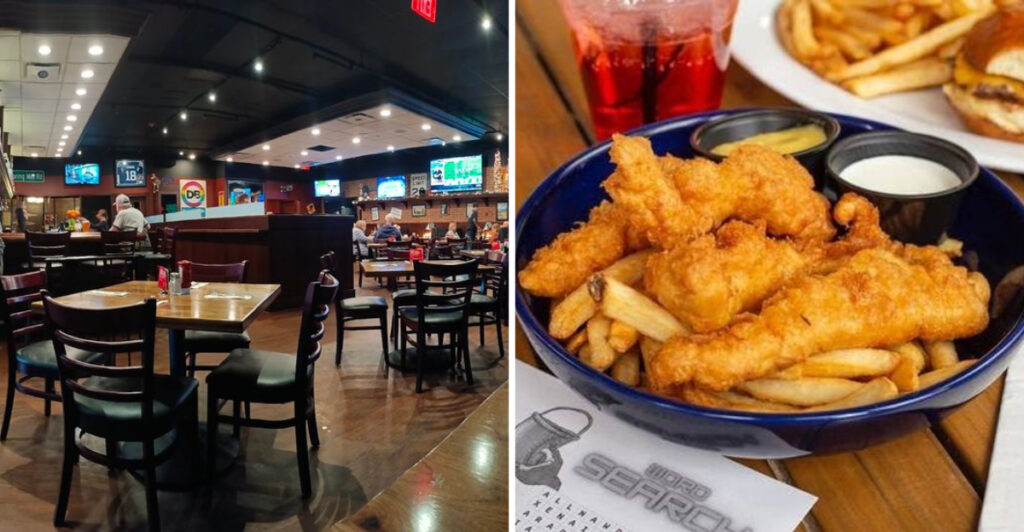
Rusty Bucket Restaurant and Tavern has quietly become one of Indianapolis’ go-to spots for outstanding fish and chips, serving crispy beer-battered cod, golden fries, and house-made tartar sauce that keep loyal customers coming back. While the menu also features burgers, sandwiches, salads, and other American comfort-food favorites, the fish and chips consistently stand out as one of the restaurant’s signature dishes.
The relaxed neighborhood atmosphere and dependable cooking make it equally well suited for a casual lunch, family dinner, or watching the game with friends. If you’re searching for great fish and chips in Indiana, Rusty Bucket Restaurant and Tavern deserves a spot on your list.
A Low-Key Storefront With a Barroom Pulse
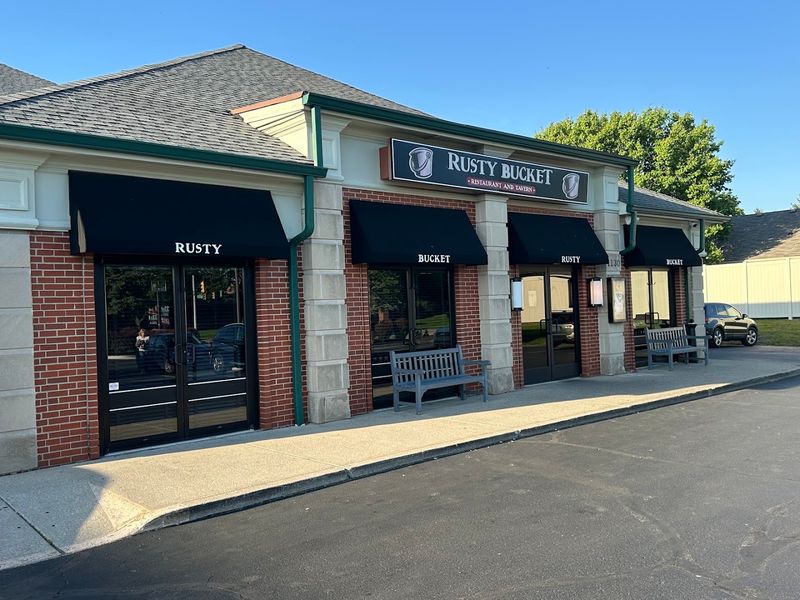
At first glance, Rusty Bucket Restaurant and Tavern does not announce itself like a grand dining destination. It sits along West 86th Street in a practical commercial stretch, the kind of address you might pass while running errands, meeting friends, or heading home across the north side of Indianapolis.
That modest placement is part of the intrigue, because once the doors open, the room shifts from ordinary storefront to full neighborhood tavern rhythm.
Inside, the design leans into dark woods, warm tones, and a familiar bar-centered layout that makes the place easy to read within seconds. TVs, booths, and well-spaced tables create energy without turning the room into chaos, while the bar gives the whole space a steady hum that suits both lunch and later evening traffic.
It is casual in the best way, with enough bustle to feel alive and enough order to keep the meal from getting lost inside the noise.
That setting matters because fish and chips works best when it lands in a place with contrast. A polished seafood restaurant can make the dish feel expected, but here it arrives as a smart surprise in a tavern built for burgers, sandwiches, soup, beer, and conversation.
The menu has broad American comfort-food appeal, which only sharpens the impact when one seafood plate quietly outruns the assumptions attached to the room.
Rusty Bucket also benefits from being in Nora, where neighborhood habits shape dining choices as much as destination chasing. This is the sort of spot where families, lunch groups, couples, and regular bar diners can all fit at once without the place losing its identity.
Before the first bite shows up, the restaurant has already done one important thing very well: it makes a strong case for staying longer than planned.
The Fish and Chips That Quietly Wins the Table
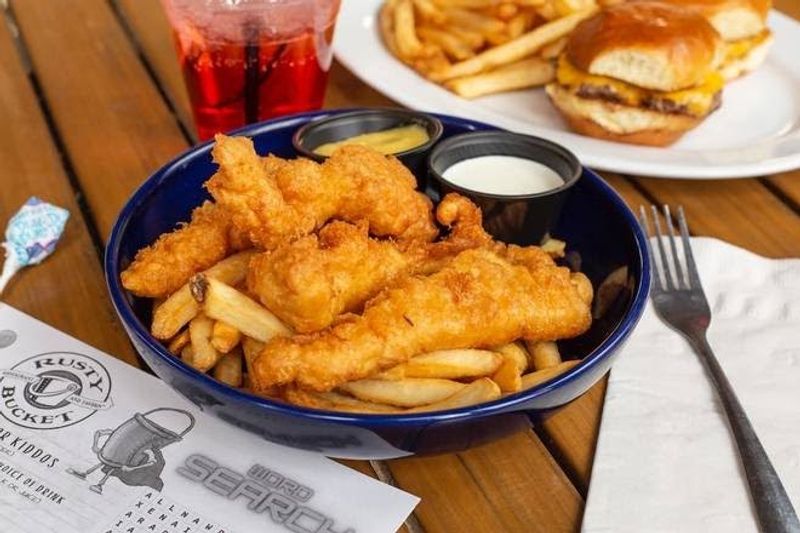
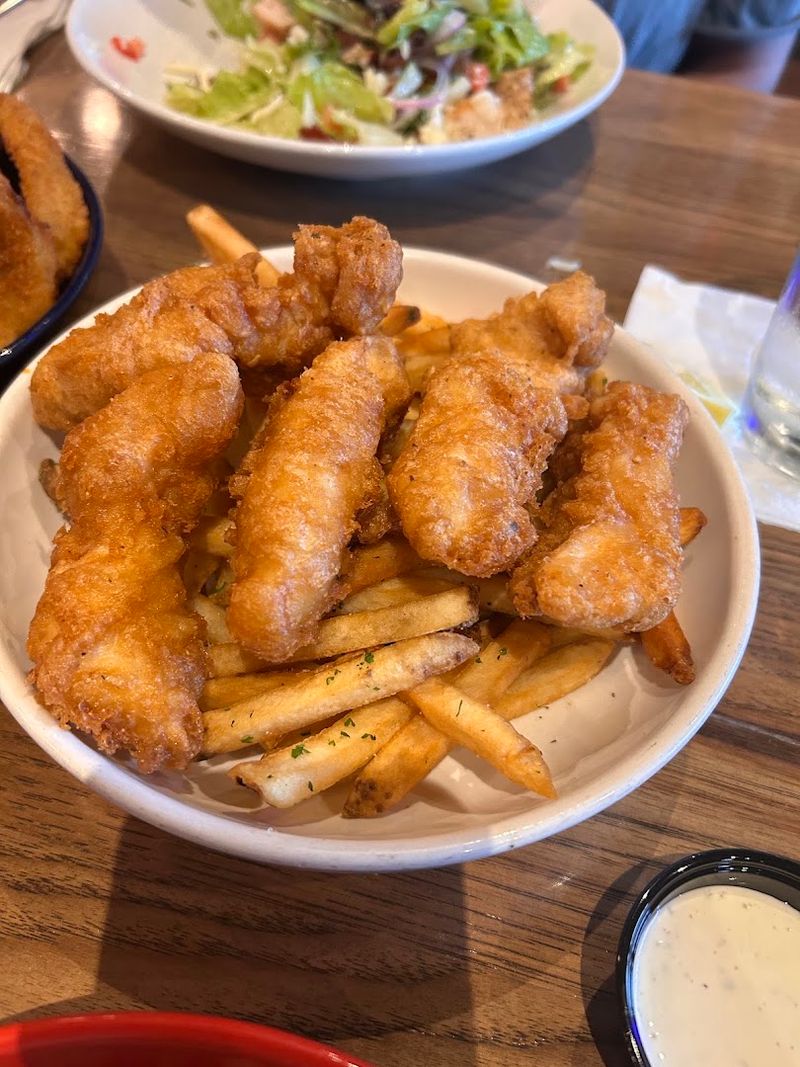
The headline dish here earns attention by avoiding theatrics. Rusty Bucket’s fish and chips arrives as a straightforward plate of golden fish, fries, and the expected supporting pieces, but the appeal starts with temperature, texture, and proportion rather than gimmicks.
When a tavern kitchen gets this kind of dish right, you notice immediately, because there is nowhere for soggy batter or tired oil to hide.
The fish is the point, and that first visual matters. The coating reads crisp and substantial without looking heavy, giving the plate the kind of crunchy promise you want before the fork even breaks through.
Reviews tied specifically to this dish consistently place it among the restaurant’s stronger orders, and that aligns with the broader picture of a kitchen that does comfort food best when it aims for hot, satisfying, and unfussy instead of overly clever.
Fries matter more than side-status suggests, especially in a dish that lives or dies by contrast. Here, they serve as part of the full pub-style experience, soaking up malt-vinegar-and-tartar-sauce impulses even when the table never says those words out loud.
A fish plate becomes memorable when every bite can shift between crisp exterior, tender interior, salty potato, and a quick hit of brightness from lemon, and that structure is exactly why the meal plays so well in this setting.
The smartest part may be how naturally fish and chips fits the room once it arrives. Surrounded by burgers, tenderloins, quesadillas, and sandwiches, the plate brings a little surprise to the table without feeling like an outlier.
It reads less like a menu detour and more like a house specialty hiding in plain sight, which is often where the best tavern orders live.
Why the Rest of the Menu Makes the Seafood Surprise Even Better
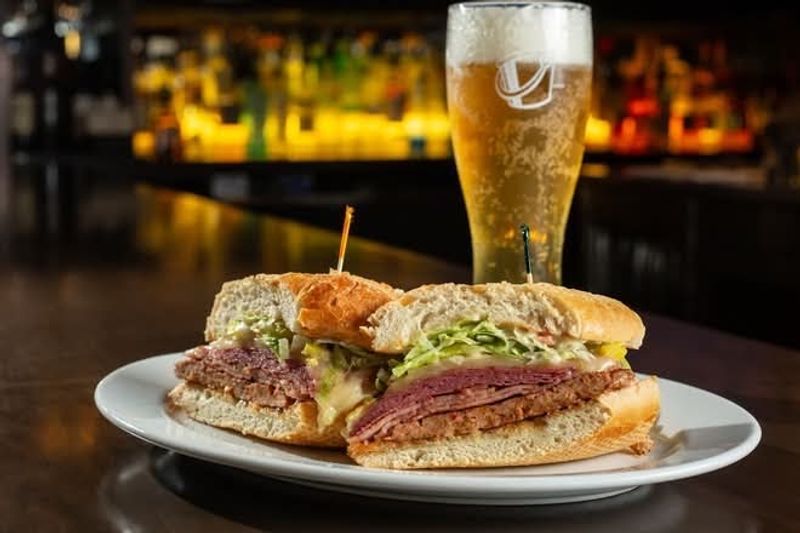
One reason the fish and chips lands so well is that it does not exist on an isolated seafood-first menu. Rusty Bucket is clearly built around broad tavern comfort food, and the lineup around that signature plate gives useful context for how the kitchen operates.
Pork tenderloin, burgers, buffalo chicken, Cubano sandwiches, French onion soup, chili, salads, nachos, and onion rings all point to a restaurant trying to cover the full casual-dining spread without becoming generic.
That range creates a practical advantage for groups. One person can chase the fish and chips while someone else goes straight for a towering tenderloin, a burger, or a soup-and-salad lunch, and the table still makes sense together.
In places like this, variety is not filler, it is part of the draw, because it allows the restaurant to function as a neighborhood default rather than a single-purpose stop.
Several of the most repeatedly praised supporting dishes also help explain the kitchen’s strengths. Fried pickles, nachos, Brussels sprouts, French onion soup, and sandwiches come up often enough to suggest that Rusty Bucket handles crisp textures, hearty portions, and familiar flavors with real consistency.
That matters for fish and chips because the dish depends on the exact same discipline: strong frying, hot timing, and seasoning that supports rather than overwhelms.
The menu’s breadth also keeps the fish and chips from feeling like an obvious order. You can walk in planning to get a burger, spot a soup, get tempted by a sandwich, then pivot at the last minute when the seafood plate catches your eye.
That kind of competition usually exposes weak dishes, yet here it strengthens the case for the fish, because it succeeds in a room full of other foods that already know how to command attention.
Indiana Tavern Energy Without the Chain-Restaurant Numbness
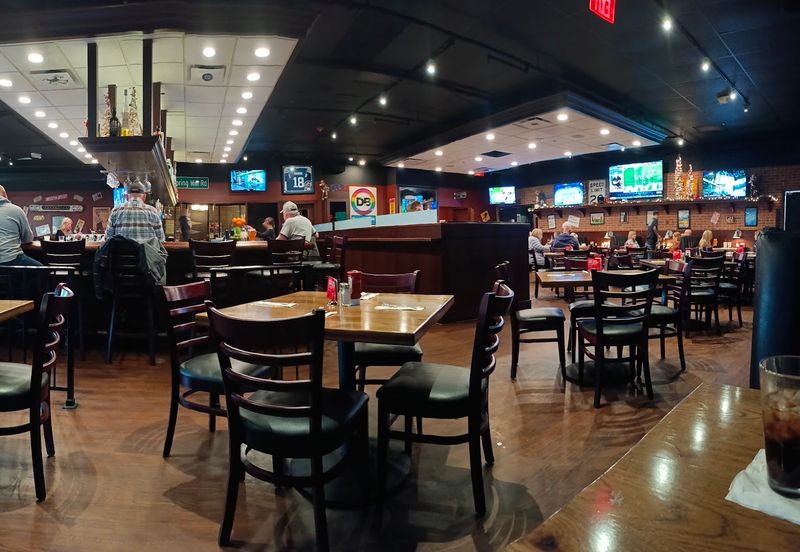
Rusty Bucket belongs to a category that can easily go bland: the polished neighborhood tavern with enough sports-bar DNA to keep things busy.
What keeps this Indianapolis location from slipping into that interchangeable zone is the way the room carries local tavern energy instead of full chain-restaurant stiffness. It is active, comfortable, and casual, but not stripped of personality.
The layout helps. There is a central bar presence, visible screens, and the familiar mix of booths and tables that suits everything from quick lunches to larger family dinners, yet the space still reads as a place where regulars can settle in.
Even when the room gets crowded, the vibe leans more pub-like than corporate, which is important for a restaurant trying to balance broad menu appeal with neighborhood loyalty.
That Indiana tavern character shows up in subtler ways too. The menu understands local comfort-food expectations, especially around tenderloins and fried sides, while still leaving room for salads, soups, seafood, and rotating drink specials.
There is nothing forced about the combination, and that lack of performance gives the whole place more credibility than trendier rooms that try too hard to manufacture character.
Fish and chips benefits from that setting because pub food needs pub energy around it. A crispy basket-style seafood order can fall flat in a sterile dining room, but here it fits the sound, pacing, and appetite of the space.
The dish becomes part of a wider tavern experience rather than a one-note seafood play, and that is a big reason it reads so well. Rusty Bucket is not chasing novelty.
It is serving familiar categories inside a room that knows how people actually like to eat, drink, talk, and linger in Indianapolis.
Service That Keeps the Room Moving
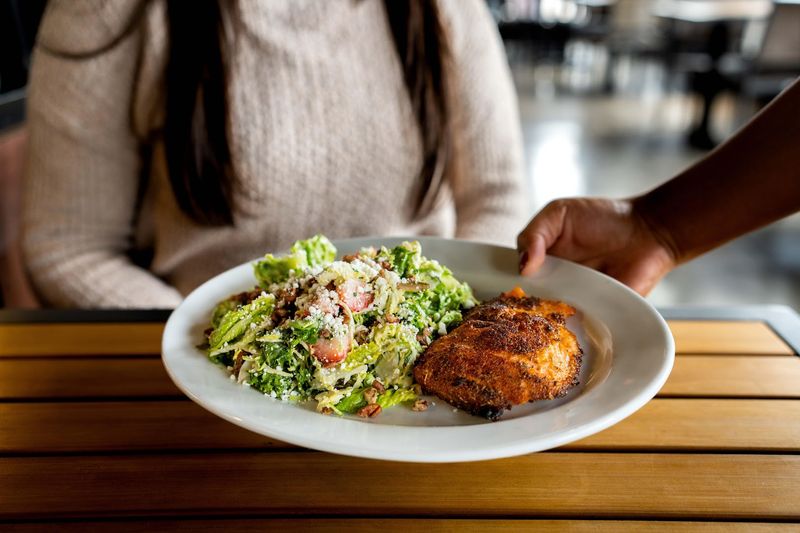
A tavern menu can be strong, but service is what determines whether a busy room stays appealing or starts to drag. At Rusty Bucket, the service pattern appears to be one of the restaurant’s clearest advantages, especially when the dining room is full.
The details that emerge again and again are timing, friendliness, and teamwork, which sounds simple until you remember how many casual restaurants struggle to deliver all three at once.
That matters for fish and chips more than it might for a slower, heavier dish. Fried food has a short runway between the kitchen and its best possible moment, so prompt delivery and table awareness are part of the meal, not separate from it.
A crisp batter and hot fries need staff who can move the plate efficiently, check in at the right pace, and keep refills, condiments, and follow-up requests from becoming interruptions.
The room seems especially well suited to attentive but not overbearing service. Diners describe staff members who stay upbeat, handle larger groups competently, and work across the room in a coordinated way rather than treating tables like isolated islands.
That kind of floor management helps the whole restaurant feel smoother, because the guest experience depends as much on flow as on flavor.
There is also a practical confidence in the way the place handles specific needs. Reports of allergy conversations involving both management and kitchen staff suggest a team paying attention, which builds trust beyond any single order.
In a restaurant centered on comfort food, that level of care keeps the experience from becoming generic hospitality theater. It gives the room competence, and competence is one of the least flashy but most important reasons a straightforward fish and chips dinner can end up being the smartest thing on the table.
Best Times to Go and How to Order Strategically
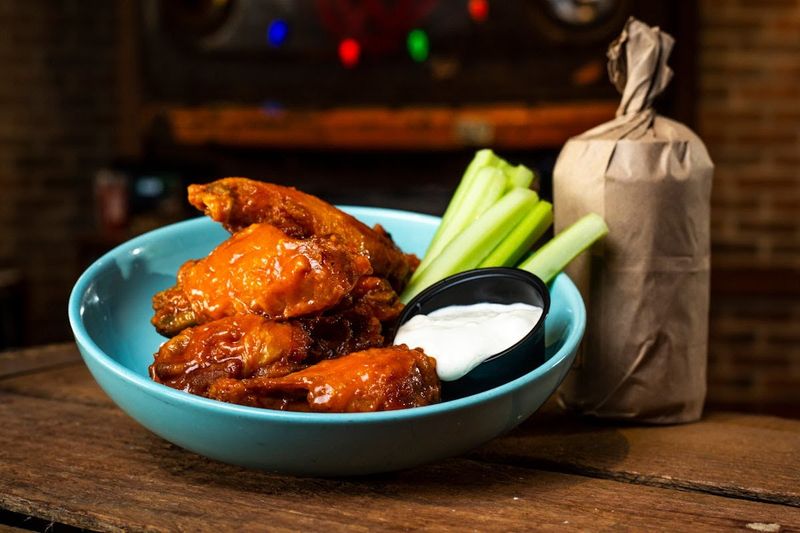
Timing changes the entire experience at Rusty Bucket, especially if the goal is to let the fish and chips shine without competing against the loudest peak-hour crush. The restaurant opens at 11 AM daily, making lunch an easy entry point for first-timers who want a clearer read on the room, the menu, and the pacing.
Early afternoon can be ideal if you want tavern comfort without the full-volume dinner surge that comes with a popular neighborhood spot.
Dinner has a different appeal. The bar energy rises, the screens matter more, and the place settles into its tavern identity with extra confidence, which pairs naturally with a fried seafood plate and a drink.
Friday and Saturday extend to 11 PM, while Sunday wraps earlier at 9 PM, so late-evening flexibility exists, but the sweet spot may be just before the busiest rush when the room is lively and the kitchen has not yet hit maximum strain.
Ordering strategically also helps. Fish and chips works well as the featured main if the table shares an appetizer that leans crisp or savory, but not so heavy that it dulls the payoff of the entrée.
Fried pickles, nachos, Brussels sprouts, soup, or onion rings can all make sense depending on your appetite, though the smartest move may be restraint: save room for the dish that prompted the visit.
If your group wants range, pair the seafood order with one or two classic tavern benchmarks such as the tenderloin, a burger, or French onion soup. That comparison makes the fish stand out more clearly because you can see how well it holds its own in a menu built around comfort staples.
Rusty Bucket rewards that kind of ordering. The restaurant is broad enough for flexibility, but focused enough that a deliberate meal plan pays off.
The Nora Location Gives It an Edge
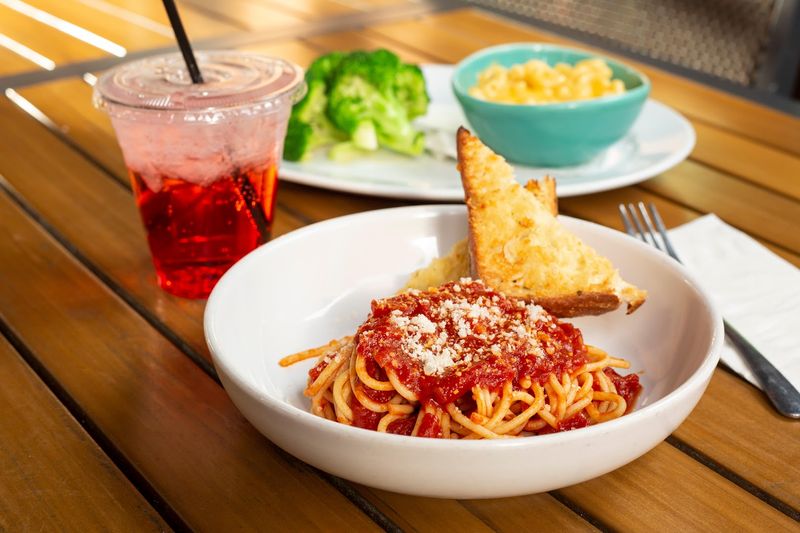
Location shapes expectations, and Rusty Bucket benefits from sitting in a part of Indianapolis where convenience and neighborhood routine meet.
The Nora area is full of practical stops, local traffic patterns, and everyday movement, which makes a restaurant like this easy to work into real life rather than saving it for special-occasion planning. That matters because taverns succeed best when they feel usable, not ceremonial.
Set near the intersection of major north side routes, the restaurant catches a mix of nearby residents, workers, shoppers, and people meeting halfway. That blend gives the room a broader pulse than a purely residential pub while still letting it maintain local identity.
You can picture lunch break tables, weeknight family dinners, game-day bar seats, and casual meetups all happening in the same stretch of hours, which explains why the place can feel lively without becoming destination-only precious.
For fish and chips, that setting creates an unusual advantage. Great versions of the dish are often framed as part of a dedicated seafood pilgrimage, but here the reward comes through a more everyday route.
You are not heading into a themed waterfront restaurant or chasing an elaborate culinary scene. You are pulling into a familiar north side corridor, walking into a tavern, and getting a plate that outperforms the assumptions attached to the address.
That contrast is a large part of the charm. A strong neighborhood location lowers the stakes in a good way, allowing the food to impress on its own terms instead of through hype.
Rusty Bucket uses its Nora setting almost like a disguise. The sign, the parking lot, and the commercial surroundings suggest a reliable casual meal, and then the fish and chips arrives with enough quality to turn an ordinary stop into the meal you end up talking about later.
Why This Fish-and-Chips Stop Stands Out in Indianapolis
Rusty Bucket does not win by trying to be the loudest restaurant in Indianapolis. Its appeal comes from a sharper combination: a neighborhood tavern address, a broad comfort-food menu, a room with real bar-and-booth energy, and a fish and chips plate that overdelivers in a setting where you may not expect it.
That contrast gives the restaurant its hook, and it is a strong one. Plenty of places can fry food. Far fewer manage to make a classic pub dish feel both casual and distinctly worth seeking out while still serving a menu full of burgers, soups, sandwiches, salads, and local tavern standards.
Rusty Bucket threads that needle by treating fish and chips as part of the house conversation rather than as a token seafood option. The result is a plate that fits naturally into the room and still grabs attention once it hits the table.
The surrounding details strengthen the case instead of distracting from it. Reliable service, a comfortable location on West 86th Street, flexible hours that support both lunch and dinner, and enough menu depth for mixed groups all make the restaurant easier to choose than a more single-purpose seafood stop.
In other words, you are not asking everyone at the table to commit to one culinary lane just to chase a satisfying fried fish dinner.
That is why this place quietly earns the label in the headline. Not because it is flashy, rare, or impossible to get into, but because it delivers a specific dish unusually well within a restaurant that remains approachable and useful.
Rusty Bucket Restaurant and Tavern turns fish and chips into the reason to visit, then backs it up with everything else a neighborhood tavern should do right. In a city full of casual dining options, that is a meaningful distinction.