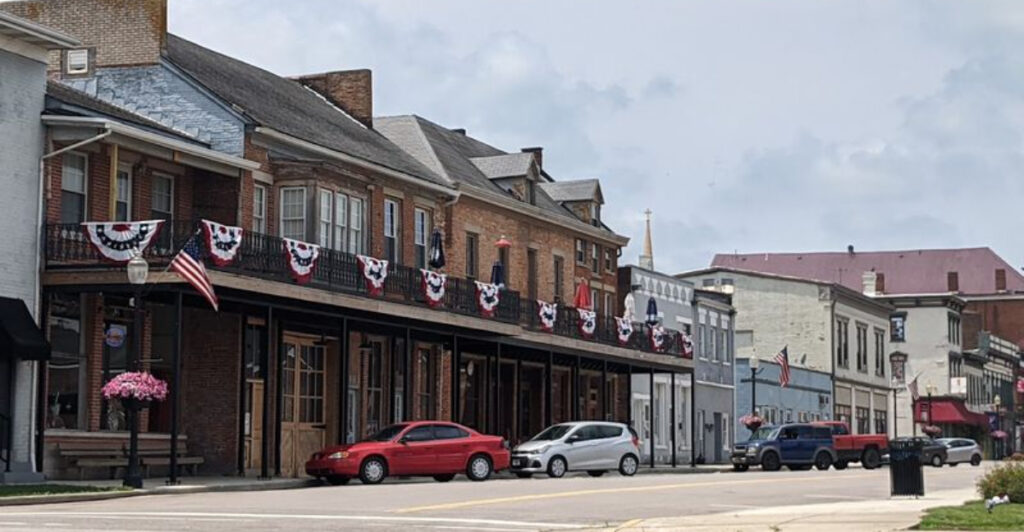
Every brick sidewalk, courthouse square, and centuries-old storefront tells part of Indiana’s story. Scattered across the state are towns where historic districts remain remarkably intact, preserving grand Victorian homes, early industrial landmarks, riverfront architecture, and streets that have changed little over the generations.
Some flourished as trading ports or canal communities, while others grew around railroads, manufacturing, or state politics, leaving behind a rich architectural legacy that’s still easy to explore today. These 9 historic Indiana towns invite visitors to experience the Hoosier State through the places that helped shape its past.
1. Madison
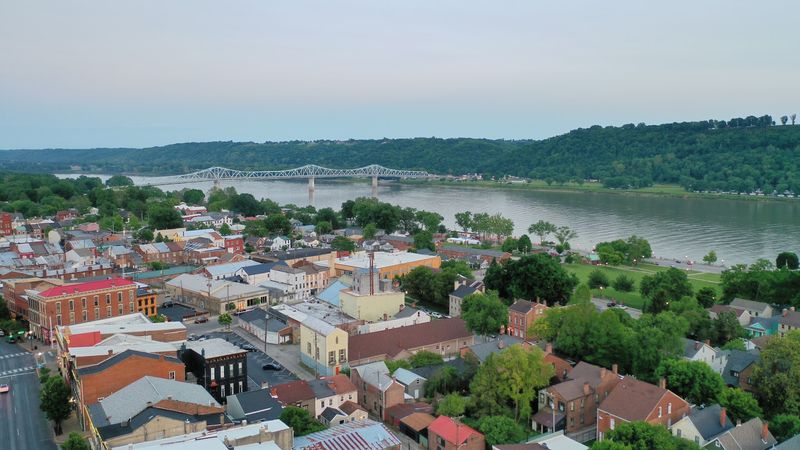
Madison makes a strong first impression because the setting does half the work for it. The town rises above the Ohio River in layers of porches, church towers, brick facades, and long streets lined with architecture that looks carefully kept rather than polished into a theme park.
You can cover a lot on foot here, and nearly every block gives you another reason to slow down and look up. The historic district is the real draw, stretching across an unusually large section of town with Federal, Greek Revival, and Italianate buildings packed closely together.
Instead of one standout landmark surrounded by newer filler, Madison offers whole runs of houses, commercial blocks, and public buildings that create a continuous historic scene.
Colorful storefronts add energy without breaking the visual rhythm, which is part of why downtown feels so cohesive.
Closer to the river, the town’s past as a working port still shows in the scale and placement of old buildings near the waterfront.
That connection between river commerce and local development is easy to read in the streetscape, especially when warehouses, homes, churches, and civic structures appear within a short walk of one another. It gives Madison a layered look that rewards unhurried wandering more than a checklist approach.
Plenty of Indiana towns have a few handsome old blocks, but Madison operates on a different level. The architecture is broad in style, the preservation is extensive, and the river backdrop sharpens every view.
For anyone chasing a place where historic detail fills the frame almost everywhere you turn, Madison belongs near the top of the list.
2. Vincennes
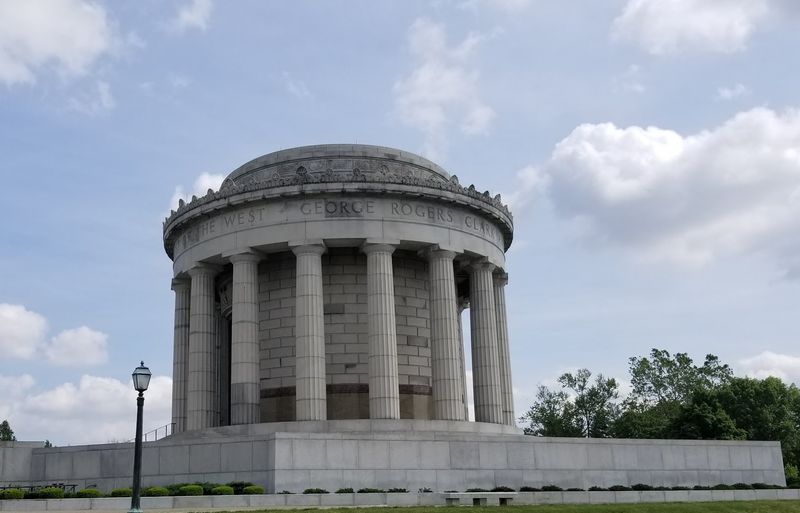
Vincennes carries its age in a way that is easy to notice once you reach downtown. As Indiana’s oldest city, it has a different historical texture than many other towns in the state, with roots tied to colonial settlement, frontier conflict, and the earliest layers of regional development.
The result is a place where old brick buildings and significant sites share the same compact urban core. You do not need much imagination here because the historic framework is still visible in the streets, building materials, and landmark locations.
Connections to George Rogers Clark give the city extra weight, but Vincennes is not dependent on a single famous name to stay interesting.
Its appeal comes from the broader sense that major early chapters of Indiana history unfolded right where you are standing.
Architecturally, the town offers a mix that reflects different eras without losing continuity. Some of the state’s oldest surviving structures are part of the story, and they sit alongside later commercial buildings that help explain how Vincennes kept evolving.
That blend is one of the town’s strengths, since it lets you trace change over time instead of seeing history frozen into one narrow period.
There is also a grounded quality to Vincennes that works in its favor. It reads less like a polished historical set piece and more like a city that has carried its past forward block by block.
For travelers interested in Indiana before statehood, Revolutionary War connections, and architecture with real chronological depth, Vincennes is an essential stop that earns attention through substance, not hype.
3. Corydon
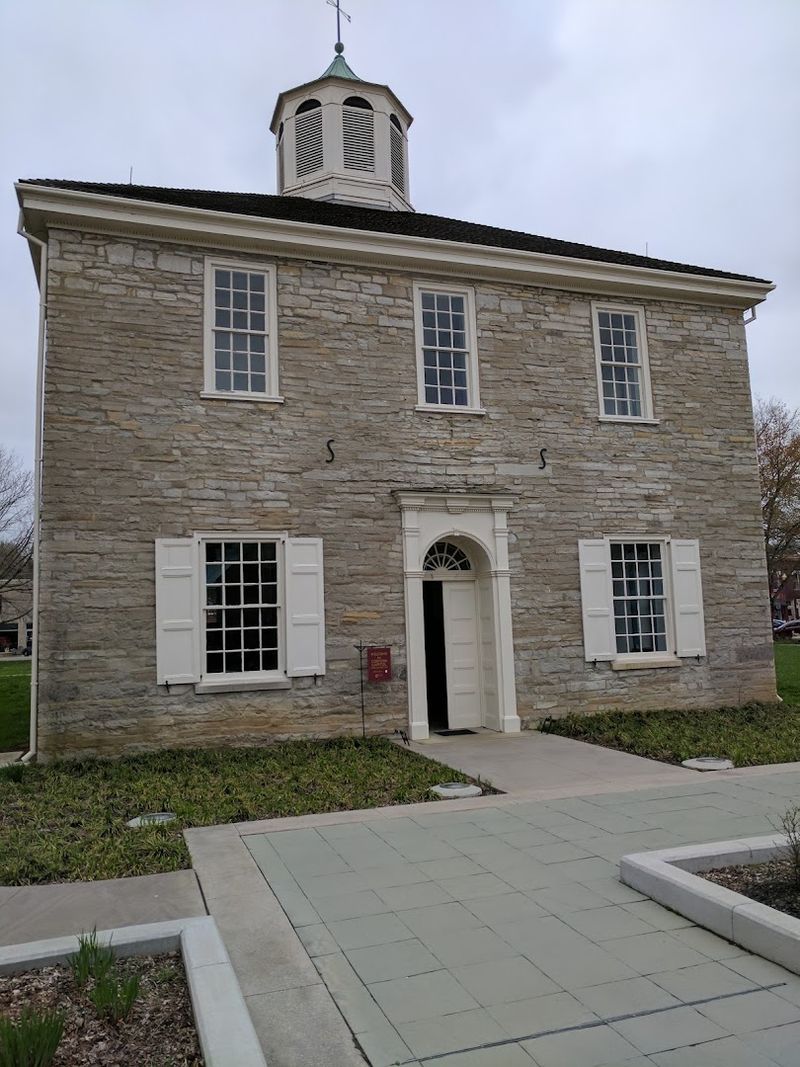
Corydon has the kind of historic core that immediately tells you why it matters. As Indiana’s first state capital, it holds onto its early government heritage through a downtown centered on the Original State Capitol and a town square that still reads as the civic heart of the community.
The scale is modest, but that actually sharpens the experience because key sites sit close together. The architecture supports the story at every turn. Limestone structures, older commercial buildings, and nineteenth-century homes give the area a look tied to early statehood rather than later industrial growth.
Instead of flashy monuments, Corydon offers the pleasure of seeing how a working small town preserved the setting where major state decisions once happened.
Walking around the square is where the town really clicks. The layout encourages you to notice courthouse-town patterns, old facades, and the way historic buildings define public space without overwhelming it.
Even short strolls reveal details in masonry, rooflines, and proportions that connect present-day Corydon to its role in Indiana’s political beginnings.
Another reason Corydon stands out is its clarity. Some historic towns require a long explanation before the significance comes into focus, but here the connection between place and story is direct.
You arrive, see the capitol building, move through the surrounding blocks, and the early chapter of Indiana government becomes easier to picture. For travelers who appreciate compact downtowns with real historic weight, Corydon delivers a strong, focused experience without trying too hard to dramatize itself.
4. New Harmony
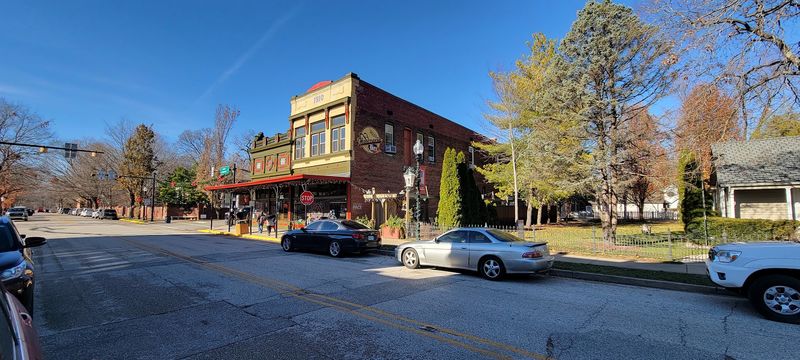
New Harmony stands apart from almost every other historic town in Indiana because its story is so unusual. Founded as the site of two famous utopian communities, it combines architectural preservation with a deeper intellectual history tied to social experiments, education, and scientific inquiry.
That gives the town an identity that is quieter than some river cities but every bit as memorable. The built environment plays a huge role in that appeal.
Historic homes, churches, and institutional buildings remain scattered through peaceful streets in a way that suggests deliberate planning rather than accidental survival.
You can sense that ideas mattered here, not only commerce, and the town’s preserved structures still reflect that broader purpose.
New Harmony also benefits from rhythm and space. Blocks do not feel crowded, and the setting invites you to move slowly enough to notice gardens, old walls, distinctive rooflines, and the relationship between public buildings and residences.
That pace suits the town, since its historical importance comes as much from the ambitions behind it as from any single landmark.
There is plenty to appreciate even if you arrive without a deep background in reform movements or nineteenth-century communal life. The town communicates through design, scale, and continuity, offering a landscape where big ideas once had a physical home.
That combination of preserved architecture and unusual American history makes New Harmony more than a pretty stop on a map. It is one of the rare places where Indiana’s past opens outward into national conversations about how people hoped to live, learn, and build society differently.
5. Metamora
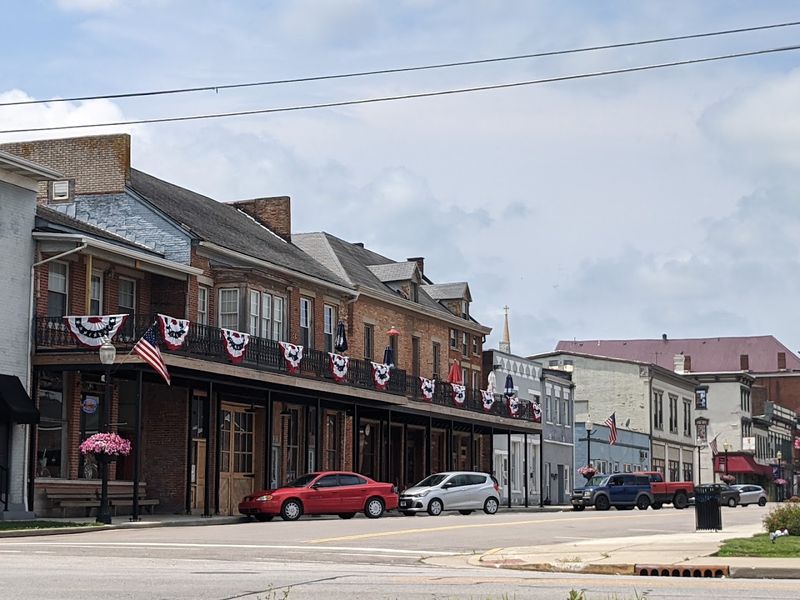
Metamora brings a totally different historic mood than Indiana’s courthouse squares and river cities. This small canal town centers on the preserved Whitewater Canal landscape, and that instantly changes the experience because water, mills, and wooden buildings shape the streetscape as much as the storefronts do.
It is the kind of place where transportation history is not abstract – you can see exactly how the town was organized around it.
The working canal is the headline feature, especially with horse-drawn canal boat rides that connect visitors to the mechanics of nineteenth-century travel in a hands-on way. Nearby, the old grist mill adds another layer by showing how industry and local trade once fit into daily life.
These are not random attractions dropped into an old town setting; they are central pieces of the historic environment.
Architecturally, Metamora leans into wood rather than brick, which gives it a softer and more rural visual identity. The storefronts, bridges, and utility structures help create a streetscape that reads as practical and period-appropriate instead of ornate.
That distinction matters because the town’s charm comes from preservation of a working canal community, not from grand civic buildings or formal mansions.
Metamora is especially appealing if you want history that feels tactile and easy to interpret. You can watch water movement, notice the scale of old structures, and understand why the canal mattered without needing a museum label every few steps.
For travelers exploring Indiana’s transportation heritage, this town offers one of the clearest and most engaging windows into how a nineteenth-century canal settlement looked and operated.
6. Nashville
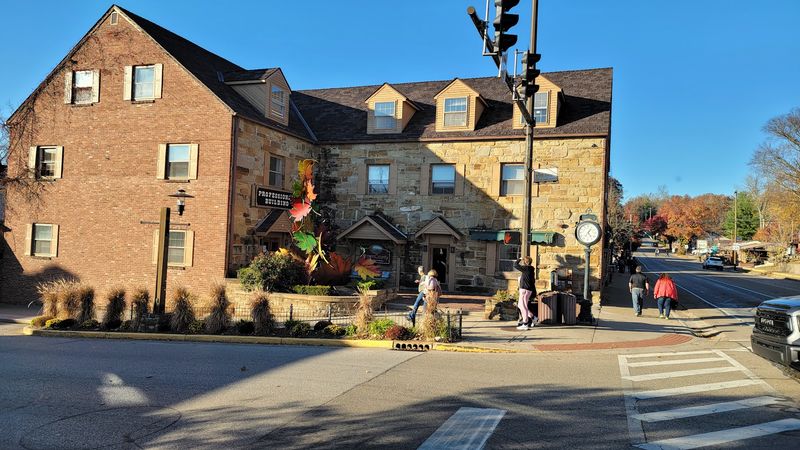
Nashville is often introduced through its arts scene, but its historic side deserves just as much attention. The town still shows the rustic building patterns of its early logging-era roots, and that older character gives the busy downtown a solid foundation.
Instead of looking overly curated, the core retains a rough-hewn visual style that suits Brown County’s hills and wooded setting.
Wooden buildings are a big part of the appeal here. They create a different texture from Indiana towns dominated by brick commercial blocks, and that texture helps Nashville keep its own identity even as shops, galleries, and restaurants fill the streets.
The result is a downtown where historic charm and present-day activity are tightly woven together rather than competing for attention.
Another advantage is the landscape surrounding the town. The scenic hills sharpen the sense of place, making Nashville’s built environment feel rooted in its geography rather than dropped into it.
Views down side streets, changing elevation, and the relationship between storefronts and natural surroundings all add visual variety that many flatter downtowns simply cannot match.
Nashville works best when you let yourself notice both the old framework and the current energy. The galleries may draw people in, but the preserved scale, materials, and street character are what keep the town from becoming interchangeable with any other shopping district.
For travelers looking for a historic Indiana town that pairs architectural personality with an active main street and a strong regional backdrop, Nashville has a very confident lane of its own.
7. Aurora
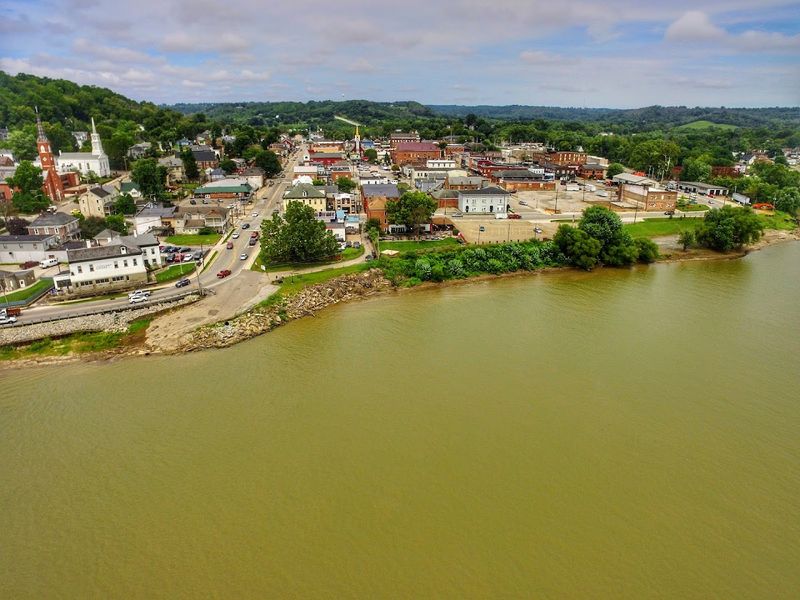
Aurora knows how to use its riverfront setting. Perched along the Ohio River, the town combines a preserved downtown with hillsides lined by historic homes and churches, creating layered views that are especially striking from the lower streets.
That vertical arrangement gives Aurora extra visual drama without sacrificing the compact, walkable character that makes historic districts easy to enjoy.
The commercial buildings downtown speak clearly to the town’s nineteenth-century prosperity. Facades have the kind of scale and detail you expect in places shaped by trade, and the river nearby explains why so much was built with confidence.
Even without diving into every date and business history, you can read Aurora as a community that once benefited from movement, exchange, and waterfront activity.
One of the town’s best qualities is how the architecture climbs. Homes set above the waterfront, church towers rising behind main street, and streets that tilt toward the hillside create a strong sense of depth in almost every direction.
That layered composition separates Aurora from flatter historic towns where the experience stays mostly at eye level.
There is also a nice balance between elegance and practicality here. The buildings are handsome, but the district still feels grounded in everyday urban form rather than frozen as a showcase.
For travelers exploring Indiana’s river towns, Aurora offers a persuasive combination of preserved commercial blocks, residential architecture, and landscape drama. It captures the look of a place shaped by commerce and topography at the same time, which makes even a short walk through downtown visually rewarding.
8. Goshen
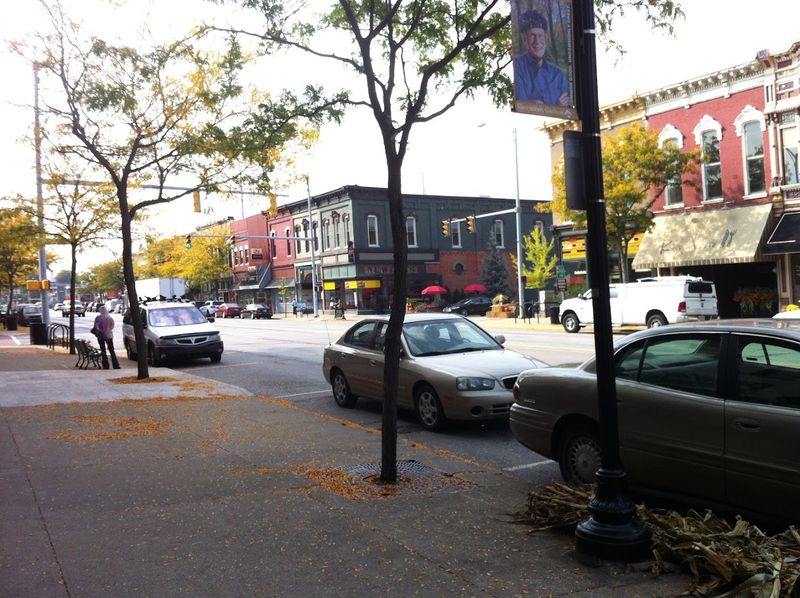
Goshen brings a northern Indiana perspective to this list, and it earns its place through the strength of its downtown. The historic district combines Victorian-era commercial architecture, notable civic buildings, and a walkable street pattern that still supports everyday activity.
That mix gives the center a lived-in quality that can be more appealing than places preserved mainly for occasional tourism.
The storefronts do a lot of the visual heavy lifting. Older facades line the streets with enough variation in brickwork, cornices, and window shapes to keep a walk interesting without turning chaotic.
Civic architecture adds extra weight, making the district feel substantial and complete rather than limited to one attractive block.
Goshen’s regional context matters too. Its location in Amish country adds another layer to how many visitors understand the area, even though the town’s historic appeal comes primarily from its urban fabric and preserved architecture.
That broader cultural setting can deepen a visit, especially if you enjoy seeing how a downtown relates to the agricultural and social landscape around it.
What makes Goshen memorable is its balance. It has enough architectural detail to satisfy people who like old buildings, enough practical vitality to avoid feeling staged, and enough civic presence to stand out among smaller Midwestern downtowns.
You can move through the district at an easy pace and keep finding solid, well-proportioned buildings that show how commercial centers once announced confidence through design. For anyone interested in Indiana history beyond the usual river towns and state-capital stories, Goshen offers a crisp, well-preserved look at northern Indiana’s architectural legacy.
9. Oldenburg
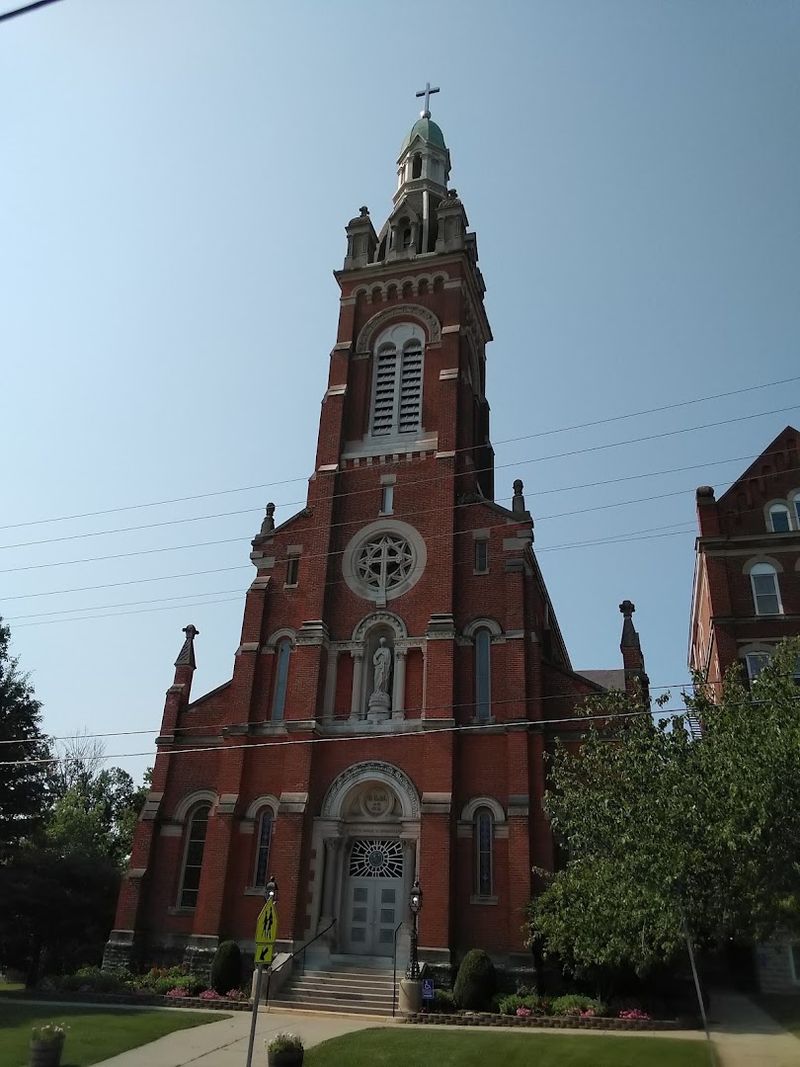
Oldenburg does not waste time making an impression. Known as the Village of Spires, it pairs brick streets with prominent church towers, nineteenth-century homes, and a remarkably cohesive historic district that reflects its German immigrant roots.
The town’s scale is small, but the architectural presence is anything but minor. Founded by German immigrants in 1837, Oldenburg still presents that heritage with unusual clarity.
The buildings, street materials, and overall layout work together to create continuity, so the district reads as a whole community rather than a handful of preserved highlights.
That makes a walk here especially satisfying because the details reinforce one another from block to block.
The churches are, of course, impossible to ignore. Their height and prominence help explain the town’s nickname, but they also organize the visual experience by anchoring streets and skyline views.
Around them, homes and commercial structures continue the story with masonry, proportions, and lot patterns that reflect the long endurance of the settlement.
Oldenburg also benefits from being active in the present. Restaurants, shops, and festivals add motion without erasing the historic framework that makes the town special in the first place.
That balance keeps the district from feeling static while preserving the sense of place that draws visitors in. For anyone interested in Indiana communities shaped by immigration, religion, and strong architectural continuity, Oldenburg is one of the state’s clearest success stories.
It offers a concentrated, visually distinctive historic environment where German heritage is visible in the streetscape itself, not only in plaques or local lore.