Out in the windswept prairie north of Abilene sits a cluster of crumbling stone chimneys and weathered foundations that tell the story of frontier Texas. Fort Phantom Hill was built in 1851 to protect settlers and travelers along the western edge of civilization, but it was abandoned just three years later under mysterious circumstances. Today, these haunting ruins stand as one of the most atmospheric historical sites in West Texas, offering visitors a chance to walk through history without the crowds or commercialization found at more famous landmarks.
1. Walk Among Authentic 1850s Military Ruins
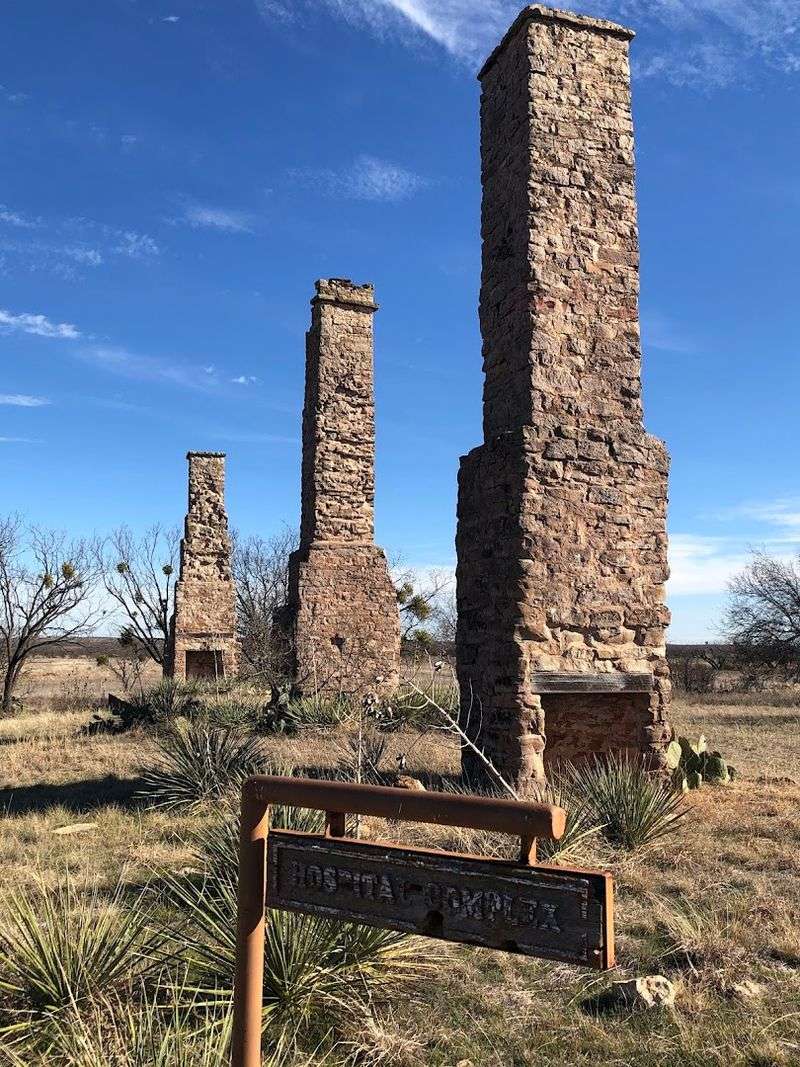
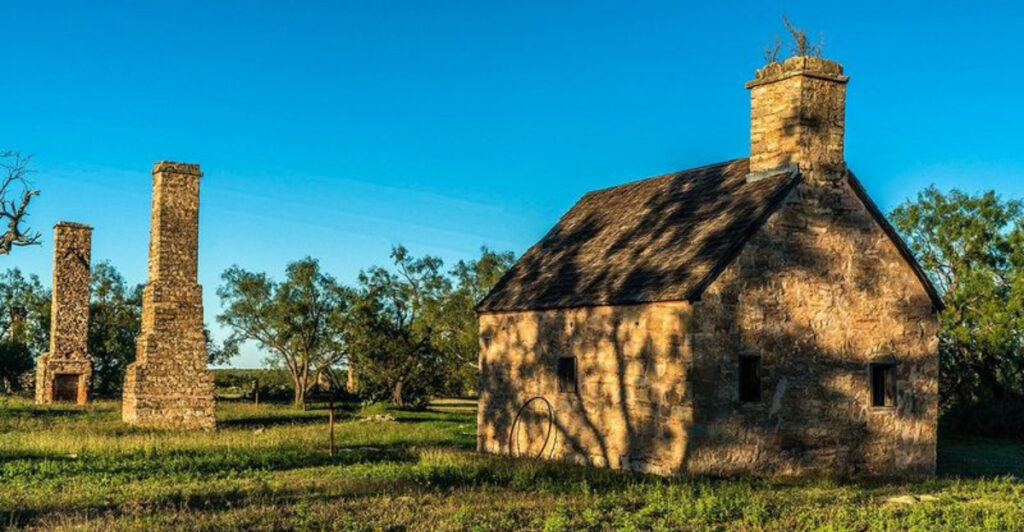
Three towering limestone chimneys rise from the grassland like silent sentinels, marking where officers’ quarters and barracks once bustled with military life. Walking the grounds feels like stepping into a time capsule, where stone foundations outline the footprint of buildings that housed soldiers protecting the Texas frontier. The commanding officer’s quarters, commissary storehouse, and powder magazine still stand in various states of picturesque decay.
What makes Fort Phantom Hill special is its authenticity. There are no reconstructions or gift shops, just the raw bones of history scattered across the landscape. A self-guided tour pamphlet available at the entrance helps you identify each structure and imagine the fort as it appeared in its prime.
The site preserves the aftermath of a dramatic finale when the departing commander allegedly torched most wooden buildings in 1854. Only the stone structures survived, creating the dramatic skeletal remains visible today. Rangers stationed here endured brutal summers, scarce water, and constant threat of attack for a meager soldier’s pay.
Photography enthusiasts find endless compositions among the ruins, especially during golden hour when sunlight streams through empty window frames. The contrast between crumbling civilization and endless prairie creates images that capture the loneliness and beauty of frontier life. Families appreciate how the open layout lets kids explore safely while learning about Texas history through hands-on discovery rather than museum displays.
2. Experience Completely Free Access Anytime
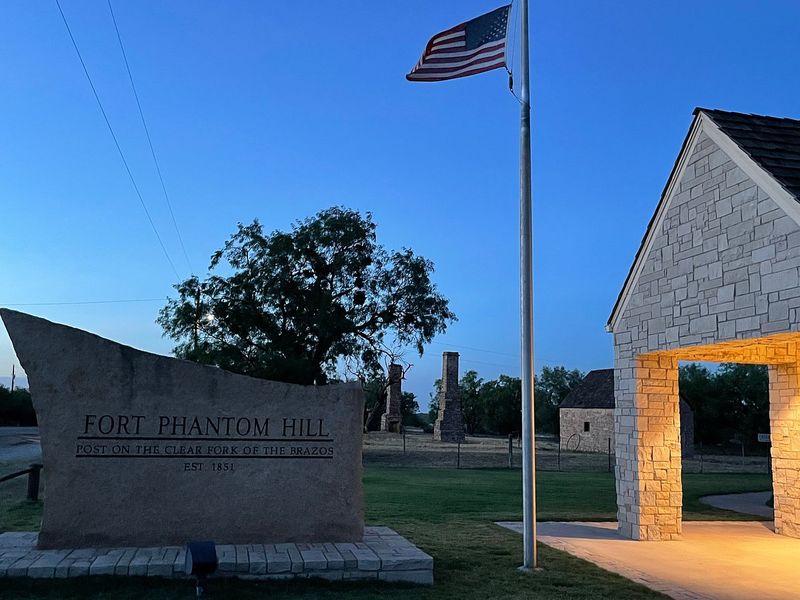
Fort Phantom Hill operates on an honor system that feels refreshingly old-fashioned. There are no admission fees, no gate attendants, and no operating hours since the site stays open 24/7 year-round. You can visit at dawn to catch sunrise over the chimneys or arrive after dark for a genuinely eerie experience under the stars.
A covered pavilion near the parking area houses clean restrooms and a supply of free tour brochures with detailed maps. Visitors consistently praise the bathroom facilities for being surprisingly well-maintained considering there’s no staff on-site. The self-serve setup means you control your pace entirely, spending ten minutes or two hours as your schedule allows.
This accessibility makes Fort Phantom Hill perfect for spontaneous road trip stops. Traveling along Highway 600 between Abilene and nowhere in particular? Pull off and stretch your legs while soaking up some history.
The lack of commercialization means no pressure to buy anything or rush through before closing time.
Families on budget-conscious adventures especially appreciate finding quality educational experiences that don’t charge admission. Pack sandwiches and enjoy a picnic among the ruins, letting kids burn energy exploring while adults relax in the shade. The open-access model trusts visitors to respect the site, and judging by its well-preserved condition, most people rise to that expectation beautifully.
3. Discover the Mystery Behind the Fort’s Abandonment
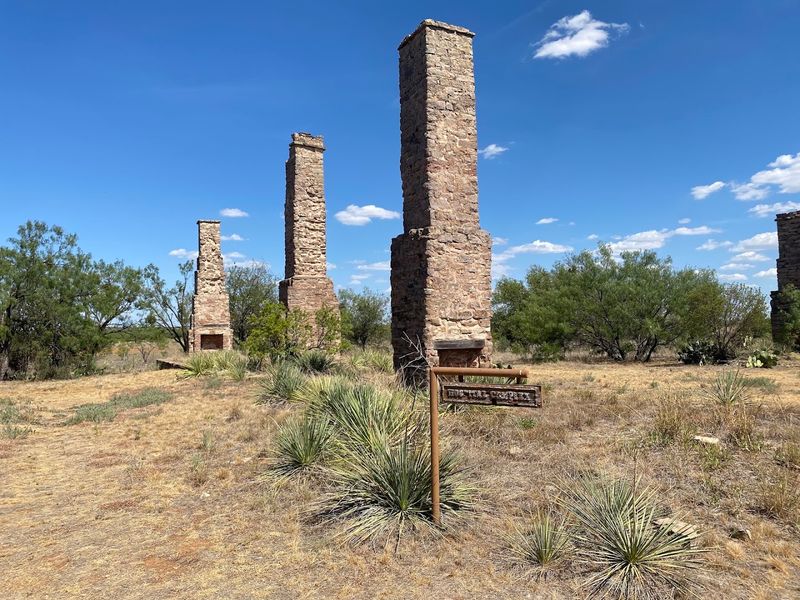
Fort Phantom Hill earned its haunting name from Phantom Hill Creek, which supposedly got its moniker when early surveyors mistook distant trees for a hill that vanished as they approached. But the fort’s abandonment story is equally mysterious and far more dramatic than its name origin.
Established in November 1851, the fort was intended to protect emigrant routes and control Comanche territory. Soldiers stationed here quickly discovered they’d drawn the short straw. Water was scarce and often contaminated, summer temperatures were punishing, and the isolated location offered zero entertainment.
Morale plummeted as men suffered through harsh conditions far from civilization.
In April 1854, orders came to abandon the post. According to local legend, the departing commanding officer was so disgusted with the place that he set fire to most of the wooden structures on his way out. Whether this act was official policy, personal vendetta, or exaggerated folklore remains debated, but the burned remains tell their own story.
The fort briefly saw reuse during the Civil War and later as a stop on the Butterfield Overland Mail route. Yet it never regained its original purpose, instead slowly crumbling into the romantic ruin visible today. Reading about these layers of history while standing among the actual stones where frustrated soldiers once served adds tangible connection that textbooks can’t match.
4. Prepare for Wildlife and Weather Conditions
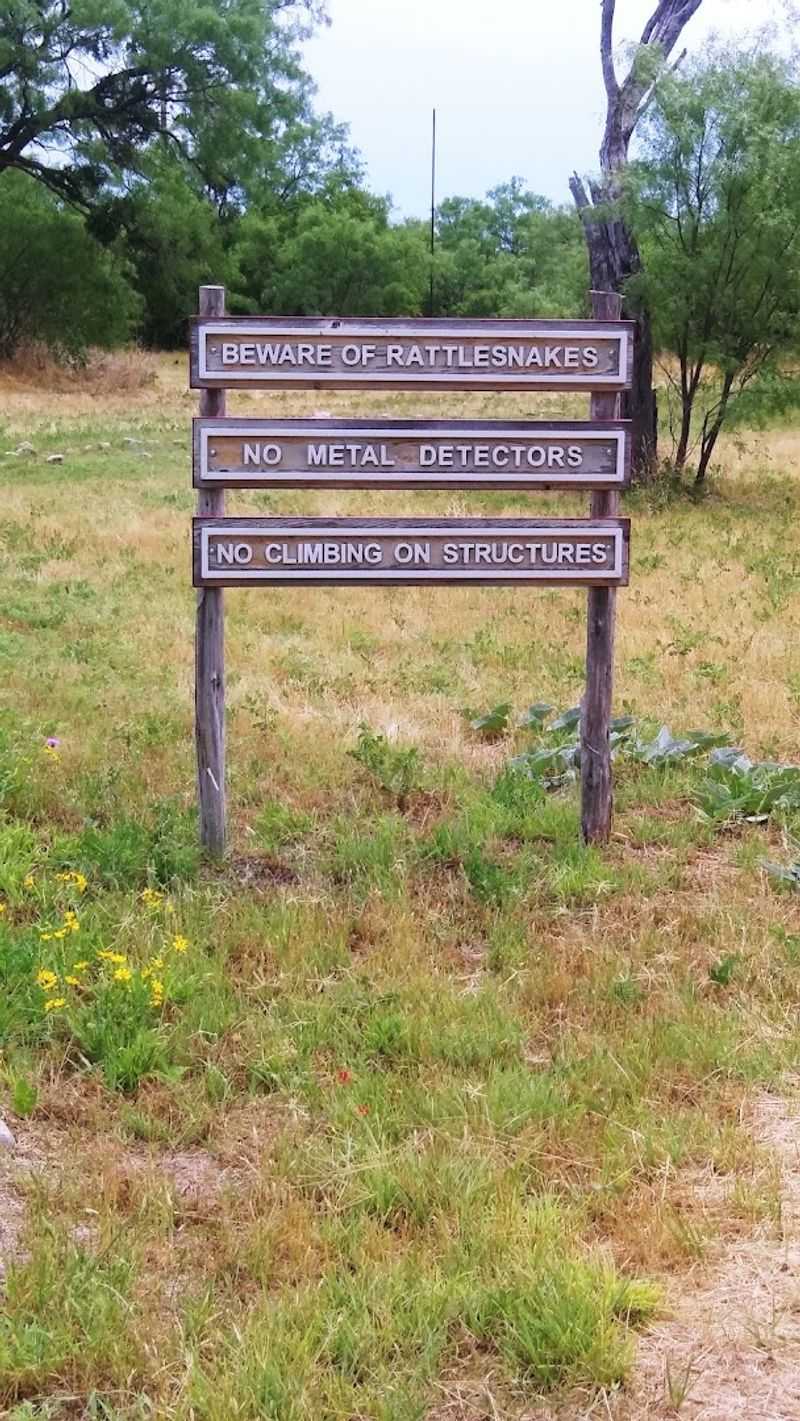
Fort Phantom Hill sits in genuine West Texas rangeland, which means sharing space with the local residents—both botanical and biological. Rattlesnakes are present, though most visitors never encounter them if they stick to maintained paths and watch where they step. Posted signs warn about snakes for good reason, so closed-toe shoes and long pants are strongly recommended over sandals and shorts.
Spiders love the ruins, spinning webs across doorways and window openings with impressive dedication. Reviewers mention encountering plenty of eight-legged architects, especially inside the stone structures. If you’re squeamish about bugs, visit during cooler months when insect activity decreases, or simply accept that spiders come with the territory at outdoor historical sites.
Sticker burrs and thorny plants grow abundantly around the foundations, another reason to skip the flip-flops. Spring visits reward you with spectacular wildflower displays and blooming cacti that transform the landscape into a photographer’s dream. However, spring also brings mosquitoes and grasshoppers in biblical proportions, so pack insect repellent.
Summer heat can be absolutely brutal with minimal shade available, making early morning or late afternoon visits smarter choices. Winter offers pleasant temperatures and fewer bugs, though occasional cold fronts can make the exposed prairie feel Arctic. Checking the weather forecast and dressing in layers helps you enjoy the ruins comfortably regardless of when you visit.
5. Follow the Self-Guided Walking Trail Loop
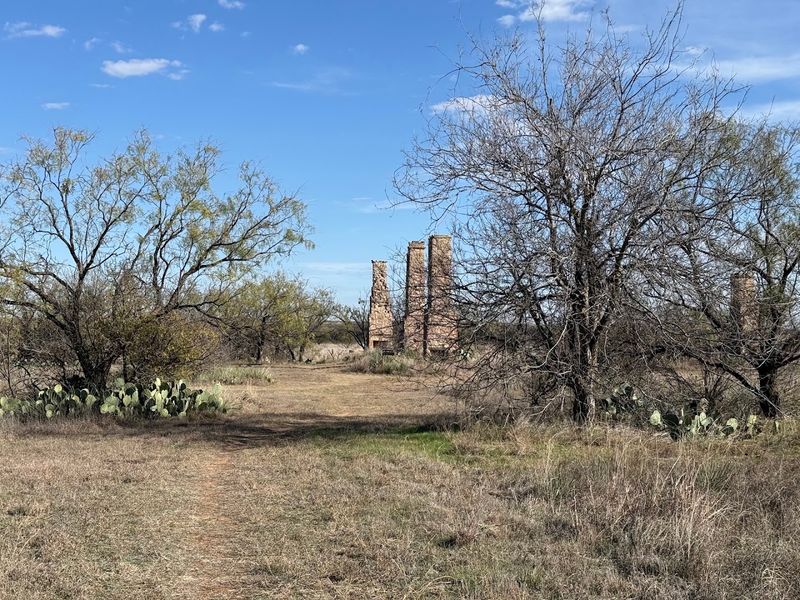
The walking trail at Fort Phantom Hill isn’t paved or fancy, but it’s well-marked enough that you won’t get lost even without a guide. Grab a brochure from the pavilion that includes a numbered map corresponding to markers throughout the site. Following the suggested route takes about 30-45 minutes at a leisurely pace, though history enthusiasts often linger much longer.
Paths wind through native prairie grass connecting the various ruins, giving you a real sense of how spread out military installations were in the 1850s. The layout reveals strategic thinking—officers’ quarters positioned separately from enlisted barracks, the powder magazine safely distanced from other buildings, and the commissary centrally located for efficient distribution.
Many visitors admit to wandering off the marked trail to explore more freely, which the open design accommodates well. As long as you can see the parking area or main chimneys, navigation stays simple. Families with young children appreciate that the relatively flat terrain and short distances make this an achievable outing even for little legs.
Don’t skip the trek across FM 600 to visit the old powder magazine, a separate stone building that survived the fire. It’s easy to overlook since it sits apart from the main ruins, but it’s one of the best-preserved structures on the property. The complete circuit gives you comprehensive understanding of how frontier forts functioned as self-contained military communities.
6. Capture Stunning Photography at Golden Hour
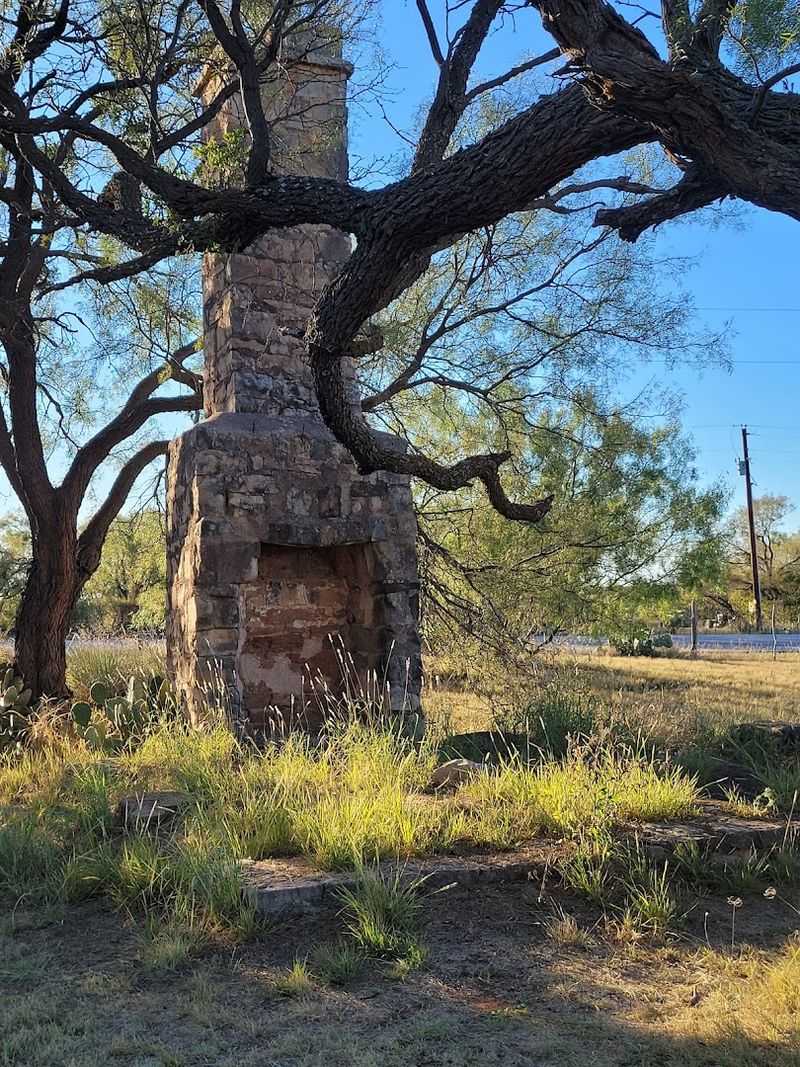
Photographers make pilgrimages to Fort Phantom Hill specifically for its dramatic lighting opportunities. The stone chimneys create natural frames for composing shots, while empty window openings offer peekaboo views of the endless prairie beyond. Contrast between weathered limestone and big Texas sky produces images that practically compose themselves.
Golden hour—the first hour after sunrise or last hour before sunset—transforms the ruins into something magical. Warm light paints the stones in amber and honey tones while casting long shadows that emphasize texture and dimension. One reviewer mentioned making Fort Phantom Hill a regular sunrise destination, waking early to watch dawn break over the chimneys in peaceful solitude.
Spring wildflower season adds explosive color to your compositions, with bluebonnets, Indian paintbrush, and prickly pear blossoms creating natural foreground interest. The combination of delicate flowers and crumbling military ruins makes for compelling visual storytelling about nature reclaiming human endeavors.
Night photography enthusiasts find the ruins equally rewarding under stars, especially during new moon phases when the Milky Way stretches brilliantly overhead. Some visitors report the site feeling genuinely spooky after dark, which adds atmospheric authenticity to moody photographs. Just bring a good flashlight and maybe a friend, because the isolation that makes Fort Phantom Hill special during the day becomes decidedly creepier once the sun goes down.
7. Make It a Perfect Road Trip Break
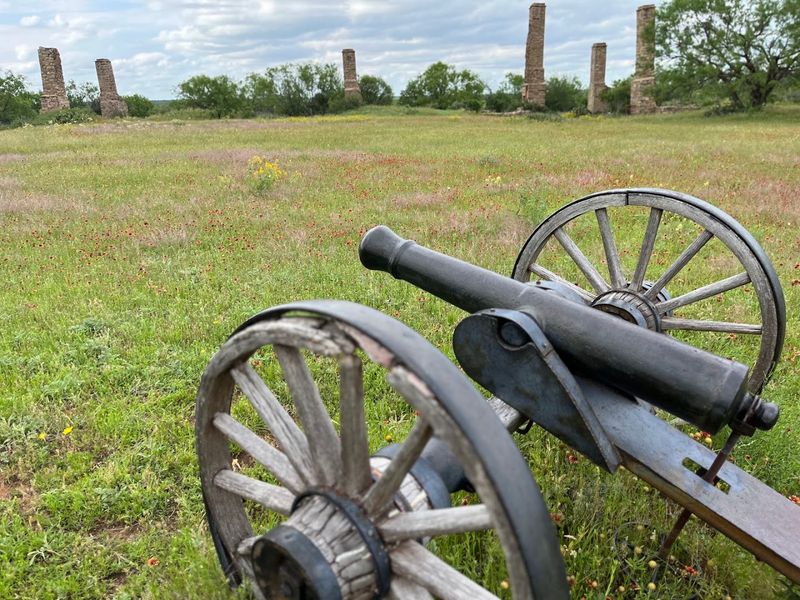
Located just 14 miles north of Abilene off FM 600, Fort Phantom Hill occupies that sweet spot of being easy to reach without feeling touristy. Interstate travelers can detour here in under 30 minutes, making it an ideal leg-stretcher during long drives across West Texas. The short distance from major routes means you’re not committing to hours of exploration if time is tight.
Families traveling with restless kids find the ruins perfect for burning energy constructively. Children can run around the foundations, play imagination games about frontier life, and ask questions sparked by seeing history firsthand. The informal atmosphere beats another generic rest stop, giving everyone a mental break from highway monotony while sneaking in educational value.
Many visitors pack lunches and picnic on-site, taking advantage of the peaceful setting and covered pavilion. There’s something special about eating sandwiches while surrounded by 170-year-old ruins, especially when wildflowers are blooming and butterflies are dancing through the grass. The clean restrooms seal the deal for families who’ve learned to appreciate such amenities during road trips.
Solo travelers appreciate the contemplative quiet for different reasons. Standing alone among the ruins, you can almost hear echoes of soldiers going about daily routines, horses nickering in corrals long vanished, and bugle calls marking time. Fort Phantom Hill offers space for reflection that our constantly connected world rarely provides, making it valuable beyond just historical interest.
8. Visit the Companion Museum in Abilene First
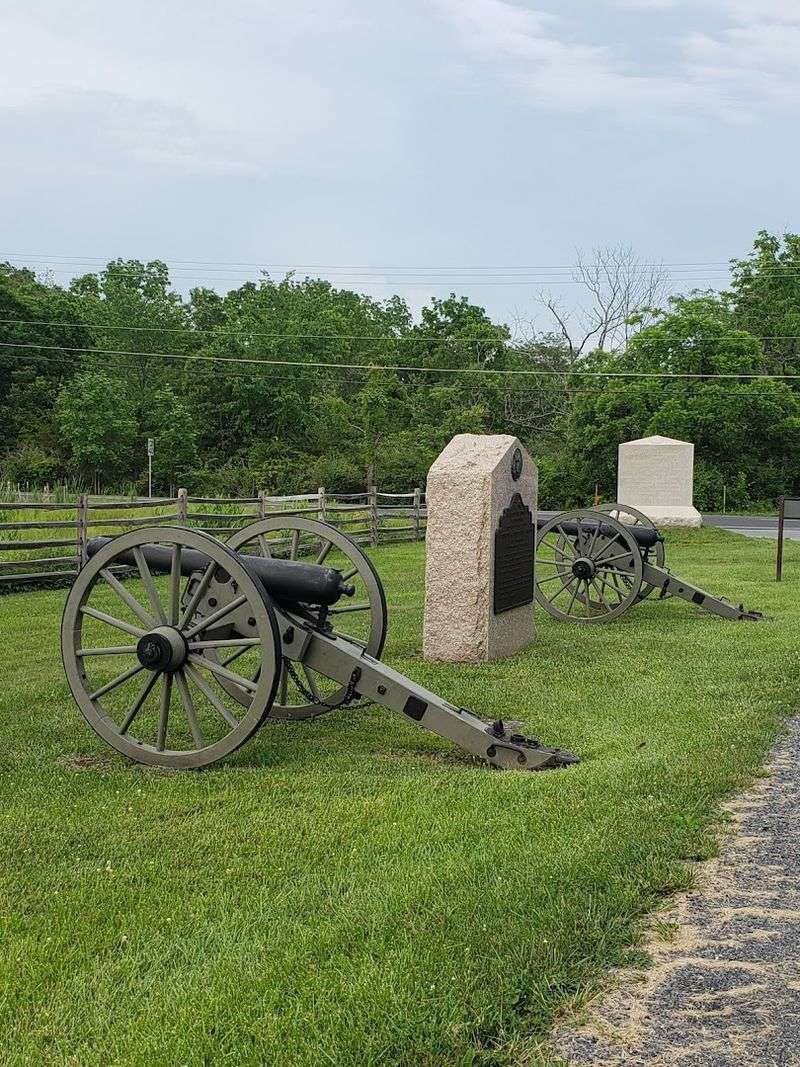
Maximize your Fort Phantom Hill experience by starting at Frontier Texas! in downtown Abilene before heading to the ruins. This interactive museum provides context about frontier life, military operations, and the challenges soldiers faced at isolated outposts. Understanding the bigger picture makes walking the actual fort grounds far more meaningful.
Frontier Texas! uses holograms, multimedia presentations, and artifacts to bring the 1780-1880 frontier period to life. Learning about Comanche culture, buffalo soldiers, cattle drives, and military campaigns gives you framework for interpreting what you’ll see at Fort Phantom Hill. The museum staff can answer questions and provide additional historical details that the self-guided tour brochures don’t cover.
Many reviewers mention doing exactly this two-stop combination, praising how the museum and ruins complement each other perfectly. Spending an hour or two at Frontier Texas! followed by 30-60 minutes at the fort creates a half-day historical adventure that’s educational without being exhausting. Kids especially benefit from the museum’s interactive elements before visiting the less stimulating (but more authentic) ruins.
The museum charges admission while the fort remains free, making this a budget-friendly pairing that delivers substantial value. If you’re already driving to Abilene, adding Fort Phantom Hill to your itinerary requires minimal extra time but significantly enriches your understanding of Texas frontier history. Together, these sites tell the complete story of what life was really like on the edge of civilization.
Share this story