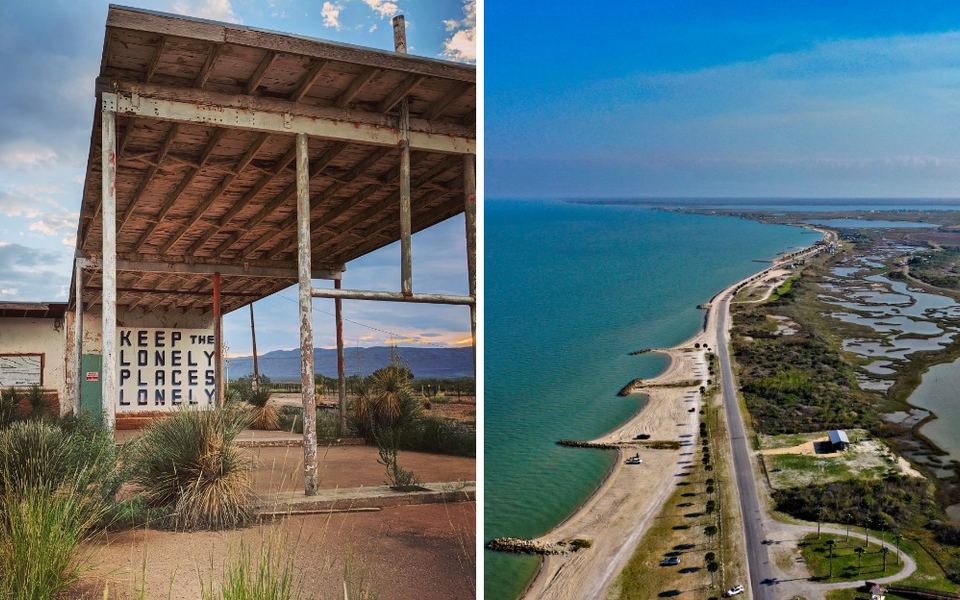
One Texas fort got its spooky name because soldiers said a ghostly figure appeared on a hill at night. When they looked again, the figure was gone. The name stuck for more than 170 years.
I love that a single eerie sighting could brand a place forever. And that fort is not alone. Across Texas, empty mining camps, faded highway stops, and storm-battered ports hold eerie histories, ghostly legends, and abandoned places that feel especially unsettling after dark.
Some of these places were packed with thousands of people. Now they hold crumbling walls, lonely cemeteries, and streets that lead to nowhere. The silence is half the fun, and maybe half the chill.
I can’t think of a better road trip for anyone who likes history with a side of goosebumps. So grab a flashlight and a brave friend. Which story will make you check the rearview mirror first?
1. The Grove, Texas, Gatesville, TX
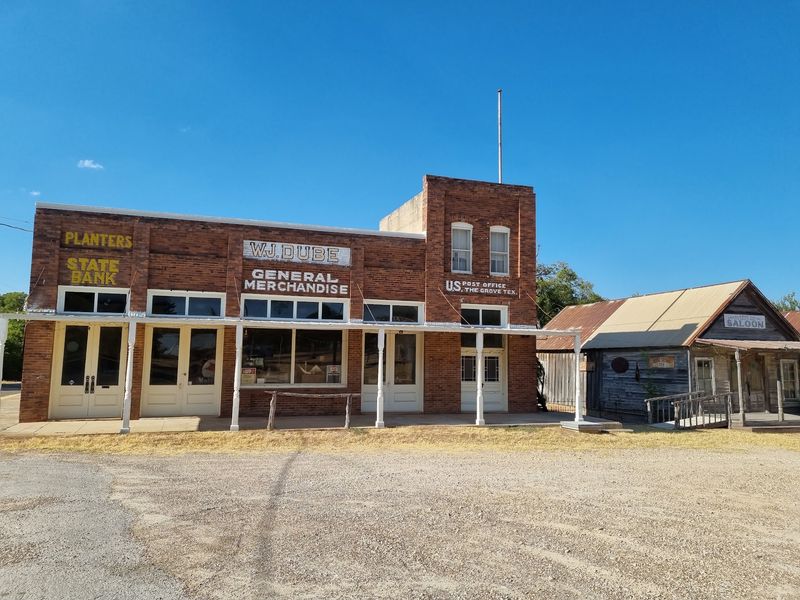
Small towns rarely get a second act, but this Coryell County spot pulled it off with style. Its old general store, restored buildings, and creaky storefronts look like a movie set that never wrapped.
Settlers arrived in the area in the mid-1800s, and the community grew around farms and a busy store. Later, new highways passed it by, and the town slowly emptied out.
Today, you can see restored buildings lined up along a quiet lane. There’s even an old well that still holds water, which feels a little spooky when the light starts to fade.
Head upstairs in one building and you’ll find an old doctor’s office. Picturing frontier medicine in that tiny room is enough to make anyone grateful for modern clinics.
Ghost stories have followed the place for years, with tales of strange sounds and shadowy shapes. Paranormal fans love the idea that the old storefronts may not be as empty as they seem.
Here’s the important part, though. The town sits on private property, so you’ll want to plan around the private tours instead of wandering in on your own.
Booking a tour gives you a better look inside the buildings anyway. You’ll also hear the history straight from people who know it well.
A sheriff figure is part of the scene, which adds a fun Old West touch. It’s easy to imagine lawmen keeping an eye on the street after sunset.
Gatesville is the nearest town, and it makes an easy base for the trip. Pair your visit with a drive through the rolling Central Texas countryside.
Bring a camera and leave plenty of time for the details. Old signs, worn floors, and faded paint tell stories of their own.
Address: 453 The Grove Ln, Gatesville, TX 76528
2. Terlingua Ghost Town
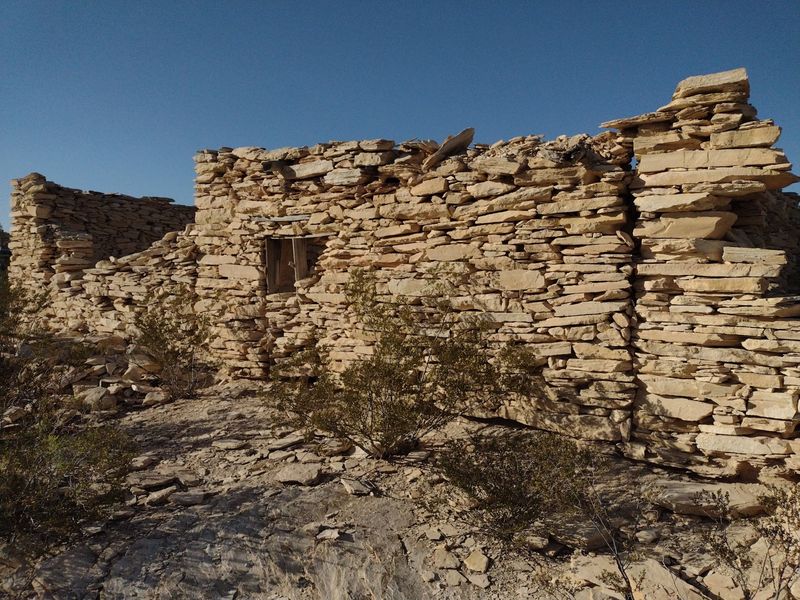
Quicksilver built this desert town, and the stars may be the only things that never left. Terlingua was once a busy mercury mining hub near the Big Bend area of far West Texas.
The Chisos Mining Company ran operations here in the early 1900s. Workers pulled cinnabar from the ground and turned it into mercury for a hungry market.
When demand dropped, the mines shut down in the 1940s. Families packed up, and the stone and adobe homes started to crumble under the hot sun.
Those ruins are the main draw today. You can stroll past roofless walls and old foundations that look almost like a lost city in a fantasy film.
The town cemetery is the spot that gives people chills. Weathered wooden crosses and piles of rocks mark the graves, many decorated with candles and small offerings.
Each year in early November, the community gathers there to honor the people buried in the old cemetery. The candlelit scene is beautiful, haunting, and unlike anything else in Texas.
Night here is serious business. Big Bend country is famous for dark skies, so the stars blaze above the ruins like someone flipped on a giant light switch.
That darkness also makes the old walls feel extra mysterious. Shadows stretch across the ground, and desert winds whistle through empty window frames.
The townsite stays open around the clock, so you can visit at sunset and stay for the stars. Bring water, sturdy shoes, and a good flashlight for uneven ground.
Respect the ruins and the graves while you explore. They’re fragile pieces of history, and they deserve gentle footsteps.
Address: Texas 79852
3. Glenrio
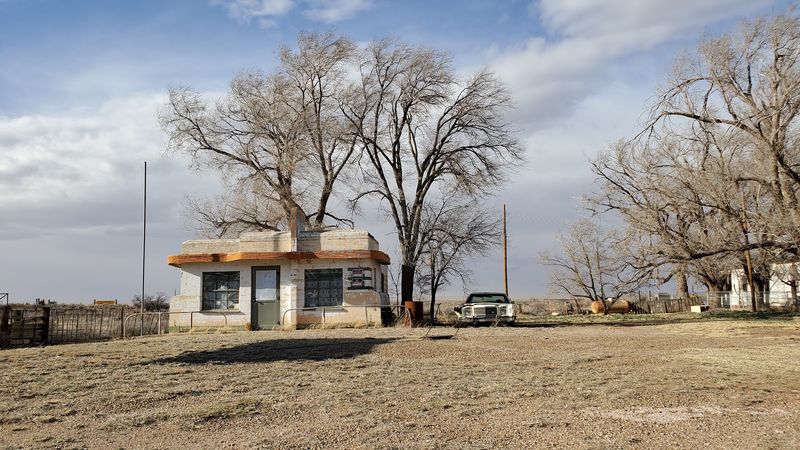
Half of this town sat in Texas and the other half in New Mexico, which feels like a setup for a very confusing ghost story. Glenrio grew up right on the state line.
It started in the early 1900s as a stop on the Rock Island railroad. Later, it became a busy pit stop for travelers along the famous Route 66.
Motels, cafes, and gas stations popped up to serve road trippers heading west. For a while, the tiny town buzzed with cars, families, and dusty truckers.
Then Interstate 40 arrived and skipped right past it. Traffic vanished, businesses closed, and the town slowly went quiet.
Today, you’ll find preserved buildings from those glory days still standing in the desert. Faded signs and empty frames make you feel like the travelers just stepped out for a minute.
One old motel was famous for advertising itself as the first or last stop in Texas, depending on your direction. That little detail makes the empty lot feel even lonelier now.
After dark, the setting gets downright eerie. With no city lights nearby, the flat land stretches into pitch black, and the wind hums across the plains.
It’s easy to imagine old headlights flickering down the abandoned road. Some visitors swear the place feels like it’s waiting for one more customer.
Glenrio is open to travelers at any hour, but stay respectful of the old structures. Don’t climb inside crumbling buildings, since many are unstable.
Route 66 fans will love snapping photos here. Pack snacks and fill your gas tank first, because services are scarce in this stretch of the Texas Panhandle.
Address: Texas 79045
4. Thurber
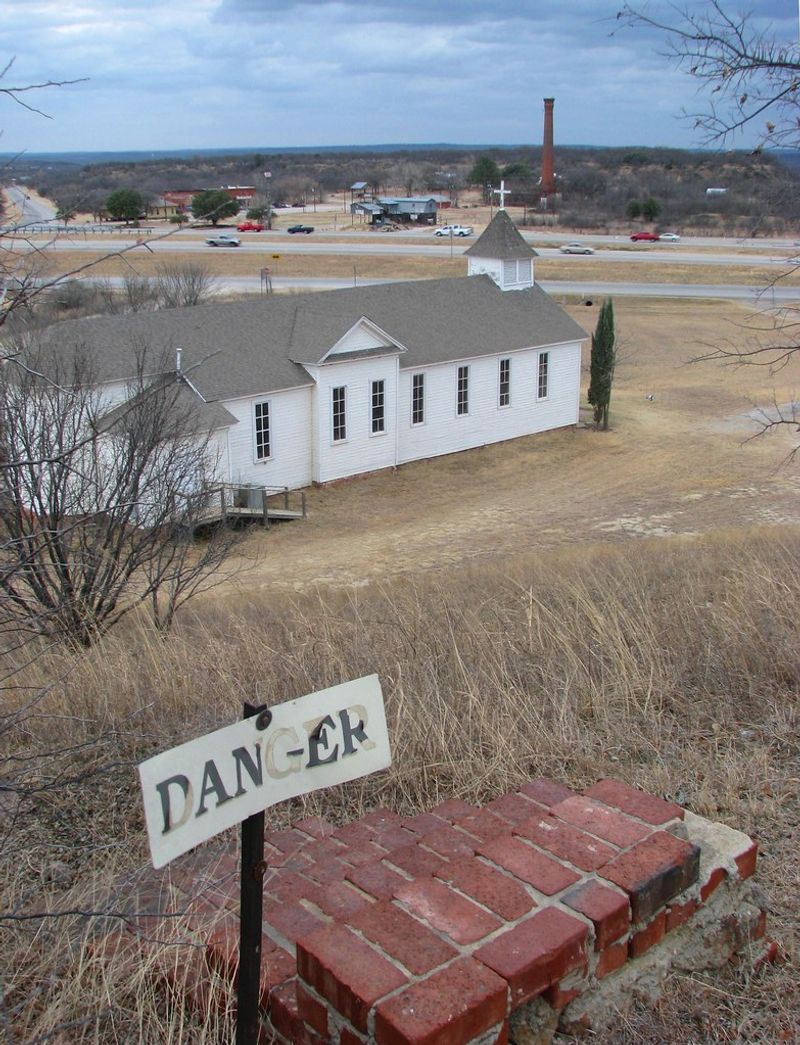
A lonely brick smokestack still towers over this spot like a giant finger pointing at the sky. It’s one of the last big reminders of a town that once roared with life.
Thurber was a coal mining company town in the late 1800s and early 1900s. Thousands of workers lived here, and many came from countries across Europe and beyond.
The town also made bricks, lots of them. Thurber bricks paved streets in different Texas cities, so you may have walked on a piece of this town without knowing it.
When railroads switched from coal to oil, the mines lost their purpose. By the 1930s, the busy streets emptied, and houses were moved or torn down.
Now it’s practically a ghost town sitting just off Interstate 20. Drivers zoom past every day, but the history here is worth a stop.
The old cemetery on the hill is where the spooky tales tend to gather. Its rows of graves honor miners and families from many cultures, and dusk gives the hill a heavy hush.
Stories of strange lights and voices pop up around the cemetery and the old mining area. Whether you believe them or not, the quiet at sunset feels thick.
The smokestack makes a dramatic photo, especially against an orange evening sky. Stand at its base and look up for a real sense of scale.
History lovers can learn more at the nearby W.K. Gordon Center, which focuses on the town’s past. Check its schedule before you go.
Thurber is easy to reach on a Dallas to Abilene road trip. It’s the perfect excuse to stretch your legs and get a few goosebumps.
Address: Texas 76463
5. Helena
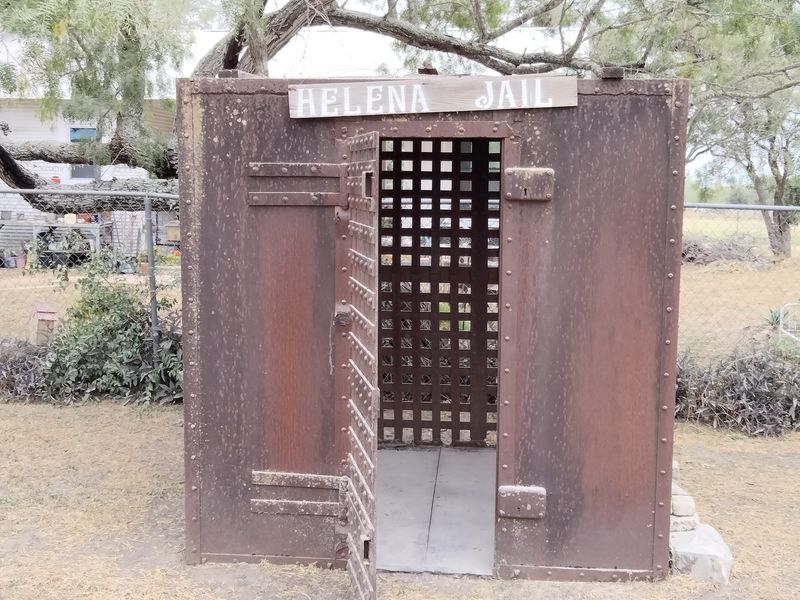
Legend says this South Texas town once earned the title of the toughest town on earth. That’s a bold nickname for a place that’s so peaceful today.
Helena was founded in the 1850s along the Chihuahua Trail, a busy route for freight wagons. It later served as the county seat of Karnes County.
The town had a wild reputation in its early days. Stories tell of the Helena duel, a brutal knife fight where two men were tied together at the wrist.
Things took a sad turn in the 1880s. After a local rancher’s son was shot in town, the rancher reportedly convinced the railroad to bypass Helena completely.
Without the railroad, the town faded fast. Karnes City took over as county seat in the 1890s, and Helena slipped into history.
Thankfully, people worked hard to save what remained. The old courthouse has been restored and now serves as a museum.
Guided tours take you through the restored home, buildings, and artifacts of the old town. You’ll get a clear picture of what frontier life looked like in South Texas.
The spooky side comes from that rough history. Some folks believe the town’s stormy past still echoes in the old buildings after nightfall.
Plan to visit when tours are running, since that’s the best way to see inside. The guides help bring the stories to life in ways a sign never could.
Helena sits southeast of San Antonio, making it an easy day trip. It’s a great stop for anyone who likes Old West stories with a little shiver attached.
Address: Texas 78118
6. Indianola
Camels once stepped off ships here, which is not a sentence you expect to read about the Texas coast. In the 1850s, the U.S. Army landed camels at this busy port for a desert experiment.
Indianola was a major Gulf port in the 1800s. Ships brought goods and thousands of immigrants, and the town even competed with Galveston for business.
Then the weather turned on it. A massive hurricane struck in 1875 and caused heavy damage to the town.
People rebuilt, hoping for a fresh start. In 1886, another powerful hurricane hit, followed by a fire, and that was the end of the town.
The historic port was never rebuilt to its former glory. Today, the old townsite is mostly beach, scattered historic remains, and a small coastal community.
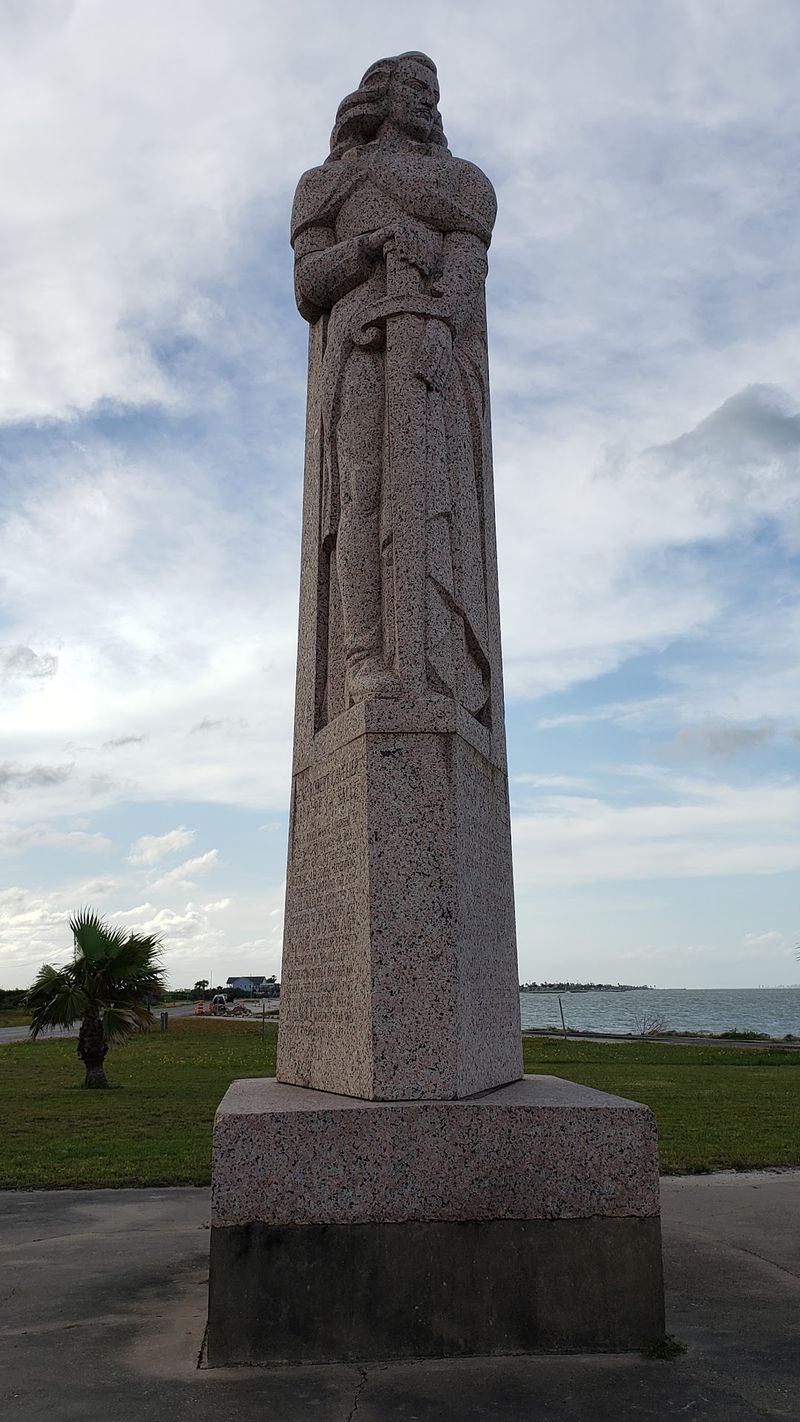
A big granite statue of the French explorer La Salle stands near the shore. It honors his landing in the area in the 1680s.
The spooky part? The old cemetery and ruins sit in a lonely spot by the water. When the wind howls off the Gulf at night, it’s easy to think about the storms that wiped the town away.
Some people say the beach feels haunted by the memory of those hurricanes. The ocean sounds don’t help, especially on cloudy evenings.
The ruins and park grounds are open around the clock. Visit at sunset for gorgeous views, then stick around as the shoreline grows dark and quiet.
Bring bug spray and a jacket, since coastal winds can surprise you. Fishing and beachcombing make the trip even better.
Address: Texas 77979
7. Lobo
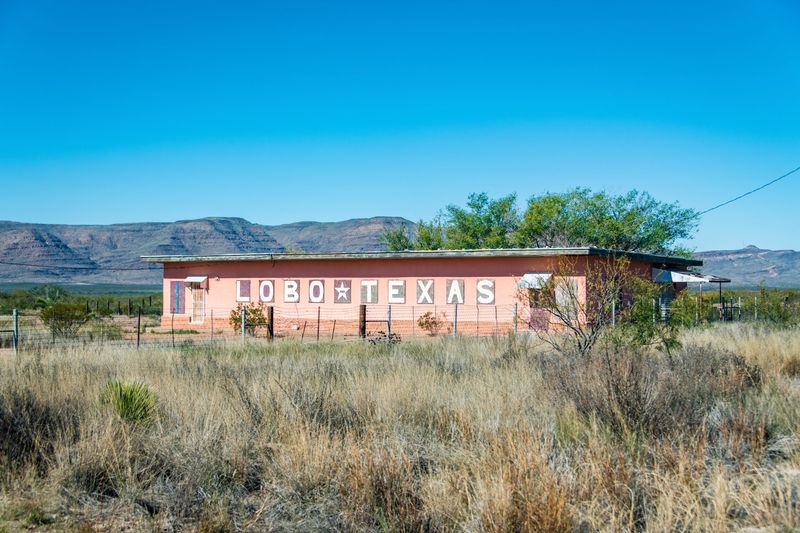
Named after the wolf, this tiny desert town now howls mostly with wind. You’ll find it right along US Highway 90 in the wide-open valley south of Van Horn.
Lobo started as a railroad stop in the early 1900s. Over the years, it served farmers and travelers crossing the rugged West Texas landscape.
As water and business dried up, people slowly moved away. The buildings stayed behind, baking in the sun and sinking into silence.
Today, you can see the old structures right from the roadside. Faded walls and empty buildings sit against a backdrop of mountains and endless sky.
The setting alone feels like a scene from a western thriller. There’s almost no traffic, few lights, and lots of space for your imagination to run wild.
At night, the darkness out here is intense. Without nearby towns glowing on the horizon, the stars feel close enough to grab.
That kind of darkness makes even the bravest traveler a bit jumpy. A rattle of tin or a creak in the wind sounds much louder after sunset.
The buildings are visible from the highway, so you can enjoy the view without trespassing. Stay on public land and respect any posted signs.
Lobo makes a great stop on the way to Marfa or Big Bend. It’s especially fun for photographers who love moody desert shots.
Fill up on gas and grab snacks in Van Horn before heading out. Services are few and far between in this lonesome corner of Texas.
Address: Texas 79855
8. Historic Fort Phantom Hill, Abilene, TX
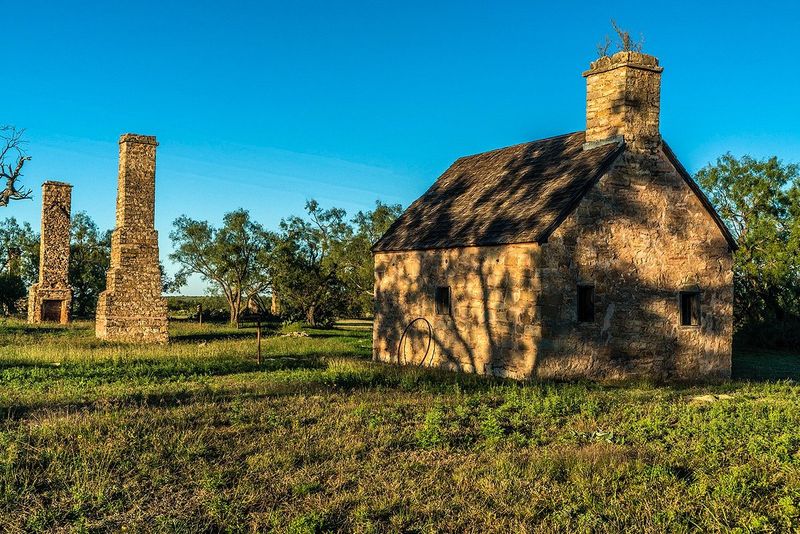
Spooky names don’t come much better than this one. According to legend, a soldier spotted a ghostly figure on a hill at night, and when others looked, it had vanished.
The fort was built in 1851 to protect settlers on the Texas frontier. Soldiers didn’t love it, though, thanks to harsh weather, poor water, and isolation.
The Army left in 1854, and the fort soon burned. Nobody knows for sure who set the fire, which adds another layer of mystery.
Today, the ruins stand quietly near Abilene. Tall stone chimneys rise from the prairie like lonely sentinels watching over the land.
Three original stone buildings still survive. You can see the guardhouse, the commissary, and the powder magazine on a self-guided tour.
A trail winds through the grounds, so you can explore at your own pace. Signs help explain what each building was used for.
The best part? The site is free to explore daily from dawn until dusk, with historic ruins and fascinating frontier history around every corner.
As the sun sets, the chimneys cast long shadows across the grass. It’s easy to see why the phantom legend has lasted so long.
Families will appreciate the clean restrooms and well-kept grounds. Kids usually love hunting for clues about how soldiers lived here.
Bring water and sunscreen during the day, since shade is limited. A short drive from Abilene makes this an easy and memorable outing.
Just keep an eye on that hill. You never know who might be standing there.
Address: 10818 FM600, Abilene, TX 79601
Share this story