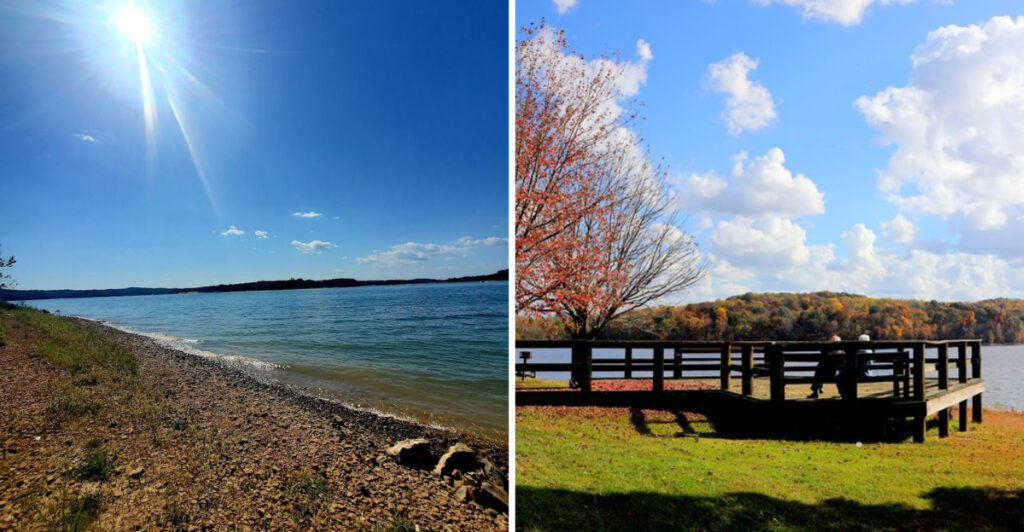
You don’t have to travel across the country to find a lake with breathtaking scenery and room to unwind. Tucked into the rolling hills of southern Indiana, Patoka Lake combines sparkling blue water, forested shorelines, quiet coves, and wide-open views that make it feel far removed from everyday life.
As the state’s second-largest reservoir, it offers boating, kayaking, fishing, hiking, wildlife watching, and peaceful waterfront escapes in every season. Whether you’re planning a weekend getaway or a spontaneous day trip, Patoka Lake delivers the kind of natural beauty that rivals destinations far beyond Indiana’s borders.
Where the Water Opens Up
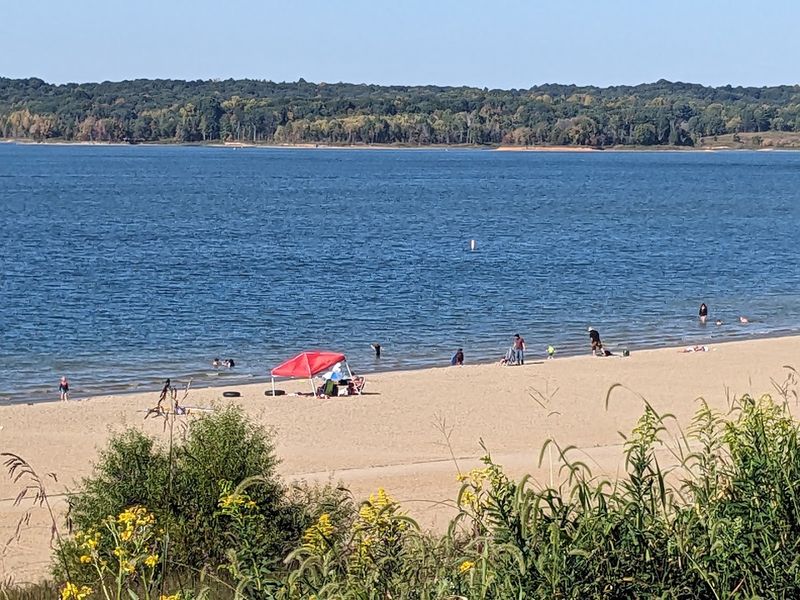
Patoka Lake makes its point quickly. The shoreline does not crowd you with houses, neon signs, or a wall of development, so your eye lands on open water first, then on long bands of trees wrapping the coves and ridges.
That uncluttered view is a big part of the surprise, especially in Indiana, where many weekend lake spots feel smaller or more built up than expected.
Here, the scale reads differently. Patoka is the state’s second-largest reservoir, and that size translates into wide sightlines, layered shorelines, and stretches of water that look more substantial than a quick map glance suggests.
On bright days, the lake can appear glassy near shore and wind-rippled farther out, creating a shifting surface that gives the whole place motion even before a boat passes through.
The surrounding landscape helps sell the comparison people sometimes make to more famous lake escapes. Wooded slopes drop toward the water instead of flattening into plain picnic-ground scenery, and the inlets create little pockets of shade, reflection, and contrast.
You get that satisfying visual mix of blue, green, and rugged contours, minus the sense that every overlook has already been turned into a crowded photo stop.
That first impression matters because it changes how you plan your day. Instead of treating Patoka like a quick swim stop, you start seeing it as a full landscape to move through, whether that means boating into quieter coves, driving between recreation areas, or simply following the shoreline until a different angle catches the light. It has presence, and it knows how to use it.
The Boat Day That Actually Delivers
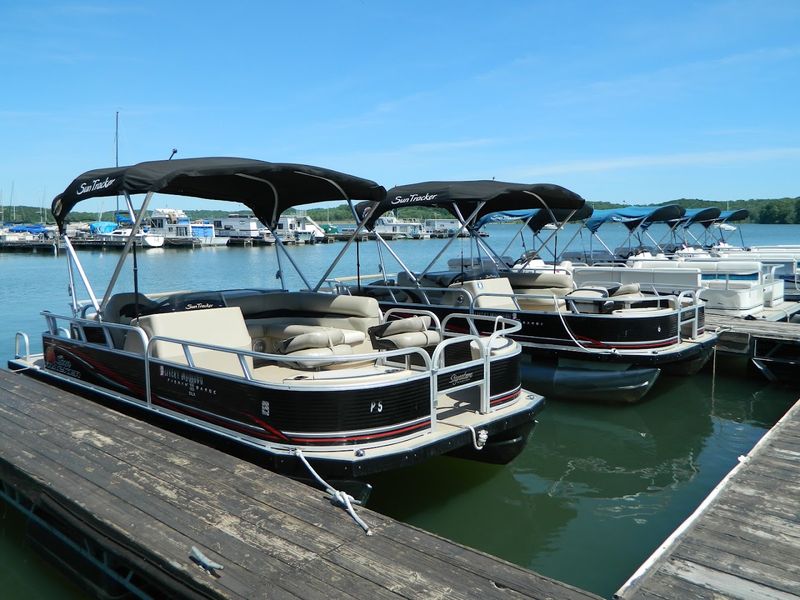
If Patoka Lake has a signature experience, it is getting out on the water. This is a lake built for movement, with enough size for pontoon rides, fishing runs, kayaking stretches, and full boating days that do not feel cramped after the first hour.
You can drift through calmer pockets or head into busier areas where the energy picks up and the lake starts acting like a true summer playground.
That range is useful because Patoka does not operate at one speed. Some sections are great for a relaxed cruise past wooded banks, while other times, especially on busy weekends, you will notice serious boat traffic and bigger wakes from larger vessels.
That makes the lake more exciting for experienced boaters and also a little more demanding if you are new, which is worth knowing before you launch something small and lightweight.
Even from shore, you can tell boating shapes the culture here. Docks, ramps, and open water routes make the lake feel functional rather than ornamental, and the constant crossing motion keeps the scenery from going static.
A windy afternoon can add even more texture, turning a simple ride into the kind of outing where the water, sky, and shoreline all seem to shift minute by minute.
For you, that means Patoka works best when you lean into its scale instead of trying to contain it. Rent a pontoon, bring boating confidence, or choose a quieter cove-based paddle depending on conditions.
The point is not just to look at the reservoir from land, but to use it the way it was meant to be used: as a huge, active piece of Indiana outdoors.
Quiet Corners and Unexpected Wildlife
Once you move beyond the main recreation buzz, Patoka Lake starts showing another side. The inlets and coves carve the reservoir into smaller worlds, where the water softens, tree reflections sharpen, and the soundscape drops from engine noise to birds, breeze, and the occasional paddle stroke.
That shift is one of the lake’s smartest tricks, because it gives you options without forcing you to drive somewhere else.
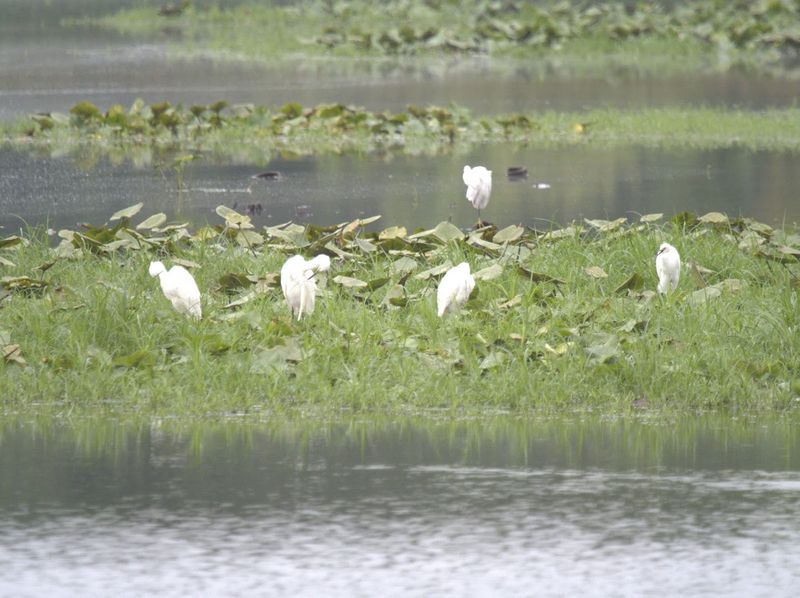
Wildlife adds to that sense of variety. Bird sightings are part of the normal rhythm here, and the lake’s wooded edges create exactly the kind of habitat that makes a slow scan of the shoreline worthwhile.
You are not just staring at open water waiting for action. You are watching the margins too, where branches overhang the coves and movement can appear in the trees, above the water, or along the bank.
The trails and launch areas also help you access these calmer scenes without a complicated backcountry setup. Some paths are paved, others more natural, and together they let different kinds of visitors find a comfortable entry point.
A family with snacks and binoculars, a kayaker wanting a gentler stretch, and a hiker looking for a morning loop can all pull a different version of Patoka from the same map.
That layered experience is part of why the lake avoids feeling one-note. It can be active, but it can also become still very quickly once you leave the busiest corridor.
If your favorite lake moments are the ones where the water narrows, the trees lean closer, and every little sound becomes easier to pick out, Patoka has plenty of room for that version of the day too.
Indiana Trails That Change the Whole Trip
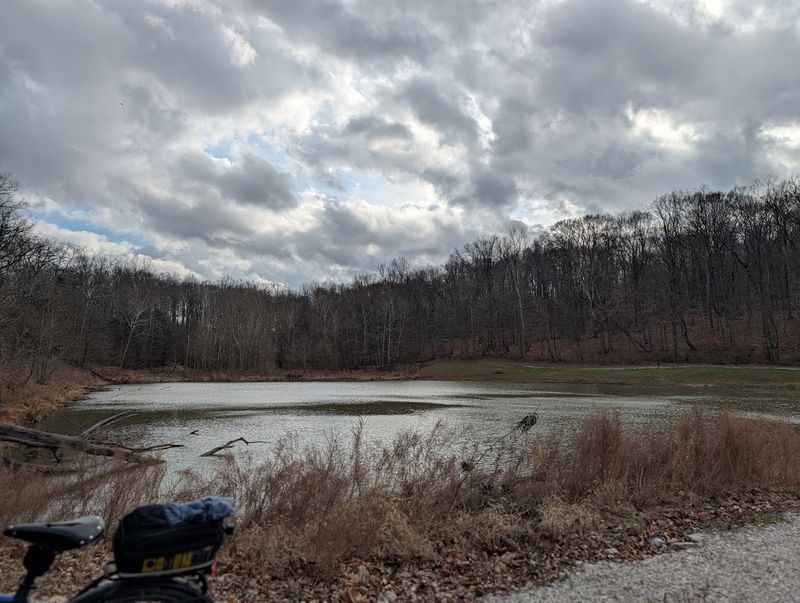
Patoka Lake would already be a strong water destination, but the surrounding trail network makes the trip more flexible. You are not locked into an all-day boating plan or a single beach setup.
The park areas around the reservoir support hiking, casual walking, and short scenic detours that break up the day nicely, especially if your group never agrees on one activity for very long.
That matters on a practical level because lake outings can flatten into repetition fast. Sit, swim, snack, repeat, and suddenly the scenery starts blending together.
At Patoka, a trail can reset the pacing. A wooded path changes the temperature, the sounds, and even the way you see the water when it reappears through the trees instead of stretching in front of a parking lot.
Some visitors love the paved options because they feel approachable and easy to navigate, while others hunt for routes with a more natural texture underfoot. Either way, the combination of forest cover and reservoir views keeps the landscape from feeling generic.
There is also local interest in older pathways and overlooked corners, the sort of details that make the park feel lived-in rather than recently manufactured for weekend traffic.
For you, the best move may be treating the trails as more than an add-on. Start with a morning walk before the heat rises, or use one in late afternoon after time on the water when your legs want solid ground again.
Patoka’s appeal grows when you experience both the horizontal openness of the reservoir and the more enclosed, greener world waiting just off the shore.
Camping, Campground Rhythm, and Staying Past Sunset
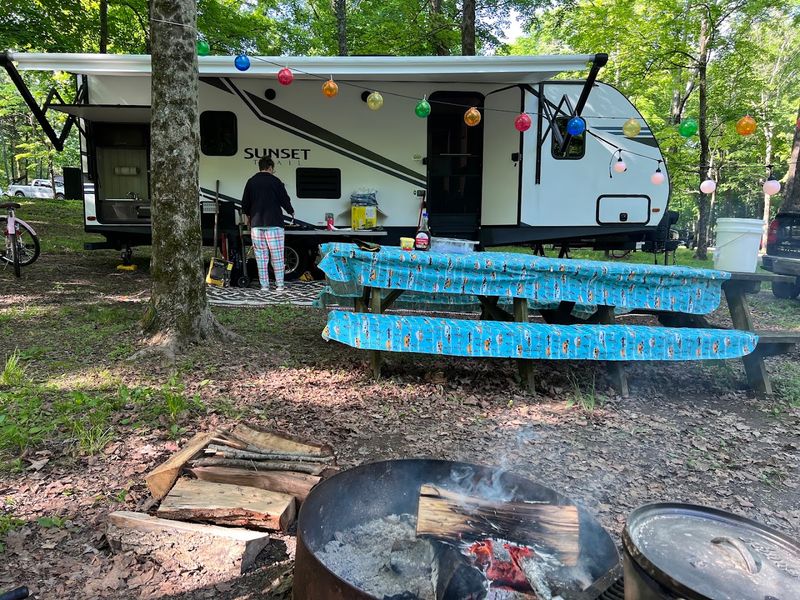
Patoka Lake makes the strongest case for itself when you stay long enough to watch the day change. A few hours can show you the water, but an overnight adds the campground rhythm, the slower evening light, and that useful sense of distance from everyday noise.
Instead of racing back home after sunset, you get to settle into the place and let the reservoir become the backdrop rather than the whole agenda.
The camping setup is one reason the lake attracts families, friend groups, and repeat weekenders. Sites near the shoreline or with easy trail access turn ordinary downtime into part of the trip, since a short walk can put you back at the water without packing the car again.
You can spend the afternoon boating, return for dinner at camp, and still catch a final lakeside view before dark. Like any popular outdoor spot, the experience depends a little on timing and neighbors.
Busy summer periods can bring more noise, more boat traffic, and more movement through the campground loops, while midweek stays and shoulder-season visits tend to feel calmer.
That variation is not a flaw so much as a reminder that Patoka has multiple personalities, and the quieter one usually appears when you give it more space on the calendar.
Sunset is where overnighting really pays off. The lake surface darkens in bands, the treeline starts reading as silhouette, and the bustle gradually thins.
Then the campground takes over with lantern glow, low conversation, and the satisfying feeling that tomorrow’s first view of the water is already handled because you are sleeping right next to it.
How to Plan Around the Crowds and the Beach
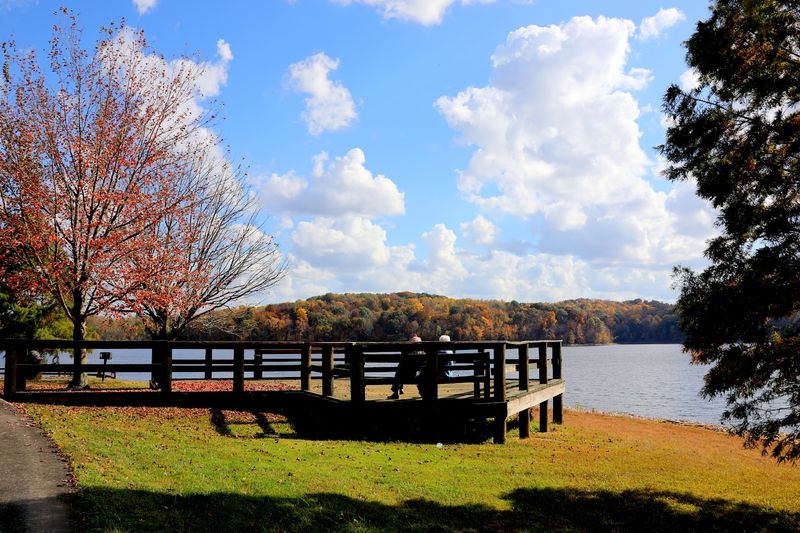
Patoka Lake is easiest to enjoy when you plan for its busiest patterns instead of pretending they do not exist. Warm weekends pull in boaters, swimmers, campers, and day-trippers at the same time, which can make certain access points feel much more active than the lake’s quiet coves suggest.
If you want the broadest choice of parking, launch space, and calmer shoreline, earlier in the day is usually your friend.
The beach and picnic side of Patoka can work well for a family outing, especially when you want easy water access without committing to a boat. There is room to spread out, and the overall setup suits a classic summer day of swimming, snacks, and keeping an eye on the lake traffic beyond the designated areas.
Still, beach conditions are the most variable part of the experience, and they can depend on timing, maintenance, weather, and wildlife activity.
That last detail is worth taking seriously. Waterfowl are part of the landscape at many lakes, and at Patoka they can affect how clean or comfortable a swimming area looks on a given day.
The practical move is simple: arrive with flexible expectations, scan the sand and shoreline before unloading everything, and be ready to shift to another area, a picnic plan, or a trail walk if conditions are not ideal.
Approach the lake that way and Patoka becomes easier to read. Busy marina energy, family beach time, quieter hiking stretches, and scenic drives around the reservoir each serve a different mood.
The smartest trip is not the one that forces a single perfect version of the lake. It is the one that uses Patoka’s size to pivot smoothly when one area is less appealing than another.
Why Patoka Lake Punches Above Its Weight
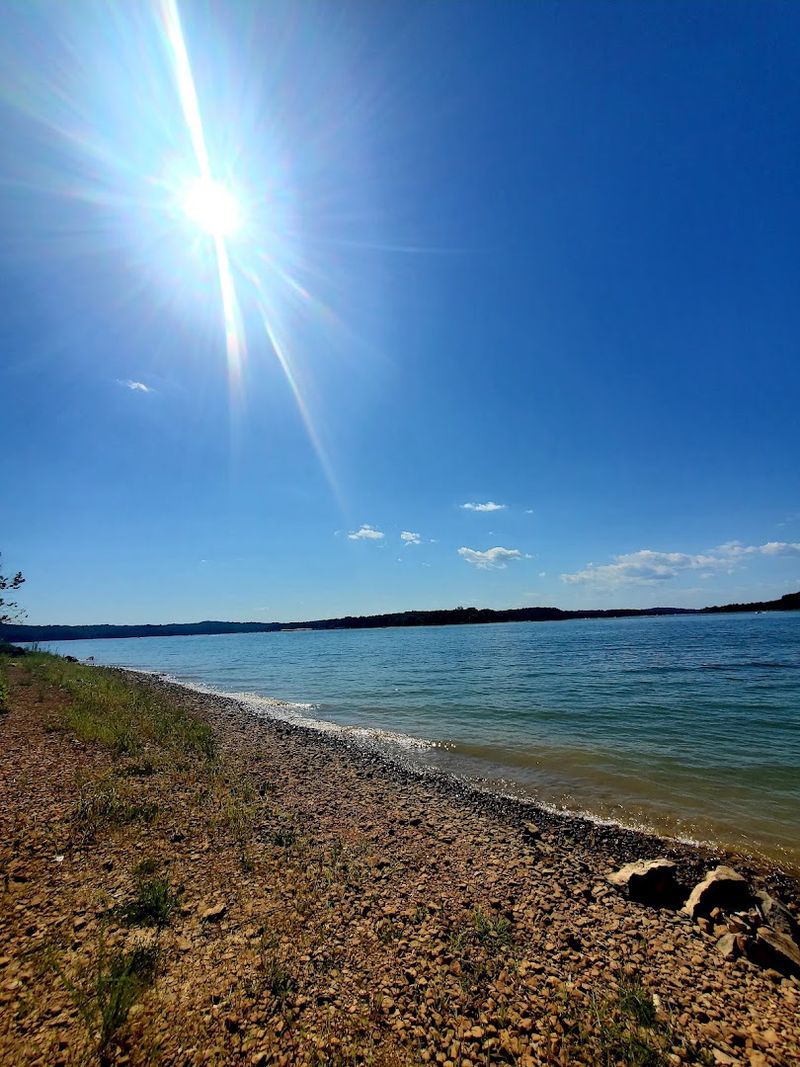
Calling Patoka Lake a dupe for Lake Tahoe is obviously more about vibe than geology, but the comparison does reveal something real. This place delivers that same satisfying sense of escape built on big water, dramatic shoreline contours, and enough space to choose your own tempo.
You come for a lake day and end up with a landscape that feels larger, more textured, and more destination-worthy than Indiana stereotypes prepare you for.
Patoka also avoids the polished sameness that can make some recreation areas blur together. It is not a tiny ornamental lake with one pretty angle and a crowded snack stand doing all the heavy lifting.
It is a working, moving, sprawling reservoir with campgrounds, trails, beaches, marinas, wildlife, and stretches of shoreline that still look pleasantly undeveloped. That mix gives it range, and range is what turns a decent outing into a place you want to revisit in different seasons.
For travelers from Louisville, southern Indiana, or anywhere within easy driving distance, the appeal is straightforward. You can build a full weekend around boating and camping, or you can show up for a single scenic afternoon and still get the visual payoff.
Either way, the lake does not ask you to force enthusiasm. It puts the scale right in front of you and lets the setting do the work.
That is why Patoka stands out. Not because it copies a famous mountain lake, but because it offers its own strong version of a blue-water reset in a part of the country where people often overlook that possibility.
If you want the feeling of a real lake escape without the cross-country logistics, Indiana has been hiding one in plain sight.