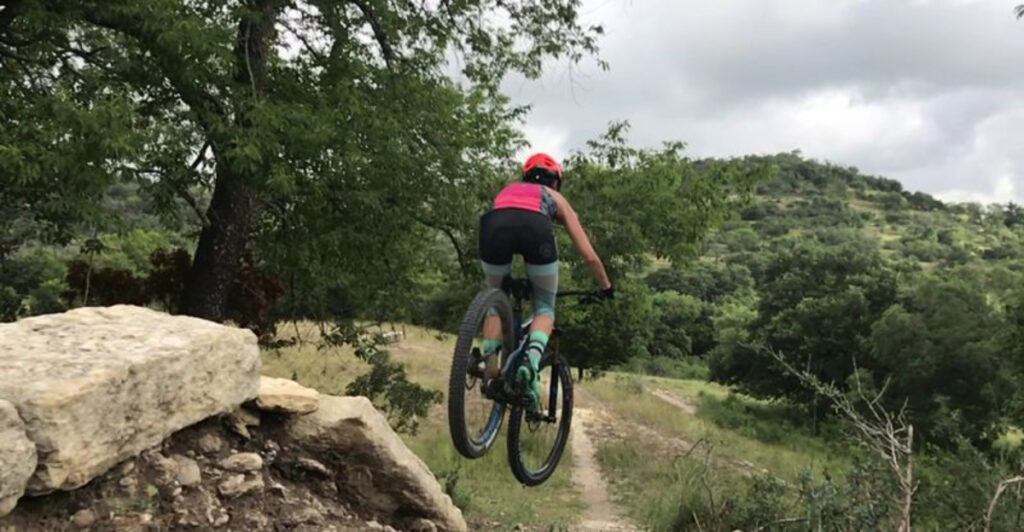
Central Texas is full of surprises when you know where to look. Beyond the busy highways and crowded city parks, there are quiet trails winding through cedar-covered hills, along spring-fed creeks, and over limestone ridges that feel like secret worlds. These eight hidden gems offer the kind of riding where the only sounds are your tires on dirt and birds calling from the trees overhead.
1. Reveille Peak Ranch (Burnet)
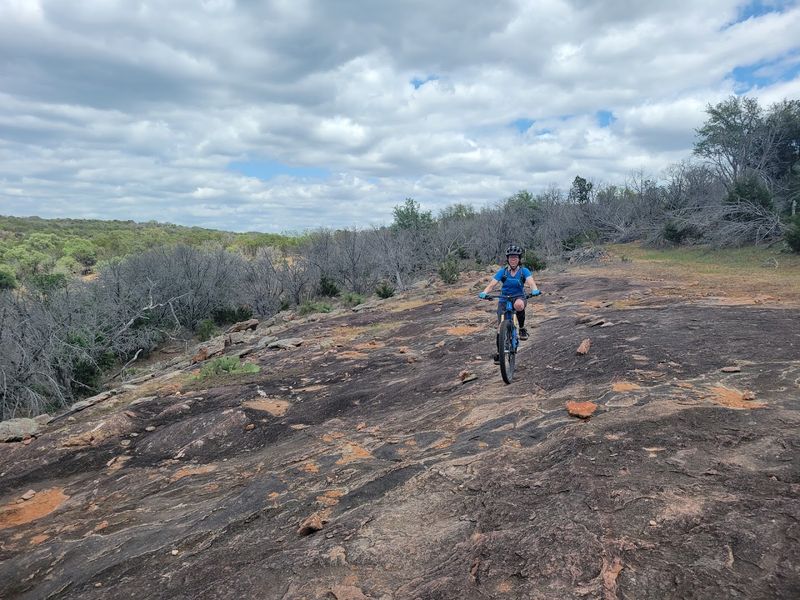
Out past the edge of Burnet, where the Hill Country starts to roll into proper wilderness, sits a ranch that most cyclists still haven’t discovered. The terrain here shifts from smooth limestone shelves to technical rock gardens faster than you can shift gears. What makes this place special isn’t just the variety—it’s the feeling that you’ve stumbled onto something locals have been keeping to themselves.
The trail system here covers enough ground to keep you busy for hours without ever seeing the same stretch twice. You’ll climb through juniper thickets where the air smells sharp and clean, then drop into valleys where live oaks spread their branches like cathedral ceilings. The rocks underfoot tell stories millions of years old, and if you stop to catch your breath, you might spot deer watching from the shadows.
Technical riders love the challenges here—ledges that require commitment, tight turns around boulders, short punchy climbs that make your legs burn. But there are also flowing sections where you can let off the brakes and just enjoy the rhythm of the trail. The elevation changes give you views that stretch for miles when you reach the high points.
Spring brings wildflowers that turn the hillsides purple and orange, while fall offers cooler temperatures and golden light that filters through the trees just right. Summer can be brutal, so early morning rides are the move if you’re visiting between June and August. Bring more water than you think you’ll need—there’s nowhere to refill once you’re out there.
The remoteness is part of the appeal. Cell service is spotty at best, which means you’re truly unplugged. It’s just you, your bike, and miles of Hill Country that hasn’t changed much in generations.
That’s exactly what makes it worth the drive.
2. Purgatory Creek Natural Area (San Marcos)
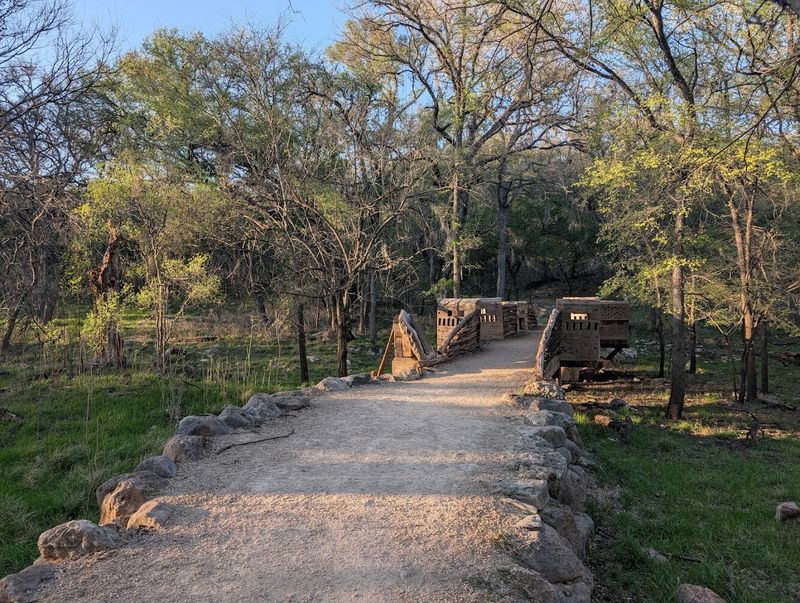
Right on the edge of San Marcos, where the city suddenly gives way to wild green space, this natural area offers an escape that feels impossible given how close it is to civilization. The name might sound ominous, but the reality is pure heaven for anyone who loves riding near water. Clear springs feed the creek that gives this place its name, and the trails follow the water through a landscape that stays surprisingly cool even when the rest of Texas is baking.
The trail network here isn’t massive, but what it lacks in size it makes up for in character. Limestone outcroppings create natural features that make every ride feel like an adventure. You’ll navigate roots that twist across the path like veins, splash through shallow crossings when the water’s up, and climb short but steep sections that reward you with views over the creek valley.
What sets this place apart is how it manages to feel completely secluded despite being minutes from town. The thick vegetation creates walls of green on either side of the trail, and the sound of water moving over rocks drowns out any hint of nearby roads. It’s not uncommon to see turtles sunning themselves on logs or herons fishing in the shallows.
The trails here are best described as playful rather than punishing. There’s enough technical challenge to keep things interesting—rocky sections, tight switchbacks, a few spots where you need to pick your line carefully—but nothing that requires expert skills. This makes it perfect for riders who want an adventure without the intimidation factor of more extreme terrain.
Locals hit these trails year-round because they’re rideable even after rain, thanks to the rocky base that drains quickly. The shade from cypress and oak trees keeps temperatures bearable during summer months. Just watch for the occasional hiker sharing the trail, and you’ll have a perfect quick escape from the everyday grind.
3. Lindsey Park (Tyler)
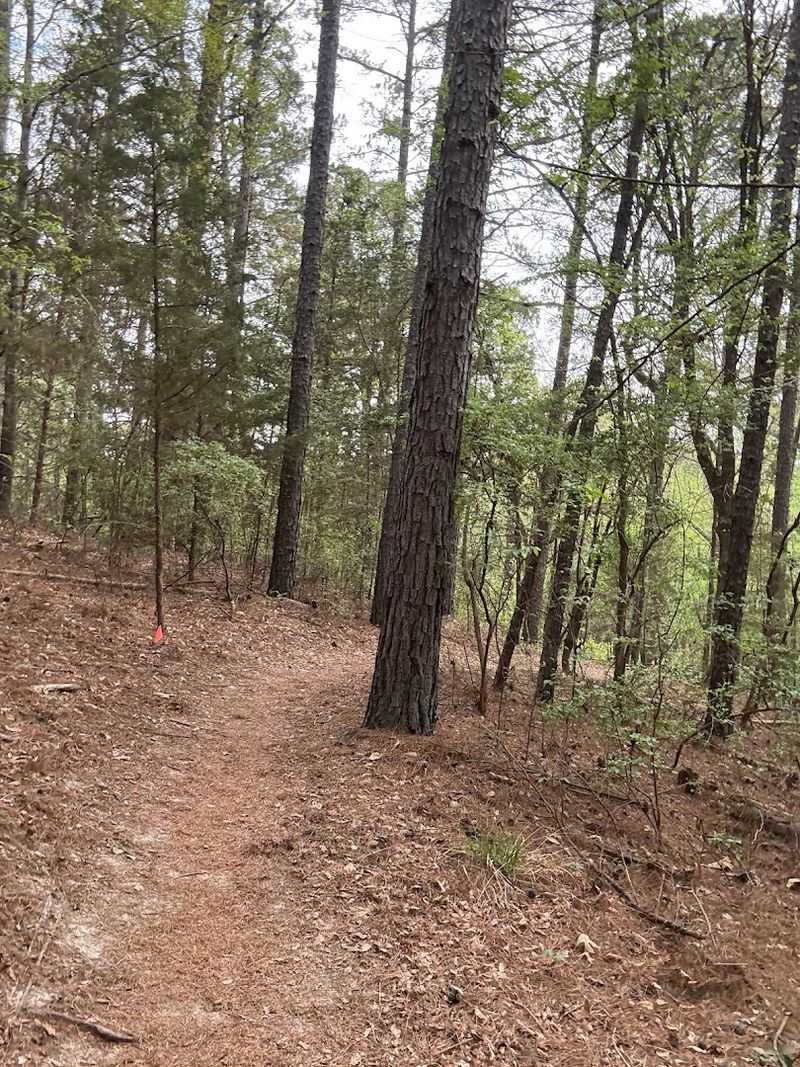
Most people don’t think of Tyler when they picture mountain biking destinations, which is exactly why this spot feels like such a discovery. Tucked into the piney woods of East Texas, the landscape here is completely different from what you’ll find in the Hill Country. Instead of limestone and cedar, you’re riding through tall pines and sandy soil that creates a totally unique experience.
The trails here flow like water, winding between trees in smooth arcs that let you carry speed through the turns. The terrain is less about technical rock challenges and more about rhythm and momentum. You’ll find yourself leaning into berms, pumping through rollers, and linking sections together in ways that feel almost meditative once you find your groove.
What makes this place special is the forest canopy overhead. Sunlight filters through the pine needles in shifting patterns, and the ground is soft with fallen needles that give the trail a different feel under your tires. The air smells like resin and earth, especially after rain when everything comes alive with that distinctive pine forest scent.
The trail system includes options for different skill levels, but even the easier routes have enough variety to keep things engaging. You’ll encounter short climbs, quick descents, and plenty of turns that require you to read the trail ahead. The sandy sections can be challenging if you’re not used to them—they demand smooth weight distribution and steady pedaling to avoid bogging down.
Because Tyler sits east of the main population centers, you’re likely to have long stretches of trail to yourself, especially on weekday mornings. The park itself is well-maintained, with clear trail markers and a layout that makes it easy to extend or shorten your ride based on how you’re feeling. Summers are humid here, so bring extra water and embrace the sweat.
But spring and fall offer perfect conditions, with temperatures that make you want to do another lap just because you can.
4. Goodwater Loop (Georgetown)
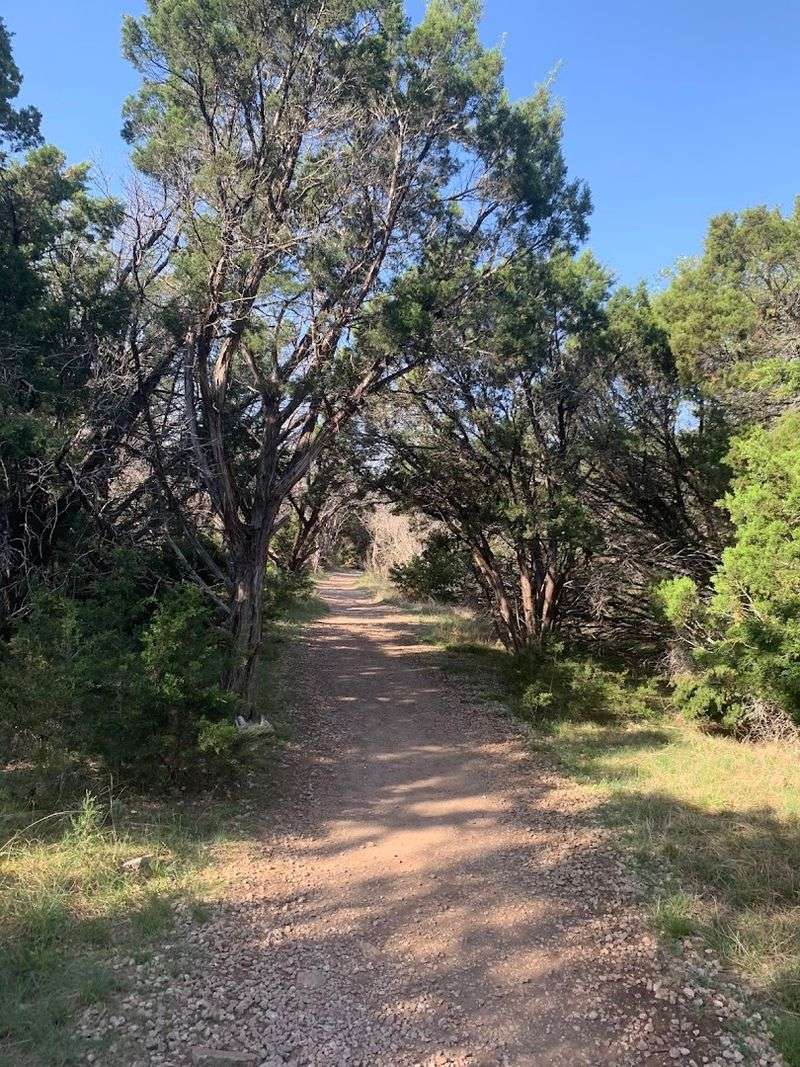
Lake Georgetown holds more than just water—it’s surrounded by a trail system that delivers serious mileage for riders who want to disappear for half a day. The Goodwater Loop stretches for miles along the shoreline, taking you through terrain that shifts from rocky technical sections to smooth flowing singletrack. You could easily spend an entire morning here and still not cover everything.
The lake views are constant companions as you ride, with blue water visible through gaps in the vegetation. But this isn’t a gentle lakeside cruise—the trail climbs and drops with the natural topography, giving your legs a real workout. Limestone ledges require careful line choices, while rooty sections demand focus and quick reactions.
One of the best things about this trail is how it manages to feel remote despite being close to Georgetown. Once you’re a few miles in, the only evidence of civilization is the occasional boat on the water. The rest is cedar breaks, rocky hillsides, and that big Texas sky overhead.
Hawks circle on thermals, and if you’re riding early or late, you might spot armadillos shuffling through the underbrush.
The distance here is both a blessing and a challenge. You can tackle the whole loop if you’re feeling ambitious, or pick shorter out-and-back sections if you want something more manageable. Either way, bring plenty of water and snacks—there’s no bailout point once you commit to the farther sections.
The trail is well-marked, but it’s smart to have a general sense of the layout before you head out.
Weather plays a big role in the experience here. Summer heat can be oppressive, especially in the exposed sections where there’s no shade. Spring and fall are ideal, with wildflowers in season and temperatures that make the climbs feel less punishing.
After heavy rain, some sections can stay muddy for days, so check conditions before you load up the car. When everything aligns though, this trail delivers an experience that reminds you why you love riding in the first place.
5. Maxwell Trail (Austin)
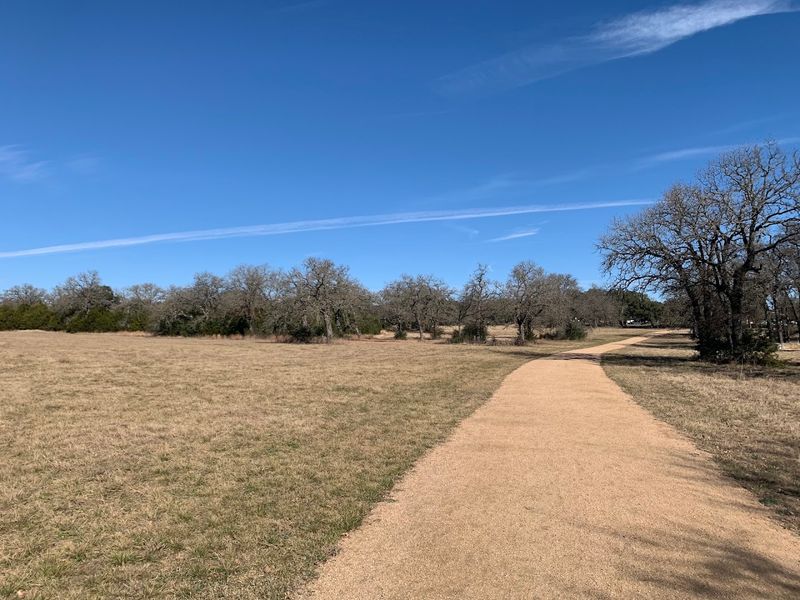
Austin’s southwest edge holds a preserve that most of the city still hasn’t found. The trails here follow Slaughter Creek through a landscape of oak trees, limestone outcrops, and native grasses that wave in the breeze. It’s the kind of place where you can ride for an hour and only see one or two other people, despite being inside the city limits.
The trail system here emphasizes flow over technical difficulty, though there are plenty of rocks to keep you honest. You’ll wind through shaded corridors where the temperature drops noticeably, then pop out into open areas with views of the surrounding hills. The creek itself is a presence throughout the ride—sometimes visible, sometimes just audible as a background soundtrack.
What draws riders back here repeatedly is the variety packed into a relatively compact area. You can string together loops that feel completely different from each other, or stick to favorite sections that you want to session until you nail that tricky turn or rock feature. The preserve’s design encourages exploration, with connector trails that let you customize your route based on time and energy levels.
The vegetation here is classic Edwards Plateau—juniper, oak, and native grasses that support a surprising amount of wildlife. You’ll likely see lizards sunning on rocks, hear woodpeckers working the trees, and if you’re lucky, spot a fox or coyote in the early morning. The preserve feels wild in a way that’s increasingly rare this close to a major city.
Access is easy, parking is straightforward, and the trails are well-maintained by dedicated volunteers who clearly love this place. That said, it can get busy on weekend mornings when locals who know about it come out in force. Weekday afternoons or early weekend mornings offer the best chance for solitude.
The preserve doesn’t allow dogs, which helps keep the wildlife undisturbed and the trails in good shape. Bring water, wear sunscreen for the exposed sections, and leave time to just sit by the creek for a few minutes after your ride. That’s when this place really sinks in.
6. Flat Rock Ranch (Comfort)
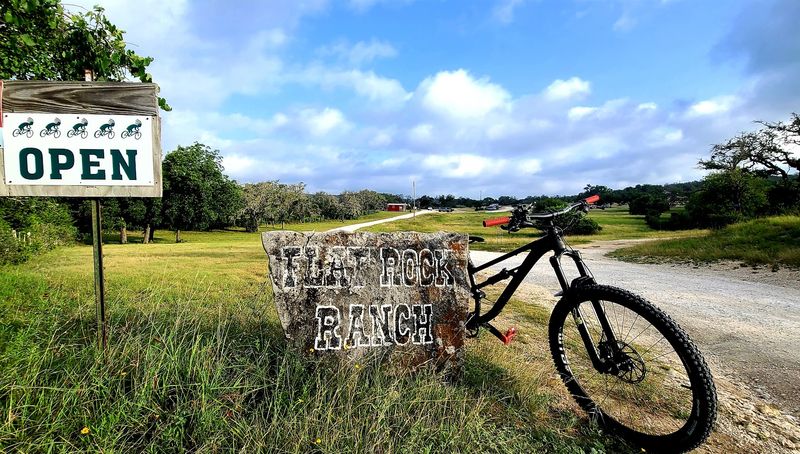
Between Comfort and Kerrville, where the Hill Country gets serious about its hills, this ranch property offers riding that challenges and rewards in equal measure. The name tells you what to expect—flat limestone shelves that create natural features unlike anything else in the region. When the light hits these rock formations at the right angle, the whole landscape seems to glow.
The trails here aren’t for beginners. Technical rock gardens demand precise wheel placement, while steep climbs test your fitness and bike handling simultaneously. But for riders who’ve moved beyond the basics, this is where things get fun.
The terrain forces you to think three moves ahead, choosing lines that might work or might send you dabbing a foot to avoid going over the bars.
Elevation changes are significant here, which means the climbs hurt but the descents deliver that rush of speed and flow that makes everything worthwhile. You’ll gain views from the high points that stretch across miles of undeveloped Hill Country. On clear days, you can see weather systems moving across the landscape from your vantage point on the ridgelines.
The ranch setting means you’re riding through working land that’s been in the same family for generations. Cattle graze in adjacent pastures, and the trails wind through areas that feel untouched by modern development. It’s a glimpse of what much of Texas looked like before the population boom—wide open, rugged, and beautiful in a way that doesn’t try to be pretty.
Access requires some planning since this is private property with specific rules about when and how you can ride. Check ahead to make sure the trails are open before you make the drive. The remoteness means you need to be self-sufficient—bring tools, spare tubes, and enough water to get you through your ride plus some extra in case things take longer than expected.
Cell service is unreliable, so let someone know your plans before you head out. This is real backcountry riding despite being relatively close to small towns. That’s the appeal, but it also demands respect and preparation.
7. Violet Crown Trail (Sunset Valley)
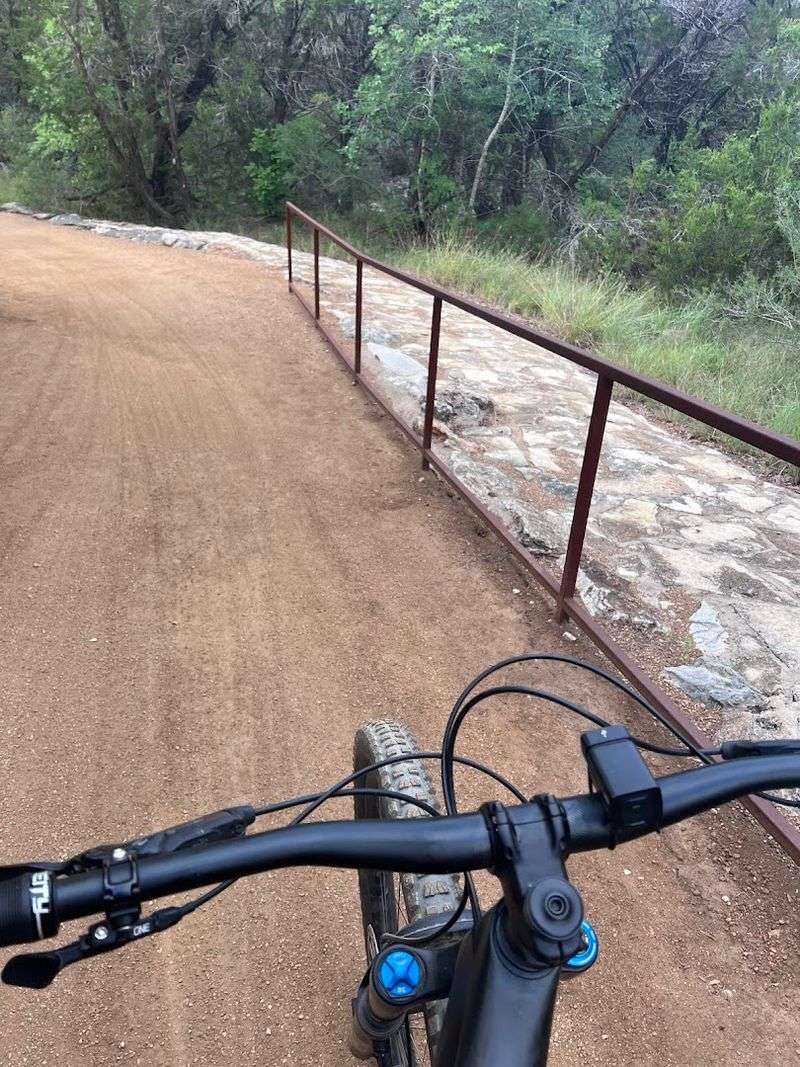
Starting in Sunset Valley and stretching southwest, this trail system represents one of the most ambitious greenway projects in Central Texas. The completed sections offer riding that feels worlds away from the suburban development you pass to reach the trailhead. Once you’re on the trail, it’s all native vegetation, limestone features, and that sense of space that makes you forget how close you are to thousands of people.
The trail surface here is primarily crushed granite and natural limestone, creating a riding experience that’s different from pure singletrack but no less engaging. You’ll roll through sections where live oaks create tunnels of shade, climb gradual grades that reward steady effort, and descend into creek drainages that stay green even during drought. The width accommodates both cyclists and hikers, but there’s plenty of room for everyone.
Views open up at various points along the route, showing you the Edwards Plateau landscape in all its glory. The famous violet-colored sky that gives the trail its name is most visible at sunset, when the light turns everything soft and the temperature finally starts to drop. It’s worth timing a ride to catch this if you can—the whole landscape transforms in that golden hour.
Because this trail connects to other greenway systems, you have options for extending your ride significantly if you want to put in serious miles. Or you can pick a section and do an out-and-back that fits your schedule. The accessibility is a major advantage—multiple trailheads mean you can choose where to start based on what kind of experience you’re seeking.
The trail sees regular use from locals who’ve built it into their routine, but it never feels crowded in the way that some urban trails do. There’s something about the length and the variety that spreads people out naturally. You’ll pass other riders and runners, exchange nods or quick hellos, then have long stretches where it’s just you and the landscape.
Maintenance is consistent, with clear signage and well-kept facilities at the main access points. Water fountains are available at some trailheads, but bring your own supply for longer rides. The trail is rideable year-round, though summer afternoons require serious heat tolerance.
Early morning or evening rides are the move during the hottest months, while the rest of the year offers pretty much ideal conditions whenever you can get out there.
8. McKinney Roughs Nature Park (Cedar Creek)
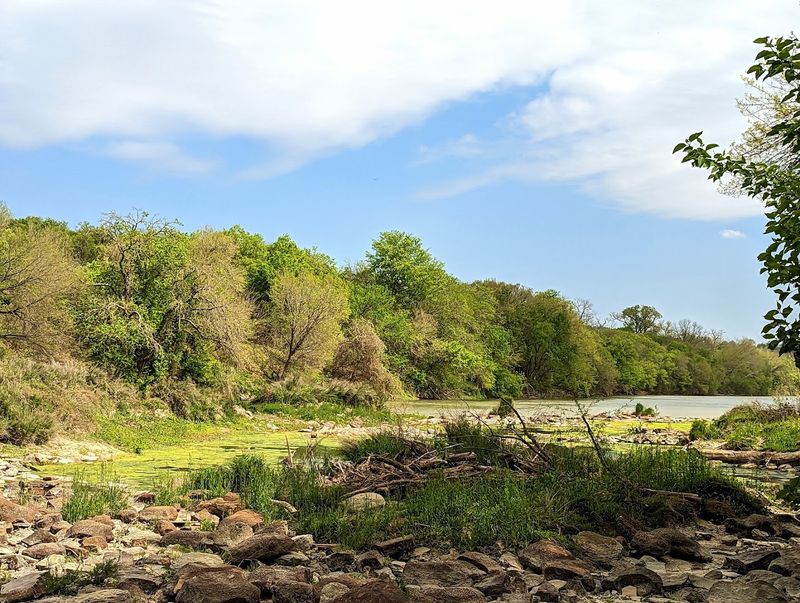
Along the Colorado River east of Austin, this nature park protects over 1,100 acres of diverse ecosystems that translate into seriously varied riding. The trails here take you from river bottom forests to limestone bluffs that overlook the water. You’ll climb through cedar breaks, cruise through oak groves, and navigate technical sections where exposed roots and rocks demand your full attention.
The park’s trail system is extensive enough that you can ride here repeatedly and still find new combinations of loops and connectors. Some sections are relatively mellow, perfect for warming up or cooling down. Others bring legitimate technical challenges—steep descents that require good braking control, tight turns around trees, rocky climbs where momentum is everything.
The variety keeps things interesting throughout your ride.
What sets McKinney Roughs apart is the ecological diversity packed into one location. You’re riding through the transition zone where East Texas forests meet Hill Country ecosystems, which creates unusual plant and animal communities. The bird watching alone is worth the trip if you’re into that sort of thing.
But even if you’re just focused on the riding, the landscape shifts enough to keep your attention engaged.
River views appear at various points, with the Colorado winding through the valley below the bluffs. When you stop to catch your breath on the climbs, you can see for miles across the water and the surrounding forest. It’s a perspective that reminds you how much wild space still exists around Austin if you know where to look.
The park charges a small entrance fee, which goes toward maintaining the trails and facilities. It’s worth every penny given the quality of the trail system and the amenities available. Restrooms, water, and parking are all well-maintained.
The staff clearly cares about the place and about providing a good experience for visitors.
Riding here in spring means wildflowers and perfect temperatures. Summer requires early starts to beat the heat, though the shaded sections offer relief. Fall brings migrating birds and changing leaves on the deciduous trees.
Winter is surprisingly good for riding, with mild temperatures and fewer visitors. Regardless of season, bring water, watch for other trail users, and leave time to explore beyond just the bike trails—the park has hiking paths and river access that are worth checking out if you have extra time.
Share this story