Texas stretches wider than most people realize, hiding pockets of wilderness and wonder that feel worlds away from city noise. These aren’t the usual tourist traps plastered across every travel guide. Instead, think crystal-clear springs, ancient rock art, towering canyons, and lakes so mysterious they seem pulled from a storybook.
Pack your bags for places that deliver the kind of reset you’d normally need a plane ticket to find.
1. Balmorhea State Park (Toyahvale)
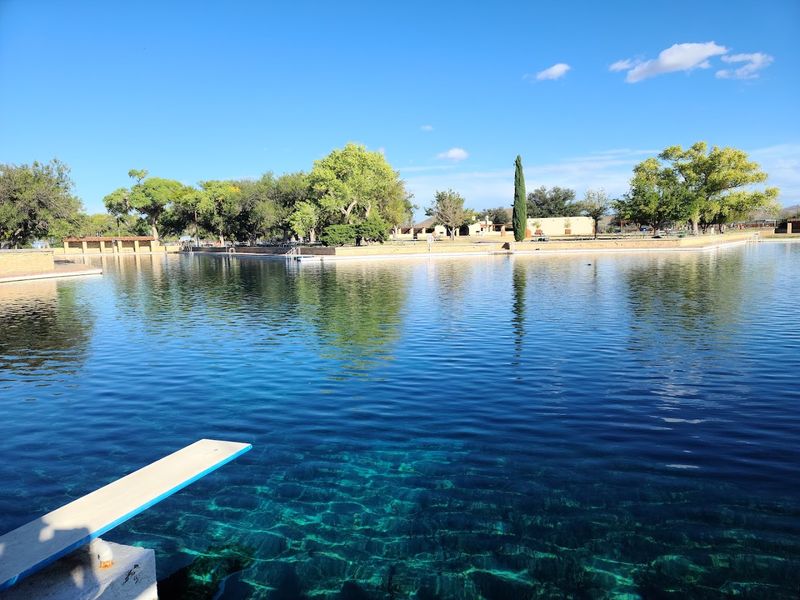
Picture a desert oasis where you can swim alongside fish in water so clear it feels like floating through glass. That’s exactly what awaits at this West Texas gem, fed by the San Solomon Springs that pump out 15 million gallons daily. The massive pool stays a refreshing 72-76 degrees year-round, making it perfect whether you visit in blazing July or chilly December.
Snorkeling here isn’t just allowed—it’s practically required. You’ll glide past two endangered species of fish found nowhere else on Earth, plus turtles, eels, and underwater grasses swaying in the current. The pool stretches nearly two acres, deep enough for scuba certification dives in spots.
Families splash in shallow areas while serious swimmers do laps in the deeper sections.
The surrounding Chihuahuan Desert landscape adds to the surreal vibe. Rocky hills frame views in every direction, reminding you that finding this much water out here borders on miraculous. Early mornings bring the best visibility before afternoon crowds stir up sediment.
Camping options let you wake up steps from the water. Historic adobe structures built by the Civilian Conservation Corps in the 1930s give the park serious character. Some visitors come for the day, but staying overnight means you can hit the water at sunrise when it’s practically empty.
Fair warning: weekends and holidays pack out fast during summer. Weekday visits or off-season trips give you more elbow room. The tiny town of Toyahvale offers minimal services, so stock up on supplies before arriving.
This place delivers that vacation feeling without the vacation price tag or travel hassle.
2. Fulton (Fulton)
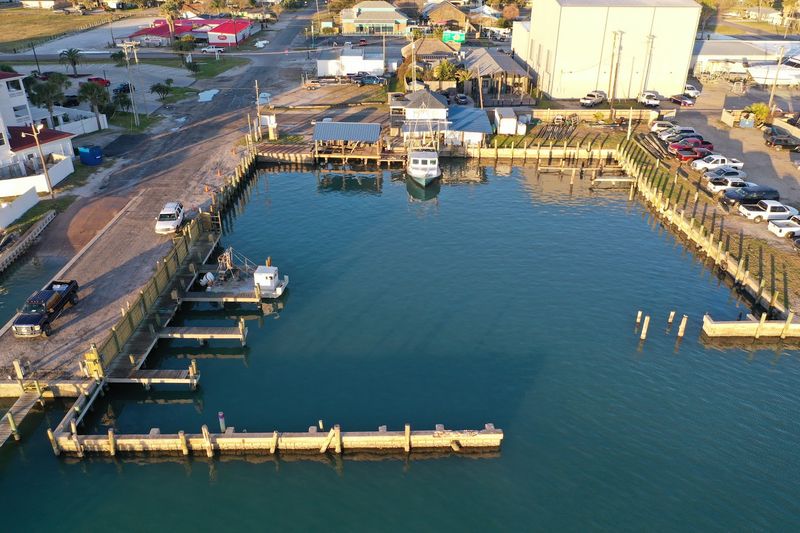
Most beach-seekers blow right past this working fishing village on their way to flashier coastal towns, which means they’re missing one of the Gulf Coast’s best-kept secrets. Tucked along Aransas Bay, this spot serves up authentic coastal life without the spring break chaos or resort prices. Shrimp boats bob in the harbor, pelicans dive for breakfast, and the smell of fresh seafood drifts from dockside eateries.
The Fulton Mansion stands as the town’s historical centerpiece, a Second Empire beauty built in the 1870s that once represented the height of Victorian luxury. Tours reveal innovations like central heat and gas lighting that were cutting-edge for frontier Texas. Walking the restored rooms transports you back to when this coastline was just beginning to boom.
Fishing here ranks among the state’s finest. Wade into the flats for speckled trout and redfish, or book a charter to chase bigger game offshore. The bay stays calm enough for kayaking most days, letting you paddle past oyster reefs and spoil islands where birds nest by the thousands.
Rockport Beach sits just minutes away, offering shallow, kid-friendly swimming and picnic areas. But Fulton’s real charm lies in its quieter pace. Local seafood joints serve fried shrimp and oysters pulled from nearby waters that same morning.
Art galleries showcase coastal scenes painted by residents who’ve watched these sunsets for decades.
Accommodations range from vintage beach cottages to waterfront condos, most priced well below what you’d pay in Corpus Christi or South Padre. Birders flock here during migration seasons when whooping cranes winter in the nearby refuge. The town never tries too hard to impress, which somehow makes it more impressive.
3. Hueco Tanks State Park and Historic Site (El Paso)
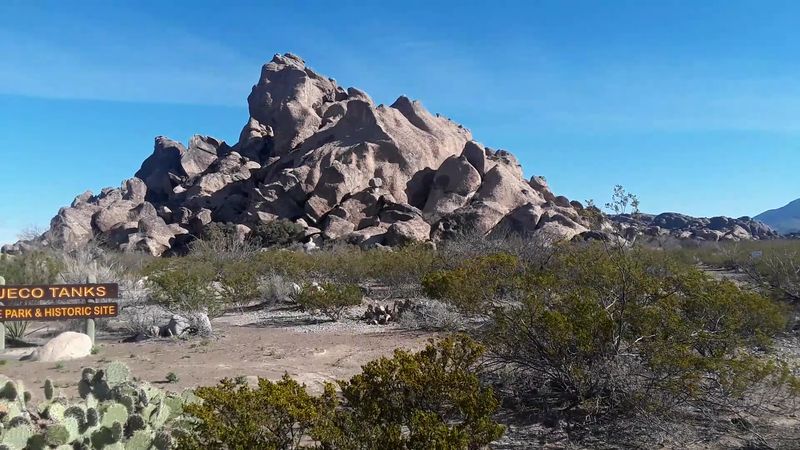
Rock climbers whisper about this place like it’s sacred ground, and for good reason—the bouldering here draws enthusiasts from across the globe. But even if you’ve never touched a climbing rope, these massive granite formations rising from the Chihuahuan Desert floor will stop you in your tracks. Natural water-catching depressions, or huecos, gave the park its name and sustained travelers for thousands of years.
What makes this spot truly special lives on the rock walls themselves. Over 200 pictograph sites preserve artwork created by Native peoples spanning 10,000 years of human history. Masks, animals, and mysterious symbols cover sheltered rock faces in faded reds, blacks, and whites.
Access requires guided tours to protect these irreplaceable images, but those tours rank among the most fascinating experiences in Texas.
The rocks create a natural playground for exploration. Scramble through narrow passages between boulders, discover hidden caves, and climb to viewpoints overlooking the desert stretching toward distant mountains. Winter and spring bring the best weather, though summer mornings work if you start early and carry plenty of water.
Limited daily visitors keep crowds manageable—reservations book up weeks ahead during peak season. This exclusivity preserves the park’s wild character but requires planning. Day-use permits disappear fast on weekends, so weekday visits offer better availability.
Camping puts you under some of the darkest skies near any major Texas city. Stars pack the night sky so densely you’ll spot constellations you’ve never noticed before. El Paso sits close enough for supply runs, but once you’re among these ancient rocks, the city feels galaxies away.
Pack binoculars for bird-watching and don’t skip the ranger programs that bring the human history to life.
4. Lost Maples State Natural Area (Vanderpool)
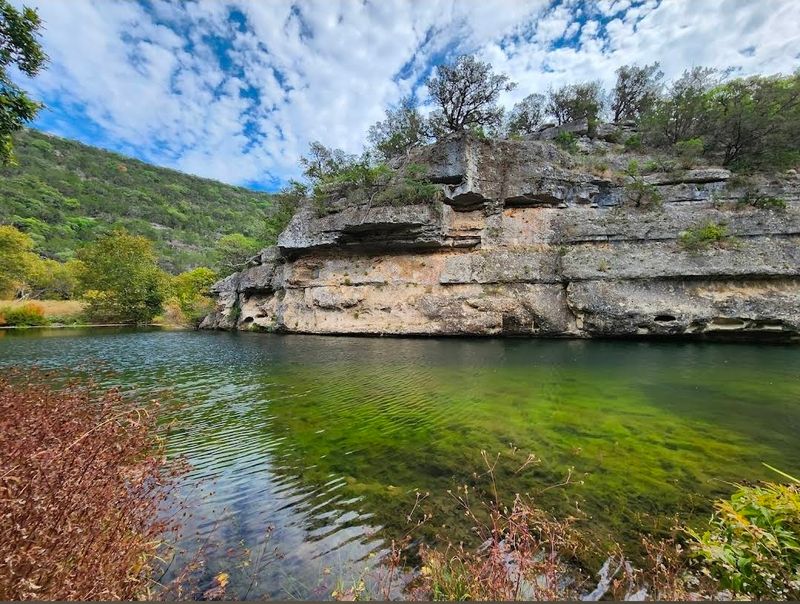
When October rolls around, Texans start plotting their pilgrimage to see these rare maples explode in autumn colors that rival anything New England throws at you. The bigtooth maples here represent isolated pockets left over from the last ice age, thriving in protected canyons where cooler microclimates let them survive. Peak color typically hits late October through mid-November, transforming the rugged landscape into a painter’s fever dream of reds, oranges, and golds.
Miles of trails wind through the 2,174-acre preserve, ranging from easy creek-side strolls to challenging ridge climbs. The East Trail climbs to overlooks where you can see layer after layer of hills rolling toward the horizon. Sabinal River cuts through the park, creating pools perfect for cooling off during warmer months.
Spring wildflowers put on their own show before summer heat settles in.
Bird-watchers keep this place on their radar year-round. The endangered golden-cheeked warbler nests here spring through summer, and the diversity of habitats supports over 200 bird species. Rare plants cling to limestone cliffs, including species found almost nowhere else.
Fall weekends require advance planning—the park limits visitors to protect the fragile ecosystem, and permits sell out fast when color predictions look promising. Camping reservations disappear even faster. Arriving on weekdays or visiting in spring dodges the crowds while still delivering stunning scenery.
The tiny town of Vanderpool offers limited services, so fuel up and stock supplies before arrival. Cell service gets spotty in the canyons, which honestly adds to the escape-from-everything appeal. Photography enthusiasts should bring tripods for those misty morning shots when fog hangs in the valleys.
Whether you catch peak color or visit in wildflower season, this natural area delivers scenery that doesn’t quit.
5. Dinosaur Valley State Park (Glen Rose)
Walking where dinosaurs walked 113 million years ago hits different than staring at bones behind museum glass. The Paluxy River cuts through limestone here, exposing tracks left by massive sauropods and three-toed theropods when this area was coastal mudflats. During dry spells, dozens of trackways become visible in the riverbed, letting you literally step into prints left by creatures that once ruled Earth.
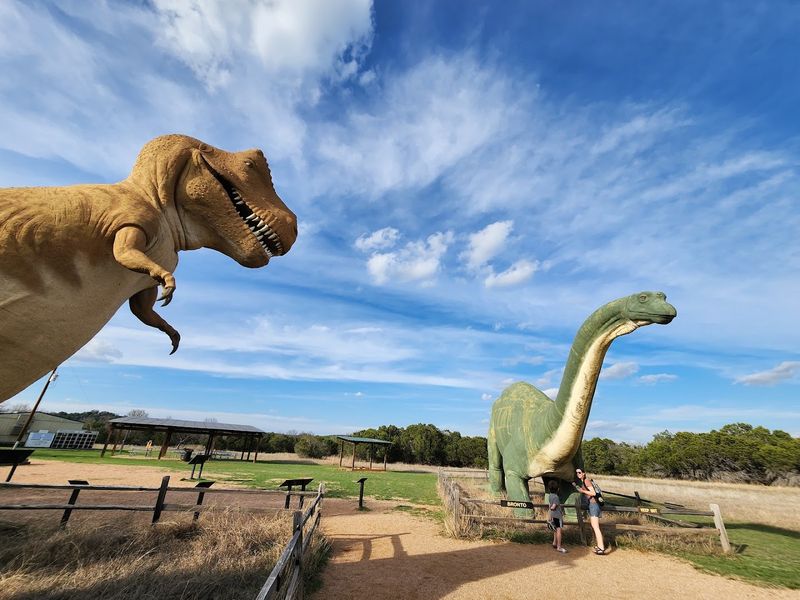
Two fiberglass dinosaur models—a T-Rex and an Apatosaurus—greet visitors near the entrance, delighting kids who climb on them for photos. But the real stars lie in the river itself. Rangers lead interpretive programs explaining how to spot genuine tracks versus erosion patterns.
Some prints stretch over three feet long, hinting at the enormous animals that made them.
Beyond the prehistoric attractions, this park offers solid recreation. The river stays shallow and swimmable most of summer, providing relief from Texas heat. Campsites nestle under towering trees, and screened shelters offer a step up from tent camping.
Over 20 miles of trails explore varied terrain from river bottoms to rocky uplands.
Mountain biking trails challenge riders with technical sections and elevation changes. Equestrian trails let horse owners explore the backcountry. The park stays busy on weekends but rarely feels overcrowded thanks to its size.
Glen Rose, just outside the park, embraces its dinosaur heritage with quirky charm. Fossil Rim Wildlife Center down the road lets you drive through habitats filled with exotic animals. Creation Evidence Museum sparks debates about Earth’s history.
Downtown offers antique shops and local restaurants worth exploring after a day trackway hunting. Spring and fall bring ideal weather, though summer river wading has its own appeal despite the heat.
6. Caddo Lake State Park (Karnack)
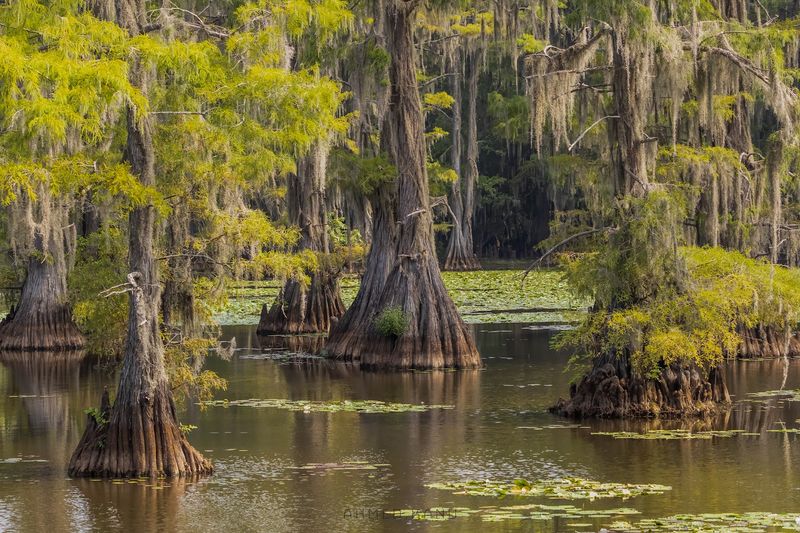
Paddle into a primordial world where bald cypress trees rise from dark water like ancient sentinels, their knees poking up through lily pads while Spanish moss drapes from branches overhead. This is Texas at its most Louisiana-like, a maze of sloughs and bayous that feels transported from deeper South. Morning mist hangs over the water, creating an otherworldly atmosphere that makes you half-expect a dinosaur to emerge from the vegetation.
The lake itself sprawls across the Texas-Louisiana border, covering over 26,000 acres and forming one of the few natural lakes in Texas. Kayaking or canoeing offers the best way to explore the maze of channels winding between cypress stands. Rentals are available if you don’t own a boat.
Getting pleasantly lost among the trees becomes part of the adventure, though marked paddling trails help nervous navigators.
Fishing pulls in serious anglers chasing largemouth bass, crappie, and catfish. The structure created by submerged logs and cypress knees creates perfect fish habitat. Guides who know the lake’s secrets can put you on productive spots, or you can explore on your own.
Wildlife watching rivals anywhere in the state. Alligators sun on logs, though they’re generally shy around humans. Over 200 bird species pass through during migration or nest here year-round.
Bring binoculars and a camera with a good zoom lens.
The park offers cabins and campsites tucked among the trees, some right on the water. Screened shelters protect from bugs during humid summer months. Spring and fall provide the most comfortable weather, plus spring brings blooming water lilies that carpet open areas.
Local legend claims the lake harbors a monster, though you’re more likely to spot an otter or beaver. Either way, this swampy wonderland delivers an experience unlike anywhere else in Texas.
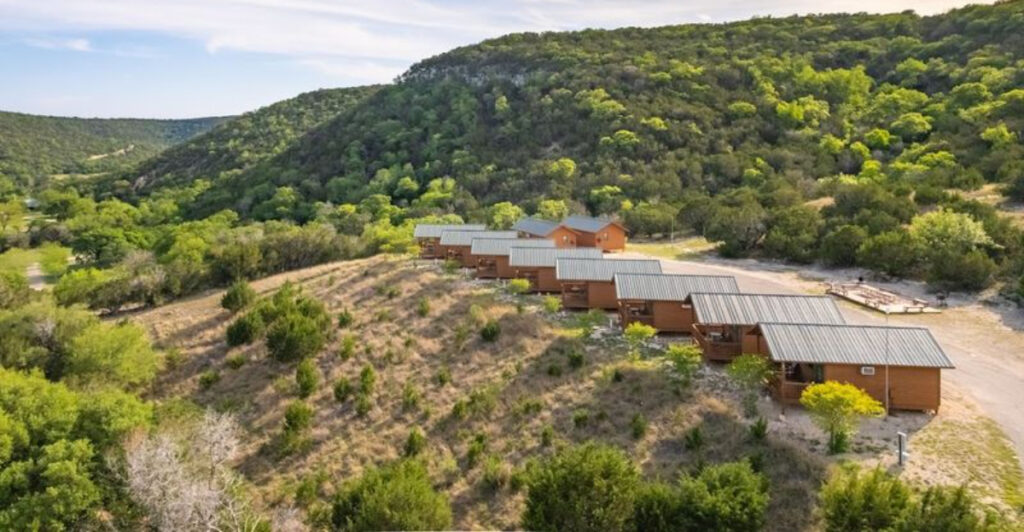
7. Medina Highpoint Resort (Medina)
© Texas Hill Country Resort (Formerly Medina Highpoint Resort)
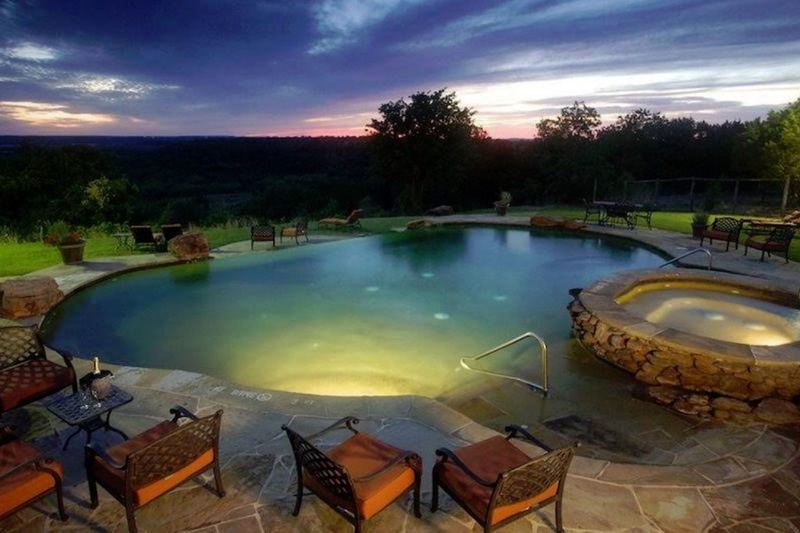
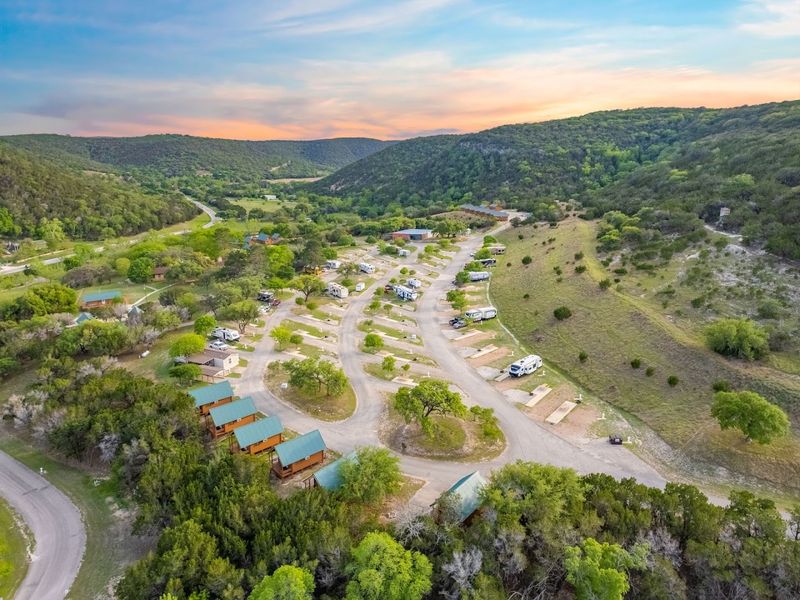
Perched on a ridge overlooking Medina Lake, this family-friendly resort manages to feel like summer camp for all ages without the forced activities or institutional vibe. Cabins and lodge rooms scatter across the property, most offering views of the lake glittering below. The vibe skews casual and welcoming—come as you are, whether that means fishing gear or flip-flops.
The resort’s location in the Hill Country means you’re surrounded by natural beauty without sacrificing comfort. A swimming pool provides an alternative to lake swimming, and the on-site restaurant saves you from having to leave for meals. But the real draw lies in the lake access and outdoor recreation opportunities.
Medina Lake suffered during recent droughts but has rebounded nicely in wetter years. Boating, fishing, and water sports fill warm afternoons. The resort offers boat rentals and lake toys, or you can bring your own watercraft.
Bass fishing keeps anglers busy year-round, with catfish and crappie also biting.
Hiking trails wind through the surrounding hills, showcasing classic Hill Country landscapes of limestone, oak, and cedar. Wildlife sightings happen regularly—deer, wild turkeys, and countless bird species call this area home. The resort keeps things low-key rather than packing your schedule, letting families find their own rhythm.
Weekend packages and group rates make this spot popular for reunions and retreats. The small town of Medina offers minimal services, reinforcing the away-from-it-all feeling. San Antonio sits close enough for a day trip if you need a city fix, but most guests find everything they need right on the property.
Sunset views from the higher elevations rival anything you’ll photograph in Texas. Colors paint the sky while the lake reflects them back, doubling the show. It’s the kind of place where you actually unplug and reconnect with people instead of screens.
8. Palo Duro Canyon State Park (Canyon)
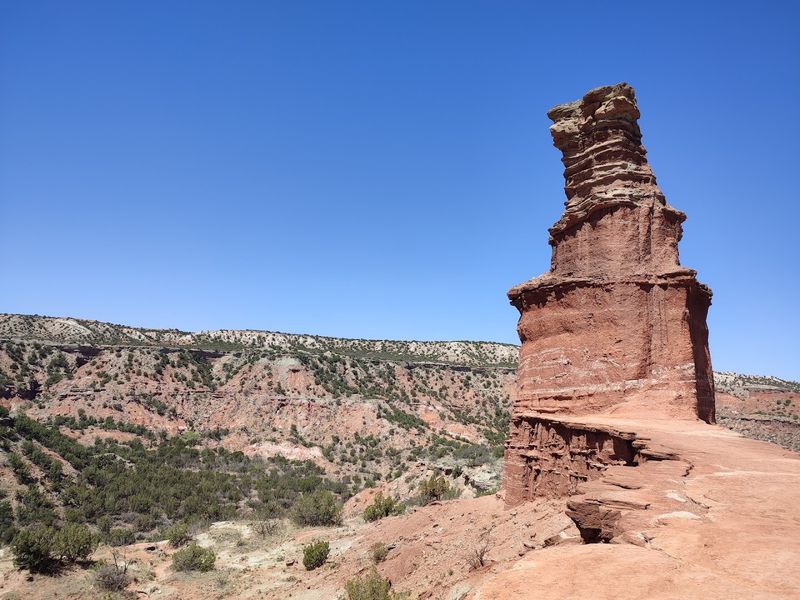
Texas’s own Grand Canyon cuts a gash 120 miles long and up to 20 miles wide across the Panhandle, dropping 800 feet below the caprock in places. The second-largest canyon system in the country somehow stays under the radar compared to its Arizona cousin, which works in your favor. You’ll find jaw-dropping scenery without fighting crowds or paying Grand Canyon prices.
Layers of red, orange, yellow, and white rock tell 240 million years of geological history. The Spanish Skirts formation catches light differently throughout the day, glowing especially vivid at sunrise and sunset. Lighthouse Rock, the park’s iconic formation, requires a moderate 5.75-mile round-trip hike but rewards you with views that’ll fill your camera’s memory card.
Over 30 miles of trails range from easy rim walks to challenging canyon floor treks. Mountain biking on designated trails lets you cover more ground, though summer heat demands early starts. The CCC-built cabins offer a step up from camping, complete with air conditioning that feels like a miracle after hiking in July.
The outdoor musical drama TEXAS performs in the canyon amphitheater summer evenings, combining history, music, and spectacle against the canyon walls as a backdrop. Bring cushions for the bench seating and a jacket for cool canyon nights.
Horseback riding lets you explore like the Comanche and Spanish explorers who passed through centuries ago. The park’s herd of Texas State Bison roams a separate area, descendants of the massive herds that once thundered across these plains. Wildlife includes mule deer, roadrunners, and golden eagles riding thermals above the rim.
Camping under Panhandle stars rivals any planetarium show. Light pollution barely exists out here, revealing the Milky Way in stunning detail. The nearby town of Canyon provides supplies and surprisingly good restaurants.
Most visitors allow two to three days to properly explore this geological wonder.
9. Monahans Sandhills State Park (Monahans)
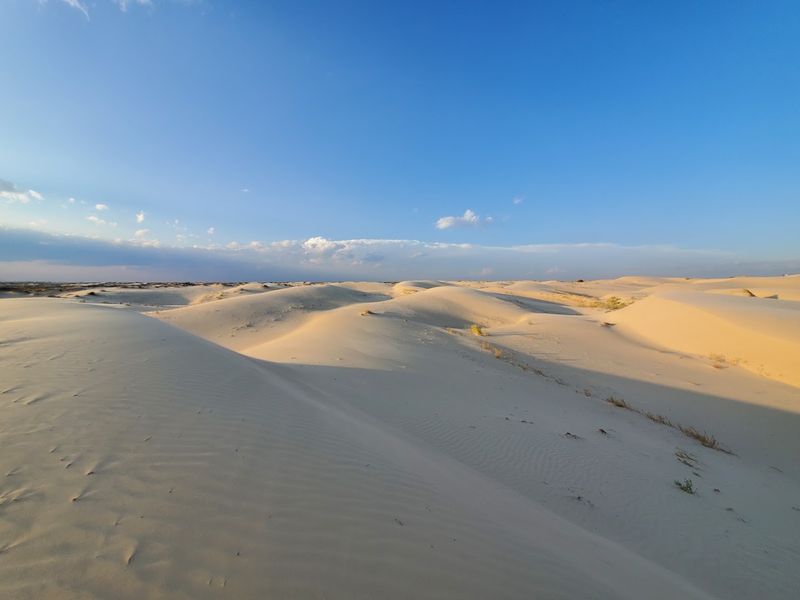
Rent a plastic saucer at the park office and prepare to feel like a kid again, because these massive sand dunes beg to be sledded down. Nearly 4,000 acres of Sahara-like dunes roll across West Texas, some reaching 70 feet high. The sand stays loose and fine, perfect for sliding, tumbling, or just marveling at a landscape that seems impossibly out of place.
The dunes shift constantly with the wind, erasing your footprints and creating new formations overnight. Hiking to the tops requires effort—sand gives way with each step, making the climb a workout. But cresting a ridge to see waves of sand stretching in every direction makes the leg burn worthwhile.
Sunrise and sunset paint the dunes in shades of gold and amber that photographers dream about.
Despite the harsh desert appearance, life thrives here. Harvard shin oak grows in interdunal areas, its roots reaching 90 feet down to find water. These ancient oaks survive by staying low, their branches barely poking above the sand.
Wildflowers explode after rare rains, transforming the landscape briefly into a garden.
The park offers equestrian camping for visitors who want to explore on horseback. Regular campsites provide basic amenities, though shade stays scarce. Summer temperatures soar brutally hot—spring and fall visits make much more sense unless you enjoy feeling like a rotisserie chicken.
Sandboarding and sand surfing attract adventurous visitors who bring their own boards, though the plastic discs work fine for casual fun. Kids exhaust themselves climbing and sliding, then collapse happy and sandy. Bring plenty of water and sunscreen—the desert doesn’t mess around with dehydration.
The town of Monahans serves as a gateway to oil country, offering basic services and surprisingly decent food. Million Barrel Museum downtown tells the area’s petroleum history. But the dunes remain the main attraction, offering a slice of Sahara without leaving Texas or dealing with international travel hassles.
Share this story