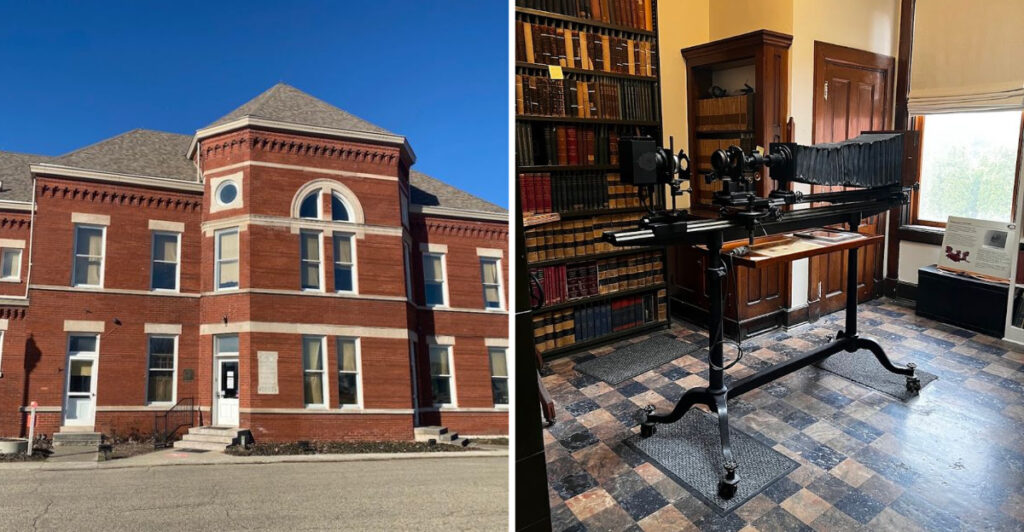
Not every museum leaves you talking about it long after you’ve walked out the door. The Indiana Medical History Museum in Indianapolis offers an unforgettable look into the evolution of medicine, preserving one of the nation’s oldest pathology facilities with original laboratories, historic equipment, and fascinating exhibits that reveal how doctors once studied disease and treated patients.
Guided tours bring the building’s remarkable past to life, blending science, architecture, and history into an experience unlike any other in the state. Whether you’re fascinated by medical history or simply searching for one of Indiana’s most unusual attractions, this quirky museum is well worth adding to your itinerary.
A Time Capsule Hiding on the Near West Side
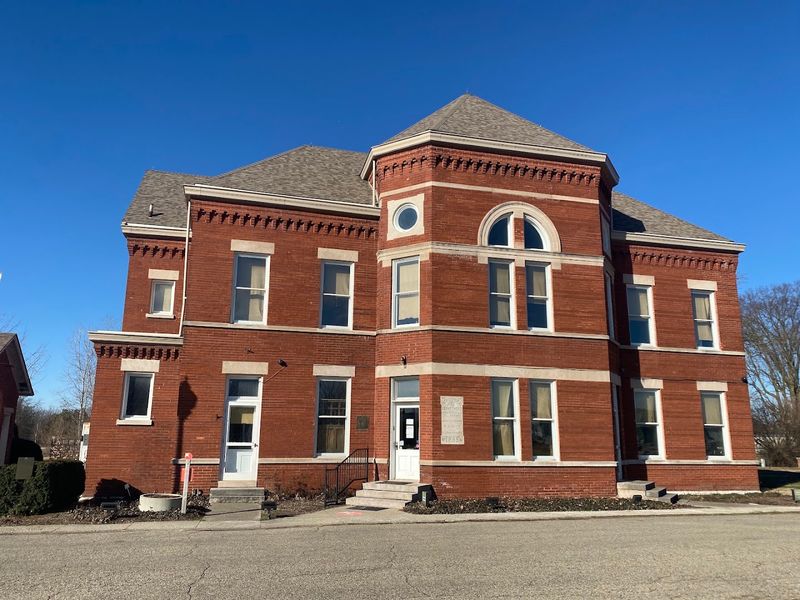
The setting does a lot of the work before the tour even begins. Tucked into the grounds of the former Central State Hospital campus, the Indiana Medical History Museum stands in a part of Indianapolis that already carries a heavy sense of institutional history.
Instead of flashy signage or a dramatic entrance sequence, you get an older brick building with the kind of presence that asks you to come closer and look harder.
That first visual contrast is part of the draw. The museum is close to downtown, yet the immediate surroundings feel removed from the usual urban rhythm, quieter and more reflective, with wide grounds that hint at a much bigger story.
You are not walking toward a standard gallery box filled with text panels and replicas. You are heading into an original pathology building from the 1890s, and that distinction changes the mood instantly.
Even before stepping inside, the architecture starts explaining the experience. The structure looks purposeful rather than decorative, built for examination, teaching, and record keeping, and that practical design gives the museum its unusual edge.
This is a place where the walls, doors, staircases, and room arrangement matter as much as the objects on display.
Indiana has plenty of historic sites, but very few put you in such direct contact with a preserved working environment tied to medicine and mental health history. The museum does not need gimmicks because the location itself is the hook.
Once you realize this is not a recreation but a surviving facility, the visit sharpens into something more vivid. The building stops being background and becomes the first exhibit, standing there with all its old seriousness before the guided tour moves you room by room.
The Rooms You’ll Never Forget
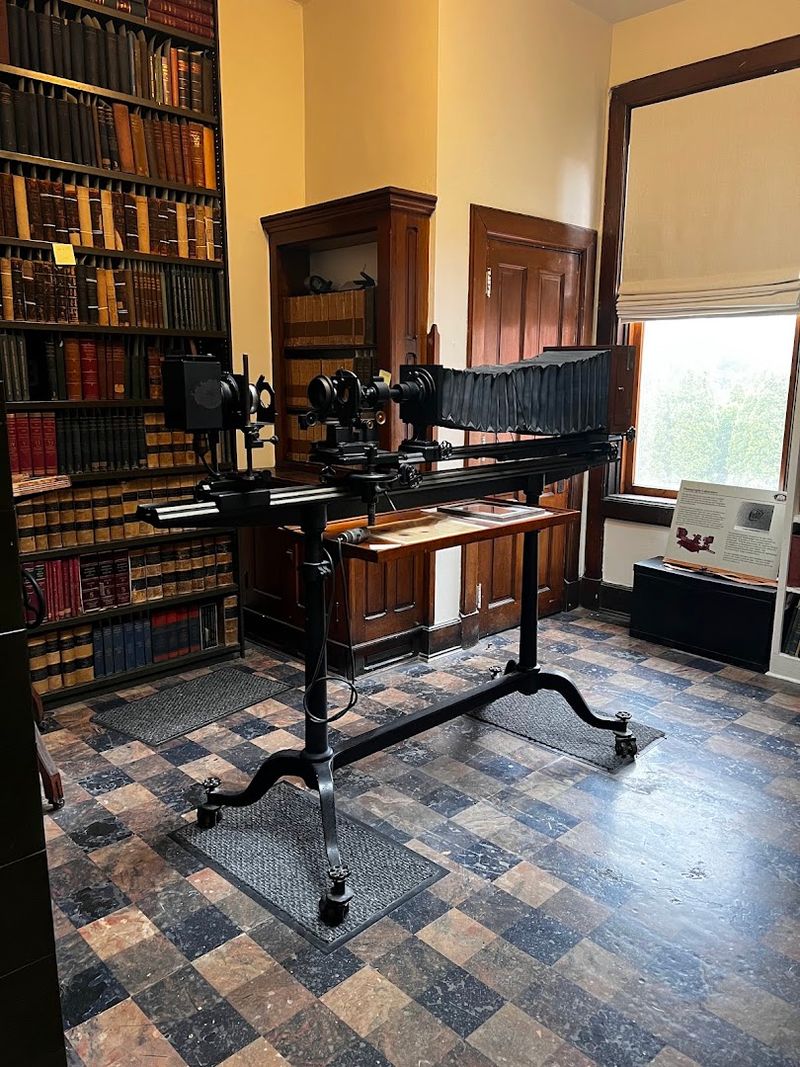
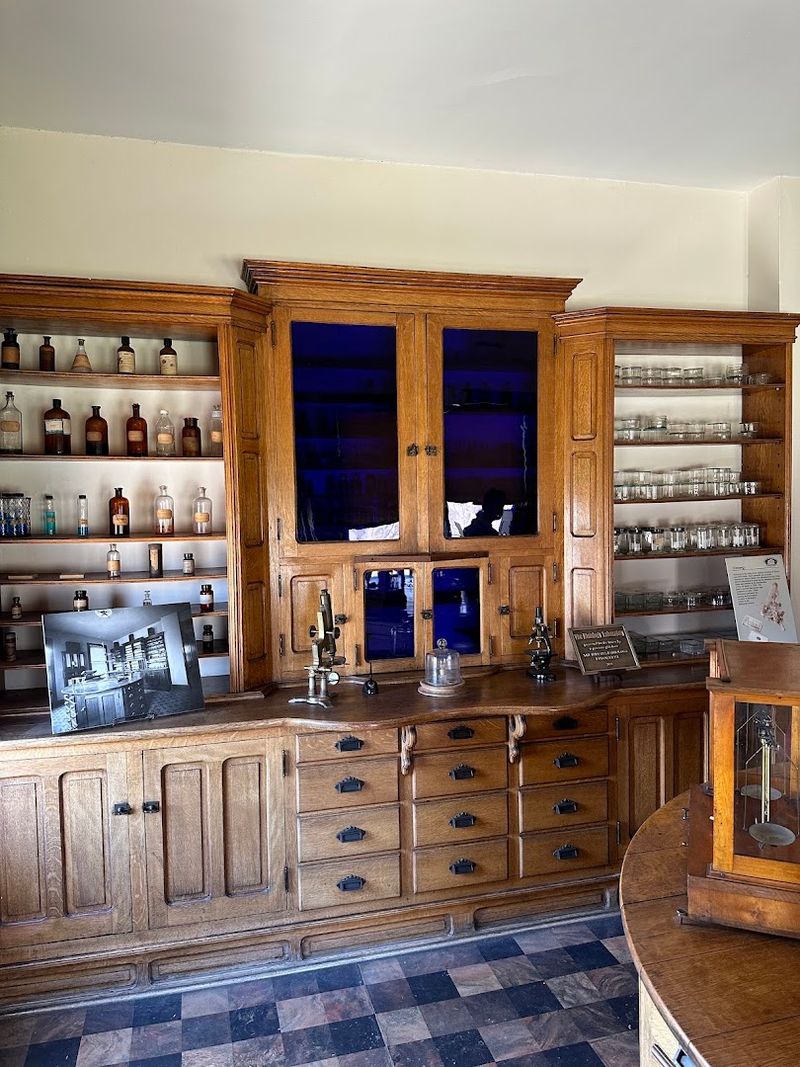
Inside, the museum shifts from interesting to unforgettable very quickly. Glass jars, anatomical specimens, old instruments, labeled collections, and original furnishings crowd the rooms with an intensity that modern museums often smooth away.
Here, very little feels softened. The materials are direct, physical, and sometimes unsettling, which is exactly why the place carries such force.
The anatomy displays are among the most arresting parts of the visit. Instead of abstract lessons about medical progress, you are confronted with real evidence of how disease, injury, and neurological conditions were studied in another era.
Some visitors arrive expecting a niche history lesson and end up surprised by how visually dense the museum actually is. It is scholarly, yes, but it is also visceral.
What keeps the experience from turning into pure shock value is the way objects are framed within the original working spaces. The jars and instruments are not floating in a detached exhibit design.
They sit within rooms that once supported actual teaching and investigation, which gives every cabinet and tabletop a stronger sense of context. You are seeing methods, assumptions, and ambitions preserved in place.
That combination makes the museum especially compelling for anyone interested in how science used to be practiced before sleek equipment and digital interfaces changed the visual language of medicine. The collections can be intense, and this is not the best stop for the squeamish, but the material never reads as random or sensational.
It reads as evidence. In a single hour, the museum can take you from curiosity to concentration to a kind of stunned respect, simply by letting these original rooms and their contents speak in their own exacting, old-fashioned way.
Why the Old Pathology Building Matters
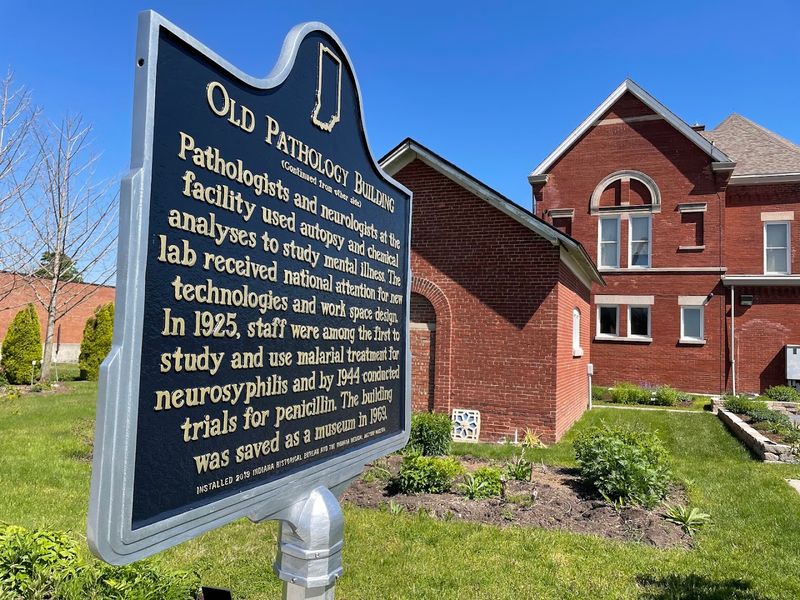
The museum’s core strength is not just that it preserves medical artifacts. It preserves the relationship between those artifacts and the building that once organized their use.
That matters here because the Old Pathology Building was designed for instruction, analysis, and documentation, so the layout itself tells you how medical knowledge moved through the space.
One room leads to another with a logic you can sense even without a background in medicine. Teaching areas, laboratory functions, storage, examination spaces, and workrooms create a chain of activity rather than a random assortment of displays.
Instead of reading one more wall label about historic practice, you can actually trace how a specimen might have been studied, discussed, and recorded.
The operating theater and teaching spaces are especially effective because they reveal medicine as a public act of demonstration as much as a private act of investigation. Tiered seating, sightlines, surfaces, and cabinetry all point to a time when observation was central to medical education.
The architecture makes you think about who was watching, who was teaching, and how authority was built inside a room.
This is where the museum separates itself from broader history institutions in Indiana. It does not summarize a field from a distance.
It keeps you close to the mechanics of work, and the original environment gives even quiet corners real explanatory power. A staircase, a set of cabinets, a tile-lined room, or a preserved table can reveal just as much as a written timeline.
For travelers who like places with structure and substance, that coherence is a big part of the appeal. You are not collecting disconnected curiosities.
You are stepping into a purpose-built system that still reads clearly more than a century later, and that clarity turns the visit into something much richer than a quick tour of old medical oddities.
A Human Story Running Beneath the Specimens
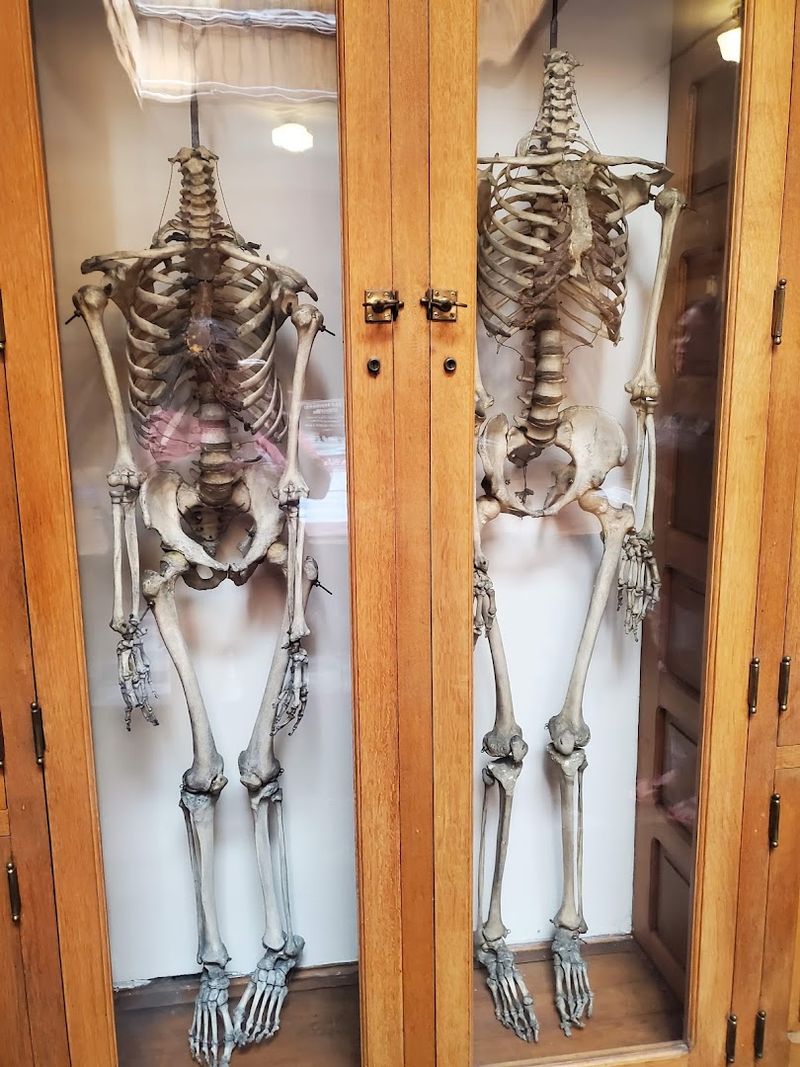
For all its striking visuals, the museum lands hardest when you realize the collections are tied to real lives. The preserved brains, pathology samples, records, and teaching materials are not abstract trophies of science.
They connect to patients, diagnoses, uncertainties, and an era when medicine was trying to answer difficult questions about the body, the mind, and the causes of illness.
Because the museum is rooted in the history of Central State Hospital, it also opens a window onto changing ideas about mental health. That context gives the building unusual depth.
You are not just looking at antique equipment. You are looking at the tools used during a period when doctors and researchers were attempting to understand whether physical disease processes could help explain certain psychiatric symptoms and conditions.
The museum does not need dramatic staging to communicate that complexity. In many cases, the power comes from labels, case details, and the contrast between clinical presentation and human consequence.
A specimen in a jar can seem purely technical at first glance, then shift meaning once you read about symptoms, treatments, or the limited knowledge available at the time.
This approach makes the experience more layered than a standard medical collection. The material can be sobering, but it also gives the visit a seriousness that lingers beyond visual novelty.
You start noticing how closely architecture, research, teaching, and patient history are braided together inside this one preserved site.
That is one reason the museum attracts more than science enthusiasts. Anyone interested in Indiana history, public institutions, or the evolution of care can find substance here.
The collection asks you to look carefully, not only at objects, but at the older systems of belief and investigation that shaped them. That human dimension gives the museum its sharpest edge.
The Guided Tour Is the Real Engine
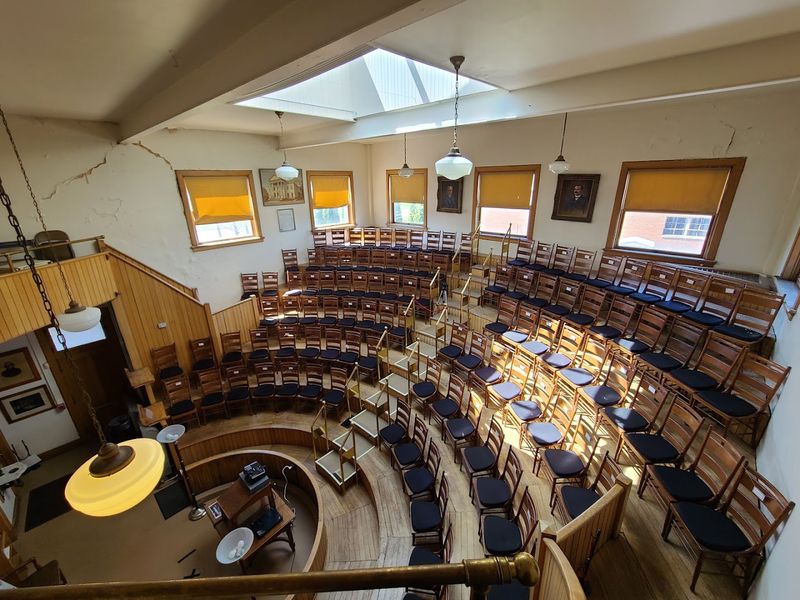
This is not the kind of museum where you wander in, drift loosely past a few cases, and leave with a postcard summary. The guided format shapes almost everything.
Tours move through the building with a clear sequence, and that structure is a major advantage because it turns a potentially overwhelming collection into a coherent story.
Without interpretation, some rooms might read as visually fascinating but hard to decode. A knowledgeable guide can connect the specimens, architecture, and institutional history quickly, giving each room a purpose beyond simple curiosity.
That is especially useful here because the museum packs a lot into a relatively short visit, and context changes the experience from macabre to meaningful.
The pace is the one factor to think about ahead of time. Many visitors appreciate the concise, focused hour, while others wish they had more time to linger with labels and details, particularly in anatomy-heavy rooms.
Both reactions make sense. The museum contains enough dense material to reward close reading, yet the tour format keeps the visit moving so the overall narrative remains intact.
That means the best approach is to arrive ready to pay attention rather than treating this as a casual walk-through.
If a room catches your eye, you may not have endless time with it, so it helps to listen closely, scan strategically, and take in the building itself while the guide connects the dots. The museum’s scale works in your favor because nearly every space contributes something specific.
In practical terms, the guided model also preserves the site’s character. Original interiors and delicate materials benefit from controlled access and small groups.
For you, that translates into a visit that feels more deliberate and less crowded with distraction. The tour is not an add-on here. It is the mechanism that unlocks why this unusual little museum works so well.
Don’t Skip the Garden Outside
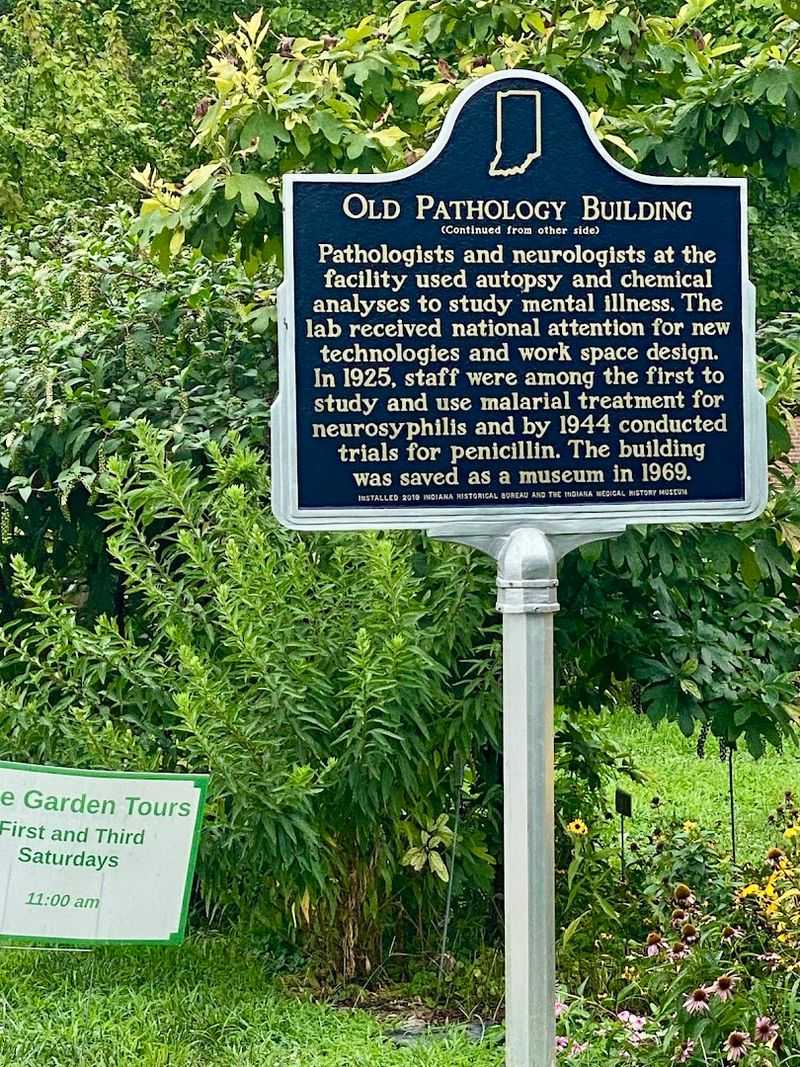
Just when the indoor experience reaches peak intensity, the museum offers a completely different register outside. The medicinal plant garden adds fresh air, texture, and a useful reminder that medical history did not happen only in laboratories and theaters.
Remedies also began in gardens, with leaves, roots, flowers, and practical knowledge tied to everyday treatment. The garden works because it is not decorative filler. Labeled plantings connect historical uses to specific bodily systems and symptoms, giving the museum’s bigger themes a grounded, accessible counterpoint.
After rooms full of preserved specimens and formal study spaces, seeing living plants associated with older healing practices broadens the story without diluting it.
It also changes your pacing in a smart way. Indoors, attention narrows around glass, wood, tile, and the close reading of labels or explanation.
Outside, the visit opens up. Paths, beds, and signage invite slower movement, and the atmosphere is calmer without becoming detached from the museum’s subject. It is still educational, just through a different sensory channel.
For some visitors, the garden is a pleasant bonus. For others, especially anyone interested in botany, domestic remedies, or the overlap between formal medicine and plant-based traditions, it becomes a highlight in its own right.
The contrast between the clinical precision of the building and the organic spread of the garden gives the property welcome range.
If you are planning your time, give yourself a few extra minutes before or after the tour to walk the grounds rather than treating the outside as a pass-through. The museum is small enough that these details make a difference.
A labeled herb bed beside a historic pathology building is an unusual pairing, and at this address in Indianapolis, that pairing helps explain why the site is so distinctive. It teaches through contrast as much as through display.
How to Plan the Visit Without Missing the Point
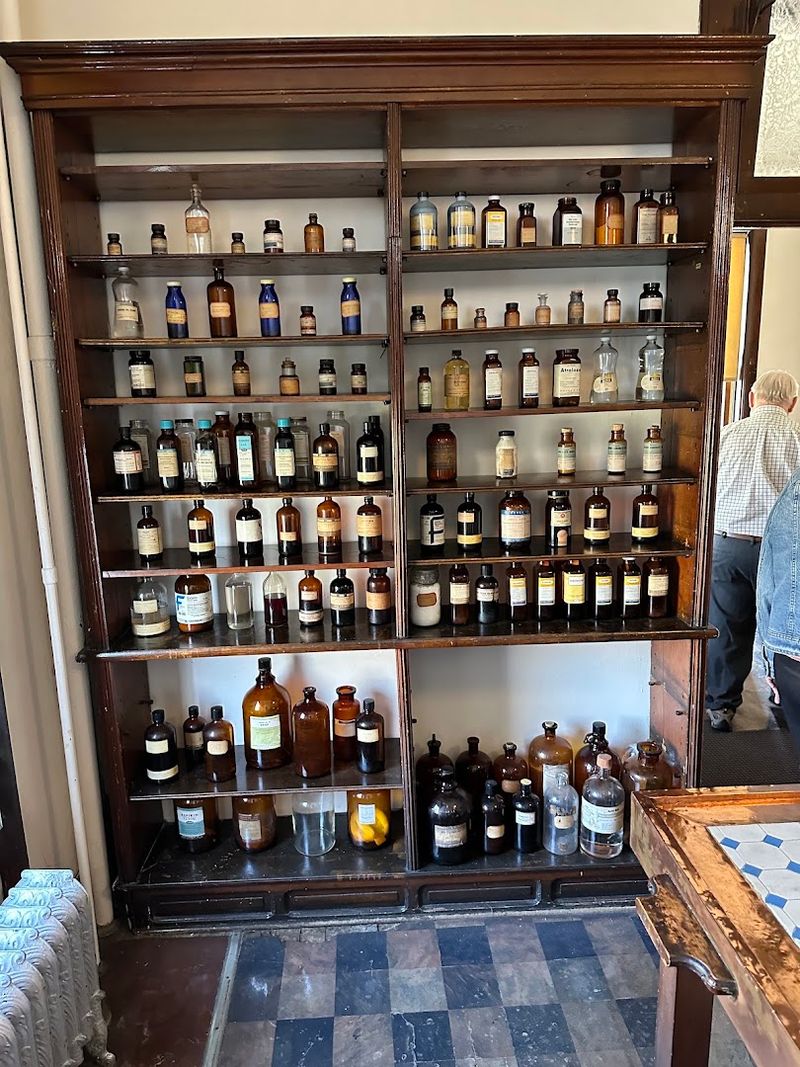
The museum is compact, but planning matters more here than at a typical drop-in attraction. Tours are limited, generally run on a set schedule, and advance booking is the smart move.
Because access is guided rather than open roaming, showing up casually can leave you admiring the exterior and garden while the interior stays out of reach.
Timing also shapes the experience. The museum is open only on select days, with tours typically centered in the late morning and afternoon window, so this works best as a deliberate destination rather than a spontaneous filler between bigger stops.
It pairs especially well with a slower Indianapolis itinerary, the kind where one unusual site is allowed to carry the day instead of competing with five others.
Once you arrive, expect the visit itself to be focused rather than lengthy. About an hour inside is enough to deliver a dense amount of material, but not enough for distracted wandering.
Comfortable shoes help, and mobility should be considered because historic buildings can bring limitations in stairs and circulation. Photography is generally allowed, but the real value is in staying present to the sequence of rooms.
This is also a museum where audience fit matters. Older kids, science buffs, architecture lovers, medical professionals, and travelers drawn to stranger corners of state history are likely to get the most from it.
Very young children or anyone highly sensitive to preserved specimens may find the material challenging, even if the museum itself is beautifully managed and deeply informative.
Handled the right way, the visit lands cleanly and efficiently. Book ahead, arrive ready for a guided hour, and give yourself time to look at the grounds instead of rushing back to the car.
That simple plan lets the museum do what it does best: deliver one of the most unusual, concentrated history experiences in Indiana without wasting a minute.
Why This Indiana Museum Earns Its Reputation
Plenty of museums claim to offer a one-of-a-kind experience. This one actually makes the case through specifics.
It has an original 1890s pathology building, a guided route through preserved workspaces, anatomy collections that demand attention, and a setting tied directly to the history of medicine and mental health in Indianapolis. Nothing about that combination is generic.
The museum’s scale is part of its advantage. Because it is relatively small, every room has weight, and the visit avoids the fatigue that can flatten larger institutions.
There is no need to hunt for the good part. The good part begins almost immediately and keeps changing shape as you move from architecture to specimens to stories to the garden outside.
Just as important, the museum does not flatten history into easy triumph. It shows older medical practices with context, complexity, and enough visual evidence to let you draw your own conclusions about how research, treatment, education, and institutional life intersected.
That makes the visit more intellectually satisfying than a novelty stop built around shock or nostalgia. For Indiana travelers, this is exactly the kind of place that can reset expectations about what the state’s museum scene looks like. It is not broad, polished, or crowd-driven.
It is stranger than that, more exacting, and much more intimate. The museum rewards curiosity, patience, and a willingness to spend an hour in a building where the past still sits almost exactly where it was left.
If your favorite travel discoveries are the ones that give you a completely different conversation on the drive home, this museum delivers. It is quirky, yes, but the deeper appeal is precision.
The Indiana Medical History Museum stands out because it knows exactly what it is preserving and allows that material to remain vivid, challenging, and remarkably direct. Few places in the state can say the same.