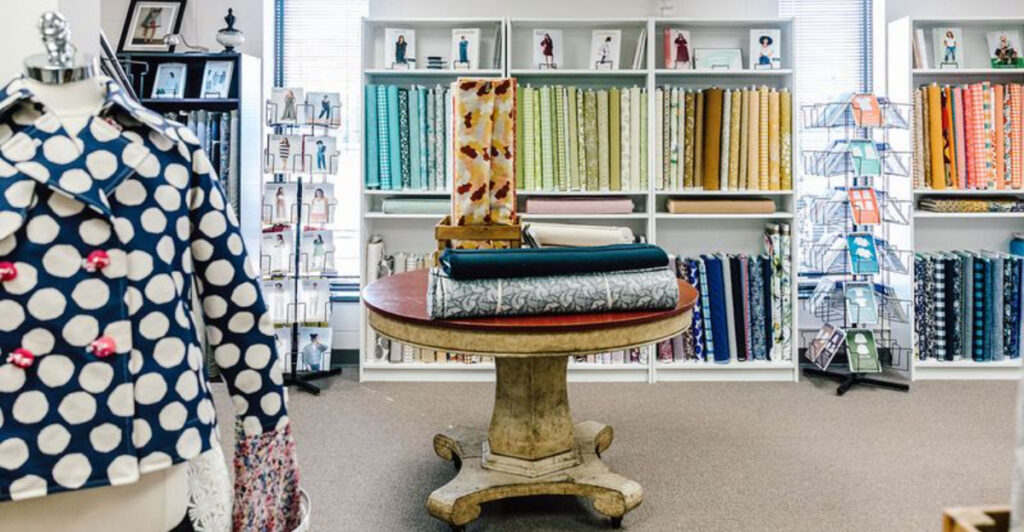
The right fabric store can spark an idea before you even reach the cutting table. Across Indiana, welcoming quilt shops and fabric stores are filled with colorful bolts, inspiring patterns, quality notions, and knowledgeable staff eager to help bring creative projects to life.
Whether you’re sewing clothing, quilting a family keepsake, or trying a new craft for the first time, these shops offer the selection and encouragement that keep makers coming back. From charming small-town destinations to well-stocked specialty stores, these 9 Indiana fabric shops are worth exploring for your next creative adventure.
1. The French Seam (Indianapolis)
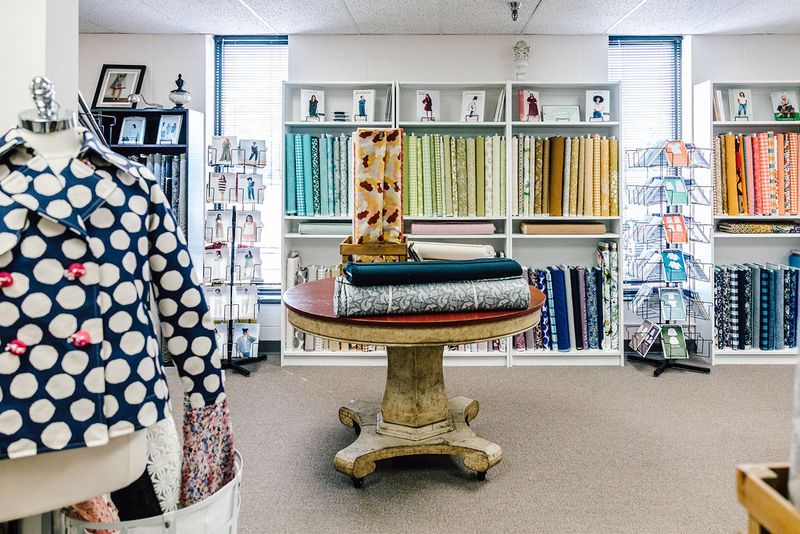
Some fabric shops make a big first impression with color, while others win people over with smart choices on every shelf. The French Seam belongs in the second group.
Its mix of fine fashion fabrics, modern quilting cottons, patterns, ribbons, buttons, and useful notions gives visitors plenty to study without making the store feel crowded or confusing.
Garment sewists can appreciate a place where fabric selection seems guided by purpose instead of pure volume. Better materials can change the whole sewing experience, especially when drape, texture, and finish matter as much as print.
Quilters also have strong reasons to linger, since modern cottons and coordinated supplies help projects come together with less guesswork.
Planning ahead helps here. Shoppers with a pattern in mind may want to bring yardage notes, a color swatch, or even a photo of a half-finished project.
That simple step can make it easier to compare options, match trims, and choose buttons or ribbons that support the look instead of competing with it.
Another useful idea is to give yourself time to browse beyond the exact item on your list. A shop known for thoughtful curation often has details that spark new direction, such as an unexpected notion, a fresh print pairing, or a pattern that solves a fit problem.
Creative momentum often begins with one small discovery like that. For anyone who enjoys sewing clothes, piecing quilts, or collecting well-made tools, The French Seam offers a steady kind of inspiration. Nothing has to shout when the inventory is chosen with care.
Visitors can leave with fabric, of course, but also with clearer project plans, sharper ideas, and the satisfying sense that quality materials really do shape better work at home.
2. Crimson Tate Modern Quilter (Indianapolis)
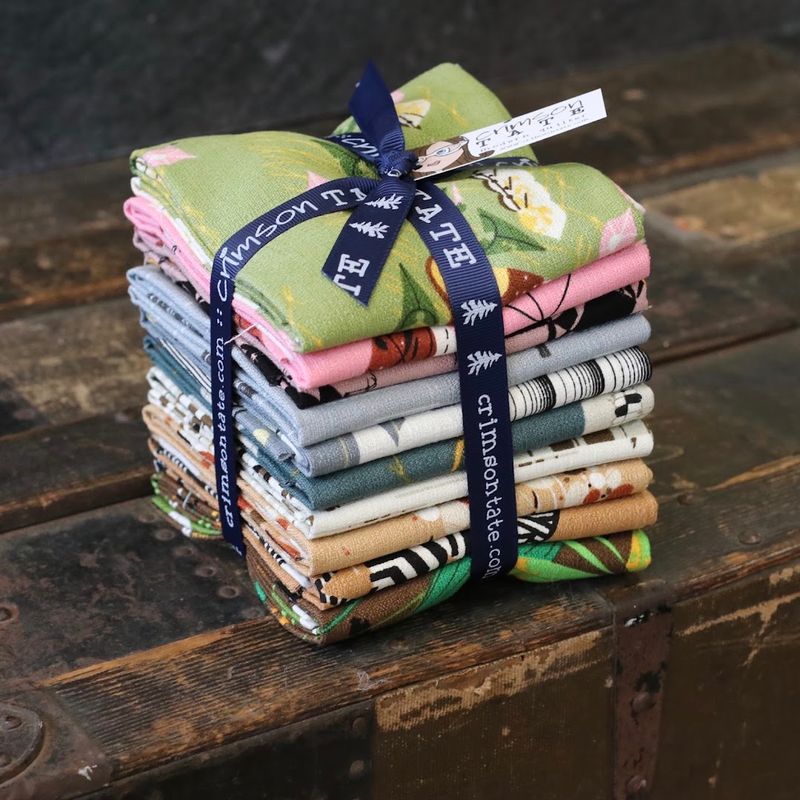
Color gets the conversation started at Crimson Tate Modern Quilter. Bright prints, modern patterns, and a downtown setting give the shop a lively personality that stands out right away.
For anyone curious about contemporary quilting, this store offers a clear look at how bold fabric choices can turn a simple layout into something sharp, playful, or dramatic.
Because the focus is modern quilting, shoppers can study fabric with a different eye here. Instead of searching only for matching florals or traditional coordinates, visitors may notice scale, contrast, negative space, and graphic impact.
That shift can be helpful for beginners who want to understand why some quilts look crisp and current without becoming overly complicated.
Classes and community matter too. Learning around other sewists often makes intimidating projects easier to start, especially when questions come up about cutting, piecing, or color placement.
A shop tied to creative teaching can also give shoppers confidence to try a pattern style that once seemed out of reach.
One smart approach is to walk in with an open mind about color. A fabric line that looks daring on the bolt may work beautifully once broken into blocks, strips, or borders.
Taking a few minutes to compare light, medium, and dark values can help build a quilt that has movement and balance rather than a flat look.
Crimson Tate appeals to experienced quilters and total newcomers for the same reason. It makes modern quilting look inviting instead of mysterious.
Between the designer fabrics, project ideas, and upbeat energy, the shop can nudge people to experiment a little more than usual. That kind of creative push is often exactly what turns a routine sewing day into the start of a favorite new quilt project at home.
3. Tree City Stitches (Greensburg)
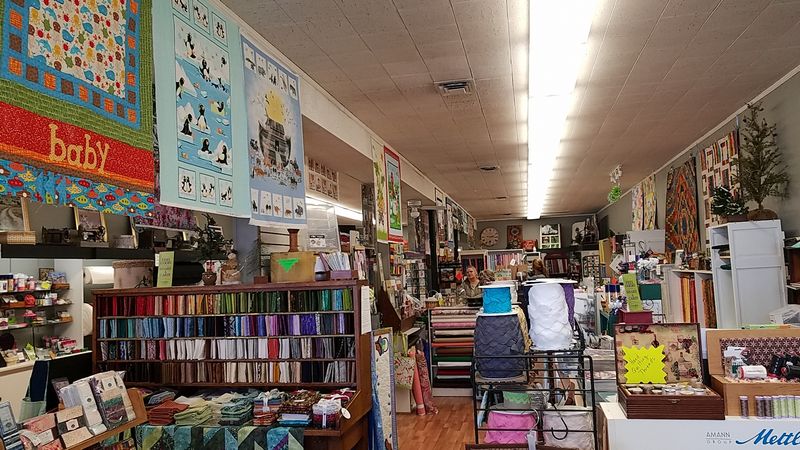
Starting a quilt can be the hardest part, especially when ideas are bigger than the plan. Tree City Stitches helps remove that roadblock with premium quilting fabrics, wide backs, flannels, books, patterns, sewing tools, and project samples paired with matching kits.
That setup gives shoppers a practical path from inspiration to action without a lot of second guessing. Seeing a sample project in person can change everything. Colors read differently when they are stitched together, and scale becomes easier to understand once blocks are sewn.
For many quilters, that visual example answers the biggest question before they even ask it, which is simple: how will this fabric combination actually look in a finished piece?
The variety of materials also makes planning easier for different kinds of projects. Wide backs save time for larger quilts.
Flannels invite cozy seasonal sewing. Books and patterns can push visitors toward a new technique, while well-chosen tools help trim away frustration once the work begins at home.
Friendly guidance matters most when a shopper has a rough idea but not a full plan. Staff knowledge can help narrow down choices, compare quantities, and suggest tools or fabrics that make a project smoother.
Even experienced quilters benefit from another set of eyes, especially when choosing backgrounds, borders, or backing fabric that need to work together.
Tree City Stitches seems built for people who like creative momentum with a little structure behind it. The store supports browsing, but it also supports decision making, which is not always the same thing.
By pairing strong fabric options with clear project help, it gives visitors a better chance of going home ready to cut, stitch, and keep moving instead of letting supplies sit untouched on the sewing table for weeks.
4. Pohlar Fabrics (Liberty)
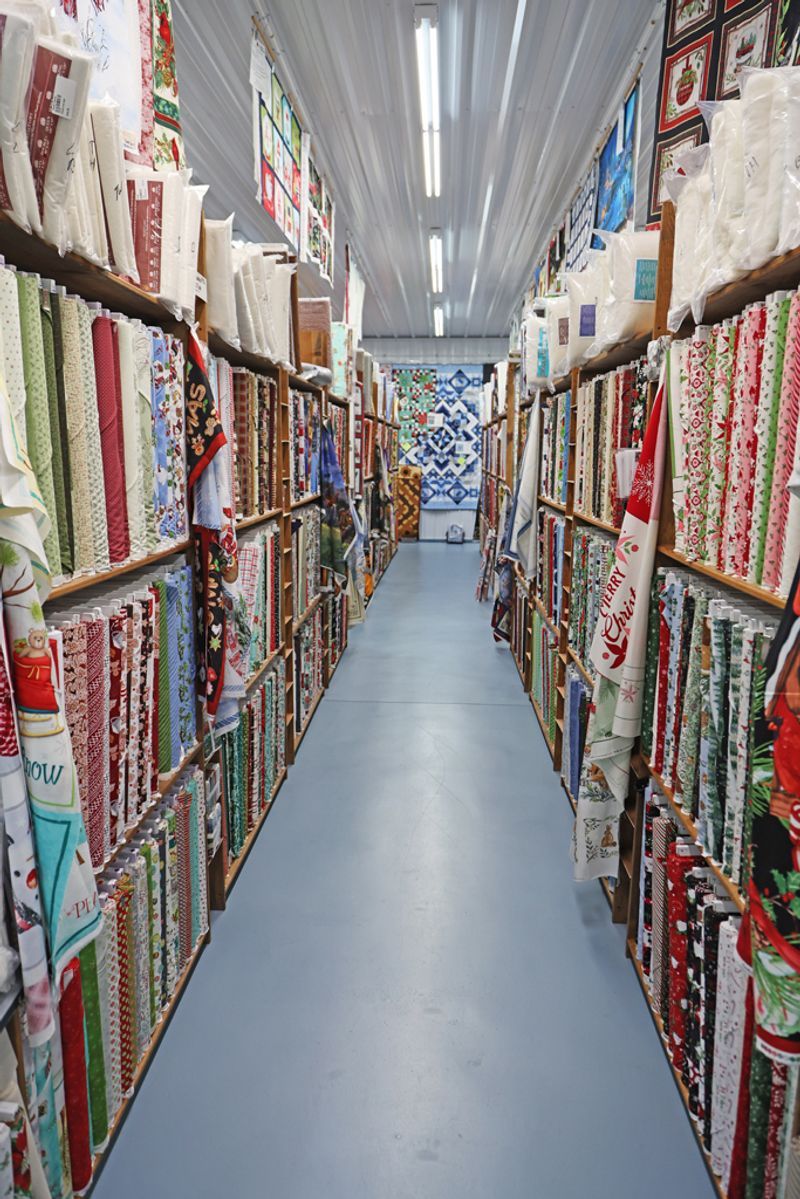
Big selection can be exciting, but only when it still feels usable. Pohlar Fabrics brings that sense of scale with a spacious showroom and thousands of bolts of fabric, along with patterns, books, notions, and original designs connected to the Pohlar family.
For quilters who like options, the store offers room to compare colors, prints, and project possibilities without feeling boxed in.
A family-owned shop often develops its own rhythm over time, and that can be helpful for customers. Instead of chasing every passing trend, stores with a long history tend to understand what makers really need: dependable basics, appealing prints, helpful tools, and project support that fits beginners as well as seasoned quilters.
That balance can make shopping more productive and less overwhelming. Classes add another layer of value. Learning in person gives people a chance to ask specific questions about cutting, piecing, pressing, or finishing that a quick online search may not answer very well.
Educational settings also help visitors notice techniques they might have skipped, such as choosing a better background fabric or using contrast more effectively.
With so many bolts to look through, a smart strategy is to start by deciding the job your fabric needs to do. Is it the star print, the quiet blender, the border, or the backing?
Making that decision early can keep a large showroom from turning into a maze and helps narrow the search to pieces that truly support the project.
Pohlar Fabrics works well for quilters who enjoy both variety and direction. The broad inventory invites exploration, while books, patterns, classes, and family-created designs add a personal edge to the shopping experience.
Visitors can gather materials for a current project, but they may also pick up fresh techniques and new ideas that shape several future quilts once they return to the sewing room.
5. The Stitching Post (Washington)
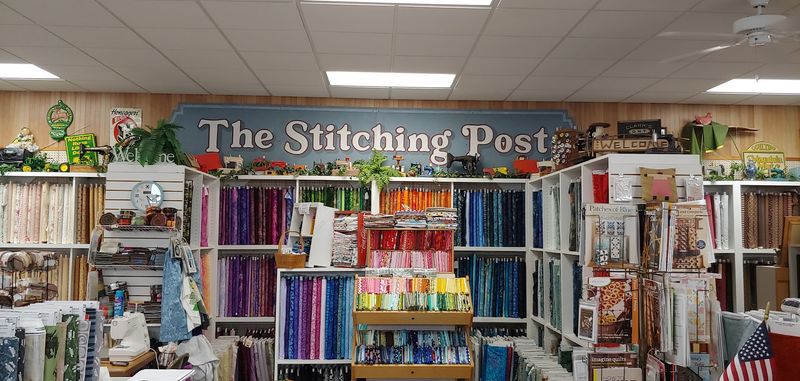
History-minded quilters often search for fabric that carries an older look without sacrificing present-day quality. The Stitching Post speaks directly to that interest with reproduction fabrics inspired by the late 1800s and early 1900s, plus premium cottons, flannels, and solids.
For shoppers drawn to traditional quilts, that focus can open up a very different kind of creative planning. Reproduction prints ask for close attention. Tiny florals, deep tones, subtle stripes, and aged-looking shades may seem quiet at first, yet they can create remarkable depth once stitched into blocks.
Quilters who usually choose bold modern designs may find that older-style palettes teach balance in a new way, especially when contrast comes from value and pattern scale rather than bright color.
Long-standing reputation matters in a specialty shop because customers often arrive with very specific goals. Some need fabric for a period-inspired quilt.
Others want solids or flannels that support a more classic look. Reliable customer service helps with both, especially when yardage estimates, border choices, or coordinated prints need careful thought before cutting begins.
One practical tip is to hold likely fabric choices a little farther back and view them as a group instead of one by one. Reproduction collections often work best through subtle relationships, not flashy individual pieces.
Looking at the set from a distance can reveal whether a mix has enough light and dark variation to keep the finished quilt from blending together too much.
The Stitching Post offers a strong stop for anyone interested in quilting traditions and time-tested style. Its fabric focus gives shoppers a chance to build projects with character, restraint, and visual texture.
Even visitors who usually sew with brighter palettes may leave with new respect for the power of a carefully chosen reproduction print and the quiet richness it brings to a quilt.
6. Nancy J’s Fabrics (Wabash)
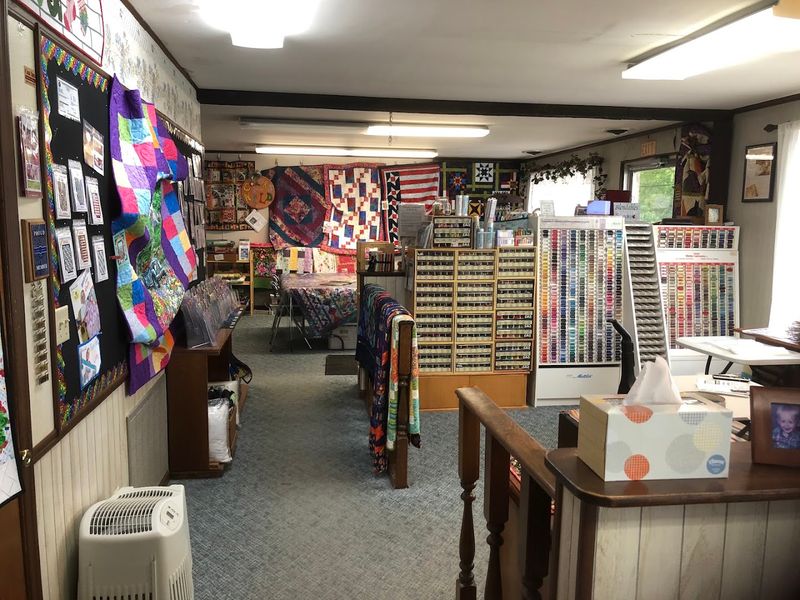
Treasure-hunt shopping has a special kind of energy, and Nancy J’s Fabrics leans into it in a fun way. The store offers batiks, novelty prints, florals, blenders, and quilting fabrics in a bright setting, then adds extra appeal with its Fabric Pickin’ Patch for browsing fat quarters.
That mix can turn a simple supply run into a surprisingly creative outing. Fat quarters are useful because they lower the pressure of choosing. Shoppers can try a new print, test a color combination, or build a small collection for patchwork without committing to large cuts.
In a display designed for digging and discovering, visitors may find unexpected pairings that would never have made it onto a list written at home.
The range of prints also supports many project styles. Batiks bring rich color and texture. Novelty prints add humor or theme. Florals can soften a palette, while blenders help busy fabrics work together instead of fighting for attention.
Having all of those choices in one shop makes it easier to build a quilt with variety and still keep the overall look under control.
A helpful strategy here is to gather a small stack before making any final decision. Pull a few favorites, then compare them under the same light to see which fabrics truly belong together.
Often the best combination includes one surprise choice, perhaps a blender or a novelty print, that gives the group more personality than the obvious match would have done.
Nancy J’s Fabrics works especially well for quilters who enjoy playful searching along with practical shopping. The colorful inventory supports serious project planning, but the Pickin’ Patch adds a lighter rhythm that encourages experimentation.
Visitors can arrive needing one piece and leave with a stronger color story, a handful of future ideas, and a renewed reminder that creativity often grows fastest when a little curiosity leads the way.
7. Lolly’s Fabrics (Shipshewana)
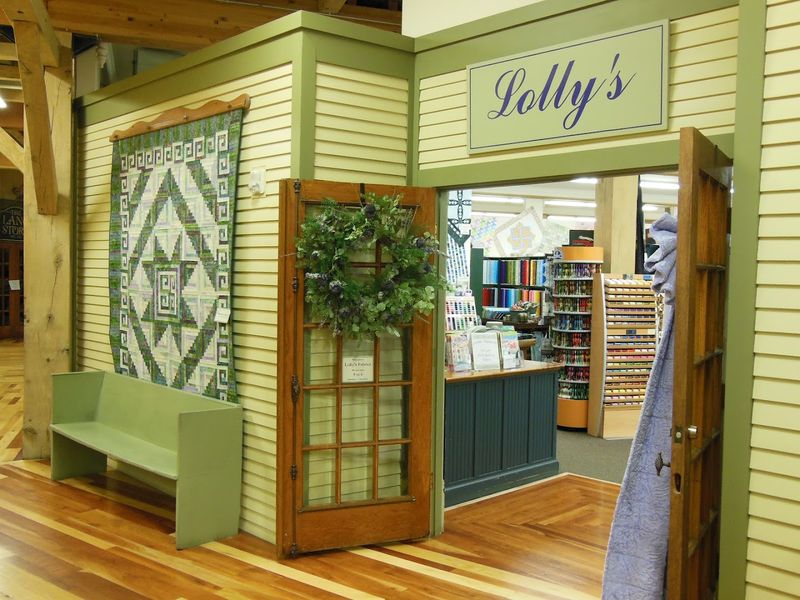
Order matters when a store carries a huge amount of fabric. Lolly’s Fabrics pairs a large inventory with beautifully organized displays, helping shoppers sort through designer quilting fabrics, patterns, kits, fat quarters, and sewing supplies without burning out halfway through the visit.
In a destination shop, that clarity matters just as much as quantity. Located in Shipshewana, the store fits naturally into a day of exploring Amish Country, but the real draw is how easy it is to compare fabrics across a broad selection.
Visitors can move from classic prints to fresh designer lines, then over to kits or fat quarters, building a project step by step instead of guessing how pieces might work together from memory.
Kits deserve extra attention here because they can save time and reduce planning stress. For beginners, a kit offers structure and a chance to focus on learning skills instead of juggling dozens of design choices at once.
More experienced quilters may use kits differently, treating them as a shortcut on busy weeks or as a starting point for personal changes.
With so many fabrics in one place, pacing helps. It is smart to make one pass for ideas, a second for comparisons, and a third for final decisions.
That simple method keeps every bolt from blending into the next and gives shoppers room to notice whether a project needs stronger contrast, a calmer background, or a more interesting border print.
Lolly’s Fabrics suits people who want a full quilting shopping experience with plenty of visual inspiration built in. The scale of the inventory opens up options, while the neat displays keep those options manageable.
Whether a visitor comes in for a specific pattern, a bundle of fat quarters, or a major fabric refresh, the store makes it easier to leave with choices that actually support the project ahead.
8. Heritage Fabrics and General Store (Nappanee)
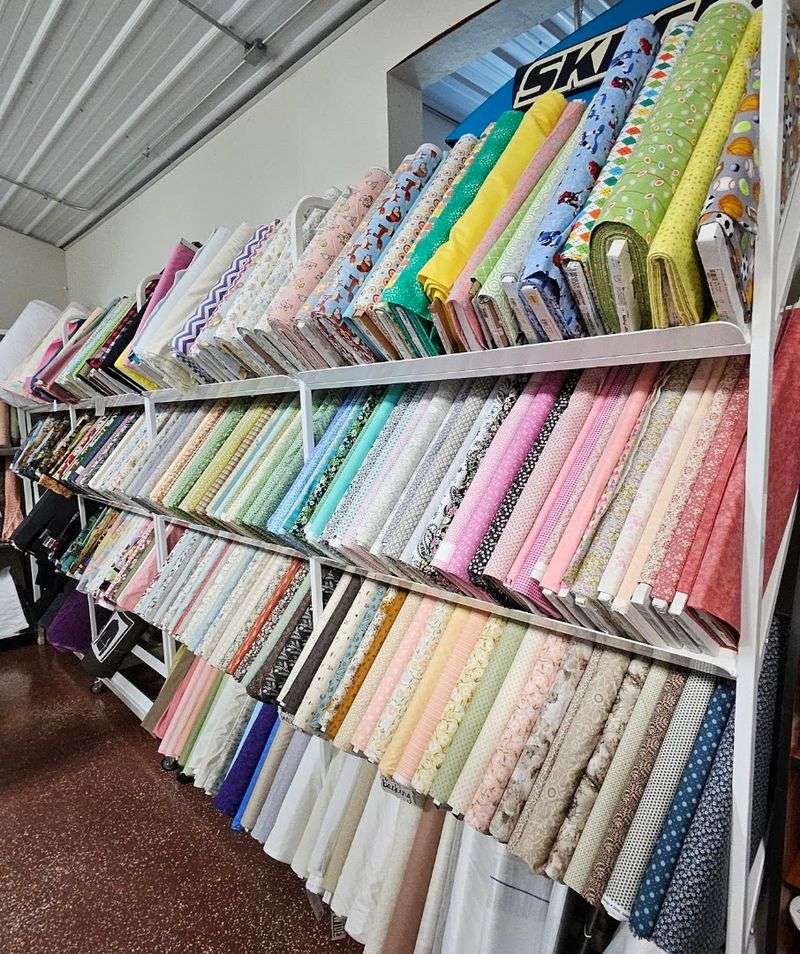
Some shopping stops invite a wider kind of curiosity, and Heritage Fabrics and General Store does exactly that. Quilting fabrics share space with home decor, gifts, kitchenware, toys, footwear, and seasonal merchandise, creating a store that encourages wandering as much as planning.
For creative people, that broader mix can be surprisingly useful. A quilt project does not always begin with fabric. Sometimes the spark comes from a dish towel color, a holiday display, a toy print, or a home item that suggests a mood for the whole piece.
In a shop that blends sewing supplies with general store charm, visitors may pick up visual ideas from categories they did not expect to browse at all.
Nappanee’s connection to Amish Country also adds a sense of place to the visit. Shoppers looking for a quieter pace may enjoy a store where practical goods and creative materials sit side by side.
That combination can make the trip feel more rounded, especially for families or groups where not everyone wants to spend the entire time comparing bolts of fabric.
A smart way to shop here is to stay open to color stories beyond the fabric shelves. Seasonal displays and housewares often show ready-made palettes that can translate beautifully into quilts, table runners, or simple sewing projects.
Taking a quick phone photo of a pleasing arrangement can help when choosing prints and blenders later in the visit.
Heritage Fabrics and General Store offers a different rhythm than a fabric-only destination, and that is part of its appeal. The fabric selection gives makers a practical reason to stop, while the extra merchandise adds texture to the experience and broadens the inspiration.
Visitors can leave with quilting supplies, certainly, but they may also head home with a stronger project theme, a gift, or a fresh idea sparked by an everyday object displayed nearby.
9. Always In Stitches (Noblesville)
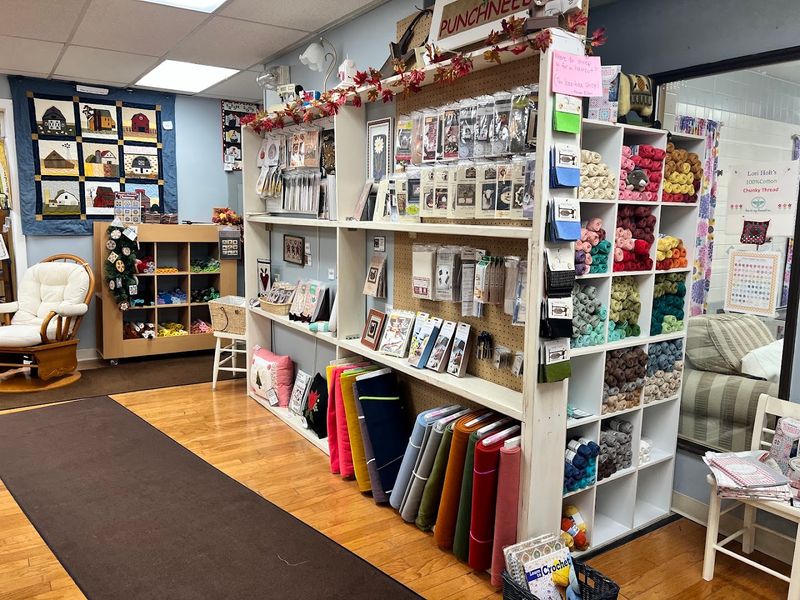
Big creative ambitions need room, and Always In Stitches offers a lot of it. Known as one of Indiana’s largest sewing and quilting destinations, the store brings together quilting fabrics, apparel fabrics, embroidery supplies, yarn, sewing machines, notions, and patterns in one place.
That range makes it especially appealing for people whose interests cross between sewing, quilting, embroidery, and other fiber arts.
Having multiple crafts under one roof can lead to stronger projects. A quilter might notice embroidery details that improve a label or gift piece.
A garment sewist may discover better notions or machine tools nearby. Yarn shoppers can leave with color ideas that influence fabric choices later.
When supplies are arranged across disciplines, creative boundaries tend to loosen in productive ways. Classes and workshops give the store even more pull.
Learning with guidance can shorten the path between curiosity and confidence, especially when someone is exploring a new machine, trying embroidery for the first time, or stepping up from simple projects to more advanced construction.
Machine services also matter because a reliable setup often determines whether sewing time feels smooth or frustrating.
Because the selection is so broad, planning the visit can make a big difference. It helps to decide whether the goal is fabric shopping, machine research, class information, or a full project restock.
Going in with one main priority leaves more mental space to notice useful extras, rather than getting distracted by every appealing aisle before the must-have items reach the basket.
Always In Stitches stands out as a place where many kinds of makers can find support at once. The large inventory invites exploration, but the mix of education, service, and community gives the store practical depth too.
Visitors can solve a current project problem, gather supplies for the next one, and come away with a few new skills or ideas that broaden the creative road ahead.