Illinois may be famous for its prairies, farmland, and skyline views, but it also hides some surprisingly beautiful waterfalls. Tucked inside sandstone canyons, forest preserves, and scenic state parks, these cascades reveal a rugged side of the Prairie State that many visitors never expect to find.
Some flow year-round, while others become especially impressive after heavy rains or during the spring thaw, making every visit a little different. Whether you’re planning a weekend hike, a scenic road trip, or simply looking for a new outdoor destination, these 11 Illinois waterfalls prove the state is full of natural surprises.
1. Burden Falls
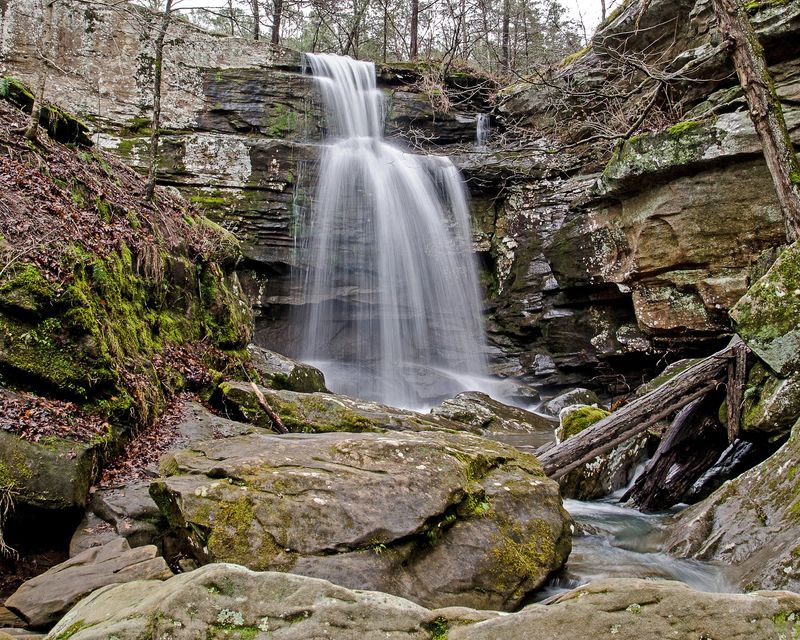
Burden Falls does not ease into the scene. It arrives with a strong drop, a rocky canyon, and the kind of movement that makes people stop talking for a second.
In a state many connect with flat land, this waterfall quickly changes the conversation. Set in Shawnee National Forest in Pope County, Burden Falls is widely known as Illinois’ tallest waterfall.
The main drop is about 20 feet, and the water continues through a chain of smaller cascades that slide between sandstone walls and broken rock shelves. After a good rain, the whole area looks busy and loud, with water moving in several directions at once.
The trail area can be uneven, so sturdy shoes help a lot. Slick rock is common near the falls, especially when the flow is strong, and that is not the best place for flimsy sandals.
A phone or camera is useful here because the layered canyon gives different views depending on where you stand.
Spring is a smart time to visit because the water is often fuller and the forest looks fresh and bright. Fall also works well, with leaves adding color around the canyon and cooler air making the walk easier.
During dry stretches, the waterfall can look quieter, so checking recent weather can help set expectations. There is another detail that adds to the appeal. Burden Falls is more than a single drop, so visitors get a longer visual experience instead of one quick glance and done.
Take time to look upstream and downstream, notice the shape of the sandstone, and listen to how the sound changes from one section to the next. That variety is a big reason this place stands out in southern Illinois.
2. Big Rocky Hollow Waterfall
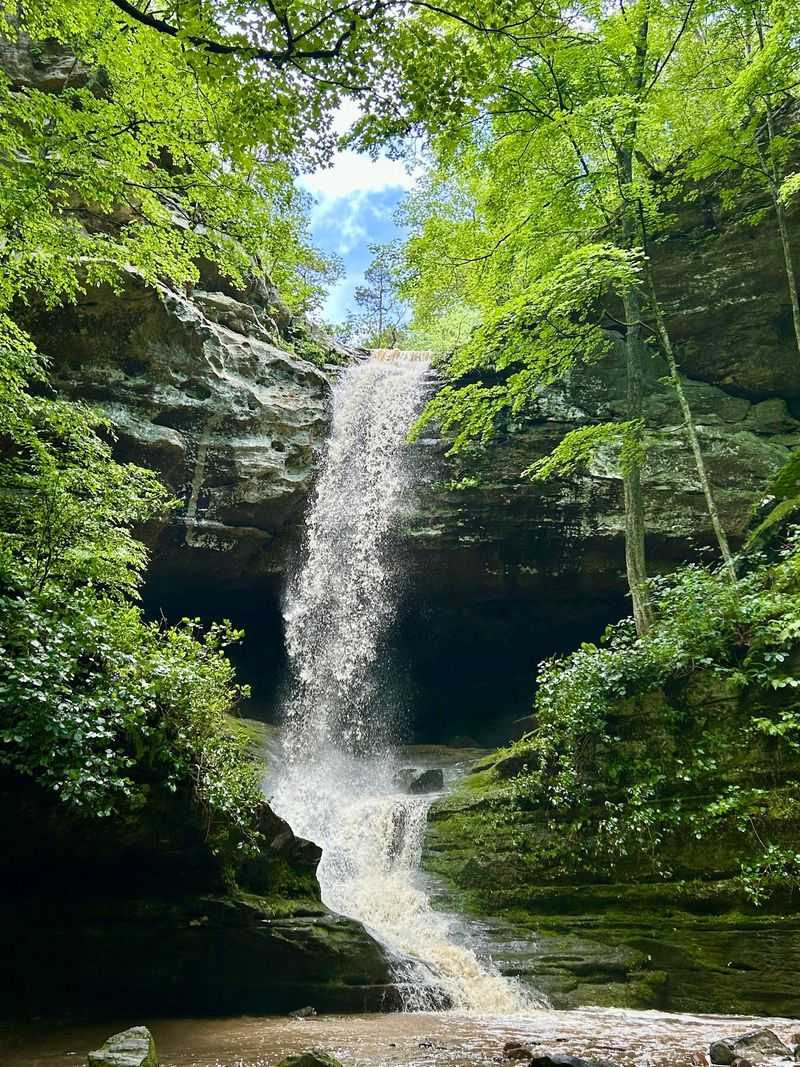
Big Rocky Hollow Waterfall makes a strong first impression because the setting builds suspense. The canyon narrows, the cliffs rise, and the shade grows deeper before the waterfall finally comes into view.
When water is flowing well, the drop looks bold against the dark rock and green moss. Found in Ferne Clyffe State Park near Goreville, this seasonal waterfall is often described as plunging about 100 feet into a cool, sheltered hollow.
That height gives it a different character from shorter cascades, especially after rain when the water line is fuller and easier to spot from a distance. Moss-covered cliffs, overhanging stone, and thick forest complete the scene and give the canyon a tucked-away look.
The walk to the waterfall is part of the fun. It is not just about arriving at the end point, because the trail passes through a lush ravine with changing light, rock textures, and the sound of water or dripping stone depending on the season.
Kids usually notice the giant boulders first, while adults tend to pause for the quiet shade and cooler air. Weather plays a big role here, so planning around recent rain is helpful. A dry week can mean less action at the falls, while wet conditions can make the canyon much more dramatic.
Shoes with traction matter because damp ground, slick rock, and shallow muddy spots can show up without much warning.
Ferne Clyffe has several scenic areas, but Big Rocky Hollow often steals the spotlight because of its scale. It mixes height, canyon walls, and dense greenery in a way that looks more like a postcard from a hillier state.
Bring a camera, take your time near the cliffs, and look up as often as you look ahead. The vertical view is a big part of the experience.
3. St. Louis Canyon Waterfall
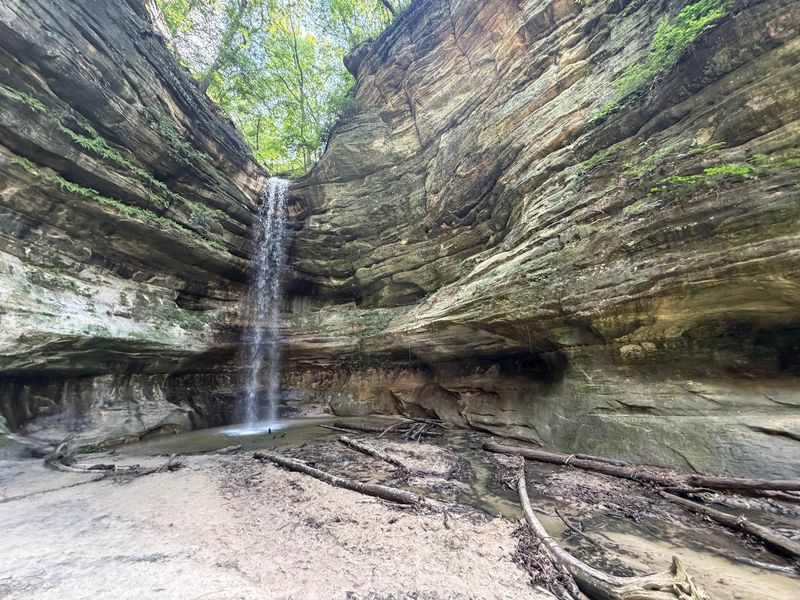
Rain changes everything at St. Louis Canyon. A trail that seems calm on a dry day can lead to a lively waterfall pouring into a narrow sandstone passage, with walls that rise steeply on both sides.
The whole scene has a compact, dramatic look that fits Starved Rock perfectly. This waterfall is one of the signature sights in Starved Rock State Park near Oglesby.
Water drops into a tight canyon carved through sandstone, and the enclosed space helps the sound bounce around in a way that makes the waterfall seem even bigger.
After storms, the flow usually looks strongest, while winter can replace splashing water with impressive ice formations clinging to the rock.
St. Louis Canyon is a favorite for good reason, so timing can make a difference. Early morning or weekdays often mean fewer people on the trail, which helps if you want photos or a quieter visit.
Even with company on the path, the canyon still holds attention because the walls, ledges, and changing light give the route plenty to look at.
Trails in this park can include stairs, packed dirt, and wet sections near canyon mouths. Shoes with grip are a smart choice, and bringing a light jacket can help because canyon interiors often feel cooler than open overlooks.
If recent weather has been dry, it is best to enjoy the rock formations too and not focus only on waterfall volume. One reason St. Louis Canyon stands out is its shape. The waterfall does not simply drop in open space.
Instead, it lands inside a narrow stone corridor, which creates a stronger sense of depth and enclosure. That makes even a short visit memorable.
For anyone exploring Starved Rock, this stop shows why the park keeps surprising first-time visitors who expect flat terrain and end up walking into canyon country.
4. Wildcat Canyon Waterfall
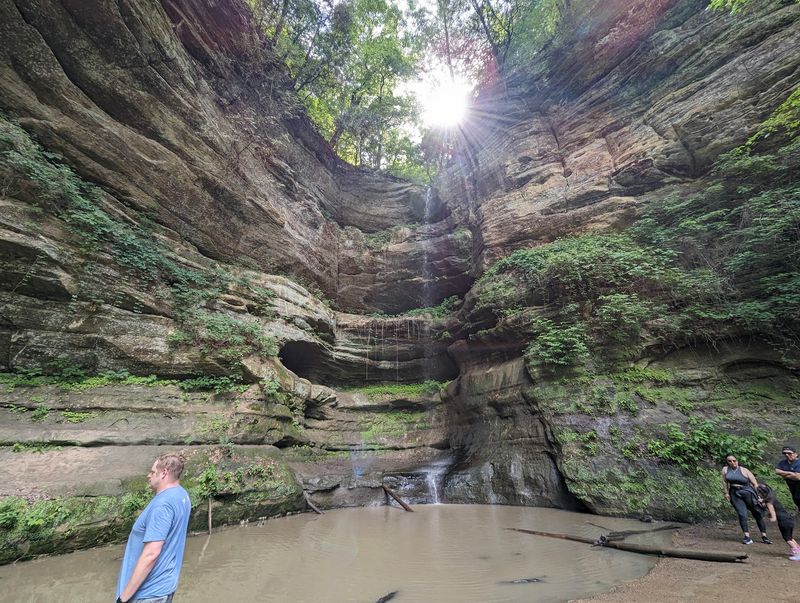
Wildcat Canyon likes to stretch out instead of dropping in one narrow line. When the water is running, the cascade spreads across the rock and gives the canyon a wider, softer look.
That broad flow, paired with tall walls and ferny edges, makes the setting easy to remember. Inside Starved Rock State Park in Oglesby, Wildcat Canyon is often noted as one of the park’s deeper canyon spaces.
The trail leads into a rocky corridor where sandstone walls rise high enough to block some of the sunlight, creating cooler air and darker tones near the waterfall. After rain, the cascade becomes the center of attention, but the surrounding cliff textures are just as appealing.
This is a good stop for visitors who enjoy a scenic hike as much as the final view. The approach helps build the mood, with turns in the path, changing elevation, and bits of forest opening into canyon scenery.
Ferns along the damp edges add color close to the ground, while the vertical rock gives the whole place a stronger sense of scale.
Because the falls are seasonal, checking recent rainfall can save guesswork. Conditions near the canyon floor may be muddy, and slick spots often appear near wet stone, so careful steps are better than rushing for photos.
Bringing water and allowing extra time makes the visit feel less cramped, especially during busy weekends. Wildcat Canyon has a balanced kind of beauty. It is not only about height or force.
The width of the cascade, the depth of the canyon, and the layering of plants against stone all work together. That mix gives the area a slightly different personality from some of Starved Rock’s tighter waterfall spots.
For travelers making a day of the park, it is an excellent example of how varied Illinois canyon landscapes can be within one destination.
5. French Canyon Waterfall
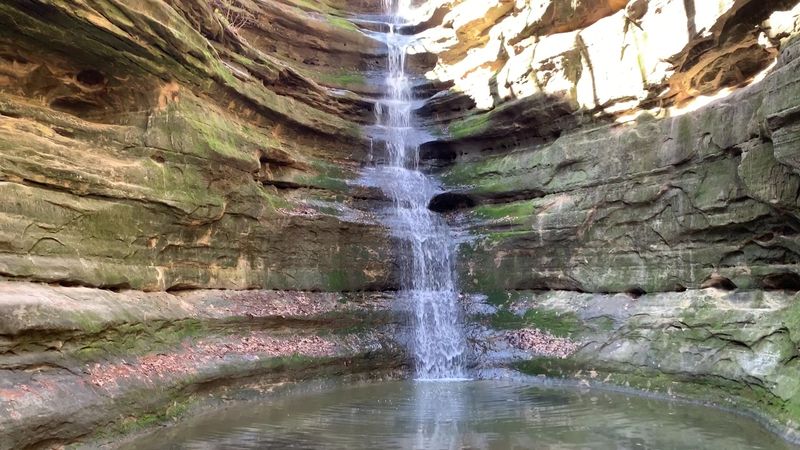
French Canyon has a cooler, greener personality than many people expect in Illinois. Moss clings to the walls, smooth sandstone curves around the trail, and the waterfall adds a clean ribbon of motion when conditions line up. It is the sort of place that makes a short walk feel like a real escape.
Located in Starved Rock State Park near Oglesby, French Canyon is known for a picturesque waterfall that flows over sandstone into a lush canyon basin. The stone here often looks rounded and worn, which gives the waterfall a softer setting than some rougher, blockier cliff areas in the region.
The canyon’s cool microclimate helps support moss and moisture-loving plants, adding extra texture and color close to the rock.
Visitors often enjoy French Canyon because the scenery is strong without feeling overwhelming. The path offers enough visual change to stay interesting, and the canyon itself delivers a nice combination of rock walls, shade, and water.
It is also a handy reminder that a waterfall visit is not only about the moment the water appears. The surrounding geology does half the storytelling.
Rain can greatly improve the flow, so recent weather matters. During busy seasons, arriving earlier in the day can help you enjoy the canyon before it gets crowded.
Shoes with traction are helpful since wet patches and muddy areas can form near the waterfall and along shaded sections of trail.
French Canyon works well for casual hikers, families, and photographers who like detail shots as much as wide views. Small drips, moss patterns, and light hitting damp stone can be just as striking as the waterfall itself.
In a park full of memorable canyons, this one stands out by combining graceful rock shapes, fresh greenery, and a waterfall scene that looks polished even when the flow is modest.
6. Jackson Falls
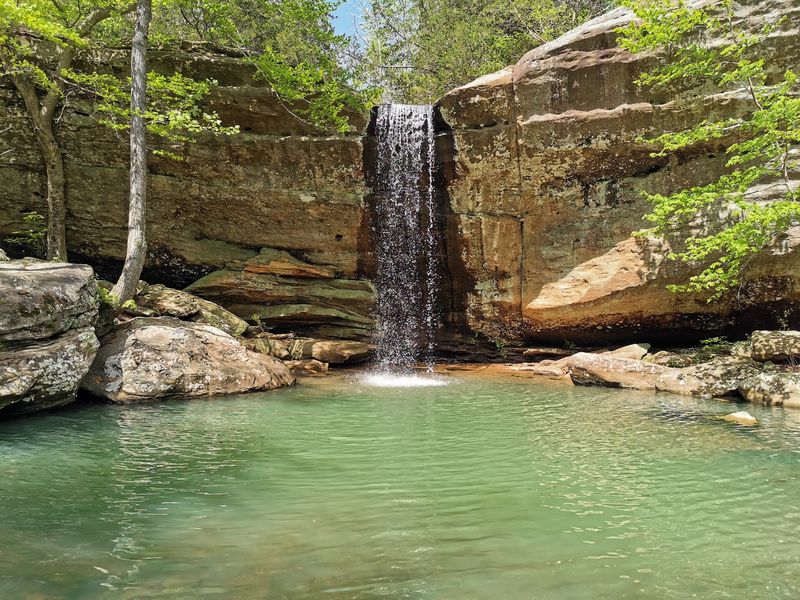
Jackson Falls has a flair for drama, even when the water is not running hard. Towering sandstone bluffs wrap around the area like a giant outdoor stage, and the seasonal waterfall adds motion when rain has been generous.
It is one of those places where the rock formations are just as memorable as the falling water. Located in Shawnee National Forest near Ozark, Jackson Falls is famous for its amphitheater-like setting and its rock climbing scene.
Climbers know it well, but hikers and casual explorers can enjoy the same big walls, shady forest, and rugged terrain. When the waterfall is active, it drops through this striking bowl of stone and creates a view that looks much larger than many people expect in Illinois.
Because it is seasonal, timing matters. A visit after steady rain gives the best chance to see more water, while dry periods can leave the falls reduced or absent.
That is not necessarily a disappointment, though, since the canyon itself is packed with texture, from overhangs and pockets in the rock to tree roots gripping the edges.
Footing can be tricky here, so moving slowly is smart. Mud, leaf cover, and damp stone can make short distances feel more technical than they look.
Bringing water, using shoes with grip, and keeping an eye on changing weather makes the outing more comfortable.
Jackson Falls works especially well for people who like landscapes with personality. One moment the space feels quiet and enclosed, and the next it opens into soaring cliffs that pull your eyes upward.
Add a seasonal waterfall to that mix, and the result is part canyon walk, part geology lesson, and part photo stop. Few places in Illinois combine rock, forest, and waterfall scenery with this much visual punch.
7. Rocky Glen Waterfall
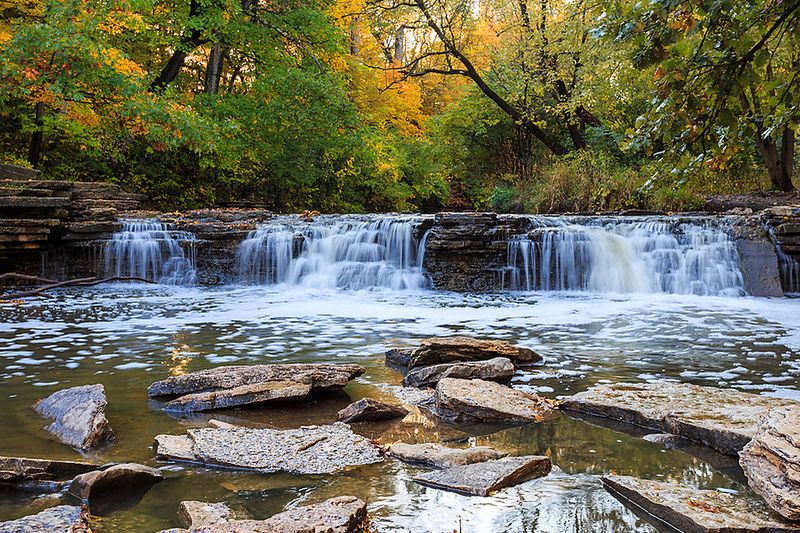
Not every waterfall adventure in Illinois requires a long drive into remote country. Rocky Glen Waterfall offers a quick nature break near the Chicago area, and that convenience is part of its charm.
A wooded ravine, a modest but attractive cascade, and a sense of calm give this spot a very different vibe from the state’s larger canyon waterfalls.
Set in Waterfall Glen Forest Preserve in Darien, Rocky Glen Waterfall is known as a Civilian Conservation Corps-built feature nestled into a natural-looking landscape.
The stonework blends with the ravine well enough that many visitors focus first on the surrounding trees, creek, and layered rock before noticing the constructed history. It is a useful reminder that scenic places can also carry pieces of public works history.
This stop works especially well for walkers, families, and anyone looking for a low-stress outing. The preserve has trails and plenty of room to stretch out a visit, so the waterfall can be one part of a bigger loop rather than the only destination.
That flexibility makes it appealing during every season, with spring greenery, summer shade, and fall color all adding their own look.
The waterfall itself is not massive, and that is fine. Its appeal comes from setting and access instead of raw power.
Nearby residents often appreciate that they can trade traffic noise for rustling leaves and running water without turning the day into a major road trip.
Comfortable shoes, a water bottle, and a little extra time are enough for most visits here. After rain, the ravine often looks fresher and the water more active, though the trail can be damp in spots.
Rocky Glen shows that Illinois waterfall hunting is not only about giant drops in deep forest. Sometimes the surprise is finding a peaceful, photo-friendly cascade tucked close to busy suburbs.
8. Rocky Bluff Waterfalls
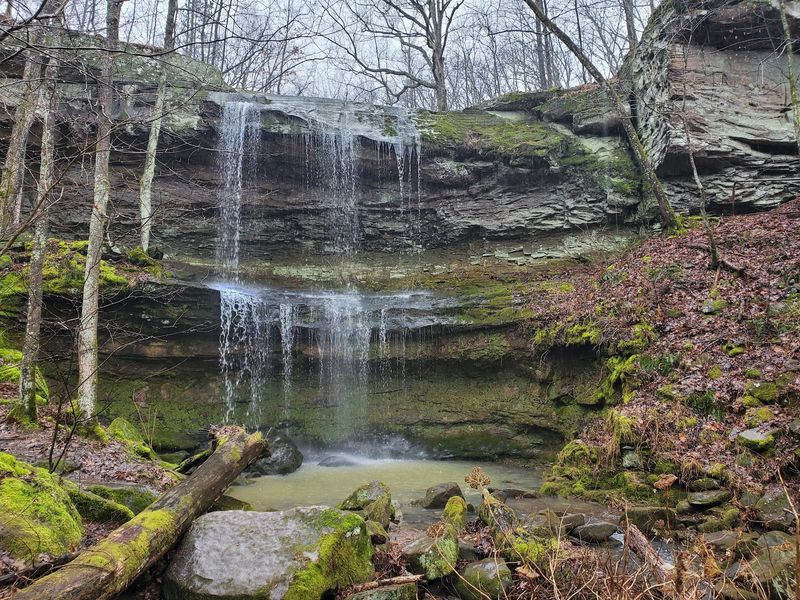
Quiet is a major part of the draw at Rocky Bluff Waterfalls. Instead of one huge drop with a crowd gathered around it, this area offers a peaceful series of smaller cascades moving through forested terrain.
The effect is gentler, but the scenery still leaves plenty to study. These waterfalls sit within Crab Orchard National Wildlife Refuge near Makanda, one of southern Illinois’ richest areas for wildlife and varied habitat.
The forest here adds depth to the experience, with rocky stream sections, tree cover, and a sense of separation from busier tourist spots. Visitors who like patient exploring often enjoy this setting because it rewards slow walking and careful looking.
Small cascades can be easy to overlook if someone expects a single dramatic plunge. Rocky Bluff works best when viewed as a sequence of water features woven into the landscape.
Water slips over stone shelves, gathers in shallow runs, and keeps moving through the woods, creating a rhythm that is more about flow and texture than height.
That calmer style also makes it a good place for people who enjoy birds, plants, and the sound of water without a lot of noise around them. Binoculars can be handy if wildlife is part of the plan, and good walking shoes are still important because damp roots, leaves, and uneven ground may show up along the route.
Visiting after rainfall usually improves the stream action. Rocky Bluff Waterfalls shows another side of Illinois waterfall travel. Not every memorable stop needs tall cliffs or famous canyons.
Here, the reward comes from solitude, layered woodland views, and the way small cascades fit naturally into a larger refuge landscape. For travelers exploring southern Illinois, it is an easy place to slow down, pay attention, and enjoy the quieter details that bigger attractions sometimes push to the background.
9. Rock Creek Waterfall
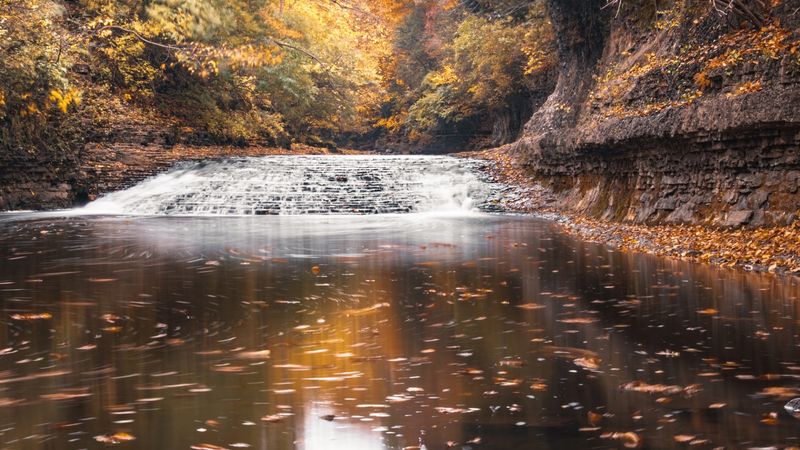
Rock Creek Waterfall is broad instead of tall, and that shape gives it a distinct look right away. Water spreads across flat limestone shelves before moving toward the Kankakee River, creating a scene that is more layered than vertical.
The result is simple, sturdy, and very photogenic from several angles. Located in Kankakee River State Park near Bourbonnais, this waterfall stands out because of its geology.
Rather than dropping into a deep sandstone canyon, the water slides over wide limestone ledges that guide and fan out the flow. That makes the surface pattern part of the attraction, especially when sunlight catches shallow water moving over pale rock.
The setting also feels more open than many southern Illinois waterfall spots. Visitors can enjoy the creek, nearby river scenery, and the park’s broader landscape without staying boxed inside a narrow ravine.
That openness is nice for families and casual walkers who want an easygoing outdoor stop with a clear view of the water feature.
Season and rainfall still matter. After wet weather, the spread across the rock shelves can look fuller and more lively, while drier times may reveal more of the limestone.
Both versions have their own appeal. One shows motion and sound, while the other highlights the structure of the creek bed itself.
It helps to move carefully near the rock, since smooth limestone can be slippery when wet. A short pause to watch the water patterns is worthwhile because the flow often changes shape across the ledges from one section to another.
Rock Creek Waterfall may not be the tallest stop on this list, but it offers a different kind of surprise. In a state full of unexpected landscapes, this broad cascade proves that even low, spreading water can create a strong and memorable scene.
10. Dixon Springs Waterfall
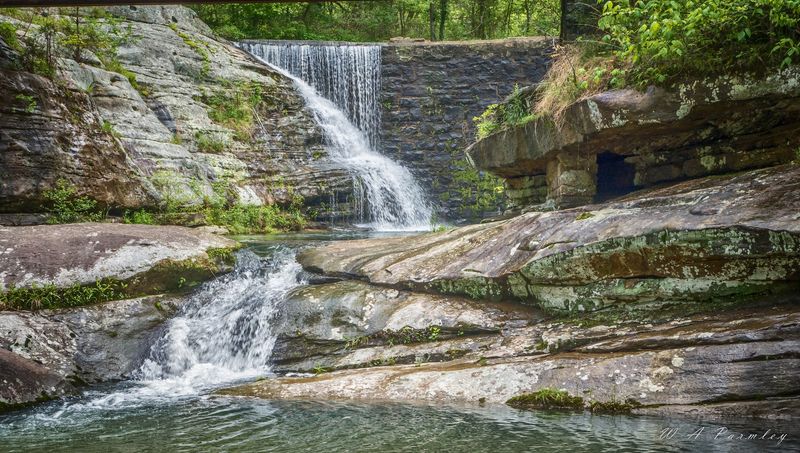
Dixon Springs Waterfall brings a boulder-filled twist to the usual waterfall outing. Instead of one plain drop, the water winds through massive sandstone blocks and creates a series of attractive cascades that keep changing shape as they move downhill.
Every few steps can reveal a new angle. In Dixon Springs State Park near Golconda, the landscape mixes forest, rock, and moving water in a way that feels rugged without being overwhelming.
The sandstone boulders are a major part of the scenery, giving the cascades a broken, twisting route rather than a straight plunge. That natural obstacle course makes the water look busy and lively, especially after rain.
For visitors, this means the experience is often about noticing details. One section may tumble between rocks in a narrow chute, while another spreads across smaller ledges before dropping again.
The variety keeps the eye moving, and it helps make the site appealing even when the water flow is moderate instead of roaring.
The surrounding state park adds to the outing by offering a broader sense of southern Illinois scenery. Tree cover, uneven stone, and pockets of shade can make the area feel cooler and more enclosed than open prairie landscapes farther north.
A careful walking pace is smart here because damp rock and leaf-covered surfaces may be slick. Bringing a camera is a good idea, especially for people who enjoy close-up shots of water weaving around rock.
Wider photos can work too, but many of the best details are found in the interactions between the cascades and the boulders. Dixon Springs Waterfall stands out because it trades height for character. The water does not simply fall once and stop.
It travels, turns, and threads its way through the stone, creating a more active scene that rewards people who take time to look closely.
11. Boulder Falls
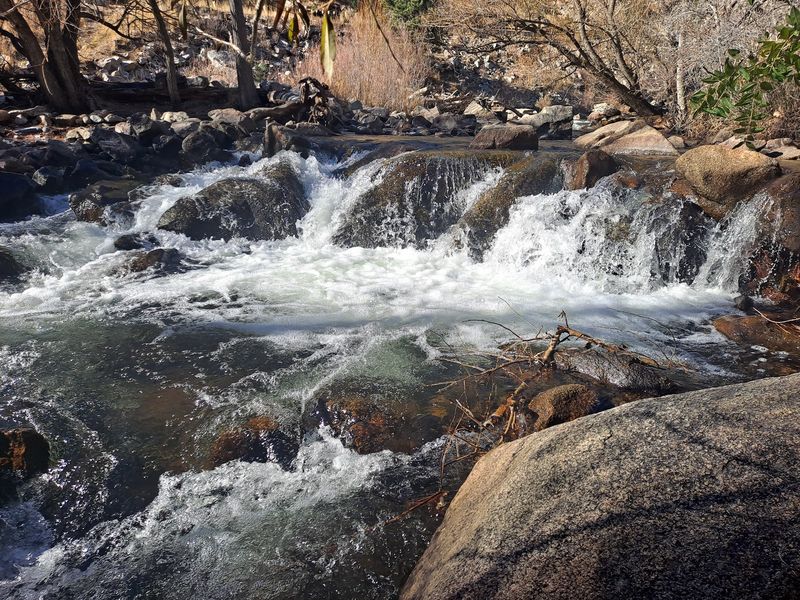
Boulder Falls proves that some of Illinois’ most rewarding waterfall hikes are found away from the state’s busiest parks. Hidden within Bell Smith Springs Recreation Area in Shawnee National Forest, this seasonal waterfall combines rugged sandstone scenery, clear streams, and quiet forest into a landscape that surprises first-time visitors.
It feels wilder and more remote than many of Illinois’ better-known waterfall destinations, making the journey just as memorable as the view itself.
Located near Ozark in southern Illinois, Boulder Falls flows through a narrow sandstone canyon where water tumbles over layered rock before continuing downstream between massive boulders.
After periods of heavy rain, the waterfall becomes far more dramatic as water spills across multiple ledges, filling the canyon with the sound of rushing water.
During drier stretches, the flow becomes gentler, allowing the striking geology and weathered sandstone formations to take center stage.
The hike offers plenty to enjoy before reaching the waterfall. Forest trails wind beneath towering bluffs, cross small creeks, and weave through impressive rock formations that showcase the rugged beauty of the Illinois Ozarks.
Because portions of the trail can become muddy or slippery after rain, sturdy hiking shoes are strongly recommended. Taking your time is worthwhile, as the changing scenery constantly offers new viewpoints and excellent photography opportunities.
Spring is usually the best season to visit, when recent rainfall and fresh greenery create the most impressive conditions. Autumn is equally rewarding, with colorful hardwood forests surrounding the canyon and adding vibrant contrast to the sandstone cliffs.
Boulder Falls may not be as famous as some of Illinois’ larger waterfalls, but its peaceful setting, scenic trail, and dramatic natural surroundings make it one of the state’s most rewarding hidden treasures. Visitors looking for a quieter waterfall experience will find this stop well worth the hike.
Share this story