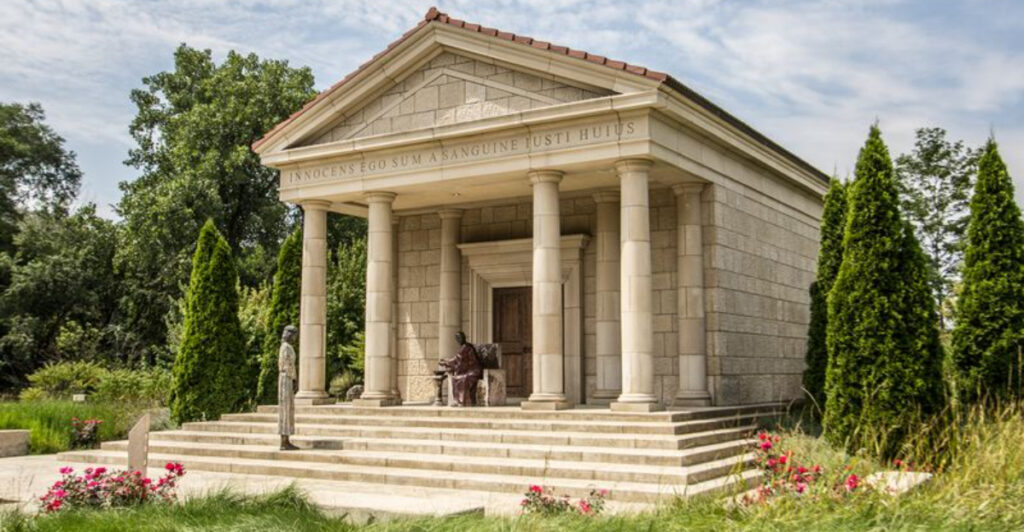
Some walking trails offer beautiful scenery. Others invite visitors to slow down, reflect, and experience something deeply meaningful. The Shrine of Christ’s Passion in St. John combines peaceful landscaped grounds with life-size bronze sculptures that guide visitors through the story of Jesus’ final days, creating one of Indiana’s most distinctive outdoor attractions.
The thoughtfully designed pathway offers a quiet setting for reflection while showcasing remarkable craftsmanship and impressive attention to detail. Whether you’re visiting for spiritual reasons, artistic appreciation, or simple curiosity, this unique sanctuary provides an experience unlike anywhere else in the state.
A Walk That Opens Like a Storybook Set
Long before the first sculpture comes fully into view, the grounds set the tone. Neat landscaping, trimmed paths, and open sky give the entrance area a calm, orderly look that separates the shrine from the busy road nearby.
Instead of feeling crowded or flashy, the property unfolds slowly, which helps the experience begin at a quieter pace.
That gradual reveal matters because this is not a place built around one quick photo stop. The design encourages movement forward, station by station, so the story becomes part walk, part outdoor gallery, and part prayer trail.
Large figures, stonework, and carefully placed scenes create a visual rhythm that keeps attention focused ahead. Even travelers who are not used to visiting shrines can understand the appeal right away.
The sculptures are sizable enough to catch the eye from a distance, and the path gives each scene enough room to breathe. Nothing feels squeezed together, so each stop has its own presence.
Another strong feature is the contrast between the suburban Indiana location and the atmosphere inside the property. Cars, stores, and ordinary errands may be just minutes away, but once inside the grounds, the mood shifts toward stillness.
That change helps explain why many visitors set aside more time than they first expected. First-timers should resist the urge to hurry past the opening stretch. A slower pace makes it easier to notice details in the expressions, posture, and placement of the figures.
Comfortable shoes help too, since the experience works best as a walk rather than a rushed pass-through. By the time the trail begins in earnest, the shrine has already done something smart. It turns arrival into preparation, giving the setting enough space to quiet the outside world before the main journey starts.
The Half-Mile Passion Trail at the Center of It All
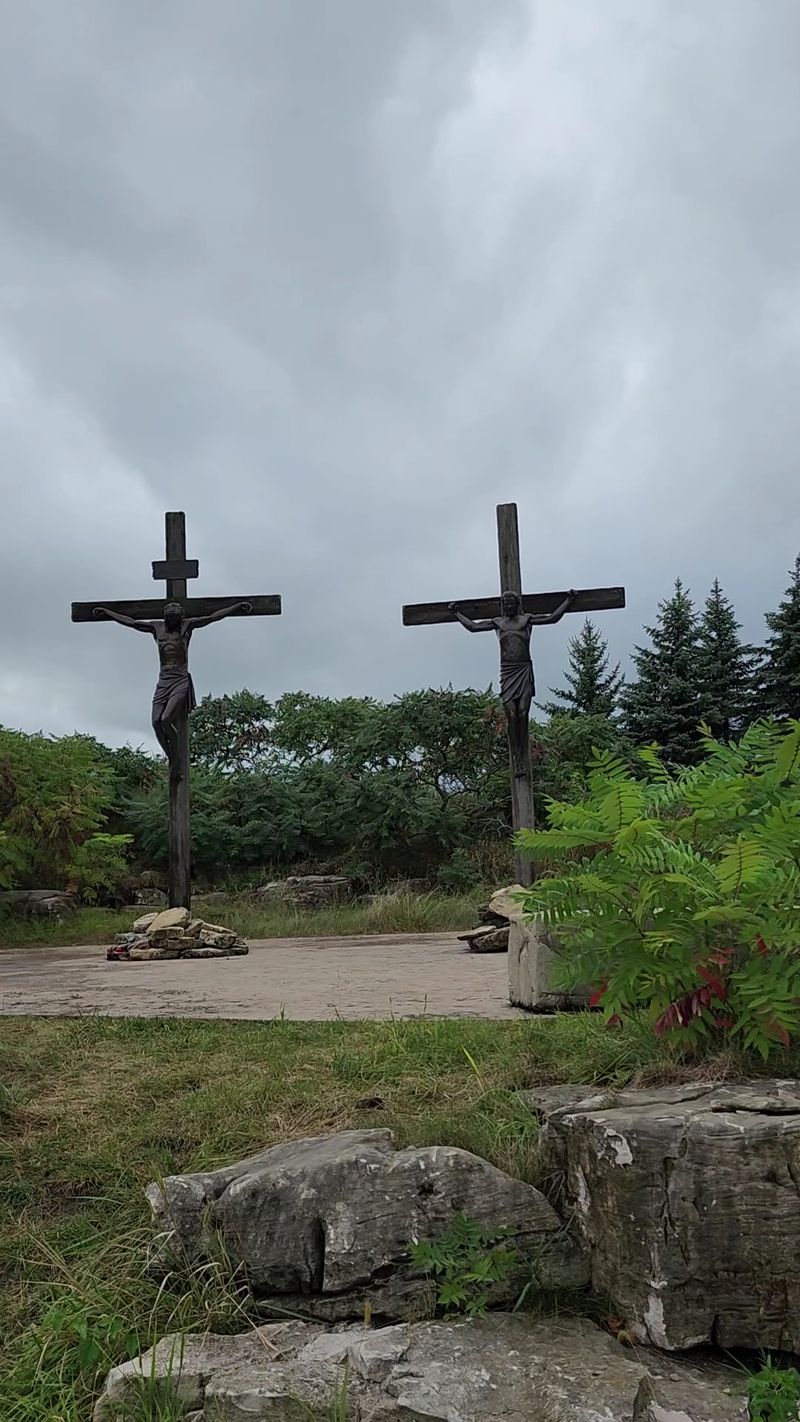
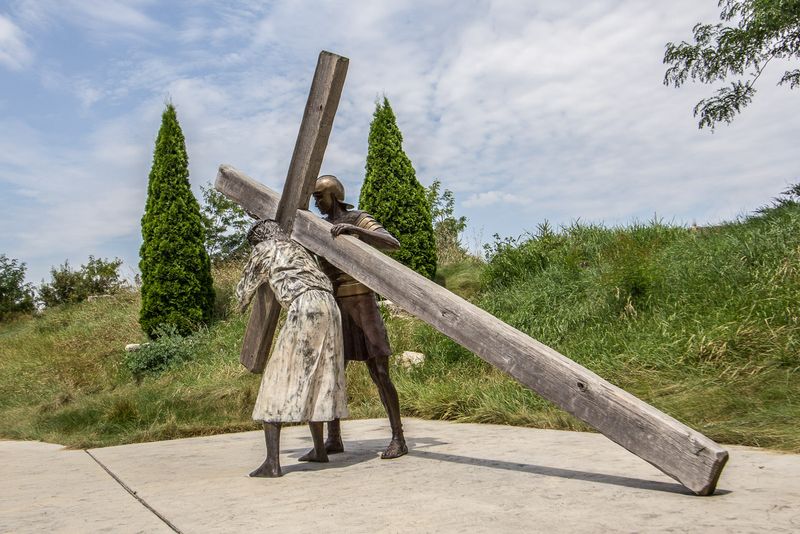
Here, the main event is the prayer trail itself. The walk follows the Stations of the Cross through a series of life-sized scenes that trace the final hours of Jesus, giving the shrine its strongest identity and its clearest purpose.
Rather than presenting the story in a single cluster, the sanctuary stretches it across roughly half a mile, which adds movement and time to the experience.
That distance is a practical detail, but it also changes how the trail works. Each station comes as a pause, not a blur, and the walk between scenes gives visitors a chance to reset before the next one.
The spacing keeps the path from feeling overloaded. Many stations include audio that can be started with the push of a button. That feature is especially helpful for families, older visitors, or anyone who wants more context without needing a guidebook in hand.
The short recordings connect scripture to the visual scene and help turn looking into listening and reflecting. The sculpture work carries much of the emotional force. Faces, gestures, and group arrangements are designed to make each station easy to read from several feet away, so even younger visitors can follow the sequence.
The scenes are direct, serious, and meant to hold attention. Planning for the trail is simple but important. Since the grounds invite stopping, listening, and taking in details, a visit can last much longer than the walking distance suggests.
Thirty minutes may cover the path at a basic pace, but unhurried visitors often stay far longer. A small tip makes a big difference. Start with the expectation that this is a full experience, not a quick side stop.
The trail works best when there is enough time to hear the audio, sit when needed, and let the story unfold one scene at a time.
Speakers, Scripture, and Details That Pull You In
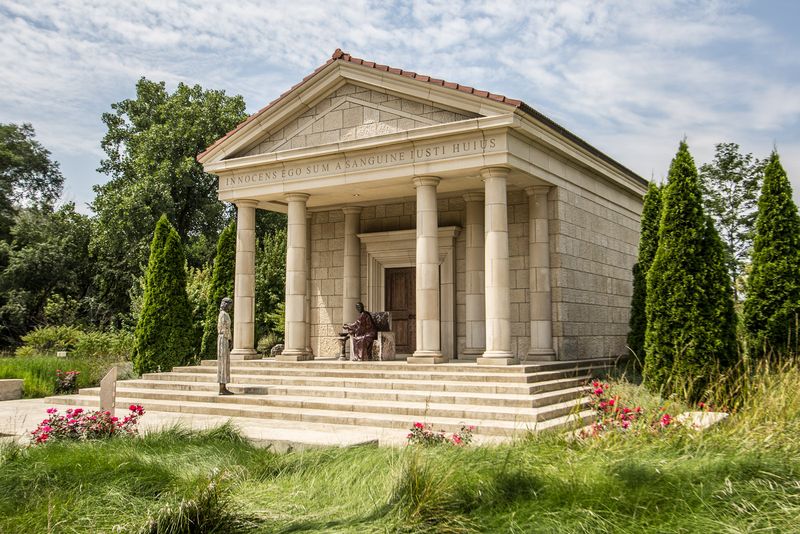
Some places rely on scale alone, but this shrine adds another layer through sound and close detail. At many points along the route, visitors can press a button and hear a short reading or reflection tied to the station in front of them.
That simple feature changes the trail from a silent display into a guided outdoor experience. Audio works especially well here because the sculptures already carry strong visual drama. The words from scripture or explanation do not compete with the artwork.
Instead, they help frame what the eye is seeing, making the scenes easier to understand for children, first-time visitors, and anyone less familiar with the order of the stations.
Then there are the details that reward slower looking. Draped clothing, body posture, facial tension, and the arrangement of figures all help each scene read clearly from near or far.
The artistry is not subtle in the tiny-museum sense. It is bold enough for the outdoors, yet careful enough to invite a second look.
Music in the background, when present, can add to the setting without turning the grounds into a production. That balance matters.
The shrine stays devotional instead of theatrical, which keeps the focus on prayer, reflection, and story. For families or group visits, the built-in audio gives everyone a shared starting point.
One person does not have to explain every station, and nobody has to guess what comes next. The structure is already there, which makes the walk easier to follow at any age.
The best strategy is simple. Pause at the stations that seem busiest in imagery, listen fully, then step back and study the scene again.
That second look often reveals how much care went into each expression, hand position, and cluster of figures along the path.
Beyond the Cross – Moses, Guadalupe, and More Corners to Explore
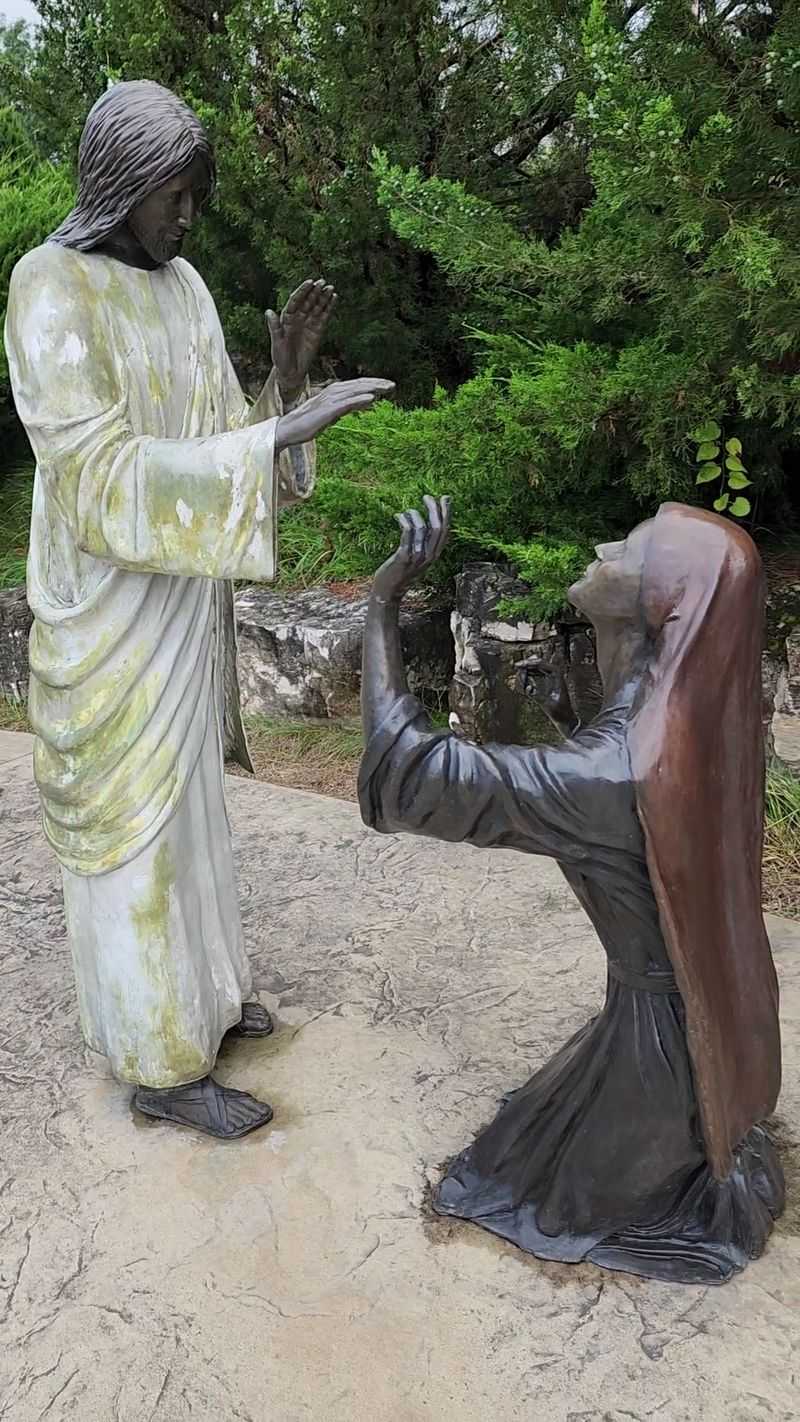
Just when the main trail seems like the whole story, the property opens into more. Alongside the Stations of the Cross, the shrine includes other religious displays and spaces that widen the visit beyond a single path.
That extra range gives the grounds a fuller identity as a sculpture sanctuary rather than one narrow attraction. The Moses at Mount Sinai display is one of the most talked-about additions to the larger experience.
Its scale and subject bring a different visual energy, shifting from the sorrow and weight of the Passion story to the commanding image of biblical law and revelation. The contrast breaks up the visit in a useful way.
Another notable area is the Our Lady of Guadalupe shrine. It adds a distinct devotional focus and also reflects the broader Catholic community that visits the grounds. Instead of repeating the exact mood of the prayer trail, it creates its own pocket of attention and reverence.
Smaller spaces, gardens, and prayer spots help the property avoid becoming one long straight sequence. Visitors can move from intense narrative scenes to quieter corners that invite sitting, looking, or simply taking a break.
That variety is helpful for multigenerational groups, especially when some want to linger while others need a slower pace.
The gift shop also plays a larger role than many travelers expect. Since entry to the trail leads through it, the shop becomes part of the overall layout rather than an afterthought at the exit.
Religious items, books, cards, and souvenirs make it a practical stop for families marking a baptism, communion, or holiday season.
Anyone planning a visit should allow enough time for these side areas. Focusing only on the main path can mean missing some of the shrine’s most distinctive features.
The broader campus turns the stop into a fuller afternoon, with changing visuals and several ways to engage with the grounds.
Why This St. John, Indiana Sanctuary Feels So Different
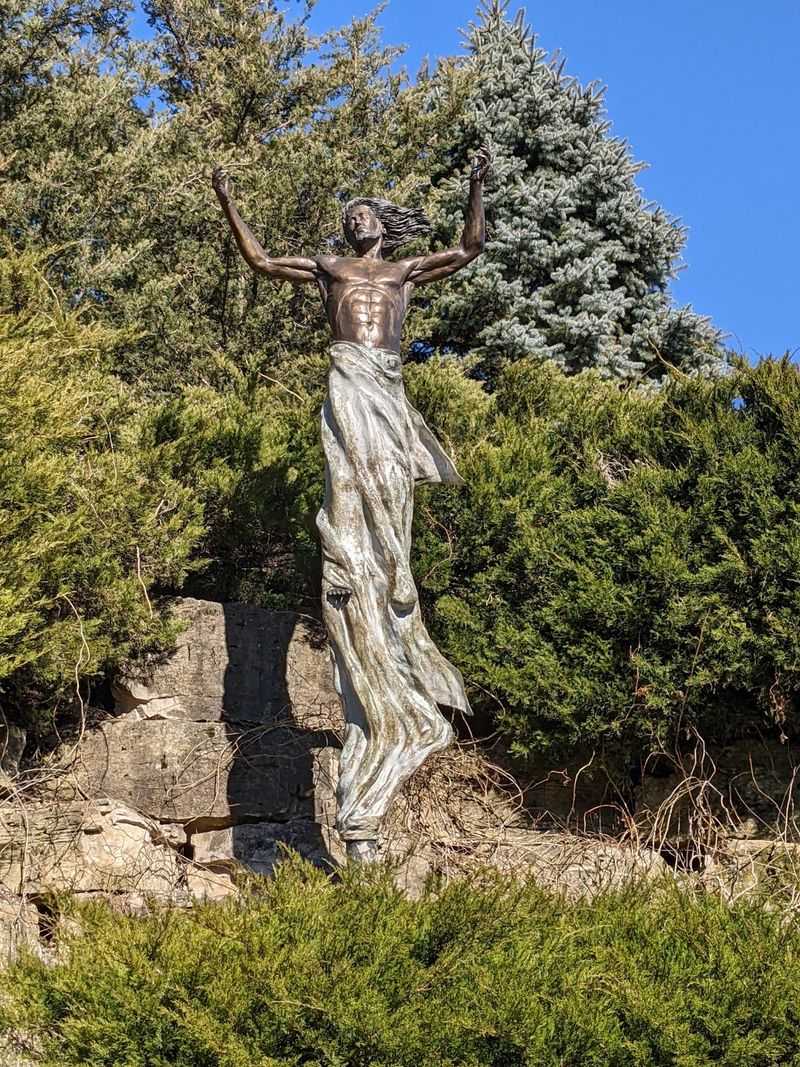
At first glance, the shrine’s power comes from size and craftsmanship. Spend more time there, though, and another strength becomes clear: the place is organized for quiet.
That may sound simple, but it shapes the entire visit in St. John, Indiana, especially for travelers used to louder attractions and tighter schedules.
The grounds encourage a respectful pace. Wide enough paths, seating for rests, and pauses between stations all help reduce the feeling of being pushed along.
Even on a busier day, the layout gives people room to move without collapsing the experience into a crowded line.
That sense of order is part of why the sanctuary can appeal to different kinds of visitors. Some come for prayer during Lent or Holy Week.
Others arrive out of curiosity, interested in sculpture, religious art, or unusual places in northwest Indiana. The site can hold all of those reasons at once because its basic structure is clear and calm.
Free admission also changes the atmosphere in a practical way. Without a ticket line or timed-entry pressure, the visit can unfold more naturally.
Donation boxes are present, but the overall impression is welcome first, logistics second. There is also a strong sense that the property is meant to be cared for over time, not treated like a pop-up seasonal display.
Grounds maintenance, the working audio stations, and the arranged scenes all point to regular upkeep. That consistency matters because outdoor sculpture sites can quickly lose impact when details start slipping.
For visitors, the main takeaway is to match the place’s rhythm. Speak softly, silence phones, and approach it less like an attraction and more like a shared space for reflection.
Doing that makes the sanctuary easier to appreciate, whether the goal is spiritual focus, family time, or a quieter afternoon than most roadside stops can offer.
How to Plan the Visit Without Rushing the Experience
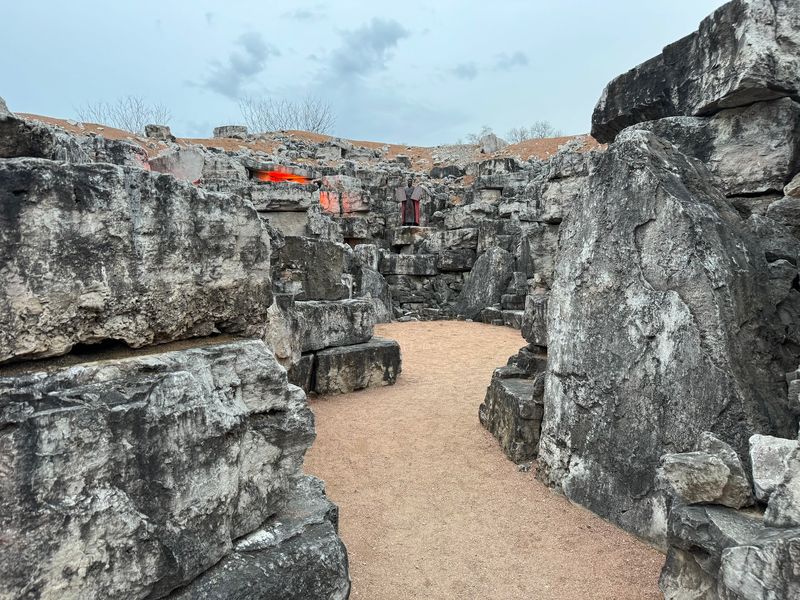
A little planning goes a long way here. The shrine is open daily from 10 AM to 5 PM, and that steady schedule makes it easier to fit into a weekend drive or a weekday outing across northwest Indiana.
Still, the smartest approach is to treat the visit as more than a short roadside break. Comfortable walking shoes should be near the top of the list. The prayer trail covers about half a mile, and many visitors stop often to listen to audio, read, and look closely at the sculptures.
That means the stop can stretch from a brisk half hour to two hours or more, especially if the side shrines and gift shop are included.
Weekdays may offer a quieter pace for those who want more room at each station. Holiday periods, Lent, and Holy Week can bring stronger interest because the subject of the trail connects closely with those seasons.
Families with older relatives should build in extra time, since the best visits leave space for rests rather than trying to finish quickly.
Groups may want to arrange details in advance, especially if a guided option or mobility support is needed. Some visitors have used a club car, which can be helpful for anyone who wants the experience without covering the full walk on foot.
That option can make the sanctuary more accessible for multigenerational outings. Respectful behavior matters just as much as timing. This is a solemn place, not a noisy park, so conversations should stay low and focused.
A slower, quieter visit fits the setting and allows everyone nearby to take in the trail without distraction. One final practical tip is wonderfully ordinary: bring water when weather is warm.
Outdoor visits are always easier with simple preparation, and here that preparation helps keep attention on the sculptures, the story, and the pacing of the walk.
A Rare Indiana Stop Where Art, Faith, and Landscape Meet
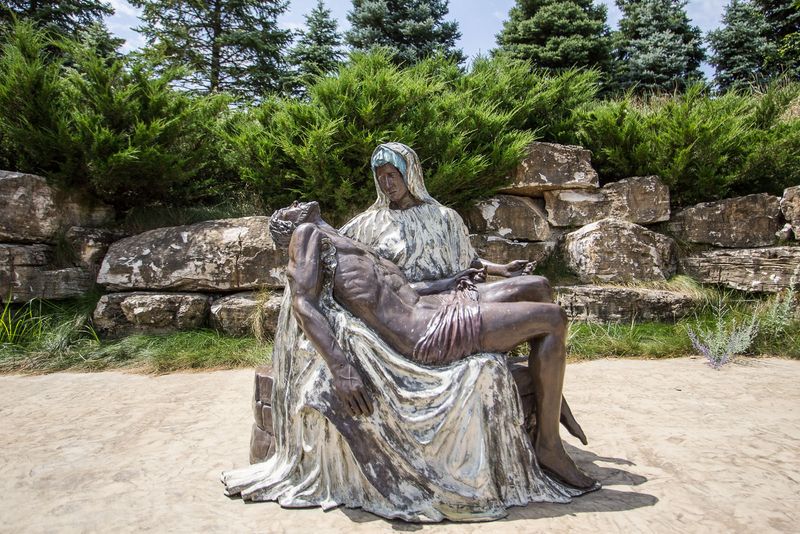
Plenty of places offer pretty gardens. Plenty of others offer religious statues. What sets The Shrine of Christ’s Passion apart is how deliberately it combines landscape, large-scale sculpture, and a story-driven path into one experience.
In Indiana, that mix is unusual enough to make the sanctuary stand out even for travelers who have visited many churches, museums, or public art sites. The place works because it gives each element a clear job. The grounds provide room and calm.
The sculptures carry the drama. The audio adds guidance. Together, they create an outing that can be reflective, educational, and visually striking without needing a flashy presentation.
That balance also makes the shrine accessible to several kinds of visitors at once. Faith-based travelers can approach it as a devotional walk.
Art-minded visitors can focus on composition, scale, and setting. Families can use it as a quiet shared activity where movement, story, and conversation happen naturally.
There is also a regional appeal that should not be overlooked. Northwest Indiana has many practical day-trip destinations, but not many places with this kind of singular identity.
The shrine offers a stop that is specific rather than generic, anchored in one strong concept and carried out across a substantial outdoor campus.
Because admission is free, curiosity can lead the way. There is no need to wonder whether the visit must be squeezed for value.
That openness encourages people to take the time they need, whether they stay for a shorter walk or spend hours moving from the stations to Moses, Guadalupe, and the gift shop.
For anyone building an Indiana travel list with places that break from the usual pattern, this sanctuary earns attention. It is part sculpture garden, part prayer trail, and part carefully planned retreat, all set beside an ordinary road in St. John.
Share this story