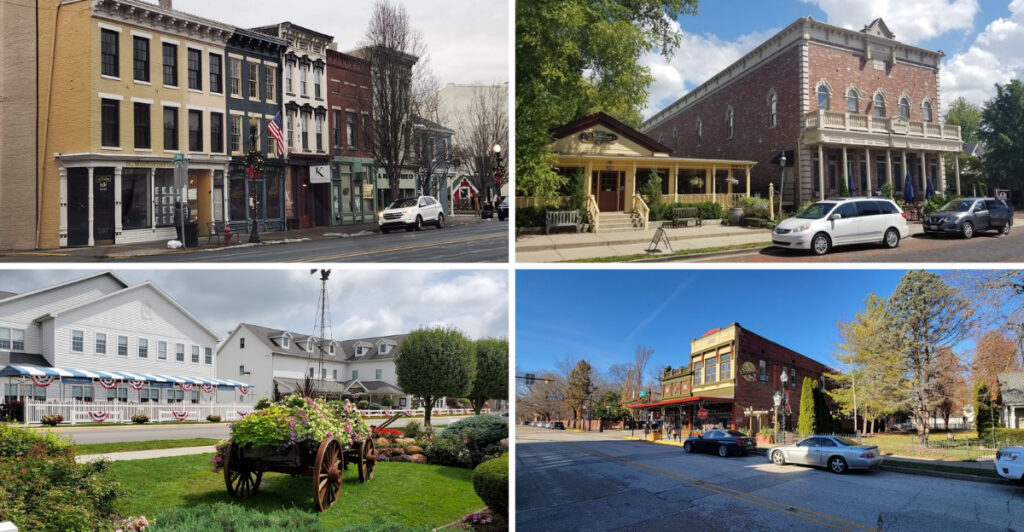
Picture a walkable downtown where the coffee is hot, shopkeepers know their regulars, and historic storefronts make every block feel ready for a television scene. Indiana has towns that capture that cozy, close-knit atmosphere surprisingly well.
Brick streets, independent shops, waterfront paths, old architecture, and community gathering places give each destination its own version of Stars Hollow charm. Some are perfect for an afternoon stroll, while others have enough restaurants, boutiques, and local attractions for an entire weekend. For anyone craving a slower pace with plenty of personality, these 11 Indiana towns make everyday exploring feel delightfully cinematic.
1. Madison
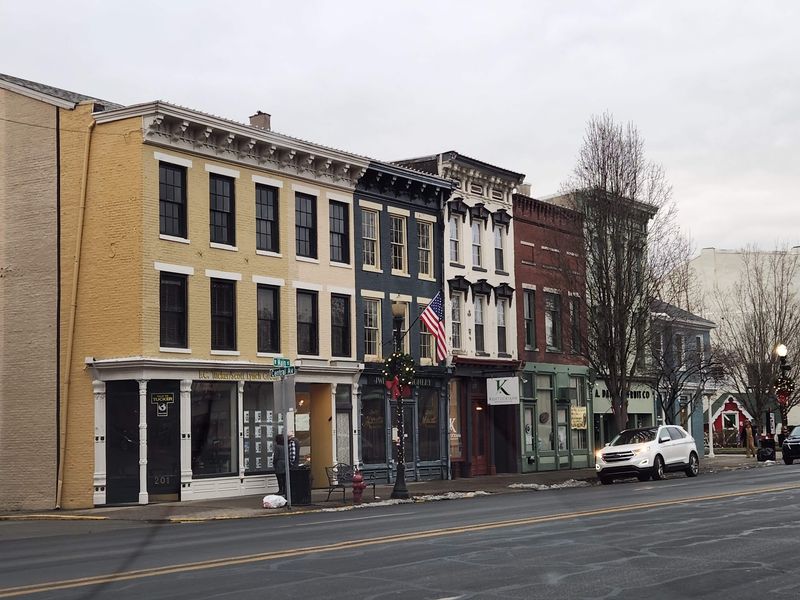
Color shows up quickly in Madison. One block might have a row of bright storefronts, the next might open toward the Ohio River, and together they create the kind of downtown that invites slow wandering instead of rushed errands.
The best way to enjoy Madison is on foot. Historic buildings line the streets, and their details do a lot of the heavy lifting, tall windows, decorative trim, painted brick, and old signs that make even a short walk more interesting.
Local shops and cafes help the town stay lively without turning noisy. A visitor can browse for gifts, stop for coffee, and then keep moving at an easy pace, which is exactly the sort of rhythm that makes a small town memorable.
River towns often have a built-in sense of place, and Madison uses that well. The water nearby adds open views and a little extra calm, so the downtown never feels boxed in, even when the streets are full.
Architecture fans will have plenty to notice, but you do not need to know design terms to enjoy it. The town works because so many pieces fit together, old homes, preserved commercial blocks, welcoming storefronts, and streets that still seem meant for people first.
Planning a visit is simple. Wear comfortable shoes, leave room for a cafe stop, and give yourself time to wander side streets instead of sticking only to the main blocks.
Morning is great for a quieter look around, while later hours bring more buzz. Either way, Madison delivers that rare mix of visual charm and everyday usefulness, where pretty buildings are not just background scenery but part of how the town functions. It is easy to picture a fast-talking conversation happening on nearly every corner.
2. Nashville
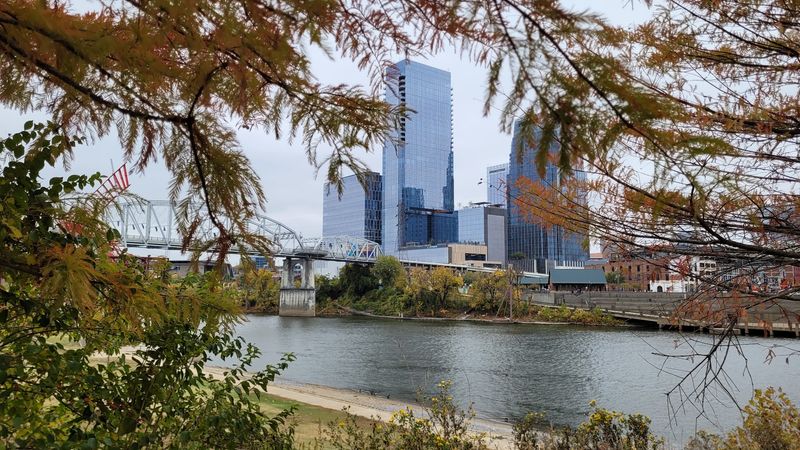
Few places in Indiana lean into cozy quite like Nashville. Tucked into Brown County, it mixes art, nature, and small-town fun in a way that makes a casual afternoon feel fuller than expected.
Shops here tend to have personality instead of sameness. One doorway may lead to handmade art, another to gifts or home goods, and around the corner there is usually a cafe ready with coffee, baked treats, or a warm lunch.
The setting adds a lot. Wooded hills surround town, so even when you are focused on storefronts and sidewalks, the landscape keeps reminding you that a scenic drive or short outdoor break is never far away.
Fall gets much of the attention, and for good reason. When the leaves turn, the whole area picks up rich reds, oranges, and golds that make the streets and shop windows look even more inviting.
Still, Nashville is not only a leaf-season destination. The artsy energy carries through the year, thanks to galleries, independent businesses, and a layout that encourages strolling rather than racing from one stop to another.
A smart visit here balances shopping with time to simply look around. Pop into a gallery, grab a drink, then step back outside and notice the mix of rustic textures, painted signs, porches, and trees framing the streets.
Families, couples, and solo travelers can all find a comfortable pace. There is enough to do without the place feeling overly programmed, which helps the town keep its relaxed character.
Nashville stands out because it combines creativity with natural beauty in a very readable way. Nothing is too polished or too grand.
Instead, the appeal comes from little choices, a tucked-away shop, a hillside view, a cafe table by the window, and a downtown where browsing still counts as a real activity.
3. Shipshewana
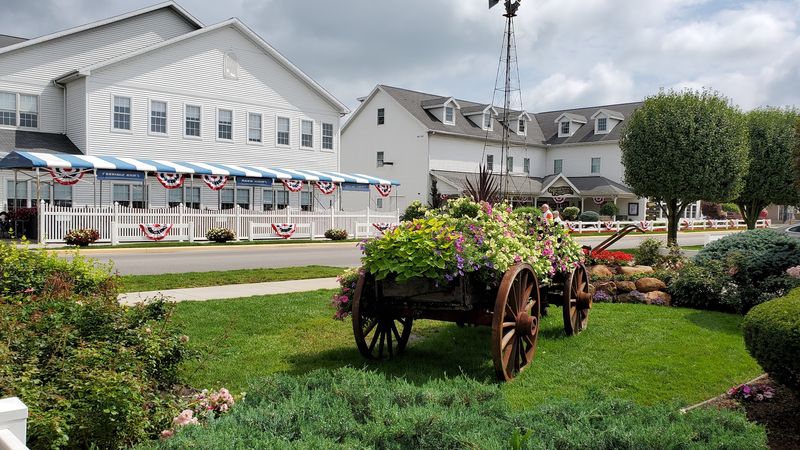
A horse-drawn buggy changes the pace of a place right away, and Shipshewana is one of those towns where slowing down is part of the experience. In northern Indiana Amish Country, everyday scenes look a little different, and that is exactly the draw.
Main streets and nearby roads connect visitors to shops selling handmade goods, practical items, and food that leans hearty and traditional. Browsing here is less about rushing toward a trend and more about noticing craft, texture, and useful design.
The surrounding farmland matters just as much as the town center. Wide fields and open skies create a calmer backdrop, making even a short drive in the area feel like a break from crowded schedules and busy traffic.
One of the best-known features is the flea market, which adds a whole different layer to a trip. It brings variety, energy, and the fun of never being quite sure what you will spot next, from household finds to gifts and regional goods.
Food is part of the appeal too. Restaurants and markets often focus on filling meals and familiar flavors, which suits the town well and gives visitors another easy reason to stay a little longer.
Respect goes a long way in Shipshewana. Since the Amish community is a major part of local identity, visitors should be thoughtful, patient, and aware that not every scene is meant to be treated like a photo stop.
A good plan is to mix town time with country roads and market browsing. That combination shows the fuller picture, local business, handmade work, agricultural roots, and a pace that values usefulness over flash.
Shipshewana offers a distinctive version of small-town appeal. Rather than relying on polished charm alone, it stands out through tradition, craftsmanship, and the quiet confidence of a place that does not need to hurry to hold attention.
4. New Harmony
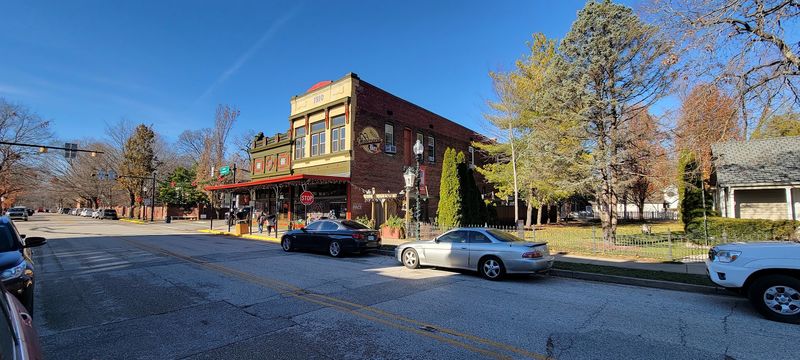
Silence can be a feature, and New Harmony uses it well. This tiny town on the Wabash River has a thoughtful mood, with preserved buildings, garden spaces, and unusual landmarks that make a simple walk feel layered and curious.
Its history adds extra interest without requiring a textbook. New Harmony is known for its utopian past, and that background gives the town a slightly different personality from other historic places in Indiana.
Instead of one big attraction doing all the work, the appeal builds little by little. A path leads to a garden, a street opens onto notable architecture, and then an unexpected piece of art or design makes the next stop feel different from the last.
That sense of discovery is one reason the town fits a storybook mood so well. Nothing needs to be loud when the setting already encourages people to slow down, look closer, and notice how each block carries its own small surprise.
Visitors who enjoy wandering with no strict plan will do especially well here. New Harmony rewards curiosity, so it helps to leave time for detours, side paths, and moments where you stop just because a building or courtyard catches your eye.
The gardens bring balance to the historic core. They soften the streetscape, add peaceful places to pause, and make the whole town feel arranged for conversation, reflection, or an unhurried afternoon.
Art also plays a key role. Rather than turning the town flashy, it adds texture and gives visitors more ways to connect with the setting beyond reading signs or taking photos.
New Harmony is small, but that works in its favor. The compact layout makes it easy to explore without fatigue, while the unusual mix of history, design, and calm river-town character keeps the experience from blending into every other old downtown in the region.
5. Metamora
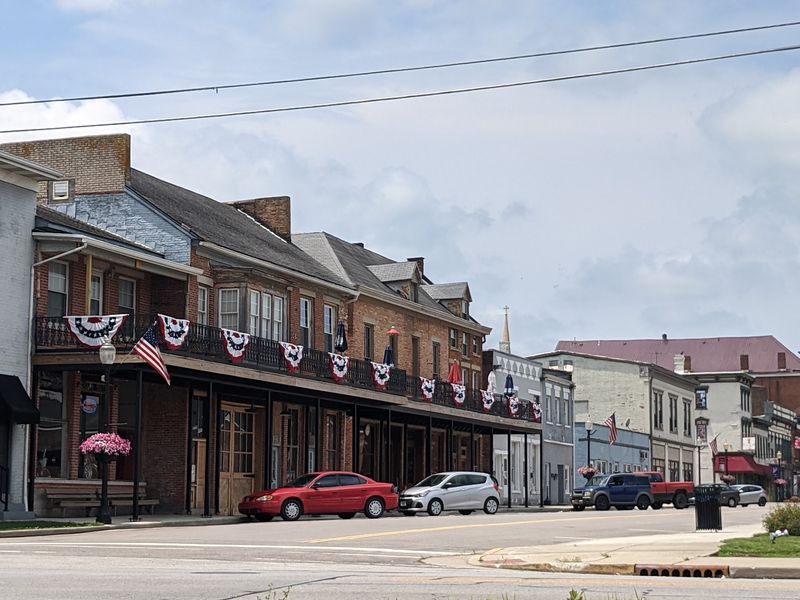
Metamora has the kind of old-time setup that almost seems staged for a period scene. Canal water, railroad tracks, and historic buildings come together in a way that gives the town an unmistakably earlier-era look.
The Whitewater Canal is a major reason the place stands out. Water changes the whole layout and energy of a town, and here it adds movement, reflection, and a reminder that transportation once shaped daily life very differently.
A working grist mill adds another layer of interest. It is not just decorative background, it helps tell the story of how the town operated, and it gives visitors a more hands-on sense of local history.
Small shops keep the setting from becoming too museum-like. You can browse, snack, or look for gifts while still enjoying the sense that the streets belong to another time.
Railroad tracks bring their own charm too. They add texture to the landscape and reinforce the idea that Metamora grew around routes, work, and movement, not simply around modern tourism.
Because the town is compact, it works best when explored slowly. Pause near the canal, notice the building materials, listen for creaks and water sounds, and let the details build the experience instead of racing through for a quick photo.
Families often appreciate that the history here feels visible rather than abstract. Younger visitors can point to the canal, mill, and trains or tracks and understand right away that the town has stories built into its layout.
Metamora succeeds by staying specific. Plenty of places have old buildings, but fewer bring together a canal, mill, rail connection, and small-town shopping in such a readable setting.
The result is playful, nostalgic, and just quirky enough to feel like the backdrop for a town event with coffee, gossip, and a last-minute community announcement.
6. Zionsville
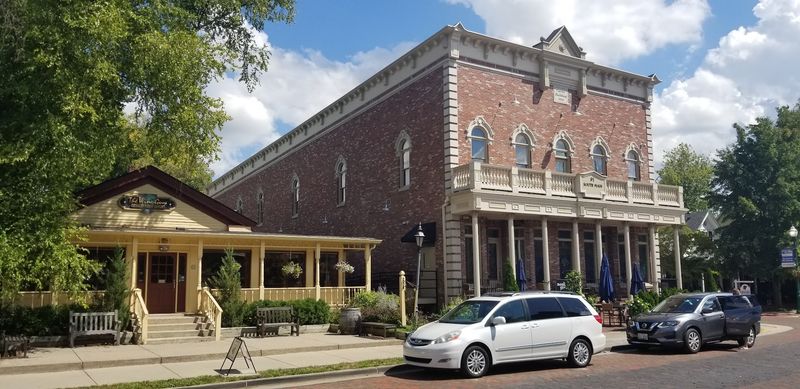
Brick streets do a lot of heavy lifting in Zionsville, and they make an immediate impression. Add mature trees, tidy storefronts, and a polished but approachable downtown, and the town starts reading like a small-screen set built for quick banter and coffee stops.
Being near Indianapolis gives Zionsville an advantage. It is accessible, but once you are downtown, the city feels farther away than it really is, which helps the area hold onto a calmer, more neighborly rhythm.
Boutiques, restaurants, and galleries keep the main district active without making it chaotic. There is enough variety for a full afternoon, yet the streets still encourage strolling instead of constant decision-making.
The brick paving matters beyond looks. It slows the visual pace, adds texture, and turns an ordinary street into a stronger focal point, especially when lined with older-style facades and well-kept shop windows.
Zionsville can feel slightly more refined than some other small towns on this list, but it is not stiff. The best visits mix a little browsing with a meal or coffee break, plus time to wander without a goal.
Tree cover softens everything. During warm months, shade makes the downtown more comfortable, while seasonal color helps the place shift nicely through the year without losing its central character.
For first-time visitors, parking once and exploring on foot is the smart move. That lets you catch the side details, signs, planters, display windows, and the way the blocks connect into one cohesive district rather than separate stops.
Zionsville stands out because it blends charm with convenience so smoothly. It has the visual appeal people want from a storybook town, but it also functions well as a real place where shopping, dining, and everyday community life still happen on the same main street. That combination gives it strong Stars Hollow energy without trying too hard.
7. Roanoke
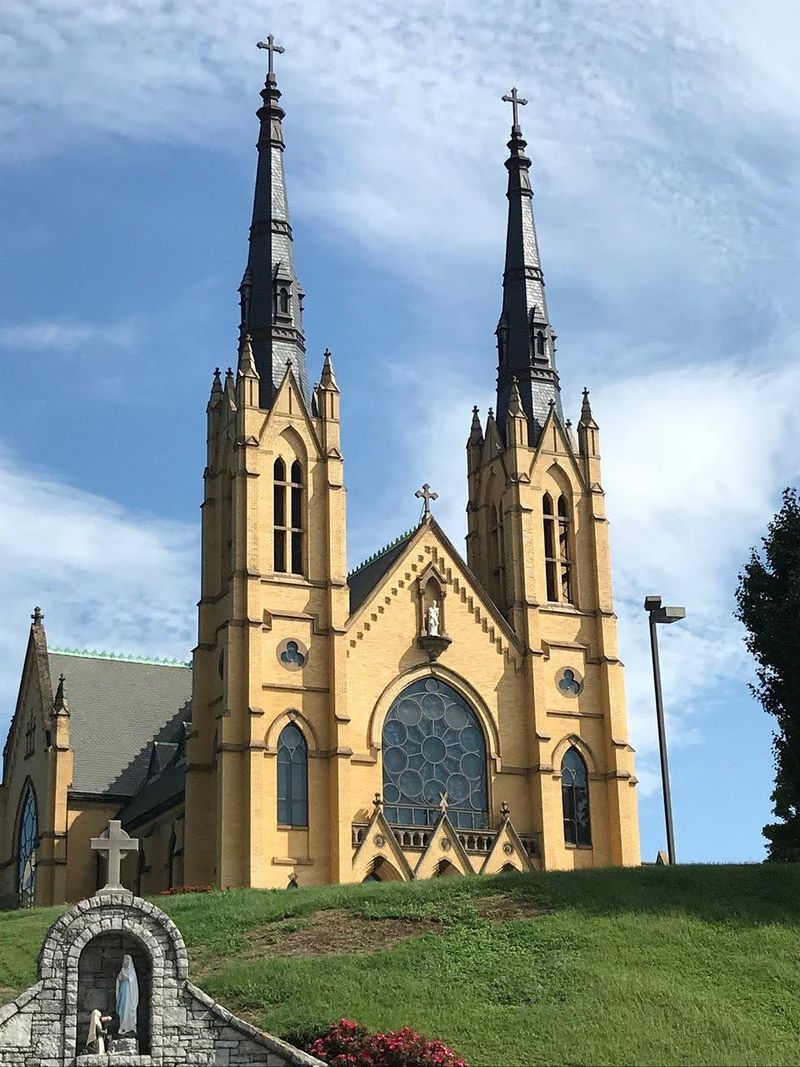
Roanoke does not need a huge downtown to make an impression. Its compact size is part of the charm, because everything feels close, readable, and easy to enjoy at a relaxed pace.
Historic architecture frames the main streets without overpowering them. The buildings create a classic backdrop for locally owned businesses, restaurants, and small discoveries that reward anyone willing to take a slow lap around town.
Seasonal displays help give Roanoke extra personality. Depending on the time of year, decorations and storefront touches can shift the mood of the streets, making repeat visits feel a little different even when the footprint stays the same.
The local business mix matters here. Instead of a row of places that all blur together, the town has the kind of independent spots that make browsing more fun and give the area its own identity.
Because the district is manageable, Roanoke works well for people who do not want an overplanned day trip. You can park, stroll, stop for a meal, peek into a few shops, and still feel like you saw the town rather than rushed through it.
There is an easygoing quality to the place that suits Main Street wandering. Nothing pushes you to move too fast, and that makes simple activities, like window shopping or choosing dessert after dinner, feel more enjoyable.
Visitors should pay attention to small details. Signage, decor, storefront arrangements, and seasonal accents often do as much as the buildings themselves to give the town its inviting look.
Roanoke may not be the loudest pick on this list, but that is part of its appeal. It offers a grounded version of small-town Indiana, where the scale stays comfortable, the businesses feel personal, and the streets are best enjoyed one block at a time. For anyone chasing a cozy-town mood without crowds or fuss, that balance can be especially satisfying.
8. Corydon
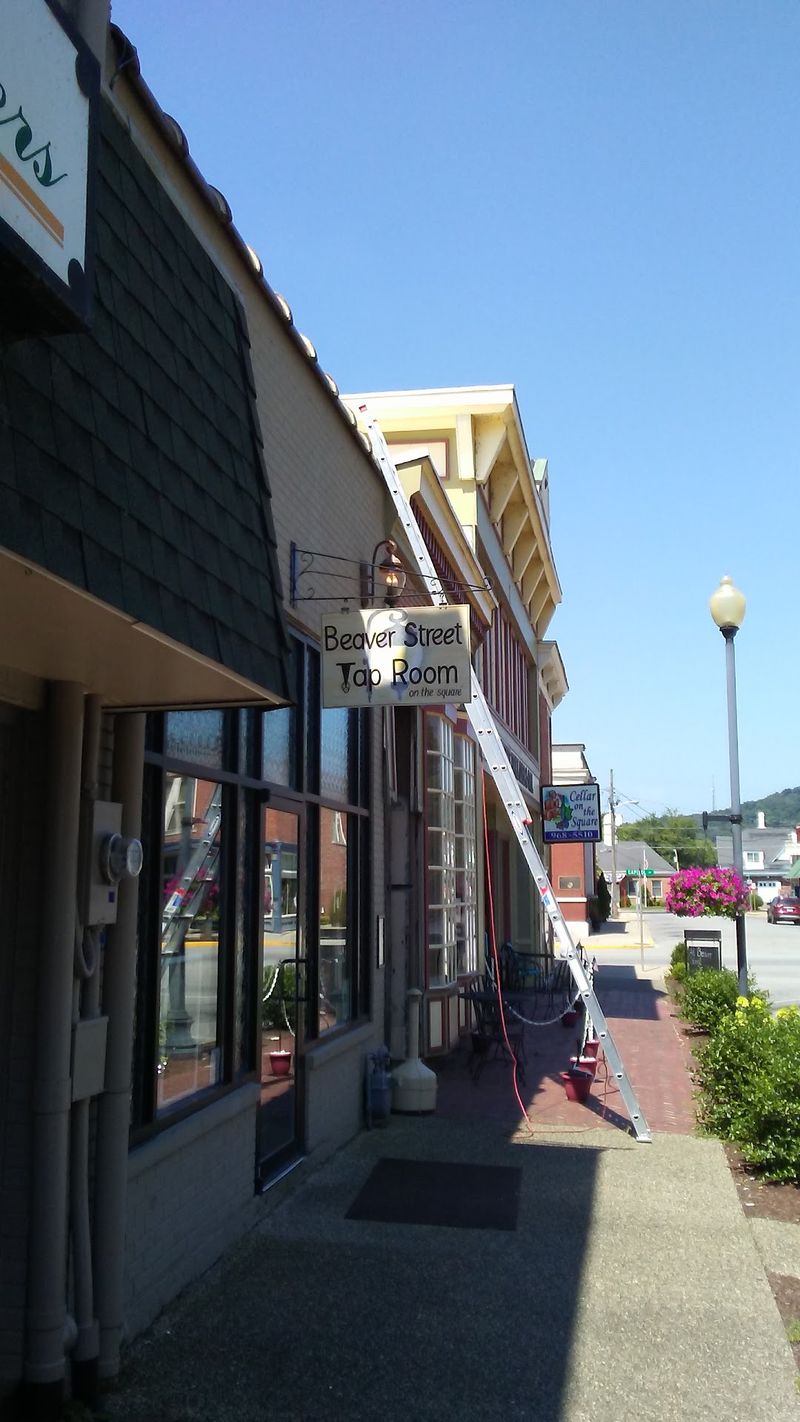
History takes center stage in Corydon, but the town does not rely on old facts alone. Indiana’s first state capital pairs landmark appeal with everyday small-town life, giving visitors a place where preserved buildings and present-day activity share the same streets.
That combination works well for travelers who want more than a quick photo stop. You can admire historic sites, then step into local shops or grab a meal nearby without breaking the flow of the day.
The architecture helps anchor everything. Older structures bring weight and character, and they make the downtown feel rooted in a clear past rather than styled to look old after the fact.
Festivals and community events add energy when timing lines up. A town with strong history can sometimes feel frozen, but Corydon avoids that by staying active and giving public spaces a practical role in current community life.
Beyond downtown, the rolling countryside of southern Indiana adds another advantage. Drives in and out of town can be part of the experience, especially for visitors who like pairing a walkable center with scenic roads and broader views.
A smart visit begins with the historic core, then expands outward. Spend time noticing markers, facades, and civic buildings, then switch gears with shopping, lunch, or a local event if one is happening.
Corydon is especially good for mixed-interest groups. One person can focus on the historical side, another can browse stores or restaurants, and both still get a satisfying sense of place without needing separate itineraries.
The town earns its spot on a cozy small-town list because it balances substance with accessibility. The past is visible, but it does not weigh the place down.
Instead, it gives the streets extra context, making an ordinary afternoon of walking, browsing, and eating feel richer. That blend of landmark history and local rhythm gives Corydon a very watchable kind of charm.
9. Culver
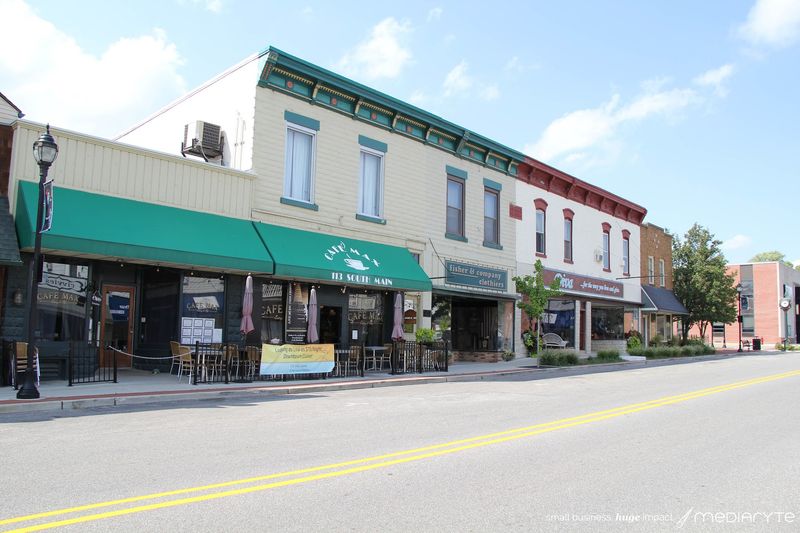
Waterfront towns play by different rules, and Culver proves it. Set on Lake Maxinkuckee, it combines small-town streets with sailboats, open water views, and a lakeside look that reads a little more coastal than Midwestern at first glance.
The lake is the main visual anchor, and it shapes how the town is experienced. Even when you are browsing local businesses or walking between buildings, the nearby shoreline keeps the setting feeling open and fresh.
Sailboats add a classic touch that changes the mood right away. They bring movement and clean lines to the water, and they help give Culver that tidy, postcard-like quality people often compare to New England lake communities.
A lighthouse only strengthens the effect. It is one of those details that makes a place easier to remember, because it adds character without needing a big explanation.
On land, the town stays manageable and pleasant. Streets are easy to explore, businesses are close enough for a casual walk, and the overall layout supports the kind of day where lunch, shopping, and lake views can all fit together without much planning.
Culver works best when visitors let the setting set the pace. Sit by the water for a bit, watch the boats, then return to town for food or a stroll instead of trying to pack every hour too tightly.
Season matters here, but the core appeal stays consistent. In warmer months the lake scene naturally takes over, while cooler weather brings a quieter, cleaner look that can make the shoreline and streets feel even more distinct.
Culver stands apart on this list because its charm comes from both architecture and geography. Plenty of towns have nice storefronts, but fewer pair them with a broad lake, sailboats, and lighthouse views that shift the whole mood. It is a strong pick for anyone who wants small-town character with extra room to breathe.
10. Chesterton
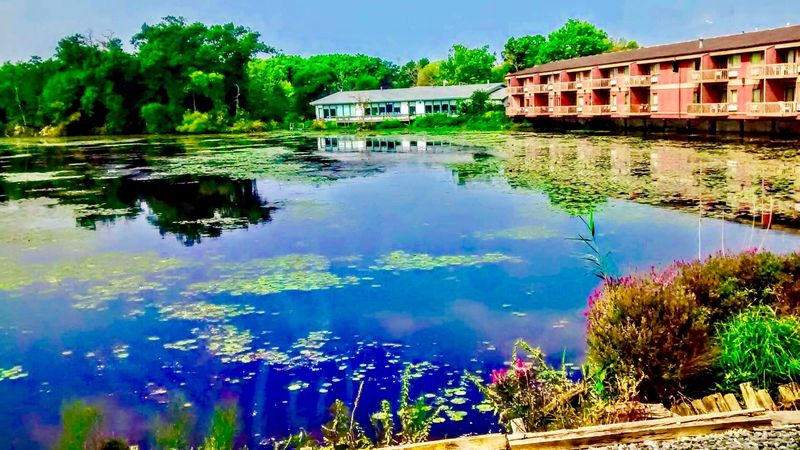
Chesterton brings a little more bustle than some towns on this list, and that makes it interesting. Its old-fashioned downtown has local business energy, community market culture, and a strong connection to the nearby dunes and Lake Michigan shoreline.
That last part matters more than people might expect. Access to such dramatic natural scenery gives Chesterton an edge, because a town visit can easily turn into a full day that mixes shopping, food, and outdoor time.
The downtown itself keeps things grounded. Independent businesses help avoid a cookie-cutter look, and the streets have enough traditional small-town character to make strolling feel like an activity rather than just a way to get between stops.
Markets and community gathering spaces add another layer. They make the town seem lived-in and social, which is part of what people often want from places with a cozy, TV-town type of appeal.
A good trip here can go in either direction. Start with coffee and browsing before heading toward the dunes, or spend the morning outdoors and return later for lunch, shopping, or a slower walk through town.
Chesterton is especially appealing for travelers who want variety without a long list of logistics. You do not have to choose between nature and downtown charm, because the town sits close enough to major shoreline scenery that both fit comfortably in one outing.
Keep an eye out for the details that make local business districts work, painted signs, older facades, window displays, and public spaces that invite people to linger. Those features help the town hold its own even with such famous natural attractions nearby.
Chesterton earns its place by offering two strong experiences at once. The downtown gives visitors that familiar small-town warmth, while the dunes and Lake Michigan provide scale, texture, and fresh air. Together, they create a setting that is lively, practical, and easy to revisit in different seasons.
11. Franklin
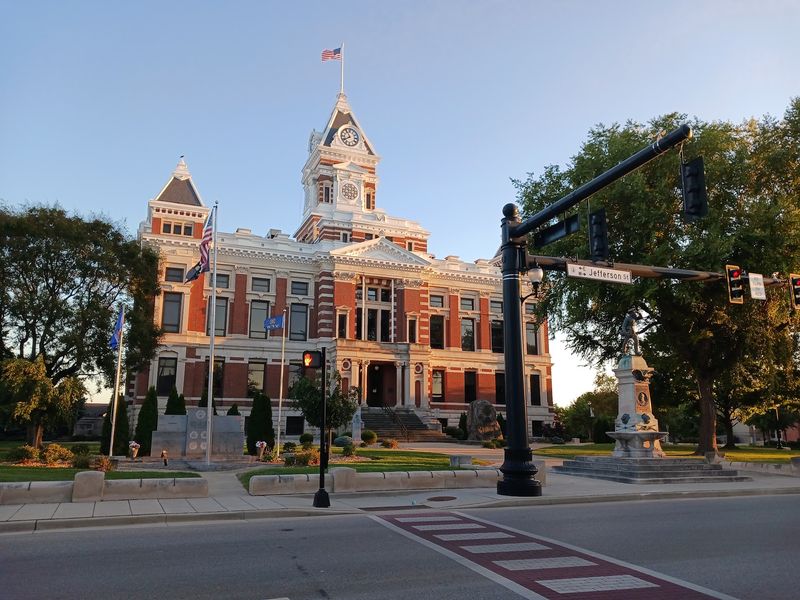
Franklin makes a strong case almost immediately. Walkable blocks, Victorian architecture, coffee shops, boutiques, restaurants, and vintage finds all show up in one downtown, and the Historic Artcraft Theatre gives the whole setting an extra dose of old-school character.
That theater matters because it acts like a visual anchor. A classic marquee can change the personality of an entire street, turning an ordinary evening walk into something more memorable and a lot more cinematic.
The rest of downtown keeps up nicely. Shops feel close together, which is great for casual browsing, and the mix of businesses supports the kind of easy afternoon where plans can shift as you go.
Community events help Franklin shine even more. A downtown built for walking tends to come alive during local gatherings, and here the setting already has the right ingredients, historic facades, inviting storefronts, and enough variety to keep different age groups interested.
Coffee and food are part of the experience rather than an afterthought. That makes Franklin especially good for lingering, because you are never far from a place to pause, regroup, and decide whether the next stop should be a boutique, a meal, or another lap around the district.
Vintage lovers will likely enjoy the hunt here. Older architecture paired with shops full of throwback style creates a nice echo, so the town’s built history and retail personality support each other.
For first-time visitors, the best move is simple: park once and stay awhile. Give yourself time for the Artcraft area, side streets, and a stop or two that was not part of the original plan.
Among Indiana towns with cozy, conversation-ready energy, Franklin ranks near the top because so many elements line up at once. The downtown is attractive, useful, and packed with recognizable details that make people want to wander a little longer.
If any place on this list seems ready for a town meeting, a film night, and a fast coffee order in the same block, it is Franklin.
Share this story