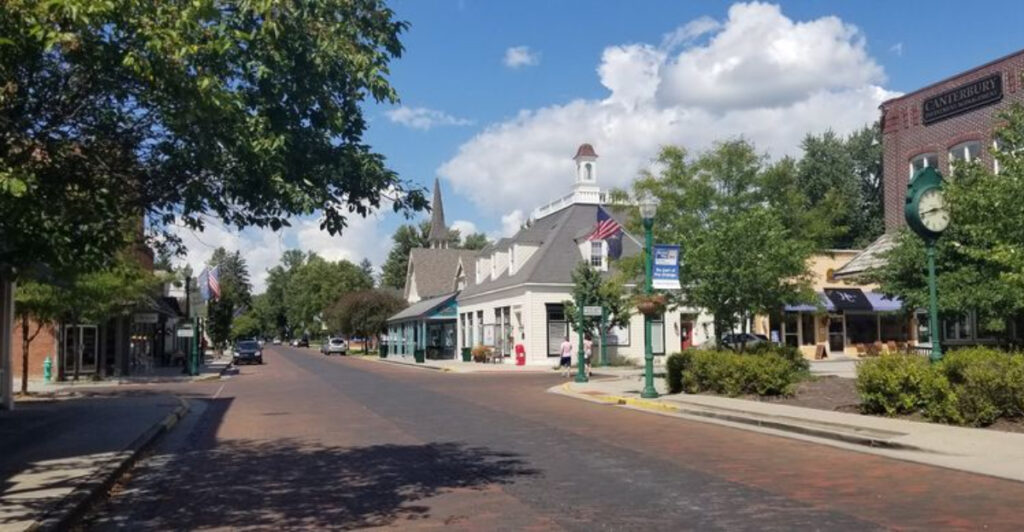
Brick-paved streets, flower-filled storefronts, and inviting local shops give Zionsville the kind of nostalgic charm that seems borrowed from another era. Just northwest of Indianapolis, this picturesque Indiana town balances its historic character with lively restaurants, boutiques, parks, and community gathering places that keep the village feeling vibrant.
The walkable downtown is especially appealing, inviting visitors to slow down, browse independently owned businesses, and admire architecture that adds personality to every block. Despite its proximity to a major city, Zionsville maintains an unmistakable small-town atmosphere. For an easy Indiana day trip, it offers plenty of picture-perfect reasons to linger.
Brick Streets That Set the Scene
One glance down Main Street, and Zionsville starts making its case. The old brick roadway changes the whole mood of downtown, slowing traffic, softening noise, and giving even a short walk a stronger sense of place.
Modern towns often look like they were built in a hurry, but this stretch feels carefully kept. Storefronts sit close to the sidewalk, trees break up the view, and each block invites people to look around instead of rushing to the next stop.
The bricks do more than add charm. They help connect the present town to its earlier years, and that visual link matters when so many communities lose their older details to wider roads, bigger signs, and blank shopping centers.
On a cool morning, the street can look especially storybook-like, with sunlight catching windows and casting light across the uneven surface. During busier hours, the scene becomes lively without turning frantic, which is part of what makes downtown easy to enjoy.
Walking here works better than simply driving through. A slower pace gives time to notice painted signs, seasonal decorations, tucked-away entries, and the way the street frames local businesses in a way plain pavement never could.
Good shoes are a smart idea because brick can feel a little uneven. Anyone planning photos should arrive early or near sunset, when the light is softer and the street looks especially rich in color, texture, and depth.
Plenty of towns have a nice main drag, but Zionsville has a backdrop that changes the whole experience. Those bricks are not just a surface underfoot. They are the visual clue that this Indiana town still knows how to look like itself.
Shop Windows With Old-Fashioned Appeal
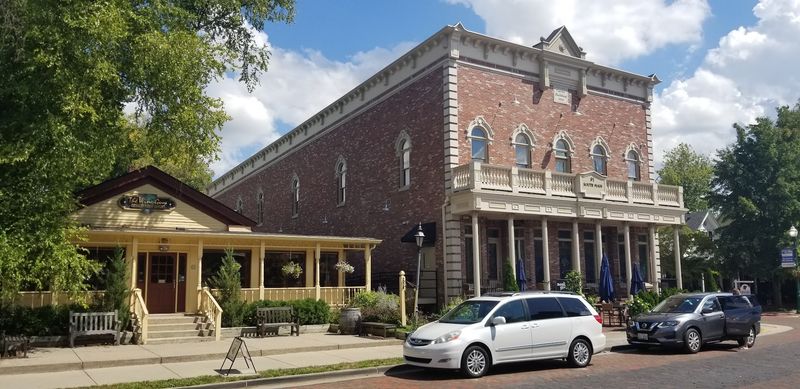
Downtown shopping in Zionsville is not built around giant parking lots or long rows of chain stores. Instead, the business district draws attention with window displays, compact storefronts, and the kind of details that make browsing feel like part of the outing.
That old-town setup changes how people move through the area. A person might step out for coffee, pause at a bookstore, notice a home goods display, then wander into another shop simply because the window made it hard to keep walking.
The visual rhythm matters here. Different signs, doors, awnings, and display styles give each business its own personality, so the street never turns flat or repetitive, even though the overall look remains tidy and connected.
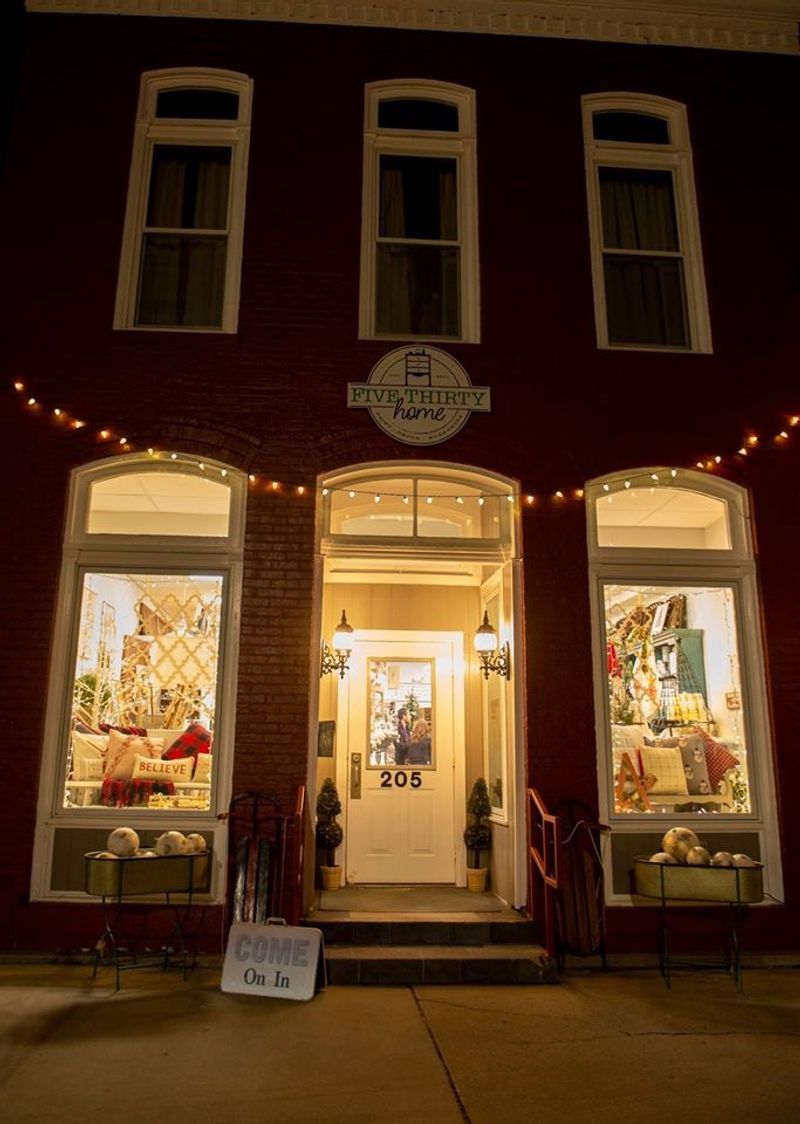
Some windows lean polished and elegant, while others come across playful or cozy, especially around holidays. Seasonal touches often add color without making the district look overdone, which helps preserve the calm, classic tone people expect when they come to Zionsville.
This is a good place for shoppers who prefer local texture over speed. Rather than racing from one errand to the next, it makes more sense to set aside time, peek into a few stores, and let curiosity shape the afternoon.
Weekdays can be easier for relaxed browsing, especially if quieter sidewalks sound better than a fuller weekend scene. Parking nearby is usually the simplest plan, then the rest of the visit works best on foot so nothing gets missed between blocks.
Zionsville, Indiana, shows how retail can still feel personal when the setting supports it. The charm is not only inside the shops.
It starts at the glass, the trim, the displays, and the simple pleasure of seeing a downtown that still invites people to linger.
A Main Street Built for Strolling, Not Racing
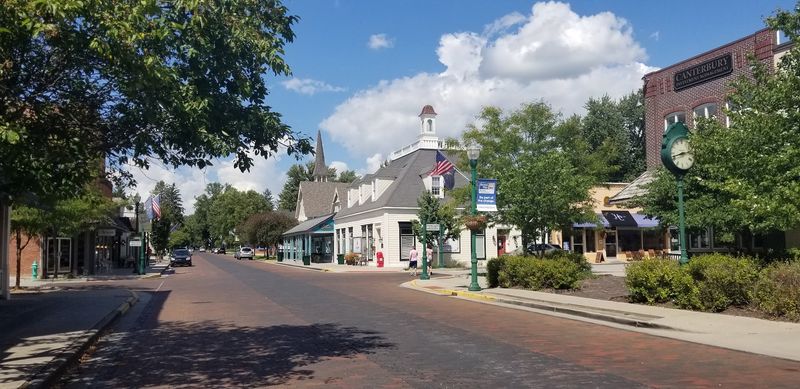
Some towns are easiest to understand from behind a windshield. Zionsville is better at walking speed, where the sidewalks, short blocks, and close-set businesses create an easy rhythm that turns a regular visit into a wandering one.
The layout helps. Downtown feels compact enough to explore without stress, so a simple stroll can include shopping, coffee, a quick meal, and several chances to pause for photos or people-watching without needing to move the car.
That kind of design is more important than it first seems. When a place is comfortable for pedestrians, it becomes easier to notice architecture, public details, landscaping, and the little choices that give a town its personality instead of treating it like a blur.
Zionsville also avoids the overly packed feeling that can make charming districts tiring. There is movement, but often with breathing room, which keeps the area pleasant for couples, families with kids, and anyone hoping for a low-pressure afternoon outdoors.
Benches, storefront gaps, and inviting corners break up the walk in useful ways. Even a short route feels varied because each block offers a different mix of sights, from painted signs and historic facades to trees and outdoor seating.
For the best experience, start without a strict schedule. Pick a general time to arrive, leave space for unplanned stops, and wear shoes made for a longer-than-expected walk because this is exactly the sort of downtown where one block easily turns into several.
The strongest small towns understand pace, and Zionsville gets that right. Its center does not push people through.
It gives them room to move slowly, look closely, and enjoy a version of Indiana that still values the simple art of a good walk.
History Lives Quietly in the Details

Zionsville does not need giant monuments to show its age and character. Much of its history appears in quieter ways, through preserved buildings, traditional street design, and the decision to protect a downtown look that could have vanished long ago.
That restraint gives the town credibility. Instead of turning historic charm into a stage set, Zionsville lets older details do their work naturally, which makes the district feel lived in rather than arranged only for photos.
Architectural variety helps tell the story. Rooflines shift, storefront widths change, and building materials add subtle contrast, revealing that the town grew over time instead of appearing all at once under a single development plan.
Even for readers who are not history fans, those choices affect the visit. Older commercial buildings usually sit closer together and closer to the sidewalk, creating a friendlier streetscape than wide suburban centers built around traffic first and people second.
The town’s place in Boone County also adds context. Zionsville developed near Indianapolis yet held onto a separate identity, and that balance between access and independence still shapes why it feels distinct from surrounding suburban growth.
A curious visitor can learn a lot simply by looking up. Cornices, upper-story windows, brickwork patterns, and sign placement often reveal which parts of downtown have been preserved thoughtfully, and they reward anyone willing to slow down for more than a quick meal.
Planning a visit around architecture does not require a formal tour. Start on the main commercial blocks, take side streets when something catches the eye, and compare older facades with newer additions. Zionsville’s history is not loud, but it is visible in the bones of the place.
Where Small-Town Calm Meets Indianapolis Convenience
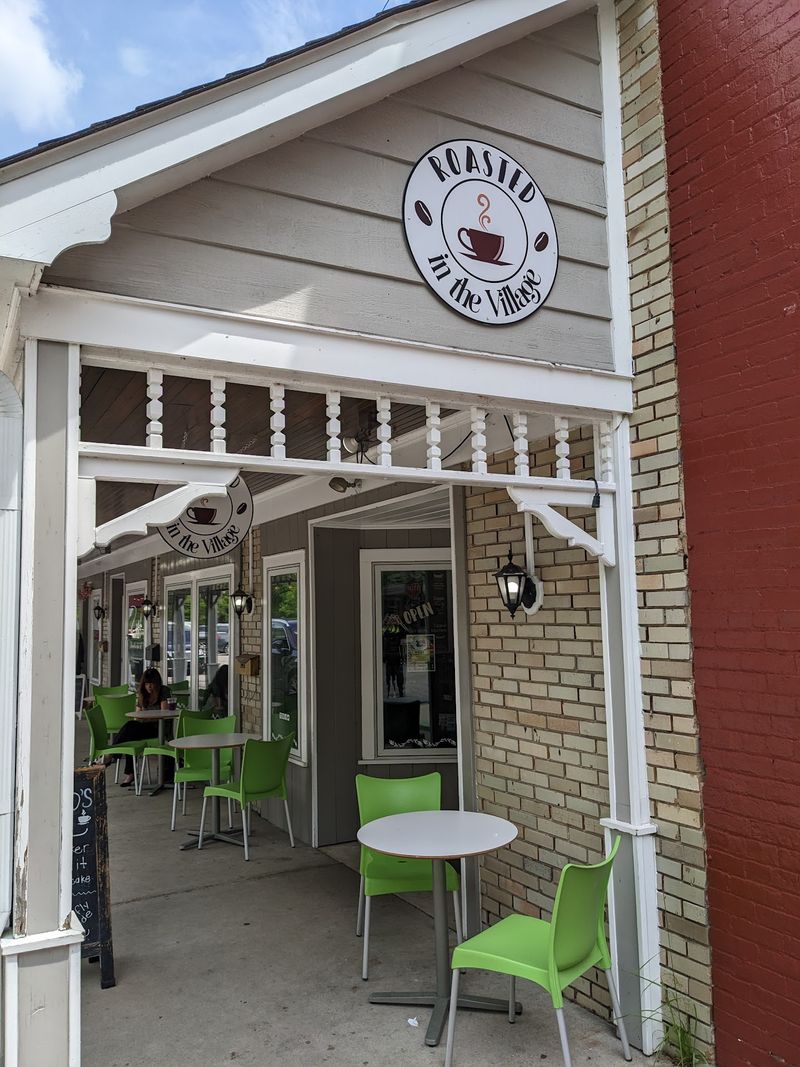
Here is one of Zionsville’s smartest tricks: it offers a slower, picture-ready setting without being isolated. Located northwest of Indianapolis, the town gives residents and day visitors a strong sense of separation from the city while keeping urban access close.
That balance shapes nearly everything about the experience. A trip can include a relaxed morning downtown, a lunch stop on Main Street, and an easy return to the wider Indianapolis area without turning the outing into a long rural drive.
The setting also helps explain why Zionsville stands out in a fast-growing region. Many suburbs expand by replacing identity with convenience, but this town has managed to keep convenience while still preserving an appearance that feels intentional and rooted.
Neighborhoods around the center add to that impression. Tree-lined streets, well-kept homes, and orderly public spaces support the image of a community that values appearance, but the historic downtown prevents the town from slipping into generic suburban sameness.
For travelers, this means Zionsville works well as either a focused destination or a side trip. It can anchor a calm half-day escape, especially for anyone staying in or passing through Indianapolis and wanting a setting with more texture than a standard shopping district.
Timing matters if traffic is a concern. Mid-morning or early afternoon usually offers the easiest pace, while weekends may bring more energy downtown. Either way, the town’s compact center makes planning simple once arrival is handled.
Zionsville, Indiana, earns attention because it solves a problem many places never do. It remains connected to a major metro area without surrendering its own visual identity.
That combination of access, order, and character is a big part of why the town photographs so well and reads as distinctly charming in person.
Best Times to Catch Zionsville at Its Prettiest
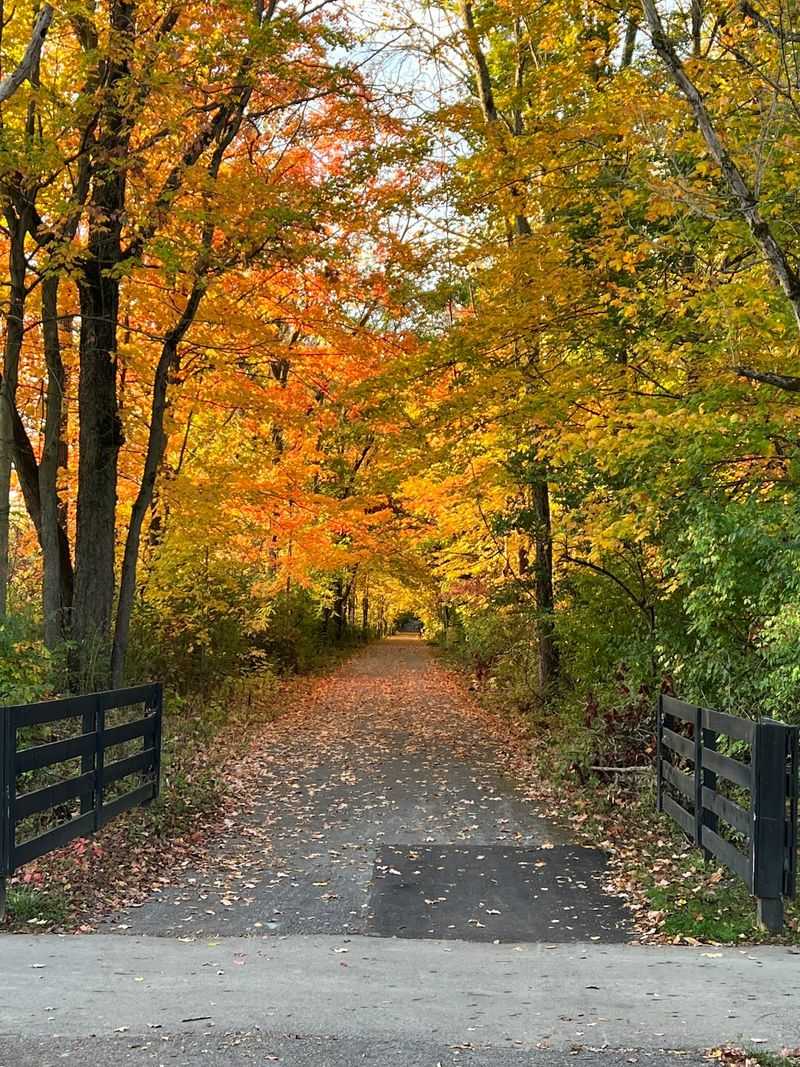
Timing can completely change how Zionsville looks and moves. The town is attractive year-round, but the best visit depends on whether the goal is quiet strolling, seasonal color, easy parking, or that polished small-town scene that looks strongest in photos.
Fall is an easy favorite for many reasons. Trees add color, cooler air makes walking comfortable, and the warm tones of leaves, brick, and storefronts work together especially well, giving downtown an extra layer of visual depth.
Spring also has strong appeal. Fresh greenery, early flowers, and milder weather make the district lively without the heaviness of midsummer heat, and that can be ideal for longer walks or a slower afternoon built around shopping and outdoor stops.
Summer brings energy, though midday can feel brighter and busier. Morning tends to be the gentlest time then, with softer light for photos and a calmer pace before sidewalks fill in more fully around lunch and later afternoon.
Winter offers a different kind of charm. Bare branches reveal more of the architecture, decorations can add a festive touch, and colder days often create a quieter downtown experience for visitors who prefer stillness over a more social crowd.
For photographers, early morning and the hour before sunset are usually the sweet spots. Brick streets gain texture, signs and facades catch softer light, and the overall scene looks richer than it does under harsh overhead sun.
The nicest plan is often the simplest one: pick a season that matches your mood and give yourself time to roam. Zionsville does not depend on a single attraction to impress. Much of its appeal comes from how ordinary details change with weather, light, and the pace of the day.
Why Zionsville Stays Charming When Others Turn Generic
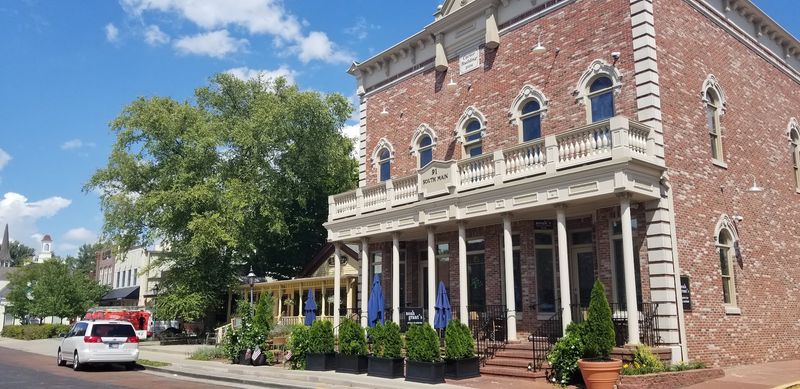
Plenty of towns try to manufacture charm after the fact. Zionsville stands apart because its most memorable qualities work together naturally, from the brick streets and preserved downtown scale to the walkability and careful visual order.
That combination is harder to pull off than it looks. A historic street alone is not enough, and nice shops alone are not enough either. The town succeeds because the setting, layout, and everyday use all support the same small-town identity.
There is also discipline in what has not happened here. Downtown has avoided the look of an overbuilt entertainment district, which means the area still reads as a real town center instead of a place designed only for short-term buzz.
The result is appealing to several kinds of visitors at once. Families can enjoy an easy outing, couples can turn it into a relaxed date, and day-trippers can get a refreshing change of scenery without needing a packed itinerary to justify the drive.
Zionsville also benefits from being specific rather than flashy. It does not rely on oversized attractions or loud branding.
Instead, it makes an impression through materials, proportions, and the way one pleasant block leads cleanly into the next.
Anyone deciding whether to visit should keep expectations simple. Come for a walkable downtown, attractive architecture, local businesses, and a slower pace.
That frame makes it easier to appreciate what the town actually offers instead of searching for spectacle. In the end, the Norman Rockwell comparison makes sense for a reason.
Zionsville, Indiana, presents a version of everyday American town life that still looks composed, neighborly, and carefully tended. Not many places hold onto that look without seeming forced. Zionsville does.
Share this story