Ordinary-looking rocks can hide glittering surprises beneath the wooded hills of Yellowwood State Forest. Southern Indiana is famous for geodes, hollow formations lined with sparkling minerals that developed within ancient rock over millions of years.
Around the forest’s creeks and rocky areas, their presence adds another layer of fascination to a landscape already filled with peaceful trails, water, and dense woodland. Even without taking anything home, knowing these geological treasures exist beneath the surface can make a simple hike feel like an exploration of Indiana’s distant past. For curious nature lovers, Yellowwood combines beautiful scenery with an intriguing geological story.
Where the Creek Starts Telling a Bigger Story
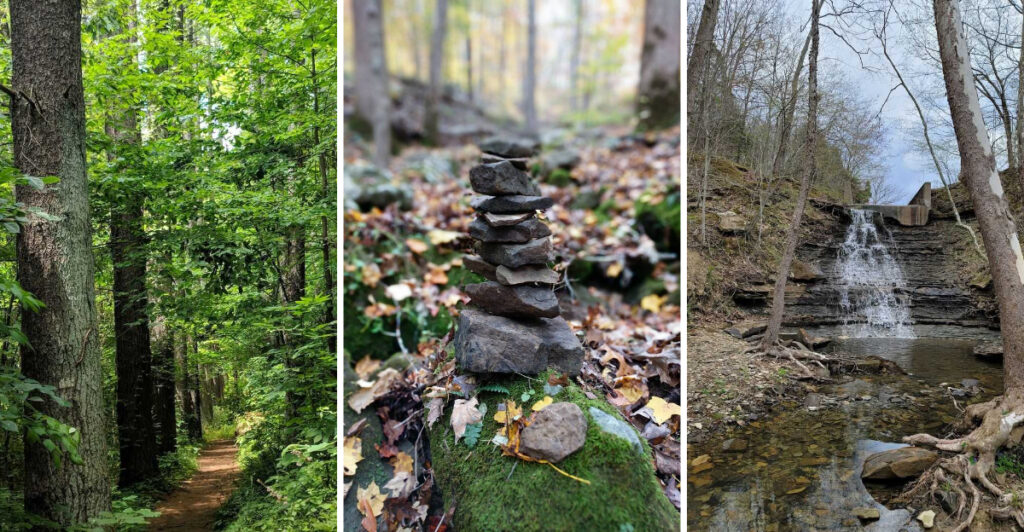
A shallow creek in Yellowwood State Forest does not announce its secrets with giant signs or dramatic cliffs. It moves quietly under trees, around roots, and over stones that look ordinary until a closer look turns a simple streambed into a geology lesson.
That is part of the charm here. Yellowwood is known for hiking, camping, paddling, and long stretches of forest, yet the creeks add a different kind of excitement because they connect the scenery above ground with rock history far older than the trees.
In places where water cuts through soil and washes loose material downstream, rounded stones and weathered chunks of rock gather along bends and gravel bars. Among them, geodes can appear as rough, plain-looking nodules, the sort of object many people would pass by without a second thought.
The surprise comes from contrast. A quiet Indiana forest seems like the last place to imagine ancient crystal-filled formations, but southern Indiana sits on very old sedimentary rock layers, and erosion can reveal pieces that formed long before modern forests, roads, or even dinosaurs.
At Yellowwood, that sense of discovery fits the landscape well. The forest feels spacious and calm, and creeks slow people down enough to notice shape, weight, texture, and color in the rocks underfoot.
Good footwear matters because stream edges can be slick, muddy, or uneven. A careful walk, patient eyes, and respect for the land make the experience better than rushing straight to a finish line.
Even if no geode turns up on a first visit, the creek still gives plenty back. Clear water, birdsong, mossy banks, and the steady sound of current create the kind of setting where paying attention becomes the whole point.
Inside Those Rough Stones, Tiny Crystal Worlds
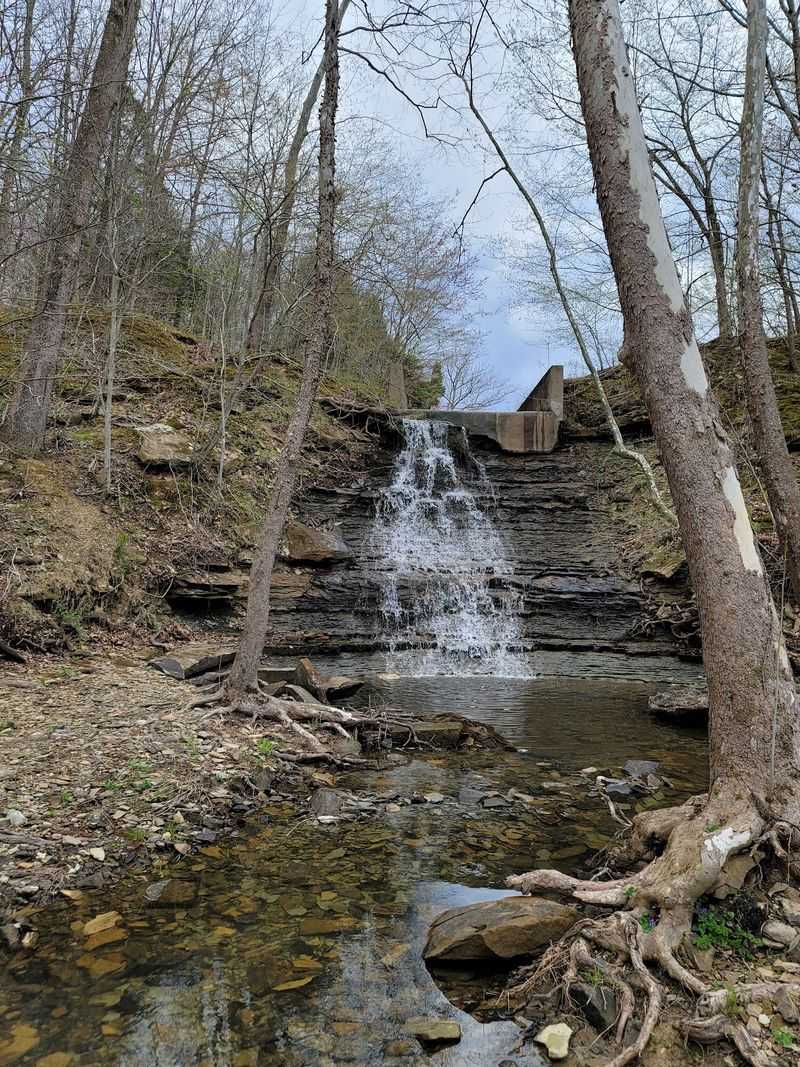
Few natural objects are better at hiding than geodes. On the outside, they often look like plain, lumpy rocks, but when one breaks open, the inside can reveal a hollow space lined with crystals that catch the light like sugar, glass, or frost.
That hidden interior is what makes geodes so fascinating to beginners. A child can hold one and think it is just another creek stone, then suddenly see sparkling mineral growth that formed over an extremely long stretch of time.
Geodes are usually connected to ancient sedimentary settings where mineral-rich water moved through rock and slowly left deposits behind. Over time, crystals grew inward, creating the glittering center people hope to find when searching creek gravel and weathered outcrops.
The article title mentions 300-million-year-old crystal geodes because southern Indiana is tied to rock layers from a very distant past. Exact ages can vary by formation, but the broader story is real and impressive: these stones belong to a landscape shaped in deep geologic time.
At Yellowwood State Forest, the fun comes from knowing that the forest floor and creek edges are part of that larger story. A walk through leaves and shade can connect directly to an ancient period when the environment here looked nothing like it does today.
Color inside a geode can range from white and gray to soft tan, pale blue-gray, or smoky crystal tones depending on minerals and weathering. The outer shell often gives very little warning, which is why patience matters more than luck alone.
For families, this makes a trip especially memorable. The search turns abstract science into something tangible: a heavy stone in the hand, a rough shell on the outside, and a bright mineral chamber hidden within.
Ancient Indiana Underfoot
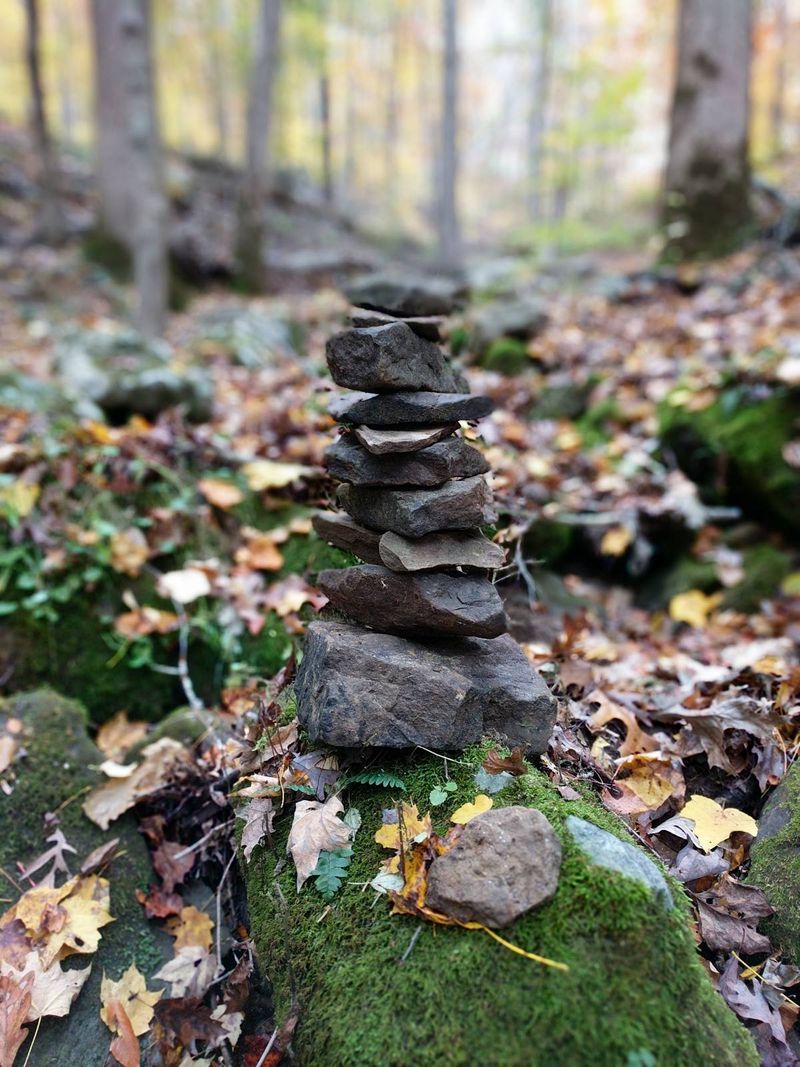
Long before Yellowwood became a state forest with trails, campsites, and a lake road, the ground beneath it was part of a much older world. The rocks of southern Indiana preserve clues from ancient environments that existed hundreds of millions of years before the modern forest took shape.
That deep-time angle changes how the place reads to the eye. Hills stop being just hills, and creek beds stop being just places where water runs after rain. They become open pages from a history book written in stone.
Geodes fit neatly into that story because they are not random decorations dropped into the landscape. They are products of geologic processes tied to old sedimentary rock, mineral-rich water, and long periods of change that no human could ever watch from start to finish.
Yellowwood sits in a part of Indiana where rugged terrain, wooded ravines, and exposed rock can make geology easier to notice than in flatter parts of the state. Erosion does the quiet work, loosening material from slopes and carrying pieces toward low spots and stream channels.
For curious hikers, that means the forest offers more than exercise. A trail near a creek can become a search for texture, layering, rounded nodules, and unusual stones that stand apart from the rest of the gravel.
There is also a useful lesson here about scale. Trees may live for decades or centuries, but the rocks beneath them tell stories measured in millions of years, which makes a short afternoon walk feel much bigger than its mileage.
Bringing a simple field notebook or taking photos of interesting rocks can add to the outing without disturbing the area. Yellowwood rewards that kind of careful attention, where the forest scenery is beautiful on its own, yet the real twist is knowing ancient Indiana is sitting right under every step.
Best Creek-Hunting Tactics Without Missing the Forest
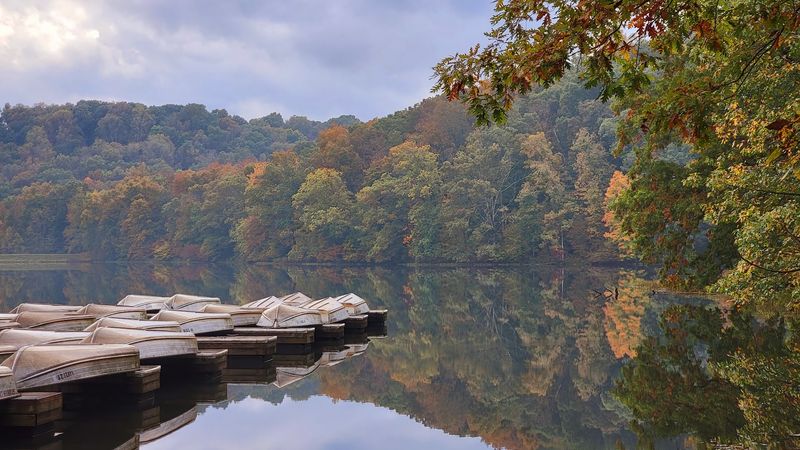
A smart geode outing at Yellowwood starts with low expectations and sharp eyes. The forest is big, the water moves seasonally, and the best experience usually comes from combining rock hunting with hiking rather than treating the trip like a race for prizes.
Creek edges, gravelly wash areas, and places where water has exposed loose rock are the most interesting zones to inspect. Rounded nodules with a different texture from nearby stones can catch attention, especially when the surface looks rough, plain, and slightly unusual for the area around it.
Comfort matters more than people realize. Closed-toe shoes with grip, a small backpack, drinking water, and a towel for muddy hands can turn a frustrating search into a relaxed afternoon.
Timing helps too. After steady rain, creeks may reveal fresh material, but high water also makes banks slick and crossings less safe, so caution should always come first.
Young explorers often do better with a simple mission. Look for shapes that seem rounder than average, stones that feel heavier than they look, or pieces that stand out from flat stream rock and broken shale.
Yellowwood offers enough variety that a geode search does not need to fill the whole day. A family might inspect a creek for a while, then head to the lake, stop at picnic areas, or choose one of the forest trails for a wider look at the landscape.
Respect for rules and the land is essential. Staying aware of property guidance, leaving sensitive areas undisturbed, and avoiding reckless digging keeps the forest healthy and the outing enjoyable for everyone else.
The nicest part is the balance. A search can be focused without becoming stressful, and even a pocket full of ordinary stones can still mark a good day when the creek, the woods, and the slow rhythm of Yellowwood are doing most of the work.
Trails, Lake Views, and the Search Between Stops
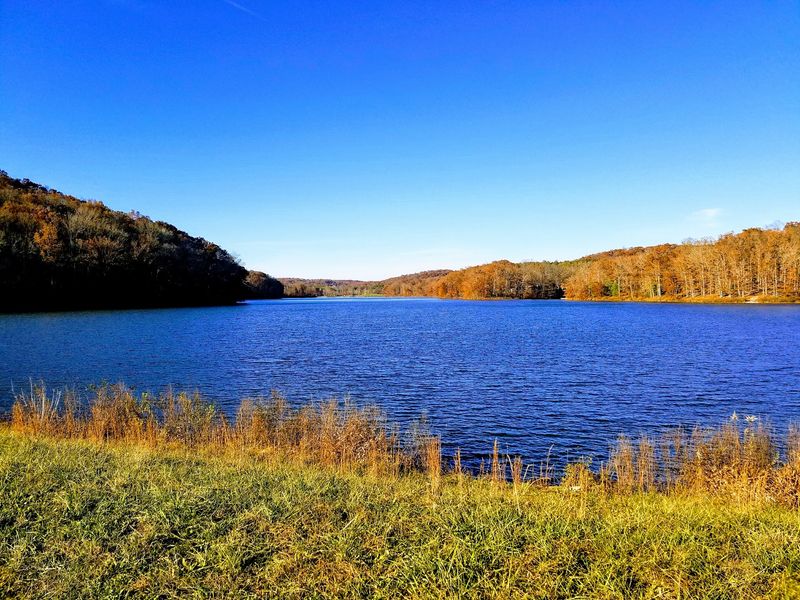
Not every great find happens deep in the woods after a long climb. One reason Yellowwood works so well for a geode-themed outing is that the wider forest experience is already strong, so the search can fit naturally between trail miles, lake stops, and quiet moments near the water.
The area is known for hiking, and the trail network gives the day structure. A creek crossing or rocky drainage can become a short exploring break instead of the entire plan, which keeps the outing fun for mixed groups with different interests.
Some people want overlooks and elevation. Others are happier near flatter ground, a picnic table, or a shoreline where the scenery opens up. Yellowwood has enough variety to support both moods without making the day feel overpacked.
The lake adds a calm counterpoint to the rougher texture of creek beds. After scanning stones and muddy edges, it is easy to shift into a slower pace by watching the water, launching a kayak, or taking a walk near the dam and inlets.
That variety matters for families. Kids can look for interesting rocks, adults can enjoy a trail segment, and everyone gets a setting that feels bigger than a single activity.
Another advantage is that Yellowwood stays less flashy than some nearby outdoor destinations. The quieter style suits careful observation because there is less pressure to rush from one scenic stop to the next.
For photographers, the contrast is especially appealing. Close-up textures of rough stones, bright crystal interiors, leaf reflections on water, and tall tree cover all belong to the same visit, giving the place an editorial richness that surprises first-time explorers.
By the end of the day, the geode search becomes only one layer of the trip. The forest, trails, and lake keep broadening the experience, so even a modest walk can hold geology, scenery, exercise, and a little suspense in the same few hours.
Practical Moves for a Safer, Smarter Day Out
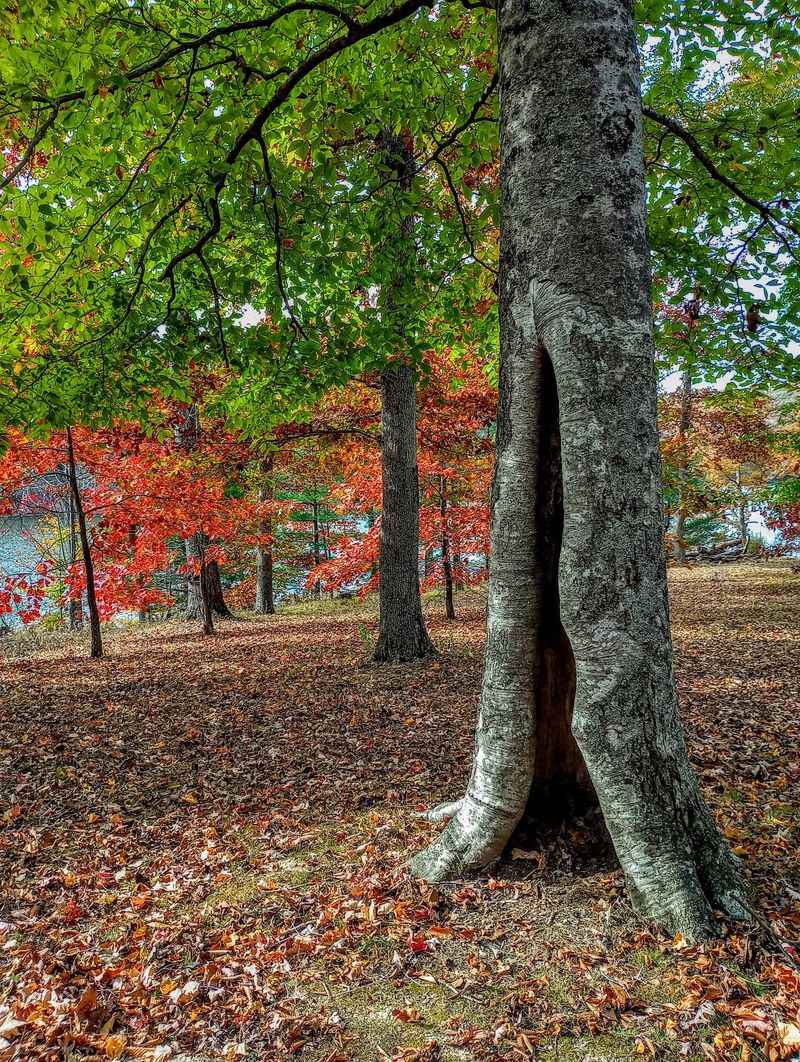
A little planning goes a long way at Yellowwood State Forest. Since the property is open all day and known for hiking, camping, fishing, and water access, it is easy to build an outing around creek exploration without turning the trip chaotic.
Start with the basics: weather, ground conditions, and daylight. Even a mild trail can become messy after rain, and creek banks often stay slick longer than open paths because shade holds moisture in the soil.
Clothing should be simple and practical. Sturdy shoes, long pants, and a small pack with water, snacks, and a dry bag for phones or notebooks make creek searching much more comfortable.
Awareness matters in every season. Warm months can bring insects, uneven footing, and wildlife activity, including snakes, so watching where hands and feet go is far better than charging through brush or flipping stones carelessly.
If the goal is to spot geodes, bring a patient attitude rather than heavy gear. Aggressive digging is not the point, and careful observation usually teaches more than brute force anyway.
Families with kids can keep things smooth by setting simple boundaries before starting. Stay within sight, avoid steep banks, do not enter fast water, and wash hands after handling muddy rocks or standing water.
Because Yellowwood has campgrounds, boat ramps, lake access, and several trails, it helps to choose one main zone for the day instead of zigzagging all over the forest. Fewer transitions mean more time actually noticing the place instead of driving between stops.
One last tip is almost too easy to forget: leave time to do nothing for a few minutes. Sit near the water, listen to the creek, and look slowly at the stones around your shoes.
That pause often reveals more than a hurried search, and it matches the unforced rhythm that makes Yellowwood such a satisfying place to explore.
Why Yellowwood Stands Out After the Crystals
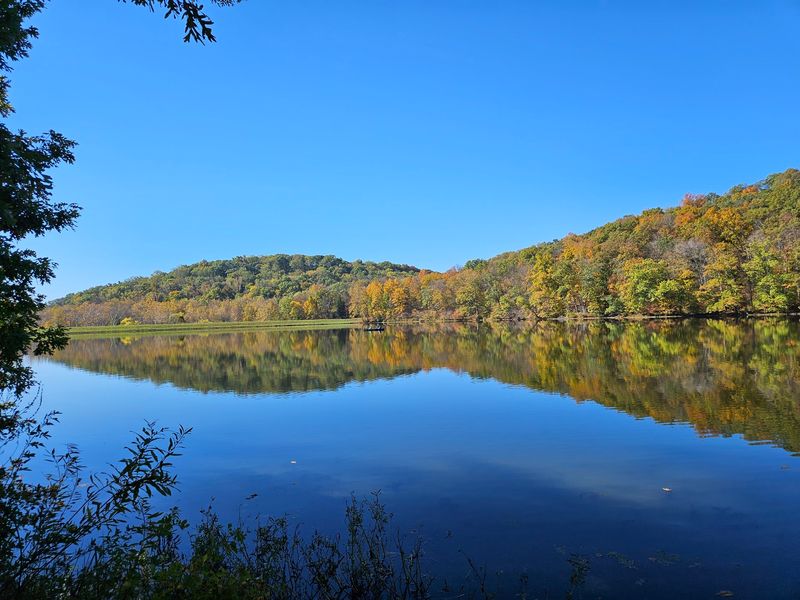
The crystal geodes may grab the headline, but Yellowwood State Forest leaves a stronger impression because the setting around them is so grounded. Nothing here relies on flashy crowds or oversized attractions. The forest lets the surprise arrive in a quieter, more satisfying way.
That matters because discovery works better when the landscape earns your attention first. A creek sounds ordinary, a trail bend looks simple, and a rough stone seems unimportant until the place slowly teaches you to notice small details.
Yellowwood is especially good at that kind of shift. The same visit can include woods deep with shade, glimpses of the lake, a dam area, birdlife, changing terrain, and the possibility that one nondescript rock might hold a pocket of crystals.
There is also a nice balance between accessibility and mystery. The forest is welcoming enough for a casual day trip, yet it still feels large and textured enough to support wandering, observing, and learning without everything being spelled out in advance.
For Indiana travelers, that combination is a gift. A place does not need towering mountains or famous desert canyons to offer wonder. Sometimes it only needs creek gravel, old rock layers, and enough quiet for curiosity to take over.
Even the geodes themselves fit Yellowwood’s personality. They are modest on the outside, surprising on the inside, and tied to a history much older than the human scale of campsites, roads, or trail markers.
That makes the forest memorable in a very specific way. It gives scenery, movement, and science all at once, with no need to force the experience into one category.
By the time the day wraps up, the big takeaway is clear. Yellowwood is not just a nice patch of woods near Nashville, Indiana.
It is a place where a peaceful creek can open a door to deep time, and that is a rare kind of adventure hiding in plain sight.
Share this story