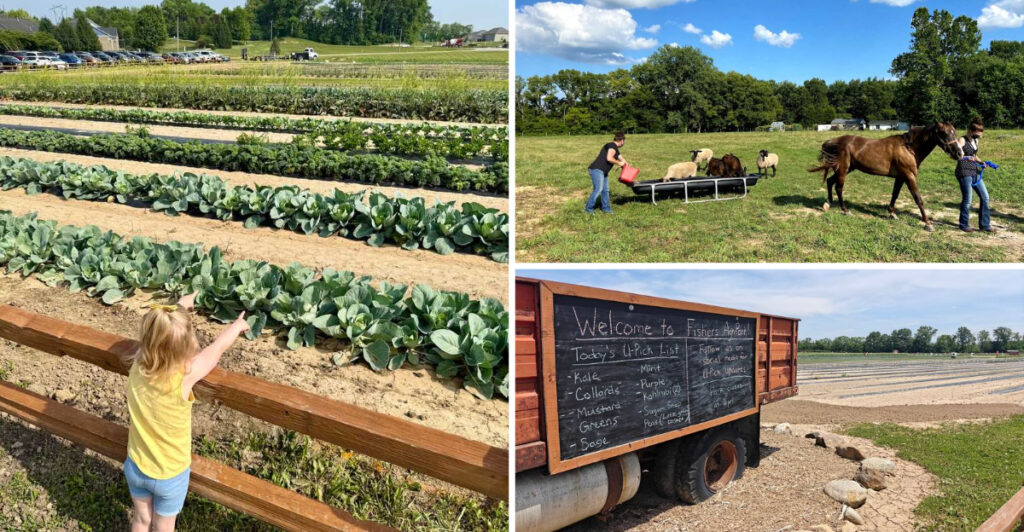
Picking a tomato straight from the field feels different when the only thing you need to bring is curiosity. Fishers Agripark turns 33 acres into a working farm and public park where families can explore crops, learn how food grows, and harvest select vegetables and flowers for free when available.
The experience gives children a hands-on connection to agriculture while offering adults a refreshing alternative to an ordinary park visit. Seasonal changes mean there can be something different growing each time you return. Few family outings end with freshly picked produce, making this Indiana farm a particularly rewarding place to spend an afternoon.
A Farm View That Changes the Usual Park Day
Plenty of parks offer grass and a playground, but Fishers Agripark opens with rows of crops and a working-farm layout that immediately changes the mood. Instead of heading straight for a swing set, families step into a place where vegetables, flowers, and learning spaces share the same ground.
That shift matters because children can see right away that food does not begin on a store shelf. The setting helps the park stand apart. Beds of produce, open views, animal areas, and walking space create a landscape that feels active without being hectic.
There is room to move at an easy pace, pause at signs, and notice what is growing rather than rushing from one attraction to the next.
For adults, the visual contrast is part of the appeal. A public park usually focuses on recreation alone, yet here the land works harder by mixing play, agriculture, and community use in one place.
That combination makes even a short visit feel fuller, because every direction offers a different kind of outdoor experience.
Children often connect with the place quickly because it gives them something concrete to look for. A patch of peppers, a line of tomato plants, or a bed of flowers becomes a simple goal, and that turns wandering into discovery.
It also helps families talk naturally about seasons, planting, and harvest without making the day feel like a formal lesson.
Even before anything gets picked, the layout tells a story about how land can be used in a generous way. Fishers Agripark is not trying to imitate a countryside getaway or a polished theme attraction.
It presents a practical, welcoming farm setting inside a public park framework, and that simple idea is strong enough to make an ordinary afternoon feel fresh.
The Free U-Pick Harvest Is the Real Hook
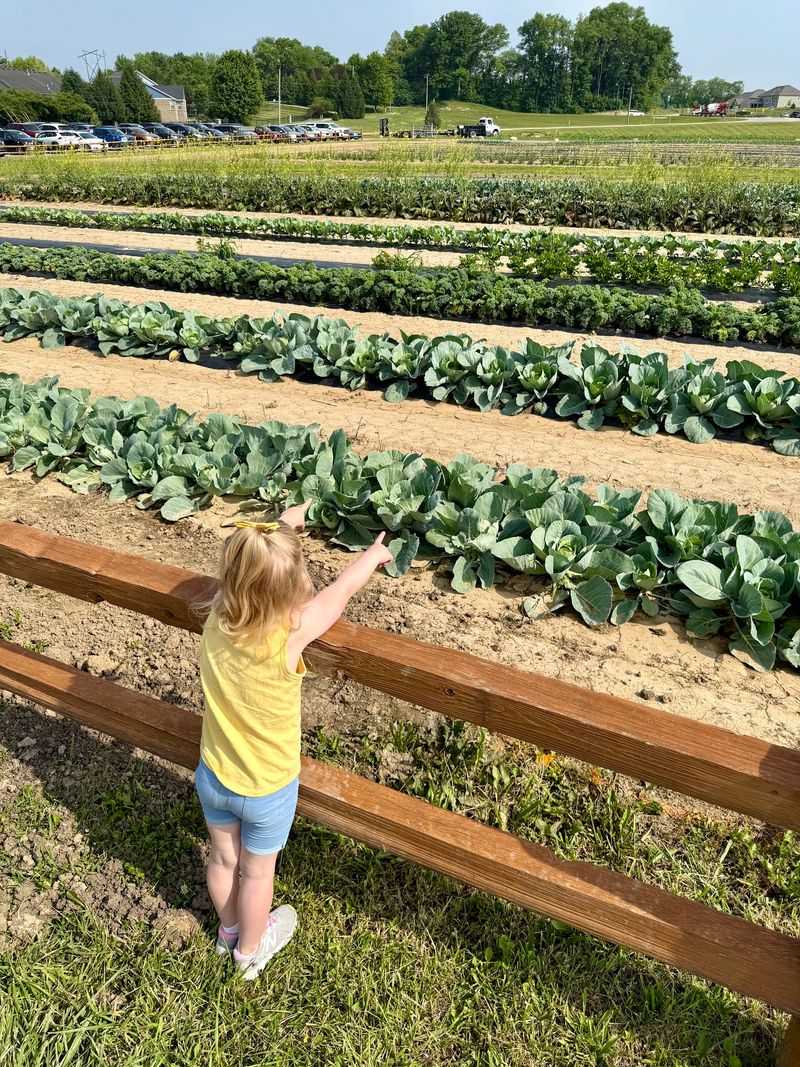
Here is the part that stops parents in their tracks. Fishers Agripark allows visitors to harvest select produce for free when crops are available, turning a family outing into a hands-on food experience with real value.
That simple policy gives the park its strongest identity, because it invites people to participate instead of only looking.
The experience is easy to understand even for younger children. Walk the grounds, check what is ready, and pick within the posted limits.
Depending on the season, that may include peppers, beans, tomatoes, kale, herbs, corn, cabbage, or other crops growing that week.
There is a practical lesson built into every stop at the field. Kids can compare leaves, notice size differences, and learn that not everything ripens at once.
Adults get a useful reminder too, since fresh produce changes with weather and timing, which makes each visit slightly different from the last.
Picking food by hand also slows people down in a good way. A tomato is no longer just another item on a shopping list when a child spots it on the vine, reaches carefully, and carries it home.
That small action gives meals more context and can make children far more curious about tasting what they helped gather.
The free harvest model feels especially meaningful at a time when many family activities are expensive from the moment the car is parked. Fishers Agripark offers something tangible to take home while keeping the process simple and community-minded.
Instead of treating produce as a premium extra, the park folds it into the visit itself, and that choice makes the entire place more memorable, more useful, and far more interactive than a typical afternoon outside.
Flowers Add Color, Choice, and a Small Take-Home Prize
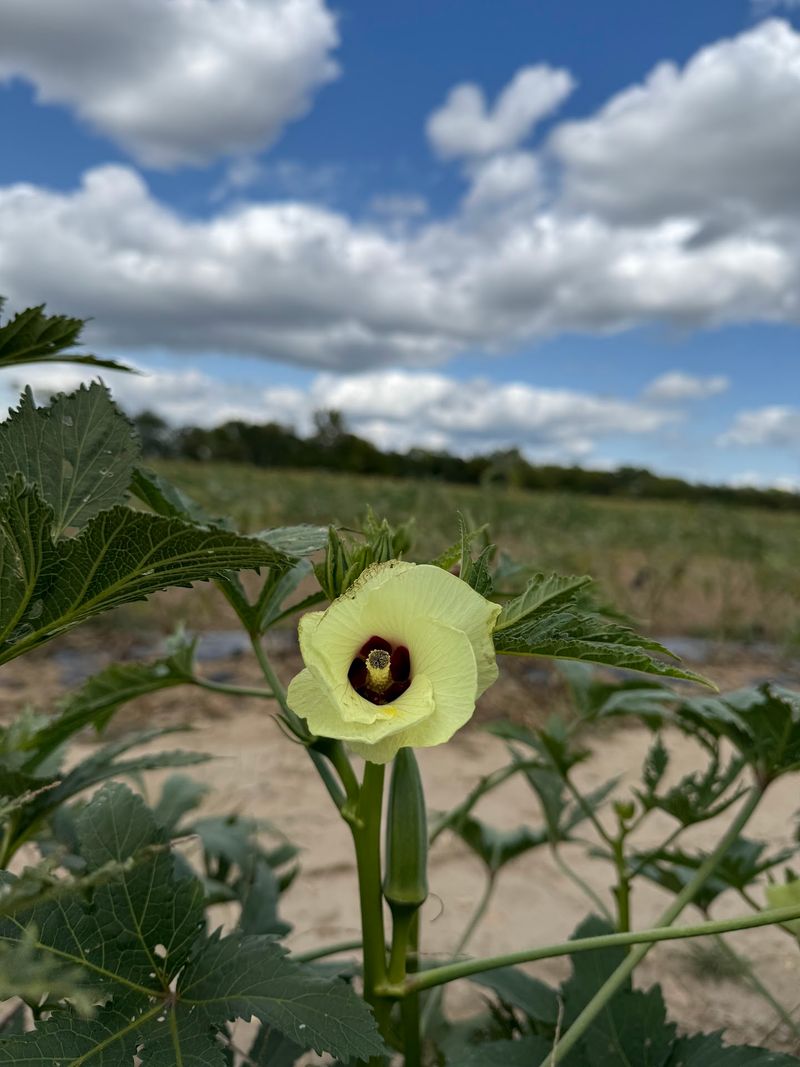
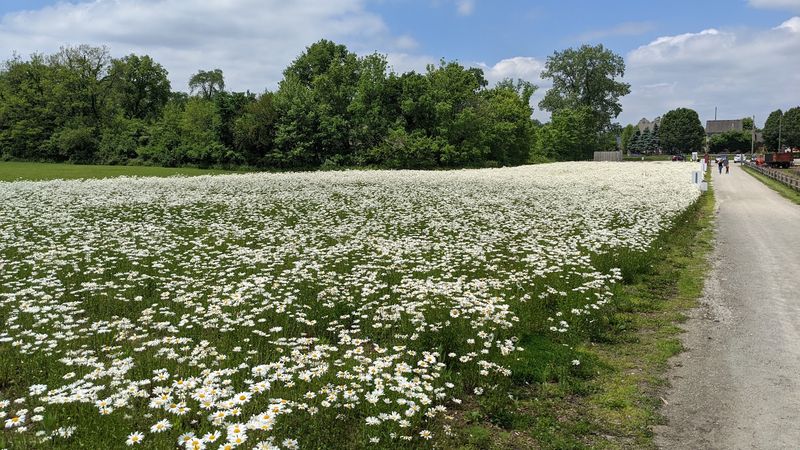
Vegetables may headline the visit, but the flowers give Fishers Agripark a bright second act. Seasonal blooms add a splash of color to the farm rows and make the experience friendlier for children who may not care yet about kale or peppers.
A flower picked by small hands can be just as exciting as a bag of produce. That extra option broadens the appeal of the park in a smart way. Some kids are drawn to color before food, and flowers become their entry point into the rest of the farm.
Once they start looking closely at petals, stems, and rows, it becomes easier to guide them toward vegetables growing nearby.
Flowers also change the rhythm of a visit. Harvesting a pepper or a tomato feels useful, while clipping or gathering a few blooms feels playful and celebratory.
Families leave with something cheerful for the kitchen table, the car ride home, or a simple little gift for a grandparent.
There is another quiet benefit here. A flower patch helps teach care and restraint, because children learn to select thoughtfully instead of grabbing at everything within reach. That same habit carries over into produce picking, where gentle hands and attention to signs matter.
Visually, the flowers soften the agricultural layout and make the park look more inviting to first-time visitors. Rows of green crops are interesting, but patches of bright color signal fun from a distance and break up the field with easy photo moments.
For families trying to hold the attention of different ages at once, that matters. At Fishers Agripark, flowers are not an afterthought. They work as decoration, education, and motivation all at once.
A child who comes for marigolds might leave talking about beans, herbs, or tomatoes too, and that gentle path from beauty to curiosity is one of the park’s smartest features.
Animals and Playgrounds Keep the Energy Moving
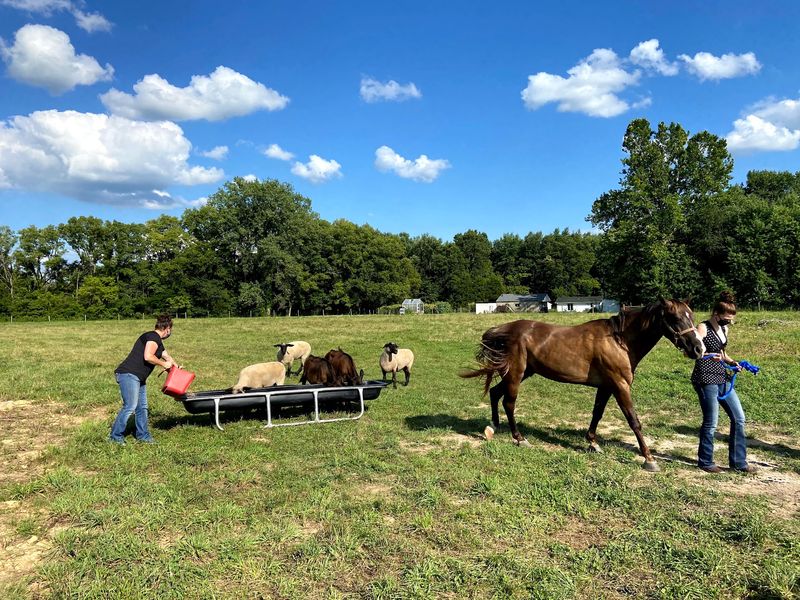
Not every child wants to spend an afternoon studying vegetables, and Fishers Agripark clearly understands that. Animal areas and a playground help balance the farm experience, giving kids a reason to stay engaged even after they have finished picking.
The result is a day that can stretch longer without turning into a battle over boredom. Farm animals add motion and personality to the grounds. Seeing chickens, goats, pigs, horses, cows, or other livestock gives children a more complete picture of farm life than a garden alone could offer.
For many families, that close-up look at animals becomes the bridge between playtime and learning. The playground side matters just as much. After careful picking and slow walking through the rows, children often need a chance to climb, run, and reset.
A natural play area fits the setting well because it keeps the outdoor focus intact instead of breaking the mood with something overly artificial.
Parents benefit from this layout too. A single stop can cover several needs at once, including movement, fresh air, sensory variety, and a few teachable moments about food and agriculture.
There is less pressure to cram everything into a perfect schedule when the site already offers multiple ways to spend time.
That variety is especially helpful for families with mixed ages. One child might want to pet animals, another might race to the play area, and another might keep checking what produce is ready.
Fishers Agripark gives each of them a lane without splitting the outing into separate destinations. By combining crops, livestock, and play spaces, the park avoids the biggest weakness of many educational attractions, which is that they can feel too one-note for repeat visits.
Here, the mood can switch naturally from curious to active to calm again, and that keeps the experience moving at a comfortable family pace.
An Indiana Classroom Without Classroom Walls
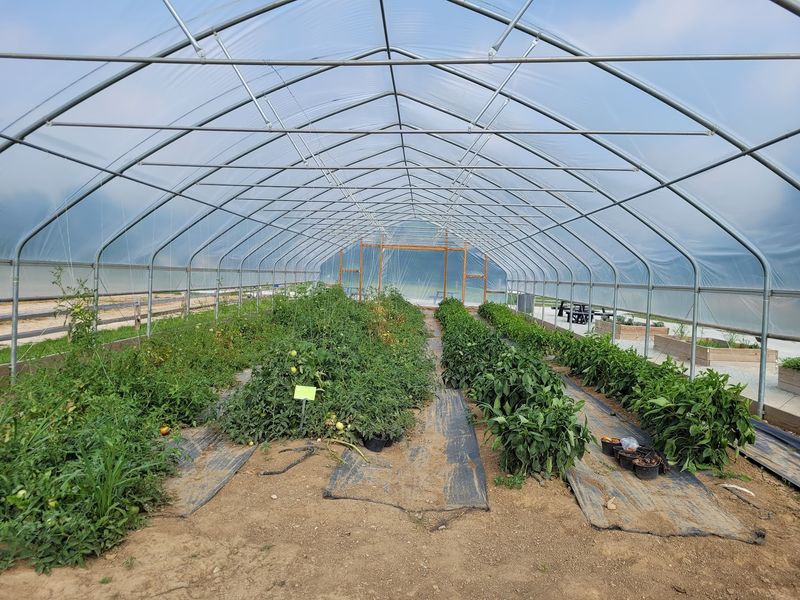
School lessons can struggle to compete with real life, but Fishers Agripark has an advantage the moment a child sees food growing in front of them.
The park turns agriculture into something visible, touchable, and easy to discuss without sounding like a lecture. That gives it unusual strength as an informal learning space in Indiana.
Educational signs and clearly arranged planting areas help make the information approachable. Instead of dealing with abstract ideas, families can connect names, shapes, and growing habits to actual crops in the field.
A child who reads about herbs or watches a tomato plant up close is more likely to remember the lesson later. The learning reaches beyond the produce itself. Farm animals introduce conversations about care, feeding, and the wider systems that support how food is raised.
Some visits also expose families to gardening methods and related topics that make the park feel more like a living demonstration than a passive display.
Homeschool groups, curious grandparents, and parents looking for low-cost enrichment all have a reason to pay attention here. The setting supports simple questions that matter: How do beans grow, when is corn ready, why do leaves look different, and what can be harvested now?
Those questions arrive naturally because the environment keeps inviting them. Another strength is the pace. Learning does not happen on a timer with desks and worksheets, so children can move, observe, and return to something that caught their interest.
That freedom often leads to stronger engagement than a forced educational stop. Fishers Agripark also helps reconnect suburban life with the basics of agriculture. Many children know produce mainly as packaged food under bright grocery lights.
Here, dirt on hands, plant labels, and a small harvest bag do a better job of teaching food origins than a stack of definitions ever could, and the lesson settles in quietly while the day still feels fun.
How to Time a Visit for the Best Picking
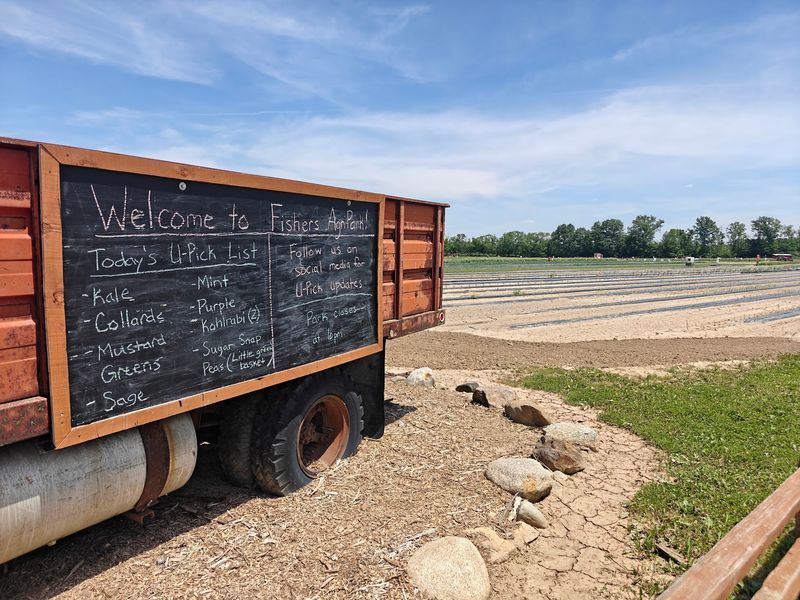
Showing up at the right time can make a good visit much better. Fishers Agripark is not open every day, and the produce selection changes with the season, so a little planning helps families get the most from the trip.
Midweek and weekend hours create a schedule that feels manageable, but not every afternoon will offer the same harvest.
Because the park works with real crops, timing shapes the experience more than it would at an ordinary playground. Early summer may look different from late summer, and a visit near the end of a growing cycle may feature fewer options than a peak-season stop.
That is not a drawback so much as a reminder that agriculture runs on nature’s calendar. Families with younger children should consider arriving with a simple plan. Start with the fields while attention spans are fresh, then move toward the animals or playground once baskets are full or interest begins to drift.
That order often keeps the produce-picking part from being skipped in the rush to climb and run. Comfort matters too. Water, closed-toe shoes, and a readiness for sun or dust can make the day smoother, especially when little ones are moving between farm rows and play spaces.
It also helps to set expectations gently by explaining that what is available depends on what is ripe that day. The park’s hours, with closures early in the week and openings later on Wednesday through Sunday, make it a place worth checking before leaving home.
A flexible attitude pays off, since a shorter harvest day can still be a strong outing when paired with animals, nature, and open space.
Fishers Agripark rewards visitors who treat it like a living seasonal place rather than a fixed attraction. The best approach is simple: come curious, look closely, and build the visit around whatever the land is ready to offer that day.
Why Fishers Agripark Stands Out in a Crowded Family-Outing Map
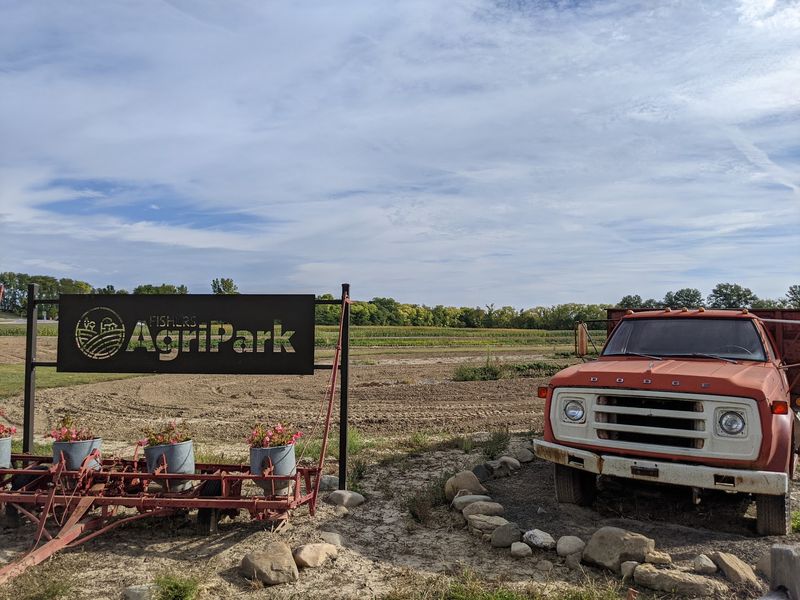
Many family destinations ask visitors to choose one main activity, then charge extra for everything around it. Fishers Agripark takes a very different route by combining open-air fun, useful education, and free seasonal harvests in one public space.
That combination gives the park a rare kind of generosity that is easy to understand the moment a family leaves with vegetables or flowers in hand.
The standout quality is not only that produce can be picked without an added fee. It is the way the whole place is organized around participation.
Children do not stay on the sidelines staring at farm life from behind a fence. They move through it, touch parts of it, and connect the farm to their own dinner table.
There is also a community-minded tone built into the experience. A public park that treats agriculture as something shared, visible, and welcoming sends a strong message about local resources and access to outdoor learning.
Instead of guarding the harvest as a display, the park invites residents to take part in it responsibly. That openness helps the farm avoid the polished distance of some agritourism stops.
Fishers Agripark works best not as a staged attraction but as a useful place where families can spend a few hours, pick what is ready, greet animals, and let children burn energy in a setting with more substance than a standard play space.
For central Indiana families, the appeal is clear. The visit can be affordable, educational, active, and visually interesting all at once. Few places manage that mix without feeling scattered.
Fishers Agripark stands out because it gives people more than a backdrop for pictures or a way to pass time. It offers a direct, hands-on connection to food, land, and seasonality, then wraps that lesson inside a relaxed park visit that children and adults can both enjoy.
Share this story